Redwood National Park Camping: Best Camping In (2026 Guide)
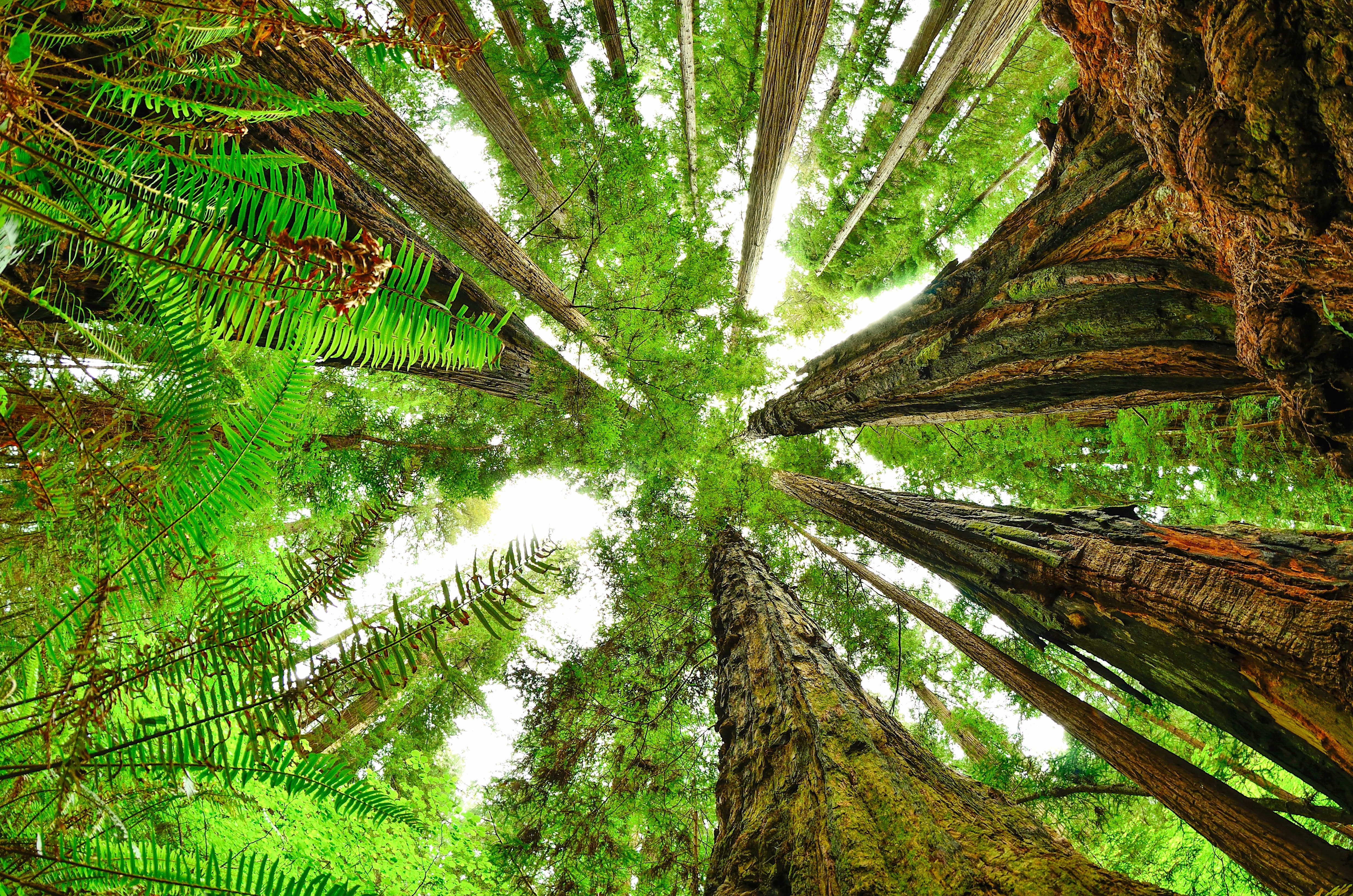
NPS via NPS.gov (Public Domain)
Best Camping in Redwood National Park
10 min read
Camping Guide
Complete 2026 camping guide for Redwood National Park. Campground locations, reservation tips, site selection, and what to know before you arrive.
Your plans
This article contains affiliate links — we may earn a small commission at no extra cost to you.
The booking reality for the best camping in Redwood National Park is a seasonal sprint. The four main campgrounds - Elk Prairie, Mill Creek, Jedediah Smith, and Gold Bluffs Beach - operate on a reservation system from May through September, with some extending into October. Reservations for summer dates open six months in advance on Recreation.gov, and popular weekends can sell out within minutes of the booking window opening. The park service and California State Parks manage these sites jointly, and the demand reflects the limited number of spots beneath the world's tallest trees. Walk-in availability is essentially nonexistent during peak season. From October through April, some campgrounds switch to first-come, first-served or close entirely, trading competition for the certainty of coastal rain. Your planning calendar matters as much as your packing list.
The Booking Reality
Reservations for summer campsites are released on a six-month rolling basis at 8:00 AM Pacific Time on Recreation.gov. For a spot in July, you're booking in January. Experienced visitors know to have an account pre-loaded with payment info and to be logged in and ready precisely at 7:59 AM. Weekends from Memorial Day through Labor Day disappear fastest, often within 2-5 minutes for premium loops and beachfront sites. Gold Bluffs Beach sites are typically the first to go.
The system does not hold sites in your cart while you complete payment; it's a straight purchase. If you see an available site, you must commit immediately. There is a small but reliable trickle of sites from cancellations, usually 1-3 days before the arrival date. Setting up alerts on third-party sites or checking Recreation.gov obsessively the week before your trip can pay off. From October through April, Mill Creek and Jedediah Smith campgrounds typically shift to first-come, first-served, but always verify current status on the official website before relying on this. The parks are open, but services are reduced.
Campground at a Glance
| Campground | Sites | Reservation Season | Fee (2026) | Elevation | Hookups | Notes |
|---|---|---|---|---|---|---|
| Jedediah Smith | 86 sites | May - Sept (Reserve) Oct - Apr (First-come) | $35/night | ~100 ft | None | Old-growth redwoods on Smith River. |
| Mill Creek | 145 sites | May - Sept (Reserve) Oct - Apr (First-come) | $35/night | ~600 ft | None | Dense maple & young redwood canopy. |
| Elk Prairie | 75 sites | Year-round (Reserve) | $35/night | ~300 ft | None | Prairie edge, elk grazing, trail hub. |
| Gold Bluffs Beach | 26 sites | May - Sept (Reserve) | $35/night | Sea level | None | Coastal bluff, beach access. 8-mile rough access road. |
All campgrounds offer picnic tables, fire rings, food lockers, and access to potable water and restrooms (flush or vault). No RV hookups exist within the park campgrounds. The nearest services for groceries, fuel, and propane are in the towns of Crescent City (near Jedediah Smith) and Orick (near Elk Prairie and Gold Bluffs Beach).

Jedediah Smith Campground: Complete Guide
Jedediah Smith Campground occupies a prime old-growth redwood grove along the Smith River, providing what many consider the definitive cathedral camping experience. Expect cool air rich with the scent of damp fern and redwood bark. The dense forest absorbs sound remarkably well—you'll often hear the river's steady murmur more clearly than activity from nearby sites. It's a dark, quiet environment that feels deeply secluded, though Crescent City for supplies is only a ten-minute drive east.
Site Selection & Loops
The campground layout consists of several loops. Sites on the River Loop—numbers like 24, 26, and 28—provide the most direct access to the Smith River, with short trails down to gravel bars and swimming holes. These are consistently the first sites to book up. The Redwood Loop sites are positioned deeper within the grove, offering the greatest privacy and a more enclosed, immersive feel. Sites here are generously spaced.
Rangers will tell you that even the "less desirable" sites at Jedediah Smith are better than most campgrounds elsewhere. The forest canopy is so complete that finding a patch of direct sunlight for a tent is the real challenge in early summer. RVs over 30 feet will find some loops tight; check the site-specific dimensions on Recreation.gov carefully. Generators are permitted only during designated hours (usually 8 AM to 8 PM), but the need for them is rare given the cool temperatures.
Facilities & Details
Restrooms are modern flush toilets. Potable water spigots are located throughout the loops. Each site has a standard metal fire ring and a large, bear-proof food storage locker. You must store all food, trash, and scented items in these lockers at all times - raccoons here are adept and black bears are present. The nearby hiking trails, including the iconic Stout Grove, are some of the best hiking in Redwood National Park and start right from the campground or a short drive away.
Mill Creek Campground: Complete Guide
Sleep beneath towering maples and young redwoods at Mill Creek. With 145 sites, it's the park's largest campground, feeling more like a dense, leafy forest than the open groves of Jedediah Smith. The atmosphere is darker and damper, with a lush understory of ferns and sorrel. The sound of Mill Creek provides a constant background whisper. It's a favorite for families due to its size, summer ranger programs, and proximity to miles of varied hiking trails.
Site Selection & Loops
Mill Creek is sprawling. The Creek Loop sites are closest to the water and have a more open understory. The Ridge Loop sites are set on a hillside, offering more privacy and slightly better drainage after rain. Sites in the 80s and 90s tend to be more secluded. Because the canopy is primarily bigleaf maple and younger redwoods, sites get dappled sunlight rather than permanent shade, which can be a welcome change.
The booking site doesn't effectively communicate the terrain. Many sites are on a slope, so leveling an RV or finding a flat tent pad requires careful scouting of the site map. Ground moisture is persistent; a waterproof ground cloth is non-negotiable. The campground's size means you'll hear more ambient noise from other campsites, especially on summer weekends, but the forest still muffles most sound.
Facilities & Details
Facilities include flush toilets and potable water throughout. Like all park campgrounds, each site has a bear locker. The dump station and fill water are located near the campground entrance. Mill Creek serves as a central hub for exploring the Del Norte Coast, with trailheads leading into deep forests and to coastal bluffs. It's a strong contender for the best camping in Redwood National Park for those wanting a central location with maximum site availability.

Elk Prairie Campground: Complete Guide
Enjoy ancient coast redwoods, grazing Roosevelt elk, and black-tailed deer in Elk Prairie. This campground sits at the edge of a large meadow, creating a unique blend of forest and open space. You camp under massive redwoods at the tree line, with views out to the grassy prairie. The trade-off is less privacy between sites than the deeper groves, but the wildlife viewing is. It's common to wake to elk browsing just beyond your picnic table.
Site Selection & Atmosphere
The Prairie Edge sites (the first loop you enter) offer the best views of the meadow and its elk herds. The Forest Loop sites, set further back, offer more traditional forest camping. The atmosphere is brighter and airier here. The prairie catches morning sun, burning off fog earlier than the denser creek-side campgrounds. This is the trailhead for over 70 miles of hiking and biking trails, including the popular Prairie Creek and James Irvine trails, making it a premier basecamp for redwood forest hiking trails.
The most common mistake is underestimating the elk. They are wild and can be aggressive, especially during the fall rut. Rangers emphasize maintaining a distance of at least 75 feet. Never approach them, and secure all food instantly. The prairie is also a fog magnet in the afternoon; don't be surprised if bright sunshine gives way to a cool, damp blanket of mist by 4 PM.
Facilities & Details
Elk Prairie has flush toilets, potable water, and a seasonal visitor center nearby. It's the only campground of the four that takes reservations year-round, though winter camping here is a wet, muddy commitment. The access road is well-paved, and sites are easily accessible for all vehicle types.
Gold Bluffs Beach Campground: Complete Guide
Experience the wild Pacific coastline. This is the park's only coastal campground, with 26 sites perched on a bluff overlooking the beach. The sound is constant surf and wind. The smell is salt and seaweed. The view is endless ocean. It's a dramatically different experience from the forest campgrounds and is not for everyone. The eight-mile access road from Highway 101 is unpaved, narrow, winding, and can be rough; low-clearance vehicles are discouraged, and RVs/trailers are not recommended.
Site Selection & Practicalities
Sites are arranged in a single row along the bluff. The middle sites (like 9-14) offer the most wind protection from the bluff's curve. All sites have ocean views, but the ones at the northern end are more exposed. Privacy is minimal - this is about the ocean, not seclusion. The beach is accessed via a short trail, and the famous Fern Canyon trailhead is a short drive or walk from the campground.
What the booking site doesn't show: the wind. It can howl relentlessly, making tent camping a challenge. Staking your tent securely is an absolute must. Summer mornings are often shrouded in dense, dripping fog that may not burn off until afternoon. The damp is pervasive, and everything will feel slightly salty. There is no cell service. The restrooms are vault toilets, and potable water is available from spigots. You are truly off the grid.

Reservation Strategy
Your strategy hinges on the six-month window. For a summer trip, decide which campground is your priority (have a second choice ready) and be prepared to book exactly at 8:00 AM PT six months before your planned arrival. Use Recreation.gov's map view to select a specific site; know your backup site numbers.
If you miss the initial window, use the "Notify Me" function on Campsite Alert websites or apps. Most cancellations appear 48-72 hours before the arrival date as people finalize plans. Checking Recreation.gov at 7:00 AM PT can yield last-minute opportunities.
For group camping, the park has a few group sites at Mill Creek and Jedediah Smith. These require calling the park directly or booking through a different Recreation.gov portal - do not assume they are available through the standard individual site booking system.
What to Know Before You Arrive
Bear Storage: This is non-negotiable. Every site has a large, bear-proof locker. All food, trash, coolers, cooking gear, toiletries, and pet food must be stored inside it whenever you are not actively using them. Not a single wrapper left on the table. Bears and raccoons are active and will exploit any lapse.
Fire Restrictions: Wood and charcoal fires are permitted only in provided metal fire rings, subject to seasonal fire danger restrictions. During high fire danger (typically late summer), fires may be banned entirely. Always check current park alerts before you arrive and at the visitor center. Never leave a fire unattended.
Quiet Hours & Generators: Quiet hours are strictly 10:00 PM to 6:00 AM. Generator use is typically restricted to 8:00 AM to 8:00 PM. Enforcement varies by campground host, but complaints from other campitors are taken seriously.
Cell Service: Don't count on it. Service is sporadic throughout the parks. You may get a weak signal at higher points in Mill Creek or near campground entrances, but assume you will be offline at your actual campsite. Plan accordingly.
Water & Supplies: Potable water is available at all campgrounds. Treat any water from creeks or rivers before drinking. The nearest full-service grocery stores are in Crescent City (north) and Trinidad (south). Stock up before you arrive, especially if camping at Gold Bluffs Beach or during off-season when nearby stores have shorter hours.
Checkout: Checkout time is usually noon. Arriving campers may be waiting for your site, so plan to be packed up and ready to vacate by then. You can still use park facilities and hiking trails for the rest of the day.

Practical Takeaways
- Book at 8 AM Sharp: Six months out, on Recreation.gov. Summer weekends sell out in minutes.
- Use Every Locker: Store all food and scented items in the bear box. Every time.
- Prepare for Damp: This is a temperate rainforest. Waterproof gear, extra tarps, and dry bags are essential, even in summer.
- Layer Your Clothing: Temperatures range from the 40s to 60s (°F) in a single day. Fleece and rain shells are more useful than shorts.
- Check Road Conditions: Especially for Gold Bluffs Beach. The access road is rough dirt and not suitable for all vehicles.
- Have a Backup Plan: If your preferred campground is full, look at campgrounds near Redwood National Park in the surrounding state parks or national forest.
- No Hookups: None of the park campgrounds offer RV water, sewer, or electrical connections. Come with full tanks and a plan for power.
- Respect the Elk: Keep a 75-foot distance from Roosevelt elk, especially in Elk Prairie. They are not tame.
- Expect No Cell Service: Plan your navigation, communication, and entertainment offline.
- Verify Current Status: For the latest on fees, closures, and fire rules, always check the official park website or call ahead. This guide is based on 2026 information; policies evolve.
For broader context on park operations and seasonal highlights, consult the complete visitor guide.
For more information, see our complete National and State Parks Guide.
Related: redwood forest hiking guide
Related: redwood forest hiking trails guide
Recommended Gear
What experienced visitors bring to Best Camping in Redwood National Park
Links may earn us a commission at no extra cost to you. We only recommend gear we believe in.
Hiking Essentials
Hydration Pack (3L)
Hands-free water for long trail days
Trekking Poles (Pair)
Save your knees on steep descents
Hiking Boots (Ankle Support)
Sturdy footwear for rocky, uneven trails
Sun & Heat Protection
Wide-Brim Sun Hat
Full coverage UPF 50+ protection at altitude
Insulated Water Bottle (32oz)
Keeps water cold in desert heat all day
Winter Gear
Microspikes / Traction Devices
Essential for icy rim trails in winter months
Packable Down Jacket
Lightweight warmth that stuffs into a pocket
Sources
- Official source: NPS — Redwood National Park nps.gov/redw/index.htm
Photo Gallery
More to Explore
Park Guide
Acadia National Park: Carriage Roads, Cadillac Mountain & 2026 Guide
Discover carriage roads, Cadillac Mountain, and rugged Maine coast. Complete 2026 guide to Acadia National Park — trails, fees, lodging, permits, and what rangers recommend.
Hiking Guide
Grand Canyon Hiking Trails: Day Hikes, Water Sources & Rim to Rim
Compare Grand Canyon hiking trails: Bright Angel, South Kaibab, Hermit, Grandview, and rim to rim, with distances, elevation, water stops, and trailhead access for each.
Best Of
Best of Glacier Bay National Park
The best of Glacier Bay is reached by boat: ranger-led day tours up the bay to the tidewater glaciers. What's worth it, how to book, and when to go (2026).
Campsite Guide
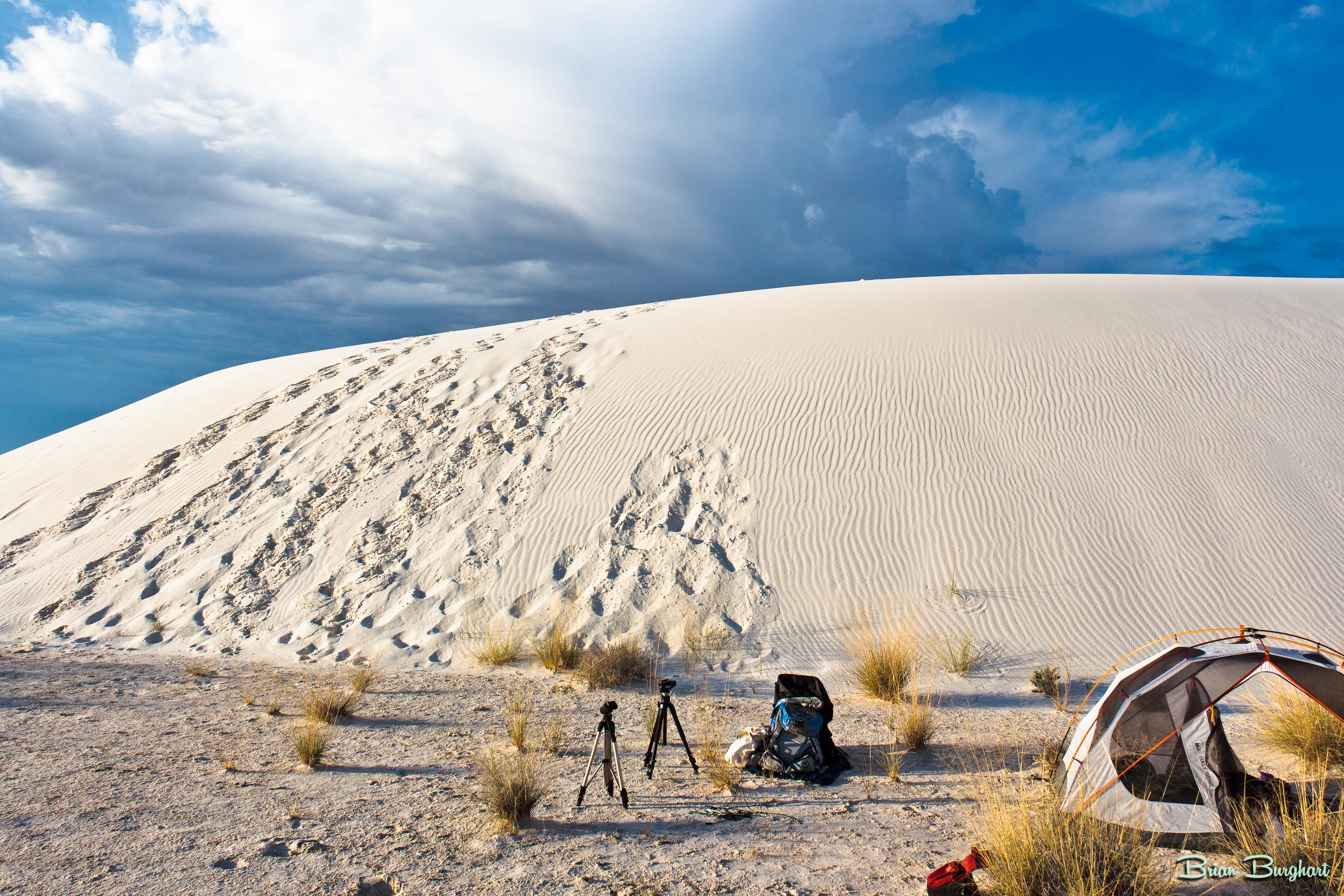
White Sands Backcountry Camping: Closed for 2026 — What to Know
As of 2026, backcountry camping at White Sands National Park is closed for site rehabilitation. What that means, and where to camp nearby instead.
Weather Guide
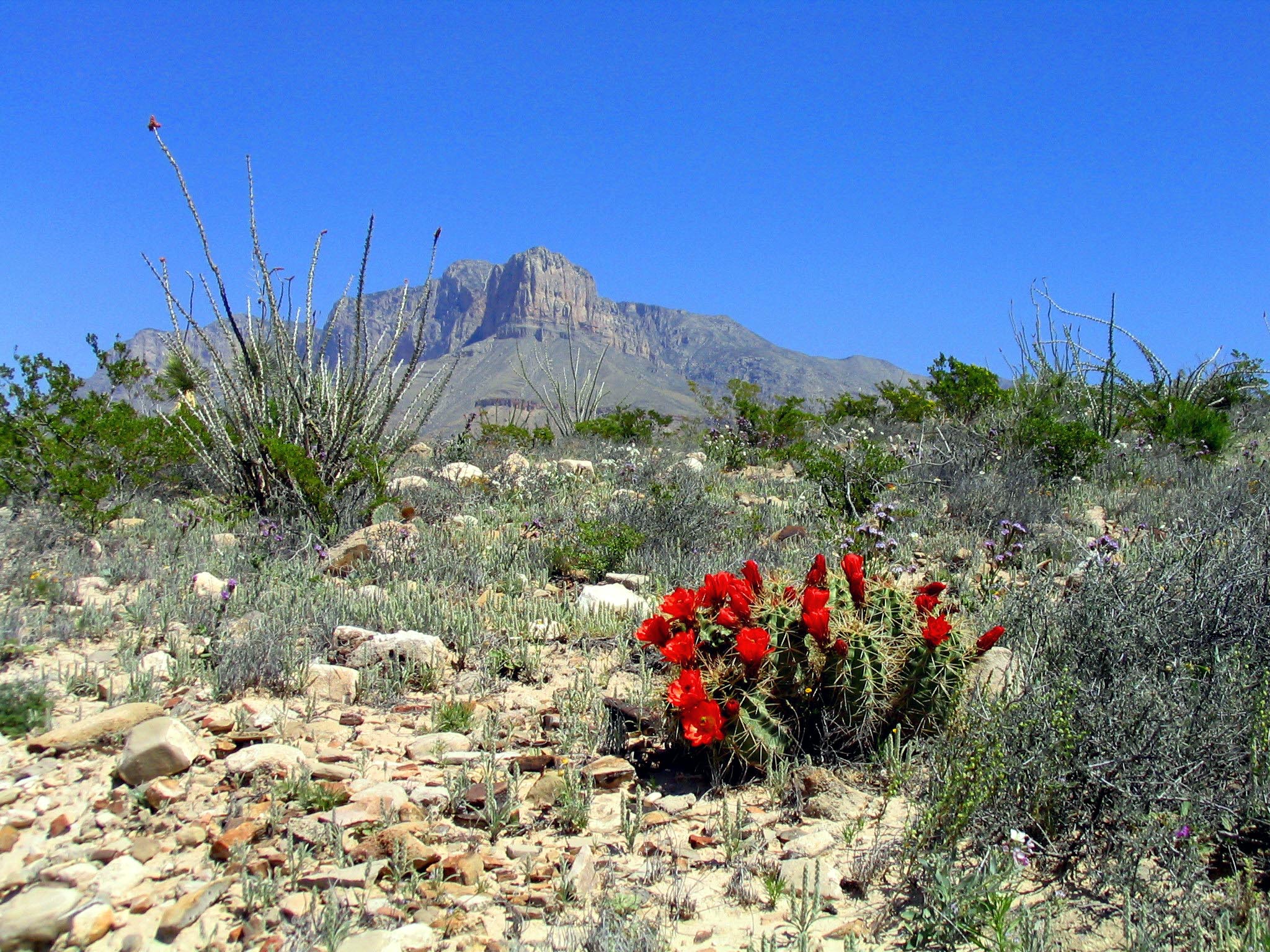
Guadalupe Mountains National Park Weather: Weather
Guadalupe Mountains National Park: weather guide guide updated 2026. Practical visitor information, reservations, and seasonal tips worth bookmarking before
Best Of
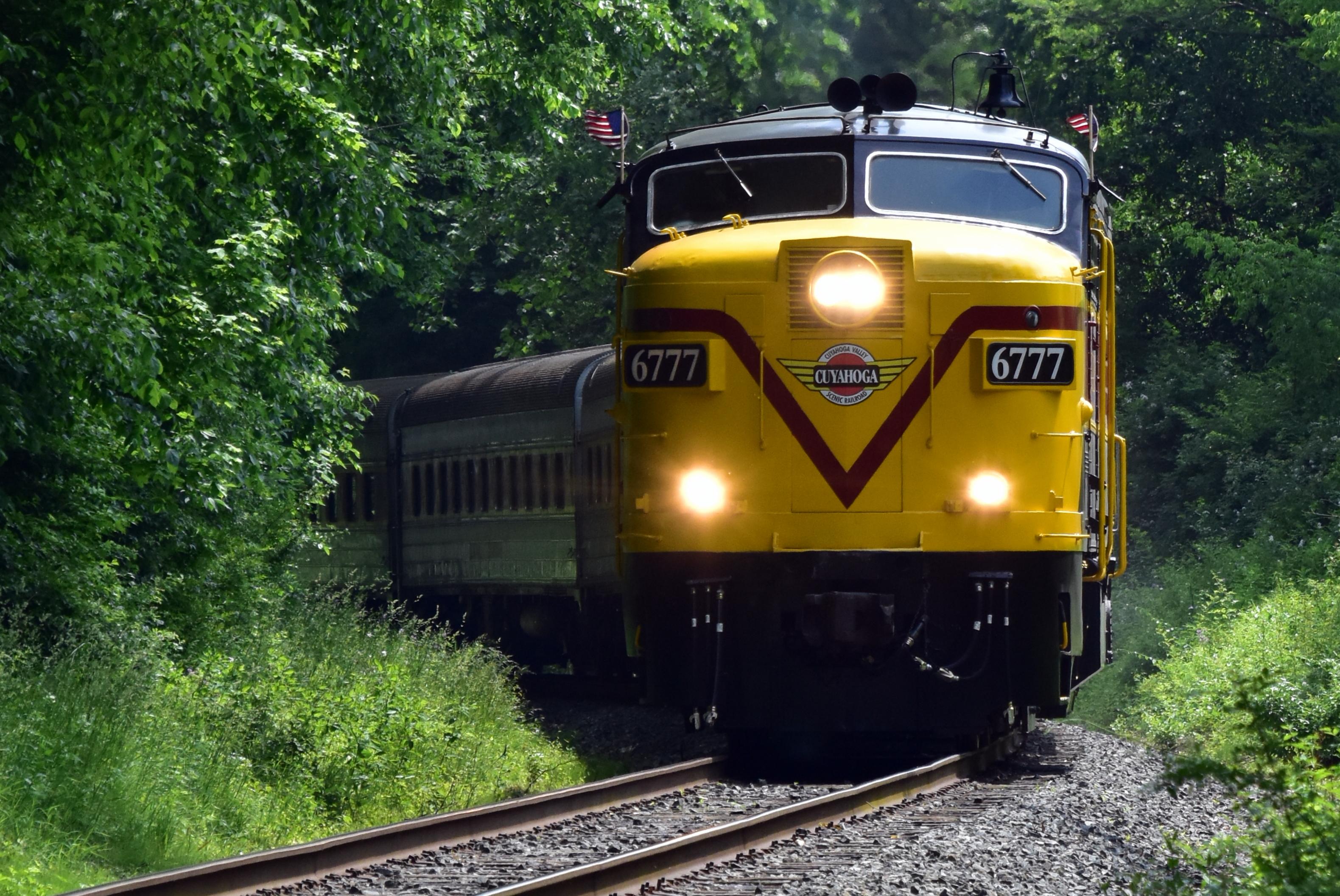
Best of Cuyahoga Valley National Park: Best Things to Do
Seeing a Cleveland Orchestra concert with the woods as your backdrop is a uniquely Cuyahoga Valley experience.
Sign in to join the conversation.
Sources & Attribution
Location data courtesy of the National Park Service (U.S. Department of the Interior). NPS data is public domain. Official NPS page.
Images: NPS; NPS; NPS; NPS; NPS.
Map data © OpenStreetMap contributors.
Park operations alerts: NPS.gov · Weather and weather hazards: National Weather Service · Live conditions.
Information may change. Always verify fees, hours, and conditions directly with the official source before visiting.
Did this guide help? Share it with a friend.