Redwood National Park Weather: Weather (2026 Guide)
NPS via NPS.gov (Public Domain)
Redwood National Park Weather
7 min read
Weather Guide
Pack a rain jacket for July. Redwood National Park is a cool, damp temperate rainforest. Our 2026 guide explains the unique coastal weather system.
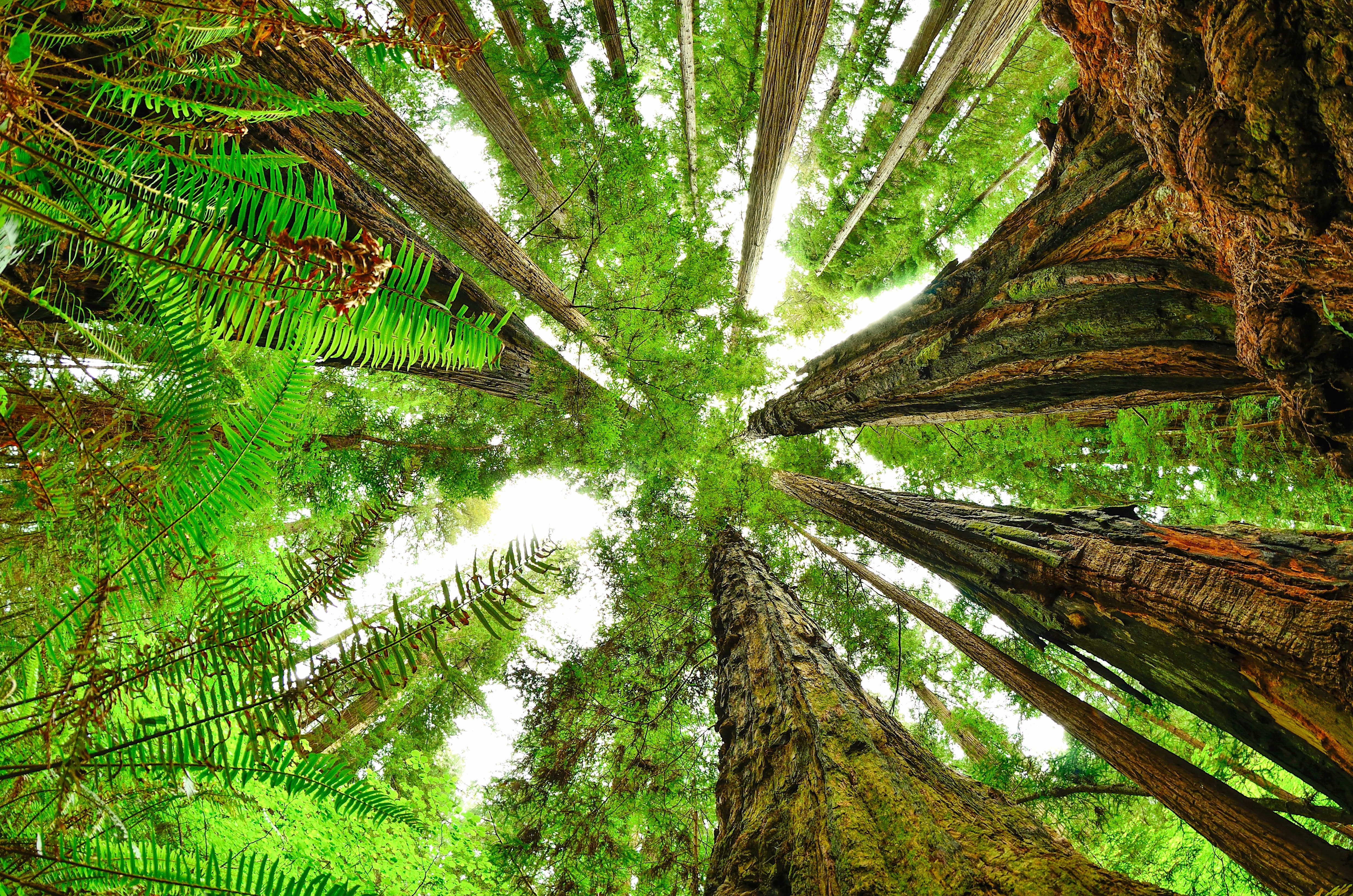
Pack a rain jacket. Even in July. The single most important climatic truth about Redwood National and State Parks is that you are visiting a temperate rainforest, and the weather here operates on its own terms, separate from the California most visitors imagine. The official forecast for "Northern California" often misses the dense, persistent marine layer that defines daily life along this 60-mile stretch of coast. You are not heading to a dry, sunny park. You are walking into a living system of fog, damp, and gentle, consistent moisture that has sustained the tallest trees on Earth for millennia. Most first-time visitors are caught off guard by just how cool and damp it feels, even on a calendar summer day. Your experience of the park - from visibility on the trails to the quality of your photographs - will be dictated almost entirely by the interplay between the Pacific Ocean and the forest. This is not a place you check the weather for; it's a place you prepare for all of it.
The Weather Reality
Forget averages. The redwood national park weather story is one of microclimates and maritime influence. The parks stretch across a varied landscape, but the coast dictates the rules. Year-round, temperatures hover in a narrow band: mid-40s to mid-60s Fahrenheit (7-18°C). That's the entire range. Summer doesn't bring heat; it brings fog. Thick, damp banks of it roll in most mornings, often burning off by afternoon - if you're lucky - to reveal occasional highs in the low 70s. Winters are the wet season, delivering the 60 to 80 inches of rain that fall between October and April. This isn't occasional showers; it's steady, soaking rain that turns trails muddy and rivers high. The common mistake is packing for a typical national park summer. Rangers will tell you that hypothermia risk is real here in August if you're wet and underdressed. The forest floor is a separate climate zone, often 10-15 degrees cooler than a sunny spot on the prairie. You'll feel the temperature drop the moment you step under the canopy.

Month by Month
The park is always open, but what's happening inside it changes dramatically.
December - February
This is the heart of the wet season. Expect highs in the low 50s and lows dipping into the 40s. Rain is frequent and substantial, with December and January being the wettest months. Trails are soft, muddy, and often strewn with debris from winter storms. Stream crossings can be hazardous. Most campgrounds are closed, and visitor centers operate on reduced winter hours. Crowds are virtually nonexistent. This is the time for storm watching on the coast - a powerful, dramatic experience - and for having the silent, dripping cathedral of the redwood groves entirely to yourself. It's challenging, wet, and requires serious rain gear, but it's the forest at its most elemental.
March - May
The transition. Rainfall begins to taper off, but you should still expect plenty of wet days. Temperatures slowly climb back into the 50s and 60s. By late April and May, the prairies and woodlands explode with wildflowers. This is an excellent window for wildlife viewing, as Roosevelt elk are active and migratory birds return. Crowds are light until Memorial Day. Trail conditions improve but remain damp. The famous summer fog hasn't fully established itself, so you might get clearer skies. The gamble is worth it for the green, blooming landscapes and solitude.
June - September
This is the peak visitation period, but not for sunshine. Summer is fog season. Mornings are almost uniformly gray and damp, with the fog often lingering all day in the coastal groves. Afternoons inland, around the prairies, might see some sun. Highs occasionally reach the low 70s, but plan for the 60s. This is the most reliable time for dry(ish) trails and all facilities being open. Crowds are heaviest in July and August, especially on weekends. The fog creates a unique, muted light perfect for photography in the groves but can obscure coastal views. Most visitors underestimate how cold a foggy morning hike can be. A fleece and shell are non-negotiable.
October - November
The autumn shift. The summer fog pattern breaks, often leading to clearer, sunnier days - the so-called "Indian Summer." Temperatures are still mild, in the 50s and 60s. This is many locals' favorite time. The first significant rains usually arrive in late October, signaling the start of the wet season. Crowds drop off sharply after Labor Day. It's a prime time for hiking, with comfortable temperatures and drier trails early in the season. By November, you're back into rain gear. The fall color here is less about trees and more about the bigleaf maples turning gold under the redwoods, a contrast.

Best Times for Specific Activities
Your ideal month depends entirely on what you want to do.
For hiking the major trails without constant mud, target late June through early October. Even then, prepare for dampness. The Coastal Trail is most reliably clear of fog in the afternoon.
Wildlife viewing has two peaks. Spring (March-May) is best for elk activity on the prairies and birding. The fall rut (September-October) is when bull elk are most vocal and visible. Gray whales migrate close to shore in winter (December-February) and spring (March-April).
Wildflower enthusiasts should aim for April and May. The prairies and oak woodlands are carpeted with color.
For photography in the redwood groves, the diffuse light of a foggy summer day is actually ideal - it eliminates harsh shadows. For wide coastal vistas or prairie landscapes, you'll want the clearer air of late spring or fall.
Stargazing is best on clear nights from late summer through fall, especially in the park's more open inland areas. The coast is frequently shrouded in night fog.
Surfing and kayaking conditions are highly variable and for experts only due to cold water and strong currents; winter brings the biggest swells.

What to Pack by Season
The mantra is layers, and that doesn't change with the calendar.
All Year, No Exceptions: A waterproof, breathable rain jacket with a hood. Waterproof hiking shoes or boots with good traction. Moisture-wicking base layers (no cotton). A warm mid-layer fleece or puffy. A daypack with a rain cover.
Winter (Oct-Apr): Add waterproof pants. Heavy-duty rain gear. Multiple moisture-wicking layers. Warm hat and gloves. Extra socks. Your boots will get wet.
Summer (Jun-Sep): The list is the same, but you might swap heavy waterproof pants for lighter, water-resistant ones. The fog is a wet mist that soaks through cotton jeans in under an hour. A sun hat for afternoon sun on the prairies, but have that warm hat ready for the foggy groves.
Footwear Note: Trail runners might suffice on dry summer days on well-maintained paths, but the standard is a sturdy, waterproof hiking boot. The trails are often damp, muddy, or crossed with small streams.

What the Forecast Doesn't Tell You
- The Fog Has a Floor. The summer marine layer often sits at a few hundred feet. This means a trailhead in the fog might lead to a sunny overlook just 500 vertical feet up. Check the webcams on the park website before you choose your hike.
- Microclimates Are Measured in Yards. You can drive from thick, cold fog on the coast to bright sunshine in the inland prairie in ten minutes. Pack your layers in the car, not at the hotel.
- Dampness is Constant. Even on a "dry" day, the forest duff releases moisture, ferns drip, and the air feels humid. Nothing dries overnight if left outside your tent or car.
- Wind is the Wild Card. Especially on the coastal bluffs and prairies, wind can whip up suddenly, making a 55-degree day feel frigid. That shell jacket is for wind as much as rain.
- River Crossings are Seasonal. Streams that are a easy rock-hop in September can be knee-deep and swift in April. Rangers at the visitor center have the latest trail conditions.
- The Best Light is Often "Bad" Weather. A sunny day at noon creates harsh, contrasty light in the groves. A foggy or lightly rainy day provides the soft, even glow that makes the redwoods feel magical.
- Cell Service Drops Out in most of the park. Download your maps and check the official weather page before you lose signal. The forecast at your Crescent City hotel may have little to do with conditions 20 miles south on the trail.
Practical Takeaways
- Define "Good Weather." If you want sunny and hot, this is the wrong park. If you appreciate moody, green, and temperate, you'll love it.
- Summer = Fog Gear. Your July packing list looks nearly identical to your April list. Swap a heavy coat for a mid-weight fleece, but keep the rain shell.
- Check the Park Webcams. This is the most reliable way to see real-time conditions at different points along the 60-mile park corridor before you head out.
- Embrace the Shoulder Seasons. May and October often offer the best mix of decent weather, lighter crowds, and full accessibility.
- Waterproof Everything. Use dry bags or ziplocks for your phone, maps, and car keys. The damp gets everywhere.
- Start Early, Even in Summer. The fog is often thickest in the morning, but you'll beat the crowds to the most popular groves. Afternoon might offer more sun inland.
- Your Car is a Basecamp. Keep dry clothes, extra layers, and towels in the vehicle. You'll likely end a hike damp and chilled, and changing makes the drive back vastly more comfortable.
For detailed planning beyond weather, consult the park's complete visitor guide. When you're ready to hit the trails, our guide to hiking trails breaks down the best options for the conditions you'll face. And if you're staying over, research all the camping options well in advance, as sites book quickly in the drier months.
Sources
- Official source: NPS — Redwood National Park nps.gov/redw/index.htm
Photo Gallery
More to Explore
Park Guide
Acadia National Park: Carriage Roads, Cadillac Mountain & 2026 Guide
Discover carriage roads, Cadillac Mountain, and rugged Maine coast. Complete 2026 guide to Acadia National Park — trails, fees, lodging, permits, and what rangers recommend.
Hiking Guide
Grand Canyon Hiking Trails: Day Hikes, Water Sources & Rim to Rim
Compare Grand Canyon hiking trails: Bright Angel, South Kaibab, Hermit, Grandview, and rim to rim, with distances, elevation, water stops, and trailhead access for each.
Best Of
Best of Glacier Bay National Park
The best of Glacier Bay is reached by boat: ranger-led day tours up the bay to the tidewater glaciers. What's worth it, how to book, and when to go (2026).
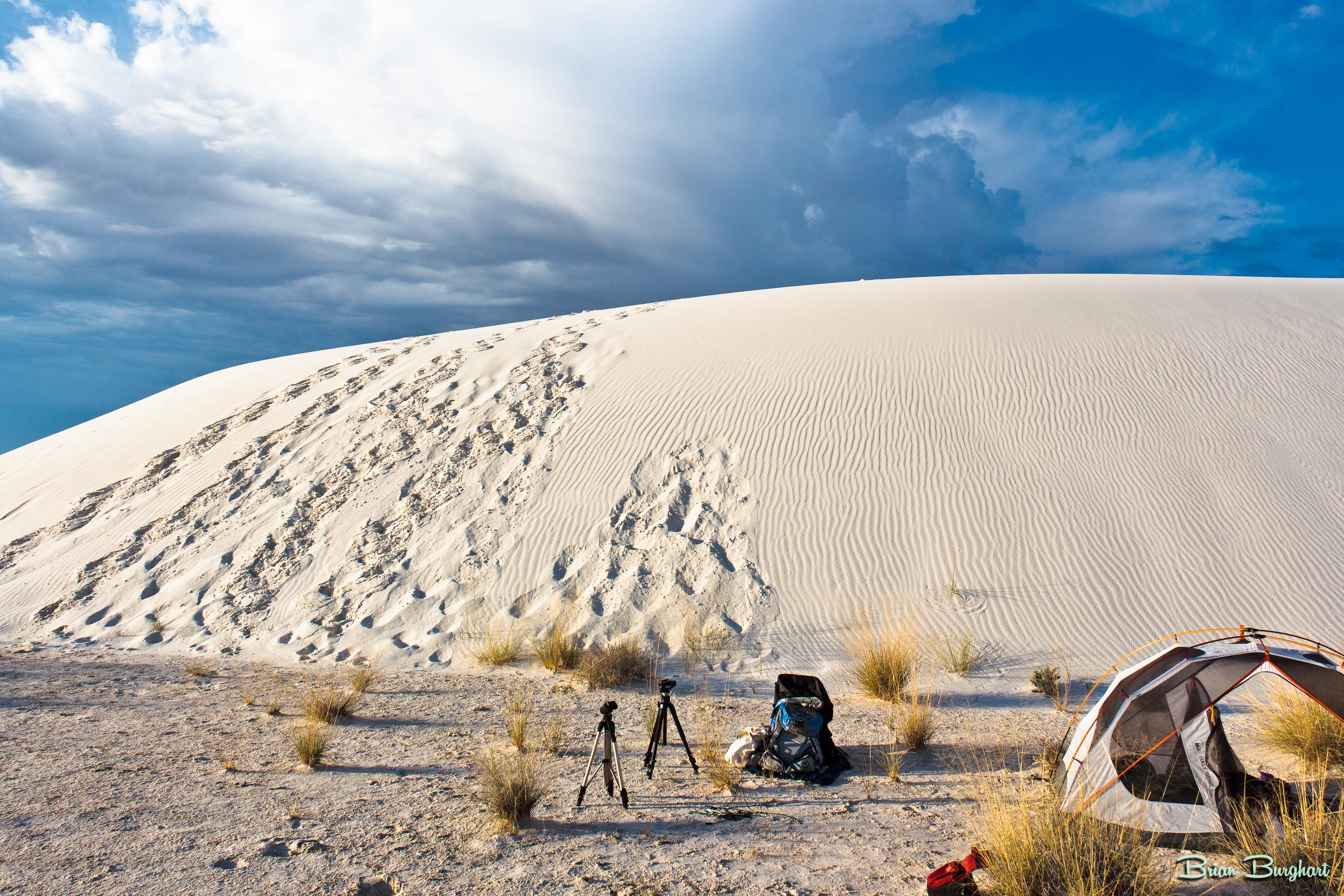
Campsite Guide
White Sands Backcountry Camping: Closed for 2026 — What to Know
As of 2026, backcountry camping at White Sands National Park is closed for site rehabilitation. What that means, and where to camp nearby instead.
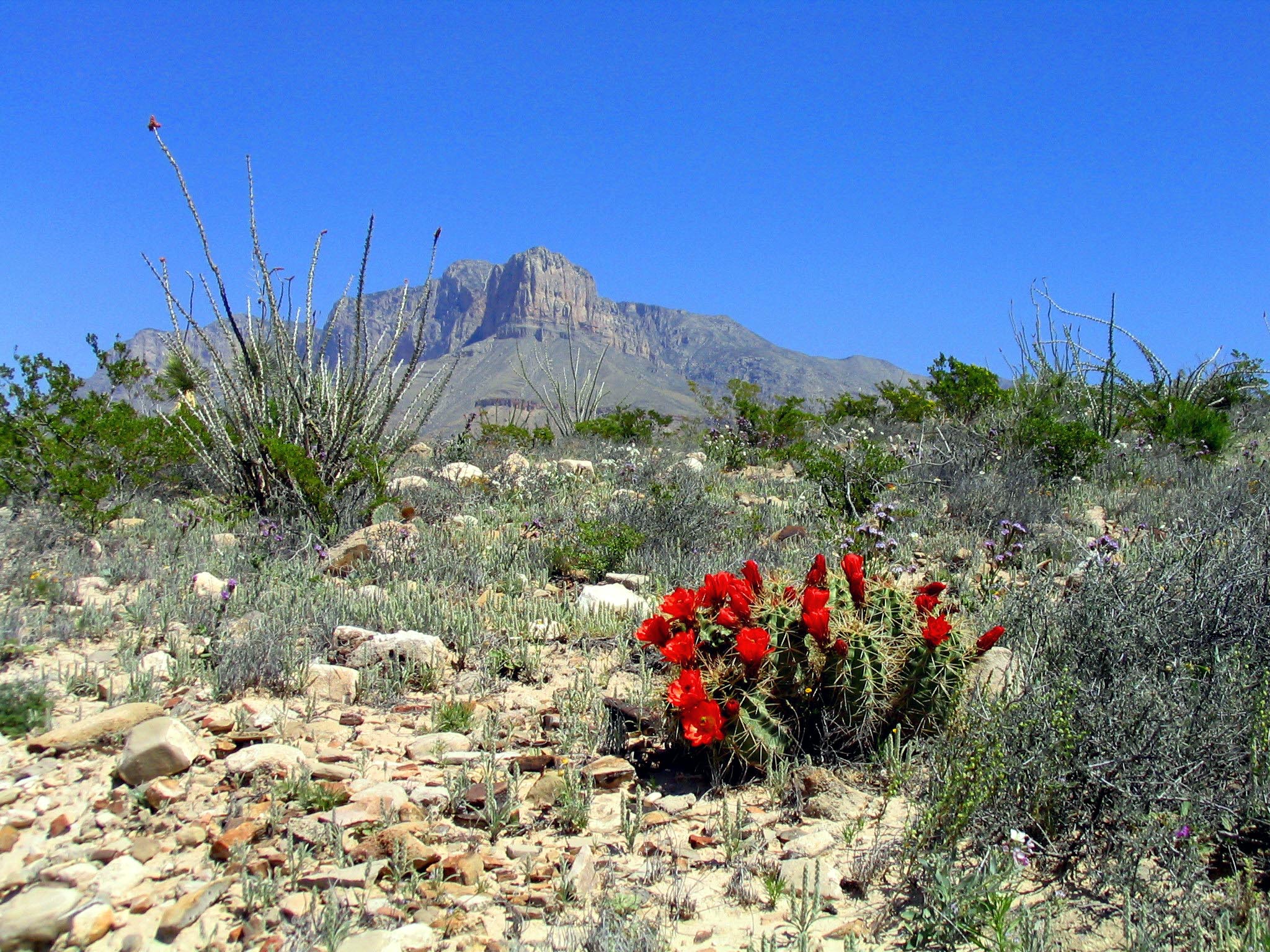
Weather Guide
Guadalupe Mountains National Park Weather: Weather
Guadalupe Mountains National Park: weather guide guide updated 2026. Practical visitor information, reservations, and seasonal tips worth bookmarking before
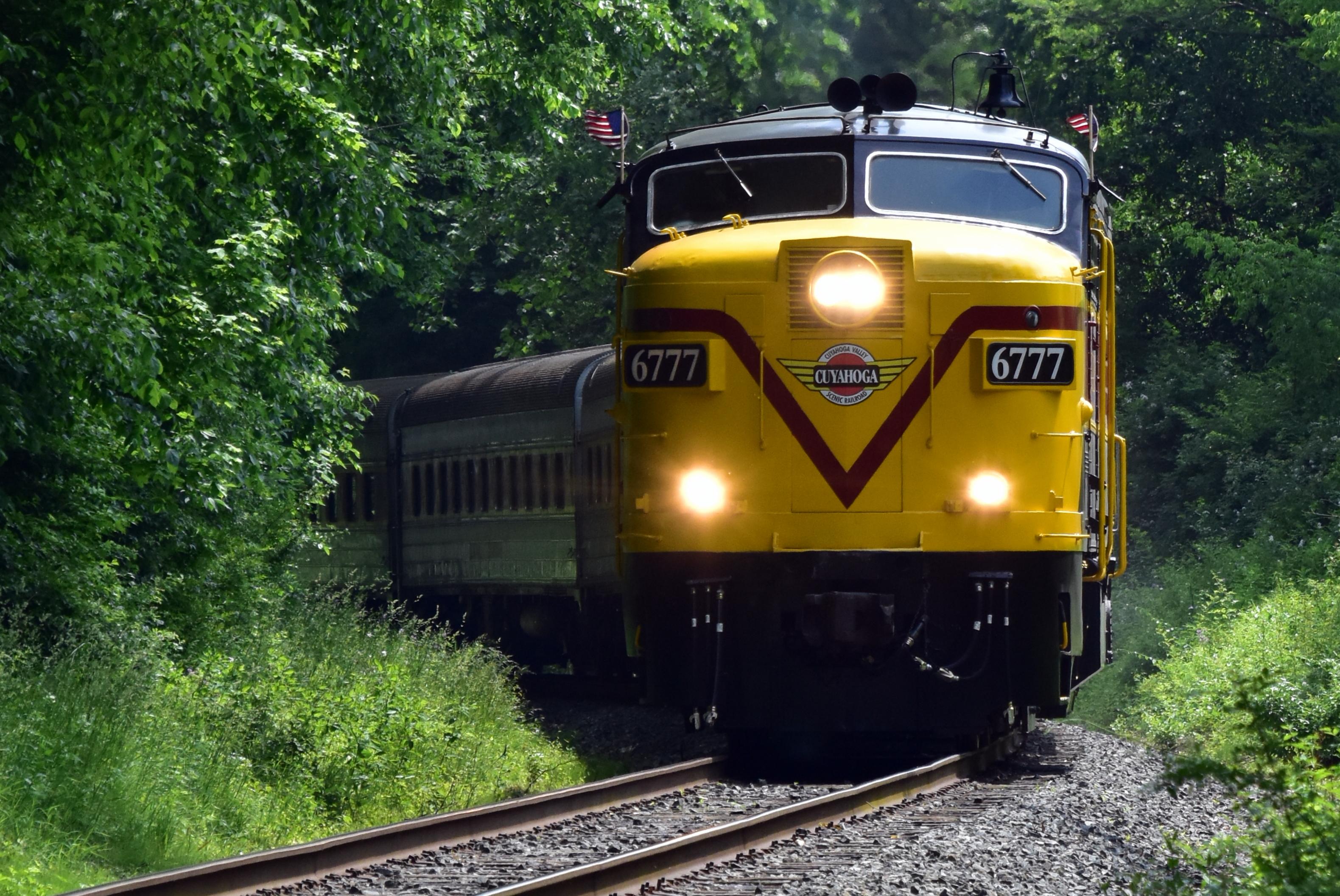
Best Of
Best of Cuyahoga Valley National Park: Best Things to Do
Seeing a Cleveland Orchestra concert with the woods as your backdrop is a uniquely Cuyahoga Valley experience.
Sign in to join the conversation.
Sources & Attribution
Location data courtesy of the National Park Service (U.S. Department of the Interior). NPS data is public domain. Official NPS page.
Images: NPS; NPS; NPS; NPS; NPS.
Map data © OpenStreetMap contributors.
Park operations alerts: NPS.gov · Weather and weather hazards: National Weather Service · Live conditions.
Information may change. Always verify fees, hours, and conditions directly with the official source before visiting.
Did this guide help? Share it with a friend.