Experienced visitors arrive before 8 AM for three reasons: securing a parking spot, catching the best morning light on the glaciers, and enjoying a quiet that vanishes by mid-morning. This guide focuses on practical strategies for seeing the mountain's glaciers and wildflower meadows while avoiding traffic delays. Mount Rainier is a complex, weather-driven landscape where proper planning is essential. I'll explain how to navigate the park's five entrances, time your visit for desired conditions, and account for current closures that will define your trip. This is about experiencing the mountain, not just viewing it.
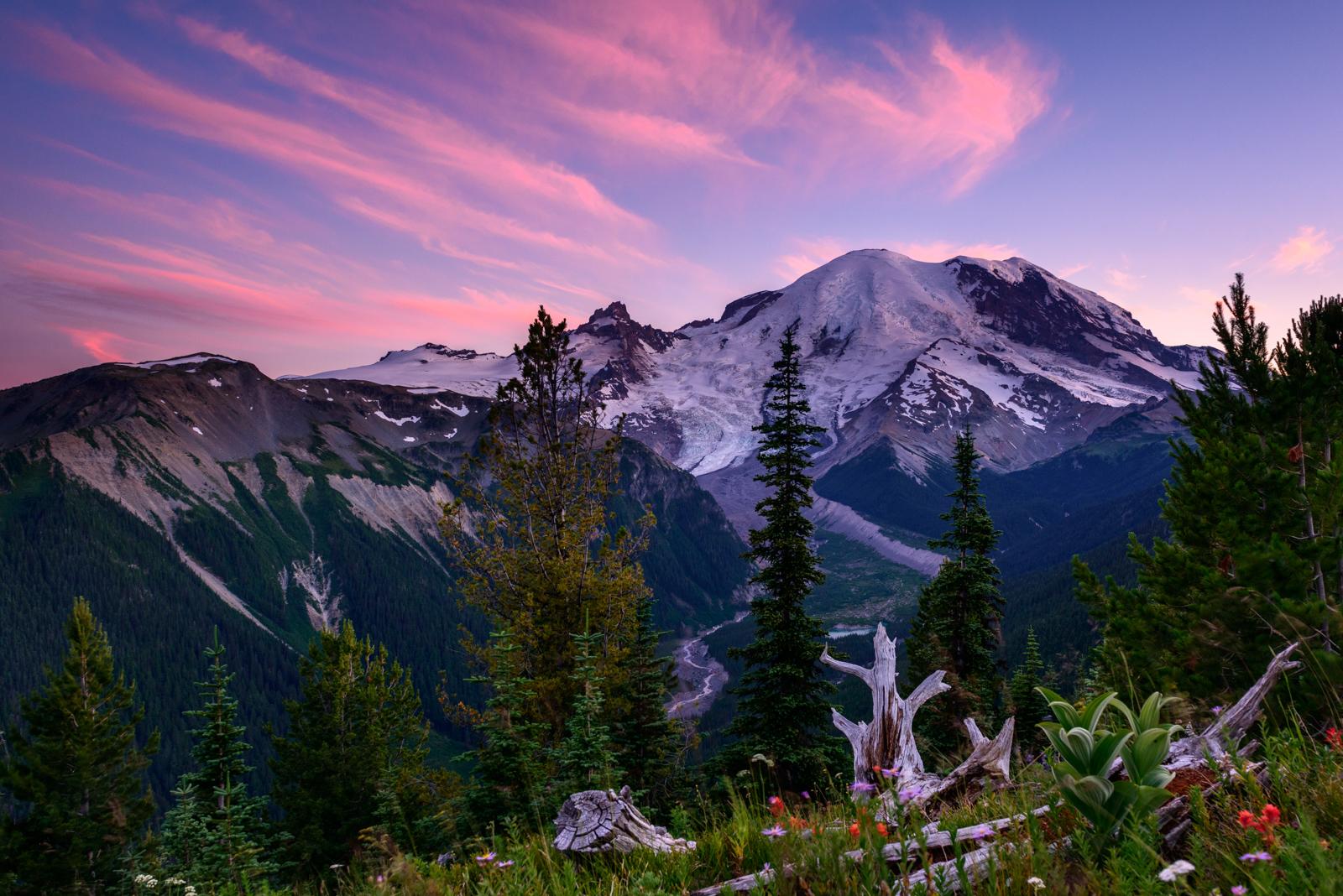
NPS via NPS.gov (Public Domain)
Mount Rainier National Park: Wildflowers, Glaciers & Cascade Views - 2026 Guide
7 min read
Park Guide
Discover wildflowers, glaciers, and Cascade views. Complete 2026 guide to Mount Rainier National Park — trails, fees, lodging, permits, and what rangers recommend.
Your plans
This article contains affiliate links — we may earn a small commission at no extra cost to you.
At a glance
Entrance Fee
Private vehicle $30 · Per person $15 · Motorcycle $25Full fee schedule
Hours
Mount Rainier National Park is open all year. Visitation peaks in July and August with warmer weathe
Best Time
June-September (summer), September-October (fall colors)
Address
55210 238th Avenue East, Ashford, WA, 98304
Website
46.8608, -121.7044
Google MapsNavigating the Park: Entrances, Fees, and Current Conditions

The first thing to understand about Mount Rainier is that it's not a simple loop. Road access is dictated by season, elevation, and, as of 2026, some significant infrastructure issues. Your entry point determines your entire day.
As of 2026, the entrance fee for a private vehicle is $30, valid for seven consecutive days. If you're walking or biking in, the per-person fee is $15. Motorcycles are $25. Yes, that fee applies per vehicle, not per person. Rangers at the entrance station will remind you to display the pass on your dashboard.
The Nisqually Entrance, southwest of the mountain, is your only year-round, all-weather gateway. For GPS, use 39000 State Route 706 E, Ashford, WA 98304. This road takes you to Longmire and, conditions permitting, up to Paradise. The common mistake - and almost everyone makes it - is assuming all entrances are open. Most are not.
Critical 2026 Alerts You Need to Know:
* No Access to Carbon River or Mowich Lake: The SR 165 Carbon River/Fairfax Bridge is closed. There is no public access - not for cars, bikes, or hikers. This cuts off the entire northwest corner of the park, including the Carbon River Rainforest and the trail to Spray Falls. Check the WSDOT website for updates, but plan your trip around this closure.
* Ohanapecosh Campground is Closed: The entire Ohanapecosh area, including the campground, visitor center, and river access, is closed for a major construction project slated to last into spring 2026. The nearby Silver Falls Trailhead is also closed.
* Winter Rules Are in Force Well Into Summer: At higher elevations like Paradise, winter lasts from November to May, and often longer. The road from Longmire to Paradise can close nightly for safety. All vehicles must carry tire chains from November 1 to May 1, regardless of weather. They will check.
* Trail Washouts: Winter storms have dislodged the footbridge on the Carter Falls Trail and created a washout on the Kautz Creek Trail. Assume other trail damage exists. Always check at a visitor center for the latest conditions.
The other entrances - White River (for Sunrise), Chinook, Stevens Canyon, and SR 123 - are seasonal, typically opening in late May or June and closing by mid-fall. If you're planning a road trip around the mountain for scenic driving, you'll need to wait for summer.
Choosing Your Experience: Paradise vs. Sunrise
Your Mount Rainier experience centers on two high-elevation hubs: Paradise on the south side and Sunrise on the northeast. These areas provide fundamentally different experiences; your choice depends on season, hiking ambitions, and comfort with visitor numbers.
Paradise: The Iconic Vista
Paradise (elevation 5,400 feet) is the park's most famous destination for a reason. The subalpine meadows here erupt in color from late July through August. Lupine, paintbrush, and avalanche lilies create a mosaic of purple, red, and white against the backdrop of the Nisqually Glacier. The Henry M. Jackson Visitor Center is here, but the real action is outside.
The parking situation here is the park's biggest bottleneck. The main lot fills by 9:30 AM on a sunny summer Saturday. Rangers will tell you to use the overflow lots along the road, but those fill next. Your best bet is to arrive before 8 AM or after 3 PM. The light is better then, anyway.
From Paradise, the hiking trails range from the paved, one-mile Nisqually Vista Loop (ideal for families and glacier views) to the strenuous Skyline Trail. The most accessible tundra in the Cascades is on the Burroughs Mountain Trail, a 5.7-mile round trip that puts you face-to-face with the mountain's east side. Your calves will have strong opinions about the switchbacks on the way back down.
In winter, Paradise transforms into a snowshoeing and skiing destination. The road is plowed, but the winter wonderland here requires serious preparation - think waterproof layers, goggles, and knowing how to read avalanche terrain.
Sunrise: The High & Wild Alternative
Sunrise (elevation 6,400 feet) is the highest point you can reach by car in the park. It opens later, usually in early July, and feels wilder. The road up is a series of tight switchbacks; vehicles over 25 feet long are advised against it.
The payoff is silence and scale. The Sunrise Visitor Center is smaller, the crowds are thinner, and the views of the Emmons Glacier - the largest in the contiguous U.S. - are unobstructed. This is the trailhead for the hike to the Emmons Moraine, where you can see icebergs calve into a turquoise lake. It's also the start of the Burroughs Mountain approach from the north and the primary gateway for climbers attempting the summit.
The air is thinner here. Most visitors underestimate the effect of starting a hike at 6,400 feet. Move slower, drink more water. The wildflower display is different, too - more heather and phlox, blooming a few weeks later than Paradise.
For stargazing, rangers recommend the Sunrise parking lot after dark. On a clear night, the Milky Way seems to arc directly over the mountain's summit.
Beyond the Hubs: Historic Districts, Waterfalls, and Quiet Corners

If you only go to Paradise and Sunrise, you've missed half the park. The lower elevations hold ancient forests, historic architecture, and waterfalls that roar with spring melt.
The Longmire Historic District, about 6 miles inside the Nisqually entrance, is worth an hour. The buildings here, constructed from massive local logs and stone in the 1920s, set the "parkitecture" style. Pick up a walking tour brochure at the museum. The nearby Trail of the Shadows is a flat, 0.7-mile loop through a mineral springs area that feels a world away from the alpine zones.
The drive from Longmire to Paradise is a waterfall tour. You can see Christine Falls from the road bridge, but pull into the small lot for the lower viewpoint. Further up, Narada Falls is a powerful, wide plunge you can walk behind (prepare for spray). The trail to Comet Falls, one of the park's tallest, starts here too - a steep 3.8-mile round trip that earns every foot of elevation gain.
On the east side, stop at Box Canyon along Stevens Canyon Road. A short paved path leads to a bridge over a narrow, 180-foot-deep slot canyon carved by the Muddy Fork Cowlitz River. The force of the water is audible even in late summer. The exhibit panels here explain the glacial forces that shaped it.
For a genuine escape, consider the park's camping options. Cougar Rock Campground (179 sites, $20/night as of 2026) sits between Longmire and Paradise. White River Campground near Sunrise offers a more rustic basecamp. Ohanapecosh is closed for 2026, so plan accordingly.
Practical Takeaways

- Check Alerts First: Before you leave home, visit the park's official website. The 2026 closures (Carbon River bridge, Ohanapecosh) fundamentally change access. Winter road conditions and chain requirements apply into May.
- Arrive Early or Late: Target arrival at Paradise or Sunrise before 8 AM. If you can't, plan to arrive after 3 PM. The midday hours are for exploring lower-elevation areas like Longmire or the Grove of the Patriarchs.
- Pack for All Weather: Summer highs at Paradise might reach 70°F, but temperatures drop 20-30 degrees at night. Rain is possible any day of the year. A waterproof jacket, insulating layer, hat, and gloves belong in your pack even in August.
- Secure Your Lodging and Accommodations Early: Hotels and cabins in gateway towns like Ashford and Packwood book months in advance for summer. The National Park Inn at Longmire and the Paradise Inn are historic and fill fastest.
- Have a Backup Plan: If Paradise is jammed, go to Sunrise. If Sunrise is fogged in, explore the forest trails at Carbon River (if accessible) or the waterfalls near Longmire. Flexibility is the key to enjoying this weather-dominated park.
- Respect the Meadows: Stay on established trails in the subalpine zones. The wildflower meadows are incredibly fragile; a single footstep can kill plants that took decades to grow. The view is just as good from the path.
Final Thoughts

Mount Rainier National Park doesn't offer easy convenience. It demands attention to season, weather, and your own preparedness. The reward is a landscape that feels profoundly alive - the creak of a glacier, the scent of wet pine on a forest trail, the startling blue of an ice-fed lake. Most visitors come for the postcard view from Paradise, but the park's deeper character is found in the quiet moments: the chill air at Sunrise before dawn, the sound of a creek in the deep rainforest, the sight of a marmot perched on a moraine. Come prepared for rain, bring your patience for mountain roads, and you'll leave with an understanding of why this volcano anchors the Washington skyline.
Recommended Gear
What experienced visitors bring to Mount Rainier National Park: Wildflowers, Glaciers & Cascade Views - 2026 Guide
Links may earn us a commission at no extra cost to you. We only recommend gear we believe in.
Hiking Essentials
Hydration Pack (3L)
Hands-free water for long trail days
Trekking Poles (Pair)
Save your knees on steep descents
Hiking Boots (Ankle Support)
Sturdy footwear for rocky, uneven trails
Sun & Heat Protection
Wide-Brim Sun Hat
Full coverage UPF 50+ protection at altitude
Insulated Water Bottle (32oz)
Keeps water cold in desert heat all day
Winter Gear
Microspikes / Traction Devices
Essential for icy rim trails in winter months
Packable Down Jacket
Lightweight warmth that stuffs into a pocket
Sources
- Official source: NPS — Mount Rainier National Park nps.gov/mora/index.htm
Explore More National Parks

Olympic National Park: Rainforests, Peaks & Wild Coast - 2026 Guide
Discover rainforests, wild coastline, and glacier-capped peaks. Complete 2026 guide to Olympic Natio...

North Cascades National Park: America's Alps & Glacier Wilderness - 2026 Guide
Discover America's Alps — glacier wilderness and remote North Cascades. Complete 2026 guide to North...

Crater Lake National Park: America's Deepest Lake - Complete 2026 Guide
Crater Lake National Park: America's Deepest Lake - Complete 2026 Guide Introduction Seventy-seven c...

Glacier National Park: Going-to-the-Sun Road & Complete 2026 Guide
Discover the Going-to-the-Sun Road and 700 miles of trails. Complete 2026 guide to Glacier National...
Photo Gallery
More to Explore
Park Guide
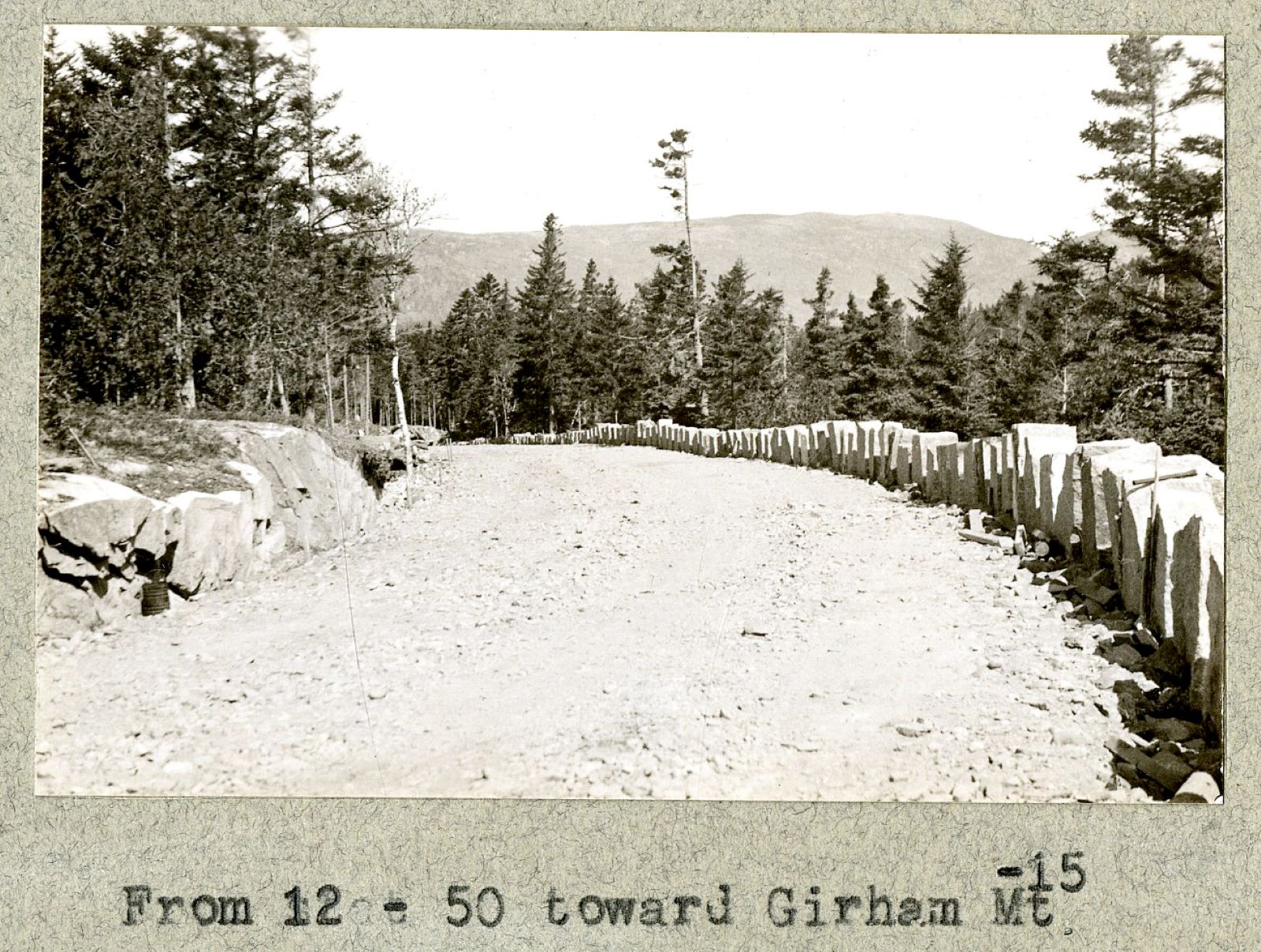
Acadia National Park: Carriage Roads, Cadillac Mountain & 2026 Guide
Discover carriage roads, Cadillac Mountain, and rugged Maine coast. Complete 2026 guide to Acadia National Park — trails, fees, lodging, permits, and what rangers recommend.
Hiking Guide
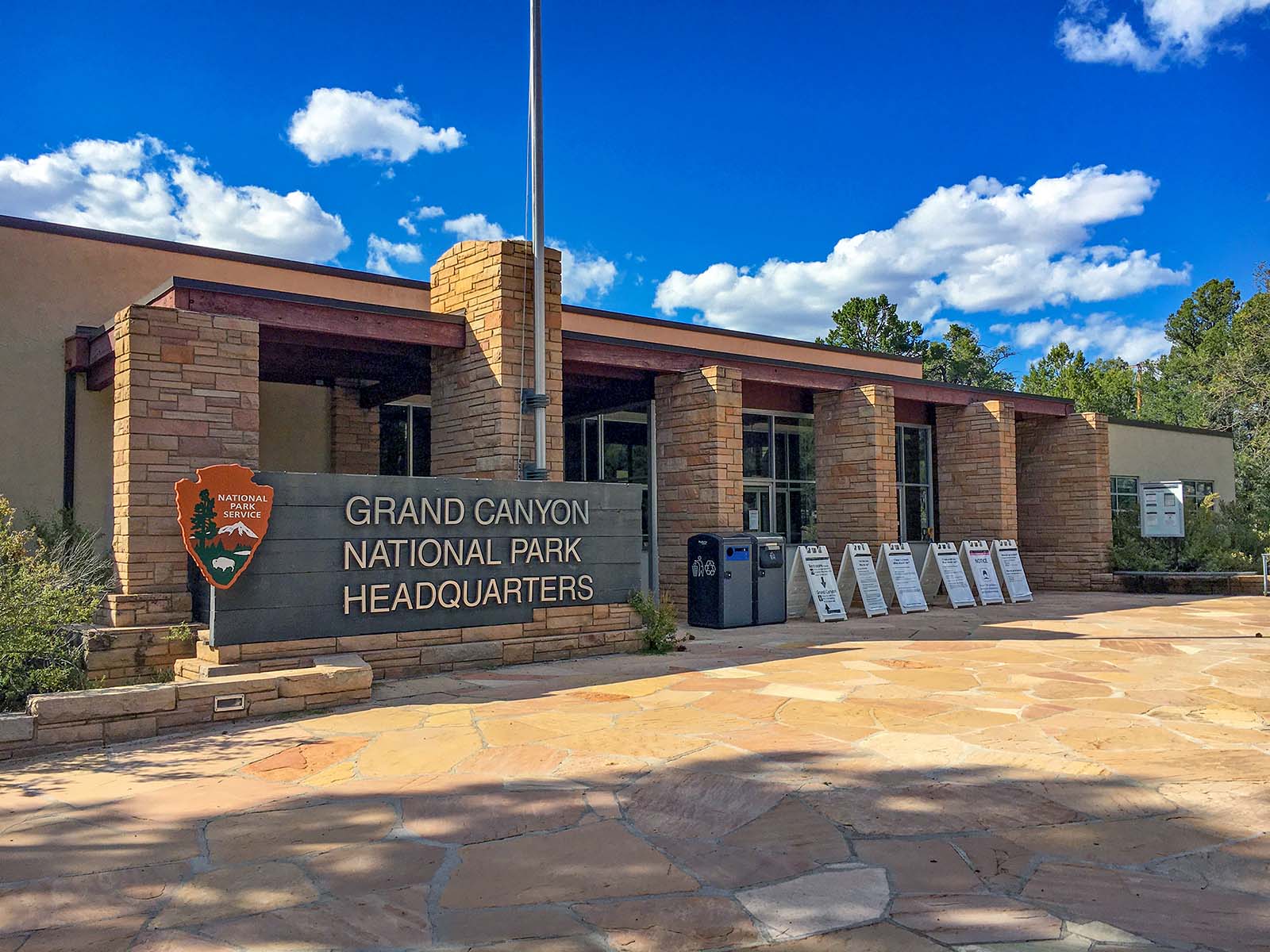
Grand Canyon Hiking Trails: Day Hikes, Water Sources & Rim to Rim
Compare Grand Canyon hiking trails: Bright Angel, South Kaibab, Hermit, Grandview, and rim to rim, with distances, elevation, water stops, and trailhead access for each.
Best Of
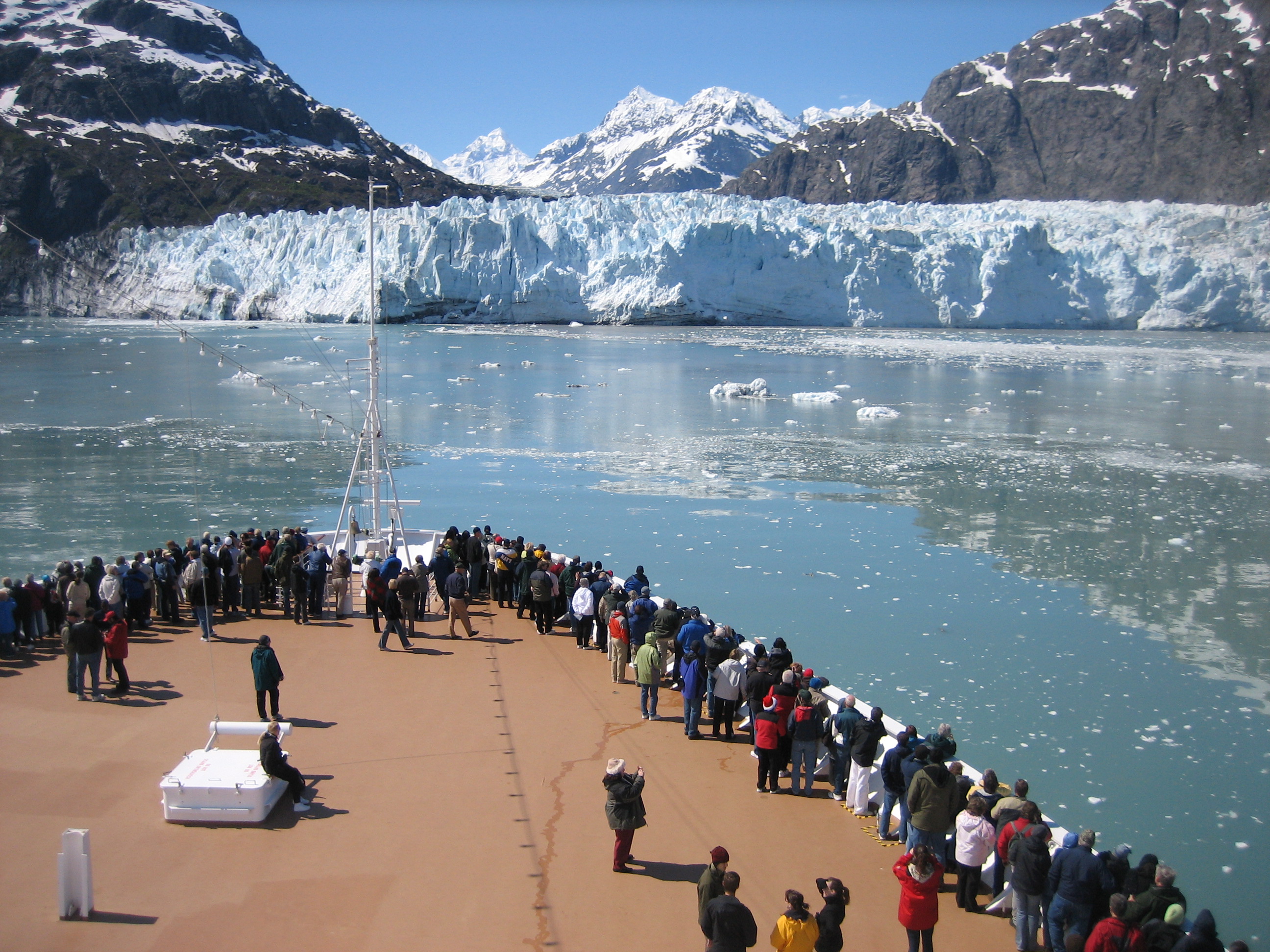
Best of Glacier Bay National Park
The best of Glacier Bay is reached by boat: ranger-led day tours up the bay to the tidewater glaciers. What's worth it, how to book, and when to go (2026).
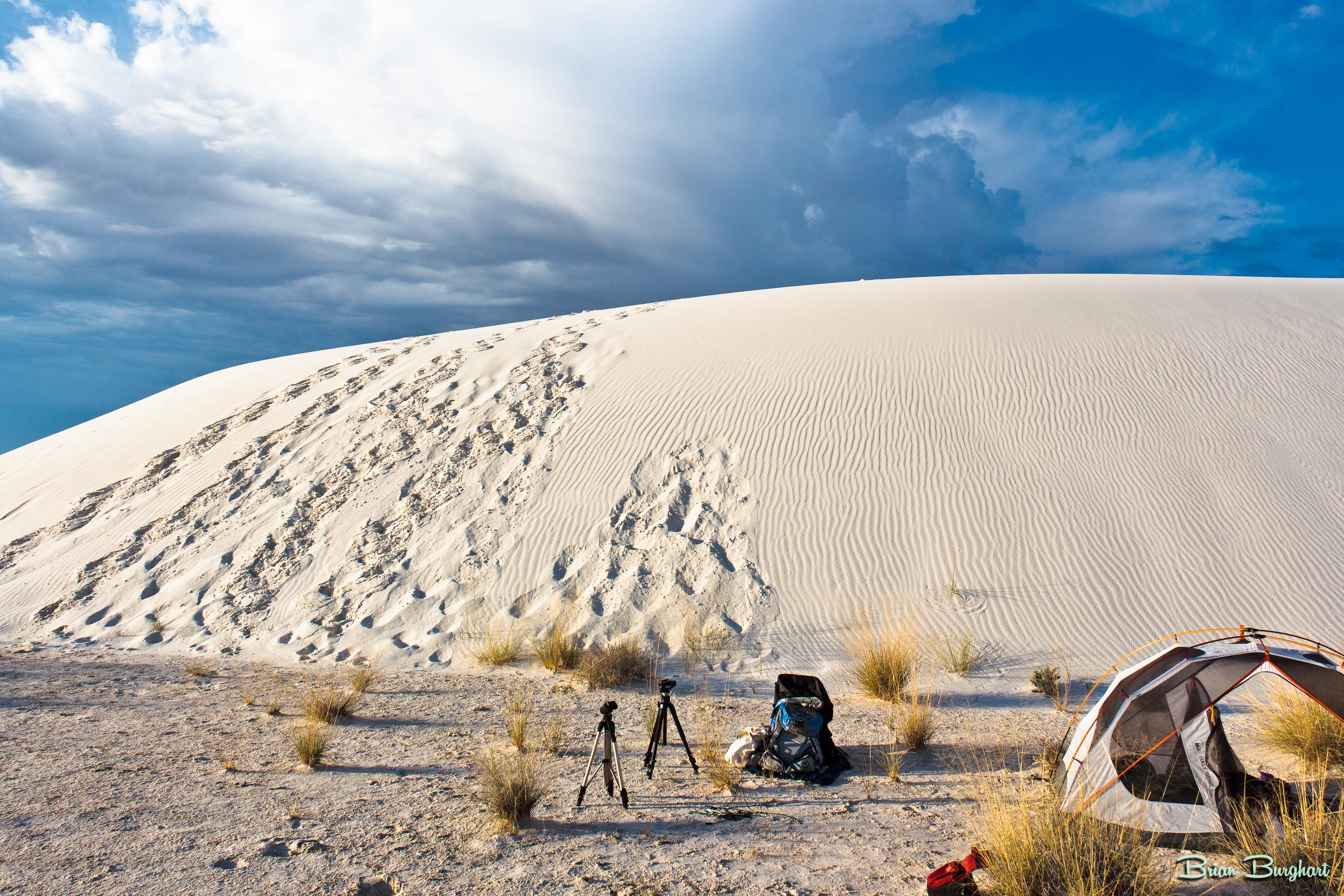
Campsite Guide
White Sands Backcountry Camping: Closed for 2026 — What to Know
As of 2026, backcountry camping at White Sands National Park is closed for site rehabilitation. What that means, and where to camp nearby instead.
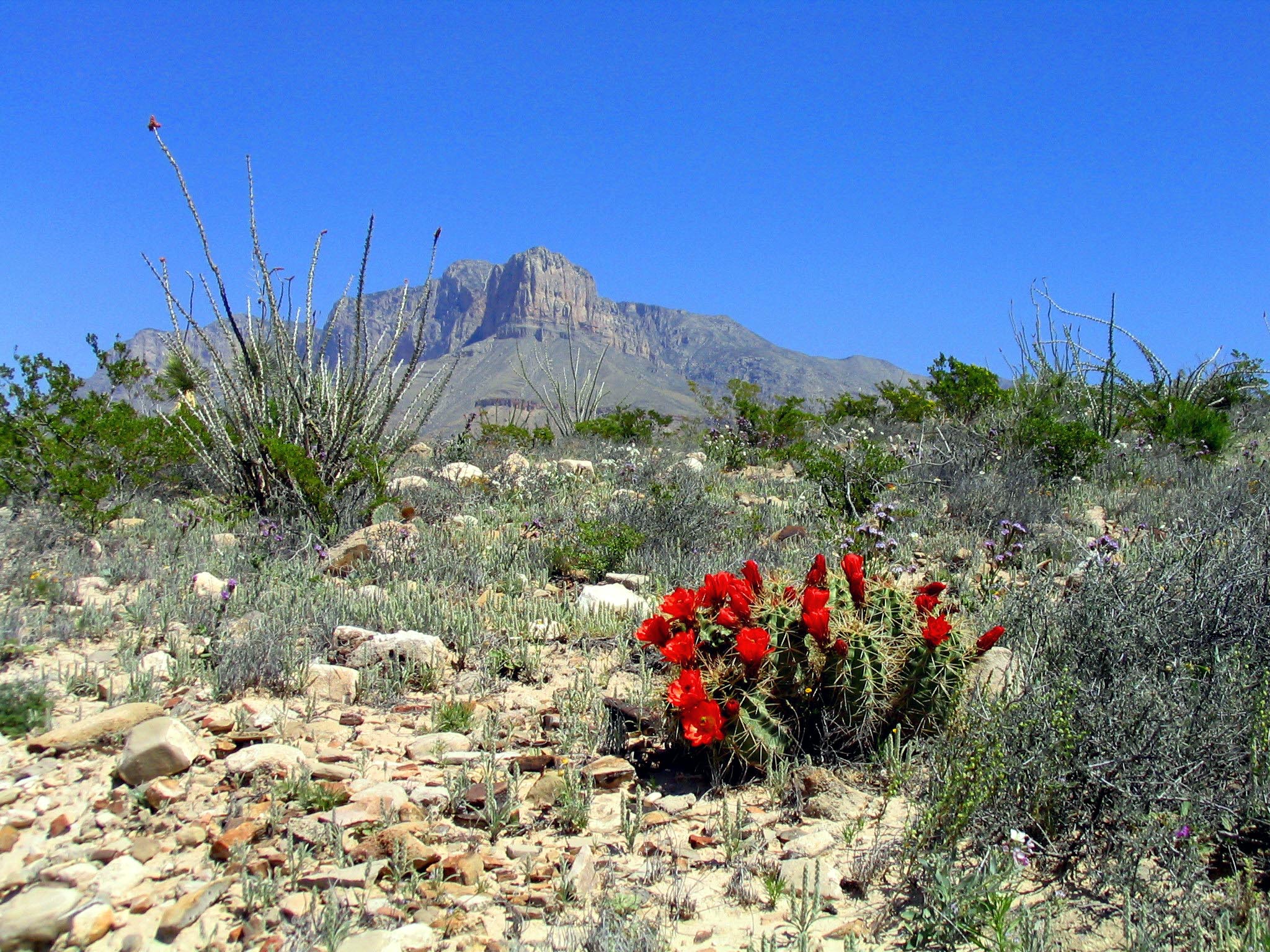
Weather Guide
Guadalupe Mountains National Park Weather: Weather
Guadalupe Mountains National Park: weather guide guide updated 2026. Practical visitor information, reservations, and seasonal tips worth bookmarking before
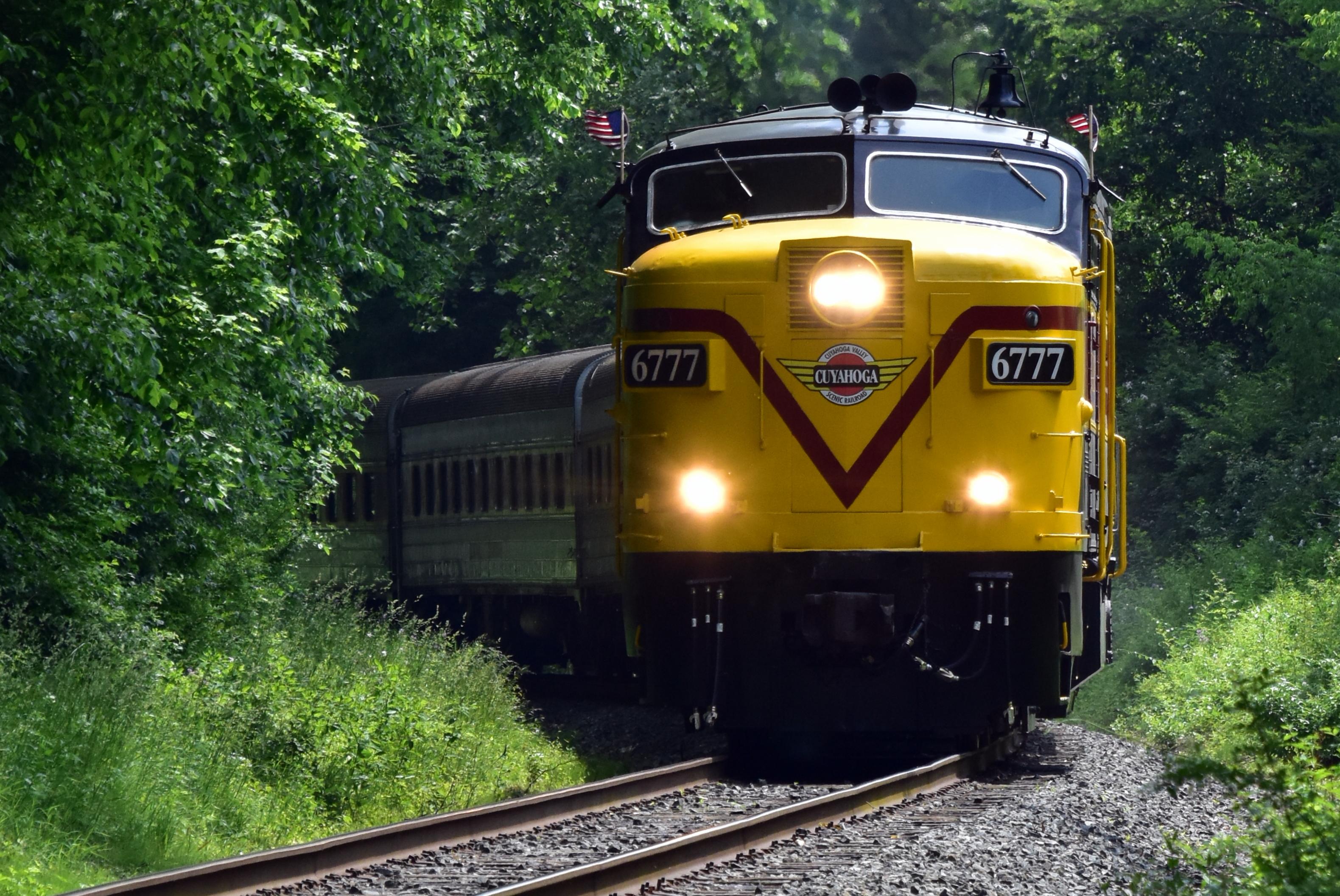
Best Of
Best of Cuyahoga Valley National Park: Best Things to Do
Seeing a Cleveland Orchestra concert with the woods as your backdrop is a uniquely Cuyahoga Valley experience.
Sign in to join the conversation.
Sources & Attribution
Location data courtesy of the National Park Service (U.S. Department of the Interior). NPS data is public domain. Official NPS page.
Images: NPS; NPS; NPS; NPS; NPS; NPS; NPS; NPS and others.
Map data © OpenStreetMap contributors.
Park operations alerts: NPS.gov · Weather and weather hazards: National Weather Service · Live conditions.
Information may change. Always verify fees, hours, and conditions directly with the official source before visiting.
Did this guide help? Share it with a friend.