What makes a day at Mount Rainier National Park genuinely worth the traffic, the early start, and the parking competition? With over 260 miles of trails, a mountain that rises 14,410 feet and creates its own weather, and crowds that can make Paradise feel like a city sidewalk in August, you need to know where to put your limited time. Here is the short answer from years of watching visitors make the same mistakes.
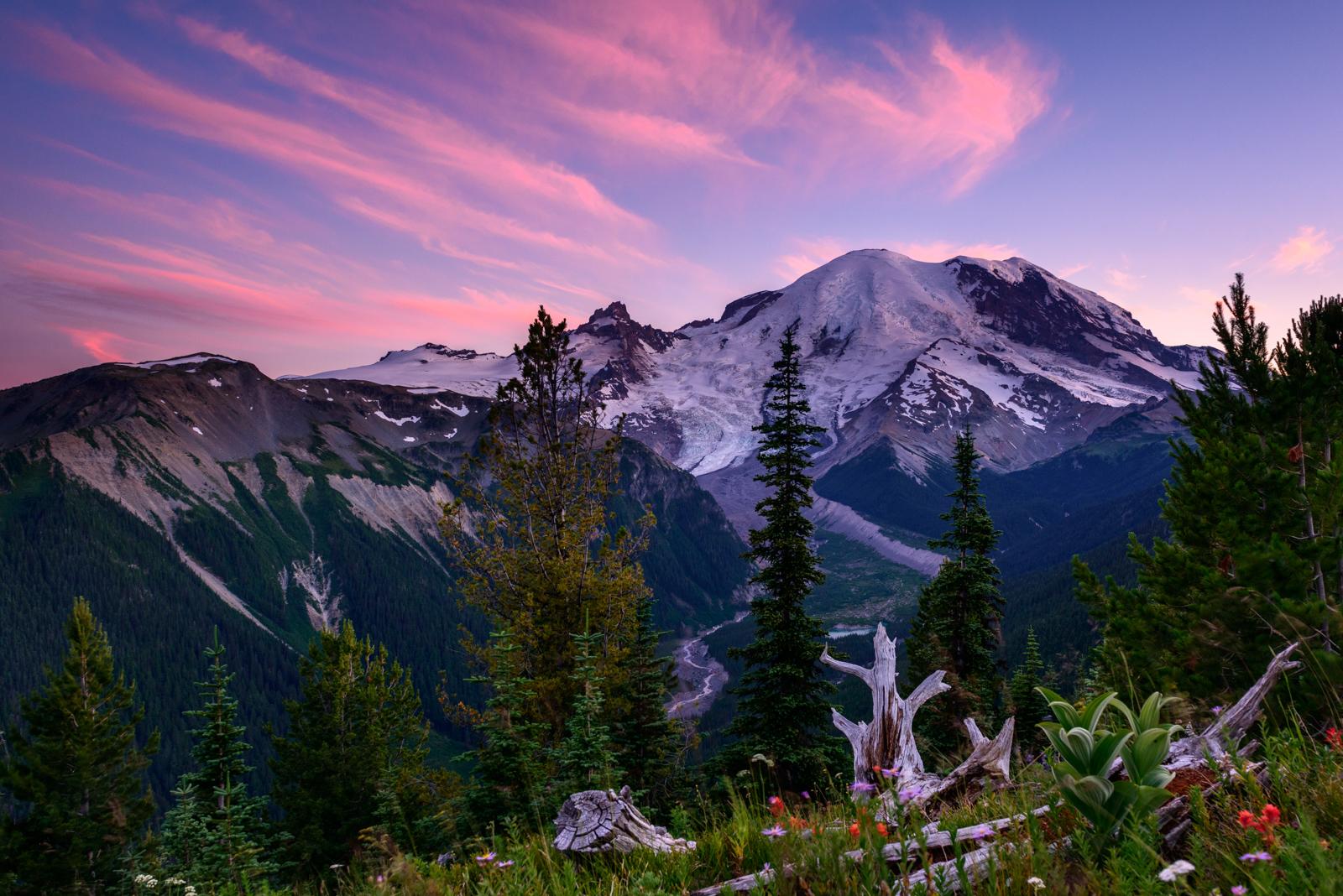
NPS via NPS.gov (Public Domain)
Best of Mount Rainier: Skyline Trail, Paradise Timing (2026)
9 min read
Best Of
Arrive at Nisqually by 7:30 AM or risk rerouting. 2026 guide to Mount Rainier's best trails, Paradise timing, and what first-timers often miss.
This article contains affiliate links — we may earn a small commission at no extra cost to you.
For more, see hiking trails, camping options, and best time to visit.
If You Only Have One Day
Arrive at the Nisqually Entrance by 7:30 AM. Not 8. Not 9. The Paradise parking lot fills by 9:30 AM in July and August, and once it fills, you are either waiting for someone to leave or rerouting entirely. Pay the $30 vehicle fee (good for seven days) and drive the 19 miles up to Paradise.
Head straight for the Skyline Trail. This is the single best hike in the park for a reason. Start at the Henry M. Jackson Visitor Center and take the trail clockwise to the left. Most people go right, which means you'll have the left side of the loop to yourself for the first mile. The trail climbs through subalpine meadows - expect lupine and Indian paintbrush in late July - and reaches Panorama Point at roughly 6,800 feet. From here you can see the Nisqually Glacier as a gray-white river of ice dropping off the mountain's flank, the Tatoosh Range to the south, and on clear days, Mount Adams and Mount St. Helens on the horizon.
The full loop takes 4-5 hours and gains about 1,700 feet. Pack extra water for this stretch - there is no reliable source on the trail. Your calves will have strong opinions about the switchbacks on the way back down.
After the hike, grab lunch from your cooler at the Paradise picnic area. The visitor center cafeteria is an option, but the line is long and the food is standard.
Spend the afternoon driving the 18 miles down to Longmire. Walk the Trail of the Shadows loop - 0.7 miles, flat, through old-growth forest with a boardwalk over a marshy area. Stop at the Longmire Museum, housed in a 1916 log building. Rangers will tell you that the historic district is one of the best-preserved examples of NPS rustic architecture in the system.
Leave by 4 PM to beat the traffic out. The road from Longmire to the Nisqually gate is winding and slow. Give yourself 45 minutes minimum.
The common mistake: Most one-day visitors try to see both Paradise and Sunrise. You cannot do both in one day without spending half your time driving. Pick one. Paradise is the better choice for first-timers.

The Top Experiences, Ranked
#1 - Skyline Trail Loop: The Park's Signature Hike
- Why it makes this list: No other trail at Mount Rainier delivers the combination of glacier views, wildflower meadows, and alpine terrain in a single 5.5-mile loop. It is the park's most popular hike for good reason.
- What it requires: 4-5 hours, moderate fitness, ability to handle 1,700 feet of elevation gain. Snow lingers on parts of the trail into early July most years.
- The single best tip: Hike it clockwise (turn left from the visitor center). The counterclockwise route is steeper and more crowded.
- What most visitors do wrong: They start at 10 AM, find no parking, and end up frustrated. Start by 8 AM.
- Related: Check the full list of hiking trails for alternatives.
#2 - Sunrise Area: The High Country Experience
- Why it makes this list: At 6,400 feet, Sunrise is the highest point in the park accessible by car. The views of the mountain's northeast face and the Emmons Glacier - the largest glacier in the contiguous U.S. - are unmatched.
- What it requires: A separate drive from Paradise. Sunrise Road opens late June to mid-October. The parking lot fills by 9 AM.
- The single best tip: Do the Burroughs Mountain Trail. It takes 3-6 hours round trip and puts you on the most accessible arctic tundra in the Cascades. From the third Burroughs, the mountain fills your entire field of view.
- What most visitors do wrong: They skip the hike and just take photos from the parking lot. The view improves dramatically after 20 minutes of walking.
- Note: The White River Entrance is closed seasonally until late May 2026 - check the best time to visit page for opening dates.
#3 - Reflection Lakes: The Photographer's Spot
- Why it makes this list: On a calm morning, these lakes along Stevens Canyon Road produce the classic mirror reflection of Mount Rainier. It is the most photographed spot in the park.
- What it requires: A pullout along the road. Zero hiking. The best light is within 30 minutes of sunrise.
- The single best tip: Come at dawn on a weekday. By 8 AM the wind picks up and ripples the surface, killing the reflection. Weekend crowds make the pullout dangerous.
- What most visitors do wrong: They show up at noon, wonder why the photos don't look like Instagram, and leave disappointed.
#4 - Grove of the Patriarchs Trail
- Why it makes this list: An easy 1.5-mile loop through old-growth forest with Douglas firs and western red cedars over 1,000 years old. Some of these trees are 40 feet in circumference.
- What it requires: Less than an hour. Flat, paved, accessible. Located near the Stevens Canyon Entrance.
- The single best tip: Go in late September when the crowds thin and the fall light filters through the canopy at a lower angle. The forest floor turns gold with fallen needles.
- What most visitors do wrong: They skip it entirely because they came for the mountain views. The old-growth forest is the park's other major ecosystem and worth an hour.
#5 - Mowich Lake: The Quiet Side
- Why it makes this list: The northwest corner of the park gets a fraction of the visitors that Paradise sees. Mowich Lake is a glacial lake at 4,900 feet with a walk-in campground and access to Spray Park.
- What it requires: A long, unpaved road from the Carbon River entrance. As of 2026, the SR 165 bridge is closed, so there is no vehicle access to this area. Check conditions before planning.
- The single best tip: When access reopens, the hike to Spray Falls - 2-3 hours round trip - is a worthy substitute for the Skyline Trail without the crowds.
- What most visitors do wrong: They don't check road conditions before driving an hour on gravel to find a closed gate.
#6 - The Wonderland Trail (Short Sections)
- Why it makes this list: The 93-mile Wonderland Trail circumnavigates the entire mountain. Most visitors cannot do the full loop, but hiking any 3-5 mile section gives you a sense of what the full experience offers.
- What it requires: Pick a section. The 3-mile stretch from Longmire to Cougar Rock is moderate and follows the Nisqually River. The section from Sunrise to Frozen Lake is shorter but steeper.
- The single best tip: The section from Longmire to Paradise (7 miles one way) is the most scenic and least crowded if you start early. Arrange a pickup at Paradise.
- What most visitors do wrong: They try to hike the full trail without permits and proper planning. Permits are required for overnight trips and book months in advance.
#7 - Stargazing at Paradise
- Why it makes this list: Mount Rainier is one of the few national parks within a few hours of a major city where you can still see the Milky Way clearly. The Paradise parking lot stays open after dark.
- What it requires: A clear night between June and September. No moon helps. Bring warm layers - temperatures drop to the 40s even in August.
- The single best tip: Check the moon phase calendar. The week after the new moon is ideal. Rangers lead full moon hikes several times a year.
- What most visitors do wrong: They arrive after dark without checking if the gate is still open. The Longmire gate closes at night depending on conditions.

What Most People Miss
The Carbon River Rainforest. The northwest corner of the park gets over 100 inches of rain annually and supports a temperate rainforest with massive moss-draped maples and ferns that grow waist-high. The Carbon River Rainforest Trail is a 0.3-mile boardwalk loop with interpretive panels. It is unlike anything else in the park and almost nobody goes there. As of 2026, access is limited due to the bridge closure, but when open, this is a half-hour stop that changes how you think about Mount Rainier.
Box Canyon. A slot canyon along Stevens Canyon Road carved by the Muddy Fork of the Cowlitz River. The canyon is only 30 feet wide but drops 100 feet. Three exhibit panels explain how glaciers shaped this landscape. Most cars drive right past it. Stop for 15 minutes. The sound of the river echoing off the canyon walls is worth it.
The 10th Mountain Division Memorial. A bronze plaque at Paradise honoring the U.S. Army unit that trained here during World War II. It takes five minutes to visit and connects the park to a piece of military history that most visitors never learn about. The plaque sits on the path between the parking lot and the visitor center - easy to miss if you are not looking.
Emmons Moraine Trail. A short, easy hike from the White River Campground that gives you a view of the Emmons Glacier and a turquoise lake colored by glacial sediment. It takes 1-2 hours. Most visitors at Sunrise never make it down to this trailhead.

What's Overrated (and Better Alternatives)
The Paradise parking lot at noon. Overrated to the point of being a problem. The lot holds roughly 400 vehicles and fills by 9:30 AM on summer weekends. Visitors spend 30-45 minutes circling. Better alternative: arrive before 8 AM or come after 2 PM when the early-morning crowd is leaving and spots open up. The afternoon light is better for photography anyway.
The Skyline Trail on a Saturday in August. Not overrated as a trail - overrated as an experience on peak days. The trail becomes a conga line of hikers. Better alternative: hike the Skyline Trail on a weekday, or do the Burroughs Mountain Trail at Sunrise instead. Burroughs is less crowded and offers comparable views.
The Longmire-to-Paradise waterfall tour. The NPS promotes this as a drive with four waterfall stops. The waterfalls - Carter Falls, Christine Falls, Narada Falls, and Madcap Falls - are worth seeing. But the tour as described takes 2-4 hours and most of that is driving and parking. Better alternative: stop at Narada Falls (the best of the four, 168 feet) and Christine Falls (the most photogenic with the stone bridge) and skip the rest. You save an hour.

Practical Takeaways
- Start before 8 AM. The Paradise lot fills by 9:30 AM in summer. Sunrise fills by 9 AM. There is no overflow parking. If you arrive late, you lose your best option.
- Bring tire chains through May. The park requires all vehicles to carry chains until May 1. Snow can fall at Paradise any month of the year. Rangers will turn you around at the gate if you do not have them.
- Book campgrounds months ahead. Cougar Rock and White River campgrounds fill instantly when reservations open. As of 2026, Ohanapecosh Campground is closed for construction. See the camping options page for current availability.
- Pack for 20-degree temperature swings. Paradise in July can be 70°F at noon and 45°F with wind by 4 PM. Layers, a rain shell, and a hat live in your daypack all day.
- Cell service is unreliable. It drops out completely on most trails and in the Paradise basin. Download maps and directions before you arrive. The NPS app works offline if you load content at home.
- The $80 America the Beautiful pass covers entrance fees. If you visit more than two national parks in a year, it pays for itself. The $30 single-vehicle fee covers seven days.
- Check road conditions before you go. The park website updates closures daily in spring and fall. As of 2026, Stevens Canyon Road and Sunrise Road are closed until late May. The Carbon River area has no vehicle access due to a bridge closure. A 30-second check saves a two-hour detour.
For a complete overview of everything the park offers, read the complete visitor guide. If you are planning a multi-day trip, the camping options page will help you choose the right basecamp.
For more information, see our complete National Park Guide.
Related: mount rainier hiking guide
Recommended Gear
What experienced visitors bring to Best of Mount Rainier: Skyline Trail, Paradise Timing (2026)
Links may earn us a commission at no extra cost to you. We only recommend gear we believe in.
Hiking Essentials
Hydration Pack (3L)
Hands-free water for long trail days
Trekking Poles (Pair)
Save your knees on steep descents
Hiking Boots (Ankle Support)
Sturdy footwear for rocky, uneven trails
Sun & Heat Protection
Wide-Brim Sun Hat
Full coverage UPF 50+ protection at altitude
Insulated Water Bottle (32oz)
Keeps water cold in desert heat all day
Winter Gear
Microspikes / Traction Devices
Essential for icy rim trails in winter months
Packable Down Jacket
Lightweight warmth that stuffs into a pocket
Sources
- Official source: NPS — Mount Rainier National Park nps.gov/mora/index.htm
Photo Gallery
More to Explore
Park Guide
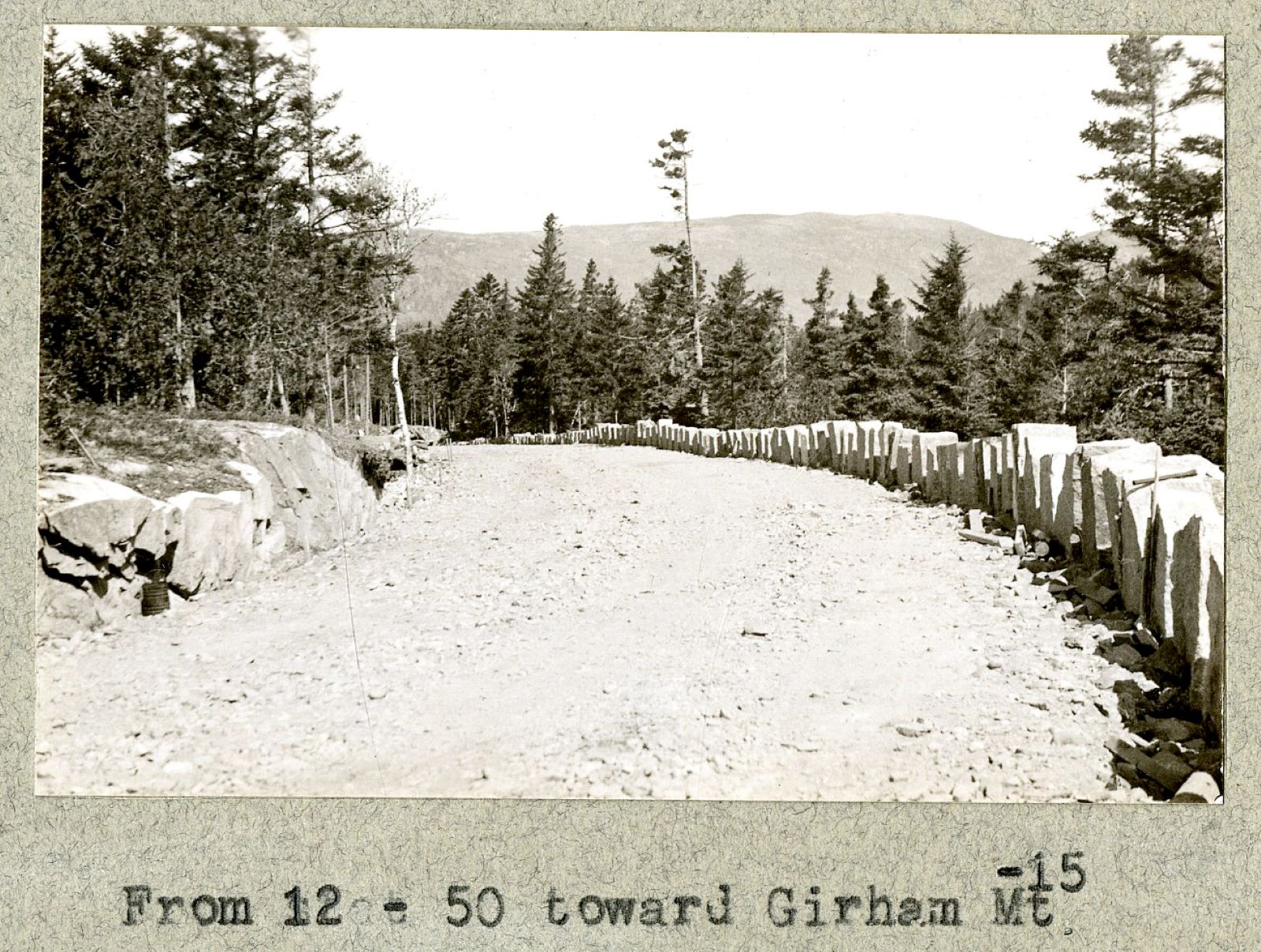
Acadia National Park: Carriage Roads, Cadillac Mountain & 2026 Guide
Discover carriage roads, Cadillac Mountain, and rugged Maine coast. Complete 2026 guide to Acadia National Park — trails, fees, lodging, permits, and what rangers recommend.
Hiking Guide
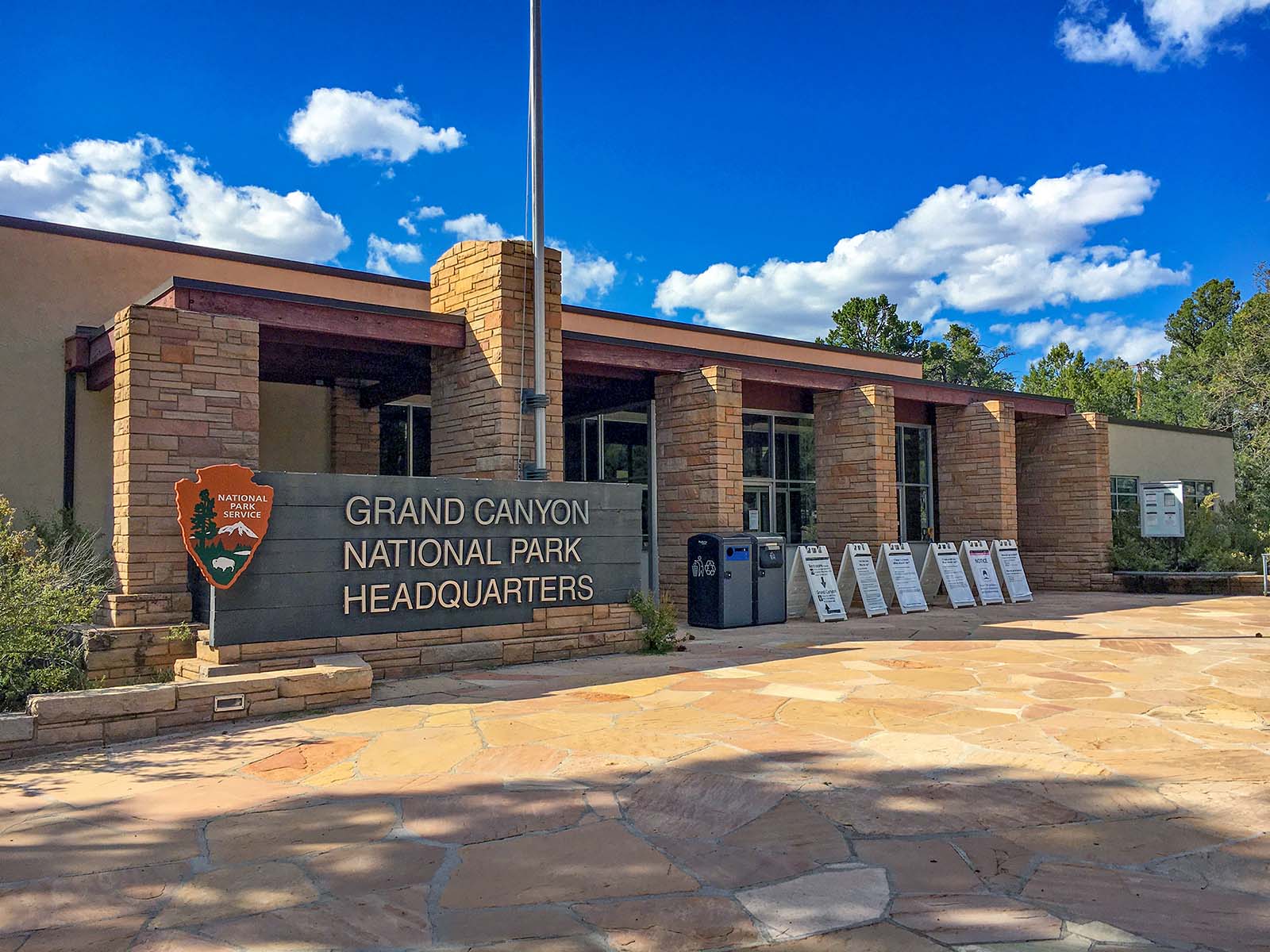
Grand Canyon Hiking Trails: Day Hikes, Water Sources & Rim to Rim
Compare Grand Canyon hiking trails: Bright Angel, South Kaibab, Hermit, Grandview, and rim to rim, with distances, elevation, water stops, and trailhead access for each.
Best Of
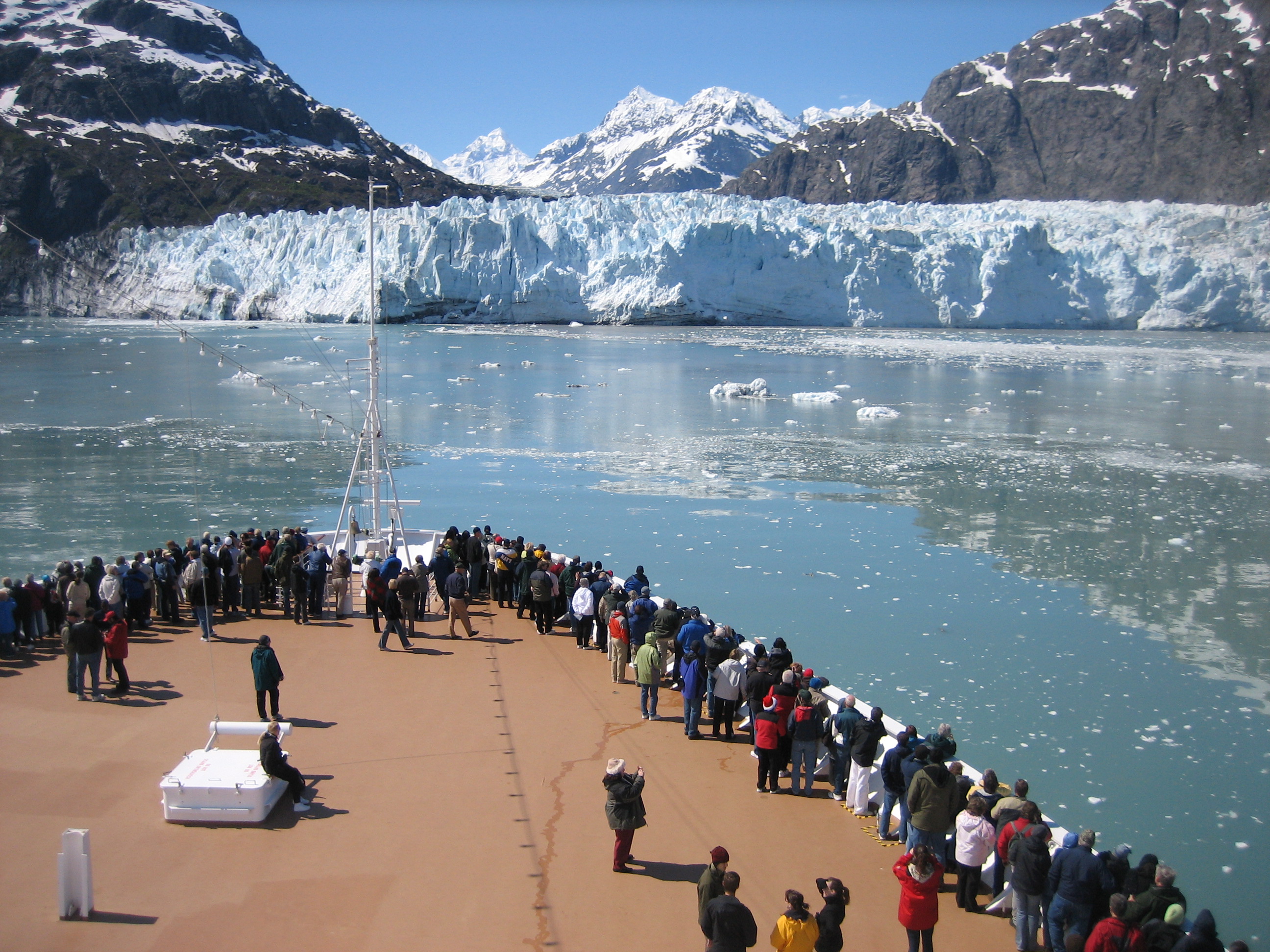
Best of Glacier Bay National Park
The best of Glacier Bay is reached by boat: ranger-led day tours up the bay to the tidewater glaciers. What's worth it, how to book, and when to go (2026).
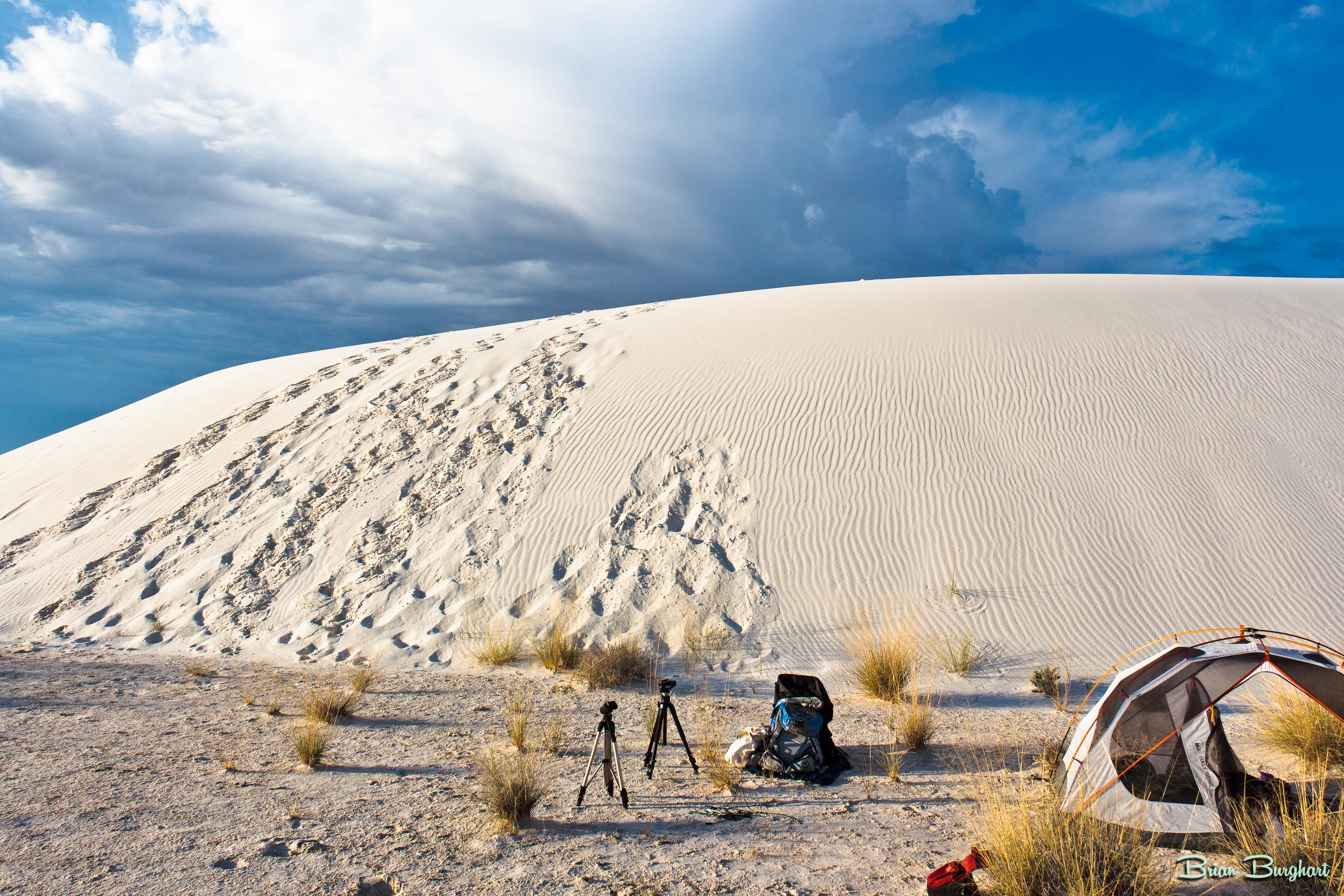
Campsite Guide
White Sands Backcountry Camping: Closed for 2026 — What to Know
As of 2026, backcountry camping at White Sands National Park is closed for site rehabilitation. What that means, and where to camp nearby instead.
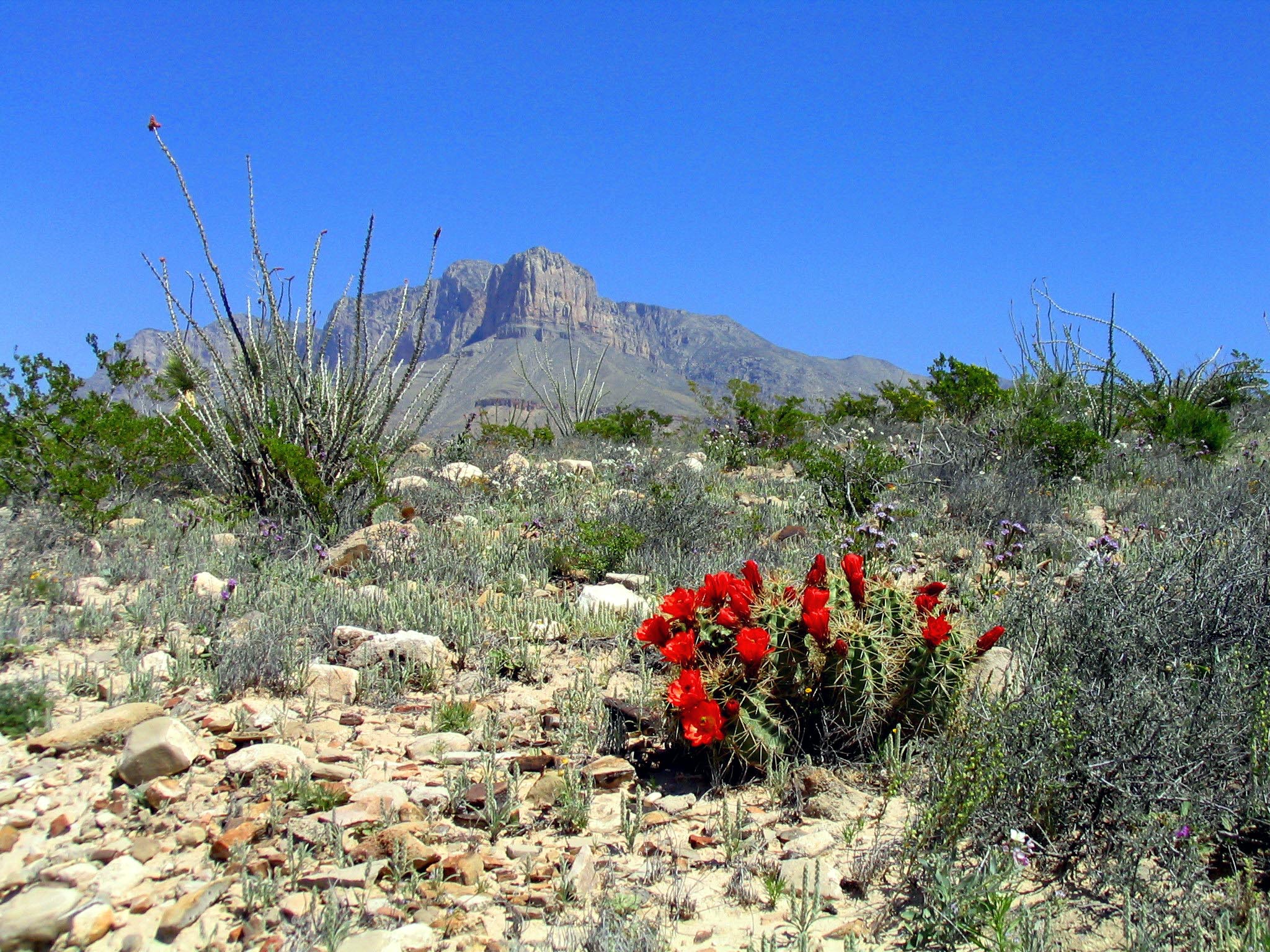
Weather Guide
Guadalupe Mountains National Park Weather: Weather
Guadalupe Mountains National Park: weather guide guide updated 2026. Practical visitor information, reservations, and seasonal tips worth bookmarking before
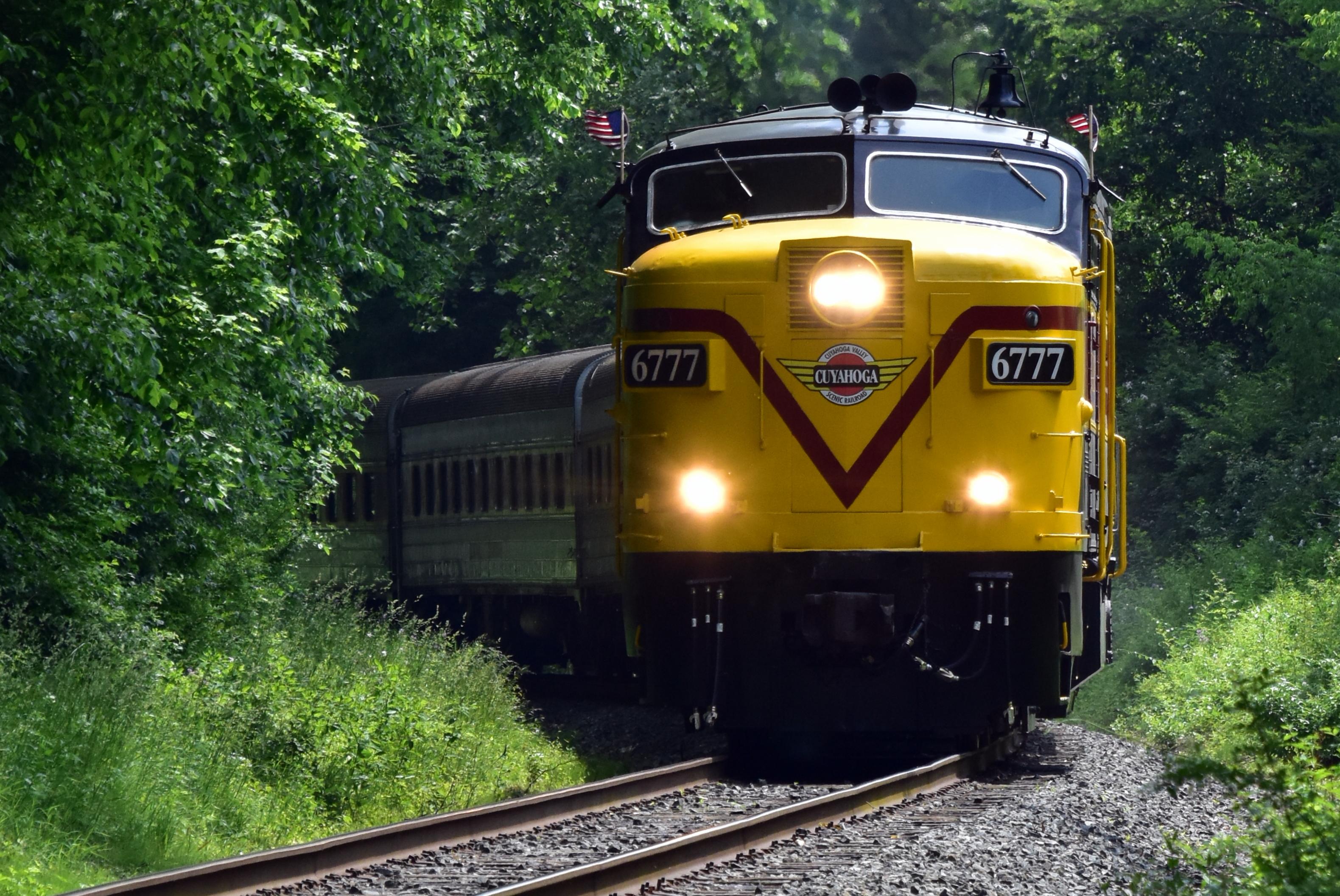
Best Of
Best of Cuyahoga Valley National Park: Best Things to Do
Seeing a Cleveland Orchestra concert with the woods as your backdrop is a uniquely Cuyahoga Valley experience.
Sign in to join the conversation.
Sources & Attribution
Location data courtesy of the National Park Service (U.S. Department of the Interior). NPS data is public domain. Official NPS page.
Images: NPS; NPS; NPS; NPS; NPS.
Map data © OpenStreetMap contributors.
Park operations alerts: NPS.gov · Weather and weather hazards: National Weather Service · Live conditions.
Information may change. Always verify fees, hours, and conditions directly with the official source before visiting.
Did this guide help? Share it with a friend.