Mount Rainier National Park Weather (2026 Guide)
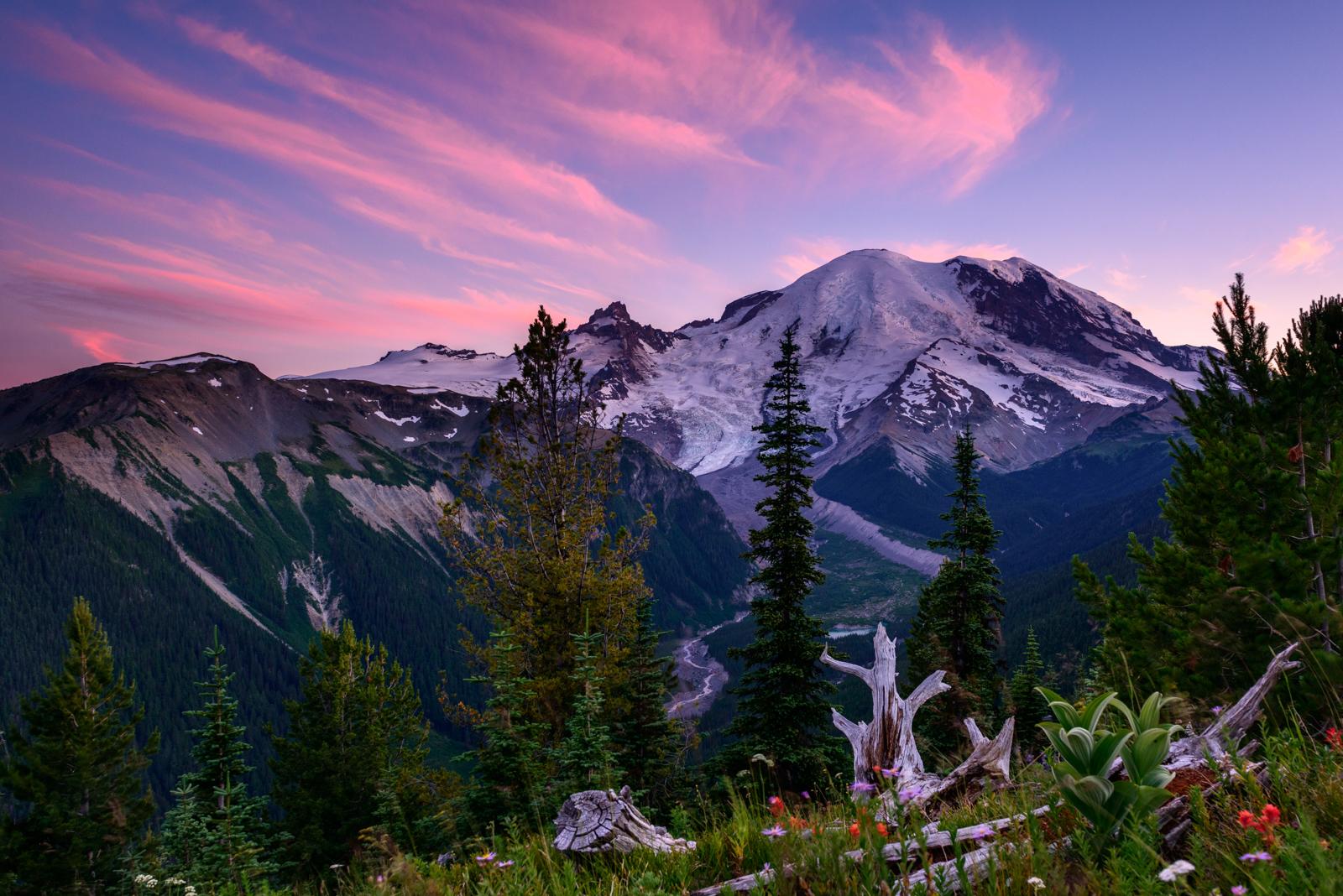
NPS via NPS.gov (Public Domain)
Mount Rainier National Park Weather: Weather (2026 Guide)
8 min read
Weather Guide
Winter dominates seven months at Paradise - snowpack can hold until July, with fresh snow by September. Plan monthly conditions and packing (2026).
Winter dominates seven months of the year at Paradise. Some years, the snowpack holds until July, and fresh snowfall can arrive by September. Forget about four distinct seasons here—you're dealing with an extended, profound winter followed by a brief, intense summer.
The Weather Reality
Mount Rainier creates its own weather. The 14,410-foot volcano intercepts moisture-laden air from the Pacific, wringing out precipitation that can be rain at the Nisqually entrance and heavy, wet snow just 20 miles up the road at Paradise. The park exists in a constant state of vertical climate zones. You can drive from temperate rainforest to alpine tundra in under an hour, passing through microclimates that shift with every thousand feet of elevation gain.
Official forecasts for "Ashford" or "Packwood" offer little help for high-country planning. Expect temperatures at Sunrise or Paradise to run 15 to 25 degrees Fahrenheit cooler than reported, with winds often two to three times stronger. The mountain's bulk creates localized cloud cover, leaving one valley socked in while the next basks in sun. We rangers have a saying: if the weather doesn't suit you, drive fifteen minutes. Or just wait fifteen minutes.

Month by Month
This calendar is based on patterns observed over decades. As of 2026, always check road statuses before you go.
January - March
These are the core winter months. Highs at Paradise hover around freezing, with lows in the teens. It snows. A lot. Average snowfall is measured in feet per month. The only year-round road access is via the Nisqually entrance to Longmire. The road to Paradise opens for daytime use when crews can plow it, which isn't every day. Chains are mandatory for all vehicles. Everything else - Sunrise, White River, Ohanapecosh, Mowich Lake - is closed under 20+ feet of snow. Crowds are minimal, consisting of dedicated snowshoers and skiers. It's silent, stark, and profoundly cold.
April - May
This is the shoulder season that feels like a prolonged thaw. Temperatures at Longmire might reach the 50s, but Paradise is still solidly in the 30s and 40s with deep snow. Rain is frequent at lower elevations, turning to heavy, wet snow higher up. Plowing operations are in full swing, but most high-elevation roads (Sunrise, Stevens Canyon) remain closed until late June or early July. Trails are either snow-covered or muddy quagmires. Wildflowers haven't started. It's the park's quietest, dampest, and least visually dramatic period. The main advantage is solitude.
June
June is a bet. Early June is often an extension of May. By late June, the snowline is retreating rapidly. Highs at Paradise can range from 45 to 65. Afternoon rain showers are common. The road to Paradise is typically open, but Sunrise Road often doesn't open until the very end of the month or early July. Lower-elevation trails like the Grove of the Patriarchs are snow-free and lush. The subalpine meadows are still buried. Crowds begin to build on sunny weekends. This is the month for hopeful anticipation and waterproof boots.
July
The great unveiling begins. Average highs at Paradise reach the low 60s, with nights still dropping near freezing. The snow melts in explosive fashion, revealing green meadows almost overnight. The first wildflowers - glacier lilies - appear at the edges of snowfields. By mid-July, Sunrise Road is usually open, doubling the park's accessible high country. Rain is less frequent but still possible. Afternoon thunderstorms can build over the summit. This is the start of peak season: all facilities are open, crowds are substantial, and the hiking trails from Paradise and Sunrise transition from snow travel to dirt and rock.
August
The closest thing to reliable summer. Highs can reach the low 70s at Paradise, though 60s are more common. Nights are crisp, often in the 40s. Rain is least likely, but not impossible. The wildflower display in the subalpine meadows hits its legendary peak in early to mid-August, a carpet of lupine, paintbrush, and aster. All roads are open. Crowds are at their absolute maximum, especially on weekends. Parking lots at Paradise and Sunrise fill by 9 AM. This is the window for high alpine hikes with minimal snow travel. The air is clear, the days are long, and the mountain is (relatively) approachable.
September
A golden transition. Early September still feels like August. By late September, a change is in the air. Highs drop into the 50s and 60s, with frosty mornings. The first dustings of snow often coat the summit and upper slopes after Labor Day. The crowds dissipate dramatically after the first week. The meadows trade flowers for the red and gold of fall foliage in the huckleberry bushes. Rain returns, with steady systems possible. Most facilities begin closing after Labor Day. The road to Sunrise typically closes by early October. This is a favorite among experienced visitors: fewer people, vibrant colors, and a dramatic sky.
October - November
The rapid shutdown. October can offer brilliant, cold, sunny days or weeks of relentless rain and cloud. Snowfall at Paradise becomes regular and begins to accumulate. The first major storm usually triggers the seasonal closure of the road to Paradise for the winter (it remains open to Longmire). By November, winter has re-established control. Highs are in the 30s, lows in the 20s. The remaining open roads (to Longmire, Carbon River) require chains. It's a time of gusty winds, low clouds, and fleeting clear views of the newly snow-capped peak. The park empties out.

Best Times for Specific Activities
High Country Hiking: Your window is late July through mid-September. Before late July, you'll be traversing steep snowfields requiring traction devices and experience. After mid-September, early snowstorms can close roads and trails unexpectedly. For the clearest, driest trails, target August.
Wildflower Viewing: The famous Paradise and Sunrise meadows peak in early to mid-August. It's a narrow window of about two weeks. Elevation matters: flowers bloom later at Sunrise (7,000 feet) than at Paradise (5,400 feet). For a complete visitor guide to timing your trip, the park website posts weekly bloom updates in summer.
Wildlife Watching: Elk are most visible in the fall (September-October) during the rut, particularly in the Ohanapecosh area. Marmots and pikas are active in the alpine zones from July until they disappear in late September. Black bears forage in berry patches in late summer and fall. Always view from a distance.
Fall Colors: Aim for late September. The turning huckleberry bushes in the subalpine zones create a contrast against evergreen fir and the white mountain. The vine maples in the forested river valleys, like near the Carbon River, turn brilliant red and orange in October.
Winter Sports: The season runs from December through April, entirely dependent on snowpack and plowing. Paradise is the hub for snowshoeing, skiing, and sledding in a designated area. Always check if the road is open before you go; it closes nightly and during major storms.
Stargazing: The best conditions are during the new moon in August and September. The air is stable, the skies are driest, and the Milky Way is visible arching over the mountain. The high elevation of Sunrise and Paradise reduces light pollution, but you must be prepared for near-freezing temperatures even on a summer night.

What to Pack by Season
The rule is layers, regardless of the month. Cotton kills here; moisture-wicking fabrics are non-negotiable.
Summer (July - September): This is the most deceptive season. Pack a mid-weight fleece or puffy jacket, a waterproof and windproof shell, a hat, and gloves. Yes, gloves in August. The temperature difference between a sunny trailhead and a windy, shaded ridge can be 30 degrees. Sturdy hiking boots are essential - the trails are rocky. Sunglasses and high-SPF sunscreen are critical; UV radiation intensifies with altitude and reflects off snow. Always have a headlamp.
Shoulder Seasons (May-June, October): Everything from the summer list, plus more. Waterproof pants become essential. Consider a warmer insulated jacket. Traction devices for your boots (microspikes) are highly recommended through June and after September, as you will encounter icy snow patches. Gaiters help with mud and late-season snow.
Winter (November - April): This is serious winter expedition packing. Insulated, waterproof boots with thick socks. Full-length insulated snow pants. A heavyweight down or synthetic parka. Multiple insulating layers (wool or synthetic). Waterproof gloves or mittens with liners. A warm hat that covers your ears. Goggles or sunglasses for glare. Always carry avalanche safety gear (beacon, probe, shovel) if traveling beyond plowed areas or marked trails - and know how to use it. The park service recommends everyone carry the Ten Essentials year-round.

What the Forecast Doesn't Tell You
- The "Marine Layer" Effect: On summer mornings, a low cloud deck often fills the Puget Sound basin. As you drive up to the park, you'll climb through this dense fog into brilliant sunshine above 3,000 feet. Don't be discouraged by a gray forecast in Seattle.
- Afternoon Cloud-Up: Even on a clear morning, moisture from the forests and valleys convects upward, forming cumulus clouds around the summit by early afternoon. The best views of the mountain are almost always before noon.
- Wind Chill is the Real Temperature: The forecast high for Paradise might be 55°F. If there's a 20 mph wind - and there often is - the effective temperature on an exposed ridge is closer to 40°F. Dress for the wind chill, not the thermometer.
- Snow Year-Round: You can find snow on the ground somewhere in the park every day of the year. In August, permanent snowfields linger on north-facing slopes above 7,000 feet. Don't assume a "summer" hike is snow-free.
- Road Closure Triggers: The gate at Longmire closes not just for snow, but for poor visibility, high winds, or to prevent overnight parking. A "chain requirement" means you must physically have chains in your vehicle, not just 4WD, until May 1.
- Microclimate Confusion: It can be pouring rain at the Ohanapecosh Visitor Center and dry at Paradise, or vice-versa. Check the specific weather stations for Paradise, Sunrise, and Longmire on the NPS website, not a town forecast.
- Rapid Deterioration: Weather systems move fast. A sunny hike can turn into a whiteout with blowing snow in under an hour, even in September. Turning back early is not a failure; it's standard procedure.
Practical Takeaways
- Target August for the most predictable access to wildflowers, dry trails, and open roads. Just be ready for people.
- Always pack a jacket, hat, and rain shell, even in summer. The difference between the parking lot and the trail is measured in layers.
- Arrive early. Aim to be at the Paradise or Sunrise parking lot by 8 AM in peak season. Not only will you get a spot, but you'll see the mountain before the clouds build.
- Check specific road statuses, not just the weather. As of 2026, the Carbon River SR 165 bridge is closed, and Ohanapecosh Campground is closed for construction. Stevens Canyon and Sunrise roads close for winter. These closures are more impactful than a rain forecast.
- Respect the chain requirements. From November 1 to May 1, all vehicles must carry tire chains. Rangers do check at the gate, and you will be turned around.
- Your summer hiking window is short. Plan high-elevation trips for late July through mid-September. Earlier means snow travel; later means storm risk.
- When in doubt, call the park. The recorded line (360-569-2211) has the latest on road openings, weather, and trail conditions. It's more current than any third-party app.
Mount Rainier National Park weather rewards preparation and punishes assumption. The mountain dictates the terms. Your job is to listen.
For more information, see our complete National Park Guide.
Related: mount rainier national park guide
Sources
- Official source: NPS — Mount Rainier National Park nps.gov/mora/index.htm
Photo Gallery
More to Explore
Park Guide
Acadia National Park: Carriage Roads, Cadillac Mountain & 2026 Guide
Discover carriage roads, Cadillac Mountain, and rugged Maine coast. Complete 2026 guide to Acadia National Park — trails, fees, lodging, permits, and what rangers recommend.
Hiking Guide
Grand Canyon Hiking Trails: Day Hikes, Water Sources & Rim to Rim
Compare Grand Canyon hiking trails: Bright Angel, South Kaibab, Hermit, Grandview, and rim to rim, with distances, elevation, water stops, and trailhead access for each.
Best Of
Best of Glacier Bay National Park
The best of Glacier Bay is reached by boat: ranger-led day tours up the bay to the tidewater glaciers. What's worth it, how to book, and when to go (2026).
Campsite Guide
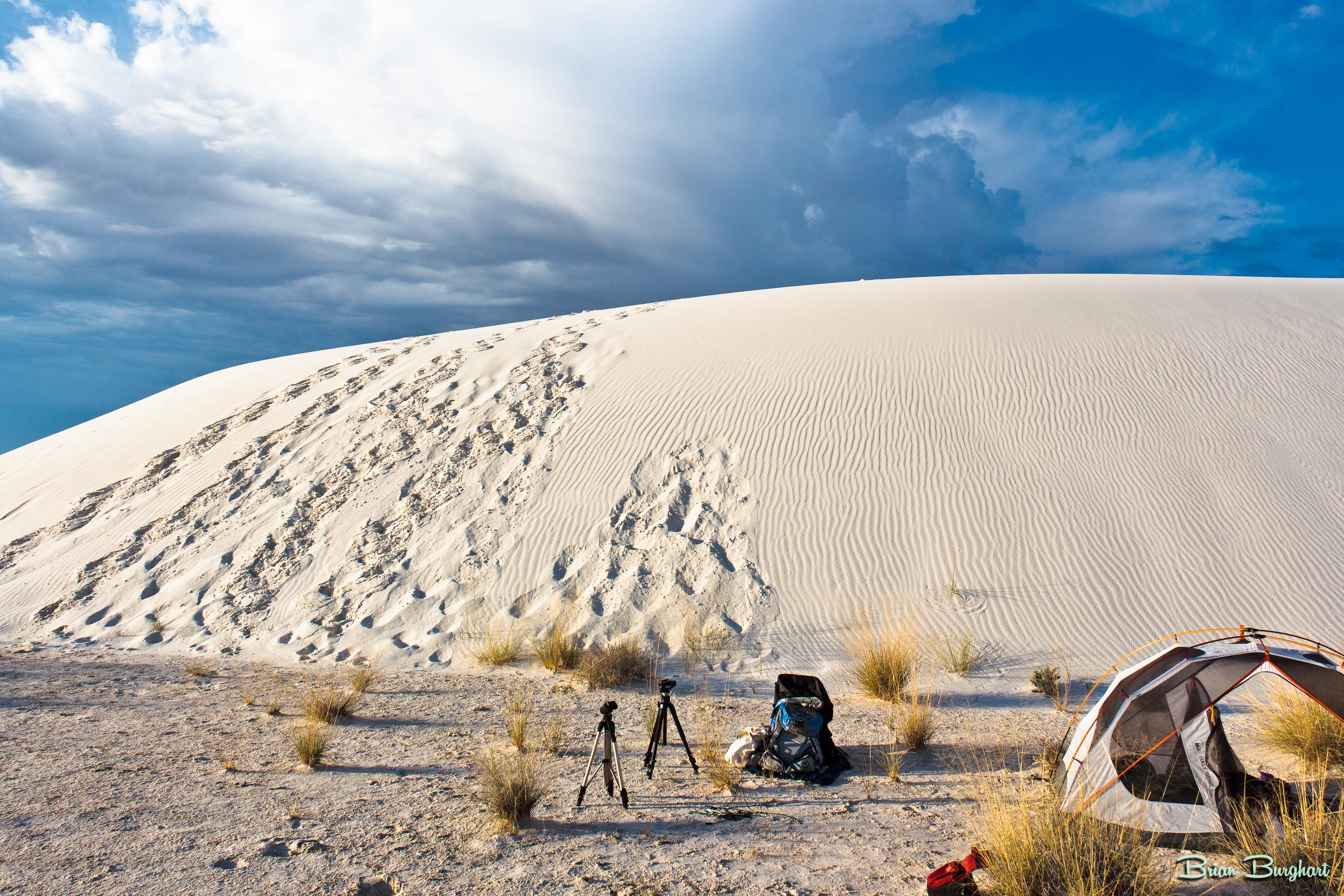
White Sands Backcountry Camping: Closed for 2026 — What to Know
As of 2026, backcountry camping at White Sands National Park is closed for site rehabilitation. What that means, and where to camp nearby instead.
Weather Guide
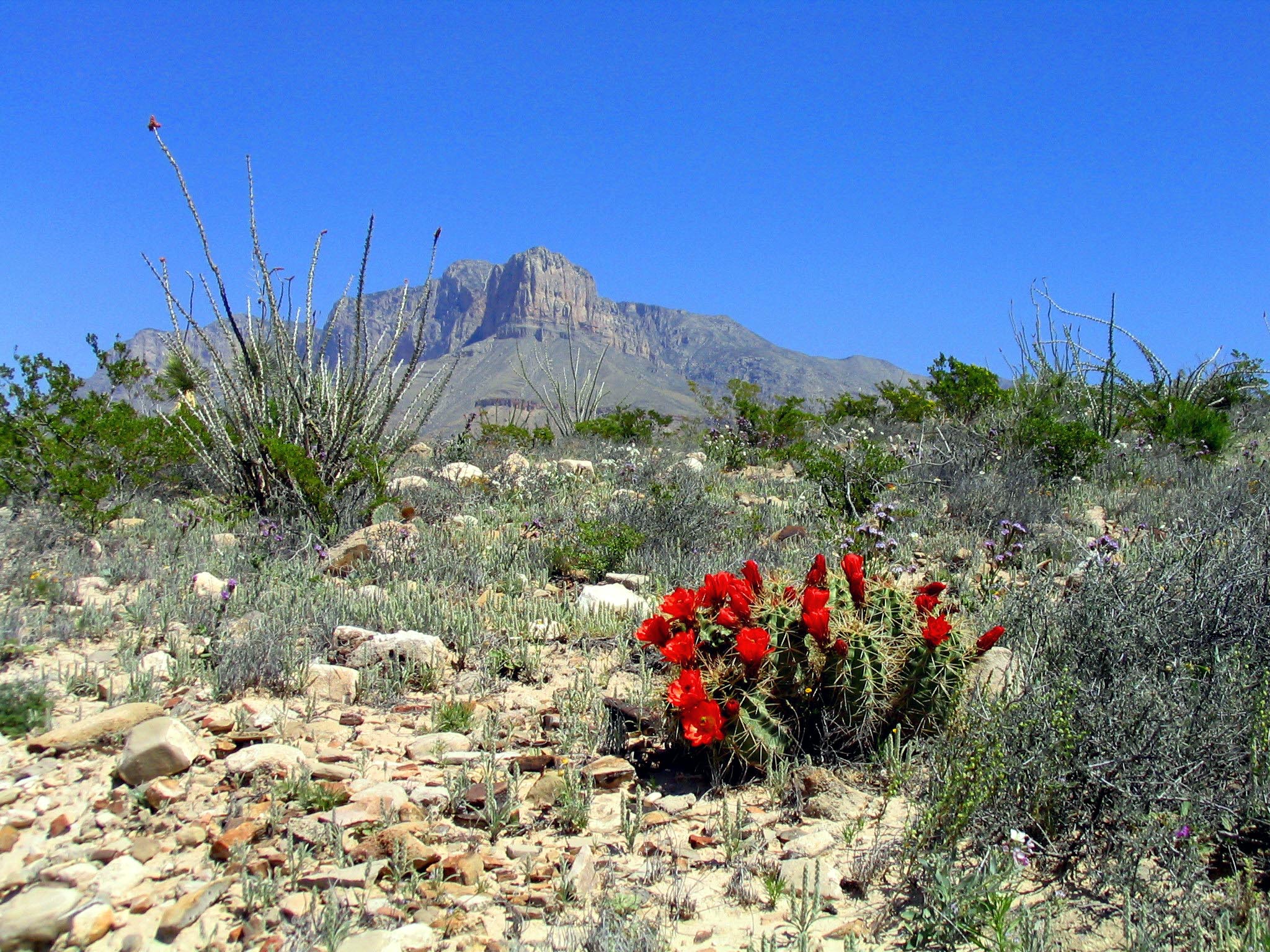
Guadalupe Mountains National Park Weather: Weather
Guadalupe Mountains National Park: weather guide guide updated 2026. Practical visitor information, reservations, and seasonal tips worth bookmarking before
Best Of
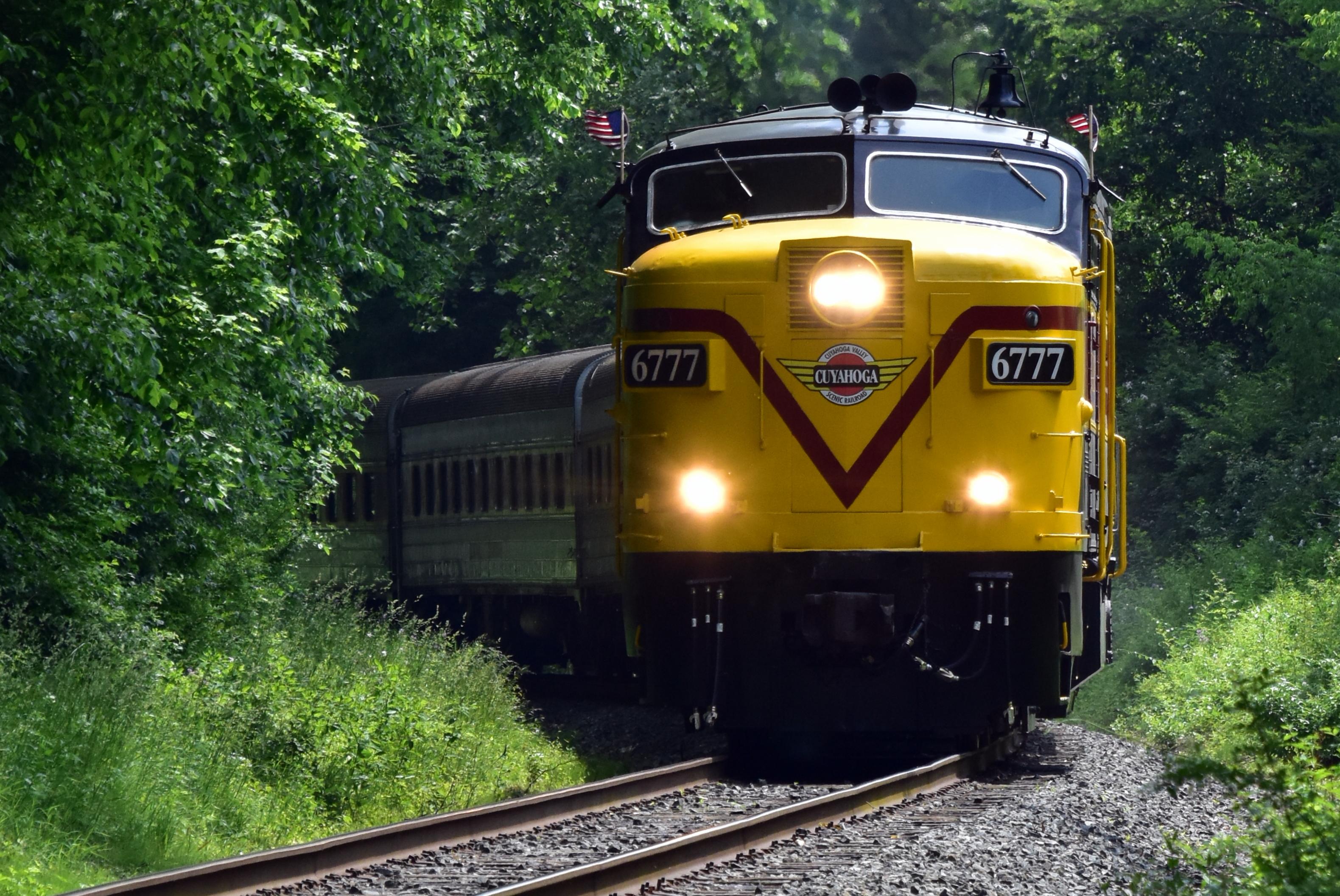
Best of Cuyahoga Valley National Park: Best Things to Do
Seeing a Cleveland Orchestra concert with the woods as your backdrop is a uniquely Cuyahoga Valley experience.
Sign in to join the conversation.
Sources & Attribution
Location data courtesy of the National Park Service (U.S. Department of the Interior). NPS data is public domain. Official NPS page.
Images: NPS; NPS; NPS; NPS; NPS.
Map data © OpenStreetMap contributors.
Park operations alerts: NPS.gov · Weather and weather hazards: National Weather Service · Live conditions.
Information may change. Always verify fees, hours, and conditions directly with the official source before visiting.
Did this guide help? Share it with a friend.