Mount Rainier National Park was established in 1899 as America's fifth national park, named for British Rear Admiral Peter Rainier who surveyed this coastline. Come July, the subalpine meadows at Paradise transform into a mosaic of lupine, paintbrush, and avalanche lily—a spectacle that draws thousands. The mountain's weather operates on its own terms, shifting from sun to fog to rain within a single afternoon. This is precisely where a quality guided tour proves its value: handling logistics and interpreting the landscape so visitors can immerse themselves in the experience.
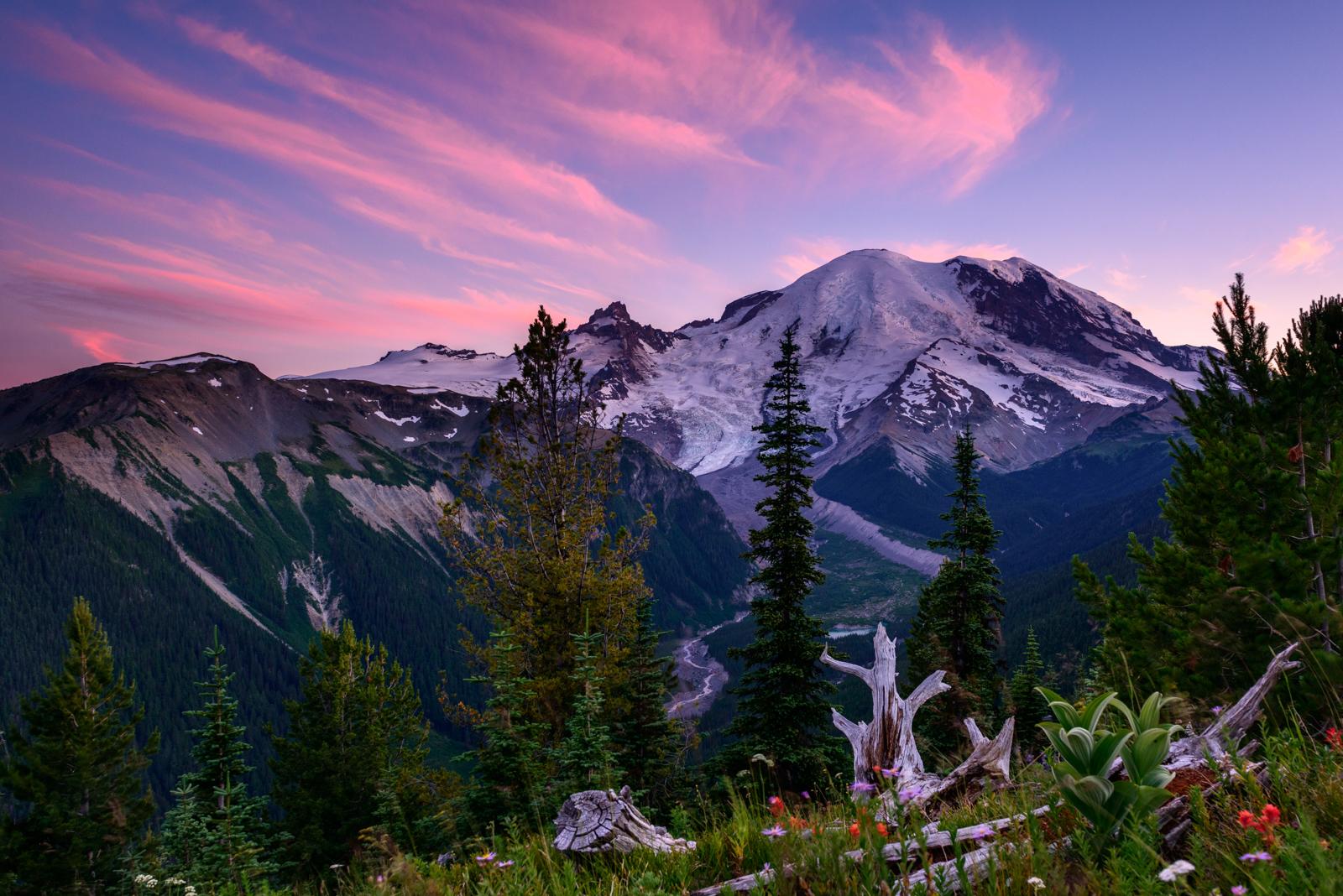
NPS via NPS.gov (Public Domain)
Mount Rainier National Park Guided Tour
8 min read
Tours Guide
Best tours and guided experiences at Mount Rainier National Park in 2026 — rangers, private guides, and what is worth booking.
This article contains affiliate links — we may earn a small commission at no extra cost to you.
For more, see lodging and accommodations.
The Best Guided Experience Here
For most visitors, the most valuable guided experience isn't commercial—it's the ranger-led snowshoe walk at Paradise.
From December through March, the park service provides snowshoes and leads two-hour treks across the deep snowpack covering summer trails. We rangers emphasize this is the only safe, legal way to explore high meadows in winter without specialized knowledge. The value comes in three parts: free gear rental (a $25 value elsewhere), expert guidance on avalanche terrain and weather changes, and interpretive insights unavailable elsewhere.
The walk shows you what you cannot see in summer. Your guide points out the subtle contours of the land beneath 15 feet of snow, explains how subnivean zones protect small mammals, and details the immense pressure the snow exerts on the underlying volcanic rock. You'll learn to identify the tracks of snowshoe hare and fox in the fresh powder. The common mistake - and almost everyone makes it - is underestimating the cold and wind at 5,400 feet. The temperature at the Paradise parking lot is not the temperature on the open snowfield. Dress like you're going skiing.
These walks fill quickly. They are free, but require a reservation obtained through Recreation.gov, typically released two weeks in advance. They vanish within minutes. If you miss the online window, a limited number of same-day tickets are available at the Jackson Visitor Center starting at 8:30 AM. Be in line by 8 AM. The parking situation here is competitive even in winter; the upper lot fills by mid-morning on weekends.
For a commercial alternative operating year-round, guided hikes from park-authorized concessionaires rank a close second. These services handle permits, provide transportation from gateway towns, and offer naturalist perspectives on Skyline Trail or Grove of the Patriarchs ecology. They're ideal for visitors seeking a full-day, curated hiking experience without planning burdens.

Free Ranger Programs
The park's ranger programs are the backbone of its educational offerings, and they are far more varied than the standard campfire talk. Schedules are seasonal and weather-dependent, posted at visitor centers and online.
Guided Walks and Hikes
From late June through September, rangers lead daily walks from major hubs. The Paradise area offers short, thematic walks like the 1.2-mile Nisqually Vista loop, focusing on glacial geology. At Sunrise, look for the hike to Frozen Lake, which discusses alpine survival strategies. These last 45-90 minutes, require no reservation, and meet at clearly signed locations. The one that consistently surprises visitors is the Longmire Historic District Walking Tour. It's not just about buildings; it's a lesson in how the "parkitecture" philosophy used local stone and timber to blend with the environment, a detail most people walk right past.
Evening Programs
Held at the Paradise Inn (summer) and the Longmire Community Building (winter), these 45-minute talks specific topics: the lifecycle of a glacier, the history of climbing on the mountain, the park's role in climate research. They start at 7 or 8 PM. Seating is first-come, first-served. The room at Longmire is small and often fills 15 minutes early, especially on rainy nights. The talks are genuinely worth attending; the rangers are specialists, not generalists.
Special Event Programs
This is where the park shines. The Full Moon Hikes at Mount Rainier (summer and winter) are legendary. Rangers lead groups on snowshoes or boots under the full moon, a surreal experience where the glacial snowfields glow. Reservations are mandatory and fiercely competitive. Stargazing at Sunrise or in Paradise is another highlight. Rangers set up telescopes and point out constellations, planets, and deep-space objects, discussing the challenges of light pollution. On clear, moonless nights, the Milky Way is visible as a dusty band across the sky. Cell service drops out at these locations, so download the reservation confirmation or bring a printout.
Junior Ranger Program
Not just for kids. The booklet is a cleverly designed scavenger hunt that forces you to look closely at exhibits, read trailside signs, and observe wildlife. Completing it earns a wooden badge. Rangers at the desk will often quiz the kids - gently - on what they learned. It's a structured way to engage younger visitors beyond just the hike.

Concessionaire Tours
As of 2026, Mount Rainier has a limited number of licensed commercial operators permitted to guide within the park. They fill specific niches that the ranger programs do not.
Guided Day Hikes
Operators like Discover Your Northwest and locally based guide services offer all-inclusive day hikes. They provide transportation from Ashford or Packwood, a packed lunch, trekking poles, and a naturalist guide.
- What they offer: Typically, they target classic routes like the Skyline Trail loop from Paradise or the trail to Summerland from Sunrise. The guide handles navigation, paces the group, and provides deep commentary on flora, fauna, and geology.
- Value assessment: The cost is significant (often $150-$250 per person), but the value is in logistics and expertise. They know where the bear grass is blooming, which switchback offers the best photo op of the Nisqually Glacier, and how to time the hike to avoid the worst crowds. This is the best way for a novice hiker to confidently tackle a longer trail like Skyline.
- Booking: Directly through the operator's website. Book at least 2-4 weeks in advance for summer weekends. Cancellation policies are strict, often 48-72 hours for a full refund.
Mountaineering Guiding Services
For climbing Mount Rainier, this is non-negotiable. The mountain is a serious glaciated volcano requiring technical skills. Companies like Rainier Mountaineering Inc. (RMI) and International Mountain Guides (IMG) are the authorized concessionaires.
- What they offer: Multi-day summit climbs, including pre-climb training, all technical gear (ice axe, crampons, harness), hut accommodations, and meals. The standard Disappointment Cleaver route takes 2-3 days.
- Honest assessment: This is not a hike. It's a physically demanding, high-altitude expedition with objective hazards like crevasses and rockfall. The guides are professional climbers who manage the rope teams and make critical safety decisions. Success rates vary with weather, but even a turned-around climb is an intense experience.
- Cost and duration: Expect to invest $2,000+ for a 3-day program. Book 6-12 months in advance. These fill for the July-August window almost immediately.

Specialized Experiences
Beyond the standard hikes and climbs, the park permits a few unique guided pursuits that leverage its specific terrain.
Photography Workshops
Local professional photographers occasionally secure permits to lead small-group workshops. These aren't listed on the NPS site; you find them through photography schools or outfitter websites. They focus on capturing alpenglow on the summit, macro shots of wildflowers, or long exposures of waterfalls like Comet or Narada. The guide knows the exact sunrise and sunset sightlines and will get you to a composition that avoids the tourist throngs. They are priced as premium educational experiences.
Backpacking and Overnight Trips
A handful of guide services offer multi-day backpacking trips, such as a traverse of the Northern Loop or a trip into the Spray Park area. They obtain the competitive wilderness permits, plan the meals, and provide group gear. This is the answer for experienced day-hikers who want to venture into the backcountry but don't want to navigate the permit lottery system alone. Groups are small, usually 4-6 clients.
Snowshoe and Ski Touring
In winter, when the road to Paradise is open but buried in snow, some guides offer private snowshoe or cross-country ski tours beyond the ranger-led route. They can take you to quieter glades or to viewpoints like Panorama Point (a summer hike) that are unsafe to approach without knowledge of the underlying terrain and avalanche risk. This is a pricey but exclusive way to experience the absolute silence of the park in winter.

Booking and Logistics
The booking landscape varies wildly by experience. Getting this wrong means missing out.
Ranger Programs: The snowshoe walks and full moon hikes require a Recreation.gov reservation. Set an alert for the release date. All other ranger programs are first-come, first-served. Arrive at the meeting point 10 minutes early.
Concessionaire Tours: Book directly with the operator. For summer day hikes, a month of lead time is comfortable. For summit climbs, think in terms of seasons ahead. All commercial guides include the park entrance fee in their price. You will not need to pay the $30 vehicle fee separately if you are meeting them at a park location.
Cancellation Policies: Weather is the dominant factor. Ranger programs are canceled for high winds, lightning, or whiteout conditions. Commercial guides have more flexible weather policies - they may shift the route or offer a partial credit. Read the fine print. Mountain weather is very changeable.
What's Included: Always verify. Commercial guided hikes usually include gear (poles, microspikes if needed), lunch, and snacks. They do not include hiking boots, rain layers, or personal clothing. Climbing packages include all technical gear but have a detailed personal equipment list you must supply.
The Golden Rule: If a company is not listed as an authorized park concessionaire on the NPS website, they are not legally permitted to guide within park boundaries. They may guide on adjacent national forest land, which is a different experience entirely.
Practical Takeaways
- The free ranger snowshoe walk is the top value. Reserve online the second it opens or queue early for same-day tickets. It provides gear, safety, and interpretation you cannot replicate on your own.
- For a classic Mount Rainier National Park guided tour of the summer trails, a concessionaire-led day hike solves all logistical problems. They handle permits, parking, and pacing, letting you focus on the views and the wildlife viewing opportunities.
- Book climbing trips a year in advance. Authorized guides like RMI and IMG secure their permits early. A summit bid is a major physical and financial commitment; train accordingly.
- Always check for road closures before booking any tour. As of spring 2026, SR 165 to Carbon River and Mowich Lake is closed at the bridge, and seasonal closures affect Sunrise, Chinook, and Cayuse Passes until late May or June. A tour meeting at a closed entrance is useless.
- Layer for every season, even in August. The temperature difference between the trailhead and an exposed ridge can be 30 degrees. Your guide won't turn back because you're cold.
- Use ranger programs as your planning anchor. Check the posted schedule at the visitor center or online when you arrive. A one-hour guided walk can completely reframe your understanding of the landscape for the rest of your stay.
- Verify the operator's authorization. The official park website lists permitted guide services. If you want to be inside the park with a guide, this is non-negotiable.
For broader context on park operations and seasons, consult the complete visitor guide. If you're arranging your own stay, research lodging and accommodations near the park entrances well ahead of your visit.
For more information, see our complete National Park Guide.
Related: mount rainier hiking guide
Recommended Gear
What experienced visitors bring to Mount Rainier National Park Guided Tour
Links may earn us a commission at no extra cost to you. We only recommend gear we believe in.
Hiking Essentials
Hydration Pack (3L)
Hands-free water for long trail days
Trekking Poles (Pair)
Save your knees on steep descents
Hiking Boots (Ankle Support)
Sturdy footwear for rocky, uneven trails
Sun & Heat Protection
Wide-Brim Sun Hat
Full coverage UPF 50+ protection at altitude
Insulated Water Bottle (32oz)
Keeps water cold in desert heat all day
Winter Gear
Microspikes / Traction Devices
Essential for icy rim trails in winter months
Packable Down Jacket
Lightweight warmth that stuffs into a pocket
Sources
- Official source: NPS — Mount Rainier National Park nps.gov/mora/index.htm
Photo Gallery
More to Explore
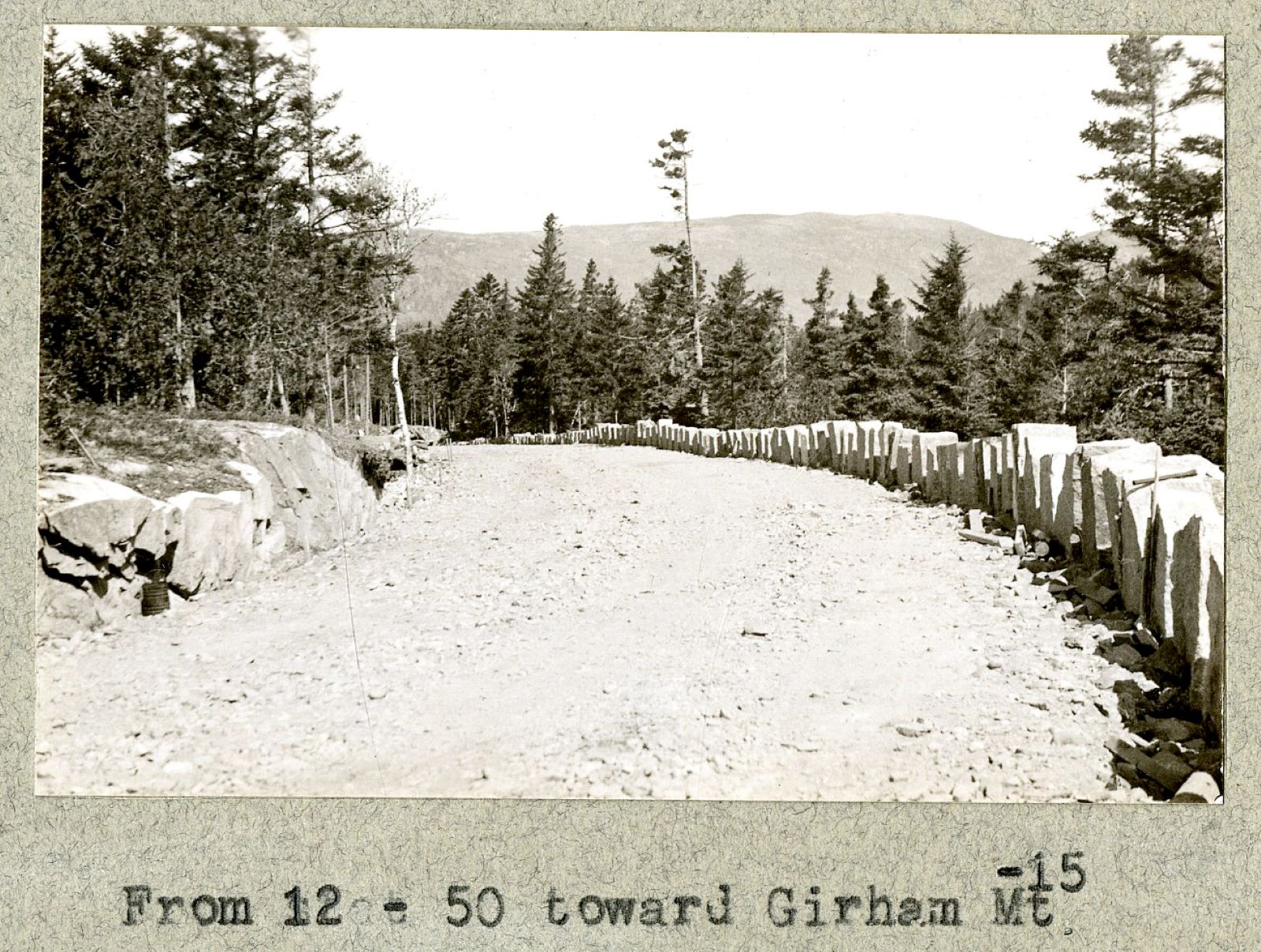
Park Guide
Acadia National Park: Carriage Roads, Cadillac Mountain & 2026 Guide
Discover carriage roads, Cadillac Mountain, and rugged Maine coast. Complete 2026 guide to Acadia National Park — trails, fees, lodging, permits, and what rangers recommend.
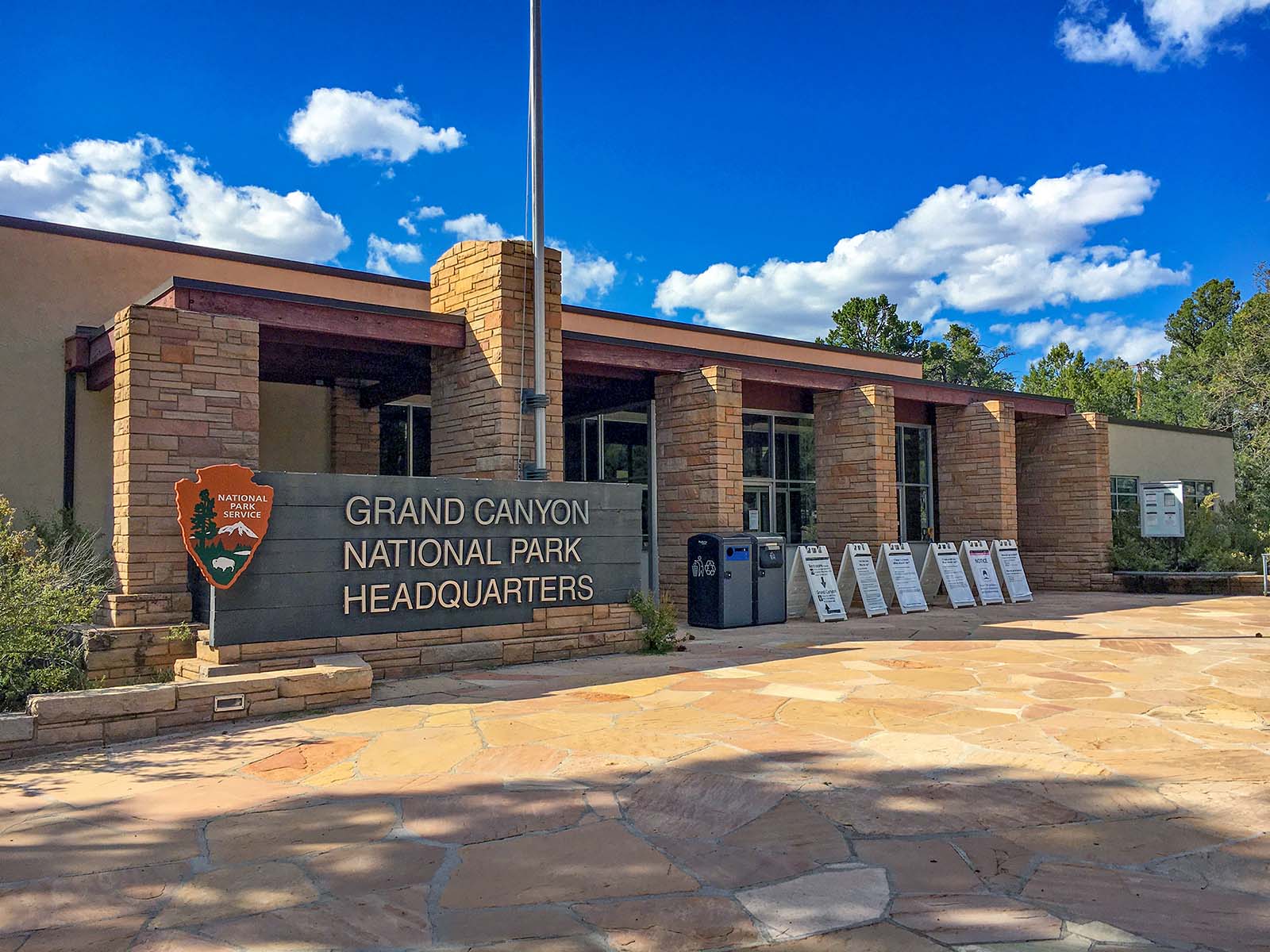
Hiking Guide
Grand Canyon Hiking Trails: Day Hikes, Water Sources & Rim to Rim
Compare Grand Canyon hiking trails: Bright Angel, South Kaibab, Hermit, Grandview, and rim to rim, with distances, elevation, water stops, and trailhead access for each.
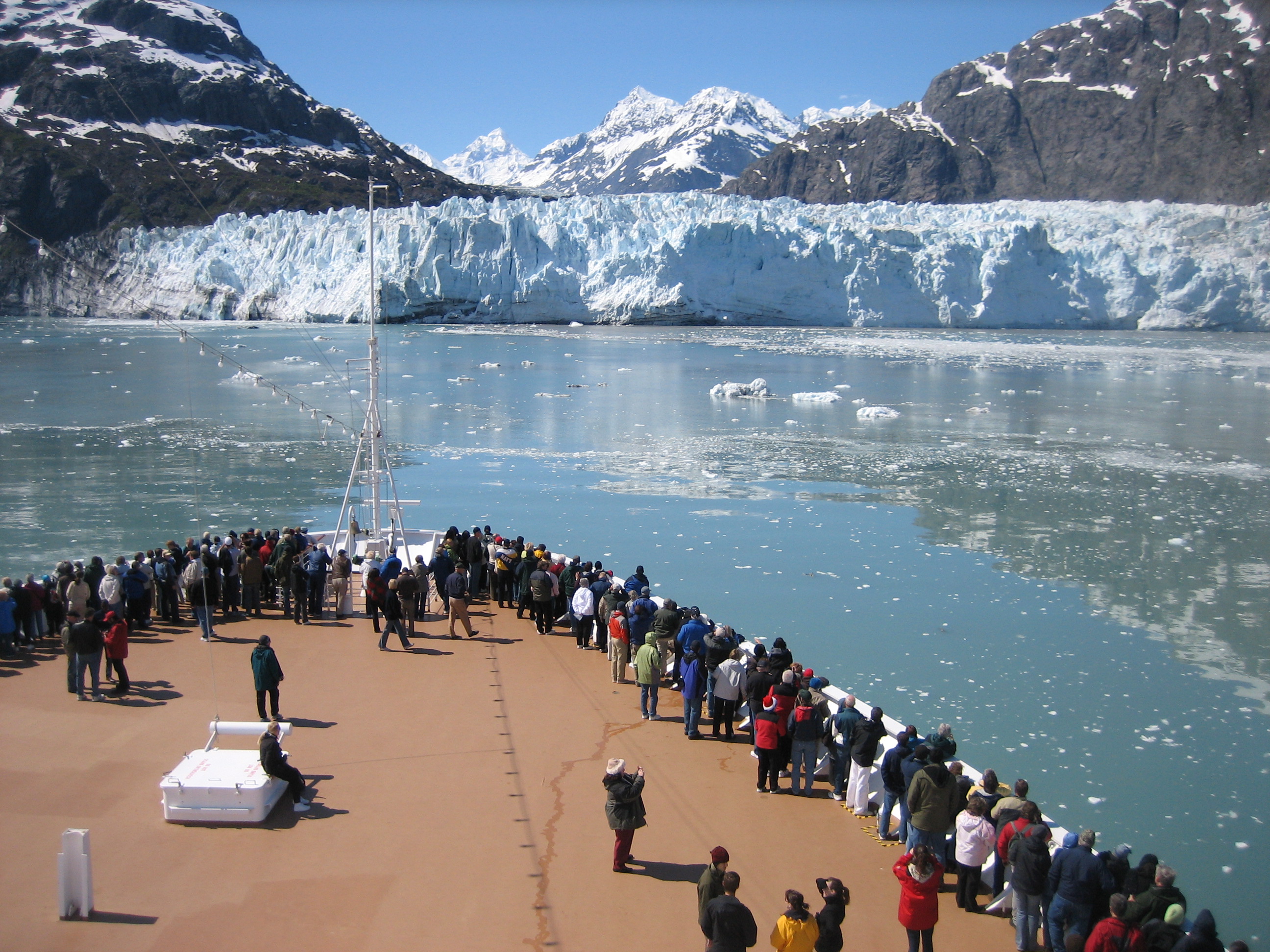
Best Of
Best of Glacier Bay National Park
The best of Glacier Bay is reached by boat: ranger-led day tours up the bay to the tidewater glaciers. What's worth it, how to book, and when to go (2026).
Campsite Guide
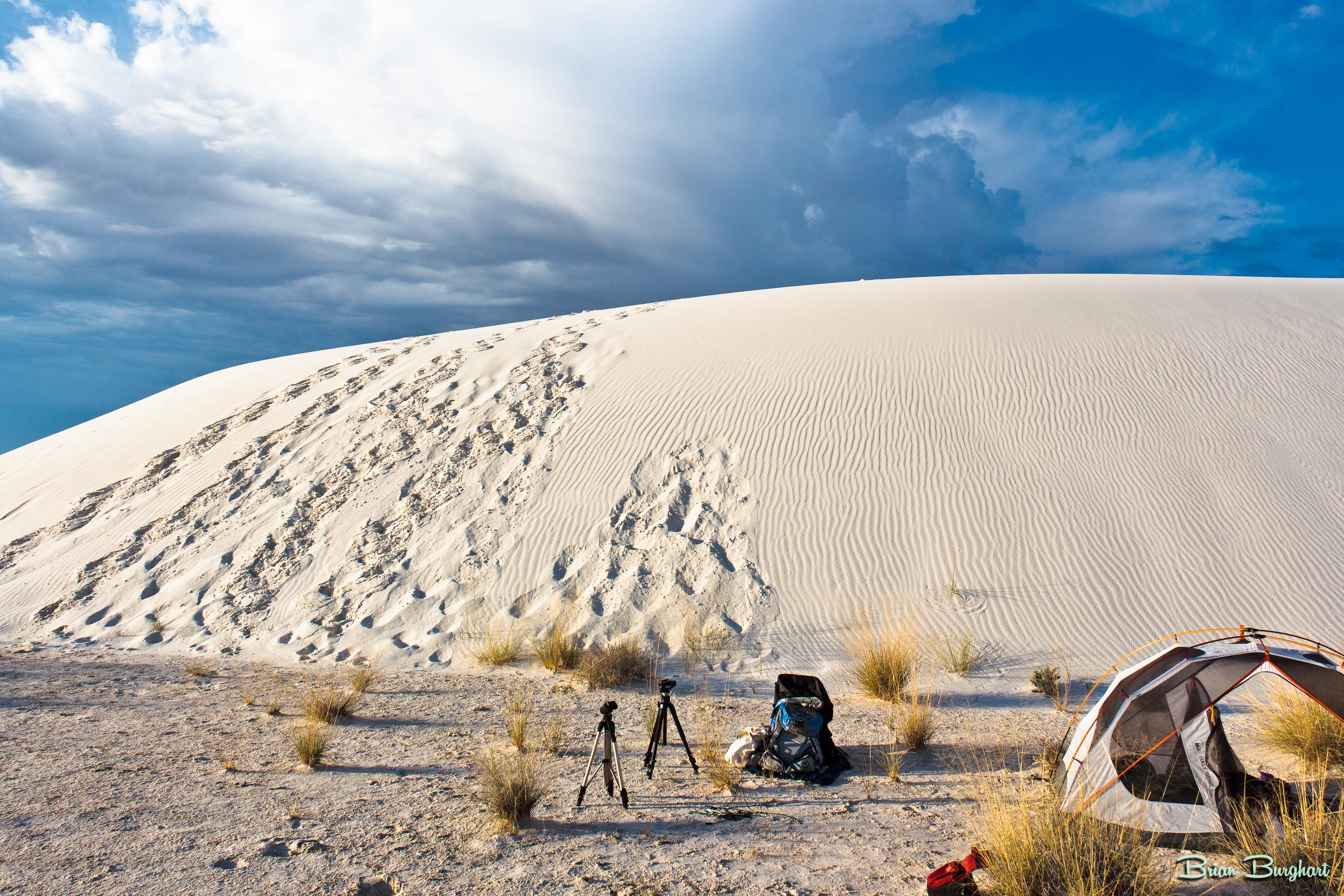
White Sands Backcountry Camping: Closed for 2026 — What to Know
As of 2026, backcountry camping at White Sands National Park is closed for site rehabilitation. What that means, and where to camp nearby instead.
Weather Guide
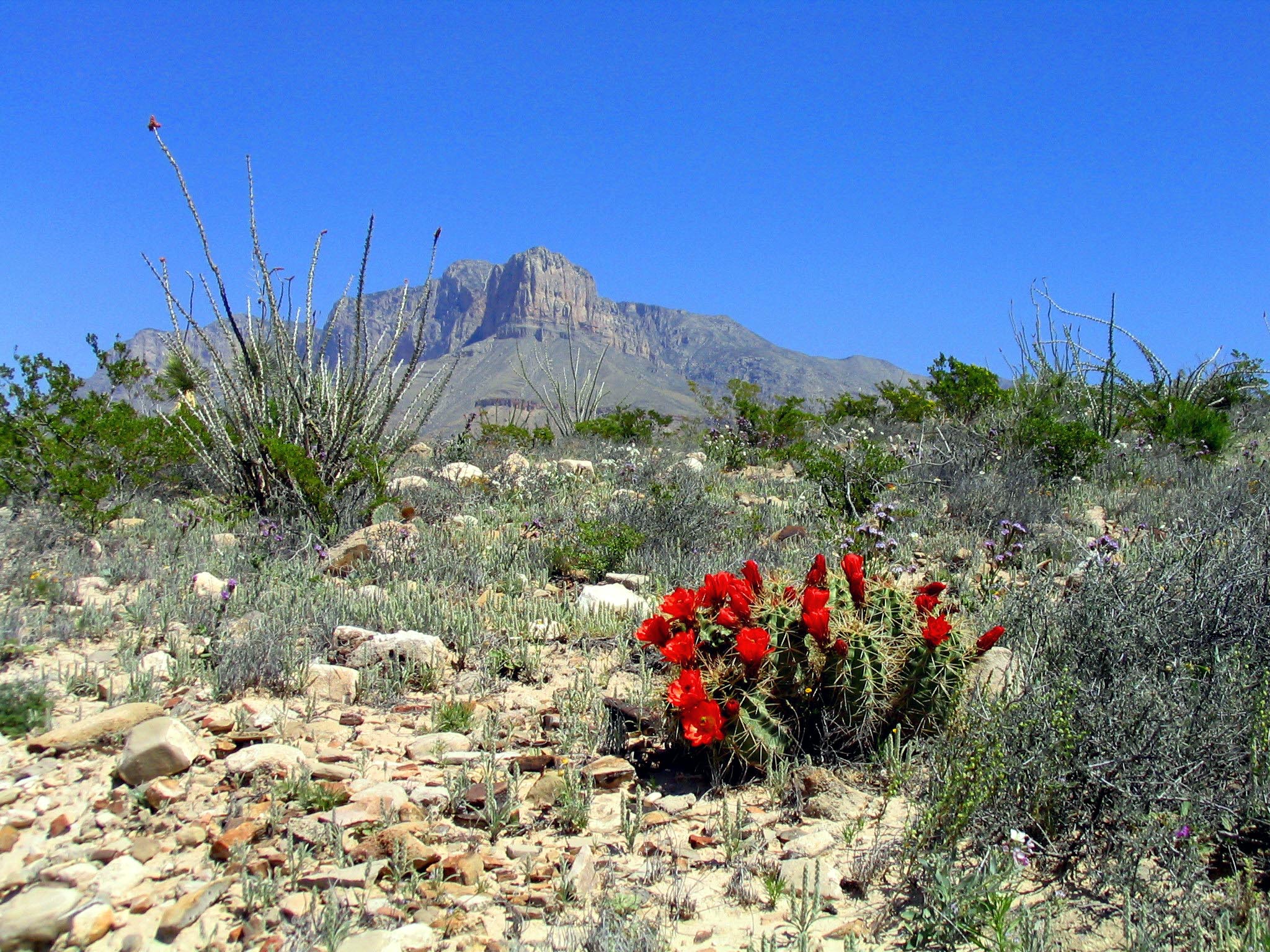
Guadalupe Mountains National Park Weather: Weather
Guadalupe Mountains National Park: weather guide guide updated 2026. Practical visitor information, reservations, and seasonal tips worth bookmarking before
Best Of
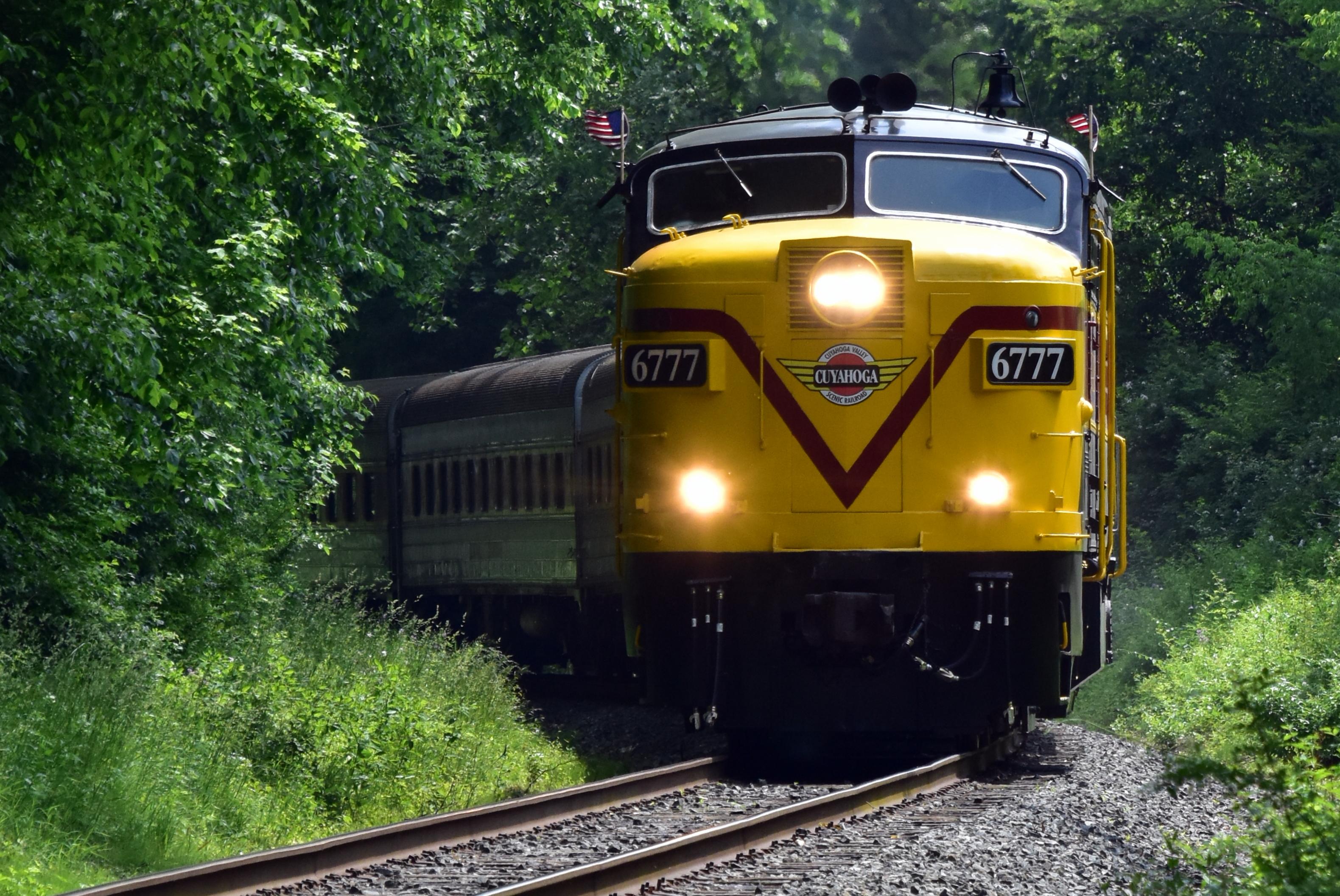
Best of Cuyahoga Valley National Park: Best Things to Do
Seeing a Cleveland Orchestra concert with the woods as your backdrop is a uniquely Cuyahoga Valley experience.
Sign in to join the conversation.
Sources & Attribution
Location data courtesy of the National Park Service (U.S. Department of the Interior). NPS data is public domain. Official NPS page.
Images: NPS; NPS; NPS; NPS; NPS.
Map data © OpenStreetMap contributors.
Park operations alerts: NPS.gov · Weather and weather hazards: National Weather Service · Live conditions.
Information may change. Always verify fees, hours, and conditions directly with the official source before visiting.
Did this guide help? Share it with a friend.