Book your vehicle reservation for Cadillac Summit Road the moment they become available. That is the single most important piece of advice for any visit to Acadia National Park in 2026. The park's highest point is the first place in the United States to see the sunrise for much of the year, and the competition for a parking spot at dawn is intense. The reservation system is the only way to guarantee your spot during the peak season, and it fills within minutes.
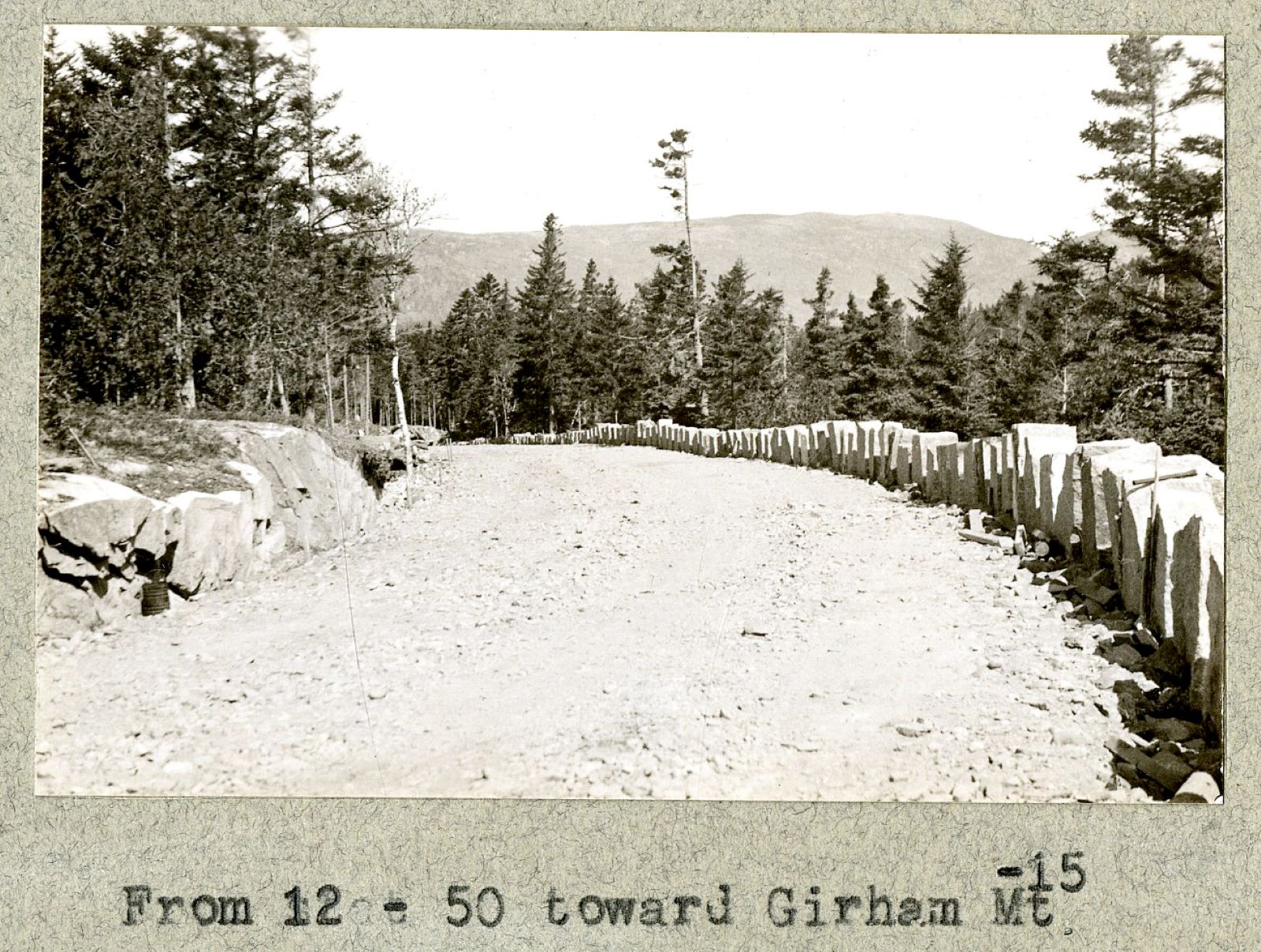
NPS via NPS.gov (Public Domain)
Acadia National Park
11 min read
Places & Points of Interest
Discover Acadia National Park: acadia national park with our comprehensive guide. Expert tips, practical information, and insider knowledge.
Your plans
Acadia's 49,000 acres on Mount Desert Island hold a particular kind of coastal wilderness you won't find elsewhere in the Northeast. The park's character comes from that raw collision of land and sea—Cadillac Mountain rising straight from the Atlantic, waves grinding against pink granite, ravens calling from the pines. While the 27-mile Park Loop Road shows you the postcard views, the real understanding of this place comes from its 150 miles of hiking trails and 45 miles of historic carriage roads.
Quick Information
The entrance fee to Acadia National Park is $35 per private vehicle, $30 per motorcycle, or $20 per individual entering on foot or bicycle. This pass is valid for seven days. As of 2026, an annual Acadia pass costs $70. Holders of the America the Beautiful National Parks Pass get free entry.
Acadia operates year-round, but what's accessible changes with the seasons. The Hulls Cove Visitor Center usually runs daily from mid-April to October. Core roads—Park Loop and Cadillac Summit—typically open late April through November, depending on weather. Come winter, most secondary roads and facilities shut down.
For dependable weather and full park access, plan for late May to mid-October. If you're after solitude and prepared for winter conditions, January through March reveals a stark, quiet version of Acadia—but you'll need to be entirely self-reliant.
Cell service is notoriously spotty. You will have strong signal in Bar Harbor and at the Hulls Cove Visitor Center, but it drops out at most trailheads and along the Park Loop Road. Do not rely on your phone for navigation on trails.
Restrooms are available at the visitor centers, Sand Beach, and the Jordan Pond House. Vault toilets are located at many major trailheads and picnic areas like Fabbri. Parking is the park's primary constraint. The main lots at Sand Beach, Jordan Pond, and Cadillac Mountain (without a reservation) fill by 9 AM from June through October. The Island Explorer bus system is the most effective strategy to avoid the parking hassle - it's free and services the entire island.
Getting There
Acadia National Park is located on Mount Desert Island in Maine. The nearest major airports are Bangor International Airport (BGR), about an hour's drive west, and Portland International Jetport (PWM), roughly three hours south. Most visitors drive into the park via Route 3 from Ellsworth.
There is no formal "entrance gate" where you pay; you'll purchase your pass at the Hulls Cove Visitor Center, which is your logical first stop. From the visitor center, you access the one-way Park Loop Road, which runs for 27 miles past most of the park's major highlights on the eastern side of the island. For the western side attractions like Echo Lake or the Bass Harbor Head Light, you'll use Route 102 and 102A.
The parking situation dictates your strategy. If you're not on the road by 8 AM, your best bet is to park at the visitor center or in Bar Harbor and take the Island Explorer bus. The bus has routes covering the entire Park Loop Road, Jordan Pond, and the western mountains. Rangers will tell you it's the only sane way to travel on a busy summer afternoon.

What to Expect
Expect a park built on a human scale, but with rugged, demanding terrain. The mountains are not high - Cadillac tops out at 1,530 feet - but they rise straight from the sea, making the ascents steep and direct. The trails are often a staircase of granite blocks, slick with fog or morning dew. The air smells of salt, pine sap, and damp earth.
First-time visitors are often caught off guard by the microclimates. It can be foggy and 55°F at Sand Beach while it's sunny and 75°F at the summit of Cadillac. The wind is a constant factor on exposed ridges and shorelines. The other common surprise is the "rocky" in "Rocky Mountains East." Trail running here requires careful attention; a turned ankle is a frequent souvenir.
Wildlife is present but not always conspicuous. You are more likely to hear a pileated woodpecker hammering a dead tree than see a moose (though they are on the island). Black bears are present but rarely seen. The most visible animals are red squirrels, chipmunks, and ravens that have learned to unzip backpacks left unattended at overlooks.
The elevation gain is worth it. From even the smaller peaks like Beech Mountain or the Bubbles, the view is a mosaic of dark green islands, silver ponds, and the endless blue of the Atlantic. It feels less like looking at a map and more like hovering above a model of the world.
Top Attractions & Points of Interest
Cadillac Mountain
This is the highest point on the North Atlantic seaboard. The 3.5-mile summit road is famous for sunrise viewing, which requires a vehicle reservation from mid-May through October. The summit itself is a broad, glacially-scoured plain of pink granite with a paved loop path. The 360-degree view takes in Frenchman Bay, the Porcupine Islands, and the interior mountains and lakes of the park. Most visitors crowd the area right by the parking lot; walk the Summit Loop Trail even a few hundred yards for a quieter, often better perspective.
Park Loop Road
This 27-mile, mostly one-way road is the park's scenic artery. It connects Sand Beach, Thunder Hole, Otter Point, Jordan Pond, and the Cadillac Mountain road. Driving it straight through takes about an hour, but plan for half a day with stops. The section between Sand Beach and Otter Cliffs, where the road clings to the granite shoreline, is the highlight. Parking along this stretch is extremely limited; use the Island Explorer bus or arrive very early.
Jordan Pond
This deep, clear glacial tarn is one of the park's iconic vistas, with the twin peaks called The Bubbles framing its north end. The 3.3-mile Jordan Pond Path is a mostly level loop around the shore, with a section of boardwalk on the eastern side. The Jordan Pond House restaurant at the trailhead is famous for its popovers and tea, but the wait for a table can exceed two hours on a summer day. The view from the lawn is free.
Bass Harbor Head Light Station
Located on the quiet southwest corner of Mount Desert Island, this is the only lighthouse within park boundaries. The classic white lighthouse sits atop rugged, wave-battered cliffs. The best photo angle requires a short walk down a steep, rocky path to a ledge on the left side of the light. Sunset here is popular, and the small parking lot fills completely 30-60 minutes beforehand. It's a 40-minute drive from Bar Harbor.
Sand Beach
Tucked into a small cove between granite headlands, this is the largest sandy beach in the park. The water temperature rarely exceeds 55°F, even in August. The beach is more for viewing than swimming for most. The Ocean Path starts here, leading south along the cliffs to Otter Point. The parking lot is one of the first to fill, often by 8:30 AM on a summer morning.
The Carriage Roads
This 45-mile network of gravel roads, built by John D. Rockefeller Jr., is a non-motorized paradise for hiking, biking, and horseback riding. They are closed during "mud season" (spring thaw) to prevent damage. The roads wind through serene forests and past picturesque stone bridges, like the massive Amphitheatre Bridge. They offer a completely different, peaceful experience away from the park's busier paved roads.
Thunder Hole
This narrow granite inlet can, under the right tide and wave conditions, create a thunderous clap and spray of water as air is forced out of a cavern. It often underwhelms visitors who expect a constant spectacle. It's most likely to "perform" about two hours before high tide during a rising or stormy sea. The parking situation here is difficult; the small lot is almost always full.

Activities
Hiking
Acadia is a hiker's park. Trails range from the easy, paved Ocean Path to the near-vertical iron rung ladders of the Precipice Trail (closed spring through mid-summer for falcon nesting). The classic moderate hike is the Beehive Loop, a short but steep climb with handrails and ladders offering immediate payoff with views of Sand Beach. For a longer, forested climb, the Cadillac South Ridge Trail is a 7-mile round trip that feels remote compared to the summit road. The Bubbles Nubble Loop packs three small summits and great views into a 1-2 hour hike. Rangers will tell you that trailhead parking for any of these is gone by 9 AM.
Biking
The historic carriage roads are the premier biking experience. They are crushed gravel, suitable for hybrid or mountain bikes. Road biking is popular but challenging on the park's narrow, busy roads; early morning is your best bet. Bike rentals are available in Bar Harbor.
Water Activities
Freshwater paddling is excellent on the park's many ponds. Long Pond is the longest, offering a sense of wilderness. Echo Lake has a designated swimming beach with warmer water than the ocean. Sea kayaking in the ocean is for experienced paddlers only due to cold water, fog, and rapidly changing conditions; guided tours from Bar Harbor are strongly recommended.
Wildlife Viewing and Birding
The Ship Harbor Trail on the western side is a flat, 1.3-mile loop through spruce-fir forest and along a quiet harbor, excellent for birding. Otter Point is a good spot for scanning the ocean for seabirds and seals. The park's wildlife viewing opportunities are diverse but require patience.
Photography
The golden hour light on the pink granite is exceptional. Sunrise from Cadillac is the famous shot, but sunset from the Bass Harbor Light or the summit of Penobscot Mountain (accessed from the Jordan Pond area) can be equally dramatic. Fog rolling through the valleys at dawn is a classic Acadia scene.
Seasonal Guide
Late May - June: The "shoulder season" sweet spot. Most facilities are open, trails are clear, and crowds are manageable. The black flies can be ferocious in late May and early June, especially in the woods. Bring bug spray.
July - August: Peak season. Everything is open, including all tours and guided experiences. Weather is warmest, water is (relatively) warmest for swimming. Crowds are at their maximum. Parking is a competitive sport by 8 AM. Humidity and fog are common.
September - October: Another excellent window. Crowds diminish after Labor Day, but the weather often remains pleasant through September. Fall foliage peaks in early to mid-October, drawing significant crowds again. The park feels crisp and clear.
November - April: The quiet season. Park Loop Road and Cadillac Summit Road close after the first significant snow. The Hulls Cove Visitor Center is closed. What remains open are some secondary roads, the carriage roads (for cross-country skiing and snowshoeing when snow-covered), and a handful of trails. You must be self-reliant. Winter camping is not permitted in the frontcountry campgrounds. For the latest on the best time to visit with current conditions, always check the park site.

Practical Information
The America the Beautiful Annual Pass ($80) is the best value if you plan to visit more than two national parks in a year. It covers your entrance fee here.
Camping is available at two main frontcountry campgrounds on Mount Desert Island. Blackwoods Campground (306 sites) is on the east side, closer to Bar Harbor and Park Loop Road. Seawall Campground (202 sites) is on the quieter west side. Both are $22-$36 per night as of 2026 and accept reservations up to six months in advance on Recreation.gov. The Schoodic Woods Campground (89 sites) is on the separate Schoodic Peninsula and offers more solitude. For a complete breakdown of camping options, see our dedicated guide.
Lodging is plentiful in the surrounding towns, especially Bar Harbor. From grand hotels to motels and B&Bs, you can find lodging and accommodations for most budgets, but book many months in advance for summer.
Dining options within the park are limited to the Jordan Pond House (popovers, lunch, afternoon tea) and a small shop at the Cadillac summit. Bar Harbor has hundreds of restaurants. There are no gas stations within the park; fill up in Ellsworth or Bar Harbor.
Safety & Preparation
Weather: This is your primary safety concern. Hypothermia is a risk even in summer due to wind, rain, and cold water. Always pack extra layers, a rain shell, and a hat. Check the marine forecast if you're going on or near the ocean.
Trails: Acadia's trails are steep and rocky. Wear sturdy footwear with good grip. Granite becomes extremely slippery when wet. The iron rung routes like Precipice and Beehive are not for those afraid of heights. Always check at a visitor center for trail closures, especially in spring for falcon nesting.
Wildlife: Keep a safe distance from all wildlife. Do not feed animals. Store food properly in your vehicle or provided food lockers at campgrounds. Rabies is present in the area; avoid any animal acting strangely.
Tides & Waves: Never turn your back on the ocean. "Sneaker waves" can sweep over seemingly safe rocks. Observe tide pools at low tide, but be aware of the incoming water. Heed all warning signs.
Emergency: Dial 911. Cell service is unreliable; know your location. The park's primary medical facility is Mount Desert Island Hospital in Bar Harbor.

Insider Tips
- Skip the Cadillac Sunrise Madness. The view from the summit of Penobscot Mountain at sunrise is just as spectacular, faces east, and you'll likely have it to yourself. You can hike up from the Jordan Pond area.
- The Bubble Rock Parking Lot is tiny and fills instantly. Park instead at the larger Bubble Pond lot a half-mile north on Park Loop Road and walk the carriage road back to the trailhead. It's a pleasant, flat warm-up.
- For a guaranteed popover without the Jordan Pond House wait, go to the Takeout Window around the side of the building. You can get them to-go and eat on the lawn or at a picnic table.
- The "Quiet Side." The western half of Mount Desert Island (the "Quiet Side") has equally beautiful trails like Acadia Mountain and Beech Mountain, with a fraction of the crowds. Towns like Southwest Harbor are more low-key than Bar Harbor.
- Carriage Road Strategy. To avoid the most crowded carriage road segments near Jordan Pond
For more information, see our complete Acadia National Park Guide.
Sources
- Official source: NPS — Acadia National Park nps.gov/acad/index.htm
- Official source: National Park Service nps.gov/places/acadia-national-park.htm
Photo Gallery
More to Explore
Park Guide
Acadia National Park: Carriage Roads, Cadillac Mountain & 2026 Guide
Discover carriage roads, Cadillac Mountain, and rugged Maine coast. Complete 2026 guide to Acadia National Park — trails, fees, lodging, permits, and what rangers recommend.
Hiking Guide
Grand Canyon Hiking Trails: Day Hikes, Water Sources & Rim to Rim
Compare Grand Canyon hiking trails: Bright Angel, South Kaibab, Hermit, Grandview, and rim to rim, with distances, elevation, water stops, and trailhead access for each.
Best Of
Best of Glacier Bay National Park
The best of Glacier Bay is reached by boat: ranger-led day tours up the bay to the tidewater glaciers. What's worth it, how to book, and when to go (2026).
Campsite Guide
White Sands Backcountry Camping: Closed for 2026 — What to Know
As of 2026, backcountry camping at White Sands National Park is closed for site rehabilitation. What that means, and where to camp nearby instead.
Weather Guide
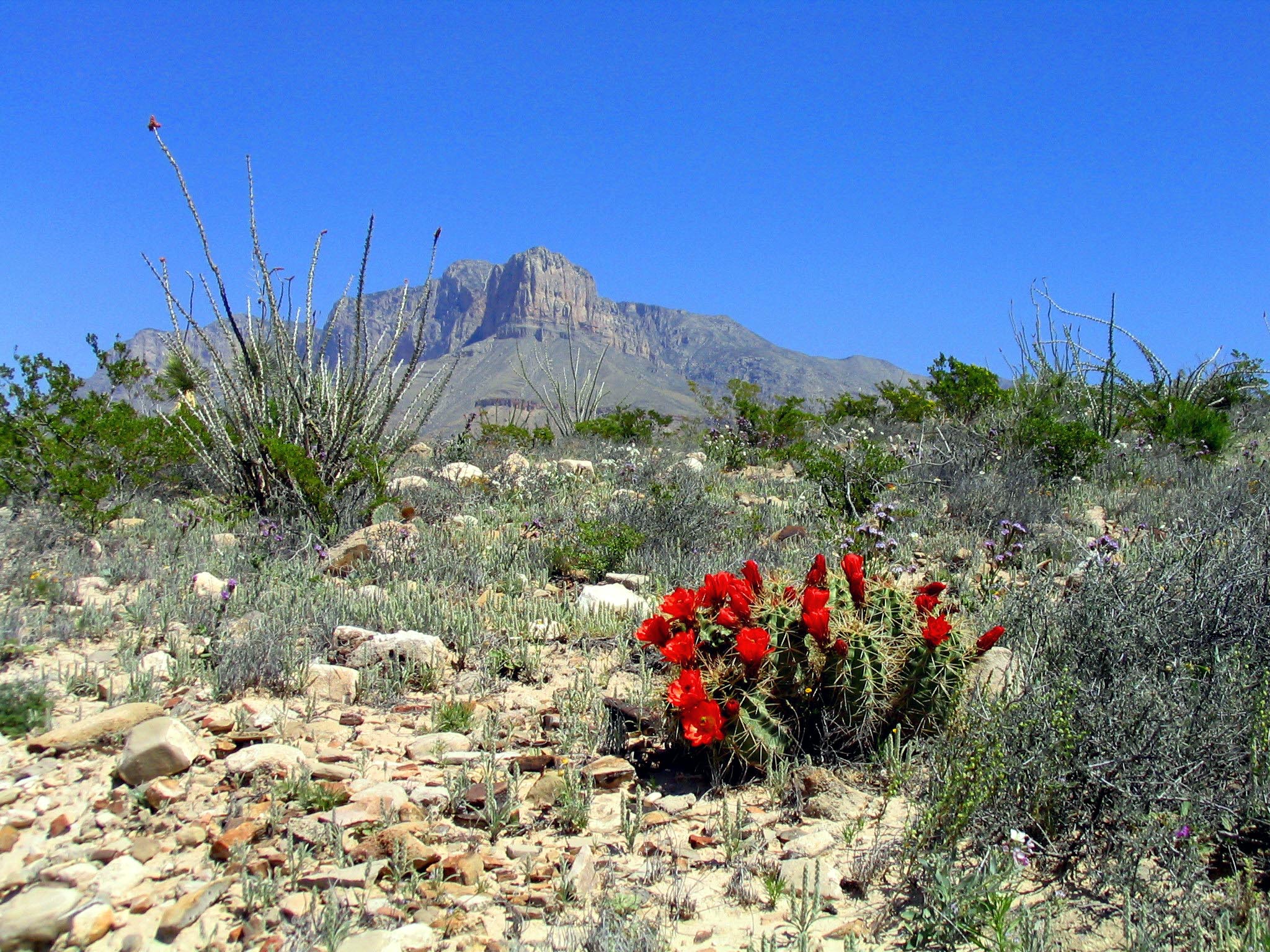
Guadalupe Mountains National Park Weather: Weather
Guadalupe Mountains National Park: weather guide guide updated 2026. Practical visitor information, reservations, and seasonal tips worth bookmarking before
Best Of
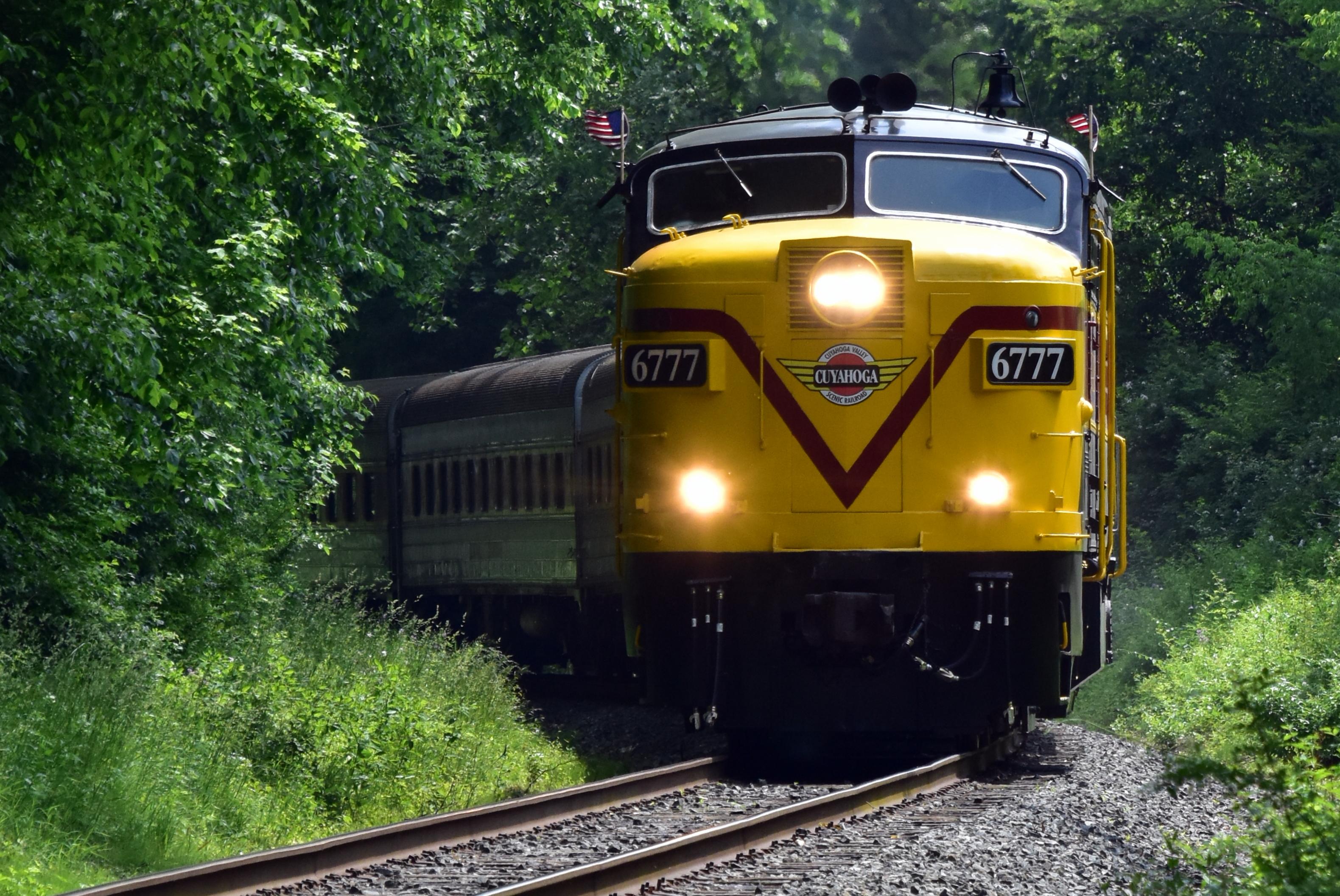
Best of Cuyahoga Valley National Park: Best Things to Do
Seeing a Cleveland Orchestra concert with the woods as your backdrop is a uniquely Cuyahoga Valley experience.
Sign in to join the conversation.
Sources & Attribution
Location data courtesy of the National Park Service (U.S. Department of the Interior). NPS data is public domain. Official NPS page.
Images: NPS; NPS; NPS; NPS; NPS.
Map data © OpenStreetMap contributors.
Park operations alerts: NPS.gov · Weather and weather hazards: National Weather Service · Live conditions.
Information may change. Always verify fees, hours, and conditions directly with the official source before visiting.
Did this guide help? Share it with a friend.