Acadia National Park Wildlife: Peregrine Falcons, Seals & Coastal Wildlife (2026 Guide)
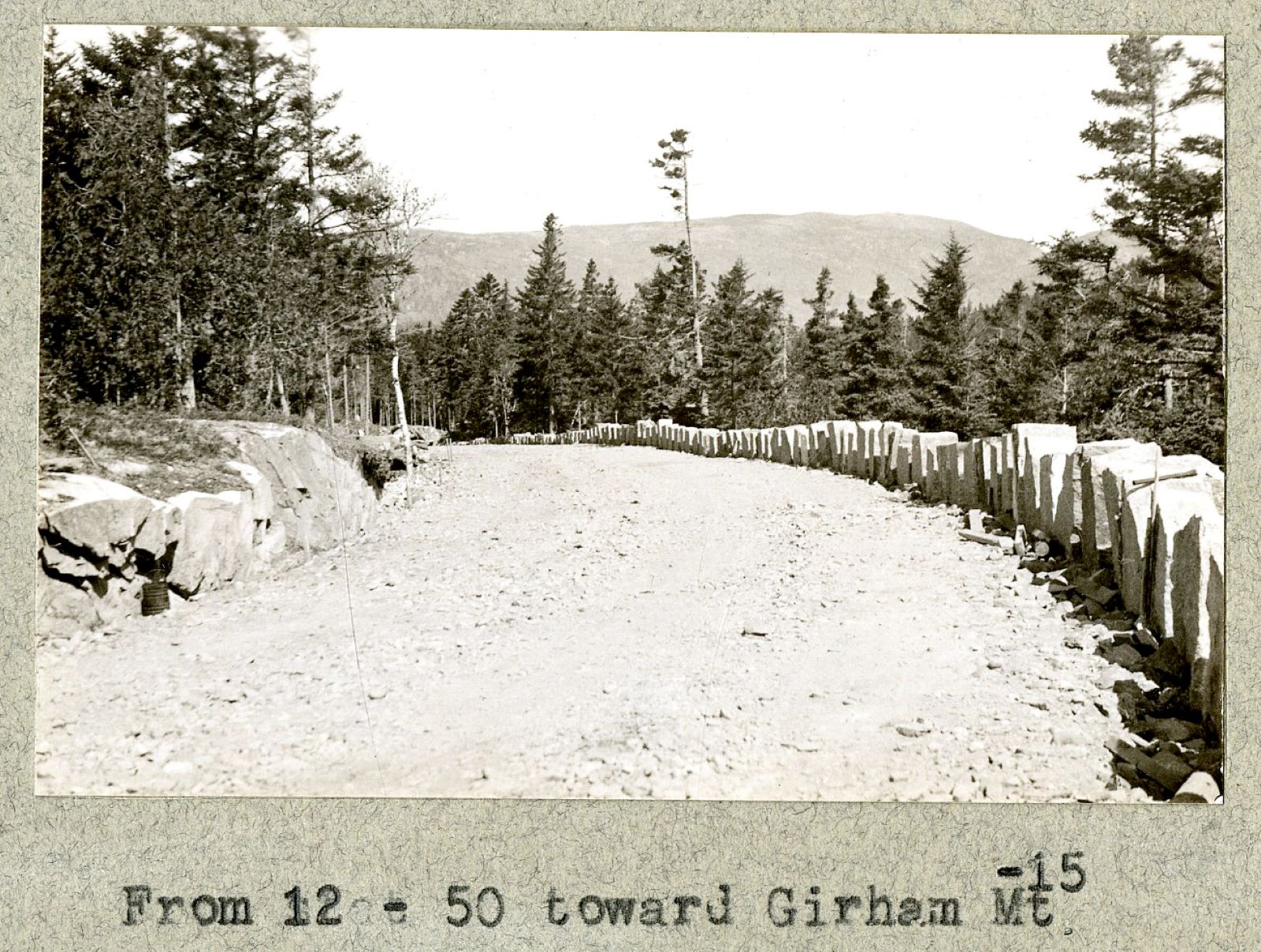
NPS via NPS.gov (Public Domain)
Wildlife Near Acadia National Park
11 min read
Wildlife Guide
Complete wildlife guide for Acadia National Park — 2026. Species, best viewing locations, seasonal patterns, and safety guidelines.
This article contains affiliate links — we may earn a small commission at no extra cost to you.
What's the single most important thing to know about finding wildlife near Acadia National Park? The ocean dictates the schedule. Most visitors focus on the forest trails and miss the coastal action entirely. The signature species here - peregrine falcons and harbor seals - operate on tidal and thermal currents, not human convenience. You can hike all day and see a fraction of what a patient hour at Otter Point at low tide reveals.
The Signature Species
Acadia's character comes from the collision of two distinct environments: the dense spruce-fir forest and the cold North Atlantic. This split defines the wildlife you'll encounter. The park's recovering peregrine falcon population, which nests on sheer sea cliffs like those on Champlain Mountain, serves as a prime example. A common mistake visitors make is searching for them in the wrong place at the wrong time. These falcons hunt over open terrain—the Precipice, the ocean cliffs—using mid-morning thermal updrafts to gain altitude. You won't spot them deep in the woods at midday.
The harbor seal represents the other key species here. They haul out on exposed ledges and rocky islands at low tide to rest and warm themselves. When high tide returns, they slip back into the water, often appearing as little more than bobbing heads. Many visitors glance at the ocean once, see only waves, and move on. Those with experience know to check a tide chart and plan for viewing two hours before or after low tide at locations like Otter Point or the rocks along the Ship Harbor Trail.
Peregrine Falcon: Complete Viewing Guide
Peregrine Falcon
Where they concentrate: The park's eastern sea cliffs are their primary territory. As of March 2026, the Precipice Trail, Jordan Cliffs Trail, and sections of the Valley Cove Trail are closed to protect active nesting sites - a regulation rangers strictly enforce. This means the best viewing is from a distance. The overlooks along Ocean Path, particularly south of Thunder Hole, and the summit of Gorham Mountain offer clear sightlines to the cliffs where they nest and hunt.
Best time of day: Late morning to early afternoon, from about 9 AM to 2 PM. This is when the sun has warmed the cliff faces, creating the thermal updrafts they use to soar. They are less active in the early morning and evening.
Best season and why: Spring and early summer, specifically April through July. This is their nesting and fledging season. Adults are highly visible as they hunt relentlessly to feed their young. By late August, activity winds down.
What behavior to look for: Watch for a streamlined, crow-sized bird with pointed wings, flying with rapid, powerful wingbeats. They often soar in wide circles high above the cliffs. The hunting stoop is ly fast - a near-vertical dive - but you're more likely to see them perched on a high, bare ledge, surveying the terrain below.
How to distinguish from similar species: They are often confused with the more common turkey vulture or osprey. Peregrines have a much more compact, muscular silhouette than the lanky vulture. Their wingbeats are quicker and stiffer than an osprey's. Listen for their loud, repetitive kak-kak-kak call, especially near closed trail areas.
Safety distance and regulations: Observe all posted trail closures. These are not suggestions. Disturbing a nesting site can cause adults to abandon eggs or chicks. Use binoculars or a spotting scope. The required distance is effectively "do not enter the closed zone."

Harbor Seal: Complete Viewing Guide
Harbor Seal
Where they concentrate: They favor rocky, isolated ledges and small islands. Prime haul-out spots visible from shore include the ledges off Otter Point, the islands in Frenchman Bay visible from Compass Harbor Trail, and the rocks near the Bass Harbor Head Light. They are less common on the heavily trafficked Sand Beach area.
Best time of day: Directly tied to the tide, not the clock. Plan your visit for the two-hour window surrounding low tide. An incoming or outgoing tide is better than dead high tide, when all rocks are submerged.
Best season and why: Late spring through fall. While some seals overwinter, numbers swell from May to October. Summer offers the calmest seas and best visibility. In winter, rough seas and their thicker blubber layer make them harder to spot.
What behavior to look for: At rest, they look like plump, spotted logs scattered on the rocks. They often assume a "banana pose," arching their head and tail flippers up. In the water, watch for a round, dog-like head breaking the surface, followed by a brief glimpse of their back.
How to distinguish from similar species: The gray seal is the only other seal common in the area and is much larger, with a longer, Roman-nosed profile. Harbor seals have a distinct, rounded head and V-shaped nostrils. If it looks like a puppy in the water, it's a harbor seal.
Safety distance and regulations: Use the "rule of thumb." Extend your arm with a thumbs-up; if you can cover the entire animal with your thumb, you're likely far enough away. Never approach a hauled-out seal - they will spook and rush to the water, wasting precious energy. Never attempt to feed them.
White-tailed Deer
White-tailed Deer
Where they concentrate: They are forest-edge creatures. You'll find them in the transition zones between meadows and woods. The fields around the historic Carroll Homestead at sunset are reliable, as are the edges of the Great Meadow Loop and the quieter sections of carriage road near Witch Hole Pond. They avoid the dense, deep forest.
Best time of day: Dawn and dusk. They are crepuscular, meaning most active in low light. Midday finds them bedded down in thickets.
Best season and why: Fall, particularly October. This is the rut (breeding season), and bucks are more active and less cautious during daylight hours. Winter also increases visibility as they move to lower elevations and browse more openly near roadsides when snow is deep.
What behavior to look for: Listen for the sharp, loud snort of an alarmed deer. Watch for the flag of their white tail as they bound away. In fall, you may see bucks with polished antlers or evidence of sparring on saplings.
Safety distance and regulations: Observe from your vehicle or the trail. Do not approach. While not typically aggressive, a doe with fawns (common in late spring) can be defensive.

Red Fox
Red Fox
Where they concentrate: They are adaptable but favor mixed habitats. The shorelines of Jordan Pond at first light can be productive, as they hunt for rodents in the grass. The edges of the Seawall area and the Schoodic Peninsula (though outside the main park) are also known fox territories.
Best time of day: Very early morning or late evening. They are primarily nocturnal but can be active at dawn.
Best season and why: Late summer and early fall. This is when fox kits from the spring litter are venturing out and learning to hunt, making the whole family more visible.
What behavior to look for: A quick, low-slung trot along a trail or shoreline. They often pause, ears cocked, listening for voles under the grass before executing a characteristic pounce.
How to distinguish from similar species: Smaller and more slender than a coyote, with a bushier tail that typically has a distinctive white tip. Their coat can range from bright orange-red to a more subdued cross phase.
Safety distance and regulations: Enjoy from a distance. Foxes can carry rabies. Never feed them or leave food unattended.
Porcupine
Porcupine
Where they concentrate: In stands of hemlock and spruce, their preferred food source. The forests around the Sieur de Monts area and the trails up Dorr Mountain are good places to look. They are slow-moving and often found in trees.
Best time of day: Night is best, but you can find them during the day, especially in overcast weather.
Best season and why: Any season. They do not hibernate. In winter, look for their tracks - pigeon-toed, with a dragging tail mark - in fresh snow leading to a hemlock tree.
What behavior to look for: Look up. They are excellent climbers and are often seen wedged in the crook of a tree branch, munching on bark. On the ground, they amble slowly and will often just stop if they sense you.
Safety distance and regulations: Give them a wide berth. Those quills are a formidable defense, but they only use them if threatened. Never let a dog off-leash in porcupine country; a curious sniff can lead to a painful and expensive vet visit.

Birding Highlights: Beyond the Peregrine
Warblers and Songbirds
Where they concentrate: The diverse habitats are a migrant trap. The Jesup Path and Hemlock Path Loop boardwalk is legendary among birders in spring, as warblers feed in the low shrubs. The mixed forests along the Ship Harbor Trail on the quiet west side of the island are also excellent.
Best time of day: Early morning, when song is most intense.
Best season and why: Late May through early June. This is the peak of spring migration, when dozens of warbler species - like the black-throated green, yellow-rumped, and northern parula - fill the trees. Fall migration (September) is also productive but less colorful.
What to listen for: A chorus of high-pitched chips, trills, and songs. Patience and a good field guide are essential.
Osprey and Bald Eagle
Where they concentrate: Look for osprey platforms and large stick nests near water. They fish in Jordan Pond, Eagle Lake, and Long Pond. Bald eagles are often seen soaring over Somes Sound or perched in tall pines along the western shores.
Best time of day: Mid-morning to afternoon.
Best season and why: Summer for osprey (they migrate). Eagles can be seen year-round but are more noticeable in winter when other birds are gone.
Wildlife by Season
April-June: This is the peak window for wildlife near Acadia National Park. Peregrine falcons are on territory and hunting visibly. Spring bird migration hits its crescendo in late May, with warblers everywhere. Harbor seals return to haul-outs. White-tailed deer does have fawns in June (often hidden, so observe from a distance).
July-August: The busiest human season, but wildlife is still active. Seal watching is at its easiest with calm seas. Fox kits emerge. Osprey are busy feeding young. This is the best time for ranger-led wildlife talks.
September-October: A second excellent season. Fall bird migration occurs. Deer become more visible as the rut begins. Foliage draws crowds, but early mornings on the west side (Seawall, Ship Harbor) can be quiet and productive.
November-March: The quiet season. Bald eagles are prominent. Deer yard up in sheltered areas. Harbor seals are present but weather-dependent. This is the time for tracking - look for fox, coyote, otter, and porcupine tracks in fresh snow along carriage roads or the Compass Harbor Trail.

Where Wildlife Concentrates
Experienced visitors know to bypass the crowded hubs at midday. Wildlife concentrates where food, water, and shelter meet with minimal disturbance.
* The Ocean's Edge at Low Tide: This is non-negotiable. Otter Point is the premier spot. Arrive as the tide recedes and scan the newly exposed ledges with binoculars. The Ship Harbor Trail on the west side offers a quieter, boggy coastline where seals haul out and warblers flit in the spruce.
* The Forest Edge at Dawn/Dusk: The Carroll Homestead fields and the Great Meadow Loop are classic deer corridors. Park at a pull-off along the Loop Road near these areas in the last hour of light.
* The Cliff Bases (From a Distance): The Ocean Path between Sand Beach and Otter Point provides the sanctioned viewing platforms for peregrine activity on the closed cliffs above. Don't waste time scanning the forest; keep your eyes on the open rock faces.
* Freshwater Inlets: The boat launches at Eagle Lake and Long Pond at first light can reveal beaver, otter, and a variety of waterfowl. It's also where you might catch a fox or deer coming for a drink.
The parking situation here is competitive at popular trailheads, but for wildlife viewing, you often just need a roadside pull-off. Cell service drops out at many of these more remote spots, so have your maps downloaded.
Ethical Viewing and Safety
The park service recommends - and often enforces - a few key rules specific to Acadia's wildlife pressures.
- Closure Means Closed. The peregrine falcon trail closures are the most serious. Violating them risks a federal fine and the lives of endangered birds. The parking lot for the Precipice Trail is also closed during nesting season.
- Use Your Car as a Blind. For deer and foxes, staying in your vehicle parked on a quiet stretch of road is often the least disruptive way to observe.
- Never Feed Anything. This includes birds like jays and gulls. Fed wildlife becomes aggressive, reliant on humans, and ultimately doomed.
- Leash Your Dog. It's the law on all trails. An off-leash dog can chase deer to exhaustion, disturb ground-nesting birds, and have a disastrous encounter with a porcupine.
- Give Seals the Beach. Always stay on the trail or rock above the high-tide line. If a seal lifts its head to look at you, you're too close. Back up.
Practical Takeaways
- Tide Dictates Seal Viewing. Check a tide chart for Bar Harbor. Plan to be at a rocky coastline like Otter Point two hours before or after low tide.
- Thermals Dictate Falcon Viewing. Aim for late morning along Ocean Path. Bring binoculars or a long lens; you're watching a distant cliff face.
- Dawn and Dusk are Non-Negotiable for Mammals. If you want to see deer or fox, be in their habitat at first or last light. Midday hikes reveal mostly squirrels and chipmunks.
- Respect All Trail Closures. As of 2026, this includes the Precipice, Jordan Cliffs, and Valley Cove trails for falcon nesting. Check the official park website for current closure maps before you go.
- The West Side is Quieter. For a more solitary wildlife experience, head to the Seawall area or the Ship Harbor Trail. The crowds thin significantly.
- Pack Binoculars. More important than an extra lens for your camera. Good optics bring distant peregrines and offshore seals into clear view.
- Talk to a Ranger. Stop at the Hulls Cove Visitor Center or the Sieur de Monts Nature Center. They know where a fox den is active or where an owl has been roosting. It's the best intel you'll get.
For more context on navigating the park itself, our complete visitor guide (/content/acadia-national-park-guide) covers the essentials. If your primary goal is to combine wildlife spotting with walking, our guide to the best hiking trails (/content/acadia-hiking-trails) details which paths offer the best chances for encounters. For structured learning, consider one of the park's official tours and guided experiences (/content/acadia-tours), many of which are led by naturalists.
For more information, see our complete Acadia National Park Guide.
Related: hiking acadia national park guide
Sources
- Official source: NPS — Acadia National Park nps.gov/acad/index.htm
- Official source: National Park Service nps.gov/places/acadia-national-park.htm
Photo Gallery
More to Explore
Park Guide
Acadia National Park: Carriage Roads, Cadillac Mountain & 2026 Guide
Discover carriage roads, Cadillac Mountain, and rugged Maine coast. Complete 2026 guide to Acadia National Park — trails, fees, lodging, permits, and what rangers recommend.
Hiking Guide
Grand Canyon Hiking Trails: Day Hikes, Water Sources & Rim to Rim
Compare Grand Canyon hiking trails: Bright Angel, South Kaibab, Hermit, Grandview, and rim to rim, with distances, elevation, water stops, and trailhead access for each.
Best Of
Best of Glacier Bay National Park
The best of Glacier Bay is reached by boat: ranger-led day tours up the bay to the tidewater glaciers. What's worth it, how to book, and when to go (2026).
Campsite Guide
White Sands Backcountry Camping: Closed for 2026 — What to Know
As of 2026, backcountry camping at White Sands National Park is closed for site rehabilitation. What that means, and where to camp nearby instead.
Weather Guide
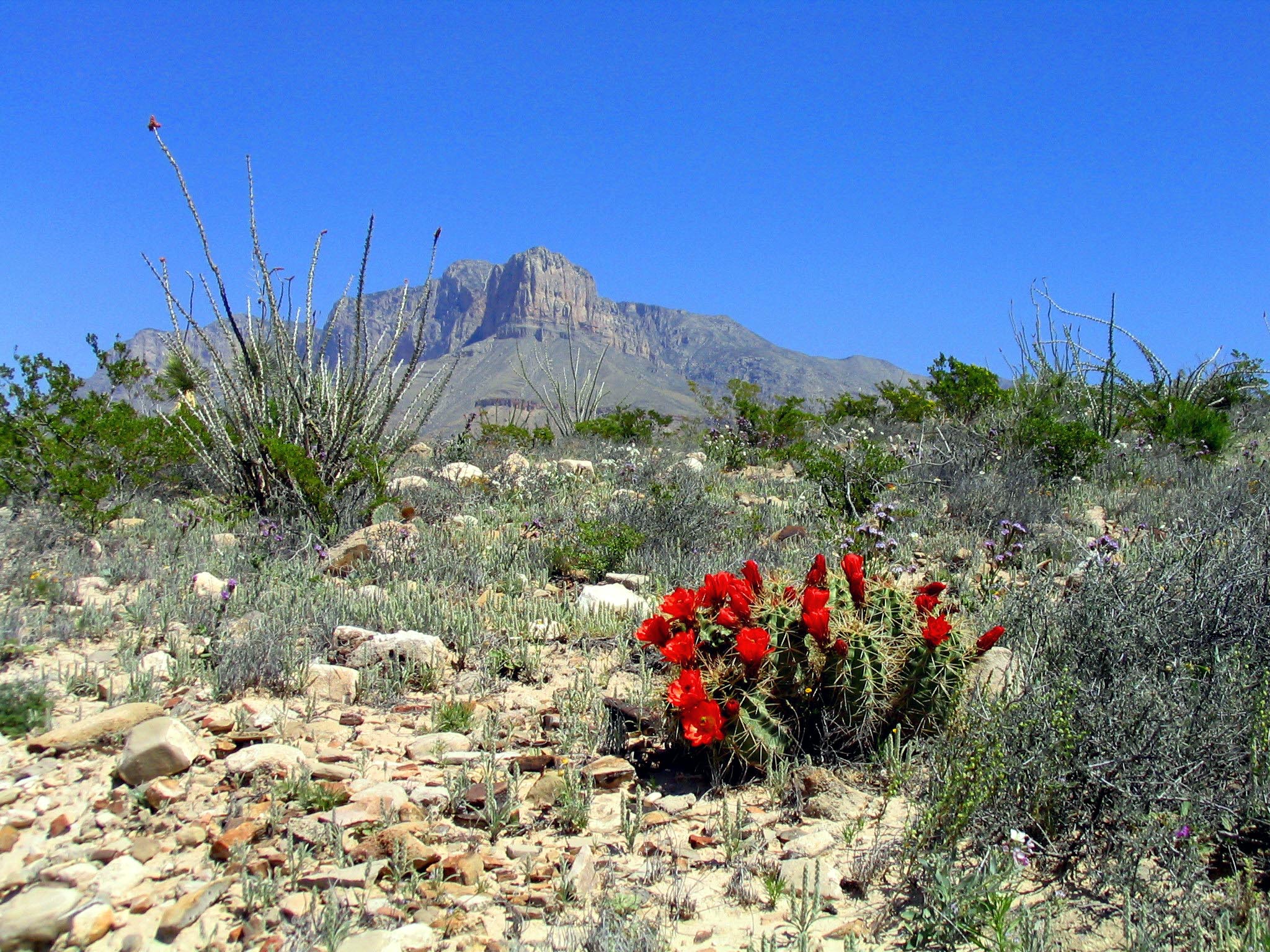
Guadalupe Mountains National Park Weather: Weather
Guadalupe Mountains National Park: weather guide guide updated 2026. Practical visitor information, reservations, and seasonal tips worth bookmarking before

Best Of
Best of Cuyahoga Valley National Park: Best Things to Do
Seeing a Cleveland Orchestra concert with the woods as your backdrop is a uniquely Cuyahoga Valley experience.
Sign in to join the conversation.
Sources & Attribution
Location data courtesy of the National Park Service (U.S. Department of the Interior). NPS data is public domain. Official NPS page.
Images: NPS; NPS; NPS; NPS; NPS.
Map data © OpenStreetMap contributors.
Park operations alerts: NPS.gov · Weather and weather hazards: National Weather Service · Live conditions.
Information may change. Always verify fees, hours, and conditions directly with the official source before visiting.
Did this guide help? Share it with a friend.