The first thing you notice isn't the view. It's the air - thick, cool, and smelling of salt and damp spruce. The second thing you notice is the light, a soft, diffuse gray that flattens the landscape. You've arrived in Acadia, and the coastal Acadia National Park weather is already dictating the terms of your visit. This isn't a park of predictable bluebird days. The Atlantic Ocean governs everything here, from the sudden fog banks that swallow Cadillac Mountain whole to the brisk sea breezes that make a 70-degree day feel like 55. Most first-time visitors are caught off guard by how quickly conditions can shift, and how often the forecast for Bar Harbor is wrong for the park's higher elevations. Planning your trip starts with understanding this single, non-negotiable reality: you are on an island mountain in the North Atlantic. Pack accordingly.
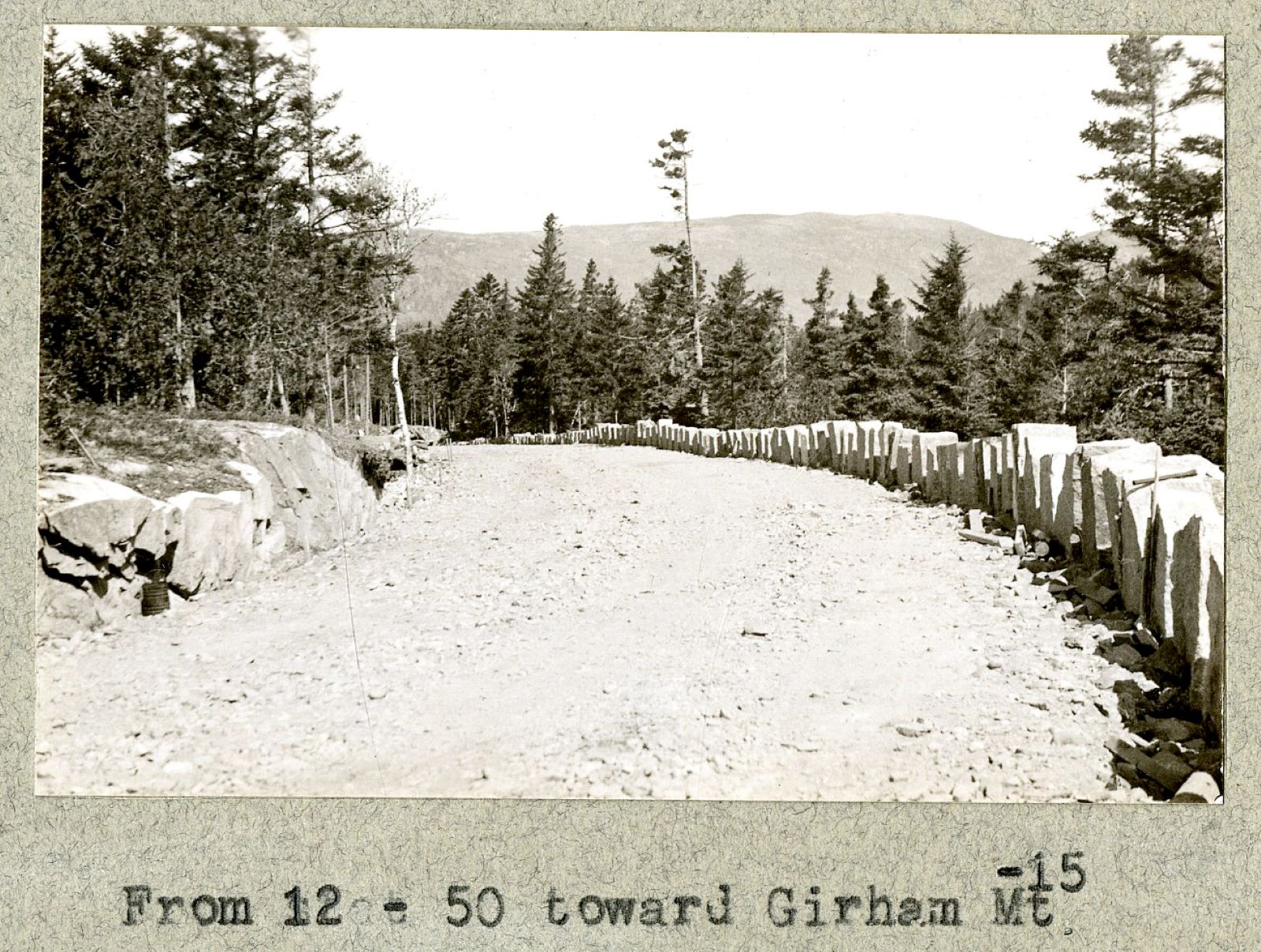
Acadia National Park Weather
9 min read
Acadia's coastal weather dictates your trip with sudden fog and sea breezes. Plan for 2026 with elevation-specific forecasts and packing advice.
For more, see hiking trails and camping options.
The Weather Reality
The official forecasts for Mount Desert Island often miss the mark for the park itself. A sunny, warm day in town can be a cold, windy, and fog-bound experience on the Park Loop Road or the summit trails. The primary driver is the ocean. Warm, moist air from the south hits the cold Labrador Current just offshore, creating the dense sea fog Acadia is famous for, especially from late spring through early fall. This marine layer can roll in with startling speed, reducing visibility to a few hundred feet and dropping temperatures by 15-20 degrees.
Elevation is the other key player. Cadillac Mountain, at 1,530 feet, creates its own microclimate. It's frequently 10-15 degrees cooler and significantly windier than sea level. Rangers at the Hulls Cove Visitor Center will tell you that if there's even a hint of fog or clouds in the forecast, assume the summit will be in it. The common mistake - and almost everyone makes it - is checking the weather for Bar Harbor and assuming it applies park-wide. It doesn't. You need to think in layers: a base layer for the humid chill near the shore, a wind-breaking layer for the exposed granite domes, and a waterproof layer for the frequent, fast-moving showers that aren't always in the hourly forecast.

Month by Month
Acadia's seasons are distinct, each with a specific character and set of operational realities. Crowds and accessibility change dramatically.
May & June
Temperatures range from highs in the 50s to mid-60s, with nights dipping into the 40s. This is peak fog season. Precipitation is frequent, often as a persistent, misty drizzle that can last all day.
What's open: The Park Loop Road typically opens fully in late April or early May. As of 2026, check for spring construction detours. Most carriage roads reopen from mud season closures by late May. Key facilities like the visitor center and campgrounds are operational.
Crowd level: Moderate but building. Late June sees a significant uptick.
Wildlife: Black bear activity increases. Migratory birds are abundant. This is the very beginning of the peregrine falcon nesting season; some cliff-face trails may be closed (rangers strictly enforce these closures to protect the birds).
Trail conditions: Often muddy and wet. Roots and granite are slick. Bug season begins in earnest by June - black flies and mosquitoes are a genuine factor.
Worth considering: The lush, green intensity of the forest before summer dryness. Fewer people than July and August.
Challenging: The damp cold can be penetrating. Fog may obscure the iconic views for days at a time.
July & August
These are the warmest months, with daytime highs typically in the 70s, occasionally touching 80. Nights are cool, in the 50s. The ocean's influence keeps true heat waves rare and short-lived.
What's open: Everything is fully operational, from tours to concessions.
Crowd level: Peak. Parking lots at popular trailheads like Jordan Pond fill by 8:30 AM. The Island Explorer shuttle is essential.
Wildlife: Full summer activity. Peregrine falcon nesting closures are in full effect (as of 2026, this includes Precipice, Jordan Cliffs, and others). Whale watching tours offshore are most reliable.
Trail conditions: Generally dry on exposed granite, but still damp in deep forest sections. Afternoon thunderstorms can pop up with little warning.
Worth considering: The most reliable weather for hiking the high country, long days, and full access to all services.
Challenging: Crowds. Traffic. The need for meticulous daily planning to secure parking or shuttle access.
September & October
This is the golden window. September highs are in the 60s, dropping to the 50s by late October. Nights become crisp, from the 40s down to freezing by late October. Fog becomes less frequent.
What's open: Most facilities remain open through Columbus Day, then begin to close for the season. The Island Explorer shuttle typically ends service in early October.
Crowd level: High, especially during fall foliage peak (usually early to mid-October). September weekdays can be surprisingly manageable.
Wildlife: Peak bird migration. Moose are more active inland. Peregrine closures are usually lifted by mid-August, reopening classic cliff trails.
Trail conditions: Excellent. Dry trails, cool temperatures, and fewer bugs.
Worth considering: Arguably the best balance of weather, scenery, and manageable visitation. The fall colors, particularly from summits like Cadillac or Penobscot, are exceptional.
Challenging: Services wind down quickly after mid-October. Weather becomes increasingly unpredictable, with a higher chance of early season frost or nor'easters.
November Through April
Winter is a serious season here. Daytime highs struggle to reach freezing from December to February, with nights in the teens or single digits. Snow, ice, and powerful coastal wind storms are the norm.
What's open: Very little. The Park Loop Road closes after the first major snowstorm. A small section near Sand Beach and Ocean Drive may remain plowed. The Hulls Cove Visitor Center is closed. The park is open, but access is severely limited to foot, ski, or snowshoe.
Crowd level: Minimal. You'll have the place to yourself, save for a few hardy locals.
Wildlife: Tracks of coyote, fox, and snowshoe hare are everywhere. The landscape is quiet and stark.
Trail conditions: Icy, snow-packed, and potentially treacherous without traction devices. Exposed granite slabs become skating rinks.
Worth considering: Absolute solitude and a stark, beautiful winter coastal landscape. Cross-country skiing and snowshoeing on the carriage roads can be superb.
Challenging: This is expert-level winter recreation. Road closures are absolute, services are nonexistent, and conditions can be severe. Not a time for casual exploration.

Best Times for Specific Activities
Your ideal month depends entirely on what you want to do.
For Hiking the High Country
The hiking trails on exposed summits like Cadillac, Penobscot, and Sargent are best from late June through September. This window offers the lowest probability of summit fog and the most stable footing on dry granite. Early mornings in September are particularly reliable. Avoid May and June for summit hikes if you're after a view; you're more likely to be walking in a cloud.
For Wildlife Viewing
Timing is species-specific. For peregrine falcons, the nesting season (March-August) offers the chance to see them at a distance at posted viewing areas, though it closes trails. For whale watching (humpbacks, finbacks), boat tours from Bar Harbor are most successful from July through September when the water is warmer. For moose, you'll need to head to the mainland quieter areas in early morning or dusk during fall (September-October).
For Fall Colors
Peak color usually hits the first two weeks of October. For the most intense displays, target the second week. The mix of bright yellow birch and beech against the dark green spruce and red-blueberry bushes is unmatched. For the classic panoramic photo, the view from Cadillac Mountain south towards the Cranberry Isles is the postcard shot, but expect company.
For Stargazing & Aurora
Late fall through early spring offers the longest, darkest nights. Winter provides crystal-clear, frigid skies with exceptional visibility. On rare occasions, the Northern Lights are visible this far south, typically during periods of high solar activity on cold, clear winter nights. The lack of light pollution in the park is a significant advantage.
For Winter Sports
A good snow year means the carriage roads become a premier cross-country ski and snowshoe network from January through March. The park service does not groom them, so you'll be following previous user tracks. Check conditions locally before heading out, as coastal storms often bring rain that turns snow to ice.

What to Pack by Season
Forget generic lists. Pack for Acadia's specific brand of weather.
Summer (July-August): This is about layering for variable conditions. A moisture-wicking base layer is essential - you'll sweat on the hike up even if it's cool. A mid-weight fleece or insulated jacket for summit winds. A waterproof and windproof outer shell is non-negotiable for sudden showers or fog. Convertible hiking pants are ideal. Footwear is critical: sturdy hiking boots with aggressive tread for wet granite and roots, not sneakers or sandals. A warm hat and gloves sound absurd for summer, but you'll use them on Cadillac at sunrise.
Spring/Fall (May-June, Sept-Oct): Everything from summer, but dialed up. Heavier insulation is needed. A warm beanie, insulated gloves, and a neck gaiter are wise. Waterproof boots are highly recommended as trails are often wet. Hand warmers are a nice luxury for early morning starts. Traction devices like microspikes should be in your car by late October for unexpected ice.
Winter (Nov-April): This is full-on, serious cold-weather expedition packing. Insulated, waterproof boots with removable liners. Heavyweight base layers, expedition-weight insulation, and a hardshell waterproof/windproof jacket and pants. Balaclava, insulated gloves, and goggles for wind-driven snow. Traction devices (microspikes or crampons) and trekking poles are mandatory for any travel. An emergency blanket, extra food, and a thermos of hot liquid are safety items, not comforts.

What the Forecast Doesn't Tell You
- The Fog is a Physical Presence. It's not just low visibility. It's a soaking-wet drizzle that penetrates supposedly waterproof jackets after an hour. It chills you to the bone. If the forecast says "fog," read it as "cold rain."
- Wind Chill is a Constant Factor. Even on a sunny 65-degree day, a 20-mph wind on an exposed ridge makes it feel like 45. That summit photo stop becomes a brief, shivering event without a wind layer.
- Granite is a Heat Sink (or an Ice Sheet). The trails are rock. In summer, that rock absorbs and radiates heat, making shaded forest sections feel disproportionately cooler. In winter, that same rock holds ice long after the air temperature is above freezing.
- Microclimates are Measured in Yards. You can drive from brilliant sunshine at Sand Beach into a cold, dense fog bank at Thunder Hole in under a minute. The weather on the "quiet side" (Western Mount Desert) is often completely different from the Bar Harbor side.
- Afternoon Thunderstorms Build Fast. On humid summer days, clouds can build over the interior mountains by early afternoon, leading to sudden, localized downpours and lightning. Plan to be off high, exposed summits by 2 PM on those days.
- "Mostly Sunny" Often Means "Partly Foggy." Local forecasters know this. A day forecast as pleasant will often include morning fog that burns off by 10 AM, then returns by late afternoon. Your window for clear views may be shorter than you think.
- Cell Service Drops Out at most trailheads and throughout the park interior. You cannot rely on your phone for last-minute weather checks or navigation. Download your Acadia National Park trail maps and check the weather at the visitor center before you head out.
Practical Takeaways
- Target September. If you have flexibility, aim for the week after Labor Day through the end of the month. You'll get summer-like access with fall-like weather and thinner crowds.
- Always Pack a Shell. Regardless of the season or forecast, a waterproof/windproof jacket and an extra insulating layer live in your daypack. No exceptions.
- Check the Summit Cam, Not Just the Forecast. The National Park Service maintains webcams on Cadillac Mountain. Look at them the morning of your hike. If you see gray, believe it.
- Embrace the Early Start. In peak season, parking is the primary logistical challenge. Arrive at your chosen trailhead by 7:30 AM. You'll secure a spot, enjoy cooler temperatures, and have the best chance of beating the fog.
- Footwear is Your Foundation. The trails are rugged, wet, and slick. Invest in quality, broken-in hiking boots with ankle support and serious traction. It's the single most important piece of gear for enjoying Acadia's hiking trails.
- Have a Fog Plan. If the summits are socked in, pivot. The ocean shoreline trails (Ocean Path, Great Head) are dramatic in fog. The forested carriage road loops are beautiful and protected. Don't waste a day being disappointed; work with the conditions.
- Verify Everything. As of 2026, road and trail closures for construction and peregrine nesting are a reality. Before you finalize your daily plan, check the official park website or stop at the Acadia National Park visitor center for the very latest alerts and a complete visitor guide to current conditions.
The Acadia National Park weather isn't an obstacle; it's the defining feature. It shapes the light, the sound, and the feel of the place. Come prepared for its demands, and you'll experience the park not as a postcard, but as a living, breathing piece of the North Atlantic coast.
For more information, see our complete Acadia National Park Guide.
Related: acadia national park guide
Related: acadia national park lodges guide
Sources
- Official source: NPS — Acadia National Park nps.gov/acad/index.htm
- Official source: National Park Service nps.gov/places/acadia-national-park.htm
Photo Gallery
More to Explore
Acadia National Park: Carriage Roads, Cadillac Mountain & 2026 Guide
Discover carriage roads, Cadillac Mountain, and rugged Maine coast. Complete 2026 guide to Acadia National Park — trails, fees, lodging, permits, and what rangers recommend.
Grand Canyon Hiking Trails: Day Hikes, Water Sources & Rim to Rim
Compare Grand Canyon hiking trails: Bright Angel, South Kaibab, Hermit, Grandview, and rim to rim, with distances, elevation, water stops, and trailhead access for each.
Best of Glacier Bay National Park
The best of Glacier Bay is reached by boat: ranger-led day tours up the bay to the tidewater glaciers. What's worth it, how to book, and when to go (2026).
White Sands Backcountry Camping: Closed for 2026 — What to Know
As of 2026, backcountry camping at White Sands National Park is closed for site rehabilitation. What that means, and where to camp nearby instead.
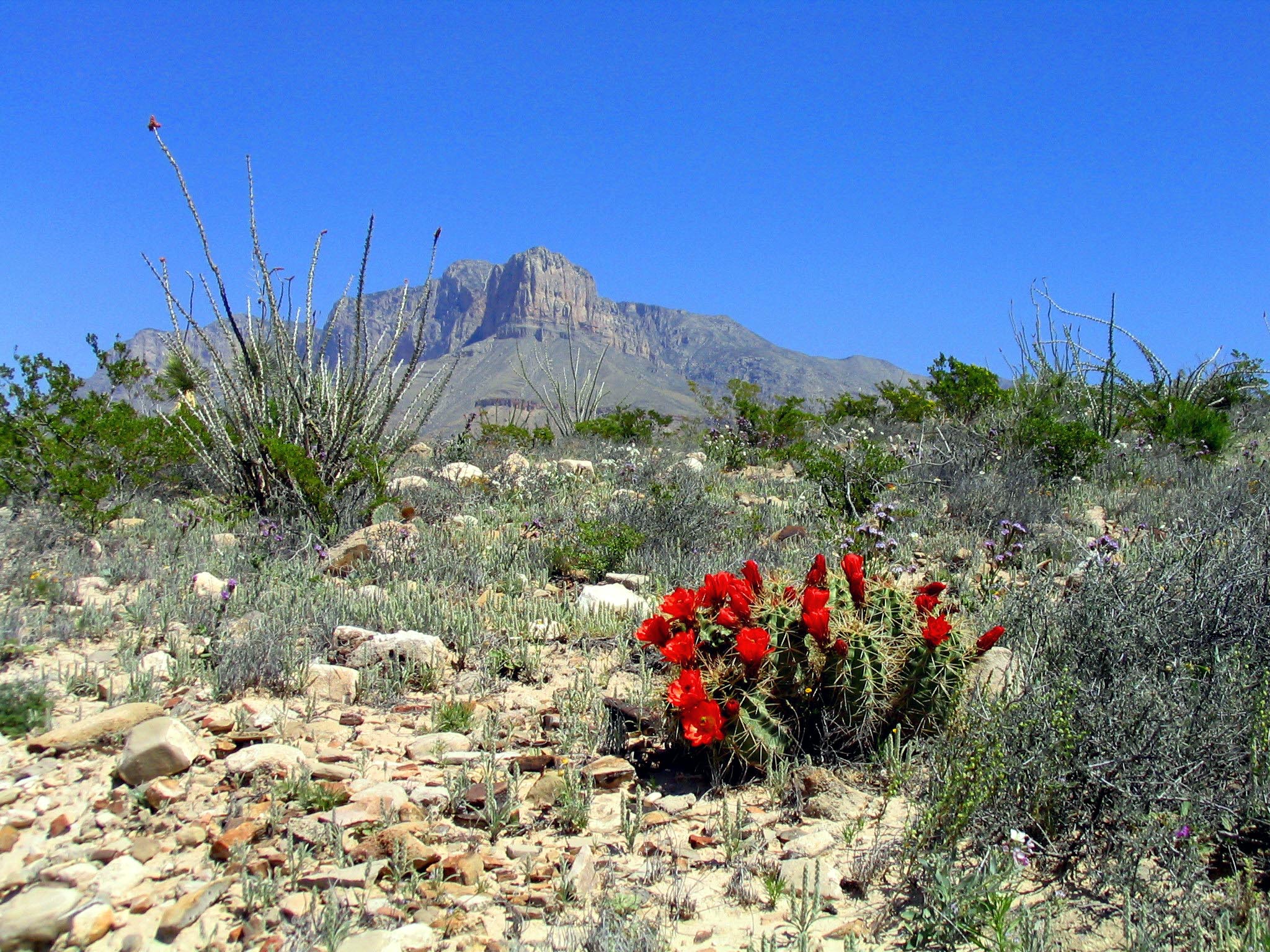
Guadalupe Mountains National Park Weather: Weather
Guadalupe Mountains National Park: weather guide guide updated 2026. Practical visitor information, reservations, and seasonal tips worth bookmarking before
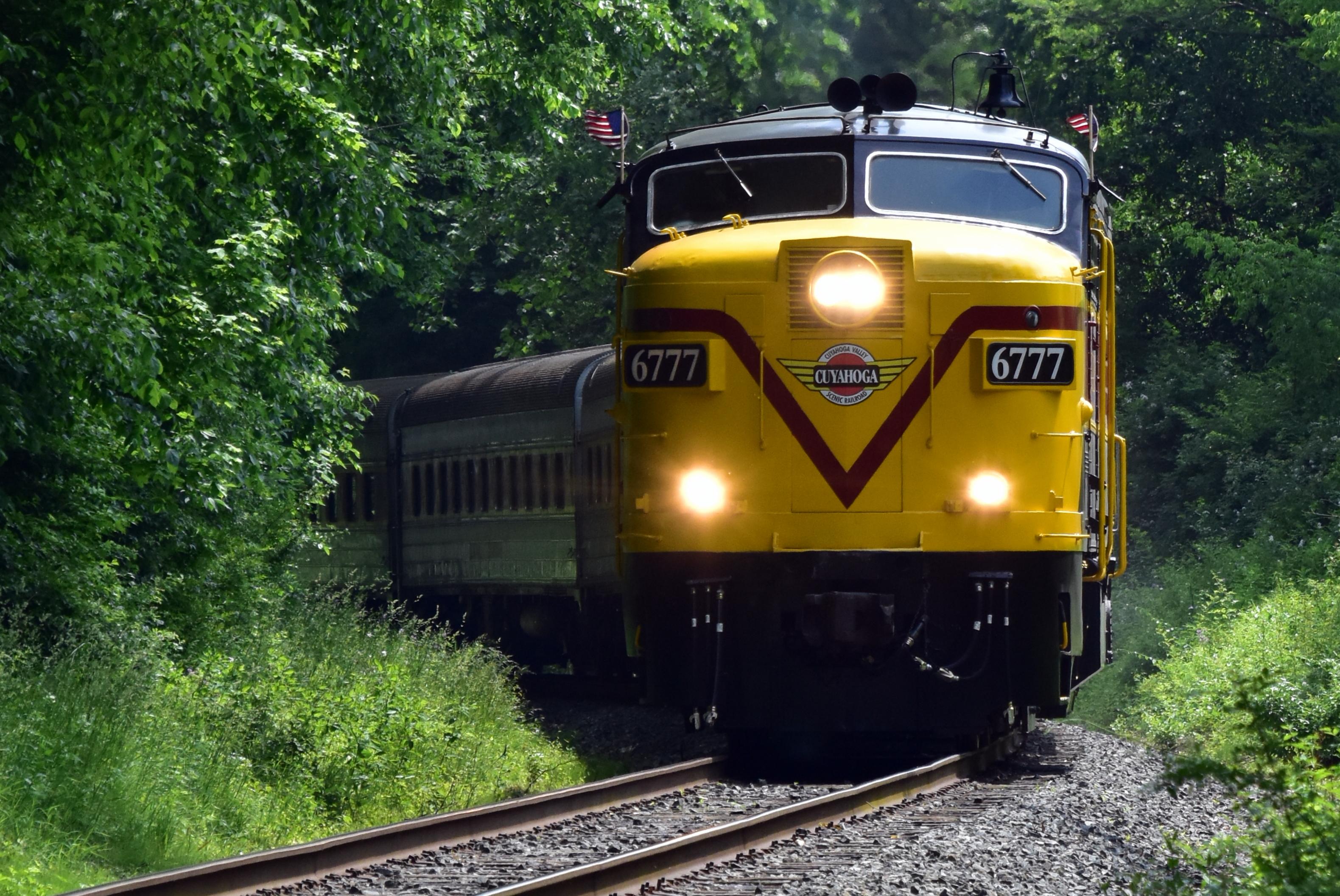
Best of Cuyahoga Valley National Park: Best Things to Do
Seeing a Cleveland Orchestra concert with the woods as your backdrop is a uniquely Cuyahoga Valley experience.
Sign in to join the conversation.
Sources & Attribution
Location data courtesy of the National Park Service (U.S. Department of the Interior). NPS data is public domain. Official NPS page.
Images: NPS; NPS; NPS; NPS; NPS.
Map data © OpenStreetMap contributors.
Park operations alerts: NPS.gov · Weather and weather hazards: National Weather Service · Live conditions.
Information may change. Always verify fees, hours, and conditions directly with the official source before visiting.
Did this guide help? Share it with a friend.