Acadia National Park Camping: Blackwoods, Seawall & Schoodic Camping (2026 Guide)
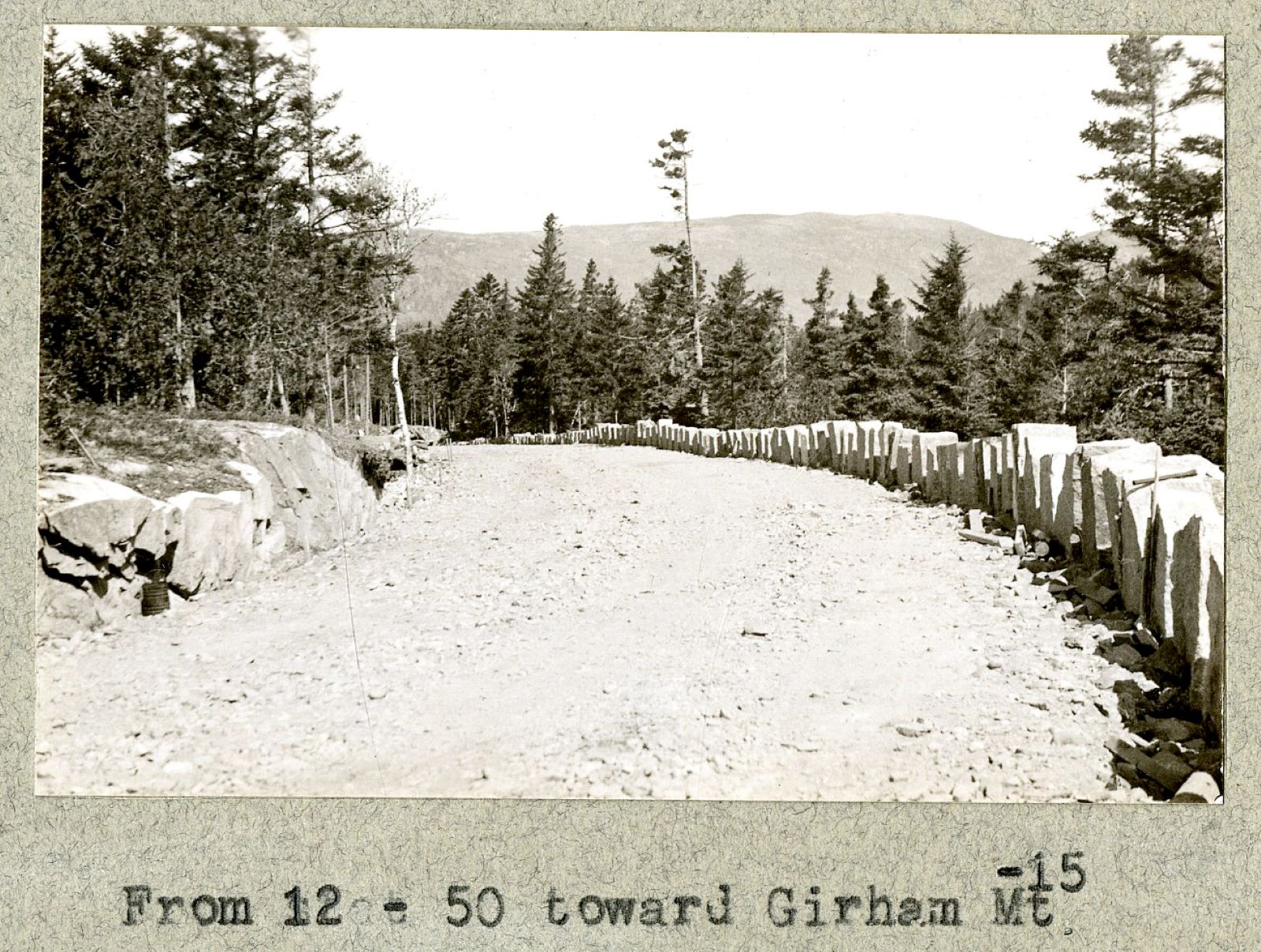
NPS via NPS.gov (Public Domain)
Best Camping Acadia National Park
10 min read
Camping Guide
Complete 2026 camping guide for Acadia National Park. Campground locations, reservation tips, site selection, and what to know before you arrive.
Your plans
This article contains affiliate links — we may earn a small commission at no extra cost to you.
Secure your campsite six months in advance—that's the fundamental rule for Acadia National Park camping. Reservations for Mount Desert Island's main campgrounds open precisely six months ahead through Recreation.gov. A July weekend site requires booking in January. During peak season, popular loops typically sell out within minutes of the 10:00 AM Eastern booking window. Before selecting trails, set a calendar reminder. This guide focuses on reservation strategies, site selection, and practical realities.
The Booking Reality
Recreation.gov is your only option for Blackwoods, Seawall, and Schoodic Woods Campgrounds. The system opens reservations at 10:00 AM Eastern Time, six months prior to your planned arrival date. Demand is absolute. A typical summer weekend at Blackwoods will see all reservable sites claimed within 2-5 minutes of the window opening. You need an account, a payment method saved, and the specific site numbers you're targeting already pulled up in separate browser tabs before 10:00 AM.
Walk-in availability is a myth for peak season. Rangers will tell you that cancellations do occur, but they are snapped up instantly via the online system. Showing up without a reservation from late June through August is a guaranteed way to spend your first night in a hotel or the Walmart parking lot in Ellsworth. The exception is Duck Harbor on Isle au Haut, which uses a lottery system for its five primitive sites - a different kind of competitive challenge.
For winter camping, Blackwoods offers a small number of first-come, first-served sites. "First-come" in this context means being in line at the ranger station when it opens, often well before dawn on a Friday in October when the switch happens.
Campground at a Glance
| Campground | Sites / Types | Reservation | Season (approx.) | Fee (2026) | Notes |
|---|---|---|---|---|---|
| Blackwoods | ~306 sites; tent, RV, group | Required (6-mo. advance) | May - Oct | $22/night | On MDI, near Park Loop Rd. No hookups. |
| Seawall | ~214 sites; tent, RV, walk-to | Required (6-mo. advance) | Late May - Sept | $22/night | On MDI, quieter west side. No hookups. |
| Schoodic Woods | ~89 sites; tent, RV, electric | Required (6-mo. advance) | Late May - Oct | $22 (standard), $34 (electric) | On Schoodic Peninsula. More RV-friendly. |
| Duck Harbor | 5 lean-to sites | Lottery (mail-in) | May 15 - Oct 15 | $20/night | Isle au Haut, hike-in/boat access only. |

Blackwoods Campground: Complete Guide
Blackwoods serves as Acadia's logistical center. Situated on Mount Desert Island's east side near Park Loop Road, it provides 10-minute access to Beehive Trailhead, Sand Beach, and Bar Harbor. This convenience involves trade-offs: it's a large, active campground resembling an organized village more than an isolated escape. Ambient sounds include vehicle arrivals, generator operation during allowed hours, and distant family conversations. The environment features dense, mossy spruce-fir forest—sites offer shade and privacy, though some may find them dim and moist.
Loop and Site Strategy
The campground is divided into several loops (A through E, with sub-loops). Loop A is closest to the entrance and the bus stop for the Island Explorer (your key to avoiding parking chaos). It's also the noisiest, with constant foot and vehicle traffic. Loops B and C offer more seclusion, with sites tucked further into the woods. The "walk-to" tent sites in Loop D are a notable highlight for true tent campers; they're a short carry from a small parking spur and feel noticeably quieter.
RVers should note: there are no hookups, and site lengths are modest. Carefully check the Recreation.gov dimensions for your specific site. A 35-foot RV will have very few options, and backing into some of the angled, wooded pads is a puzzle. Sites like B-37 or B-45 are frequently cited as good for midsize RVs with a bit more maneuvering room.
For tent campers seeking quiet, target the interior sites of Loop C or the walk-to sites in D. Avoid any site bordering Route 3; the road noise is constant. The park service website doesn't mention the root and rock situation underfoot - many tent pads are on hard-packed soil with a network of surface roots. A thick, quality sleeping pad is non-negotiable.
Facilities and Realities
Facilities are robust for a national park campground. Multiple modern restrooms with flush toilets and cold running water are scattered throughout. There are no showers in the park; you'll drive into Bar Harbor or use a private campground's pay facility. A dump station and potable water fill are located near the entrance. The ranger station sells firewood and has limited supplies.
The two biggest surprises for first-timers are the lack of cell service (Verizon might get one bar near the entrance, but it's otherwise a dead zone) and the strict adherence to generator hours (8:00 AM to 7:00 PM). Rangers do patrol to enforce quiet hours (10:00 PM to 7:00 AM). Bear activity is low but not zero; all food and scented items must be stored in your vehicle or a hard-sided camper.
Seawall Campground: Complete Guide
Seawall, on the quieter "local" side of Mount Desert Island near Southwest Harbor, has a different rhythm. The atmosphere is more relaxed, the crowds are thinner, and the air often carries a briny chill from the ocean, which is a short walk away at the Seawall picnic area. The forest is similar to Blackwoods - dense, shaded spruce - but the campground layout feels more open. The buzz of generators is less pervasive here, replaced by the sound of wind in the treetops and the distant crash of surf. It's a 30-minute drive to the Park Loop Road sights, but you're closer to trails like the Wonderland Path and the Bass Harbor Head Light.
Loop and Site Strategy
Seawall has two main sections: the larger main campground and a smaller, more secluded walk-in tent area. The main loops are lettered A through F. Loops A and B are closest to the entrance and the dump station, convenient for RVs but with more through-traffic. Loops D, E, and F are further in, quieter, and generally preferred for tents and small trailers.
The walk-in tent area (sites 1-50) is Seawall's. You park in a designated lot and carry your gear 50-200 feet to your site. The payoff is exceptional privacy and a genuine "away from it all" feel. Sites 12, 18, and 24 are particularly sought-after for their spacing and natural buffers. These sites book just as fast as the drive-ins.
RV advice here mirrors Blackwoods: no hookups, limited large sites. Always verify your rig length against the site details. The road surface in the loops is paved but narrow; big rigs will find navigating tight.
Facilities and Realities
Restrooms are modern with flush toilets. Like Blackwoods, there are no showers. Potable water is available at spigots throughout. The on-site camp store is smaller than Blackwoods' but well-stocked with basics, firewood, and ice. Cell service is marginally better than Blackwoods near the entrance but still unreliable.
The "what they don't tell you" factor here is the weather. The southwest side of the island is more exposed to fog and wind rolling in from the ocean. Nights can be significantly cooler and damper. Come prepared with a rainfly and warmer layers, even in August. Also, the Island Explorer bus route serving Seawall has less frequent service than the Blackwoods line - check the schedule carefully if you're relying on it.

Schoodic Woods Campground: Complete Guide
Schoodic Woods is the outlier, located on the separate Schoodic Peninsula about an hour's drive from Mount Desert Island. This is Acadia's newest and most RV-friendly campground, with paved pads, pull-through options, and the park's only electric hookup sites (30-amp). The atmosphere is clean, orderly, and quiet. You're camping in a young birch and spruce forest with more sunlight reaching the forest floor. The sound of the ocean is a constant, low rumble from Schoodic Point, a mile away. This is the basecamp for exploring the dramatic, less-crowded Schoodic District, with its own one-way scenic drive and granite headlands.
Loop and Site Strategy
The campground is laid out in a series of named loops (Birch, Spruce, etc.). The "A" loop and parts of the "B" loop contain the coveted electric sites, which are essentially paved parking pads with a post. They offer little privacy but maximum convenience for RVs. For tents and smaller rigs, the non-electric loops in the "D" and "E" sections are far superior. These sites are more wooded, spaced further apart, and feel more integrated with the forest. Sites E-03, E-10, and D-15 are perennial favorites for their balance of sun, shade, and seclusion.
The bunkhouse and group sites are a unique feature here, perfect for scout troops or large families. The hike-in tent sites are a fantastic option for backpackers wanting a lightweight experience; they're a 0.3 to 0.5-mile walk from the parking area and feel remote.
Facilities and Realities
Facilities are top-tier. The restroom and shower building is modern, clean, and heated - the only hot showers within the national park campgrounds themselves. A dump station and potable water are centrally located. The real advantage is connectivity: cell service (especially LTE) is strong and reliable throughout Schoodic Woods, a stark contrast to Mount Desert Island.
The trade-off is distance. You are not popping over to the Precipice Trail for an evening hike. You're committing to exploring the Schoodic side, or facing a significant daily commute to the main park. For a multi-day trip, many experienced visitors split their stay - a few nights at Schoodic for solitude and biking its excellent carriage roads, then a few nights on MDI for the classic hikes.
Duck Harbor Campground
Duck Harbor is not a booking problem; it's an expedition. Accessible only by mail boat from Stonington to Isle au Haut (a trip that requires its own reservation), this campground offers five primitive lean-tos. It's for those seeking absolute solitude and a backcountry experience. You'll carry in all your gear and pack out all trash. There is no potable water - you must treat water from Duck Harbor. Reservations are handled via a mail-in lottery early in the year. This isn't part of the standard search for the best camping in Acadia National Park; it's a separate adventure altogether.

Reservation Strategy
Your battle plan for Recreation.gov:
- Research Early: Use the "View Details" map on each campground page weeks before your booking date. Note 3-5 specific site numbers that fit your equipment and preferences.
- Prepare at 9:55 AM: Log in, have your payment info confirmed, and open a separate browser tab for each target site.
- Click at 10:00:00: The moment the clock ticks over, attempt to add your first-choice site to cart. If it's gone, immediately switch tabs and try your next choice. Hesitation means you get nothing.
- Monitor Cancellations: Use the "Notify Me" feature on sold-out dates. Cancellations often pop up 1-4 weeks before arrival dates as plans change.
- Group Sites: Blackwoods and Schoodic have group sites. These book under a different inventory and can be slightly easier to get for large parties, but still require the same six-month advance action.
What to Know Before You Arrive
Bears & Food Storage: While not as active as western parks, black bears are present. All food, cookware, toiletries, and coolers must be stored in a hard-sided vehicle (car, RV) or a food locker when not in immediate use. Never leave anything scented in your tent.
Fire Rules: Campfires are permitted only in the provided metal fire rings. You cannot gather wood from the park - it's a protected ecosystem. Purchase firewood locally or at the campground. During periods of high fire danger, restrictions may be imposed; check alerts on the park website.
Quiet Hours & Generators: 10:00 PM to 7:00 AM are quiet hours. Generator use is restricted to 8:00 AM - 7:00 PM at Blackwoods and Seawall. Schoodic Woods may have different posted hours; always check the campground bulletin board. Rangers do enforce these.
Water: Potable water is available at all main campgrounds. Treat any water from natural sources. The gift shops sell water for $4 a bottle - bring your own refillable containers.
Check-in/out: Check-in is after 12:00 PM. Check-out is by 10:00 AM. Sites are often re-occupied the same day, so late departures inconvenience the incoming campers and staff.

Practical Takeaways
- The reservation window opens at 10:00 AM ET, six months out. Summer weekends sell out in minutes.
- Blackwoods is for convenience and central access to the Park Loop Road and popular hiking trails like the Beehive Trail. Expect a busy, village-like atmosphere.
- Seawall is for a quieter, more relaxed base on the west side of MDI. Its walk-in tent sites offer the most privacy in the main campgrounds.
- Schoodic Woods is for RVs (with electric options), solitude, and exploring the Schoodic Peninsula. It has the only hot showers in-park and reliable cell service.
- No campgrounds in Acadia have water, sewer, or full hookups. Schoodic has 30-amp electric only.
- All cooking gear and food must be stored in your hard-sided vehicle, not in your tent.
- Use the free Island Explorer bus from Blackwoods or Seawall to avoid parking headaches at trailheads like Precipice Trail or Sand Beach.
- Purchase firewood locally; collecting deadfall in the park is prohibited.
- Bring warm layers and rain gear regardless of the forecast - coastal weather changes fast.
- For comprehensive planning beyond camping, consult the park's complete visitor guide for details on permits, lodging and accommodations alternatives, and seasonal conditions.
For more information, see our complete Acadia National Park Guide.
Related: hiking acadia national park guide
Recommended Gear
What experienced visitors bring to Best Camping Acadia National Park
Links may earn us a commission at no extra cost to you. We only recommend gear we believe in.
Hiking Essentials
Hydration Pack (3L)
Hands-free water for long trail days
Trekking Poles (Pair)
Save your knees on steep descents
Hiking Boots (Ankle Support)
Sturdy footwear for rocky, uneven trails
Sun & Heat Protection
Wide-Brim Sun Hat
Full coverage UPF 50+ protection at altitude
Insulated Water Bottle (32oz)
Keeps water cold in desert heat all day
Winter Gear
Microspikes / Traction Devices
Essential for icy rim trails in winter months
Packable Down Jacket
Lightweight warmth that stuffs into a pocket
Sources
- Official source: NPS — Acadia National Park nps.gov/acad/index.htm
- Official source: National Park Service nps.gov/places/acadia-national-park.htm
Photo Gallery
More to Explore
Park Guide
Acadia National Park: Carriage Roads, Cadillac Mountain & 2026 Guide
Discover carriage roads, Cadillac Mountain, and rugged Maine coast. Complete 2026 guide to Acadia National Park — trails, fees, lodging, permits, and what rangers recommend.
Hiking Guide
Grand Canyon Hiking Trails: Day Hikes, Water Sources & Rim to Rim
Compare Grand Canyon hiking trails: Bright Angel, South Kaibab, Hermit, Grandview, and rim to rim, with distances, elevation, water stops, and trailhead access for each.
Best Of
Best of Glacier Bay National Park
The best of Glacier Bay is reached by boat: ranger-led day tours up the bay to the tidewater glaciers. What's worth it, how to book, and when to go (2026).
Campsite Guide
White Sands Backcountry Camping: Closed for 2026 — What to Know
As of 2026, backcountry camping at White Sands National Park is closed for site rehabilitation. What that means, and where to camp nearby instead.
Weather Guide
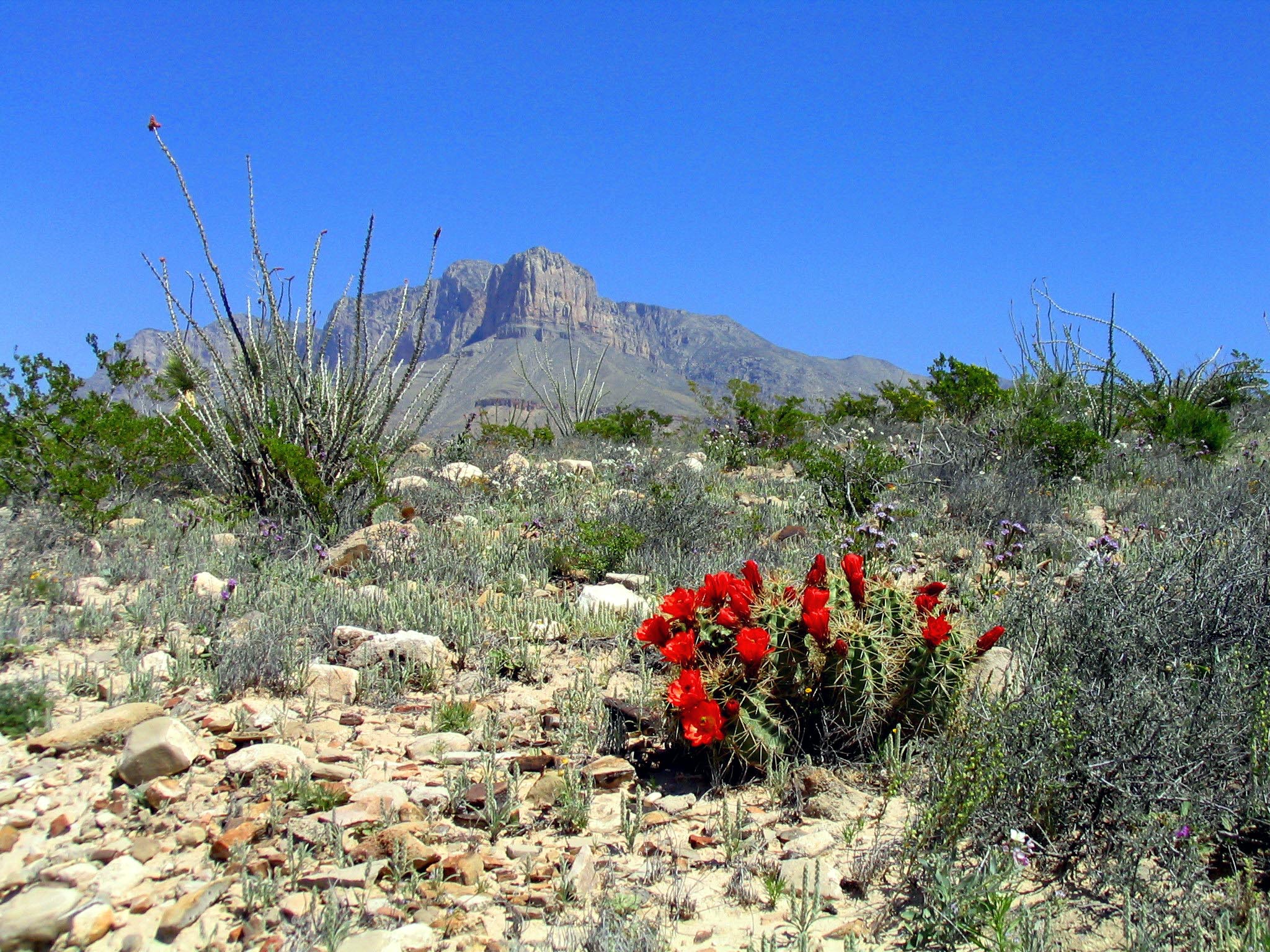
Guadalupe Mountains National Park Weather: Weather
Guadalupe Mountains National Park: weather guide guide updated 2026. Practical visitor information, reservations, and seasonal tips worth bookmarking before
Best Of
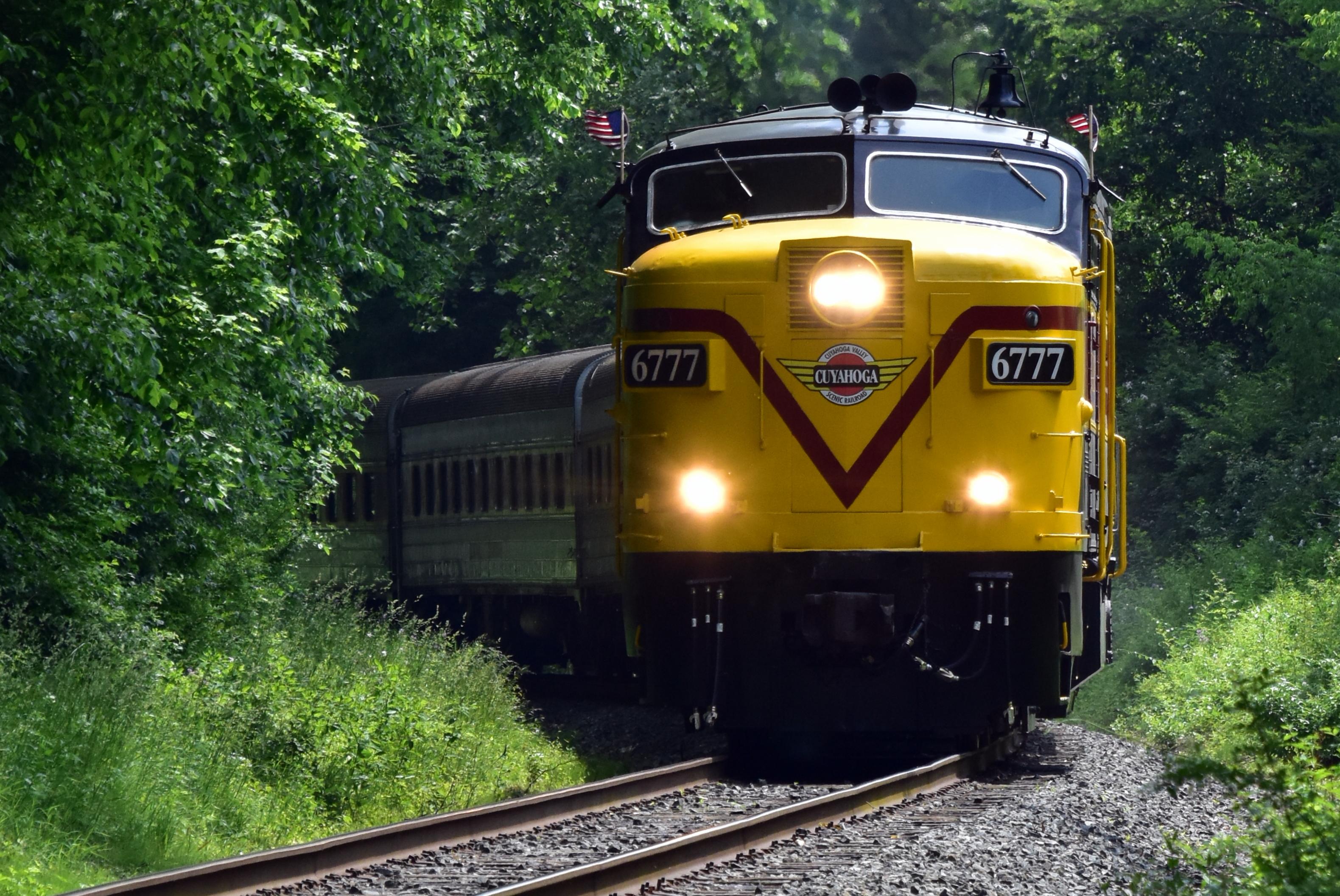
Best of Cuyahoga Valley National Park: Best Things to Do
Seeing a Cleveland Orchestra concert with the woods as your backdrop is a uniquely Cuyahoga Valley experience.
Sign in to join the conversation.
Sources & Attribution
Location data courtesy of the National Park Service (U.S. Department of the Interior). NPS data is public domain. Official NPS page.
Images: NPS; NPS; NPS; NPS; NPS.
Map data © OpenStreetMap contributors.
Park operations alerts: NPS.gov · Weather and weather hazards: National Weather Service · Live conditions.
Information may change. Always verify fees, hours, and conditions directly with the official source before visiting.
Did this guide help? Share it with a friend.