Most first-time visitors to Acadia are caught off guard by one thing: unlike Yellowstone, Yosemite, or the Grand Canyon, there is virtually no inside-park lodging. The NPS operates no hotels or lodges within the park's boundaries on Mount Desert Island. If you're searching for "acadia national park where to stay," you're actually choosing from the gateway communities that ring the park, each with a distinct character and trade-off.
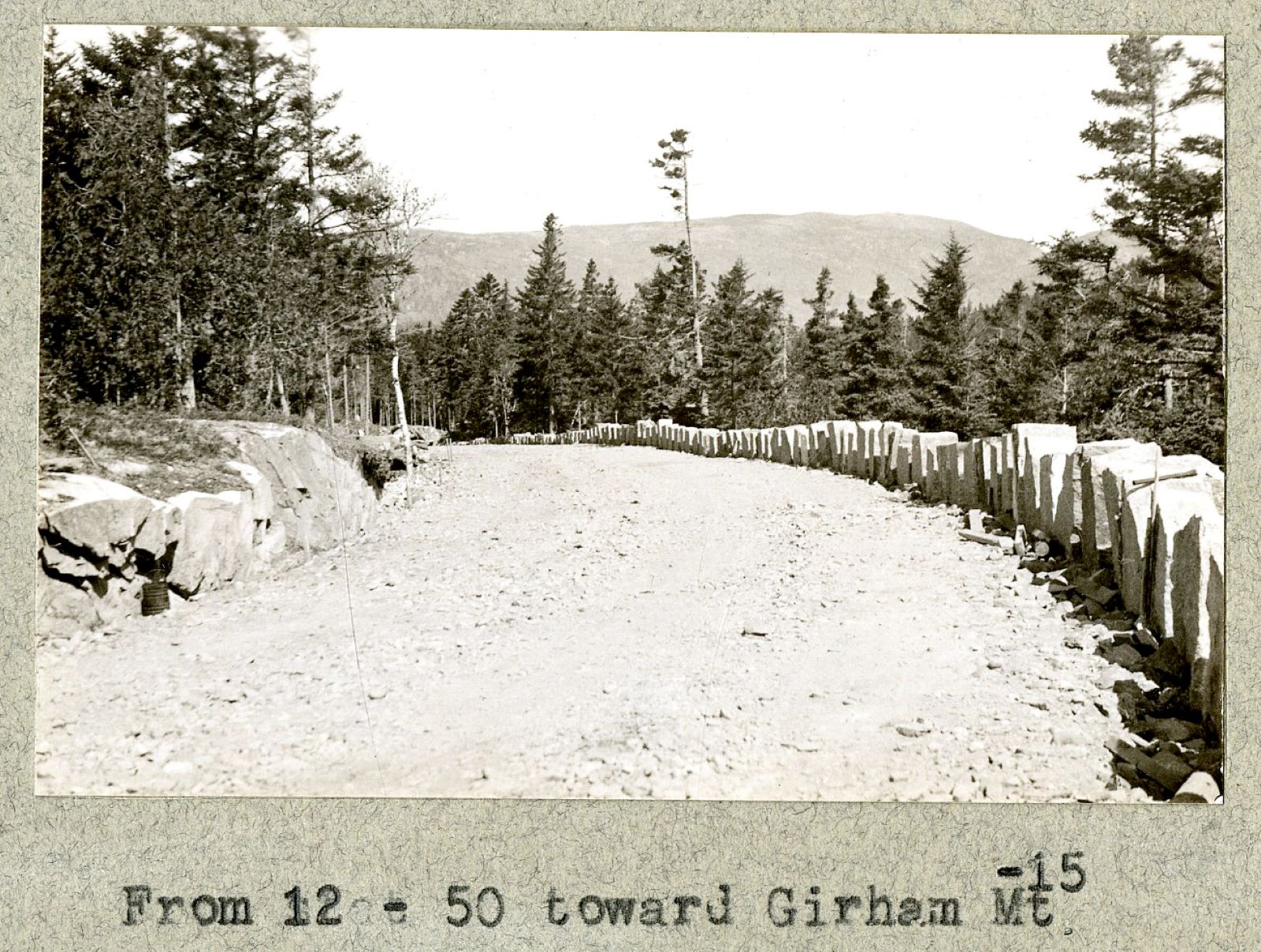
NPS via NPS.gov (Public Domain)
Acadia National Park Lodging: Where to Stay (2026 Guide)
6 min read
Lodging Guide
Acadia National Park has no NPS-run lodges inside its boundaries; stay in Bar Harbor or other gateway towns and drive in daily.
This article contains affiliate links — we may earn a small commission at no extra cost to you.
This reality shapes every lodging decision. You will drive to the park each day from wherever you stay. The question is how far you want to drive, what atmosphere you want to come back to at night, and how much you're willing to spend.
Inside the Park: Worth It?
The short answer: there isn't any inside-park lodging in the traditional sense. No NPS-run lodges, no historic park hotels within the boundaries. The park was established from private land donations, and unlike western parks built around grand lodges, Acadia's development pattern kept accommodation outside the park line.
What exists are a few properties located on private inholdings or just outside the boundary that functionally operate as inside-park lodging. These are rare, expensive, and book 12-18 months out.
Jordan Pond House is the only NPS-concessioner dining facility within the park, but it offers no overnight accommodation. The historic gatehouses (Brown Mountain Gatehouse, Jordan Pond Gatehouse) are landmark structures, not lodging.
For most visitors, the practical reality is this: you will stay in Bar Harbor, Southwest Harbor, Northeast Harbor, or one of the mainland towns, and drive into the park. That's not a compromise - it's how the park works.
If you want a true inside-park experience, your only option is one of the park's campgrounds. For details on those, see the separate camping options guide.

Gateway Town Options
The gateway towns around Acadia fall into three tiers based on proximity and price. Your choice determines your morning routine: whether you walk to a trailhead with coffee in hand or budget 20-40 minutes of driving before you hit the park entrance.
Bar Harbor: The Hub
Bar Harbor is where most visitors end up, and for good reason. The town sits right against the park's eastern edge, with the Park Loop Road entrance a five-minute drive from downtown. You can walk from many hotels to restaurants, shops, and the waterfront.
The trade-off: summer rates here are among the highest on the Maine coast. Parking in town during peak season (July through October) is a genuine problem. Most visitors underestimate how crowded the sidewalks and restaurants get between 6 PM and 8 PM.
Rates at mid-range Bar Harbor hotels start around $250-400 per night in July and August as of 2026. Premium properties - oceanfront inns, historic bed and breakfasts, luxury hotels - run $400-700 and up. Budget options exist (motels on the outskirts, older properties on side streets) in the $150-250 range, but they book first.
The advantage of Bar Harbor is uncompromising. You're minutes from the Park Loop Road, the Hulls Cove Visitor Center, and trailheads for hiking Acadia National Park's most popular routes. If you're planning the Acadia National Park Beehive Trail or the Acadia National Park Precipice Trail, Bar Harbor puts you closest to both. No other gateway offers this proximity.
Southwest Harbor and Northeast Harbor: Quieter Sides
Southwest Harbor, on the western side of Mount Desert Island, offers a different pace. It's quieter, less commercial, and closer to the park's western trails including Acadia Mountain and the Acadia hiking trails around Bass Harbor Head Light Station. The town has a working waterfront feel - lobster boats outnumber tour boats.
Northeast Harbor is more upscale, with a quieter downtown and higher property values. It's convenient to the park's eastern trails and the carriage roads.
Both options require a 15-25 minute drive to the main Park Loop Road attractions. Rates in these towns tend to be 10-20% lower than comparable Bar Harbor properties, and availability is often better, especially for last-minute bookings.
Ellsworth and Trenton: The Budget Play
Ellsworth, about 20-30 minutes from the park entrance on Route 3, is where budget-conscious visitors stay. Chain hotels, motels, and independent inns cluster along the highway. Rates in summer run $100-200 per night - roughly half what you'd pay in Bar Harbor.
Trenton, even closer to the park entrance, has a handful of hotels and motels near the airport.
The trade-off is time. You'll spend 20-40 minutes each way driving to and from the park. That's an hour of your day - maybe more in summer traffic. But if you're on a tight budget, Ellsworth makes the math work.
Rangers will tell you that Ellsworth also has the best grocery stores and big-box retail on the island. Stock up here before heading toward the park.

Booking Strategy
When to book. For July and August stays in Bar Harbor, book 12 months out if you want a specific property or room type. Six months out is the practical minimum for most mid-range options. For October foliage season, the same rule applies - September bookings for October stays are not early.
Southwest Harbor and Northeast Harbor are more forgiving, with availability often open 3-6 months ahead.
Ellsworth and Trenton can often accommodate bookings 1-3 months out, even in peak season.
Shoulder season changes everything. May and June - and September after Labor Day - offer significantly better rates and availability. The trails in Acadia are open, the crowds are thinner, and many hotels drop rates by 30-50%. The catch: May can be foggy and cool, and some restaurants don't open until Memorial Day.
How the spring 2026 closures affect your choice. Several park closures are in effect through spring 2026. The Cadillac Summit Road is closed through April 30. The Park Loop Road has a detour from April 13 to June 12 affecting access from Kebo Street to Sieur de Monts. Carriage roads are open to pedestrians only starting April 17. If you're visiting during this window, staying in Bar Harbor minimizes the inconvenience - you'll still have easy access to the open sections of the park.
Last-minute strategy. If you're booking less than a month out in peak season, focus on Southwest Harbor, Northeast Harbor, and Ellsworth. Check for cancellations at Bar Harbor properties, but don't count on them.
What the official website doesn't mention. Many of the best properties in the gateway towns are independently owned inns and B&Bs that don't appear on major booking platforms. The complete visitor guide has a deeper list of options, including local recommendations. Also, check the Acadia National Park map before booking - some properties on the "Bar Harbor" outskirts are actually closer to the park than downtown addresses suggest.

Practical Takeaways
- There is no inside-park hotel. Accept this early and let it guide your choice of gateway town. Bar Harbor for proximity, Southwest Harbor for quiet, Ellsworth for budget.
- Book Bar Harbor 12 months out for peak season. July, August, and October demand early planning. Waiting until spring for a summer booking is a gamble you'll lose.
- The shoulder seasons are the sweet spot. May, June, and September offer better rates, fewer people, and the same trails. The trails of Acadia National Park don't close when the crowds thin.
- Parking reality. If you stay in Bar Harbor, you can walk to some trailheads and use the free Island Explorer bus. If you stay in Ellsworth or Trenton, you'll drive and compete for parking at popular lots. The Gorham Mountain lot and Sand Beach lot are typically full by 8:30 AM in summer.
- Consider a vacation rental. Mount Desert Island has hundreds of rental cottages and houses, many closer to the park than hotels. These book even further out than hotels - often 12-18 months for prime weeks.
- The airport matters. Bangor International Airport (BGR) is about 45 minutes from Bar Harbor. Portland International Jetport (PWM) is about 3 hours. If you're flying, factor in rental car availability - it's tight in peak season.
- Check for packages. Some Bar Harbor hotels offer packages that include tours and guided experiences - ranger-led walks, boat tours, and carriage
Recommended Gear
What experienced visitors bring to Acadia National Park Lodging: Where to Stay (2026 Guide)
Links may earn us a commission at no extra cost to you. We only recommend gear we believe in.
Hiking Essentials
Hydration Pack (3L)
Hands-free water for long trail days
Trekking Poles (Pair)
Save your knees on steep descents
Hiking Boots (Ankle Support)
Sturdy footwear for rocky, uneven trails
Sun & Heat Protection
Wide-Brim Sun Hat
Full coverage UPF 50+ protection at altitude
Insulated Water Bottle (32oz)
Keeps water cold in desert heat all day
Winter Gear
Microspikes / Traction Devices
Essential for icy rim trails in winter months
Sources
- Official source: NPS — Acadia National Park nps.gov/acad/index.htm
- Official source: National Park Service nps.gov/places/acadia-national-park.htm
Photo Gallery
More to Explore
Park Guide
Acadia National Park: Carriage Roads, Cadillac Mountain & 2026 Guide
Discover carriage roads, Cadillac Mountain, and rugged Maine coast. Complete 2026 guide to Acadia National Park — trails, fees, lodging, permits, and what rangers recommend.
Hiking Guide
Grand Canyon Hiking Trails: Day Hikes, Water Sources & Rim to Rim
Compare Grand Canyon hiking trails: Bright Angel, South Kaibab, Hermit, Grandview, and rim to rim, with distances, elevation, water stops, and trailhead access for each.
Best Of
Best of Glacier Bay National Park
The best of Glacier Bay is reached by boat: ranger-led day tours up the bay to the tidewater glaciers. What's worth it, how to book, and when to go (2026).
Campsite Guide
White Sands Backcountry Camping: Closed for 2026 — What to Know
As of 2026, backcountry camping at White Sands National Park is closed for site rehabilitation. What that means, and where to camp nearby instead.
Weather Guide
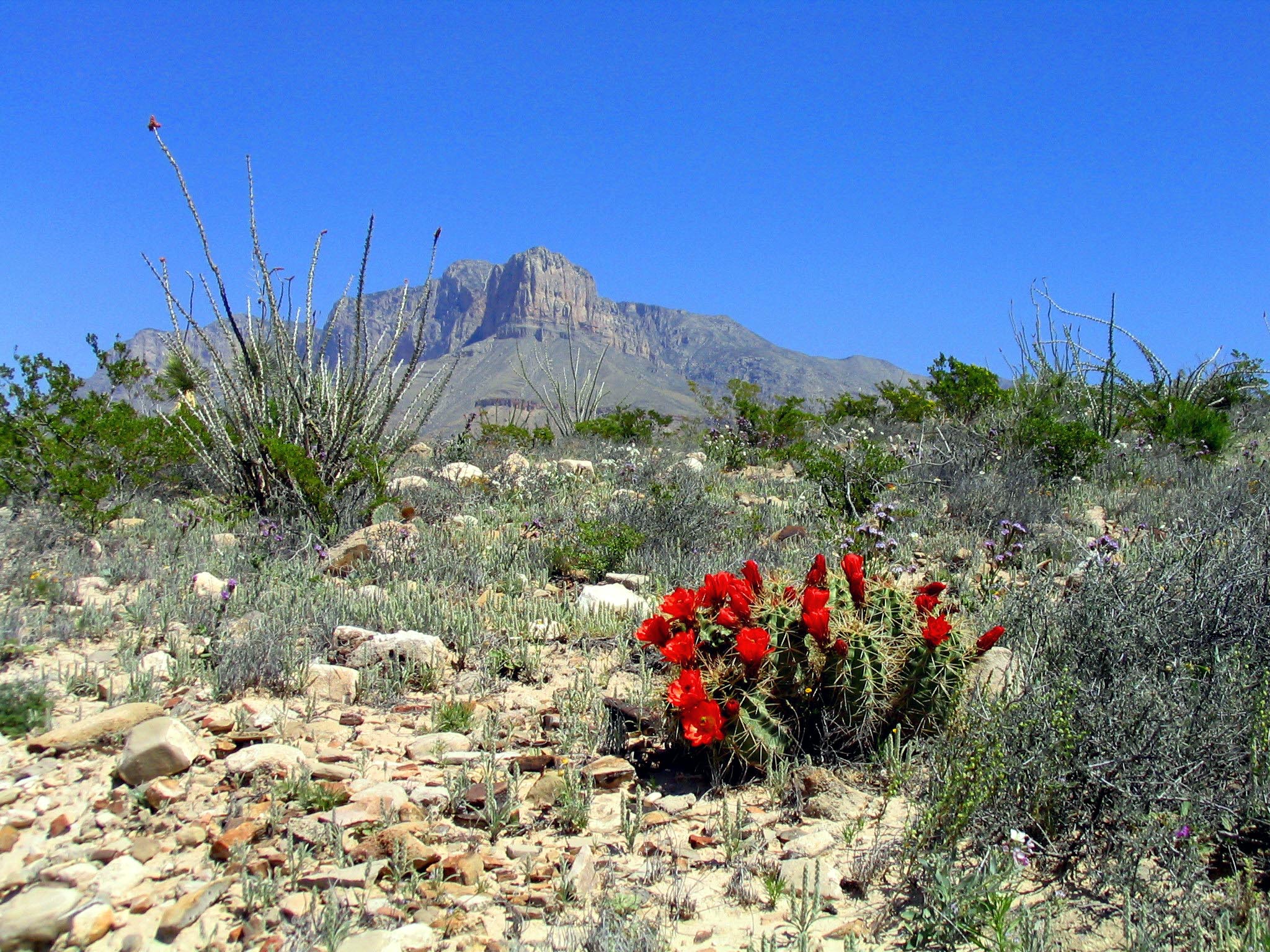
Guadalupe Mountains National Park Weather: Weather
Guadalupe Mountains National Park: weather guide guide updated 2026. Practical visitor information, reservations, and seasonal tips worth bookmarking before
Best Of
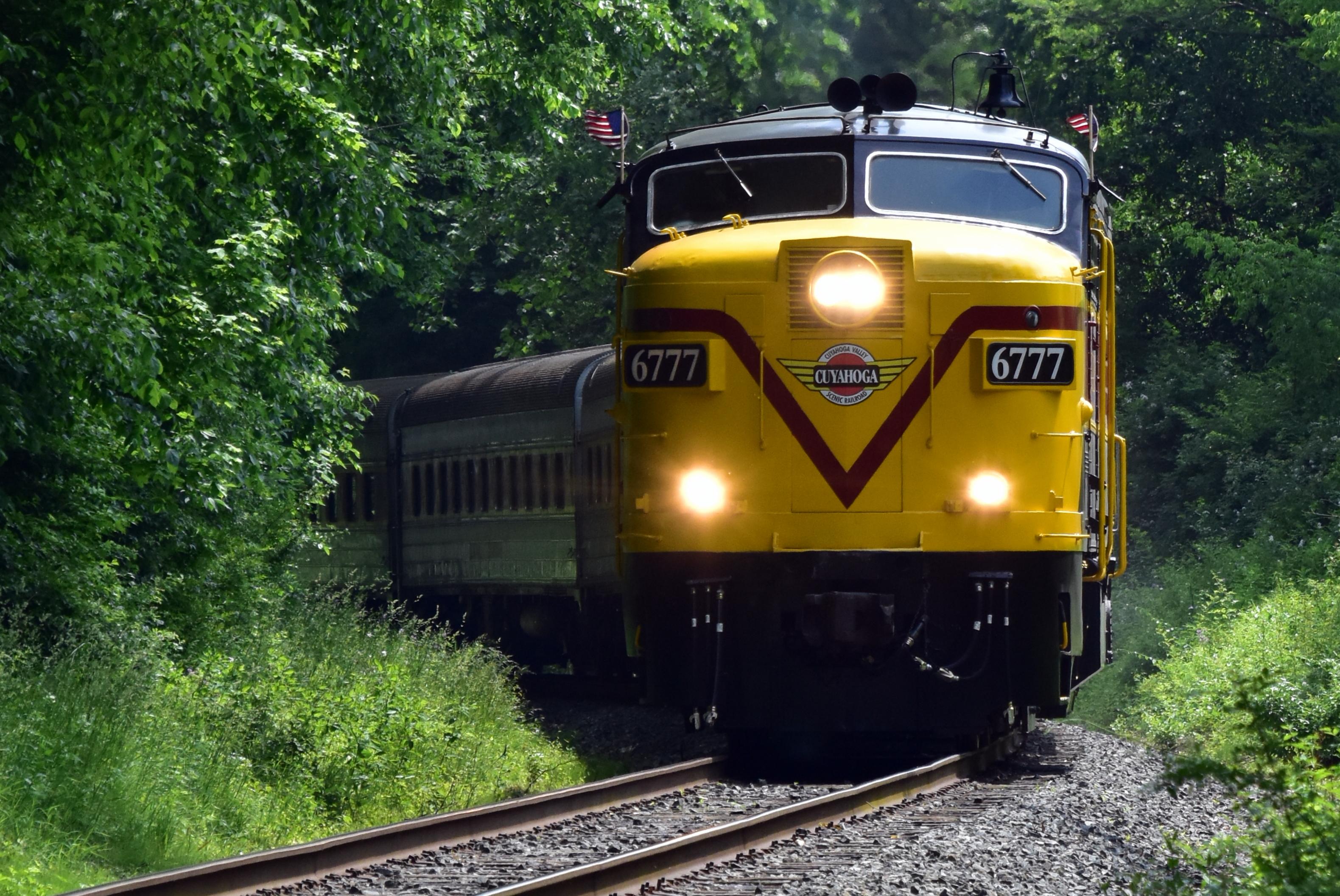
Best of Cuyahoga Valley National Park: Best Things to Do
Seeing a Cleveland Orchestra concert with the woods as your backdrop is a uniquely Cuyahoga Valley experience.
Sign in to join the conversation.
Sources & Attribution
Location data courtesy of the National Park Service (U.S. Department of the Interior). NPS data is public domain. Official NPS page.
Images: NPS; NPS; NPS; NPS; NPS.
Map data © OpenStreetMap contributors.
Park operations alerts: NPS.gov · Weather and weather hazards: National Weather Service · Live conditions.
Information may change. Always verify fees, hours, and conditions directly with the official source before visiting.
Did this guide help? Share it with a friend.