What does it take to secure a spot at the most-visited national park campground on the eastern seaboard? The short answer: a reservation made well in advance and knowing exactly what you are signing up for. Blackwoods Campground at Acadia National Park fills its 281 sites months ahead during peak season, and for good reason. Located five miles south of Bar Harbor on Route 3, this campground puts you within a ten-minute walk of the ocean and within striking distance of the park's most popular hiking trails. The complete visitor guide covers the full sweep of what Acadia offers, but this article zeroes in on what you need to know before you book Blackwoods specifically.
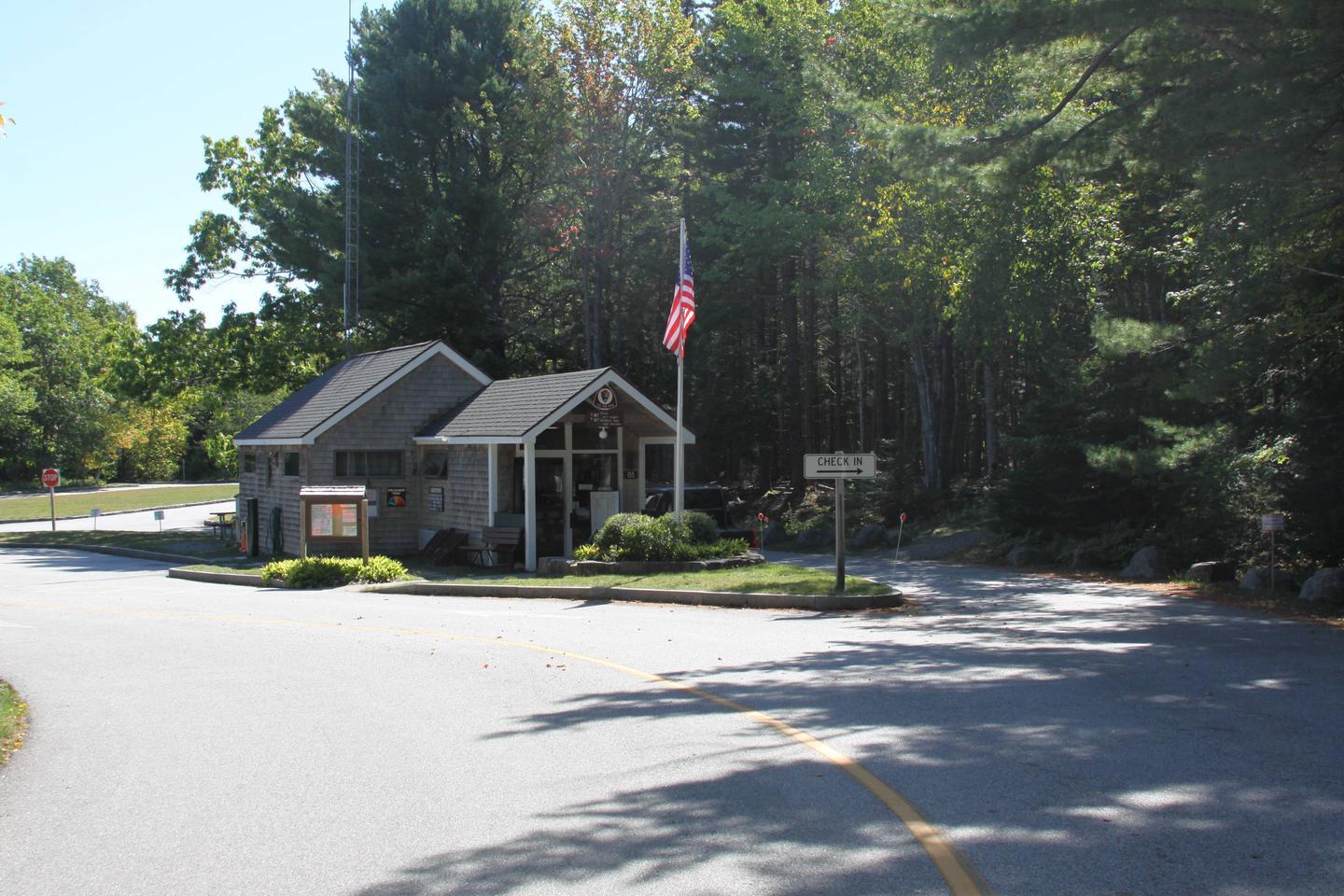
NPS via NPS.gov (Public Domain)
Blackwoods Campground: 281 Sites, Acadia (2026 Guide)
7 min read
Campsite Guide
The $30 nightly rate puts Blackwoods in the mid-range for national park campgrounds - not cheap, but fair for what you get, especially given the location.
Your plans
For more, see complete visitor guide, all campgrounds, hiking trails, and lodging and accommodations.
The Booking Window and What It Costs
Blackwoods operates seasonally - typically from early May through mid-October, as of 2026. The off-season closure runs from October 22 through May 2, during which the campground gates lock and the water systems shut down. That means you have roughly five and a half months to get your visit in.
Reservations are required. You cannot show up and hope for a walk-in site - the park service ended that practice years ago. Sites open for booking on a rolling window through Recreation.gov, and the most popular dates (July, August, and September weekends) tend to fill within minutes of becoming available.
The fee structure breaks into three tiers:
- Tent-only non-electric sites: $30 per night
- RV non-electric sites: $30 per night
- Group tent-only area (non-electric): $60 per night
Park entrance fees are separate. You need an Acadia entrance pass on your windshield even while staying at the campground. The $30 nightly rate puts Blackwoods in the mid-range for national park campgrounds - not cheap, but fair for what you get, especially given the location.

Campsite Layout and What to Expect
Blackwoods contains 281 individual sites - 221 designated for tents and 60 for RVs. All sites are non-electric, so if you are bringing an RV, expect to rely on batteries, generator use during quiet hours (which the park enforces), or solar.
The campground sits on the east side of Mount Desert Island, tucked into a forest of mixed spruce and pine. Every site is wooded - you will have trees between you and your neighbor, though how much privacy you get depends on the specific loop. The older loops have tighter spacing; the outer edges of the campground offer more breathing room.
Amenities That Matter
Flush toilets and running water are available throughout the campground. That is not universal in national park campgrounds, and it makes a difference - especially after a day on the trails when the last thing you want is a vault toilet. There is also a dump station for RVs, which is located near the entrance.
Each site comes with a picnic table and a fire ring. The fire rings are the standard metal grate style. Roads throughout the campground are paved, which keeps dust down and makes for easier bike riding through the loops.
The one thing the campground does not have: showers. If you want a hot shower, you need to drive into Bar Harbor or use the facilities at the private campgrounds outside the park. Plan accordingly.

Location Advantages and Trade-offs
The campground entrance is off State Highway 3, six miles south of downtown Bar Harbor. This is straightforward access - no windy park roads to navigate to get there. But here is the catch that catches many first-time visitors: there is no direct entrance to Blackwoods from the Park Loop Road. The Park Loop Road has a section that runs nearby, but you cannot enter the campground from it. You have to use the Route 3 entrance.
Most visitors underestimate what this means for daily planning. To reach the Park Loop Road and trailheads on the eastern side of the island, you drive out to Route 3, head north toward Bar Harbor, and re-enter the park at one of the designated access points. It adds ten to fifteen minutes to your morning commute. Not a dealbreaker, but worth knowing.
Proximity to Trails and Water
The campground's best asset is its walking access to the ocean. Every site sits within a ten-minute walk of the shoreline. The Ocean Path trailhead is a short drive or a moderate walk away, and the Great Head trail is reachable on foot if you are willing to walk along the road for a stretch.
For hikers, the proximity to Cadillac Mountain is a major advantage. The Cadillac South Ridge Trail, a 4-mile out-and-back that takes 2-4 hours depending on pace, starts near the campground. This is the longer, more scenic route to the summit - less crowded than the North Ridge option and offering continuous views as you ascend above treeline.
Other nearby hikes include the Gorham Mountain Loop (3.5 miles with ocean and mountain views) and the Beehive trailhead, which is a five-minute drive up the Park Loop Road.

Current Conditions for 2026
Three active alerts affect access and planning for the 2026 season.
Cadillac Summit West Parking Lot - The Blue Hill Overlook lot on Cadillac Mountain is closed for construction through May 19. If you are visiting before that date and planning to drive to the summit, expect limited parking and arrive early. The main Cadillac summit lot remains open but fills by 7:30 AM in peak season.
Park Loop Road Detour - A section of the Park Loop Road, from Kebo Street to Sieur de Monts, is closed to all uses from April 13 to June 12, excluding Memorial Day Weekend. The detour routes motorists onto Mount Desert Street and Main Street, following Route 3 to re-enter the loop road at Sieur de Monts. This adds about ten minutes to the loop and means you cannot access the Sieur de Monts area from the north end of the park road during that window.
Peregrine Falcon Closures - Effective March 1, several trails are closed to protect nesting peregrine falcons. The Jordan Cliffs Trail, Penobscot East Trail, Precipice Trail, and Valley Cove Trail are all off-limits. Rangers enforce these closures strictly, and the Precipice Trail parking lot is also closed. These closures typically last through August, depending on nesting activity. Check the park website before planning hikes on the east side of the island.

Getting Around Without a Car
The Island Explorer bus system serves Blackwoods Campground directly. This is the same free shuttle that runs throughout Mount Desert Island during the summer season, and it is one of the best things about visiting Acadia. From Blackwoods, you can catch the bus to Bar Harbor, the Jordan Pond House, Sand Beach, and multiple trailheads.
The bus eliminates the parking problem entirely - and parking at Acadia is genuinely problematic. The Sand Beach lot, the Cadillac summit lots, and the Jordan Pond lot all fill by 9 AM on summer days. Using the shuttle from Blackwoods means you skip that stress.
Cell service drops out at various points along the Park Loop Road and on several of the mountain trails. Do not rely on your phone for navigation during hikes. Download maps before you arrive.
What to Bring
The campground provides the basics - a place to sleep, a table, a fire ring, and running water. Everything else is up to you.
For the sites: A tent that fits within the defined site pad. Most Blackwoods sites are not huge, so a six-person tent will feel tight. A four-person tent is the sweet spot. RVs should be within the standard 40-foot maximum that the park enforces.
For the weather: Coastal Maine in the summer is unpredictable. Daytime highs in July and August run 70-80°F, but overnight lows can drop into the 50s. Fog rolls in without warning, and rain is common. Bring layers, a waterproof shell, and a ground tarp. The humidity means morning dew will soak anything left outside.
For cooking: A camp stove is recommended. Firewood restrictions apply - the park prohibits bringing firewood from outside the local area to prevent the spread of invasive insects. Buy firewood from vendors near the campground.
For the trails: Good hiking boots with ankle support. The granite slabs on Acadia's trails get slick when wet. Trekking poles help on the steep sections, especially on the Beehive and Precipice (when open) climbs.
Practical Takeaways
- Book early. Blackwoods fills for July and August within hours of the reservation window opening. Set a reminder.
- Know the fee structure. $30 per night for tent or RV sites, plus park entrance fees. Group sites run $60.
- Arrive via Route 3. Do not try to enter the campground from the Park Loop Road. It does not connect.
- Use the Island Explorer. The free shuttle stops at Blackwoods and eliminates the parking problem. Check the schedule when you arrive.
- Check current trail closures. Peregrine falcon closures affect several popular trails through at least August. Plan around them.
- No showers on site. Plan to use facilities outside the park.
Sources
- Official source: National Park Service nps.gov/acad/planyourvisit/blackwoods-campground.htm
- Official source: NPS — Acadia National Park nps.gov/acad/index.htm
Photo Gallery
More to Explore
Park Guide
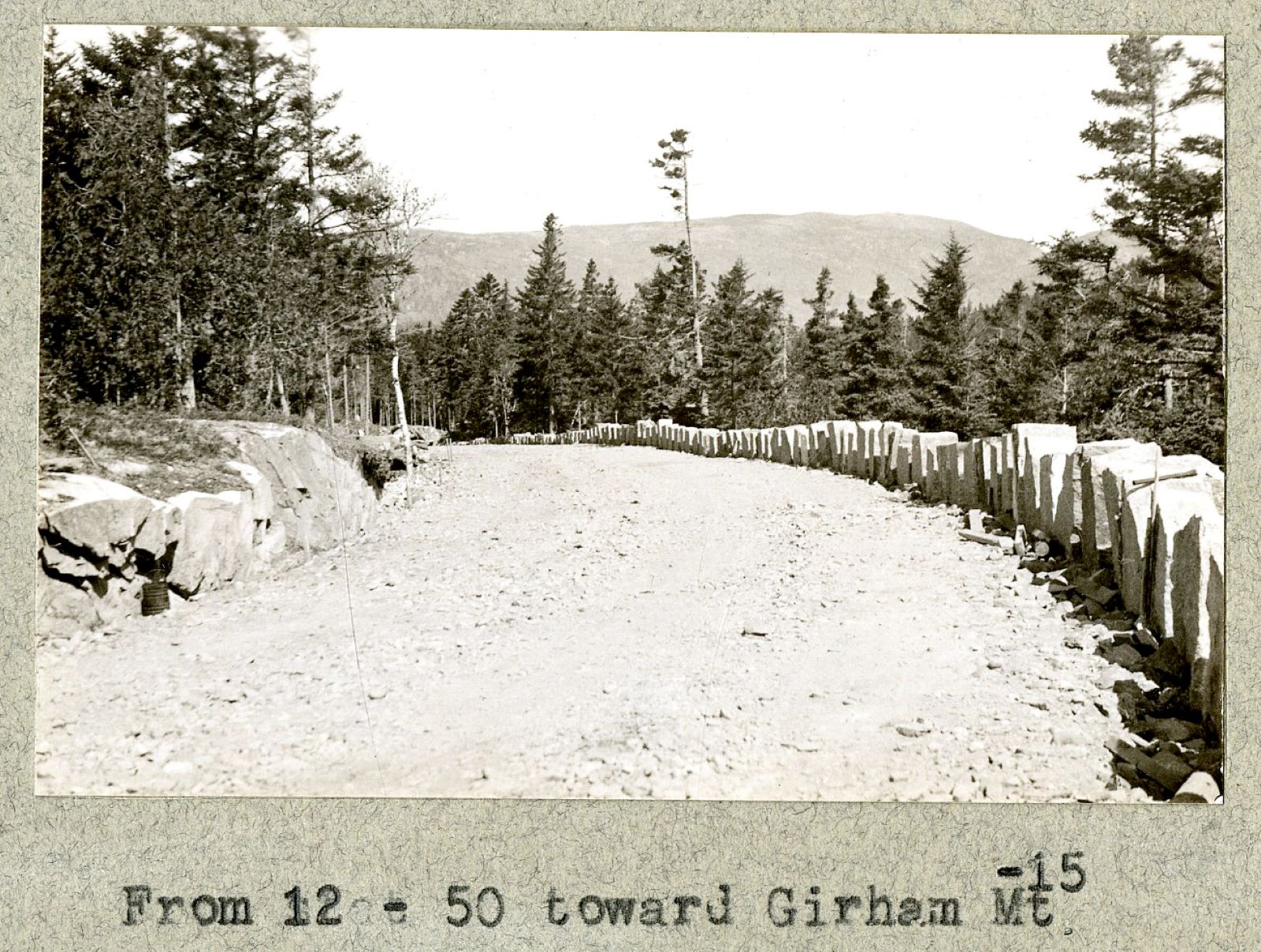
Acadia National Park: Carriage Roads, Cadillac Mountain & 2026 Guide
Discover carriage roads, Cadillac Mountain, and rugged Maine coast. Complete 2026 guide to Acadia National Park — trails, fees, lodging, permits, and what rangers recommend.
Hiking Guide
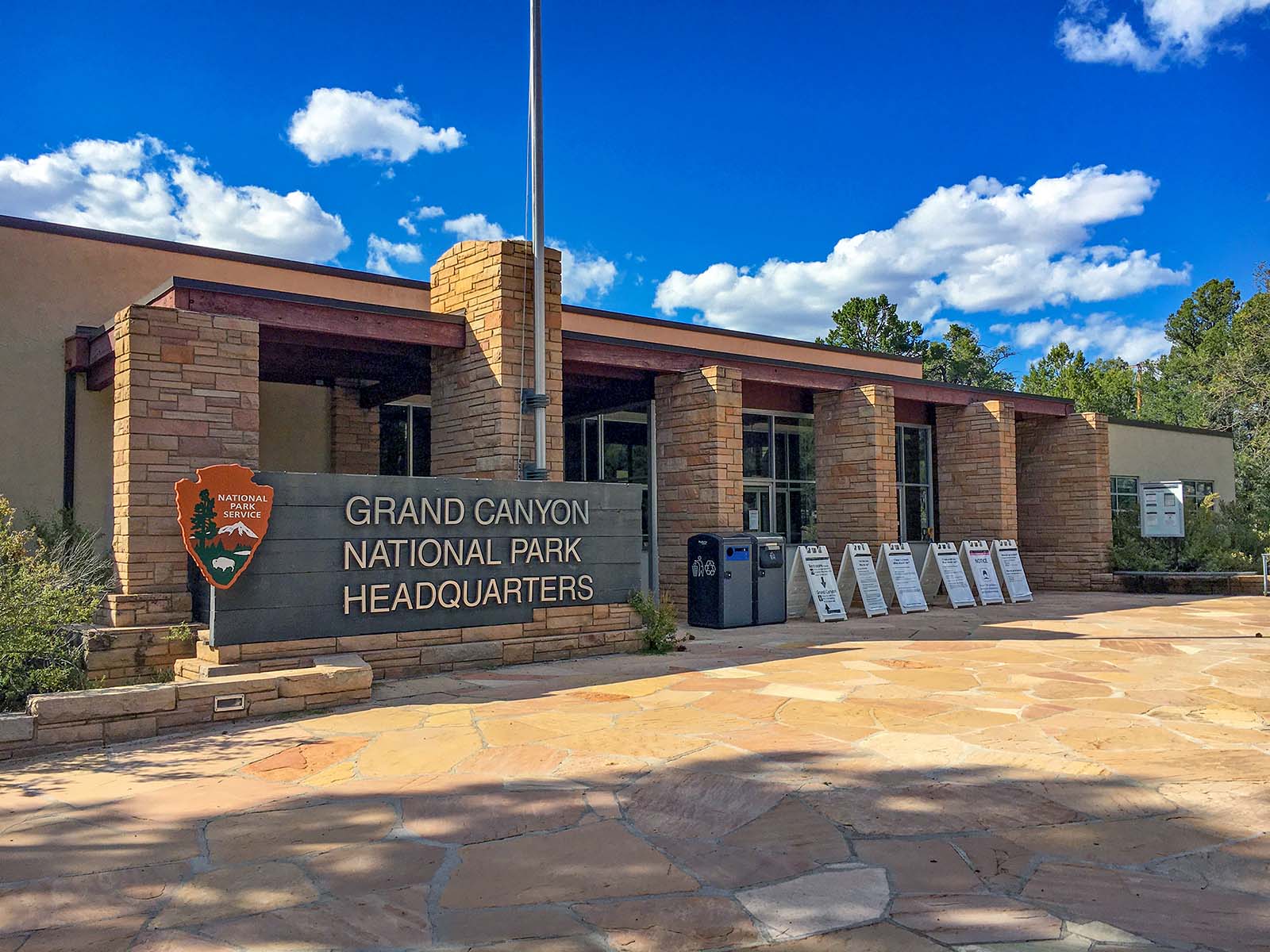
Grand Canyon Hiking Trails: Day Hikes, Water Sources & Rim to Rim
Compare Grand Canyon hiking trails: Bright Angel, South Kaibab, Hermit, Grandview, and rim to rim, with distances, elevation, water stops, and trailhead access for each.
Best Of
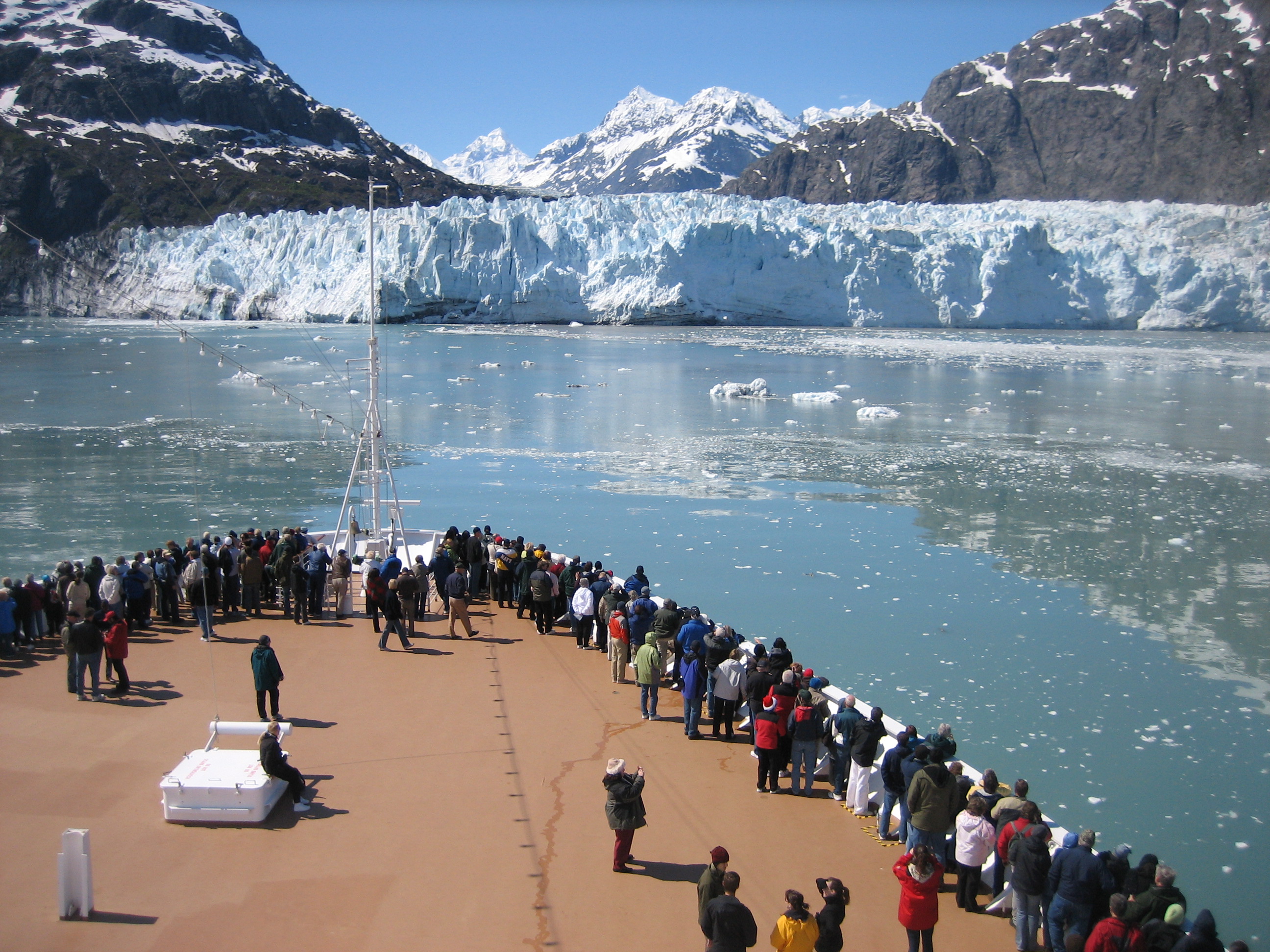
Best of Glacier Bay National Park
The best of Glacier Bay is reached by boat: ranger-led day tours up the bay to the tidewater glaciers. What's worth it, how to book, and when to go (2026).
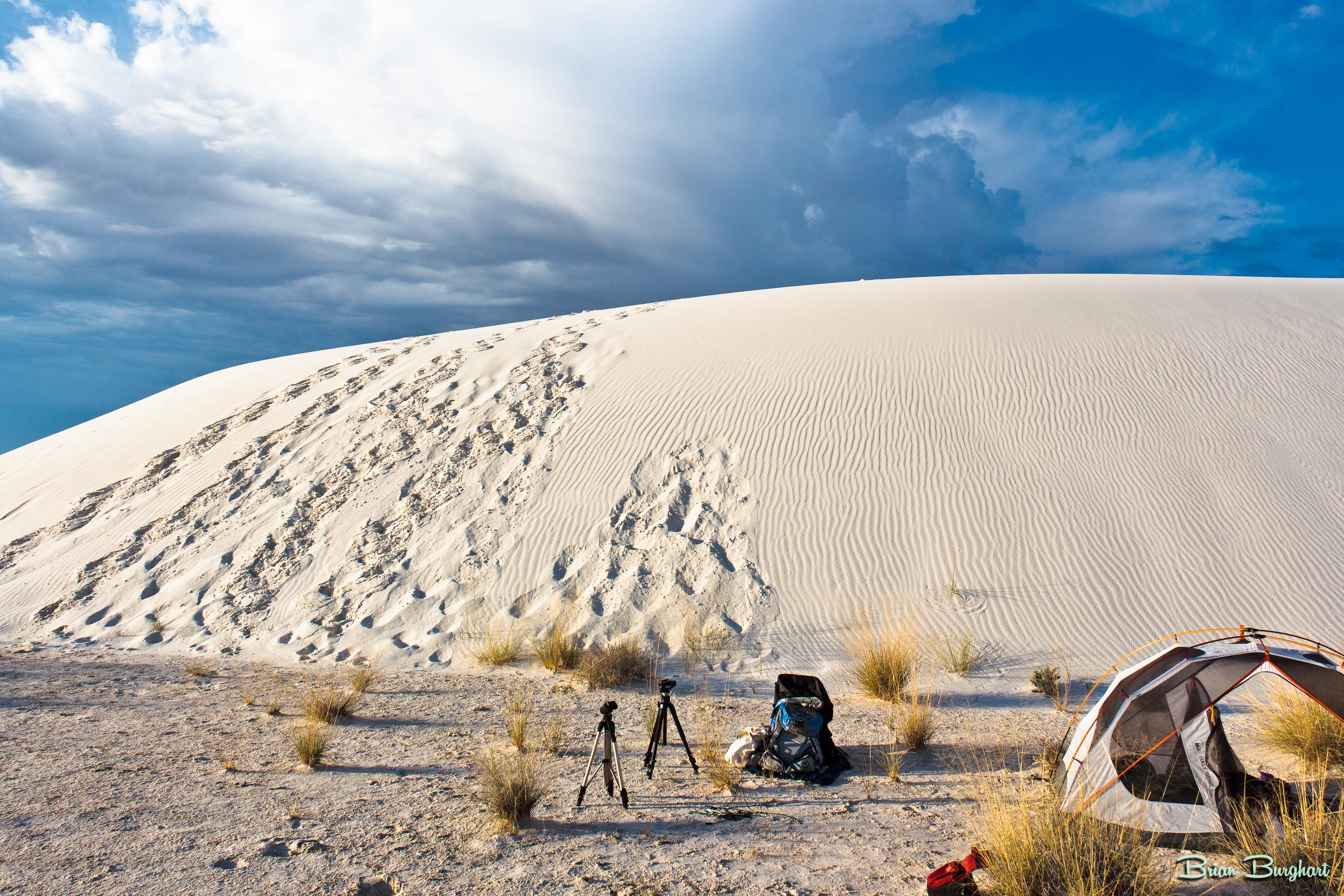
Campsite Guide
White Sands Backcountry Camping: Closed for 2026 — What to Know
As of 2026, backcountry camping at White Sands National Park is closed for site rehabilitation. What that means, and where to camp nearby instead.
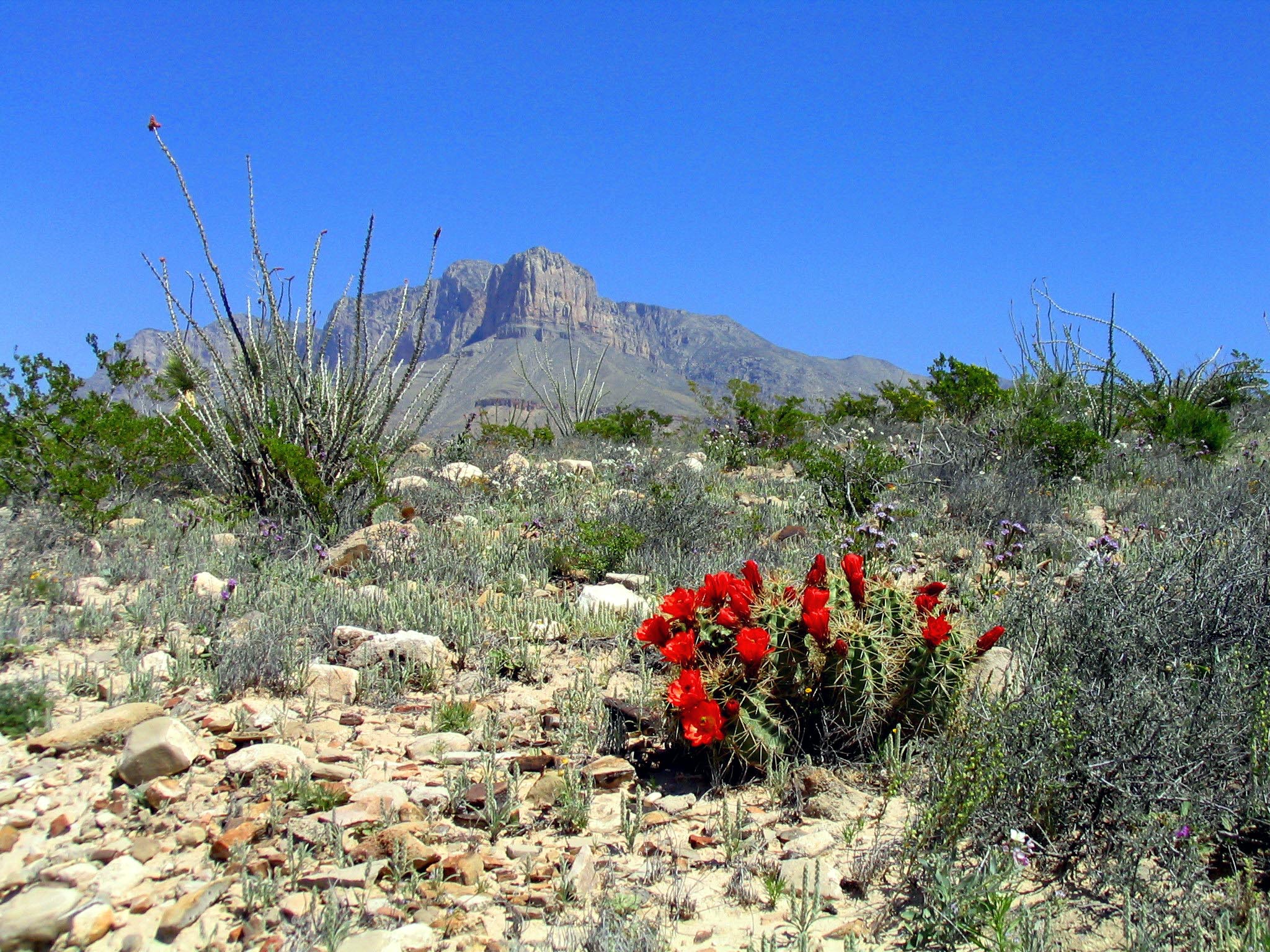
Weather Guide
Guadalupe Mountains National Park Weather: Weather
Guadalupe Mountains National Park: weather guide guide updated 2026. Practical visitor information, reservations, and seasonal tips worth bookmarking before
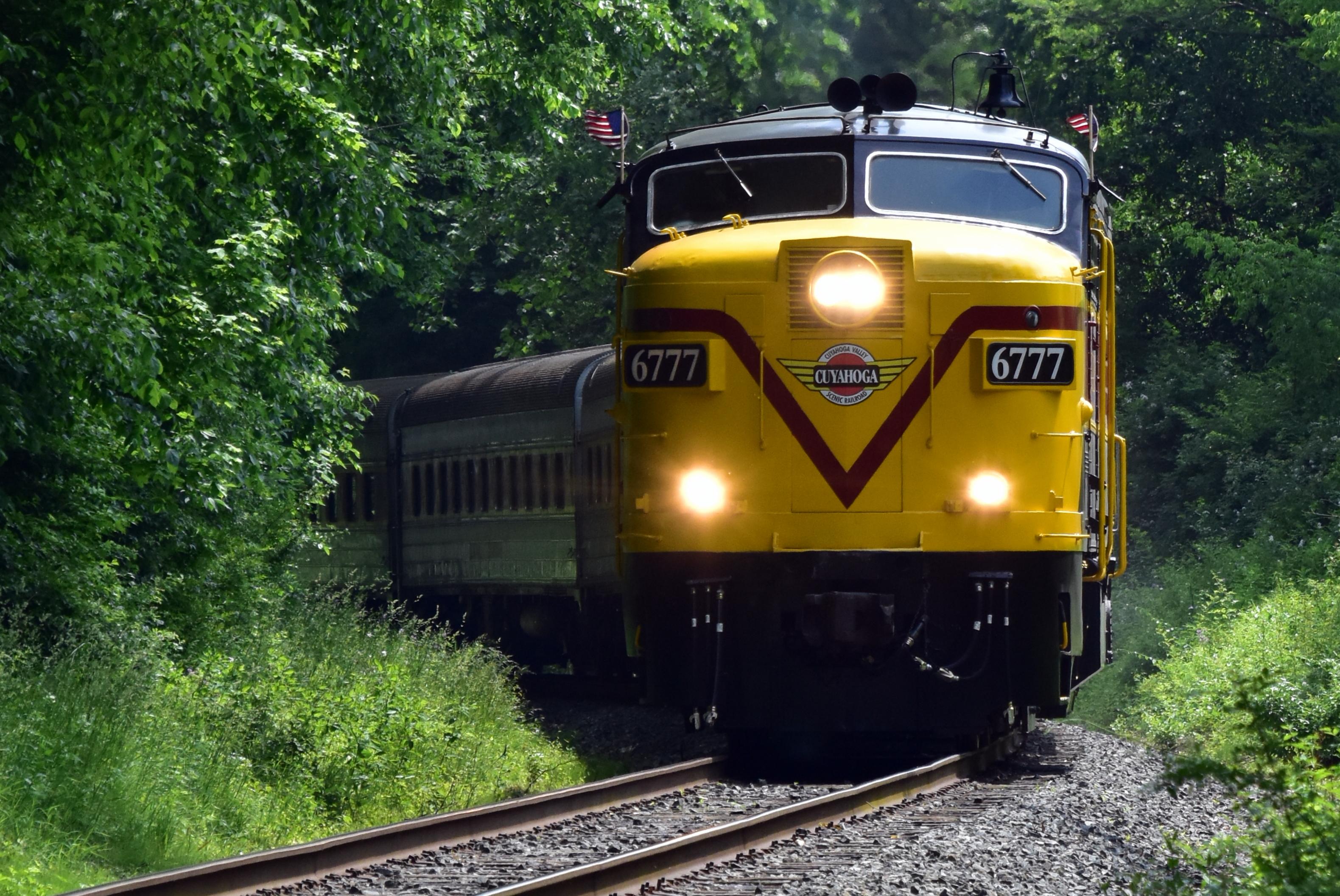
Best Of
Best of Cuyahoga Valley National Park: Best Things to Do
Seeing a Cleveland Orchestra concert with the woods as your backdrop is a uniquely Cuyahoga Valley experience.
Sign in to join the conversation.
Sources & Attribution
Location data courtesy of the National Park Service (U.S. Department of the Interior). NPS data is public domain. Official NPS page.
Images: NPS; NPS; NPS; NPS; NPS.
Map data © OpenStreetMap contributors.
Park operations alerts: NPS.gov · Weather and weather hazards: National Weather Service · Live conditions.
Information may change. Always verify fees, hours, and conditions directly with the official source before visiting.
Did this guide help? Share it with a friend.