Watching sunrise from a dormant volcano demands more than an early wake-up. Haleakala National Park presents a landscape so distinct and logistical challenges so specific that first-time visitors often miss key details. The park comprises two separate districts—the 10,023-foot summit and the coastal Kīpahulu area near Hana—each requiring its own preparation. They're not just different areas; they're a high-altitude desert and a tropical rainforest operating under one name. This guide addresses the practicalities of visiting both, from securing sunrise reservations to packing appropriate layers.
NPS via NPS.gov (Public Domain)
Haleakala National Park: Maui's Sacred Crater & Sunrise - 2026 Guide
8 min read
Park Guide
Plan your Haleakala National Park visit with sunrise reservation rules, the 10,023-foot summit, and the separate Kīpahulu district (2026).
Your plans
This article contains affiliate links — we may earn a small commission at no extra cost to you.
At a glance
Entrance Fee
Motorcycle $25 · Private vehicle $30 · Per person $15Full fee schedule
Hours
The Summit and Kīpahulu Districts of Haleakalā are open 24 hours a day. A sunrise reservation is required for entry betw
Address
Haleakalā National Park, Kula, HI, 96790
Website
20.7069, -156.1592
Google MapsNavigating the Two Worlds of Haleakala
You cannot drive from the Summit District to the Kīpahulu District within the park. Rangers emphasize this constantly because the mistake is so common. The two sections are separated by the mountain's vast southeastern slope, connected only by the long, winding road to Hana. Planning a day to "see the crater and the pools" means budgeting for a 3-4 hour drive between them, not including stops.
The Summit District is what most people picture: the vast, silent crater. The air is thin, the light is intense, and the temperature as of 2026 can drop to 30°F (-1°C). The road up from Kahului climbs over 10,000 feet in less than 40 miles. Your ears will pop. The park service warns there are no gas stations within the park, so fill up in Kahului or Pukalani. The drive back down demands low gear to save your brakes.
Kīpahulu is the coastal counterpoint. It's accessed via the Hana Highway, a journey famous for its curves and one-lane bridges. Here, the temperature can hit 80°F (27°C) and the air is thick with humidity. The draw is the lush, waterfall-fed pools of 'Ohe'o (often incorrectly called the Seven Sacred Pools) and the Pipiwai Trail leading to a massive banyan tree and Waimoku Falls. The vibe is tropical, not alpine.
Treat them as two separate trips. Trying to combine them in one day turns a visit into a endurance test.
The Sunrise Reservation & Summit Realities
Securing a sunrise reservation is essential for summit access. Current regulations require one for any vehicle entering between 3:00 a.m. and 7:00 a.m. The $1.00 reservation fee is in addition to the park entrance fee. Book it the full 60 days in advance—summer slots disappear quickly.
Here's what the official page doesn't stress enough: the reservation guarantees you the chance to enter, not a parking spot. An active alert for 2026 states that due to high traffic, cars may be turned around at the gate when capacity is reached, even with a pre-purchased pass. The advice is blunt: arrive at least 3 hours before sunrise. For a 5:45 a.m. sunrise, that means reaching the entrance station by 2:45 a.m. It's a brutal schedule, but it's the only way to beat the crowds and secure a spot at the summit overlook.
Once you're in, the parking situation is tight. Another 2026 alert notes that the Haleakalā Visitor Center parking lot has limited spaces due to a water infrastructure project lasting several months. Expect traffic delays. This makes carpooling non-negotiable. The private vehicle entrance fee of $30.00 (valid 3 days) admits everyone in your car - pack it full.
Prepare for significant cold. Temperature decreases roughly 3°F per 1,000 feet of elevation gain. The summit sits more than 10,000 feet above Maui's warm coastline. Bring all your layers—a blanket or sleeping bag is wise for the wait. Wind penetrates lightweight jackets. Seasoned visitors dress for skiing because, in practice, they are.re.

Fees, Alerts, and Current Conditions (2026)
Always check the official National Park Service website for Haleakala National Park before you go. The list of active alerts is a masterclass in real-time park management. As of March 2026, there are six.
Two are critical: First, the Haleakalā Visitor Center is closed from February 19th through the week of April 12th for a building project. Sunrise operations continue and restrooms remain open, but don't count on indoor shelter or the gift shop. Second, there is no water at Hosmer Campground in the Summit District due to a waterline break. Water is available 24-hours at the Headquarters Visitor Center a mile up the road. If you have a camping reservation, plan accordingly.
The entrance fees structure is straightforward but has nuances. The $30.00 private vehicle pass is your best value, covering everyone in your car for three days in both districts. If you're on a motorcycle, it's $25.00. Walking or biking in? It's $15.00 per person. Youth 15 and under are free. Commercial tour fees scale up from sedans to large vans.
A non-negotiable rule: drive slowly. An alert specifically warns that endangered nēnē (Hawaiian geese) and ʻuaʻu (Hawaiian petrel) nest in the park and frequent the roads. Hitting one is a federal offense and a tragic loss for a species that exists nowhere else.
Hiking the Crater and the Coast
The hiking trails here demand respect for altitude and weather. In the summit area, even short walks can leave you breathless. The Sliding Sands Trail (Keoneheʻeheʻe) is the classic route into the crater. The trailhead starts near the summit at nearly 10,000 feet. The first mile is a series of switchbacks down a cinder cone - the views are immense, but remember: every step down means a harder climb back up. Your calves will have strong opinions about the return trip. Most visitors underestimate the effort and the speed at which weather changes. Intense solar radiation at this elevation burns skin quickly, and rapidly moving clouds can obscure the trail in minutes.
Down in Kīpahulu, the Pipiwai Trail is a 4-mile round-trip a bamboo forest to Waimoku Falls. The sound in the bamboo grove is unique - a chorus of creaks and knocks as the stalks sway and tap against each other. The trail is often muddy, and the rocks near the waterfall are perpetually slick. The park service allows swimming in the 'Ohe'o Gulch pools, but only when conditions are safe. Rangers post signs if heavy rain has made the water hazardous; heed them. Flash floods are a real danger.
For a deeper exploration of the park's trails, from short walks to multi-day backpacking routes, our guide to the best hikes in Haleakala National Park breaks down distance, difficulty, and what you'll actually see.

Cultural Significance and Unique Ecology
Haleakalā isn't just a scenic overlook. The name means "House of the Sun" in Hawaiian, referencing the demigod Māui's legendary feat of lassoing the sun from the summit to slow its journey across the sky. This place vibrates with layers of history, from ancient Hawaiian cultural practices to modern conservation. The park protects the bond between the land and its people, a relationship evident in place names, archaeological sites, and ongoing stewardship.
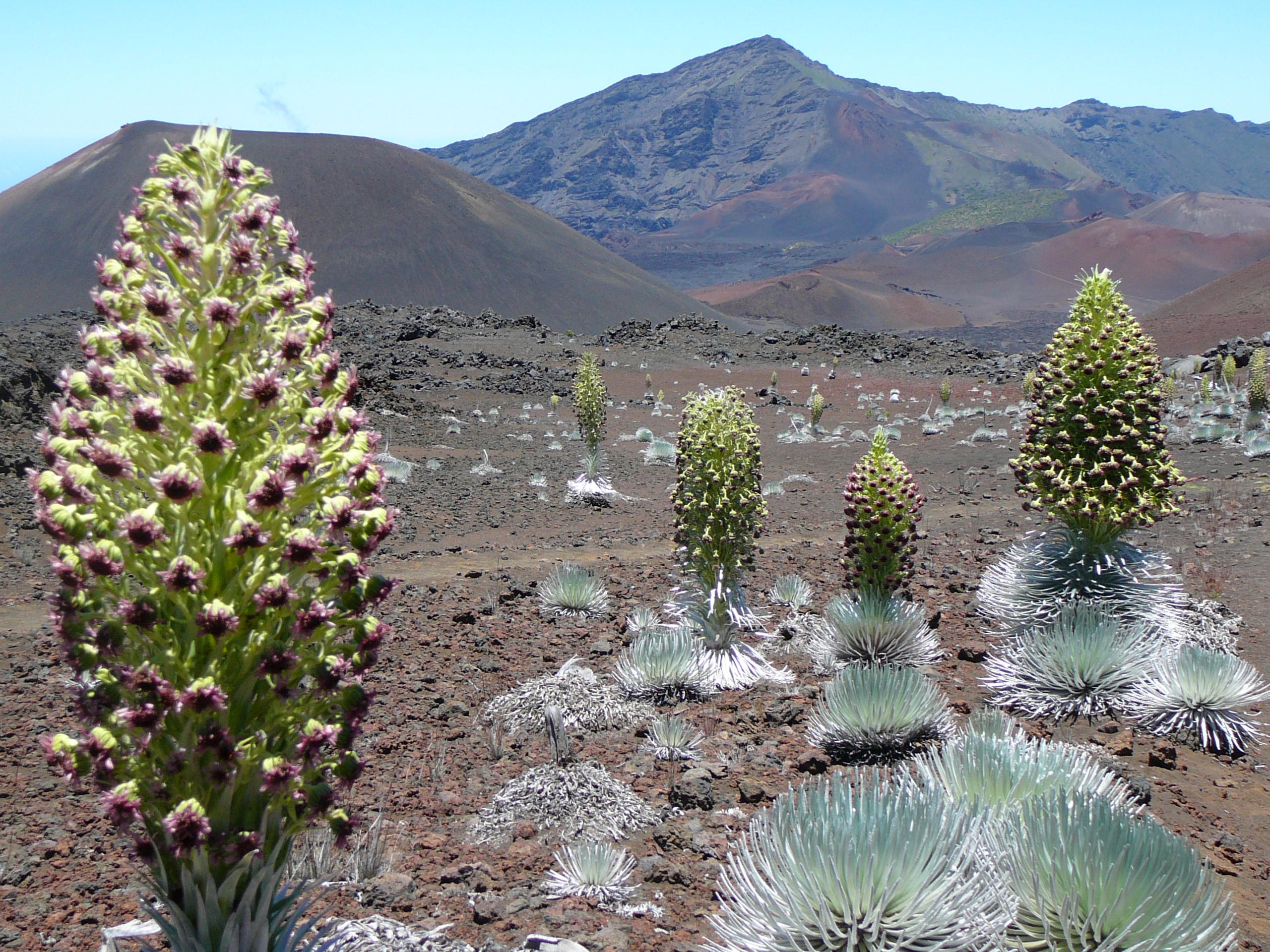
That stewardship focuses heavily on species that exist nowhere else on Earth. The silversword plant (ʻāhinahina) is the summit's poster child - a spiky, silver-leafed plant that grows for up to 50 years, blooms once spectacularly, and then dies. Stay on the trail. Their shallow root systems are destroyed by a single footstep. The endangered nēnē, Hawaii's state bird, is a goose that evolved away from water. You'll see them grazing along roadsides; give them space.
The contrast in ecosystems is the park's defining feature. You can stand in a red-dirt volcanic desert surrounded by cinder cones that look like Mars, and a 90-minute drive (plus a hike) later, be under a 400-foot waterfall in a rainforest. That range, from alpine to tropical, is why the park exists.
Planning Your Visit: Logistics and Timing
Your experience hinges on timing. For the summit, sunrise is the famous event, but sunset draws smaller crowds and offers equally dramatic color without the 3 a.m. wake-up call. Midday is when the crater is often clearest, but the sun is harsh. Check the best time to visit Haleakala National Park for a detailed breakdown of seasonal weather patterns, crowd levels, and what to expect month-by-month.
Where you stay matters. There are limited camping options within the park itself, including drive-in sites at Hosmer Grove and wilderness cabins in the crater that require a lottery. Most visitors base themselves in the nearby towns like Kula, Makawao, or the resort areas of South and West Maui. This makes for very early drives.
If navigating permits, gear, and altitude sounds daunting, consider one of the many tours and guided experiences. Commercial vans handle the driving, guides provide context, and all you have to do is stay warm.
Finally, download or print the official Haleakala National Park map PDF before you go. Cell service is unreliable, especially on the summit road and around Hana. A paper map isn't a nostalgic choice; it's a practical one.

Practical Takeaways
- Sunrise Requires a Reservation and Extreme Early Arrival. Secure your $1.00 timed entry reservation online well in advance. Then, plan to reach the park entrance station a full 3 hours before sunrise to ensure you get a parking spot.
- Pack for Two Climates. For the summit, bring a winter coat, hat, gloves, and a blanket. For Kīpahulu, have rain gear, sturdy shoes that can get muddy, and a swimsuit. Sunscreen is mandatory for both.
- Fuel Up and Slow Down. There is no gas in the park. Fill your tank in Kahului. Drive at or below the posted speed limits to protect endangered nēnē geese and navigate narrow, winding roads safely.
- Treat the Summit and Kīpahulu as Separate Trips. They are not connected by road within the park. Allot a full day for each district to avoid a grueling, unsatisfying rush.
- Check Alerts the Night Before. Visit the official NPS website for Haleakala National Park to review current conditions, closures (like the visitor center or water outages), and traffic warnings.
- Respect the Altitude. Move slowly, drink plenty of water, and listen to your body. The effects of 10,000 feet are real and can dampen a day quickly if ignored.
Final Thoughts
Haleakala National Park challenges the postcard image of Hawaii. It asks for preparation, patience, and layers of clothing. The reward is a perspective shift - standing above the clouds in a silent, colored desert, or following a trail through singing bamboo to a waterfall. It's a place where you feel the scale of geology and the fragility of life in equal measure. The mistake is to see it as just a sunrise photo op. The opportunity is to understand, even briefly, why it's considered a sacred house.
Recommended Gear
What experienced visitors bring to Haleakala National Park: Maui's Sacred Crater & Sunrise - 2026 Guide
Links may earn us a commission at no extra cost to you. We only recommend gear we believe in.
Hiking Essentials
Hydration Pack (3L)
Hands-free water for long trail days
Trekking Poles (Pair)
Save your knees on steep descents
Hiking Boots (Ankle Support)
Sturdy footwear for rocky, uneven trails
Sun & Heat Protection
Wide-Brim Sun Hat
Full coverage UPF 50+ protection at altitude
Insulated Water Bottle (32oz)
Keeps water cold in desert heat all day
Winter Gear
Microspikes / Traction Devices
Essential for icy rim trails in winter months
Packable Down Jacket
Lightweight warmth that stuffs into a pocket
Sources
- Official source: NPS — Haleakala National Park nps.gov/hale/index.htm
Explore More National Parks

Hawaii Volcanoes National Park: Active Lava & Volcanic Landscapes - 2026 Guide
Complete guide to hawaii volcanoes national park. Everything you need to know, updated for 2026.

Redwood National Park: Walking Among Earth's Tallest Trees - 2026 Guide
The Tall Trees Grove - home to the tallest measured trees on Earth - is here but requires a free per...

Coastal Trail: Complete 2026 Travel Guide & Visitor Information
There is no entrance fee to access the Coastal Trail or the tidepool parking lots. The park's tidepo...

Pinnacles National Park: Condors, Caves & Volcanic Spires - 2026 Guide
Discover California condors, talus caves, and volcanic spire formations. Complete 2026 guide to Pinn...
Photo Gallery
More to Explore
Park Guide
Acadia National Park: Carriage Roads, Cadillac Mountain & 2026 Guide
Discover carriage roads, Cadillac Mountain, and rugged Maine coast. Complete 2026 guide to Acadia National Park — trails, fees, lodging, permits, and what rangers recommend.
Hiking Guide
Grand Canyon Hiking Trails: Day Hikes, Water Sources & Rim to Rim
Compare Grand Canyon hiking trails: Bright Angel, South Kaibab, Hermit, Grandview, and rim to rim, with distances, elevation, water stops, and trailhead access for each.
Best Of
Best of Glacier Bay National Park
The best of Glacier Bay is reached by boat: ranger-led day tours up the bay to the tidewater glaciers. What's worth it, how to book, and when to go (2026).
Campsite Guide
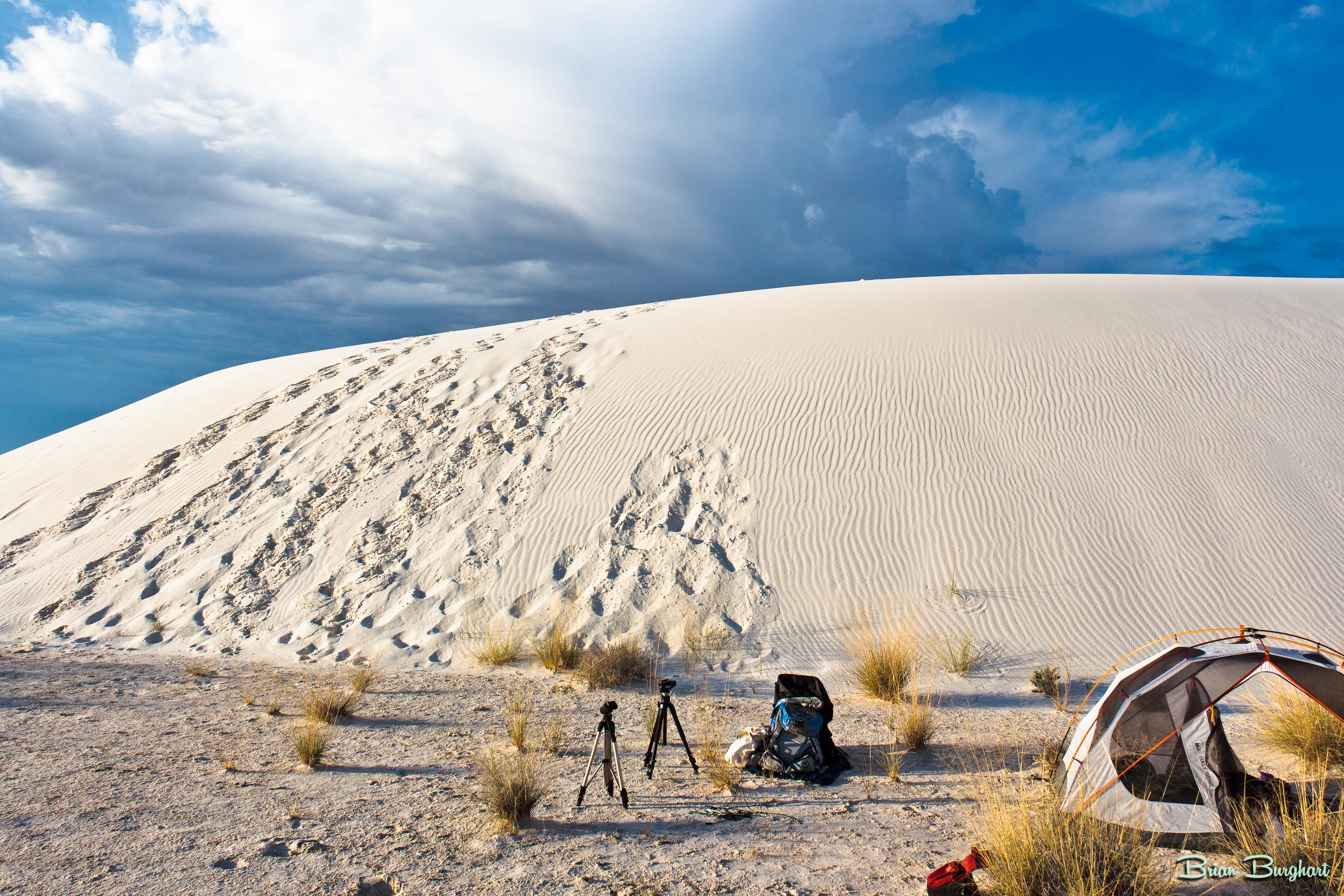
White Sands Backcountry Camping: Closed for 2026 — What to Know
As of 2026, backcountry camping at White Sands National Park is closed for site rehabilitation. What that means, and where to camp nearby instead.
Weather Guide
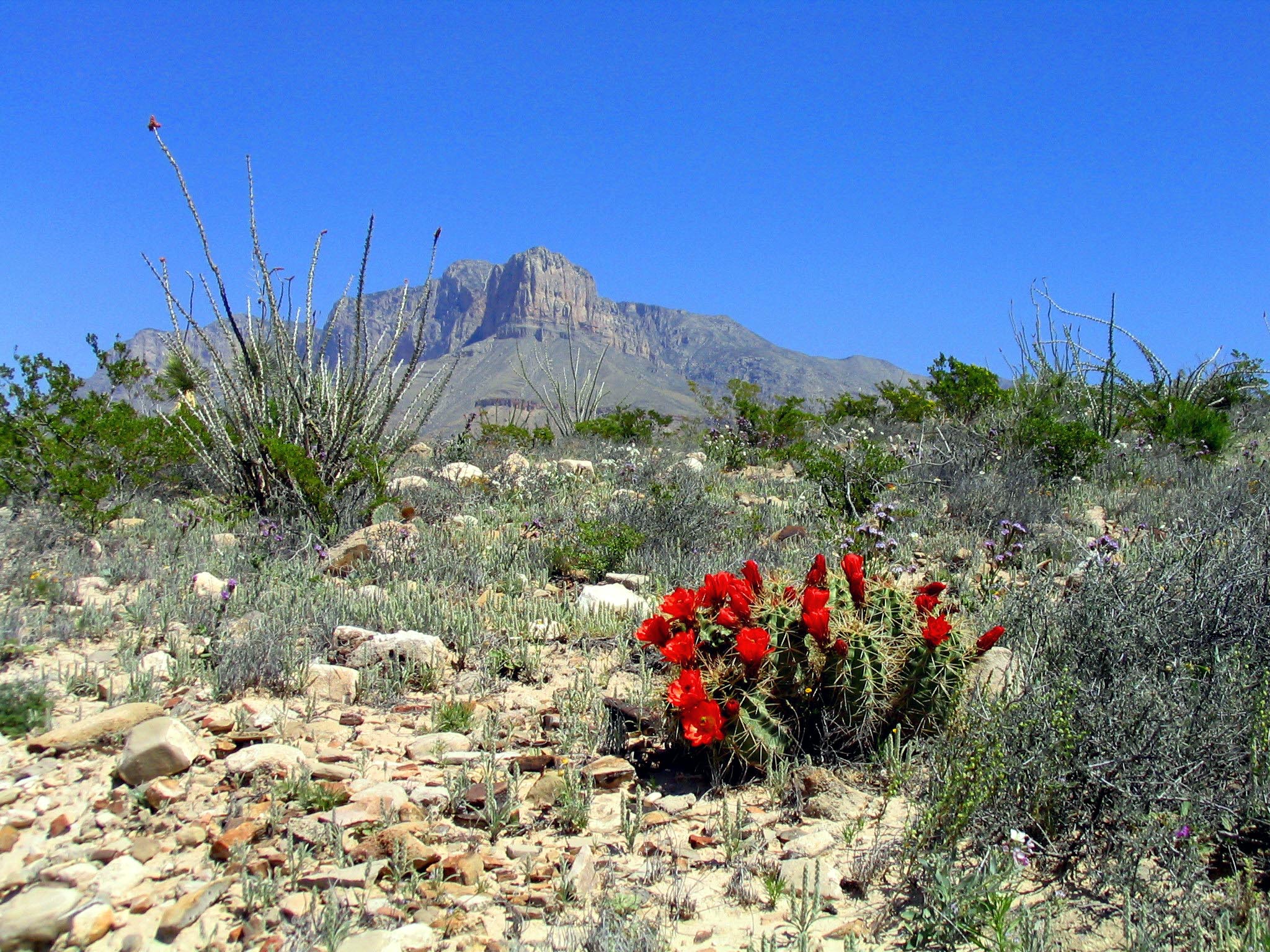
Guadalupe Mountains National Park Weather: Weather
Guadalupe Mountains National Park: weather guide guide updated 2026. Practical visitor information, reservations, and seasonal tips worth bookmarking before
Best Of
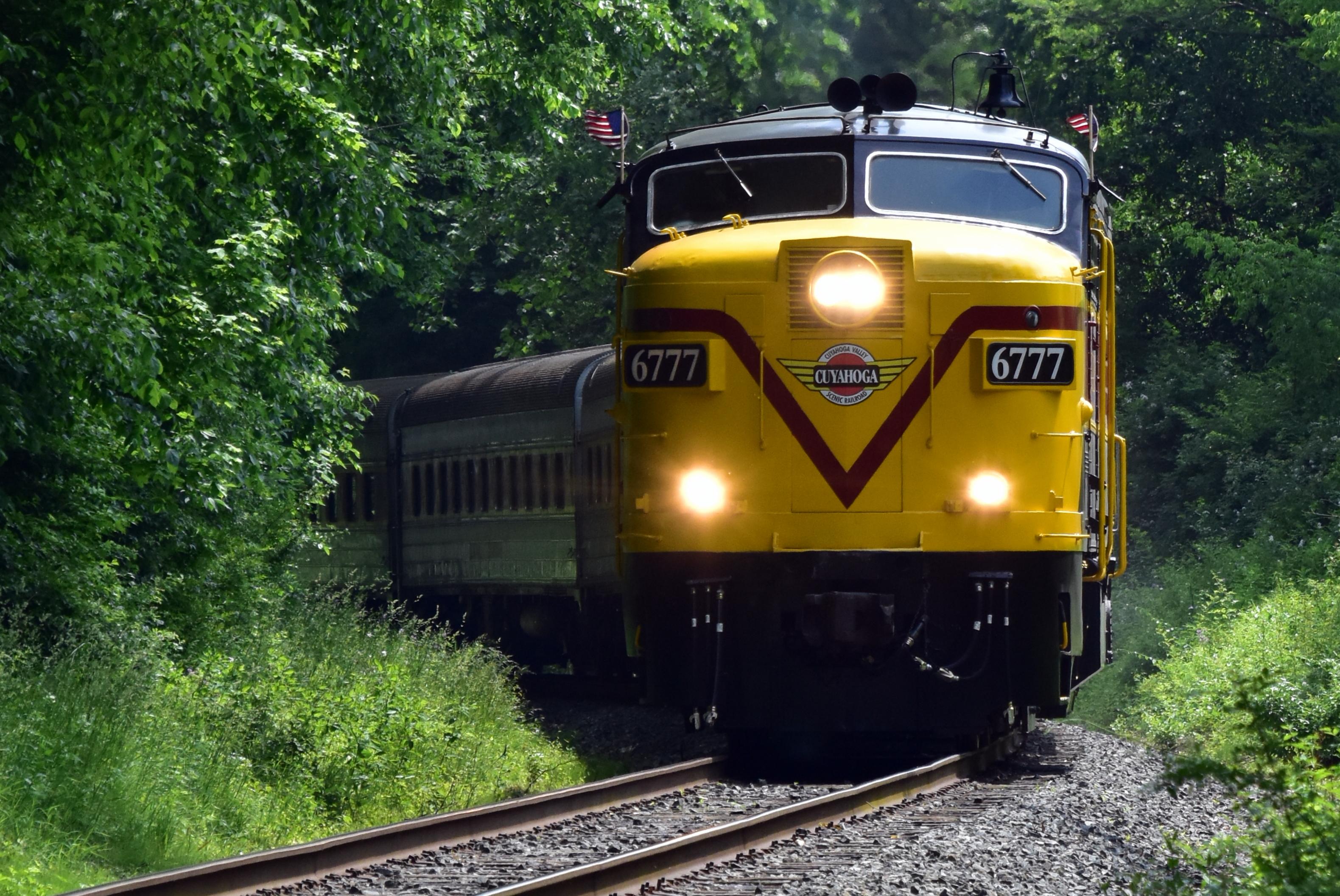
Best of Cuyahoga Valley National Park: Best Things to Do
Seeing a Cleveland Orchestra concert with the woods as your backdrop is a uniquely Cuyahoga Valley experience.
Sign in to join the conversation.
Sources & Attribution
Location data courtesy of the National Park Service (U.S. Department of the Interior). NPS data is public domain. Official NPS page.
Images: NPS; NPS; NPS; NPS Photo; Photo by Edoardo Colombo on Pexels. Stock photos from Pexels / Unsplash license; links above point to each photo where available.
Map data © OpenStreetMap contributors.
Park operations alerts: NPS.gov · Weather and weather hazards: National Weather Service · Live conditions.
Information may change. Always verify fees, hours, and conditions directly with the official source before visiting.
Did this guide help? Share it with a friend.