Plan to start your drive before 7 AM if heading to the summit. Weather conditions shift more rapidly than most visitors anticipate.
Haleakala National Park Weather
7 min read
Weather Guide
Experience three climate zones in one day at Haleakala National Park. The 10,000-foot summit can be 40°F while the beach is 85°. Plan your 2026 visit.
The Weather Reality
The single most important fact about Haleakala National Park weather is that you will experience three distinct climate zones on the same day. Most first-time visitors are caught off guard by the 10,000-foot elevation change between the coast and the summit. The official forecast for the island will say "sunny and 85°F," which is true for the beach. It tells you nothing about the 40°F wind chill and freezing fog waiting for you at the top. Rangers at the visitor center spend half their day telling under-dressed people in flip-flops that yes, it really is that cold up there. The park exists in a rain shadow, which means the summit district is often drier and clearer than the lush, wet Hana side of the mountain, but the trade winds get funneled and accelerated over the crater rim. Wind is a constant, physical presence. You don't just see the weather here; you feel it in your joints.
Month by Month
Haleakala operates on two seasonal patterns rather than four: a drier, cooler period and a warmer, wetter one, both characterized by substantial daily temperature fluctuations.
December through March
This is the coolest and wettest period for the summit. Daytime highs at the top might reach 50°F on a rare calm, sunny afternoon, but you're more likely to encounter highs in the low 40s with wind chills dipping below freezing. Overnight lows can fall into the 20s. Precipitation is more frequent, often falling as sleet or freezing rain at the summit; snow dustings happen a few times each winter but rarely accumulate for more than a day or two. The road to the summit is occasionally closed for ice. Crowds are thinner except for holiday weeks. This is the best window for seeing the rare 'ua'u (Hawaiian petrel) near the summit, as they are not nesting. Trail conditions are muddy and slick. The challenging part is the persistent cloud cover, which can obscure the crater for days. The reward is having the stark, martian landscape mostly to yourself, with dramatic cloud formations boiling over the rim.
April through June
A transitional sweet spot. Summit daytime temperatures become more reliable, ranging from 50°F to 65°F. Nighttime lows are still cold, between 30°F and 45°F. Rain becomes less frequent, though afternoon showers still roll through the Kīpahulu District (coastal section) regularly. Everything is open. Crowds begin to build in May, especially for sunrise viewing. This is the peak season for the park's famous 'āhinahina (Haleakalā silversword) to begin their flowering cycle at the higher elevations. Trails are in good condition, dry and firm. The trade-off is the famous sunrise reservation system is in full effect, and the summit parking lot at dawn is a crowded, chilly affair.
July through September
The warmest and driest months at the summit, though "warm" is relative. Daytime highs can reach into the low 70s, which feels hot under the intense high-elevation sun. Nights are still cold, rarely above 50°F. This is the driest period, with the least chance of summit cloud cover, offering the clearest views into the crater and across the island. It's also the busiest. The silverswords are in full, spectacular bloom. The trail down into the crater is exposed and shadeless; the sun feels like a physical weight. Rangers will tell you that heat exhaustion and dehydration are the most common issues on the Sliding Sands Trail during these months, despite the cool summit temperatures. The humidity and rain increase in the Kīpahulu District.
October through November
Another transition. Temperatures begin to drop at the summit, with highs slipping back into the 50s and 60s. The chance of rain increases, particularly in November. Crowds diminish significantly after October. This is a good time for solitude and stable weather windows. The challenge is the increasing unpredictability; you might get a perfect, clear week or a stretch of gusty winds and dense fog. The silversword blooms are finished, leaving striking silver seed stalks.
Best Times for Specific Activities
Summit Hiking (Sliding Sands, Halemau'u)
The best months are May, June, September, and October. You avoid the deepest winter chill and the peak summer sun intensity. Start early - you want to be climbing out of the crater before the midday sun bakes the exposed cinder.
Wildlife Viewing
For the endemic 'āhinahina (silversword) bloom, aim for July and August. For 'ua'u (Hawaiian petrel) spotting at the summit at dusk, April through September is the nesting season, but be quiet and respectful - use red lights. The native nēnē (Hawaiian goose) can be seen year-round, often near parking lots at dawn and dusk.
Stargazing
Any clear night. The summit is one of the best places on earth for amateur astronomy, thanks to minimal light pollution and often-clear skies. The driest months (July-Sept) offer the highest probability of cloud-free nights, but winter nights can be exceptionally clear and cold. The visitor center offers night sky programs; check their schedule.
Coastal Hiking (Pīpīwai Trail)
The Kīpahulu District is a rainforest. It will be warm, humid, and wetter than the summit year-round. The trail is often muddy. For slightly drier conditions, try the summer months, but expect brief afternoon showers regardless. The waterfalls will be most vigorous in the winter and spring.
What to Pack by Season
The universal rule: pack layers. Cotton kills here, even in summer.
For the Summit (All Seasons):
- A windproof and waterproof hard-shell jacket. Not a sweater. A jacket that stops the wind.
- Insulating mid-layer (fleece or puffy).
- Moisture-wicking base layer.
- Sturdy hiking pants (wind-resistant if possible).
- Beanie and gloves. Yes, even in July. Sunrise is freezing.
- Sunglasses and high-SPF sunscreen (SPF 50+). The UV radiation at 10,000 feet is intense.
- Hiking boots with good traction for loose cinder.
- Headlamp (for sunrise hikes or stargazing).
- At least 2 liters of water per person. More for crater hikes. There is no water on the trails.
Summer Additions:
- A wide-brimmed hat for the crater descent.
- Electrolyte tablets or powder. You'll sweat more than you think in the dry, high-altitude air.
Winter Additions:
- Thermal underwear.
- Warmer gloves (consider liners).
- Microspikes or traction devices for your shoes if there's a chance of ice. Check road conditions before you go.
For the Kīpahulu Coast:
- Quick-dry clothing.
- Rain jacket.
- Water shoes or sandals with grip for stream crossings.
- Insect repellent.
What the Forecast Doesn't Tell You
- The Wind Has Weight. At the summit, 30-40 mph gusts are normal. 60+ mph happens. It can physically push you off balance on exposed ridges. Close your car doors firmly.
- Sunburn in a Sweatshirt. The air is cool, so you don't feel yourself burning. The high-elevation UV rays will burn any exposed skin (ears, back of neck, hands) in under 30 minutes. Reapply sunscreen constantly.
- The Microclimate Maze. It can be pouring rain at the park entrance gate at 7,000 feet and perfectly clear at the 10,000-foot summit. Don't turn around based on conditions at the lower lookout.
- Hypothermia in Summer. A sweaty t-shirt becomes a dangerous conductor of heat loss the moment the sun dips behind a cloud or the wind picks up. That's how unprepared hikers get into trouble on a 65°F day.
- The "Vog" Factor. When the island's other volcano, Kīlauea, is active, volcanic smog ("vog") can drift over and settle in the crater, reducing visibility and causing respiratory irritation for sensitive individuals.
- Flash Floods Are Instant. In the Kīpahulu District, a sunny sky upstream can mean a wall of water coming down the stream you're about to cross. Heed all warning signs.
- Your Car Will Complain. The steep, winding drive stresses engines and brakes. Rental car companies often prohibit the drive (check your contract). Use low gear on the descent to save your brakes.
Practical Takeaways
- Layer Like Your Comfort Depends On It. It does. A wind-breaking outer layer is non-negotiable for the summit, regardless of the season.
- Sunrise Requires a Reservation. As of 2026, you need a pre-booked reservation to enter the summit area before 7 AM. This is separate from the park entrance fee. Plan months ahead.
- Check Two Forecasts. Look at a forecast for the Haleakala Summit specifically, not just "Maui." Then check the Kīpahulu forecast if you're heading to the coast.
- Water Is Your Most Important Piece of Gear. Double what you think you need for any hike into the crater. There are no water sources.
- Acclimatize. If you're coming from sea level, spend a day at mid-elevation before attempting strenuous summit hiking to mitigate altitude sickness.
- Have a Backup Plan. If the summit is socked in with fog, your sunrise view is a wall of white. Have a plan to hike in the crater anyway (the otherworldly landscape is still worth it) or pivot to the coastal district.
- Respect the Nēnē. These endangered geese are not park decorations. Give them space, never feed them, and watch for them on the road, especially at dawn and dusk.
For more detailed planning on hiking trails and camping options, see our complete visitor guide and specific guides to hiking trails and camping options. Always verify current road, weather, and reservation conditions on the official National Park Service website before your trip.
Sources
- Official source: NPS — Haleakala National Park nps.gov/hale/index.htm
More to Explore
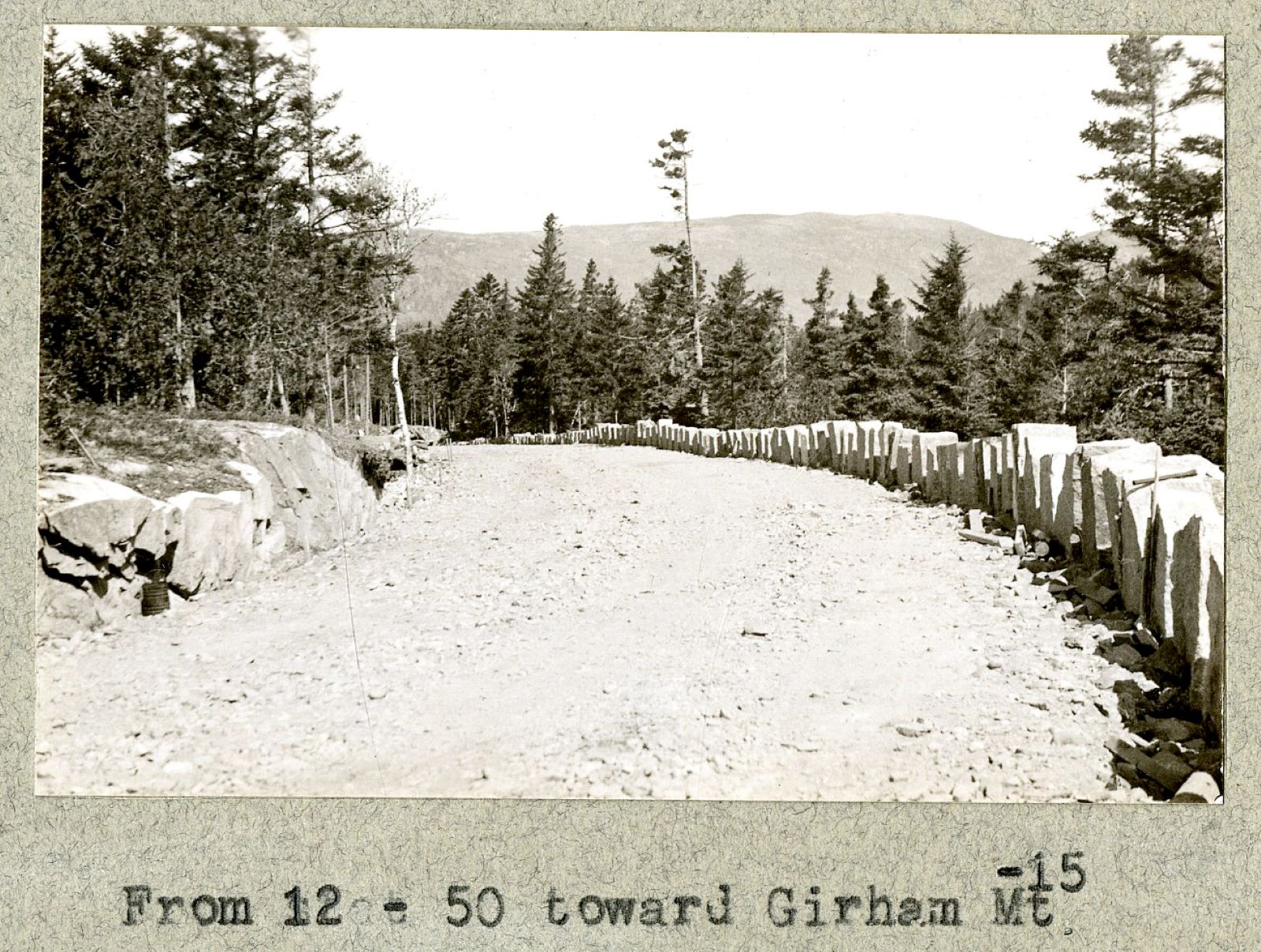
Park Guide
Acadia National Park: Carriage Roads, Cadillac Mountain & 2026 Guide
Discover carriage roads, Cadillac Mountain, and rugged Maine coast. Complete 2026 guide to Acadia National Park — trails, fees, lodging, permits, and what rangers recommend.
Hiking Guide
Grand Canyon Hiking Trails: Day Hikes, Water Sources & Rim to Rim
Compare Grand Canyon hiking trails: Bright Angel, South Kaibab, Hermit, Grandview, and rim to rim, with distances, elevation, water stops, and trailhead access for each.
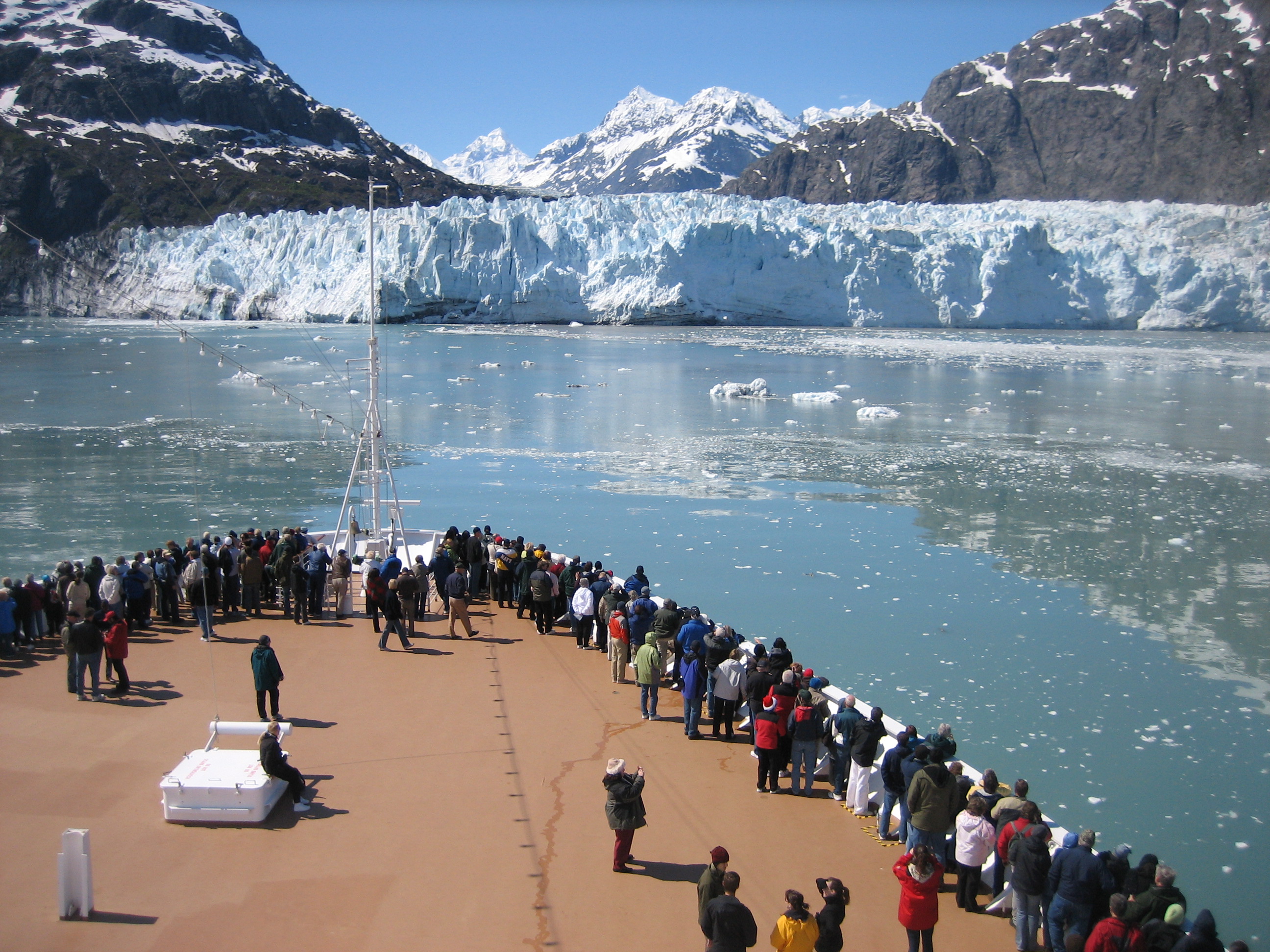
Best Of
Best of Glacier Bay National Park
The best of Glacier Bay is reached by boat: ranger-led day tours up the bay to the tidewater glaciers. What's worth it, how to book, and when to go (2026).
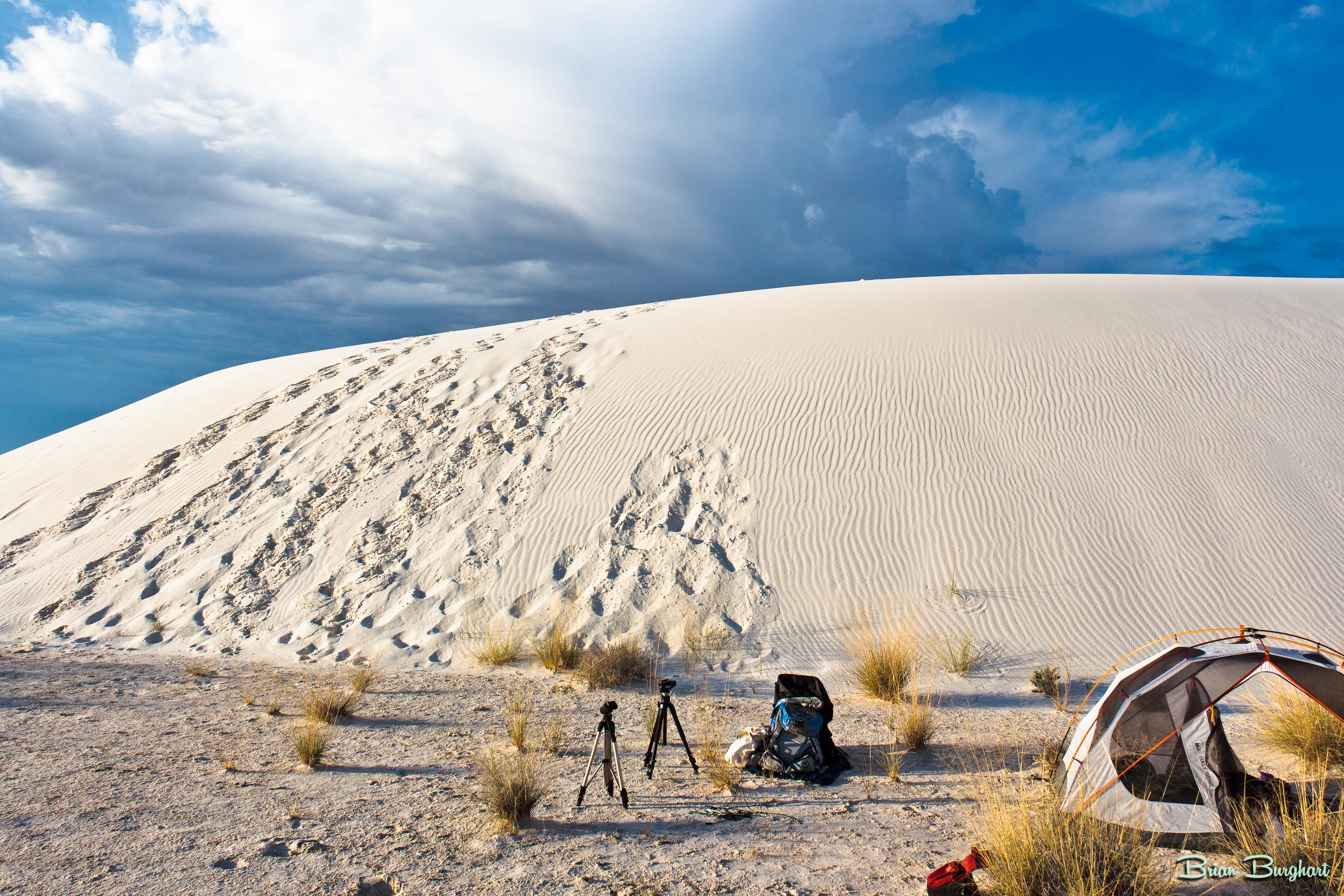
Campsite Guide
White Sands Backcountry Camping: Closed for 2026 — What to Know
As of 2026, backcountry camping at White Sands National Park is closed for site rehabilitation. What that means, and where to camp nearby instead.
Weather Guide
Guadalupe Mountains National Park Weather: Weather
Guadalupe Mountains National Park: weather guide guide updated 2026. Practical visitor information, reservations, and seasonal tips worth bookmarking before
Best Of
Best of Cuyahoga Valley National Park: Best Things to Do
Seeing a Cleveland Orchestra concert with the woods as your backdrop is a uniquely Cuyahoga Valley experience.
Sign in to join the conversation.
Sources & Attribution
Location data courtesy of the National Park Service (U.S. Department of the Interior). NPS data is public domain.
Map data © OpenStreetMap contributors.
Park operations alerts: NPS.gov · Weather and weather hazards: National Weather Service · Live conditions.
Information may change. Always verify fees, hours, and conditions directly with the official source before visiting.
Did this guide help? Share it with a friend.