To truly grasp the scale and silence of Haleakala Crater, you need to hike into its heart. Driving to the summit offers a view, but the character of this place only emerges on foot, beneath the clouds. A guided tour here provides context, ensures safety, and grants access to a landscape that commands respect.
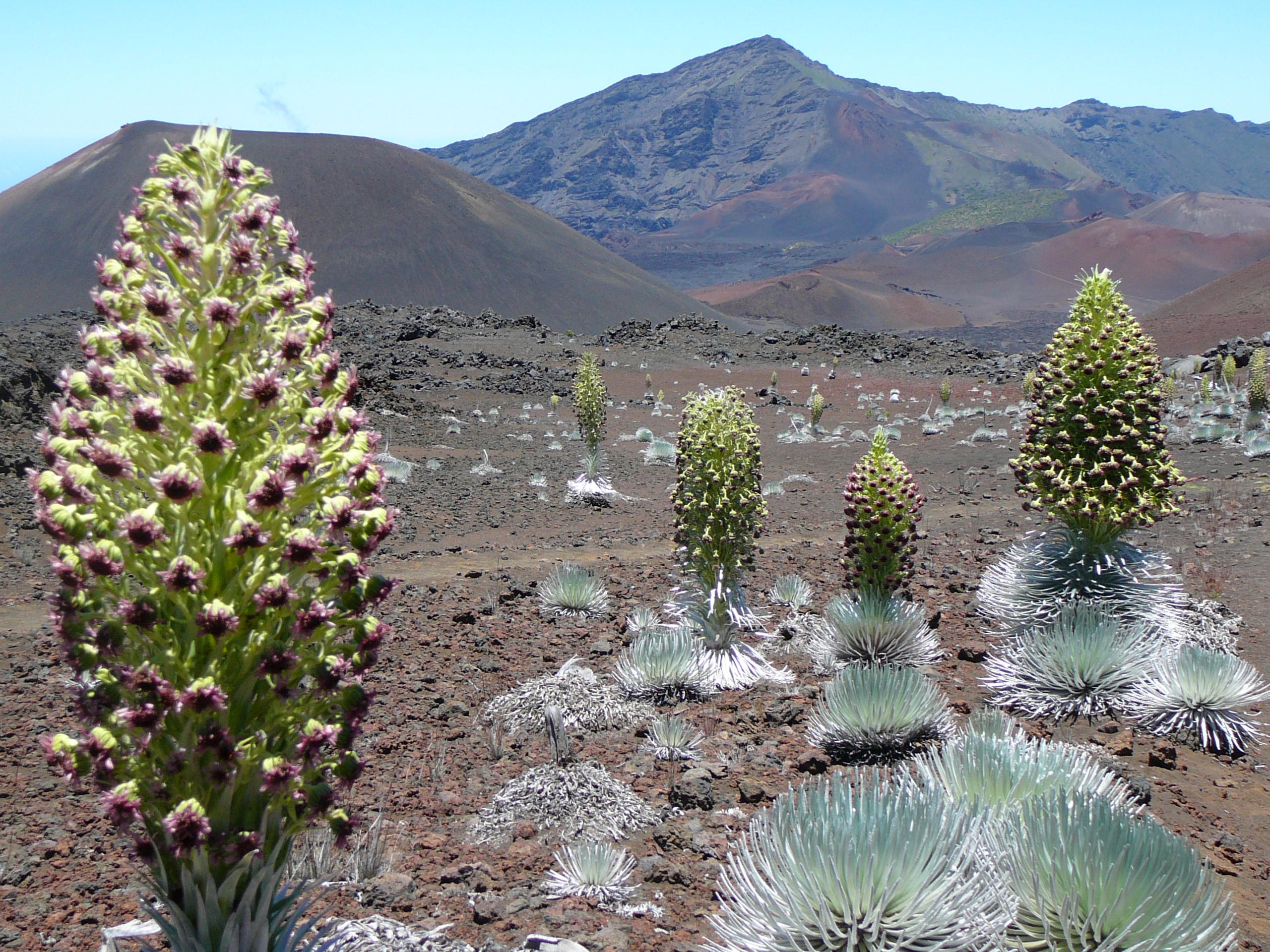
NPS via NPS.gov (Public Domain)
Haleakala National Park Tours: Guided Tour
8 min read
Tours Guide
Haleakala National Park: tours guide guide updated 2026. Practical visitor information, reservations, and seasonal tips worth bookmarking before your trip.
This article contains affiliate links — we may earn a small commission at no extra cost to you.
The Best Guided Experience Here
The guided hike into the crater along the Sliding Sands Trail is the definitive experience. Rangers will tell you that most visitors underestimate three things: the altitude, the distance, and the sheer physicality of hiking in volcanic terrain. A guided tour directly addresses all three.
A guide translates the landscape for you. Solo, you'll see red cinder and rock formations. With a guide, you'll read volcanic history in the ash layers, understand why the silversword grows only here, and hear the geology behind each switchback—narrative a placard can't provide. Guides know where to stop for the best cinder cone views, away from standard overlooks. They also handle the biggest challenge: the ascent. A paced return with a group, sometimes with a shuttle, eases the anxiety that sends many hikers back early.
The depth of the silence is something you won't find alone. Guides know where to stop, letting the group spread out and listen. At 7,000 feet inside this volcanic bowl, the absence of sound is palpable. Experiencing it with a guide who grasps its significance differs from chancing upon it solo. They also offer crucial orientation where trails fade in fog or blend across treeless slopes.
Free Ranger Programs
The park service offers a rotating slate of free programs that are far from perfunctory - if you time it right. Schedules shift seasonally, typically with more offerings during the summer months and around holidays. As of 2026, you can expect a core set.
Summit Sunrise Talks
Yes, the sunrise is crowded. The ranger talk at the summit overlook just before dawn, however, is what separates a memorable experience from a chilly photo op. A ranger explains the cultural significance of Haleakala, the science behind the spectacular colors, and the unique ecology you're standing in. These talks fill the space between first light and full sunrise with meaning. They are worth attending. Get to the summit at least 45 minutes before sunrise to secure parking and a spot within earshot of the ranger.
Crater Rim Walks
These are the s of the free programs. Usually offered mid-morning after the sunrise crowds have thinned, a ranger-led walk along a section of the crater rim delves into specific topics: volcanic geology, endemic plant adaptation, or Hawaiian history. The pace is slow, the groups are smaller, and the Q&A is substantive. This is the program for visitors who want to go deeper than the visitor center exhibits. Check the bulletin board at the Headquarters Visitor Center for the day's topic and meeting point.
'Ike Hana No'eau Cultural Demonstrations
Held at the Summit Visitor Center or Kīpahulu District, these are hands-on sessions with cultural practitioners. You might learn to weave a lauhala (pandanus leaf) bracelet, try your hand at traditional cordage making, or hear stories connected to the land. The value here is direct, personal interaction with cultural knowledge. Spaces can be limited for hands-on activities, so arrive early. These programs are genuinely worth building your day around.
Stargazing & Night Sky Programs
Haleakala is a Gold-Tier International Dark Sky Park. The ranger-led night sky programs are exceptional, but they are also weather-dependent and have limited capacity. Rangers use laser pointers to identify constellations, share Hawaiian navigation lore, and set up telescopes. The common mistake is assuming you can just show up. These programs often require a sign-up at the visitor center earlier in the day. If one is offered, make securing a spot your first priority upon arrival.

Concessionaire Tours
Licensed operators provide structured access, transportation, and often, meals. Here's the breakdown of what's available.
Guided Crater Hikes
Several outfitters offer all-day guided hikes into the crater, typically descending the Sliding Sands Trail and returning via the Halemau'u Trail. This is a strenuous 11-mile trek with about 1,000 feet of elevation gain on the return.
* What they offer: Professional guides, round-trip transportation from central pickup points (like Kahului), hiking poles, lunch, and a narrative throughout. They handle the shuttle logistics between trailheads.
* Honest value assessment: The value is high for anyone not comfortable with the logistical puzzle of a point-to-point hike at high altitude. The guide's knowledge and the provided gear justify the cost for most. You're paying for expertise and reduced hassle.
* Cost & Duration: Expect to pay between $200-$250 per person as of 2026 for a full-day (8-10 hour) tour.
* Booking & Lead Time: Book at least two weeks in advance; a month or more is safer for peak seasons (summer, December holidays).
* Best for: Fit visitors who want a comprehensive crater experience without rental car logistics, solo travelers seeking a group for safety, and those who want geological and ecological context woven into the hike.
Summit Sunrise Tours
These commercial tours pick you up from your resort area in the pre-dawn hours (think 2:00 AM to 3:00 AM) and drive you to the summit for sunrise.
* What they offer: Transportation, a guide/narrator during the drive, hot drinks, and sometimes breakfast afterward. They guarantee you'll arrive on time, which is a genuine concern if you're navigating the winding road in the dark for the first time.
* Honest value assessment: The value is purely in the transportation and convenience. If you have a rental car and are confident driving in the dark, you can do this yourself for the price of the park entrance fee. If you're staying in South Maui or want to sleep on the way up and back, the cost makes sense.
* Cost & Duration: Ranges from $150-$220 per person for a 5-7 hour tour.
* Booking & Lead Time: Book at least a week ahead.
* Best for: Groups, visitors without a rental car, or anyone who wants to avoid the stress of driving the summit road before sunrise.
Guided Bike Tours (Downhill from Summit)
Important note: Commercial bicycle tours are no longer allowed to operate inside the national park. They load bikes outside the park boundary.
* What they offer: A van transports you and a bike to the summit (or just outside the park entrance). You coast downhill for roughly 20 miles with a guide leading the way. They provide the bike, helmet, and rain gear.
* Honest value assessment: It's a thrilling ride with incredible views, but the interpretive element is minimal once you're rolling. It's an activity, not an educational tour. The value is in the safety of a guided group on a busy road.
* Cost & Duration: Around $130-$180 per person for a 4-5 hour experience.
* Booking & Lead Time: Several days to a week in advance.
* Best for: Active visitors looking for an adrenaline-based experience with panoramic views, not a deep park resources.
Specialized Experiences
Photography Workshops
A few local photographers offer small-group workshops focused on landscape photography at sunrise or sunset. These are not park-concessionaire tours but licensed independent operators.
What they offer: Technical instruction on capturing the crater's light and scale, guidance on composition, and access to prime shooting locations. The best ones focus as much on seeing* as on camera settings.
* Value: High for intermediate photographers wanting to move beyond snapshots. You're paying for location scouting and expert feedback in real time.
* Logistics: Groups are small (6-8 max). They often meet at the park entrance before sunrise. You must provide your own camera equipment and transportation to the meeting point.
Commercial Stargazing Tours
Similar to sunrise tours, these operators drive you to the summit after dark for telescope viewing. They use portable, high-quality telescopes.
* What they offer: Transportation, warm clothing (usually), hot drinks, and an astronomer guide. They set up at a designated site, often just outside the park to avoid the reservation requirement for summit entry after sunset.
* Value vs. Ranger Program: The commercial tours are more consistent (less likely to be canceled for weather if you're already booked) and often use more powerful telescopes. The ranger program is free but has limited capacity and is more subject to change.
* Considerations: These tours run late, often returning to pick-up areas after 11 PM.

Booking and Logistics
Lead times are everything. For commercial guided hikes and popular sunrise tours, a month's advance booking is not excessive for summer or holiday visits. For ranger programs, your action item is to check the posted schedule at the visitor center immediately upon arrival to sign up for any limited-capacity talks or night sky programs.
Reservations are made directly through the tour operator's website for concessionaire tours. The park service does not handle these bookings. For the free ranger programs, no reservation is needed except for the specific night sky events that may require a sign-up.
Cancellation policies vary widely. Commercial tours often have a 24 to 72-hour cancellation window for a full refund. Weather cancellations are usually at the operator's discretion and result in a refund or reschedule. The park's free programs are, of course, free to cancel.
What's included is critical to check. Does the hike include lunch? Does the sunrise tour include the park entrance fee (which is per vehicle, not per person)? Most do not. You will likely pay the $30 vehicle entrance fee at the gate on top of your tour cost unless explicitly stated otherwise. Transportation, gear (poles, jackets), and meals should be clearly listed in the tour description.
Practical Takeaways
- Book the crater hike first. If a guided hike into the crater is your priority, secure it before anything else. Operator slots are the most limited commodity in the park.
- The free ranger programs are not an afterthought. The summit sunrise talk and crater rim walks offer profound context. Plan your summit visit to coincide with one.
- Verify what the tour fee covers. Most do not cover the $30 national park entrance fee. Budget for both.
- For sunrise, decide: convenience or cost. A commercial sunrise tour is expensive but removes all logistical stress. Driving yourself is far cheaper but requires a 3 AM alarm and comfort with dark, winding roads.
- Use the visitor center as your hub for free programs. Schedules change daily. Your first stop should be the bulletin board to see what's offered and sign up for any limited-entry programs like stargazing.
- Altitude is a real factor. Any guided tour at the summit involves elevations above 7,000 feet. Hydrate the day before, pace yourself, and listen to your guide's advice about exertion.
- Check operator licenses. Ensure any commercial tour you book is a licensed concessionaire of Haleakala National Park. This guarantees they meet safety and insurance standards.
Whether you choose a ranger's narrative at sunrise or a full-day hike with a geologist-guide, the right Haleakala National Park guided tour doesn't just show you the landscape - it gives you the language to understand it. For broader planning, our complete visitor guide covers everything from entrance stations to seasonal weather.
Related: hiking in haleakala guide
Recommended Gear
What experienced visitors bring to Haleakala National Park Tours: Guided Tour
Links may earn us a commission at no extra cost to you. We only recommend gear we believe in.
Hiking Essentials
Hydration Pack (3L)
Hands-free water for long trail days
Trekking Poles (Pair)
Save your knees on steep descents
Hiking Boots (Ankle Support)
Sturdy footwear for rocky, uneven trails
Sun & Heat Protection
Wide-Brim Sun Hat
Full coverage UPF 50+ protection at altitude
Insulated Water Bottle (32oz)
Keeps water cold in desert heat all day
Winter Gear
Microspikes / Traction Devices
Essential for icy rim trails in winter months
Packable Down Jacket
Lightweight warmth that stuffs into a pocket
Sources
- Official source: NPS — Haleakala National Park nps.gov/hale/index.htm
Photo Gallery
More to Explore
Park Guide
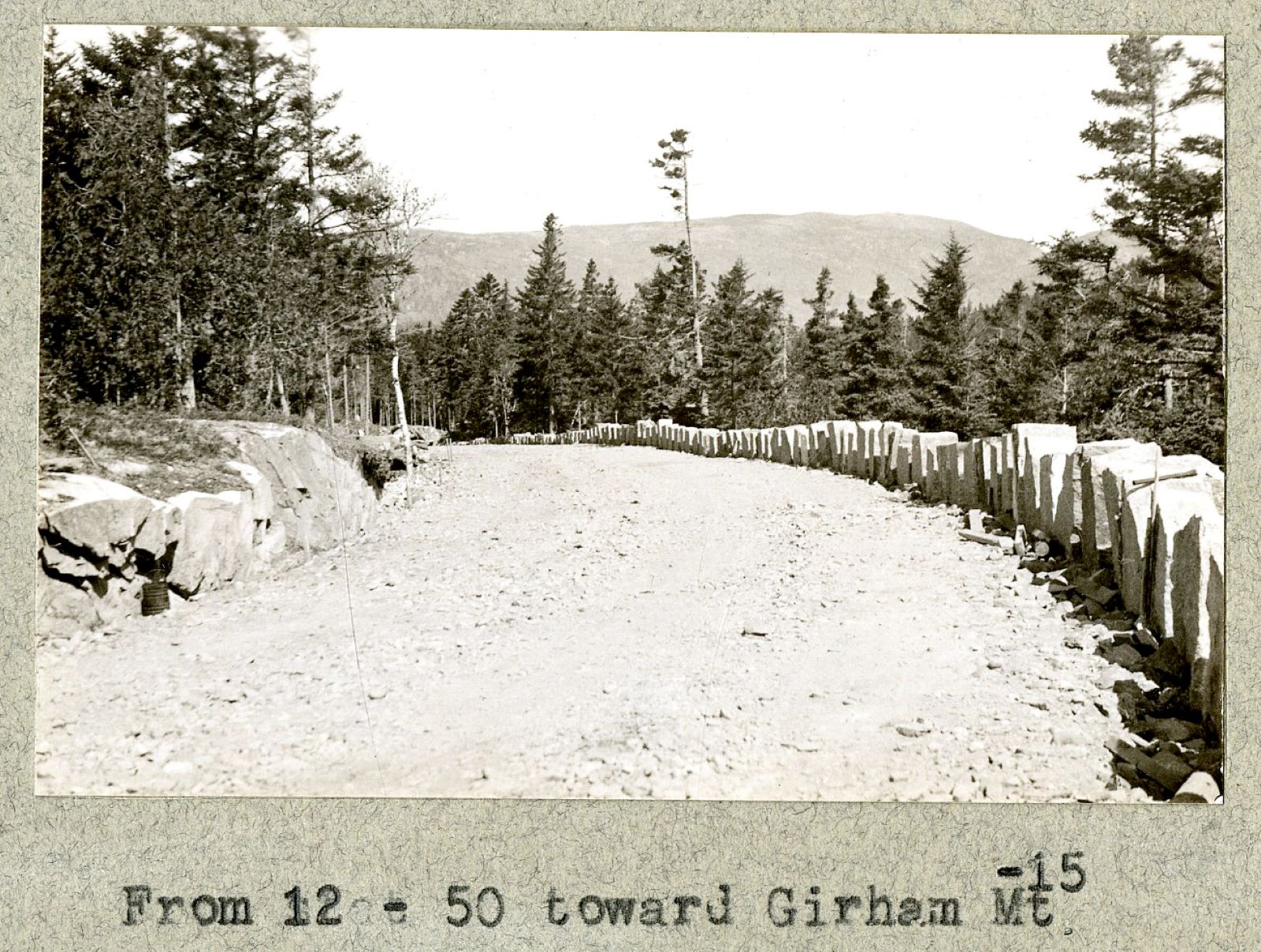
Acadia National Park: Carriage Roads, Cadillac Mountain & 2026 Guide
Discover carriage roads, Cadillac Mountain, and rugged Maine coast. Complete 2026 guide to Acadia National Park — trails, fees, lodging, permits, and what rangers recommend.
Hiking Guide
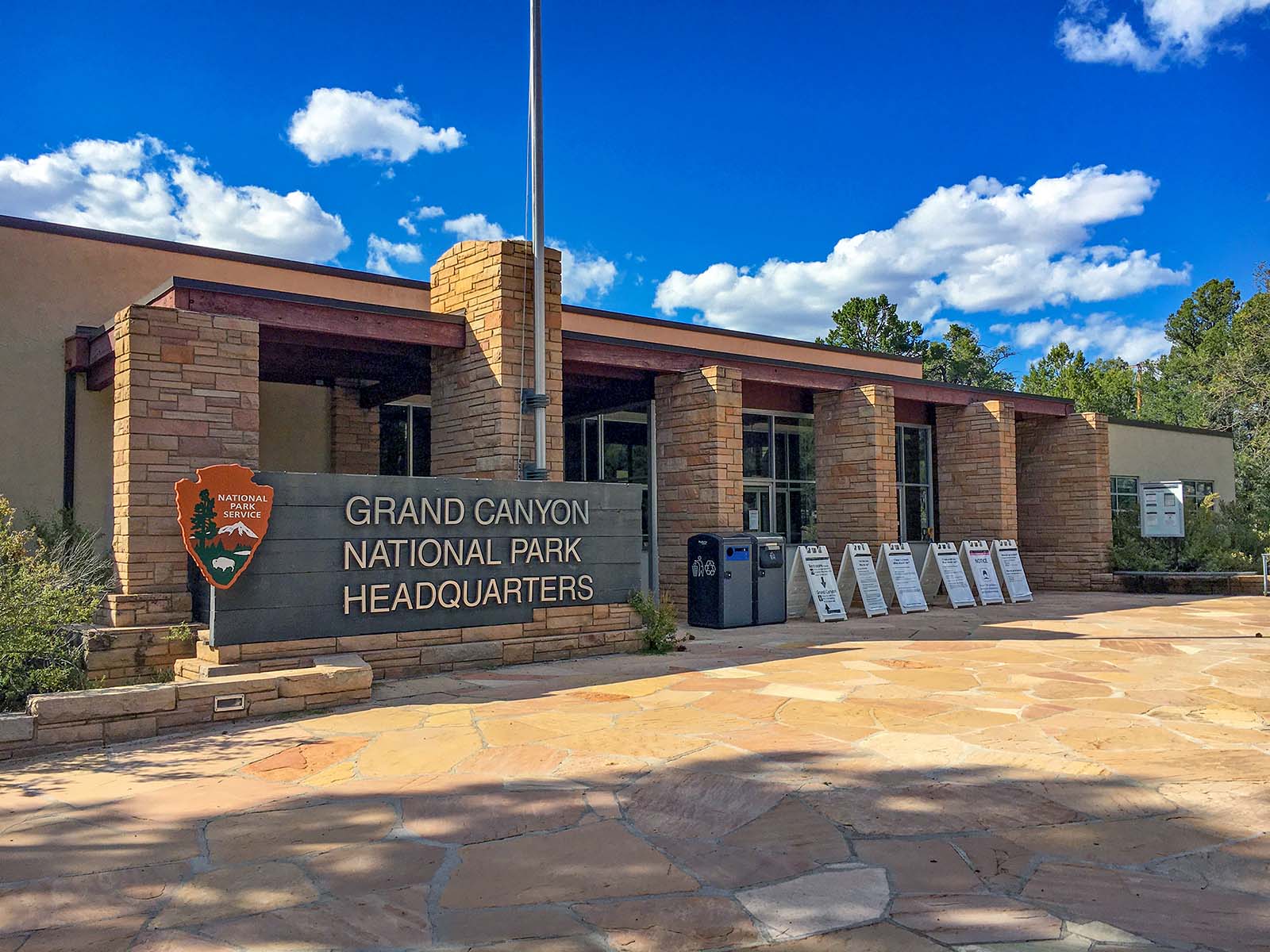
Grand Canyon Hiking Trails: Day Hikes, Water Sources & Rim to Rim
Compare Grand Canyon hiking trails: Bright Angel, South Kaibab, Hermit, Grandview, and rim to rim, with distances, elevation, water stops, and trailhead access for each.
Best Of
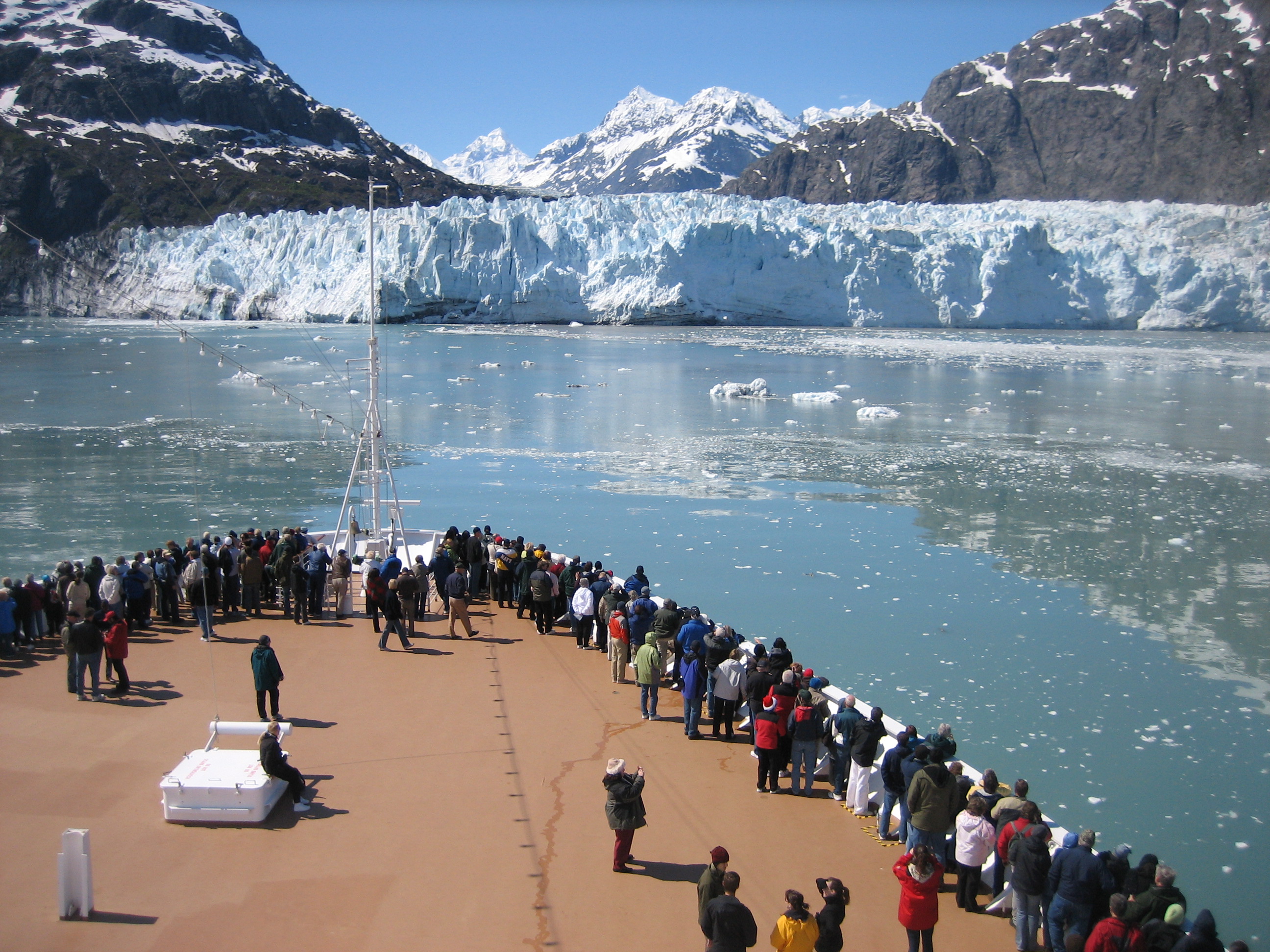
Best of Glacier Bay National Park
The best of Glacier Bay is reached by boat: ranger-led day tours up the bay to the tidewater glaciers. What's worth it, how to book, and when to go (2026).
Campsite Guide
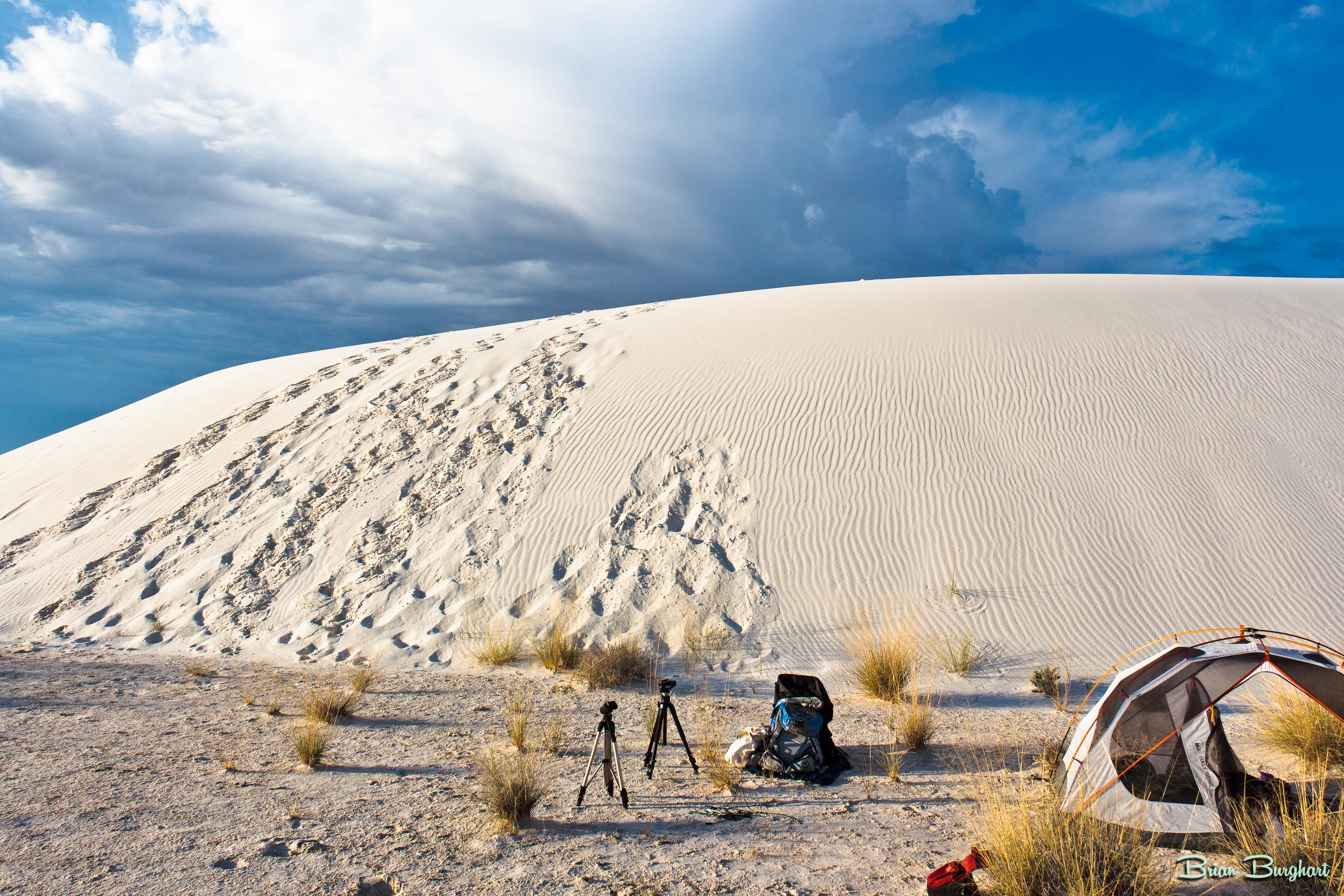
White Sands Backcountry Camping: Closed for 2026 — What to Know
As of 2026, backcountry camping at White Sands National Park is closed for site rehabilitation. What that means, and where to camp nearby instead.
Weather Guide
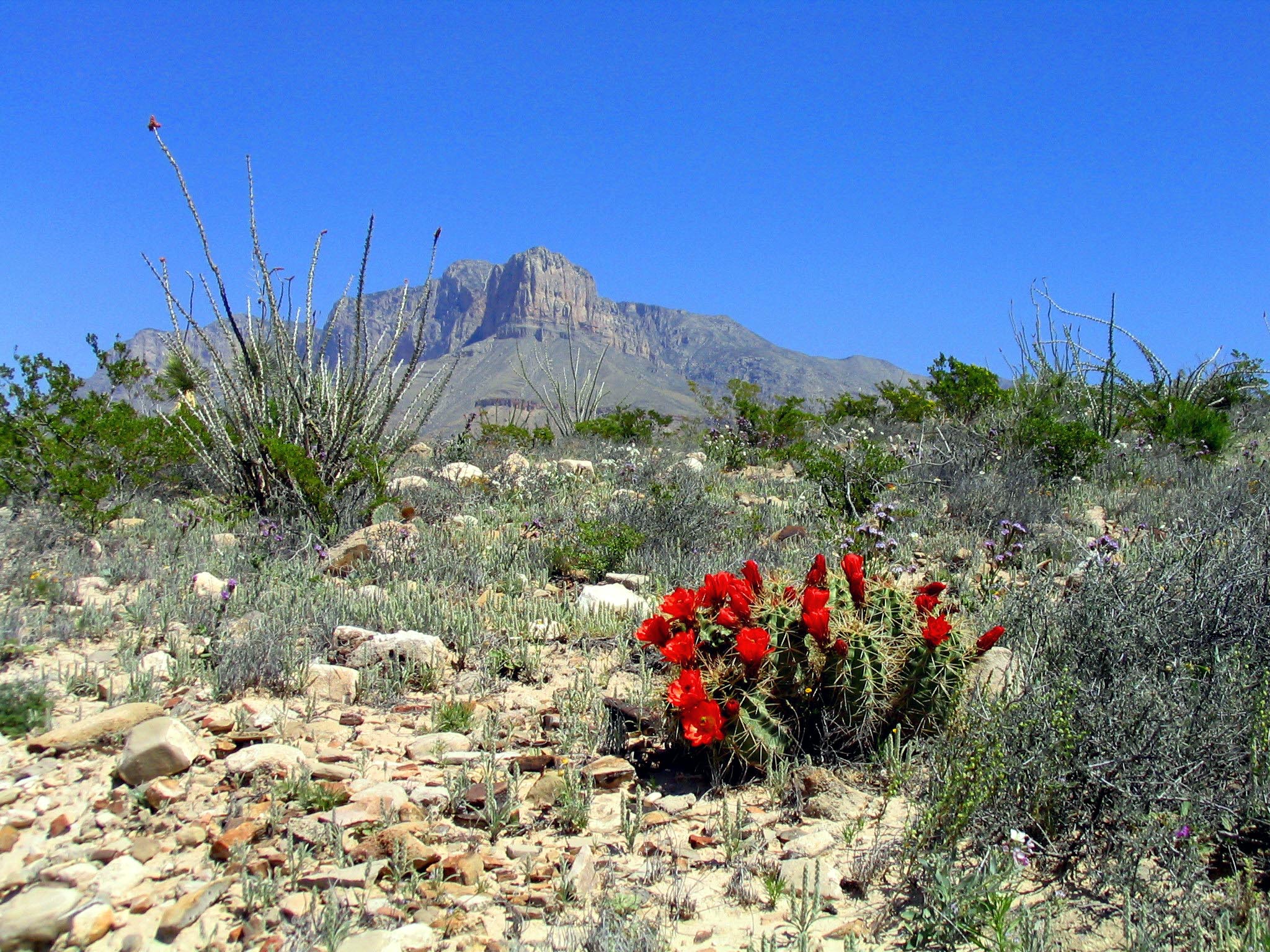
Guadalupe Mountains National Park Weather: Weather
Guadalupe Mountains National Park: weather guide guide updated 2026. Practical visitor information, reservations, and seasonal tips worth bookmarking before
Best Of
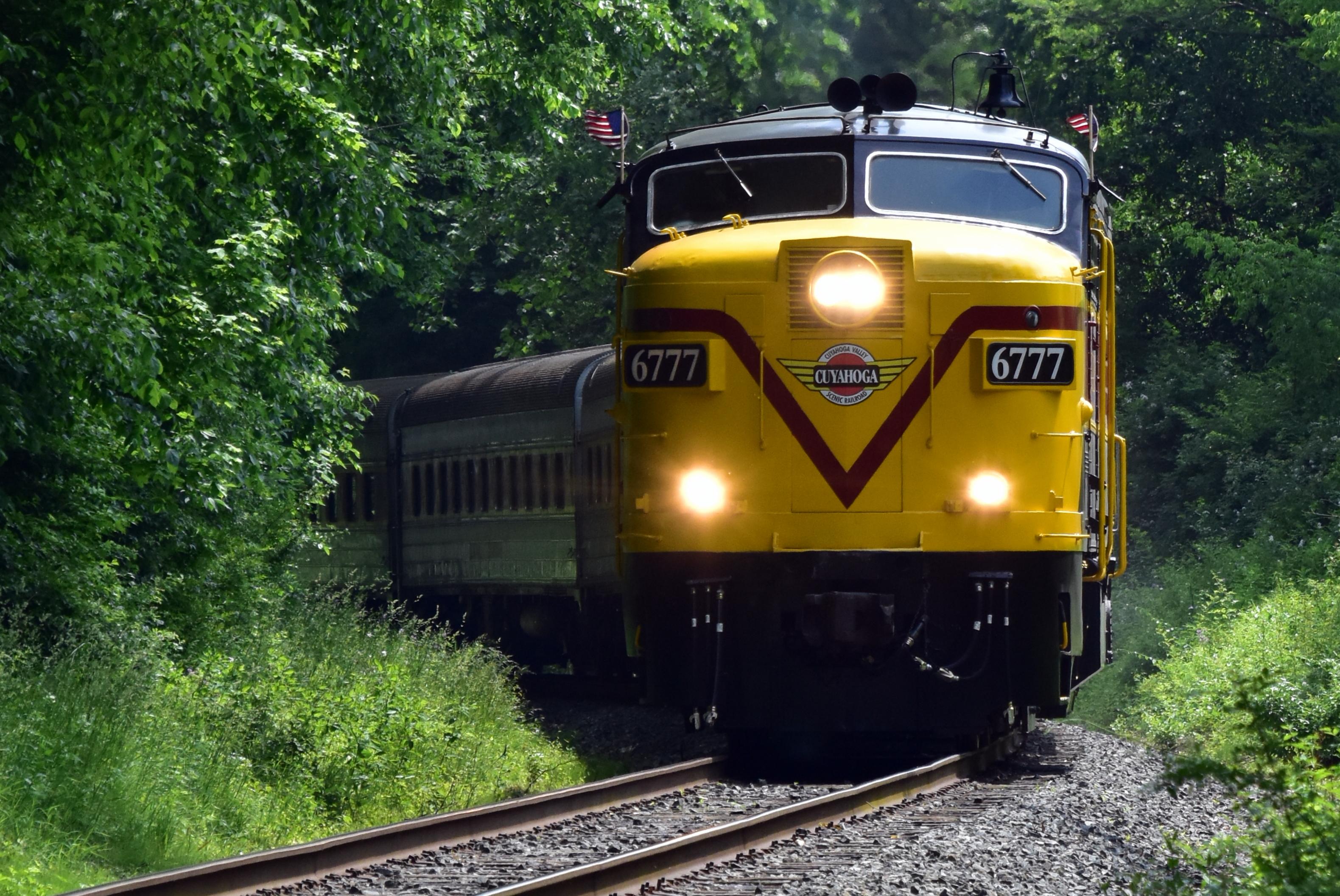
Best of Cuyahoga Valley National Park: Best Things to Do
Seeing a Cleveland Orchestra concert with the woods as your backdrop is a uniquely Cuyahoga Valley experience.
Sign in to join the conversation.
Sources & Attribution
Location data courtesy of the National Park Service (U.S. Department of the Interior). NPS data is public domain.
Images: NPS; NPS; NPS; NPS.
Map data © OpenStreetMap contributors.
Park operations alerts: NPS.gov · Weather and weather hazards: National Weather Service · Live conditions.
Information may change. Always verify fees, hours, and conditions directly with the official source before visiting.
Did this guide help? Share it with a friend.