Best of Haleakala National Park: Best Things To Do (2026)
Edoardo Colombo via Pexels
Haleakala National Park: Top Experiences Ranked by Rangers
9 min read
Best Of
Complete guide to haleakala national park best things to do. Everything you need to know, updated for 2026.
This article contains affiliate links — we may earn a small commission at no extra cost to you.
Visitors often ask me for the single best Haleakala experience. That depends on your tolerance for crowds and your commitment to leaving the pavement. For most, the definitive sequence is watching sunrise from the summit, then descending into the crater on foot. This guide prioritizes the experiences with the highest return on effort, helping you navigate a park that spans from sea level to over 10,000 feet. For a complete breakdown of logistics, see our complete visitor guide.
If You Only Have One Day
Arrive at the summit parking lot at least 45 minutes before official sunrise. This is non-negotiable. The parking situation here is notoriously tight, and rangers will close the road once the lot is full. You'll be at 9,740 feet in the dark; wear every layer you brought. The wind cuts through fleece like it's not there.
Watch the sunrise from the Pu'u'ula'ula (Red Hill) Summit observation area. Do not linger at the lower pull-offs. The full spectacle happens here. After the colors fade and the crowds thin - which happens quickly as people retreat to their cars - head directly to the Sliding Sands Trailhead at the Halemau'u parking area. Start your hike by 8:30 AM at the absolute latest.
Your goal is to hike down Sliding Sands for about 1.5 to 2 miles. This gets you below the rim and into the heart of the crater's colors and silence. The elevation gain is worth it, but it's the return trip. Turn around based on your energy, not distance. The climb back up is relentless, and the altitude hits people hard. Most visitors underestimate the combination of elevation, sun, and loose cinder. Be back at your car by noon.
Drive the winding road down to the Hosmer Grove area for a short, shaded walk among introduced trees and native birds - a stark contrast to the alpine desert above. End your day at the Kīpahulu District (the coastal section) if you have the stamina for the 2-hour drive. If not, the summit and crater provide a complete, if demanding, one-day immersion. The decision that derails most one-day visits is trying to cram in both summit and coast without accepting the substantial drive time between them. Pick one zone and explore it properly.

The Top Experiences, Ranked
#1 - Sunrise at the Summit & a Sliding Sands Descent: The Essential Altitude Adjustment
- Why it makes this list: This is the park's definitive sequence. The sunrise from above the clouds is remarkable, but the real reward comes from experiencing the crater's vast, quiet interior immediately after, when most visitors have departed.
- What it requires: A 3:00 AM wake-up call from most resort areas, a reservation (required for sunrise entry as of 2026), and the fitness for a 3-4 mile hike with 1,000+ feet of elevation gain at 10,000 feet.
- The single best tip: Pack a breakfast to eat in the crater. Find a quiet cinder cone to sit against, watch the light change on the peaks, and listen to the absolute silence. The gift shop sells water for $4 a bottle. Bring your own.
- What most visitors do wrong: They watch the sunrise, take photos, and drive away, missing the entire point. They also wear shorts and a t-shirt, then spend the entire sunrise shivering uncontrollably.
- Link: For detailed route planning, see our guide to the park's hiking trails.
#2 - The Pipiwai Trail to Waimoku Falls: A Waterfall Through a Bamboo Forest
- Why it makes this list: This 4-mile round-trip hike in the Kīpahulu District stands as one of Maui's finest trails. It delivers massive banyan trees, a dense bamboo grove that clatters in the wind, and a 400-foot waterfall finale—all in a manageable hike.
- What it requires: A separate drive to the park's coastal section (no road connects it to the summit). The trail is muddy, involves stream crossings, and gains 650 feet. Allow 2.5-3 hours.
- The single best tip: Start this hike early or late. Midday crowds on the narrow boardwalk through the bamboo create a conga line that ruins the atmosphere. Early morning is your best bet for solitude and the best light on the falls.
- What most visitors do wrong: They only visit the Seven Sacred Pools (Ohe'o Gulch) at the trailhead and skip the hike, missing the trail's best features. They also wear flip-flops and regret it immediately.
#3 - Stargazing from the Summit: When the Real Show Begins
- Why it makes this list: Haleakala is one of the premier night-sky observation sites on the planet. The air is dry, the light pollution minimal, and the horizon feels infinite. Rangers offer nightly programs (weather permitting) that are profoundly informative.
- What it requires: A second trip up the mountain after dark (or a very long day). Extreme warmth - temperatures drop below freezing with wind chill. A red-light headlamp to preserve night vision.
- The single best tip: Attend a ranger-led program first to get oriented, then find your own spot away from the crowd to simply lie back and look up. The park's camping options include wilderness cabins in the crater for the truly committed.
- What most visitors do wrong: They come up for sunset, stay for 20 minutes of stargazing, and get too cold to enjoy it. They also use white flashlights or phone screens, destroying their own and others' night vision.
#4 - The Halemau'u Trail to the Crater Floor: A Different Perspective
- Why it makes this list: This trail offers the most dramatic entrance into the crater, descending a series of switchbacks down a sheer cliff face. The view from the trailhead down into the crater is worth the drive alone, even if you don't hike.
- What it requires: A 3.7-mile one-way hike to the crater floor (7.4 miles round-trip) with 1,400 feet of elevation loss (and gain on the return). It's often combined as a point-to-point hike with Sliding Sands.
- The single best tip: Hike down just the first mile to the first major switchback overlook. You'll get the cliffside experience and phenomenal photos without the full commitment. The trail narrows here, with significant exposure.
- What most visitors do wrong: They start too late and get caught in afternoon clouds that roll in and completely obscure the views they came for.
#5 - Hosmer Grove & the Supply Trail: A Birdwatcher's Quick Fix
- Why it makes this list: This easy, 0.6-mile loop near the summit entrance station is a biodiversity lesson. You walk from a grove of introduced fir and cedar into native shrubland, often accompanied by the songs of endemic birds like the 'apapane and 'i'iwi.
- What it requires: 30-45 minutes and a pair of binoculars. It's the perfect acclimatization stop on your way up or down.
- The single best tip: Go at dawn. The birds are most active, and the light through the strange, mixed forest is exceptional. It's also reliably empty.
- What most visitors do wrong: They blow right past it on their way to the summit, missing an easy, rewarding stop that provides context for the island's ecological story.
#6 - Driving the Summit Road at Sunset (Without the Sunrise Crowds)
- Why it makes this list: Sunset offers similar panoramic colors without the reservation hassle or 3 AM alarm. The west-facing views over the Central Valley and the West Maui Mountains are different but equally compelling.
- What it requires: A willingness to drive down the winding road in the dark. Headlights are mandatory. Arrive at the summit at least an hour before sunset to secure parking and wander.
- The single best tip: After sunset, don't rush off. Wait for the afterglow and the first stars. Then drive down to the Leleiwi or Kalahaku overlooks, which are lower and often above the cloud layer, for a different perspective.
- What most visitors do wrong: They leave the second the sun dips below the horizon, creating a traffic jam and missing the evolving colors.
#7 - The Kaupo Trail (for the Committed): Out the Back Door
- Why it makes this list: This is the park's least-used wilderness exit, a rugged 8-mile trail that descends nearly 6,000 feet from the crater rim to the remote Kaupo Gap and the island's south coast. It's for experienced hikers seeking absolute solitude.
- What it requires: A full day, expert-level navigation skills, pre-arranged transportation at both ends, and a high tolerance for overgrown, rocky terrain. It's a serious undertaking.
- The single best tip: Do this as an overnight with a crater cabin reservation, breaking the descent into two days. Never attempt it without checking current trail conditions with a backcountry ranger.
- What most visitors do wrong: They underestimate it completely. This is not a casual hike. It's a wilderness route that demands respect and preparation.

What Most People Miss
The Science City Viewpoint: Just past the summit, a small pull-off offers a look at the white domes of the Haleakala Observatories. The view here isn't about nature - it's about the stark, otherworldly contrast of advanced science plopped on a volcanic moonscape. It's quietly fascinating.
The Leleiwi Overlook at Midday: Everyone wants this spot at sunrise or sunset for the "Shadow of the Volcano" phenomenon. But around 11 AM, when the clouds are often just below the rim, you get a surreal, silent sea of white stretching to the horizon. It feels like you're on the only island in the world.
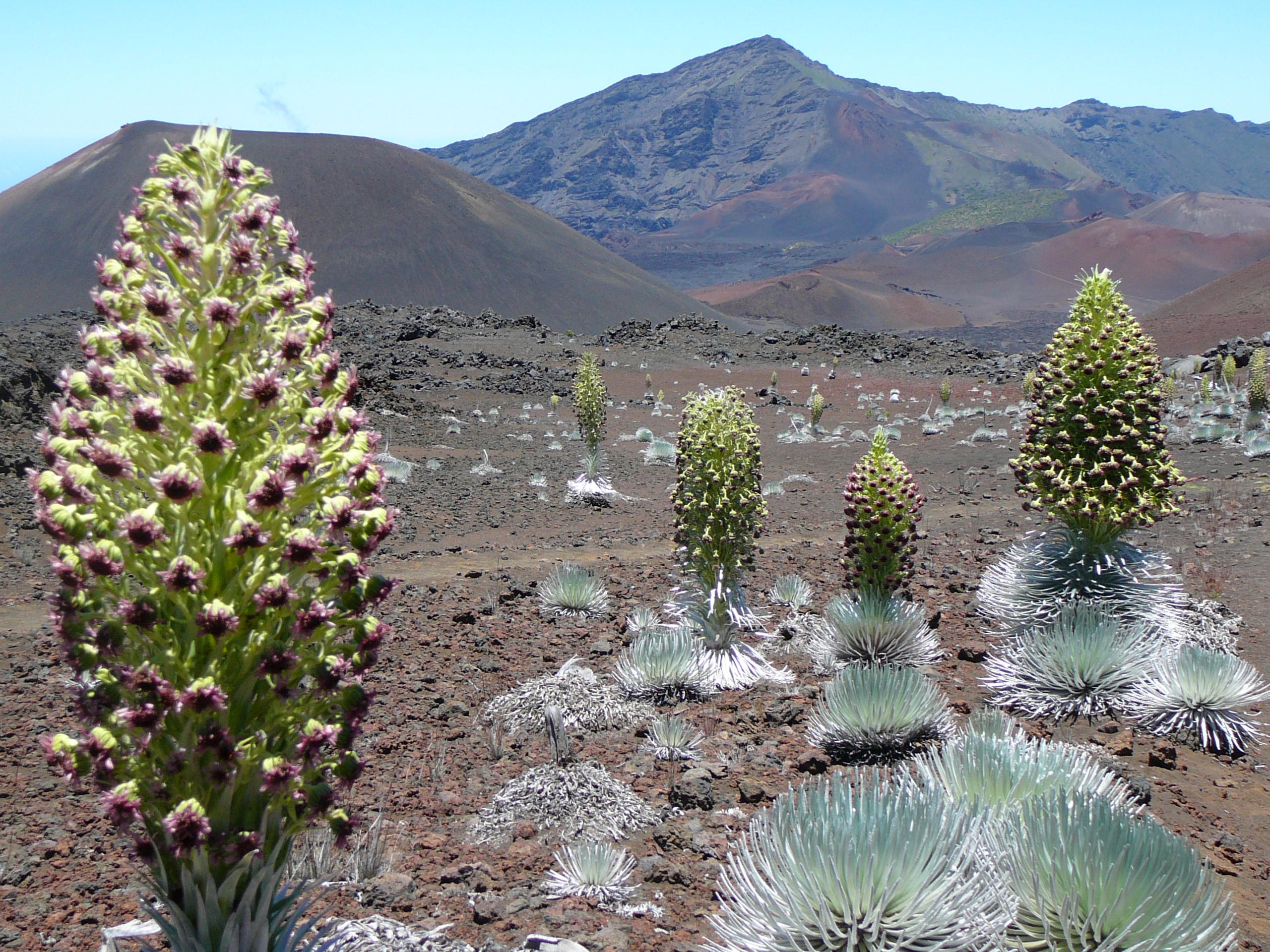
The Silversword Loop: A short walk near the summit visitor center. Most people glance at the silversword plants from the parking lot. Walking the loop lets you see them in their lifecycle - from spiky green balls to towering, flowering stalks that can reach six feet tall. They grow nowhere else on Earth.
The Ridgetop Between Sliding Sands and Halemau'u: If you have the legs for a longer crater hike, the trail connecting these two trails across the crater floor is where you find true solitude. The colors of the cinder - rust red, sulfur yellow, charcoal black - are most intense here, and the scale of the place finally sinks in.

What's Overrated (and Better Alternatives)
The Summit Visitor Center at Sunrise: It's packed, windy, and the view is partially obstructed compared to the actual summit observation area a few minutes up the road. People cluster here because it's the first big parking lot they see. Better Alternative: Drive the extra five minutes to Pu'u'ula'ula (Red Hill) Summit. The 360-degree view is superior.
The "Seven Sacred Pools" Swim: The pools at Ohe'o Gulch are, but swimming in them is frequently prohibited due to hazardous flash flood conditions. The risk is real and serious. Crowds gather hoping for a dip that rarely happens. Better Alternative: The reward of the Pipiwai Trail above the pools. The hike provides the water-based wonder safely, culminating at the base of towering Waimoku Falls.
Trying to "Do Both Sections" in a Half-Day: Many itineraries suggest hitting the summit at dawn and the coast by noon. This turns your visit into a stressful marathon of driving on winding roads. You'll spend more time in the car than present in either place. Better Alternative: Commit to one district. If you choose the summit, add a crater hike. If you choose the coast, do the full Pipiwai Trail and explore the pools. Depth beats breadth here every time. For planning around weather, our guide on the best time to visit can help.

Practical Takeaways
- Sunrise requires a reservation. As of 2026, you must book a $1 vehicle reservation online in advance for entry between 3:00 AM and 7:00 AM. Your park entrance fee is separate.
- The summit and the coast are two separate worlds. They are connected by a 2-2.5 hour drive on Highway 31, which is not a park road. There is no direct road over the mountain. Plan accordingly.
- Pack for all four seasons in one day. Summit temperatures range from 30°F to 50°F at sunrise. The Kīpahulu coast is humid and 80°F. You need layers, a windproof jacket, a hat, and sunscreen.
- Altitude sickness is common. Headaches, dizziness, and nausea affect many visitors at 10,000 feet. Hydrate aggressively the day before, avoid alcohol, and ascend slowly if possible. Listen to your body.
- Cell service drops out at the park entrance and is nonexistent in the crater and most of the Kīpahulu area. Download maps, trail info, and your reservation barcode beforehand.
- Fuel up in advance. There are no gas stations within the park or on the long, remote road to the Kīpahulu District. The last reliable stations are in Pukalani (for the summit) and Hana (for the coast).
- Check the weather, but trust the ranger. Mountain weather changes by the hour. The forecast for the coast means nothing for the summit. Stop at the visitor center for the latest on trail conditions, closures, and cloud cover.
Recommended Gear
What experienced visitors bring to Haleakala National Park: Top Experiences Ranked by Rangers
Links may earn us a commission at no extra cost to you. We only recommend gear we believe in.
Hiking Essentials
Hydration Pack (3L)
Hands-free water for long trail days
Trekking Poles (Pair)
Save your knees on steep descents
Hiking Boots (Ankle Support)
Sturdy footwear for rocky, uneven trails
Sun & Heat Protection
Wide-Brim Sun Hat
Full coverage UPF 50+ protection at altitude
Insulated Water Bottle (32oz)
Keeps water cold in desert heat all day
Winter Gear
Microspikes / Traction Devices
Essential for icy rim trails in winter months
Packable Down Jacket
Lightweight warmth that stuffs into a pocket
Sources
- Official source: NPS — Haleakala National Park nps.gov/hale/index.htm
- Official booking/facility record recreation.gov/timed-entry/10085943
Photo Gallery
More to Explore
Park Guide
Acadia National Park: Carriage Roads, Cadillac Mountain & 2026 Guide
Discover carriage roads, Cadillac Mountain, and rugged Maine coast. Complete 2026 guide to Acadia National Park — trails, fees, lodging, permits, and what rangers recommend.
Hiking Guide
Grand Canyon Hiking Trails: Day Hikes, Water Sources & Rim to Rim
Compare Grand Canyon hiking trails: Bright Angel, South Kaibab, Hermit, Grandview, and rim to rim, with distances, elevation, water stops, and trailhead access for each.
Best Of
Best of Glacier Bay National Park
The best of Glacier Bay is reached by boat: ranger-led day tours up the bay to the tidewater glaciers. What's worth it, how to book, and when to go (2026).
Campsite Guide
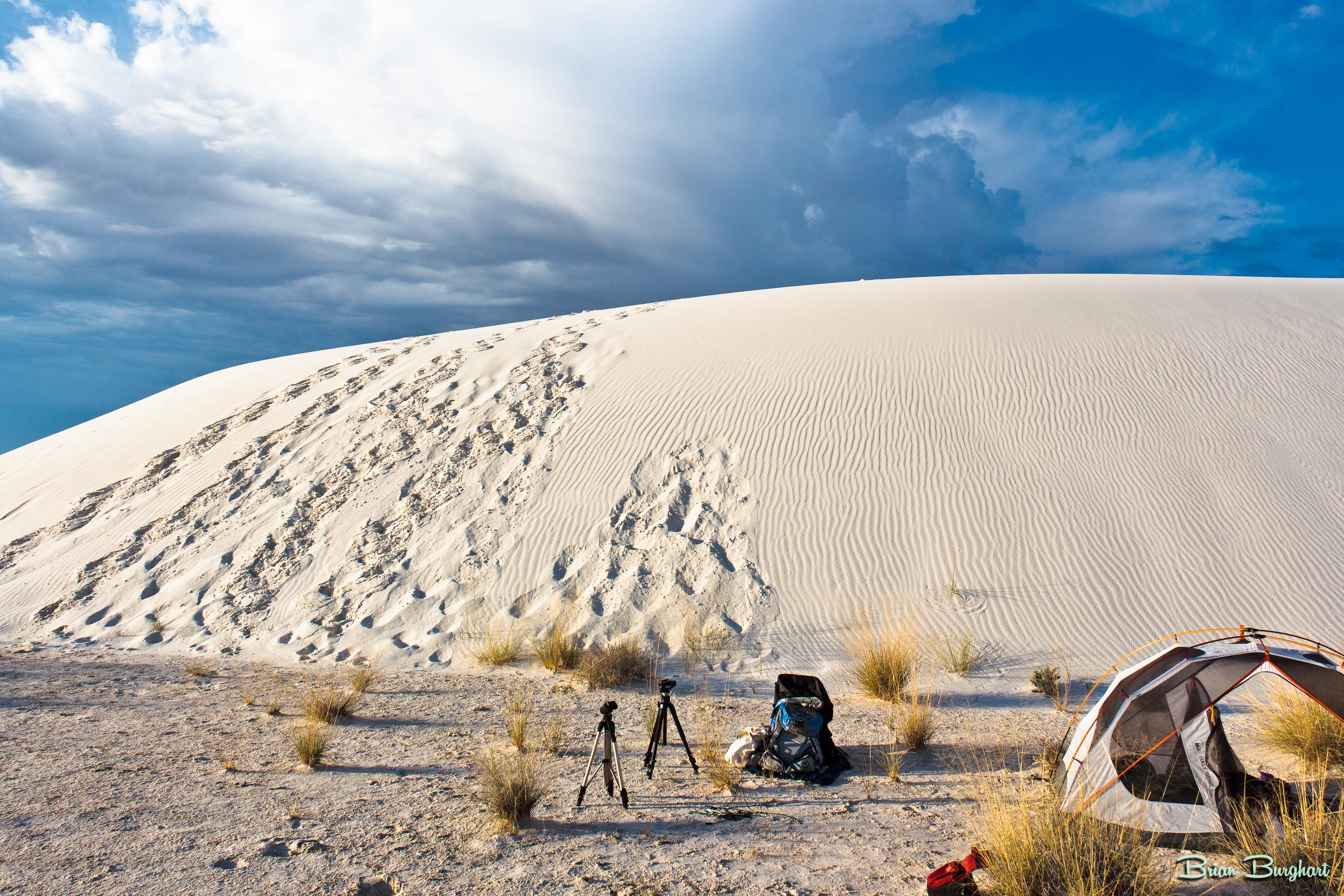
White Sands Backcountry Camping: Closed for 2026 — What to Know
As of 2026, backcountry camping at White Sands National Park is closed for site rehabilitation. What that means, and where to camp nearby instead.
Weather Guide
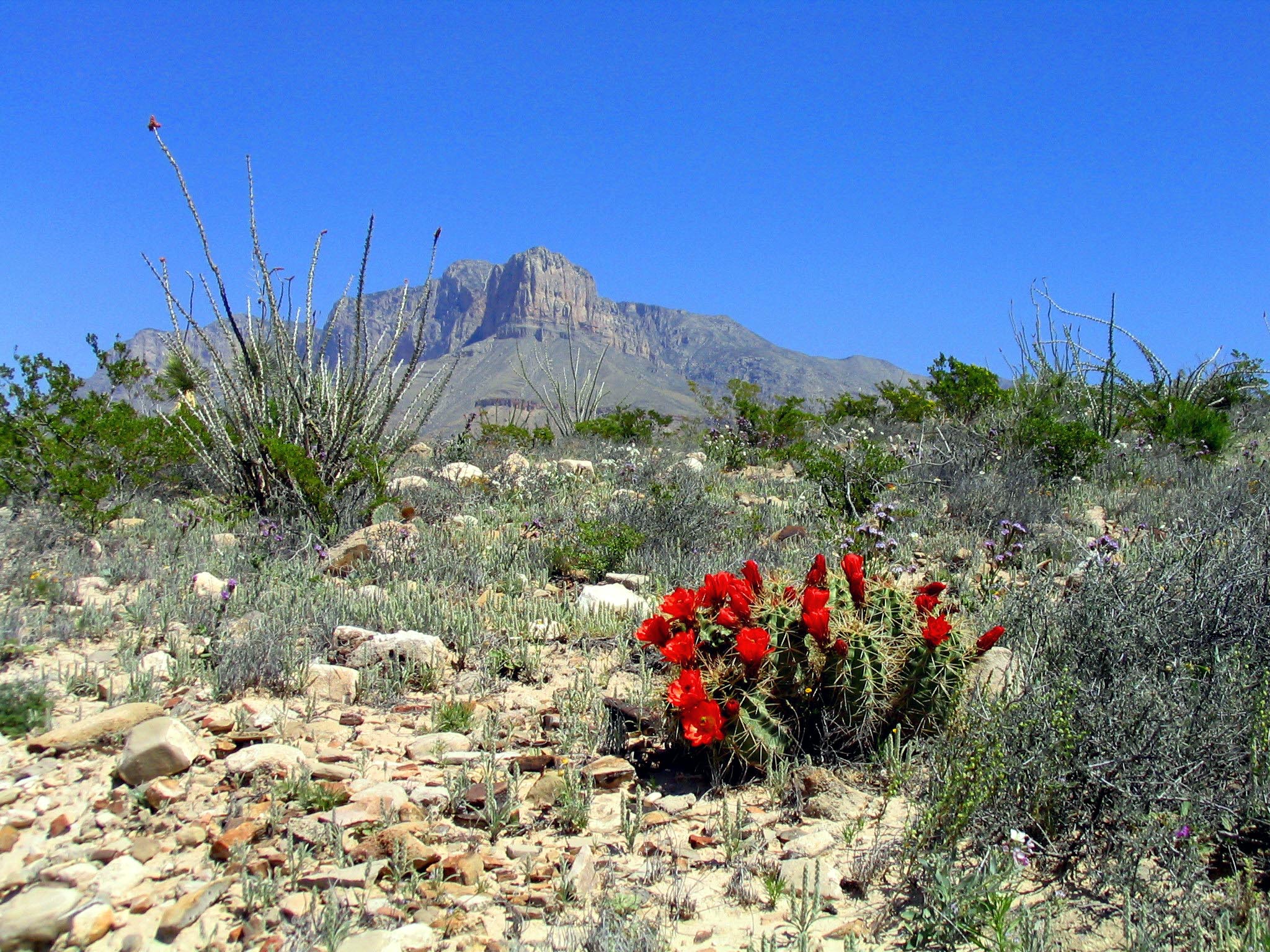
Guadalupe Mountains National Park Weather: Weather
Guadalupe Mountains National Park: weather guide guide updated 2026. Practical visitor information, reservations, and seasonal tips worth bookmarking before

Best Of
Best of Cuyahoga Valley National Park: Best Things to Do
Seeing a Cleveland Orchestra concert with the woods as your backdrop is a uniquely Cuyahoga Valley experience.
Sign in to join the conversation.
Sources & Attribution
Location data courtesy of the National Park Service (U.S. Department of the Interior). NPS data is public domain.
Images: Photo by Edoardo Colombo on Pexels; Photo by Daniel Erlandson on Pexels; Photo by James Wheeler on Pexels; Photo by Satty Singh on Pexels; Photo by Aidan McCants on Pexels. Stock photos from Pexels / Unsplash license; links above point to each photo where available.
Map data © OpenStreetMap contributors.
Park operations alerts: NPS.gov · Weather and weather hazards: National Weather Service · Live conditions.
Information may change. Always verify fees, hours, and conditions directly with the official source before visiting.
Did this guide help? Share it with a friend.