The air smells of sulfur and damp earth. Underfoot, the ground is warm, a reminder that you are standing on the summit of one of the most active volcanoes on the planet. Hawaii Volcanoes National Park isn't a static landscape of old rock; it's a living, breathing, and occasionally erupting landmass. This park protects the summits of Kīlauea and Mauna Loa, two volcanoes that have shaped the entire island. Your visit here is a negotiation with a powerful, unpredictable force. This guide covers what you need to know to navigate that negotiation safely and effectively - from current eruption alerts to the practical realities of visiting a park that is open 24 hours a day but can change its conditions in an instant.
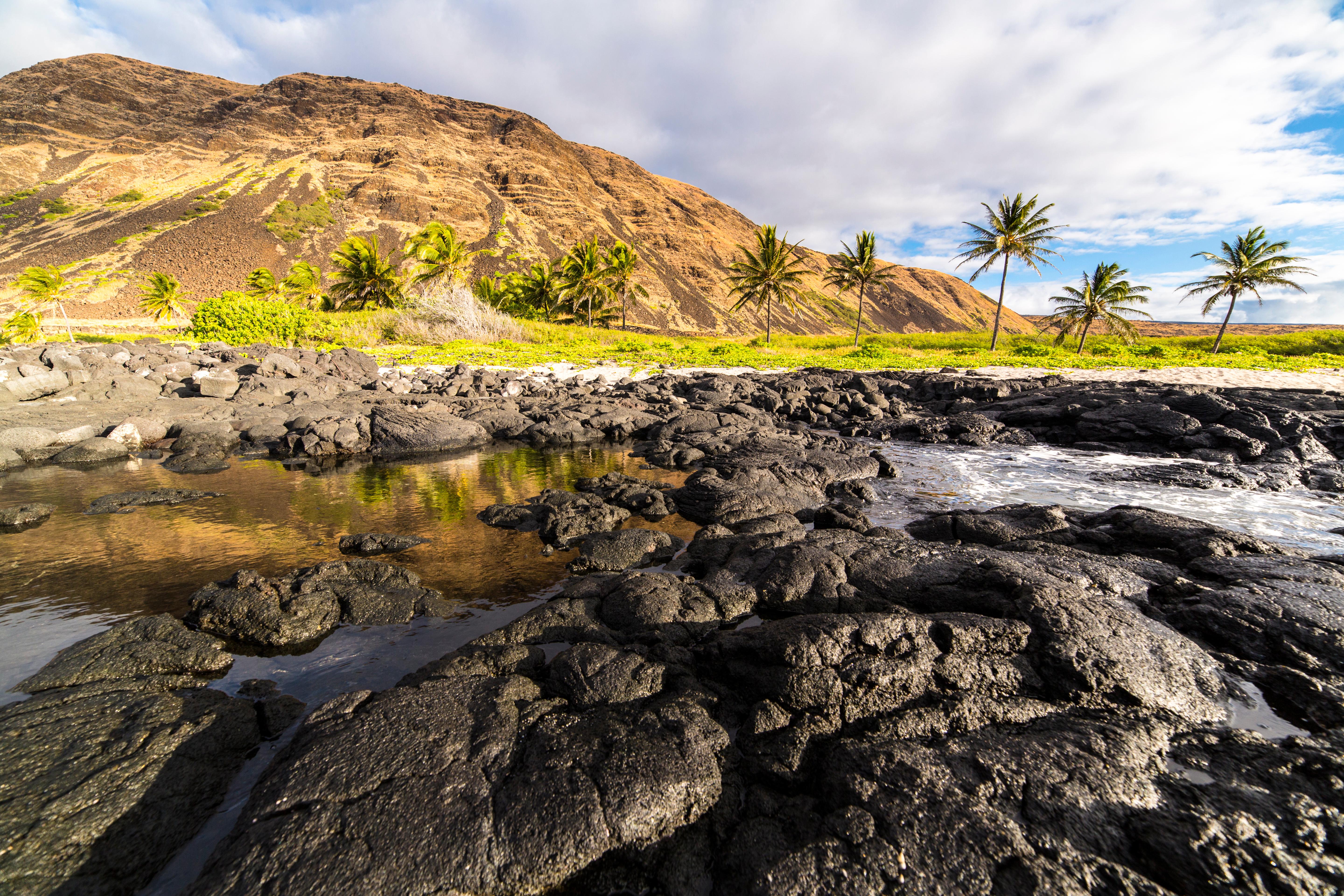
Courtesy of J. Frank via NPS.gov (Public Domain)
Hawaii Volcanoes National Park: Active Lava & Volcanic Landscapes - 2026 Guide
8 min read
Park Guide
Explore Hawaii Volcanoes National Park with tips on Kilauea's episodic eruptions, Chain of Craters Road closures, and 24-hour access.
Your plans
This article contains affiliate links — we may earn a small commission at no extra cost to you.
At a glance
Entrance Fee
Private vehicle $30 · Motorcycle $25 · Per person $15Full fee schedule
Hours
Hawai‘i Volcanoes National Park is open 7 days a week, 24 hours a day including holidays.
Address
1 Crater Rim Drive, Hawaii National Park, HI, 96718
Website
19.3355, -155.4700
Google MapsNavigating a Dynamic Park: Current Conditions & Alerts
Your experience at Hawaii Volcanoes National Park is dictated by the volcanoes themselves. In 2026, the park manages the aftermath of recent activity while remaining open to visitors. This demands a specific approach: verify conditions before arrival and remain flexible with your plans.
Understanding the Active Alerts
Five active alerts were posted by the park service in March 2026, and they tell the story of a dynamic environment. The first is a park closure notice stating that while some sections have reopened at the Kīlauea summit and along Chain of Craters Road, work continues to clear and repair other areas impacted by storm damage and the recent eruption. This means some trails or overlooks you read about may be inaccessible. Always check the official website for the latest closure map before you finalize your itinerary.
The most critical alert concerns volcanic activity. It states that Kīlauea's eruptions are episodic, with pauses lasting days or more, and an eruption can be as short as a few hours. Rangers will tell you that assuming the volcano is quiet because it was yesterday is a common and potentially dangerous mistake. Your first stop each morning should be the USGS volcano update page and the park's live webcams.
Other alerts are more mundane but no less important. There's a caution about possible measles exposure from a specific date - a reminder that you're in a shared public space. Another warns against handling volcanic tephra, the ash and glassy strands called Pele's hair that can irritate skin and lungs. And a final note warns of aggressive yellowjacket wasps; if threatened, you walk away calmly. Do not swat.
The 24-Hour Access Reality
The park maintains 24-hour access, offering unique opportunities like summit stargazing or observing eruption glow after dark. However, "open" doesn't imply all facilities operate continuously. The Kīlauea Visitor Center and park museums follow posted hours. The Kahuku Unit, a separate section with distinct landscapes, opens Thursday through Sunday from 8 a.m. to 4 p.m. For night visits, come prepared: carry a reliable flashlight or headlamp, anticipate a 12 to 15-degree temperature drop from coastal levels, and have a clear route planned. Parking at popular sunset locations like Uēkahuna reaches capacity rapidly.

Practicalities: Fees, Getting There, and Weather Layers
Prioritize practical information to effectively plan your visit.
Entrance Fees and Passes
As of 2026, the entrance fee for a private vehicle is $30, valid for seven days. A motorcycle pass is $25, and if you're arriving on foot, bicycle, or as a drop-off, the per-person fee is $15. Commercial tour fees scale with vehicle size. Your America the Beautiful National Parks Pass covers the vehicle fee. Purchase passes at the entrance station on Highway 11. Keep your receipt; it's your pass for re-entry.
The Drive and Where to Base Yourself
The park is on the Island of Hawai'i. Drive times are real considerations. From Hilo, it's a 30-mile, 45-minute drive southwest on Highway 11. From the resort areas of Kailua-Kona, it's 96 miles and at least two hours on the same road. The longer route through Waimea and Hilo takes closer to three hours. There is no public transportation that provides meaningful access to the park. This means you need a rental car, a tour booking, or a very determined hitchhiking plan.
Most visitors stay in Hilo (closer, wetter, more local vibe) or the Kona coast (farther, drier, more resorts). There are limited lodging and accommodations within the park itself, and they book up far in advance. Your choice of base affects your entire daily strategy.
The Two-Climate Rule
Most visitors underestimate the dramatic climate shift within the park. You will experience at least two different weather zones, often in the same day. At the Kīlauea summit (around 4,000 feet), the weather is volatile. It can be rainy, windy, and chilly - any day of the year. Temperatures here are routinely 12-15 degrees Fahrenheit cooler than at sea level. You need a rain jacket and a warm layer, even if you left your hotel in shorts.
Conversely, when you drive down Chain of Craters Road to the coast, you descend into a hot, dry, and often windy environment. The sun is intense. The black lava rock radiates heat. A passing shower might roll through, but the baseline is arid. You need sun protection, significantly more water, and different footwear for the rough, sharp terrain. Dressing in layers isn't a suggestion; it's the only way to be comfortable. For a detailed breakdown, see our guide on the best time to visit.

Experiencing the Landscapes: Summit, Coast, and Backcountry
The park divides neatly into three experiential zones: the Kīlauea summit area, the coastal descent along Chain of Craters Road, and the remote Kahuku Unit. Each requires a different approach.
The Kīlauea Summit: Steam, Sulfur, and Possible Lava
This is the heart of the visit for most. Start at the Kīlauea Visitor Center for orientation, trail maps, and the latest ranger advice. From here, you can walk a section of the Crater Rim Trail, feeling the warmth from steam vents at Kūkamāhuākea and smelling the sharp sulfur. The trail narrows here in places due to past volcanic activity.
The drive to Uēkahuna (formerly the Jaggar Museum site) offers the primary overlook into Halemaʻumaʻu crater. This is where you look for active lava. On a quiet day, you see a vast, multi-colored crater floor. During an eruption, you might see a lava lake churning below. At night, any activity creates an otherworldly glow on the clouds of volcanic gas. Cell service drops out at this parking lot, so take notes or photos of any information signs when you have signal.
Chain of Craters Road: A Drive Through Time
This 19-mile road descends 3,700 feet to the sea. It's not just a transportation route; it's a geological timeline. You drive past pit craters, lava tree molds, and flows of different ages and textures. Allow at least two hours for a one-way trip with stops. The road ends where a massive lava flow crossed it in 2003. From the parking area, you can hike out across the sun-baked, ropey pāhoehoe lava to the coast. The hike to the Holei Sea Arch is about 1.5 miles roundtrip. It's exposed, hot, and windy. Pack extra water for this stretch.
This is also the access point for more advanced adventures, like the 10-mile roundtrip hike to the Puʻu Loa petroglyph field or the grueling 18-mile roundtrip trek to the active lava entry point (when conditions allow). These are serious backcountry endeavors requiring permits, planning, and gallons of water.
The Kahuku Unit: A Different World
Often overlooked, the Kahuku Unit is located about an hour south of the main entrance. It offers a glimpse of the park's ranch history and older volcanic landscapes, including cinder cones and vast pastures. It feels entirely separate. It's only open four days a week (Thursday-Sunday, 8-4), has no fuel or services, and the hiking trails here are less trafficked. Go if you want solitude and a different perspective on the island's formation.

Safety, Culture, and Leaving No Trace
This is not a walk-in-the-woods park. The hazards are real and specific.
Volcanic and Terrain Safety
Follow all closure signs and barriers. They exist because the ground can be unstable, volcanic gases can concentrate in low areas, and lava flows are unpredictable. The volcanic rock is often sharp as glass (ʻaʻā lava) or deceptively brittle (pāhoehoe can have thin crusts over holes). Sturdy, closed-toe shoes are non-negotiable. A twisted ankle here is a major incident.
Respect the cultural landscape. This is a sacred place in Hawaiian culture. Stacking rocks (cairns), taking natural or cultural objects, or writing on rocks is not only illegal but deeply disrespectful. The park is an active archaeological site. You might see ancient trail markers or other cultural features; observe them from a distance.
Wildlife and Isolation
The park is home to unique species like the nēnē (Hawaiian goose), hawksbill sea turtles on the coast, and countless forest birds. For dedicated wildlife viewing, go slow and quiet. Your biggest animal concern, however, will be the aforementioned yellowjackets and the lack of immediate help. Rescue times can be long. Tell someone your plan, carry more water than you think you need, and have a basic first-aid kit. The gift shop sells water for $4 a bottle. Bring your own.

Practical Takeaways
- Check Eruption Status Daily: Before you drive, consult the USGS Hawaiian Volcano Observatory website and the park's webcams. Volcanic activity dictates what you can see and where you can go.
- Pack for Two Climates: Your daypack must include a rain jacket/warm layer for the summit and sun protection/extra water for the coast. Sturdy hiking shoes are mandatory.
- Arrive Early or Late: The main summit parking lots fill by mid-morning. For solitude and easier parking, aim for arrival before 8 a.m. or consider a late-afternoon visit that extends into evening.
- Plan Around Drive Times: From Kona, you're committing to a 4-5 hour minimum roundtrip drive. From Hilo, it's more manageable. Base your lodging choice on this reality.
- Use Official Resources: Stop at the Kīlauea Visitor Center first. Grab the park newspaper, talk to a ranger, and use their updated trail maps. Don't rely solely on third-party apps.
- Consider a Guided Tour: For first-time visitors or those wanting deep context, tours and guided experiences can provide access and knowledge that's hard to get on your own.
- Know Your Limits: The backcountry here is serious. If you're considering overnight trips, research the camping options and permit requirements well in advance. The front-country campgrounds are first-come, first-served and fill quickly.
Final Thoughts
Hawaii Volcanoes National Park refuses to be a passive postcard. It demands your attention to the alerts posted at the gate, to the texture of the rock under your boots, and to the smell of the air. The common mistake is treating it like a scenic drive. It's not. It's an encounter with creation and destruction happening in real time. Some days, you get a quiet walk through a rainforest on the rim of a crater. Other days, you witness the raw power of the earth rewriting its own surface. Your job is to come prepared, move with respect, and understand that the park you visit today may be subtly, or dramatically, different by the time you leave.
Recommended Gear
What experienced visitors bring to Hawaii Volcanoes National Park: Active Lava & Volcanic Landscapes - 2026 Guide
Links may earn us a commission at no extra cost to you. We only recommend gear we believe in.
Hiking Essentials
Hydration Pack (3L)
Hands-free water for long trail days
Trekking Poles (Pair)
Save your knees on steep descents
Hiking Boots (Ankle Support)
Sturdy footwear for rocky, uneven trails
Sun & Heat Protection
Wide-Brim Sun Hat
Full coverage UPF 50+ protection at altitude
Insulated Water Bottle (32oz)
Keeps water cold in desert heat all day
Winter Gear
Microspikes / Traction Devices
Essential for icy rim trails in winter months
Packable Down Jacket
Lightweight warmth that stuffs into a pocket
Sources
- Official source: NPS — Hawaii Volcanoes National Park nps.gov/havo/index.htm
Explore More National Parks

Haleakala National Park: Maui's Sacred Crater & Sunrise - 2026 Guide
Discover Maui's sacred Haleakala crater and world-famous sunrise views. Complete 2026 guide to Halea...

Pinnacles National Park: Condors, Caves & Volcanic Spires - 2026 Guide
Discover California condors, talus caves, and volcanic spire formations. Complete 2026 guide to Pinn...

Redwood National Park: Walking Among Earth's Tallest Trees - 2026 Guide
The Tall Trees Grove - home to the tallest measured trees on Earth - is here but requires a free per...

Coastal Trail: Complete 2026 Travel Guide & Visitor Information
There is no entrance fee to access the Coastal Trail or the tidepool parking lots. The park's tidepo...
Photo Gallery
More to Explore
Park Guide
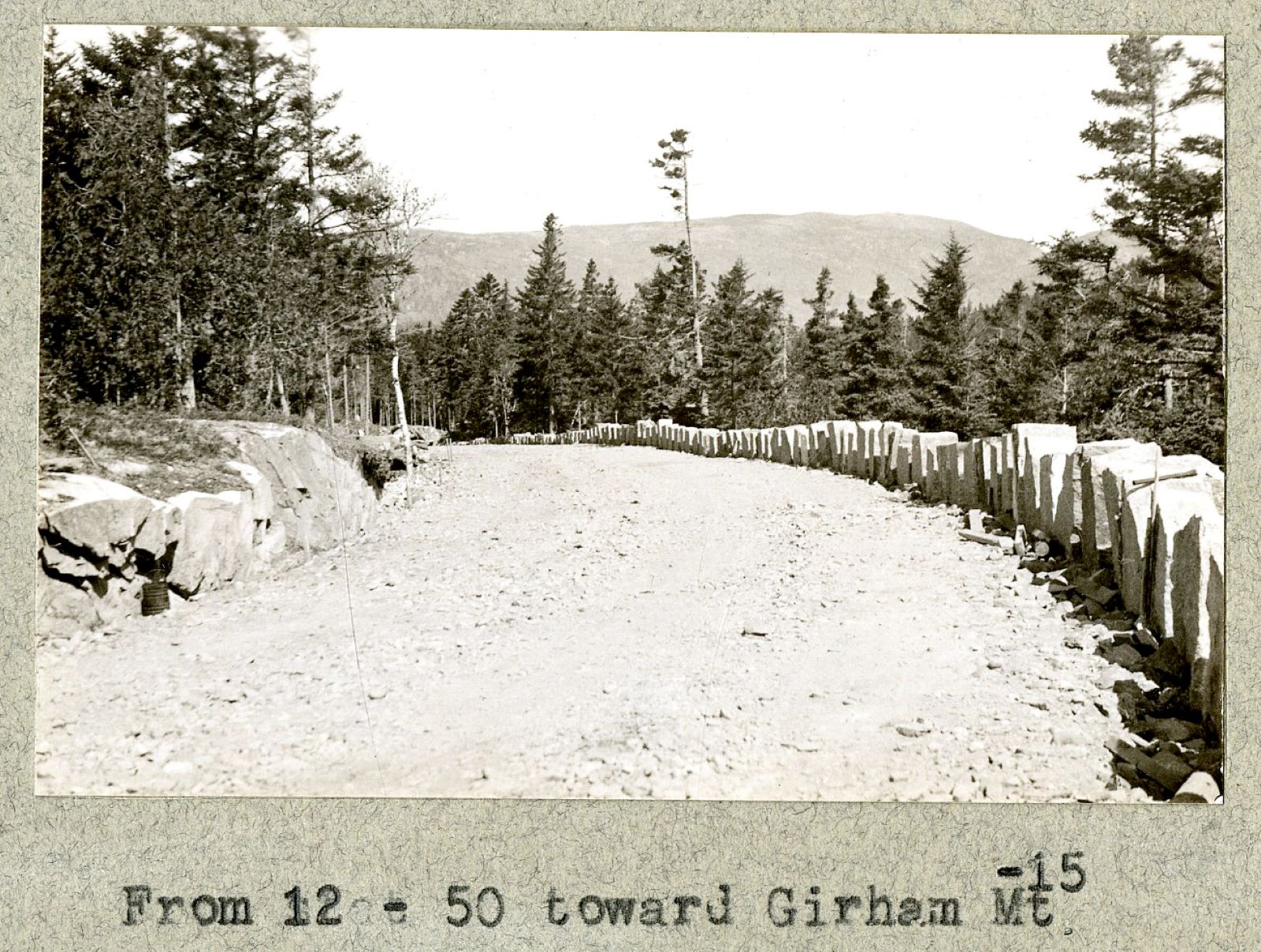
Acadia National Park: Carriage Roads, Cadillac Mountain & 2026 Guide
Discover carriage roads, Cadillac Mountain, and rugged Maine coast. Complete 2026 guide to Acadia National Park — trails, fees, lodging, permits, and what rangers recommend.
Hiking Guide
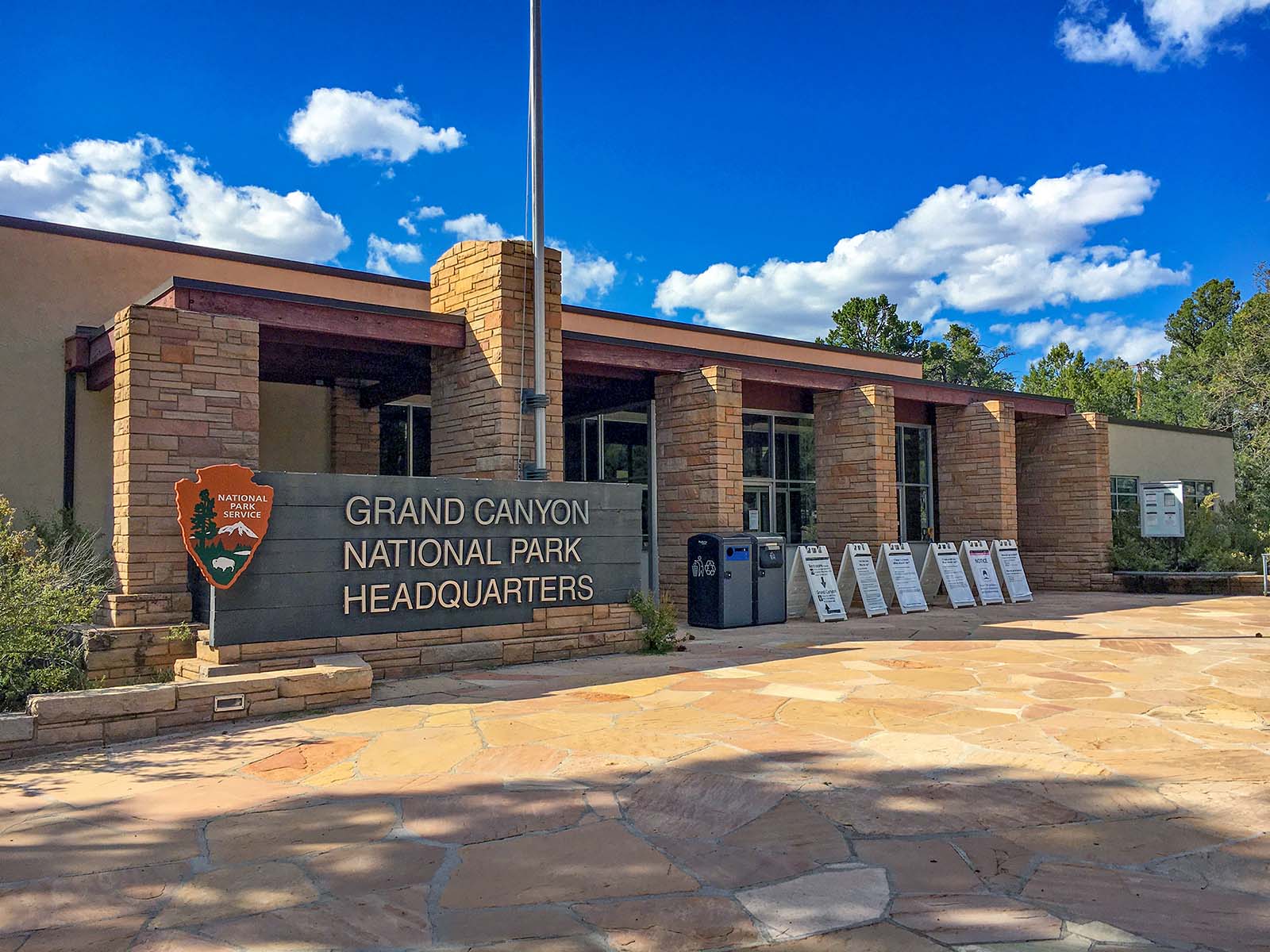
Grand Canyon Hiking Trails: Day Hikes, Water Sources & Rim to Rim
Compare Grand Canyon hiking trails: Bright Angel, South Kaibab, Hermit, Grandview, and rim to rim, with distances, elevation, water stops, and trailhead access for each.
Best Of
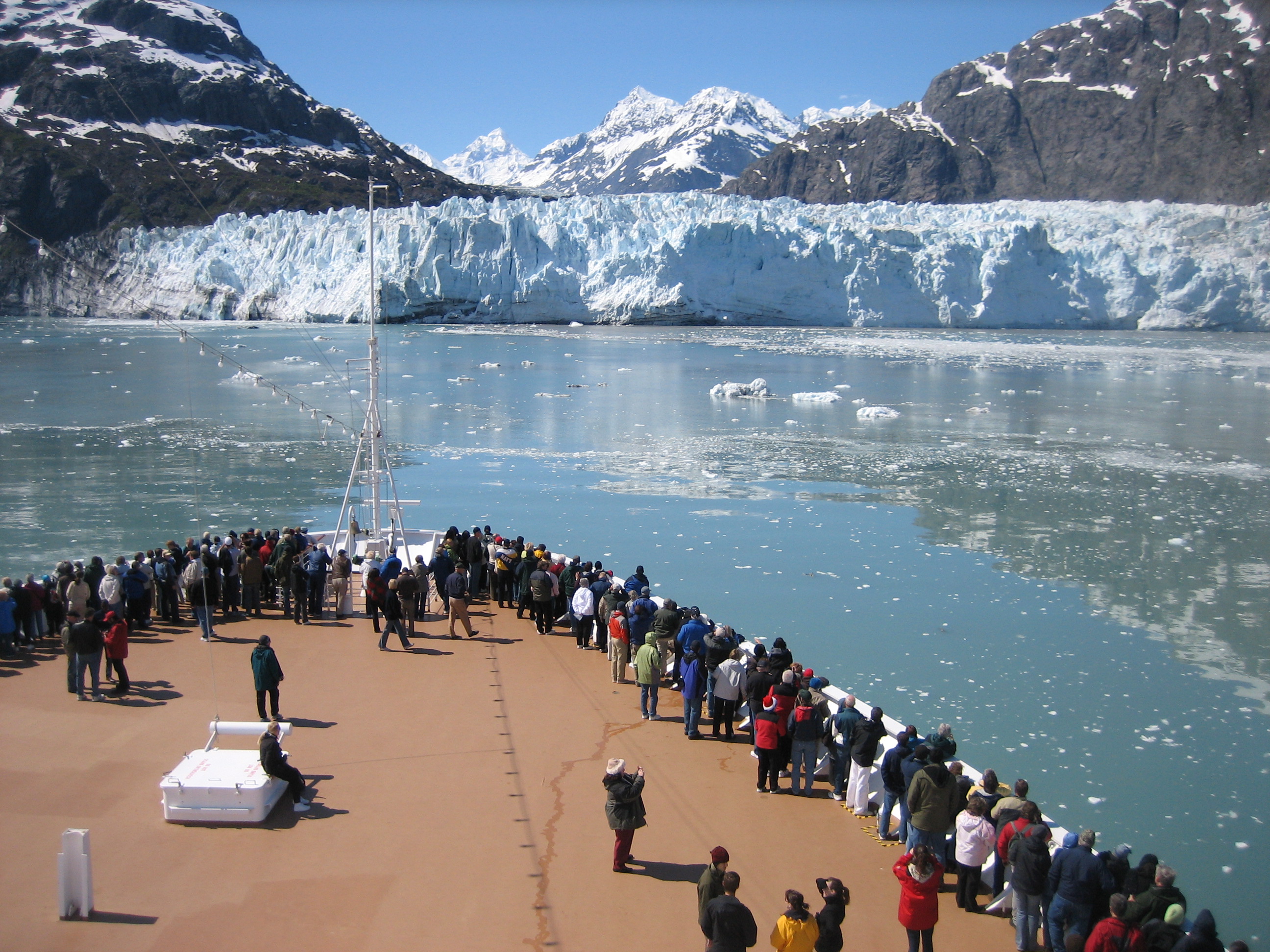
Best of Glacier Bay National Park
The best of Glacier Bay is reached by boat: ranger-led day tours up the bay to the tidewater glaciers. What's worth it, how to book, and when to go (2026).
Campsite Guide
White Sands Backcountry Camping: Closed for 2026 — What to Know
As of 2026, backcountry camping at White Sands National Park is closed for site rehabilitation. What that means, and where to camp nearby instead.
Weather Guide
Guadalupe Mountains National Park Weather: Weather
Guadalupe Mountains National Park: weather guide guide updated 2026. Practical visitor information, reservations, and seasonal tips worth bookmarking before

Best Of
Best of Cuyahoga Valley National Park: Best Things to Do
Seeing a Cleveland Orchestra concert with the woods as your backdrop is a uniquely Cuyahoga Valley experience.
Sign in to join the conversation.
Sources & Attribution
Location data courtesy of the National Park Service (U.S. Department of the Interior). NPS data is public domain. Official NPS page.
Images: Courtesy of J. Frank; NPS Photo/J. Wei; NPS Photo/A. LaValle; NPS Photo/A. LaValle; NPS Photo/A. LaValle.
Map data © OpenStreetMap contributors.
Park operations alerts: NPS.gov · Weather and weather hazards: National Weather Service · Live conditions.
Information may change. Always verify fees, hours, and conditions directly with the official source before visiting.
Did this guide help? Share it with a friend.