September offers the most reliable conditions at Hawaii Volcanoes National Park. Summer's stable weather lingers, mainland visitor numbers drop after the school holidays, and the park's microclimates settle into predictable patterns ideal for hiking. Many visitors don't account for the elevation—Kīlauea's summit sits above 4,000 feet—and expect consistent warmth. The reality is different. Temperatures at the crater rim can swing 30 degrees between a clear morning and a rainy afternoon. Timing determines everything. Our seasonal patterns guide provides detailed analysis, and the complete visitor guide covers essential logistics.
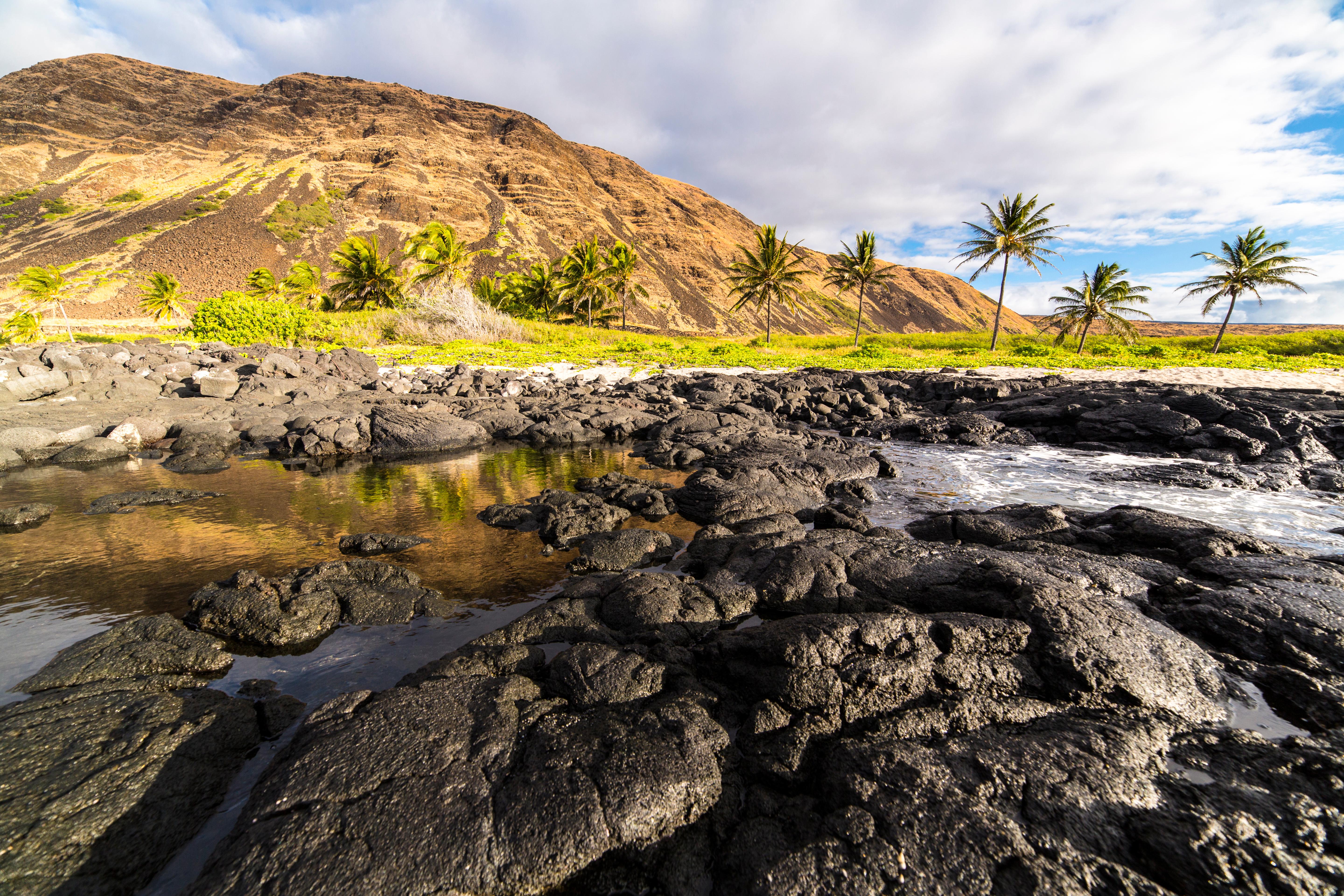
Matheus Bertelli via Pexels
Best of Hawaii Volcanoes: Kilauea, Chain of Craters & Lava
10 min read
Best Of
The best of Hawaii Volcanoes — Kilauea caldera at night, Chain of Craters Road, and the honest guide to finding active lava. Expert picks for 2026.
This article contains affiliate links — we may earn a small commission at no extra cost to you.
For more, see hiking trails.
If You Only Have One Day
Arrive at the park gate by 7:30 AM. The one decision that derails most one-day visits is starting too late and getting stuck behind tour buses at the Kīlauea Visitor Center. Skip the center first thing - grab a map from the outdoor rack and go straight to the Kīlauea Overlook. This is your first, and often clearest, view into the caldera. Morning light cuts through the steam vents best. From there, drive the 11-mile Crater Rim Drive clockwise. Stop at Steam Vents, then the short walk to the Sulphur Banks. The smell here is unmistakable - like struck matches and earth.
Your main hike is the Kīlauea Iki Trail. Start it by 9 AM. This 4-mile loop descends 400 feet through rainforest into a solidified lava lake that was a boiling lake of lava in 1959. The surface is cracked and otherworldly. The temperature on the crater floor can be 10-15 degrees warmer than the rim. Do the loop counter-clockwise; the descent is steeper but shadier, and you finish with an easier climb out. Pack water and a wind layer - the exposed crater floor has no cover.
After the hike, have lunch in Volcano Village just outside the park. Return to the park and spend your afternoon on Chain of Craters Road. Drive all the way to the coast. This is a 3,700-foot descent, and the landscape changes from wet forest to stark, recent lava flows. The road ends at the sea arch. Walk out on the vast, black lava plain. Head back up the road with enough light to stop at Pu'u Loa Petroglyphs. The 1.4-mile roundtrip boardwalk trail leads to one of the largest concentrations of ancient rock carvings in Hawai'i.
End your day back at the Jaggar Museum overlook (or its successor viewing area). This is the classic spot to see the glow from Halemaʻumaʻu crater after dark, if volcanic activity permits. Rangers will tell you that cloud cover is the biggest variable; check the forecast and the USGS webcams before you commit. If it's clear, the glow against the night sky is the park's signature experience. If it's foggy, you're staring into gray mist. Have a backup plan for dinner in the village.

The Top Experiences, Ranked
Kīlauea Iki Trail stands as the park's definitive hike. This 4-mile loop captures the park's essence—transitioning from dense rainforest to a barren volcanic landscape in one dramatic circuit. You'll traverse a crater floor that held a lake of molten lava as recently as 1959. Plan for 2-3 hours with moderate fitness; the switchbacks exiting the crater demand sustained effort, and sharp lava rock requires sturdy footwear. Begin by 9 AM—not only for parking but to avoid the intense reflected heat on the crater floor. Most visitors mistakenly hike clockwise; the counter-clockwise direction provides better shade and a more manageable finish. Detailed trail information is available in our hiking guide.
#2 - Driving Chain of Craters Road to the Coast: A geological transect.
Why it makes this list: This 19-mile (one-way) drive drops from over 4,000 feet to sea level, passing through decades of lava flows. Each pullout tells a different chapter of the volcano's story. It's the best way to grasp the scale of the landscape without a major hike.
What it requires: A half-day minimum. Allow 4-5 hours for the round trip with stops. A full tank of gas. There are no services on the road.
The single best tip for executing it: Download the NPS audio tour before you go. Cell service drops out at the first major switchback and doesn't return.
What most visitors do wrong: They rush to the end. The road is the experience. Stop at the lava tree molds, the Kealakomo overlook, and the roadside pit craters.
#3 - Seeing the Glow at Halemaʻumaʻu at Night: The volcano's heartbeat.
Why it makes this list: When the volcano is active, the orange glow reflecting off the steam clouds above the crater is a primal sight. It's a direct connection to the planet's interior forces.
What it requires: Volcanic activity, clear skies, and patience. Check the USGS Hawaiian Volcano Observatory website for current conditions. The viewing area is open 24 hours.
The single best tip for executing it: Go late. Most crowds clear out by 9:30 PM. The darker the sky, the more vivid the glow. Bring a warm jacket - it's often near 50°F at the rim at night.
What most visitors do wrong: They expect a flowing river of lava. The glow is often a diffuse illumination of gas and steam. Manage expectations.
#4 - Walking the Sulphur Banks and Steam Vents: The park's breath.
Why it makes this list: This easy, accessible 1.2-mile loop from the visitor center puts you directly on top of the volcanic system. You'll see colorful mineral deposits and feel warm, moist steam rising from the ground. It's a sensory, up-close introduction.
What it requires: 45 minutes. Any fitness level. The boardwalks are accessible.
The single best tip for executing it: Do it on a cool morning. The steam is more dramatic, and the smells (sulfur dioxide) are stronger with less wind to disperse them.
What most visitors do wrong: They treat it as a quick photo stop. Slow down. Read the signs about the volcanic gases and the unique extremophile bacteria that thrive here.
#5 - Exploring the Pu'u Loa Petroglyphs: A cultural touchstone.
Why it makes this list: This is not a geological feature. It's a sprawling field of over 23,000 carvings made by Native Hawaiians, most notably thousands of piko (baby umbilical cord) holes. The 1.4-mile roundtrip boardwalk protects the site while offering a profound connection to the people who have lived with this volcano for centuries.
What it requires: About an hour. The boardwalk is flat but exposed - sun protection is mandatory.
The single best tip for executing it: Visit in the late afternoon. The low-angle light makes the carvings in the pāhoehoe lava easier to see.
What most visitors do wrong: They bypass it for the sea arch at the road's end. Do this on your way back up Chain of Craters Road. The light is better, and you've earned a contemplative pause.
#6 - Trekking Across the Mauna Loa Strip Road to Pu'u 'Ula'ula (Red Hill): The high-altitude alternative.
Why it makes this list: For visitors who find Kīlauea crowded, the Mauna Loa Road offers solitude and a completely different ecosystem. At 6,662 feet, the Pu'u 'Ula'ula overlook provides a staggering view of the entire summit area of Mauna Loa, the world's largest volcano.
What it requires: A 90-minute drive roundtrip from the park entrance on a steep, winding road. Allow 2-3 hours total. The air is thin and cool.
The single best tip for executing it: Check the weather and road status at the Kīlauea Visitor Center first. This road is often closed due to fog, ice, or volcanic gas.
What most visitors do wrong: They attempt it without a jacket. The summit can be 20+ degrees colder and extremely windy, even if Kīlauea is sunny and warm.
#7 - Walking the Devastation Trail: A lesson in renewal.
Why it makes this list: This fully-paved, 1-mile roundtrip trail is often dismissed as too easy. That's a mistake. It crosses the 1959 cinder fallout zone from the Kīlauea Iki eruption. The contrast between the skeletal trees and the vibrant 'ōhi'a lehua sprouts is a powerful lesson in how life returns to the lava.
What it requires: 30 minutes. Wheelchair and stroller accessible.
The single best tip for executing it: Pair it with the Kīlauea Iki Trail. They share a parking area, and Devastation Trail offers the aerial view of the crater you later hike across.
What most visitors do wrong: They speed-walk it. Stop at the interpretive signs. They explain the specific eruption mechanics that created this landscape.

What Most People Miss
The Nahuku (Thurston Lava Tube) at Night: The tube is lit from 8 AM to 8 PM. After hours, it's gated but not closed. Bring a powerful flashlight (not a phone light) and you can have the 500-foot-long, dripping, silent lava tube completely to yourself. The park service doesn't advertise this, but it's not prohibited. The experience is utterly different from the daytime parade.
The Footprints Trail: A small pulloff near the 16-mile marker on Chain of Craters Road. A very short, unmarked path leads to impressions in the ash layer from the 1790 eruption - fossilized footprints of Hawaiian warriors and families. It's unmarked to protect it. Finding it feels like a secret, and it's a haunting, human-scale connection to the volcano's deadly power.
Birdwatching at the 'Āinahou Ranch Area: Off the Mauna Loa Strip Road. This former ranch, now a restoration area, is one of the best spots in the park to see native Hawaiian birds like the 'apapane and 'i'iwi feeding on 'ōhi'a lehua blossoms. The quiet here, broken only by bird calls and wind, is a world away from the crater rim crowds.
Kīpukapuaulu (Bird Park): A 1.2-mile loop trail through a rare kīpuka - an island of old-growth forest surrounded by newer lava flows. The ecological diversity here is exceptional because it was never burned over. It's a lush, green sanctuary that feels ancient, and it's rarely busy.

What's Overrated (and Better Alternatives)
Waiting for a Non-Existent Lava Flow View. The park's volcanic activity is dynamic. As of 2026, surface lava flows within public viewing areas are rare and unpredictable. Spending hours driving around hoping to see "red lava" based on outdated blog posts is a recipe for disappointment.
Better Alternative: Focus on the evidence of past eruptions. Walk on the actual, textured flows along Chain of Craters Road or the Holei Sea Arch area. The scale and variety of lava formations - ropy pāhoehoe, jagged 'a'ā - are more accessible and just as impressive.
The Jaggar Museum Overlook at Midday. When the crater isn't actively glowing, this overlook is a view into a large, gray pit. During the day, it's often crowded with buses, and the interpretive exhibits are now housed elsewhere.
Better Alternative: The Kīlauea Overlook, a few hundred yards back toward the entrance station. It offers a wider, more panoramic view of the entire caldera, often with fewer people. For the glow, the same Jaggar area is superb - but only after dark and only if conditions are right.
The Volcano Art Center Gallery as a Primary Stop. It's a beautiful gallery with quality work, but it's a detour for visitors with limited time. Treating it as attraction can eat into critical morning hiking hours.
Better Alternative: Support local artists by visiting the smaller galleries and shops in Volcano Village after your park day. You'll get a similar cultural fix without sacrificing prime trail time.

Practical Takeaways
- Weather is Everything. Pack for four seasons in one day: rain jacket, sun hat, warm layer, and sturdy, closed-toe shoes. Cotton jeans and flip-flops are the uniform of the miserable visitor.
- Start Early, Reverse Your Itinerary. Do your major hike first thing. Most visitors hit the visitor center and overlooks first, creating afternoon crowds on the trails. You want empty trails and guaranteed parking.
- Fuel and Food are Off-Park. Fill your gas tank in Hilo or Kona before arriving. The only food in the park is at the Volcano House, which is sit-down. Pack snacks, lunch, and all the water you'll need for the day.
- Respect the 'Āina (Land). Do not stack rocks (ahu). Do not take lava rocks (it's not just a legend - the park gets boxes of returned rocks mailed back with apologies). Stay on marked trails; the crust over lava tubes can be thin.
- Plan Around Volcanic Conditions. Check the USGS Hawaiian Volcano Observatory website the night before and morning of your visit. Road closures, air quality alerts, and viewing conditions change daily.
- One Day is a Preview. You can see the highlights, but you'll miss the depth. If you can, stay overnight in Volcano Village. It allows for early access, late glow viewing, and a more relaxed pace. Explore the camping options if you want to immerse yourself.
- The $30 Vehicle Pass is Good for 7 Days. As of 2026, the entrance fee feels steep for a day, but it's a week-long pass. If you're based on the Hilo side, consider a return visit for a different trail or to revisit a favorite spot in new light.
Recommended Gear
What experienced visitors bring to Best of Hawaii Volcanoes: Kilauea, Chain of Craters & Lava
Links may earn us a commission at no extra cost to you. We only recommend gear we believe in.
Hiking Essentials
Hydration Pack (3L)
Hands-free water for long trail days
Trekking Poles (Pair)
Save your knees on steep descents
Hiking Boots (Ankle Support)
Sturdy footwear for rocky, uneven trails
Sun & Heat Protection
Wide-Brim Sun Hat
Full coverage UPF 50+ protection at altitude
Insulated Water Bottle (32oz)
Keeps water cold in desert heat all day
Winter Gear
Microspikes / Traction Devices
Essential for icy rim trails in winter months
Packable Down Jacket
Lightweight warmth that stuffs into a pocket
Sources
- Official source: NPS — Hawaii Volcanoes National Park nps.gov/havo/index.htm
Photo Gallery
More to Explore
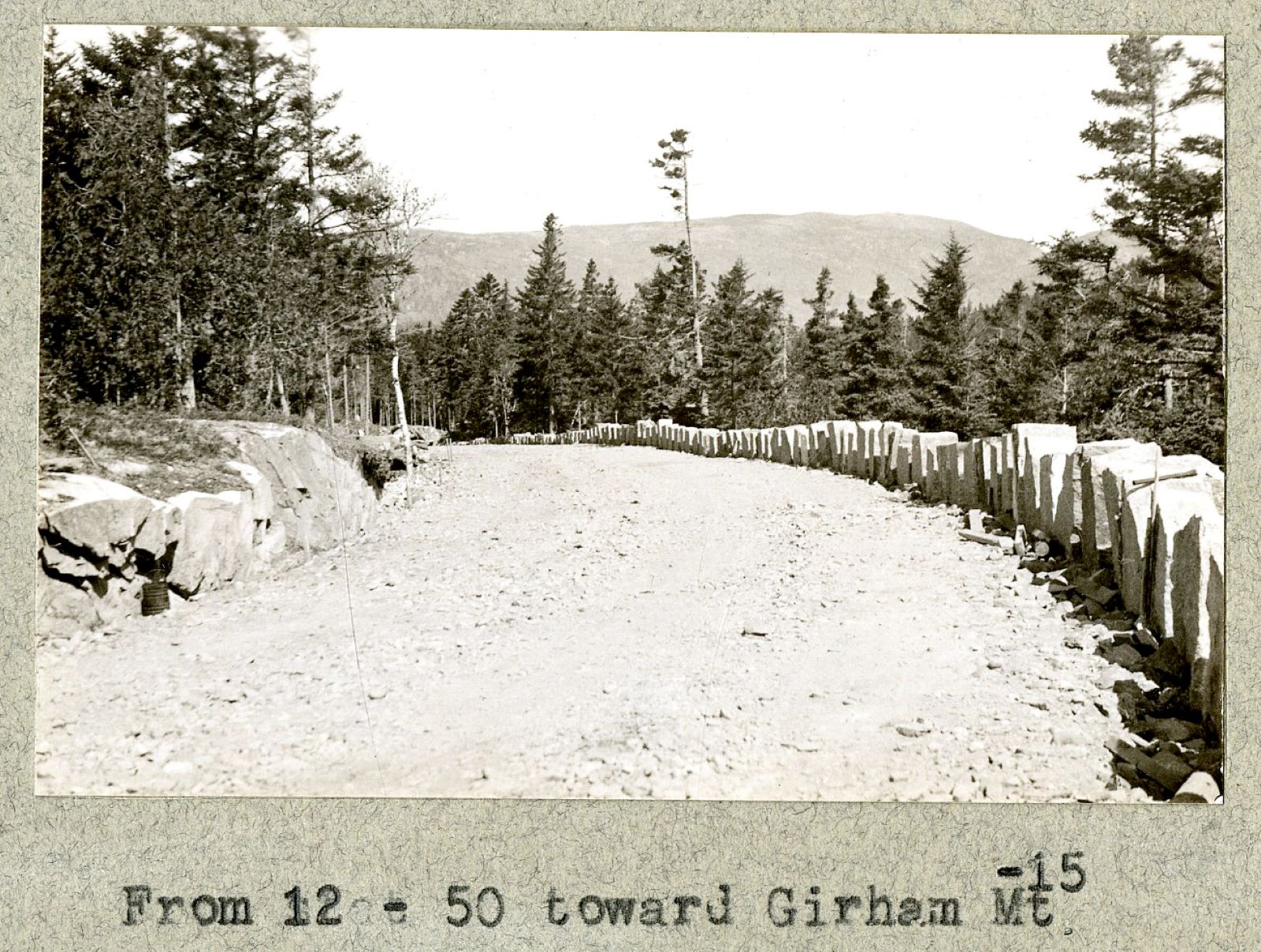
Park Guide
Acadia National Park: Carriage Roads, Cadillac Mountain & 2026 Guide
Discover carriage roads, Cadillac Mountain, and rugged Maine coast. Complete 2026 guide to Acadia National Park — trails, fees, lodging, permits, and what rangers recommend.
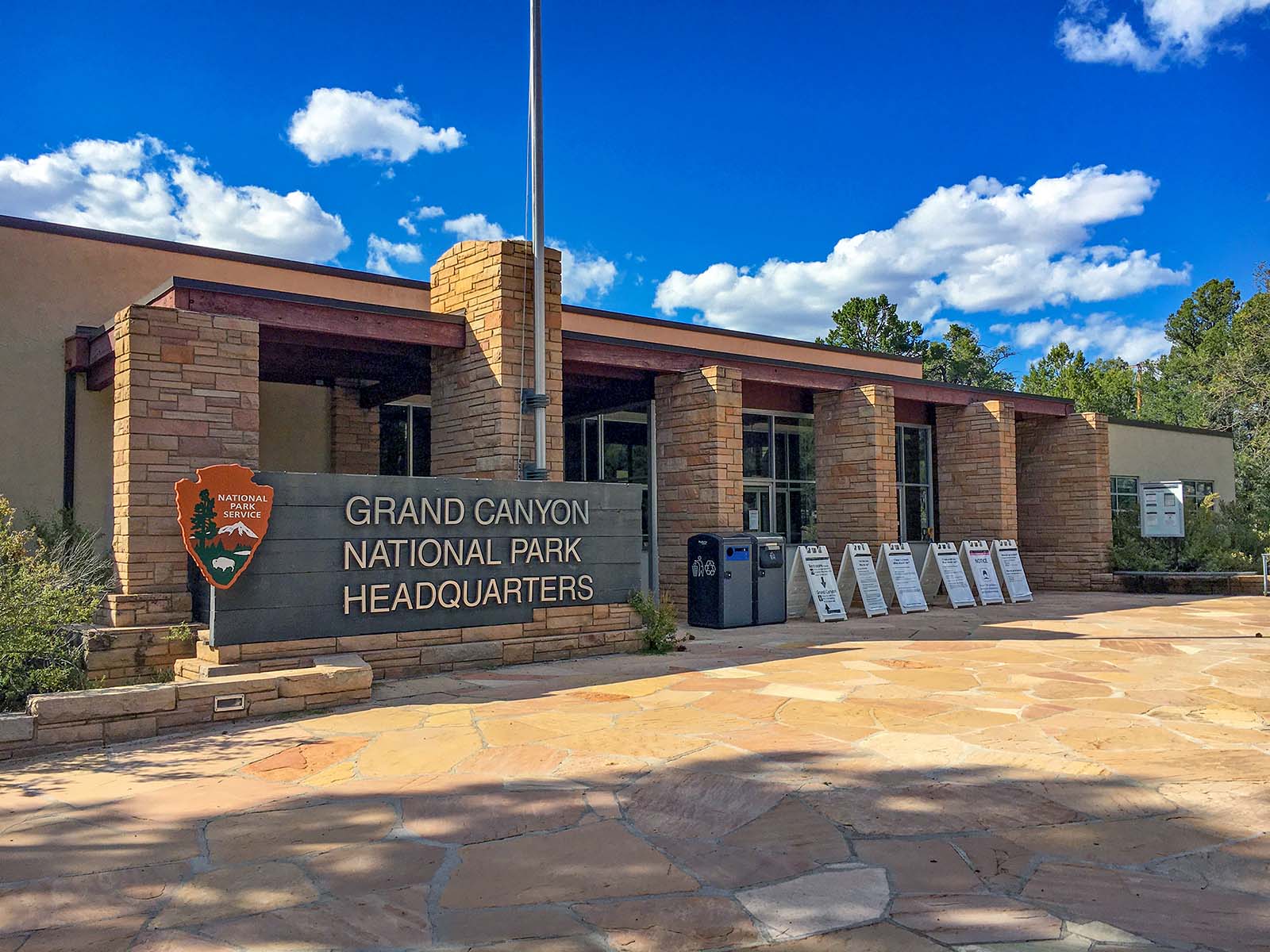
Hiking Guide
Grand Canyon Hiking Trails: Day Hikes, Water Sources & Rim to Rim
Compare Grand Canyon hiking trails: Bright Angel, South Kaibab, Hermit, Grandview, and rim to rim, with distances, elevation, water stops, and trailhead access for each.
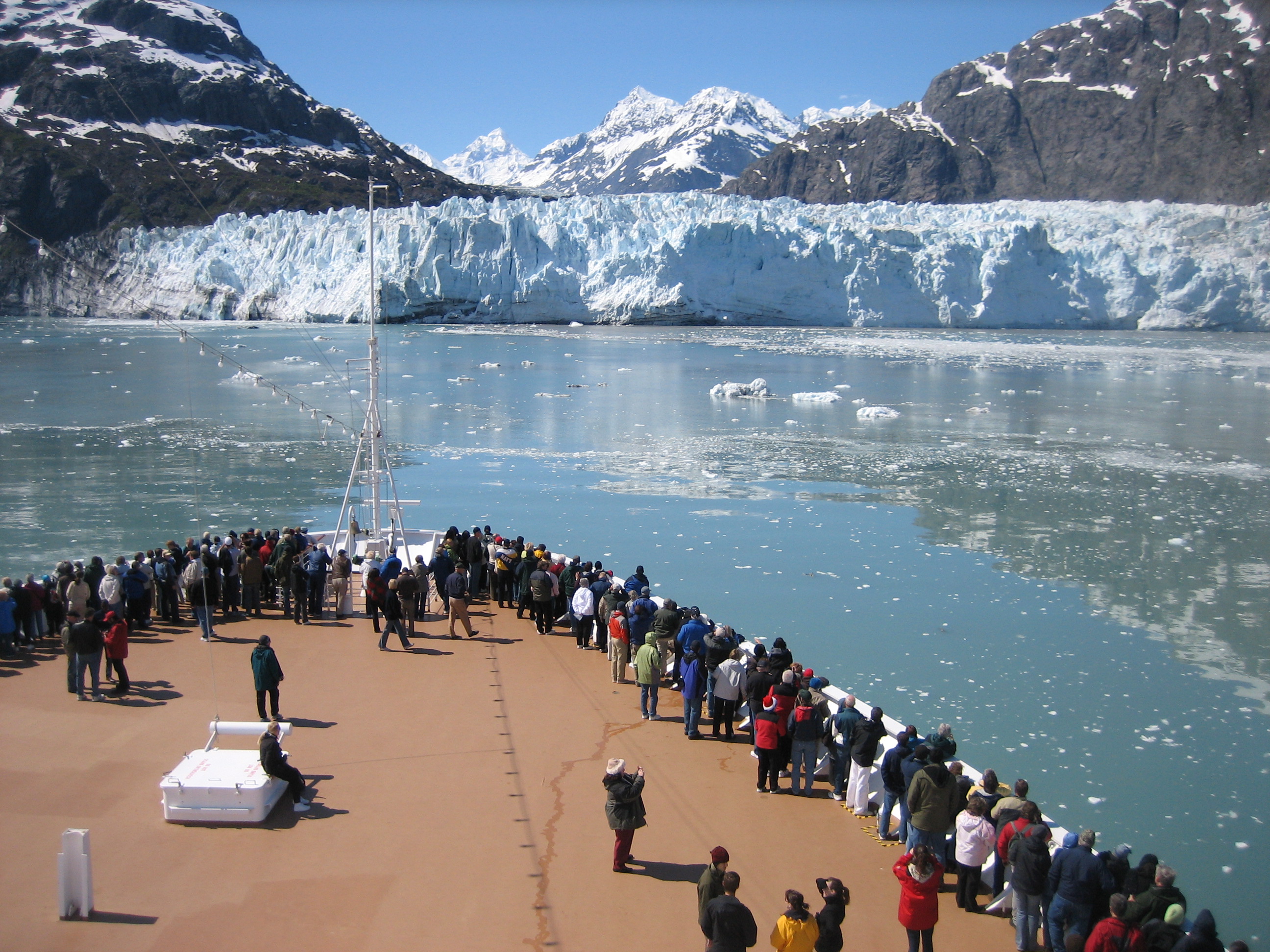
Best Of
Best of Glacier Bay National Park
The best of Glacier Bay is reached by boat: ranger-led day tours up the bay to the tidewater glaciers. What's worth it, how to book, and when to go (2026).
Campsite Guide
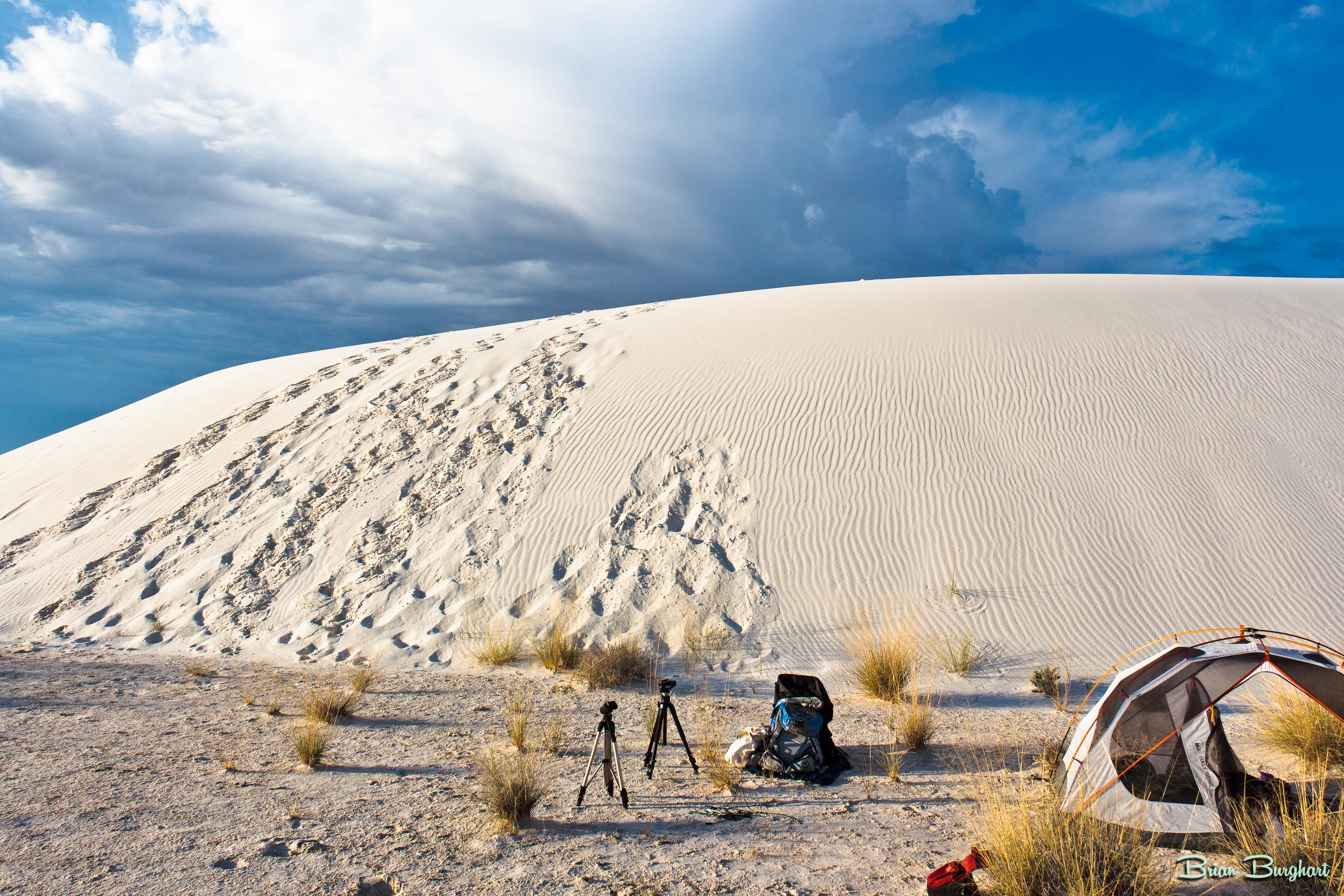
White Sands Backcountry Camping: Closed for 2026 — What to Know
As of 2026, backcountry camping at White Sands National Park is closed for site rehabilitation. What that means, and where to camp nearby instead.
Weather Guide
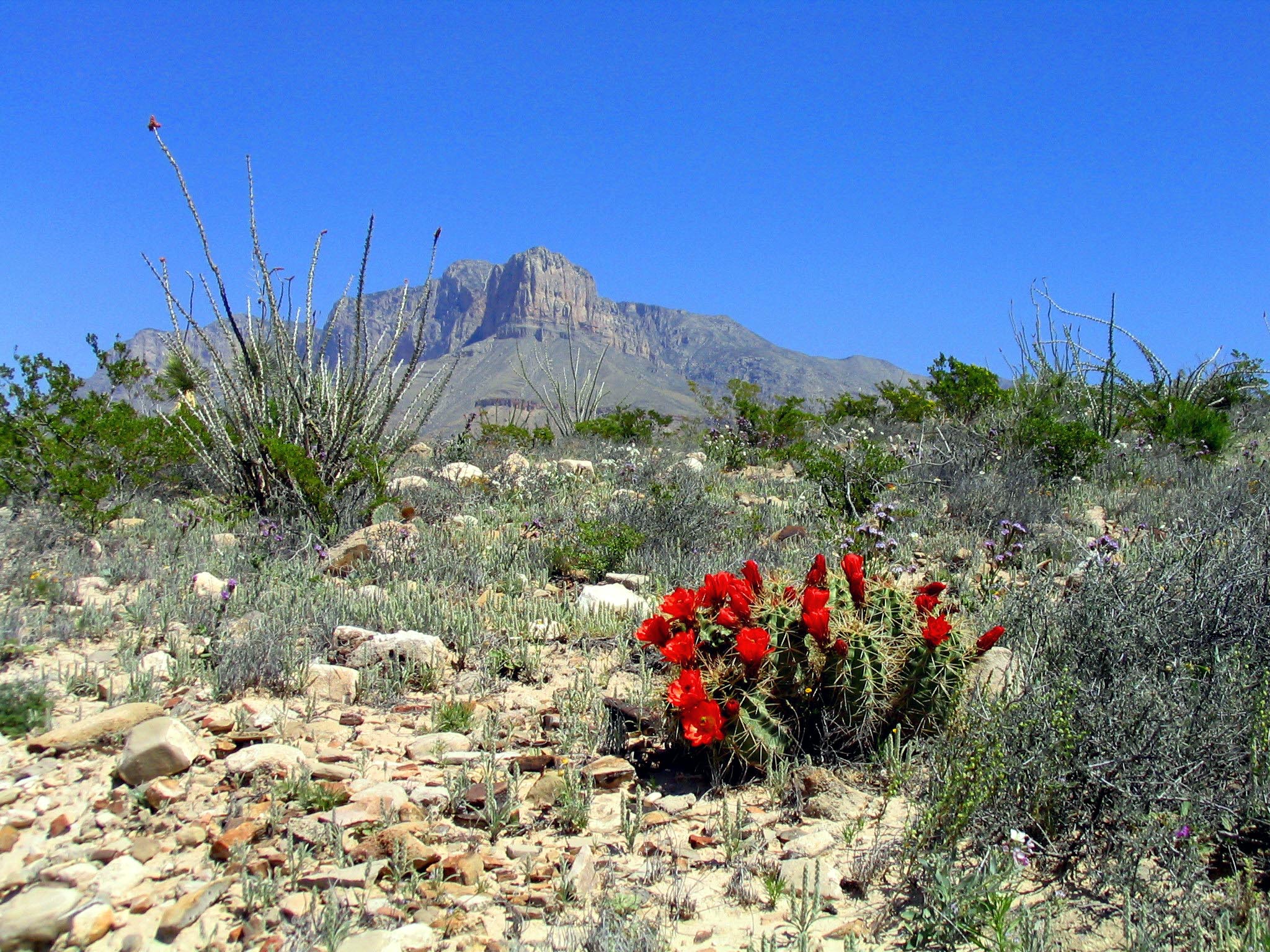
Guadalupe Mountains National Park Weather: Weather
Guadalupe Mountains National Park: weather guide guide updated 2026. Practical visitor information, reservations, and seasonal tips worth bookmarking before

Best Of
Best of Cuyahoga Valley National Park: Best Things to Do
Seeing a Cleveland Orchestra concert with the woods as your backdrop is a uniquely Cuyahoga Valley experience.
Sign in to join the conversation.
Sources & Attribution
Location data courtesy of the National Park Service (U.S. Department of the Interior). NPS data is public domain.
Images: Photo by Matheus Bertelli on Pexels; Photo by Antonio Florentini on Pexels; Photo by Michał Sołowiej on Pexels; Photo by Asad Photo Maldives on Pexels; Photo by Christopher Politano on Pexels. Stock photos from Pexels / Unsplash license; links above point to each photo where available.
Map data © OpenStreetMap contributors.
Park operations alerts: NPS.gov · Weather and weather hazards: National Weather Service · Live conditions.
Information may change. Always verify fees, hours, and conditions directly with the official source before visiting.
Did this guide help? Share it with a friend.