What would make you hike nearly eight miles uphill with a full pack, just to sleep on the ground? For anyone who has spent a night at Blue Ridge Wilderness Campground, the answer is simple: silence. No roads. No generators. No headlights sweeping through the trees after dark. Just the sound of wind through ponderosa pine and the occasional creak of a Douglas fir swaying overhead.
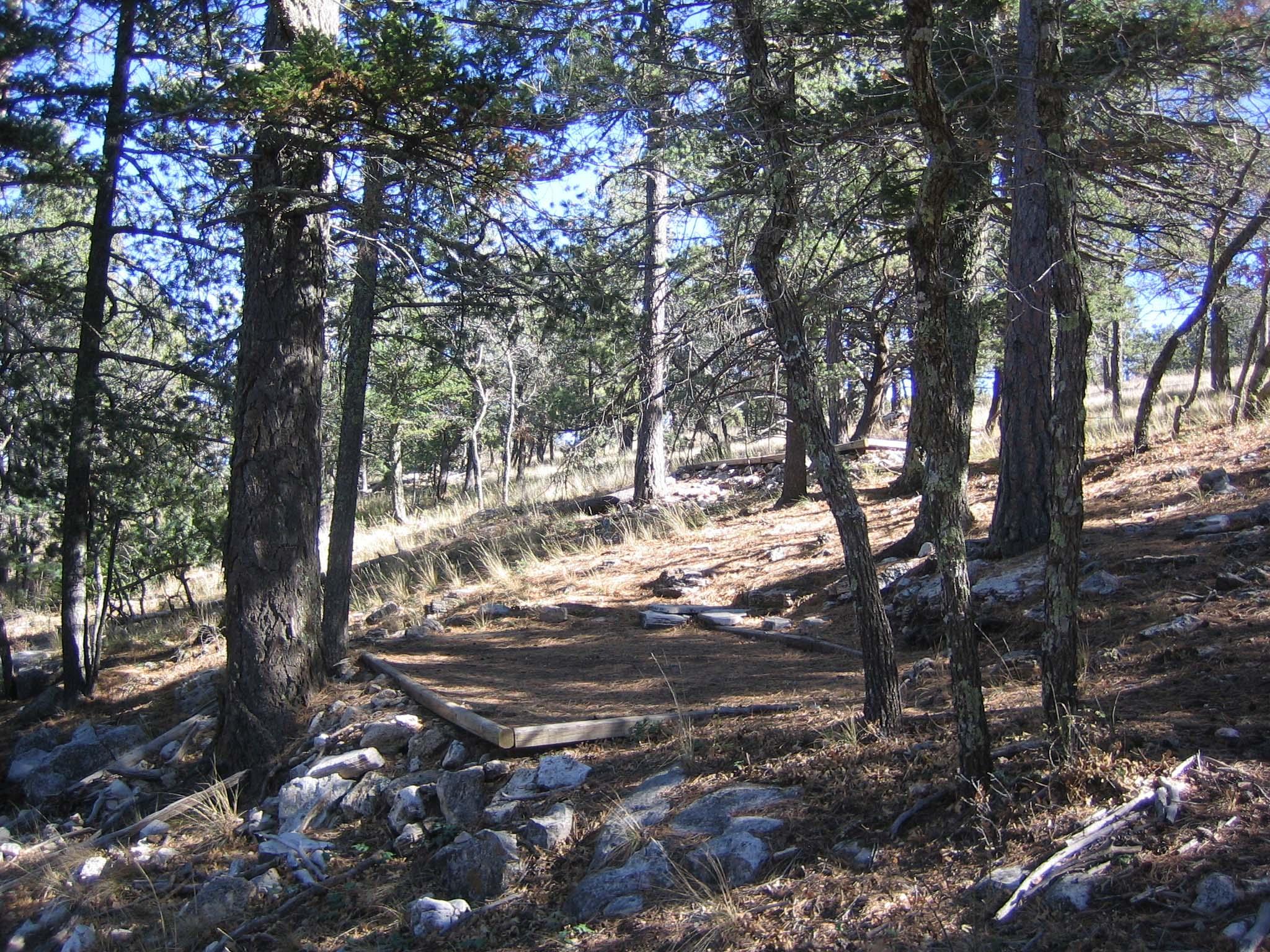
NPS via NPS.gov (Public Domain)
Campsites at Blue Ridge Wilderness Campground (2026 Guide)
8 min read
Campsite Guide
About 4 miles in, you reach the junction with the Blue Ridge Trail. Turn south and follow the ridgeline for another 3.8 miles.
Your plans
For more, see Campsites at Bush Mountain Wilderness Campground (2026 Guide), Campsites at Frijole Horse Corral Campground (2026 Guide), Campsites at Guadalupe Peak Wilderness Campground (2026 Guide), Campsites at Pine Springs Campground (2026 Guide), and Campsites at Tejas Wilderness Campground (2026 Guide).
This is not a car campground, and it will never be one. The five tent-only sites here are accessible only on foot, and getting to them requires a real commitment. Located in the high country of Guadalupe Mountains National Park in Texas, Blue Ridge sits at an elevation where the air thins and the views open up. If you are looking for solitude and are willing to carry everything you need, this is among the best backcountry camping options in the park.
Before you start packing, understand the permit system, the trail options, and what this campground actually provides. As of 2026, the rules and fees remain straightforward, but the logistics require planning.
Permits and Fees: What You Need to Know
Wilderness Use Permit Requirement
Every person staying overnight at Blue Ridge Wilderness Campground must have a Wilderness Use Permit. There are no exceptions. You cannot show up at the trailhead, hike in, and pitch a tent without one. Permits are issued at the Pine Springs Visitor Center on a first-come, first-served basis. Same-day reservations are possible, but availability depends on how many people have already booked.
Rangers will tell you to arrive early - ideally before 9 AM - especially on spring and fall weekends when the five sites fill quickly. There is no online reservation system for this campground as of 2026, so you must get the permit in person.
Fee Structure
Two separate fees apply to every permit:
- Permit Reservation Fee: $6.00 per permit (one fee regardless of group size)
- Permit Per-Person-Per-Night Recreation Fee: $6.00 per person, per night
A solo camper staying one night pays $12 total ($6 reservation + $6 recreation). A group of three staying two nights pays $42 ($6 reservation + $36 recreation). The math is simple but adds up fast for larger groups or longer trips. Keep cash handy? The park store will go cashless starting August 2025, but the visitor center still handles permit payments - confirm your payment method when you arrive.
Campsite Capacity
The campground has exactly five designated tent pads. Each pad accommodates one tent, and the maximum group size is typically around 6 people per site. Rangers will ask how many people are in your party when you get the permit and assign you a specific site. Do not expect to swap sites once you arrive - the pads are spaced for privacy and resource protection.
Standard hours are 24/7, but the campground may close without notice due to emergencies, wildfire risk, or trail damage. Check current conditions at the visitor center before you set out.

Getting There: Two Trail Options
There is only one way in: on foot. The two routes both start from Pine Springs Trailhead, located off US 62/180 near the park's main entrance. Neither is short.
Via Tejas and Blue Ridge Trails (7.8 miles)
This is the shorter option. You start on the Tejas Trail, climbing steadily through pinyon-juniper woodland before entering the ponderosa pine zone. About 4 miles in, you reach the junction with the Blue Ridge Trail. Turn south and follow the ridgeline for another 3.8 miles. The trail narrows here, and the surface changes from packed dirt to exposed limestone slabs in sections. Keep an eye out for trail markers - some junctions are easy to miss.
Total elevation gain is roughly 1,600 feet. Most visitors underestimate the cumulative effort. The first three miles feel manageable; the last two miles, especially if you are carrying a full pack, will remind you why you trained.
Via Tejas, Bush Mountain, and Blue Ridge Trails (8.9 miles)
This longer route adds the Bush Mountain Trail as a connector. It is slightly more scenic and less steep in places, but the extra mile means more time on your feet. The Bush Mountain section traverses the flank of the ridge before rejoining the Blue Ridge Trail at a four-way junction. This route has more exposed sections - less tree cover, more sun. Pack extra water for this stretch.
Cell service drops out at about mile two on either route. Download your maps and GPS tracks before you leave the trailhead. The park service recommends carrying a detailed paper map as a backup.

The Campground Experience
What You Will Find
Blue Ridge Wilderness Campground is remote by design. There are no picnic tables, no fire rings, no water sources, and no trash cans. Each site has a level tent pad made of compacted gravel or dirt, framed with logs. That is it.
The surrounding vegetation is classic Guadalupe Mountains high country: ponderosa pine and Douglas fir dominate the canopy, with wild roses and grassy clearings in the open patches. In late spring, the roses bloom - small pink flowers that contrast with the dark green of the trees. The ground beneath the pines is soft with decades of needles. It absorbs sound in a way that makes the whole place feel insulated.
Expect to hear ravens croaking overhead. Mule deer pass through occasionally, usually at dawn. Rattlesnakes are possible in warmer months - watch where you step, especially near logs or rock piles. The park service strongly advises storing all food and scented items in bear-resistant containers. Black bears do move through this area, though encounters are rare.
What the Official Website Doesn't Mention
The wind. Blue Ridge sits along an exposed ridgeline. Even on calm days in the lowlands, the ridge can have gusts that rattle tent flys and make cooking difficult. Sites on the eastern side of the campground get slightly more shelter from the prevailing westerly winds. If you have a choice, ask for site 3 or 4 when you get your permit - these are marginally more protected.
Also worth knowing: the temperature drops fast after sunset. In March, overnight lows can hit the low 30s (F). In July, you might still need a fleece layer once the sun goes down. Check the forecast for the elevation - the Pine Springs Visitor Center is at 5,500 feet; Blue Ridge is over 7,000 feet. That 1,500-foot difference means about 5 degrees cooler at night.
Leave No Trace - No Exceptions
Because there are no trash cans, you pack out everything. Carry a small trash bag and be prepared to haul out your food wrappers, orange peels, and toilet paper. Human waste must be buried at least 6 inches deep and 200 feet from any trail, campsite, or water source. The park requires you to use the tent pads - do not create new campsites.

What to Know Before You Go
Essential Gear
- Water: There is no reliable water source at Blue Ridge. The nearest dependable water is at the Pine Springs Trailhead. Carry at least one gallon per person per day for drinking and cooking. A water filter is unnecessary here because there is nothing to filter - you bring all your water.
- Stove: Campfires are prohibited in the backcountry. Bring a camp stove and fuel. No exceptions.
- Tent: A three-season tent works for most of the year, but check the forecast. If winds over 30 mph are predicted, consider a four-season or a very sturdy three-season with extra guylines.
- Navigation: Paper map, compass, and GPS backup. The trails are well-marked in most places, but fog can roll in quickly on the ridge.
- Extra layers: The temperature differential between the trailhead and the campground can be 15-20 degrees in fall and spring.
- Headlamp: With extra batteries. You will likely be hiking out in the dark if you start late.
Timing Your Trip
The most comfortable months for camping at Blue Ridge are March through May and October through November. Summer (June-August) brings afternoon thunderstorms, high heat on the approach hike, and bugs. Winter (December-February) sees occasional snow and cold that can make the trail icy. Rangers will tell you February is the quietest month, but also the most unpredictable.
A Common Mistake
First-time backpackers often underestimate the approach hike. Seven or eight miles with a loaded pack on uneven, steadily climbing terrain takes most people 4-6 hours. Add in the time needed to get a permit at the visitor center, and you are looking at a full morning before you even start hiking. Plan to leave the visitor center by 9 AM at the latest.

Practical Takeaways
- Get your permit in person at the Pine Springs Visitor Center. Arrive by 8:30 AM for the best chance at a site, especially on weekends.
- Fees as of 2026: $6 permit reservation fee + $6 per person per night. A solo camper for one night pays $12 total.
- Carry all your water - at least 1 gallon per person per day. There is none at the campground.
- Pack out all trash. Leave no trace.
- Check the weather specifically for 7,000 feet, not for the park entrance. Temperatures drop significantly.
- Book a site early - five sites fill up fast. Consider midweek trips for better availability.
- The store goes cashless as of August 2025. Bring a credit or debit card for any purchases at the park store. Permit fees at the visitor center may still accept cash - confirm when you arrive.
- Trail options: 7.8 miles via Tejas and Blue Ridge Trails; 8.9 miles via Tejas, Bush Mountain, and Blue Ridge Trails. Choose the shorter unless you want the extra distance.
For a broader overview of the park's backcountry options, check the complete visitor guide. If you want to compare this campground to others in the area, our page on all campgrounds covers everything from roadside sites to walk-in spots.
Final Thoughts
Blue Ridge Wilderness Campground is not for everyone. It demands physical effort, careful planning, and a willingness to carry everything on your back. The reward - a night under the pines with no artificial light, no crowds, and the sense of being genuinely alone in a wild place - is exactly what it sounds like. If that appeals to you, put in the work. The trail will make sure you earn it.
Sources
- Official source: National Park Service nps.gov/gumo/planyourvisit/br_wcg.htm
- Official source: NPS — Guadalupe Mountains National Park nps.gov/gumo/index.htm
Photo Gallery
More to Explore
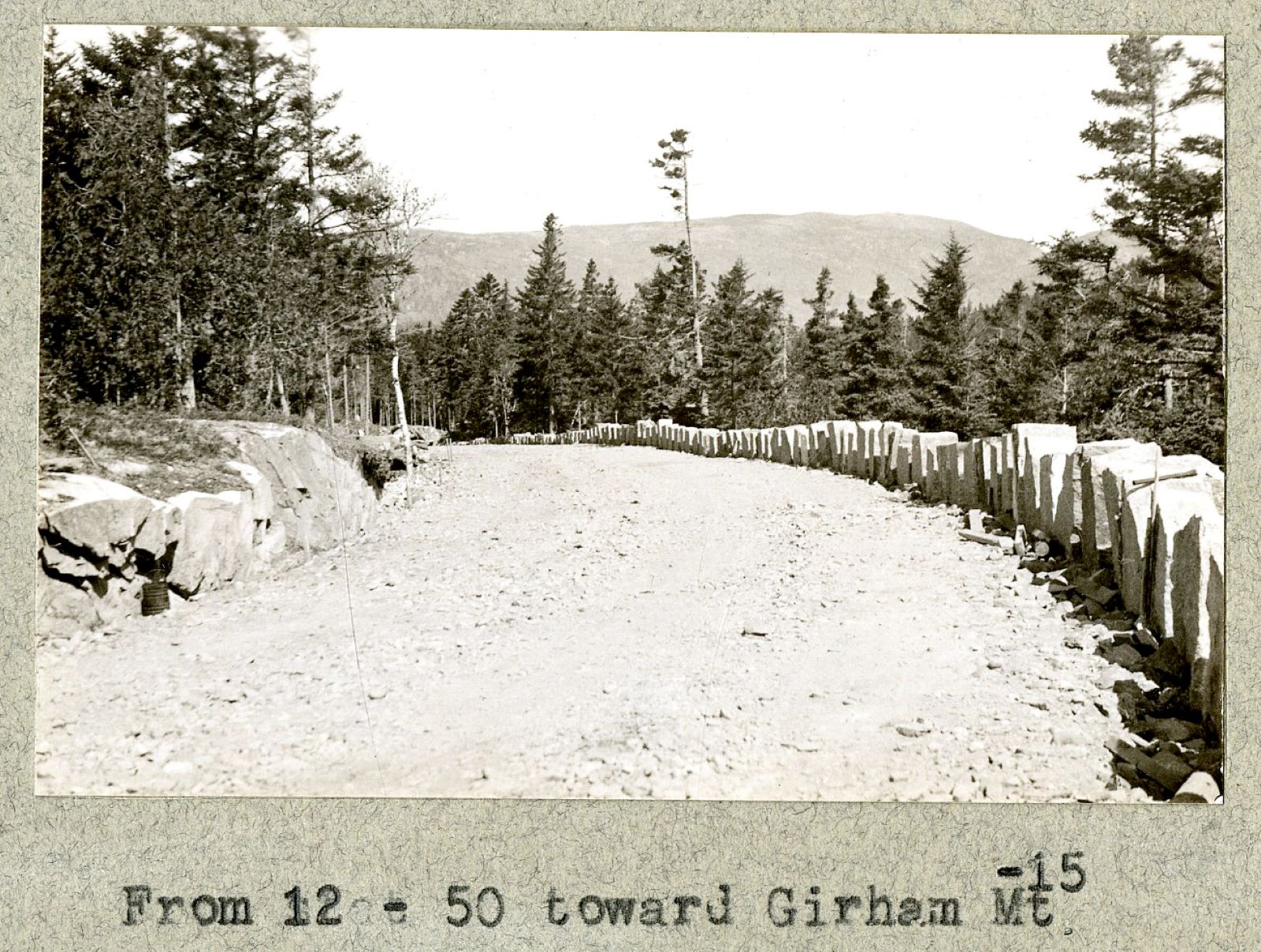
Park Guide
Acadia National Park: Carriage Roads, Cadillac Mountain & 2026 Guide
Discover carriage roads, Cadillac Mountain, and rugged Maine coast. Complete 2026 guide to Acadia National Park — trails, fees, lodging, permits, and what rangers recommend.
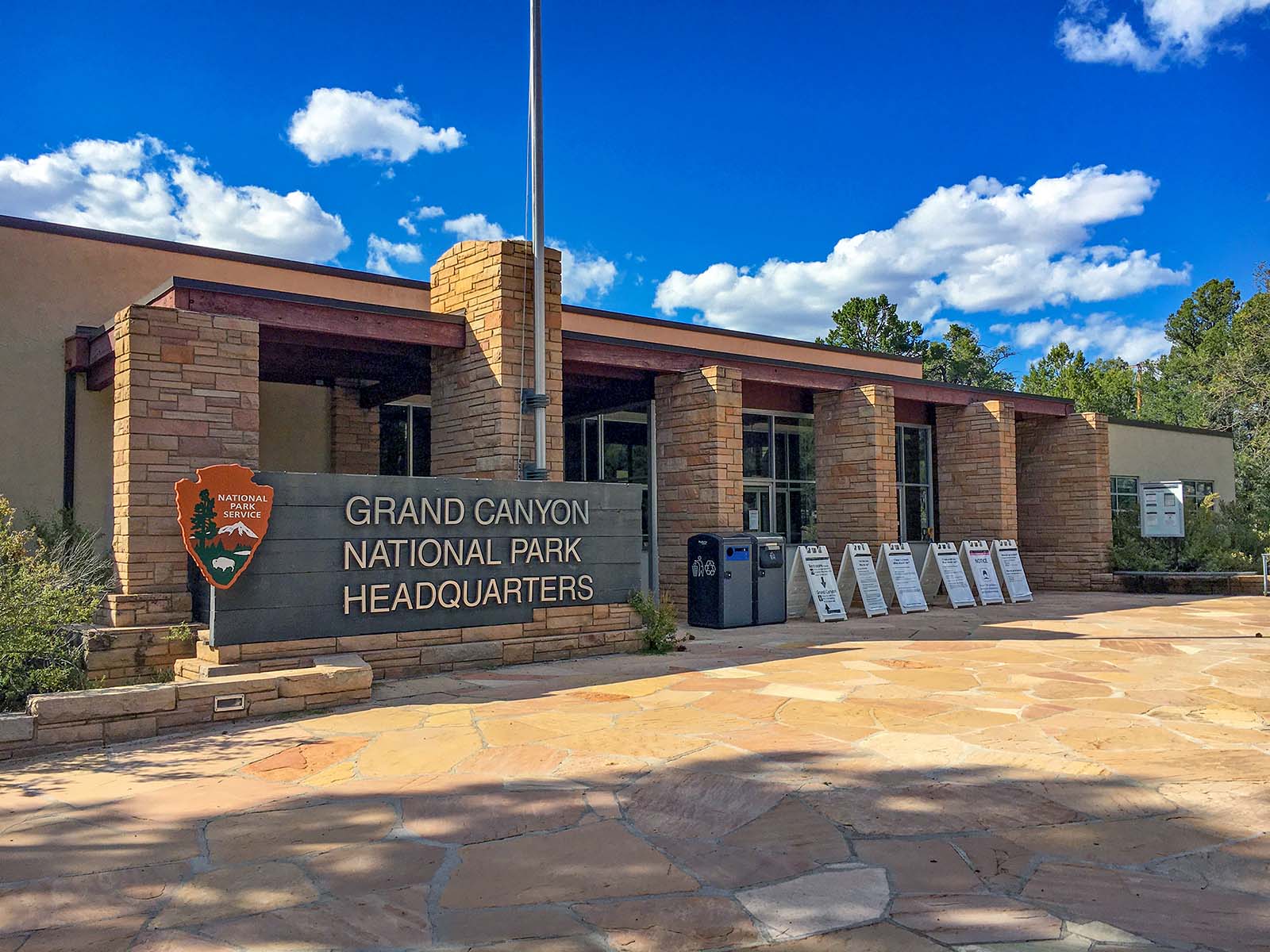
Hiking Guide
Grand Canyon Hiking Trails: Day Hikes, Water Sources & Rim to Rim
Compare Grand Canyon hiking trails: Bright Angel, South Kaibab, Hermit, Grandview, and rim to rim, with distances, elevation, water stops, and trailhead access for each.
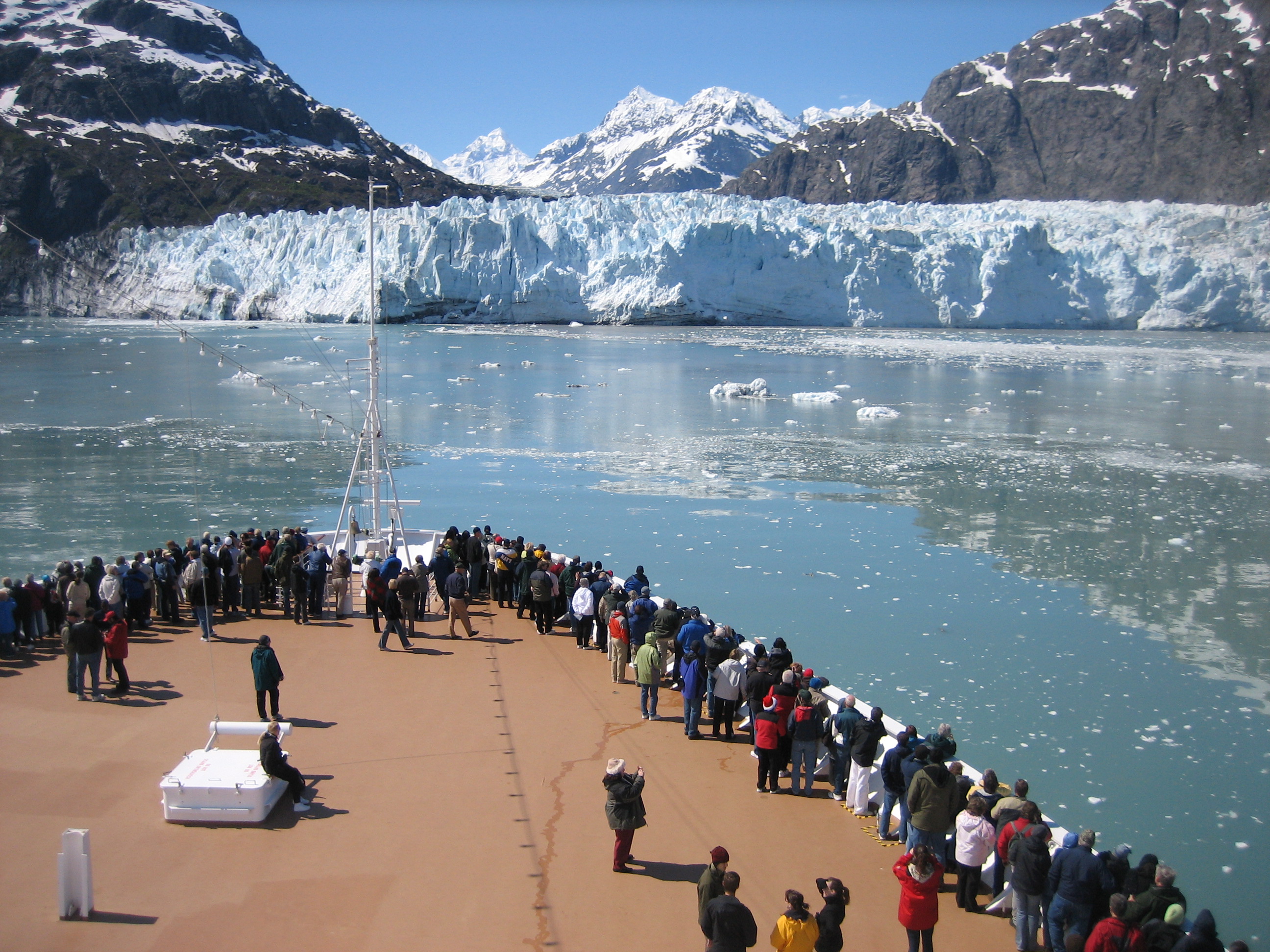
Best Of
Best of Glacier Bay National Park
The best of Glacier Bay is reached by boat: ranger-led day tours up the bay to the tidewater glaciers. What's worth it, how to book, and when to go (2026).
Campsite Guide
White Sands Backcountry Camping: Closed for 2026 — What to Know
As of 2026, backcountry camping at White Sands National Park is closed for site rehabilitation. What that means, and where to camp nearby instead.
Weather Guide
Guadalupe Mountains National Park Weather: Weather
Guadalupe Mountains National Park: weather guide guide updated 2026. Practical visitor information, reservations, and seasonal tips worth bookmarking before
Best Of
Best of Cuyahoga Valley National Park: Best Things to Do
Seeing a Cleveland Orchestra concert with the woods as your backdrop is a uniquely Cuyahoga Valley experience.
Sign in to join the conversation.
Sources & Attribution
Location data courtesy of the National Park Service (U.S. Department of the Interior). NPS data is public domain. Official NPS page.
Images: NPS; NPS; NPS; NPS; NPS.
Map data © OpenStreetMap contributors.
Park operations alerts: NPS.gov · Weather and weather hazards: National Weather Service · Live conditions.
Information may change. Always verify fees, hours, and conditions directly with the official source before visiting.
Did this guide help? Share it with a friend.