The air turns thin and dry as you pull off Highway 62/180, the sudden rise of El Capitan filling the windshield. Two minutes past the visitor center, the Pine Springs Campground appears on the right - a row of tent pads and RV slots set against the base of the Guadalupe Mountains. Before you start unloading gear, there is one thing worth knowing: every single campsite here requires a reservation through recreation.gov. Walk-ups are not an option. The parking lot for day hikers fills early, but the campground itself is a different equation entirely, and understanding how it works changes how you plan your trip.
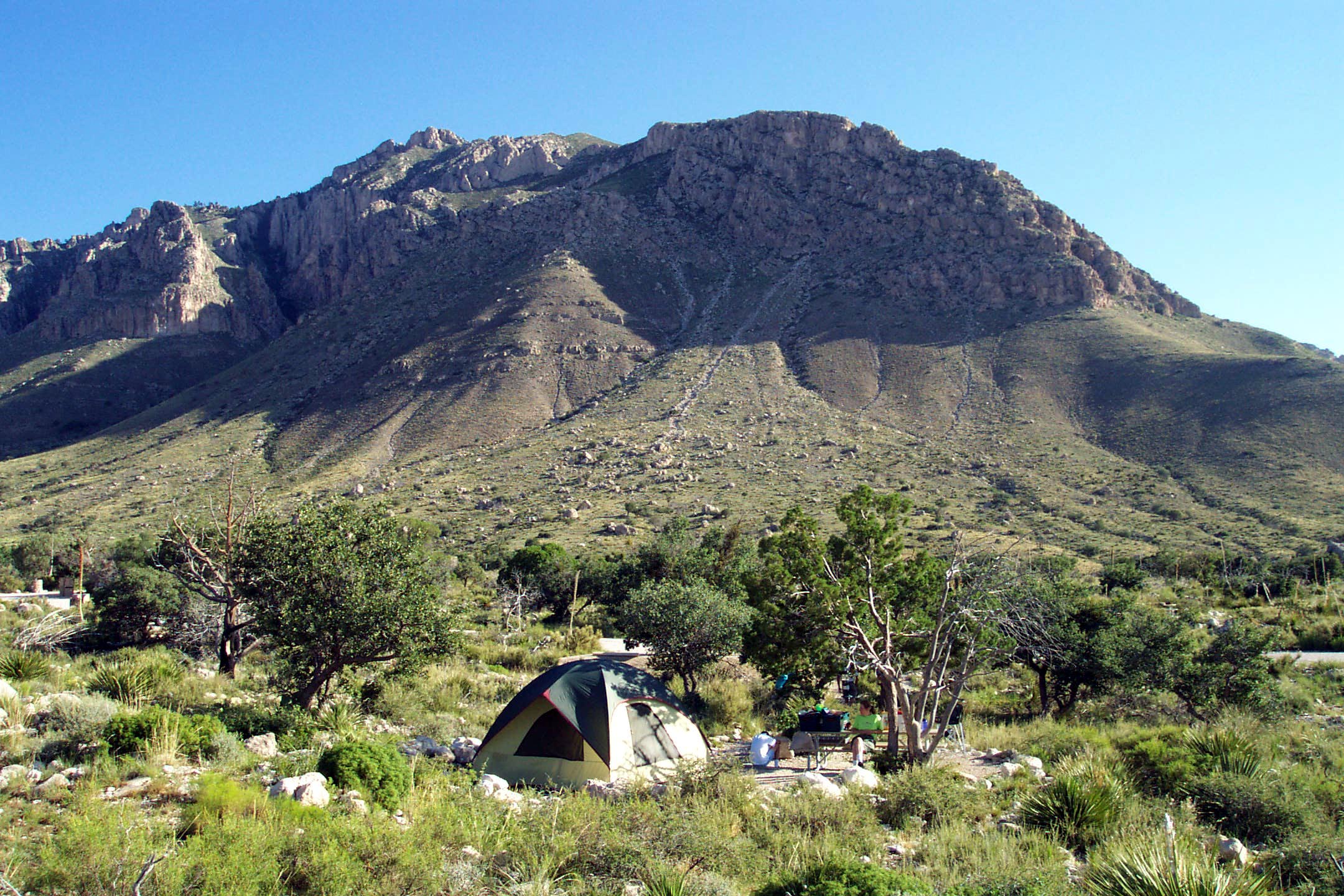
NPS via NPS.gov (Public Domain)
Campsites at Pine Springs Campground (2026 Guide)
6 min read
Campsite Guide
Group sites cost $60.00 per night and accommodate 10 to 20 people. These are a different booking category on recreation.gov from the individual sites.
Your plans
For more, see Campsites at Tejas Wilderness Campground (2026 Guide).
This guide covers campsite types, fees, reservation strategy, and the specific rules that catch most first-time visitors off guard. For a broader look at the park, check the complete visitor guide.
Reservations and Fees
All 33 individual campsites - 20 tent sites and 13 RV sites - are reservable through recreation.gov. There is no same-day walk-up booking. You reserve online before you arrive, period.
The fee structure is straightforward:
Individual sites run $20.00 per night. Senior and Access passholders pay $10.00. The park does not discount for Annual, Annual Military, Annual 4th Grade, Volunteer, or Guadalupe Mountains National Park passes. That catches people - they show up thinking their annual pass cuts the campsite cost in half, and it does not.
Group sites cost $60.00 per night and accommodate 10 to 20 people. These are a different booking category on recreation.gov from the individual sites.
The campground operates year-round, 24 hours a day. There are no seasonal closures, though the heat between June and September thins out the crowds considerably.
Campsite Types
The layout at Pine Springs is compact. Sites are close enough together that you hear your neighbor unzipping their tent, but the location at the trailhead for some of the park's best routes compensates for the lack of privacy.
Tent Sites
Twenty tent sites, each with a 10-foot by 10-foot tent pad and a picnic table. The official capacity is eight people with two tents per site. That number is optimistic for anyone with gear - two backpacking tents fit fine; two four-person family tents require some negotiation.
The tent pads are gravel, not dirt. A footprint or ground cloth helps, and stakes need to be the type that holds in loose substrate. Standard tent stakes work, but the wider plastic ones slip. Bring the metal hook-style stakes or small screw stakes.
RV Sites
Thirteen sites for RVs up to 40 feet. Picnic tables included, hookups are not. There are no electrical, water, or sewer connections at any site. The water spigots are scattered through the campground, not at individual pads. If you rely on shore power at home, prepare for generator use during quiet hours - or bring a robust solar setup.
Parking position varies by site. Some are pull-through, some require backing in. The entrance road is wide enough for most rigs, but the campground loops are tighter. Anything over 35 feet might need a second look at the site angle before committing.
Group Sites
Two group sites, each holding a minimum of 10 and a maximum of 20 people. Vehicles cannot block the road. Groups must use designated group areas - individual sites are not available for group overflow.
Campground Amenities and Rules
The amenity list is short, and knowing what is missing saves frustration.
Available: Drinking water, vault toilets.
Not available: Electrical hookups, sewer connections, dump stations, showers.
There is no dishwashing station, no laundry, no camp store. The nearest supply point for ice and groceries is in Van Horn, about an hour west, or Carlsbad, about 45 minutes northeast. Plan your food and water before arrival.
The fire policy is strict: cooking stoves only. Charcoal grills, wood fires, and propane firepits are all prohibited. Rangers enforce this consistently - dry conditions make the fire danger real, and the park does not gamble. A small backpacking stove or a propane camp stove with a 1-pound canister covers cooking needs. The wind picks up in the afternoon, so a stove with a windscreen or a sheltered cooking spot matters.
Quiet hours run from 10 PM to 6 AM. Generators have their own restriction: operating hours are 8 AM to 8 PM. The campground fills with early risers heading to the trailhead, so quiet hours ending at 6 AM fits the rhythm of the place. By 7 AM, most sites are empty, occupants already on the trail.

Current Alerts and What to Know
Three active alerts from the park service affect campground visitors directly.
Williams Ranch Road is closed. This road runs south from the campground area and has been impassable for some time. The park service states it is closed due to unsafe conditions. If you planned on driving to Williams Ranch, that trip is off the table for now.
Devil's Hall is a strenuous hike. The NPS rates it as strenuous, and that rating is earned. The route follows a wash, requiring rock scrambling over loose gravel and rocks. Wet conditions make the rock surface dangerous - the wash becomes slick and unstable. If water is present at the trailhead, consider a different hike. The trail register is full of comments from people who underestimated the scrambling section.
The park store goes cashless starting August 14, 2025. As of 2026, the store accepts major credit cards, debit cards, and mobile payments only. Bring cards, not cash, if you plan to buy anything at the store.
Cell service drops out within a quarter mile of the visitor center. There is no Wi-Fi at the campground. If you rely on your phone for navigation, download maps and directions before you lose signal on the approach.
Practical Takeaways
Book early. Sites at Pine Springs fill on weekends from March through May and again in October and November. Recreation.gov opens reservations six months ahead. If you have a target weekend, book the day the window opens.
Bring water. The spigots at the campground are drinkable, but carrying a gallon per person per day is standard practice for hikes. Fill up before you leave camp, not at the trailhead.
Pack a camp stove. No fires means no cooking without one. A 1-pound propane canister lasts a weekend for two people with moderate cooking. The store in the visitor center sells fuel, but check hours before depending on that.
Buy firewood before arriving. The park has firewood restrictions to prevent the spread of pests. Local firewood vendors near the park entrance sell approved bundles. Do not bring wood from home if you are coming from more than 50 miles away.
Check the alerts page before departure. Williams Ranch Road may reopen, and new closures can appear with short notice. The NPS alerts page updates regularly.
For a full list of camping options including Dog Canyon, see the guide to all campgrounds in the park.
Final Thoughts
Pine Springs Campground sits at the center of Guadalupe Mountains National Park's trail network. From your tent pad, you are within walking distance of the trailheads for Guadalupe Peak, the Bowl, and Devil's Hall. The campground itself is basic - no showers, no hookups, no fires - but the simplicity is the point. You are here for the mountains, not the campsite.
The no-fire rule catches people off guard more than anything else. Even experienced campers sometimes miss that detail and end up eating cold dinners. The rest is straightforward: book ahead, bring a stove, carry extra water, and pay attention to the alerts. The Guadalupe Mountains do not forgive poor planning, but they reward good preparation with trails that deliver what the low desert cannot.
Get your reservation locked in, pack the gear you actually need, and leave the firewood at home.
Sources
- Official source: NPS — Guadalupe Mountains National Park nps.gov/gumo/index.htm
- Official source: National Park Service nps.gov/gumo/planyourvisit/pine_springs_campground.htm
Photo Gallery
More to Explore
Park Guide
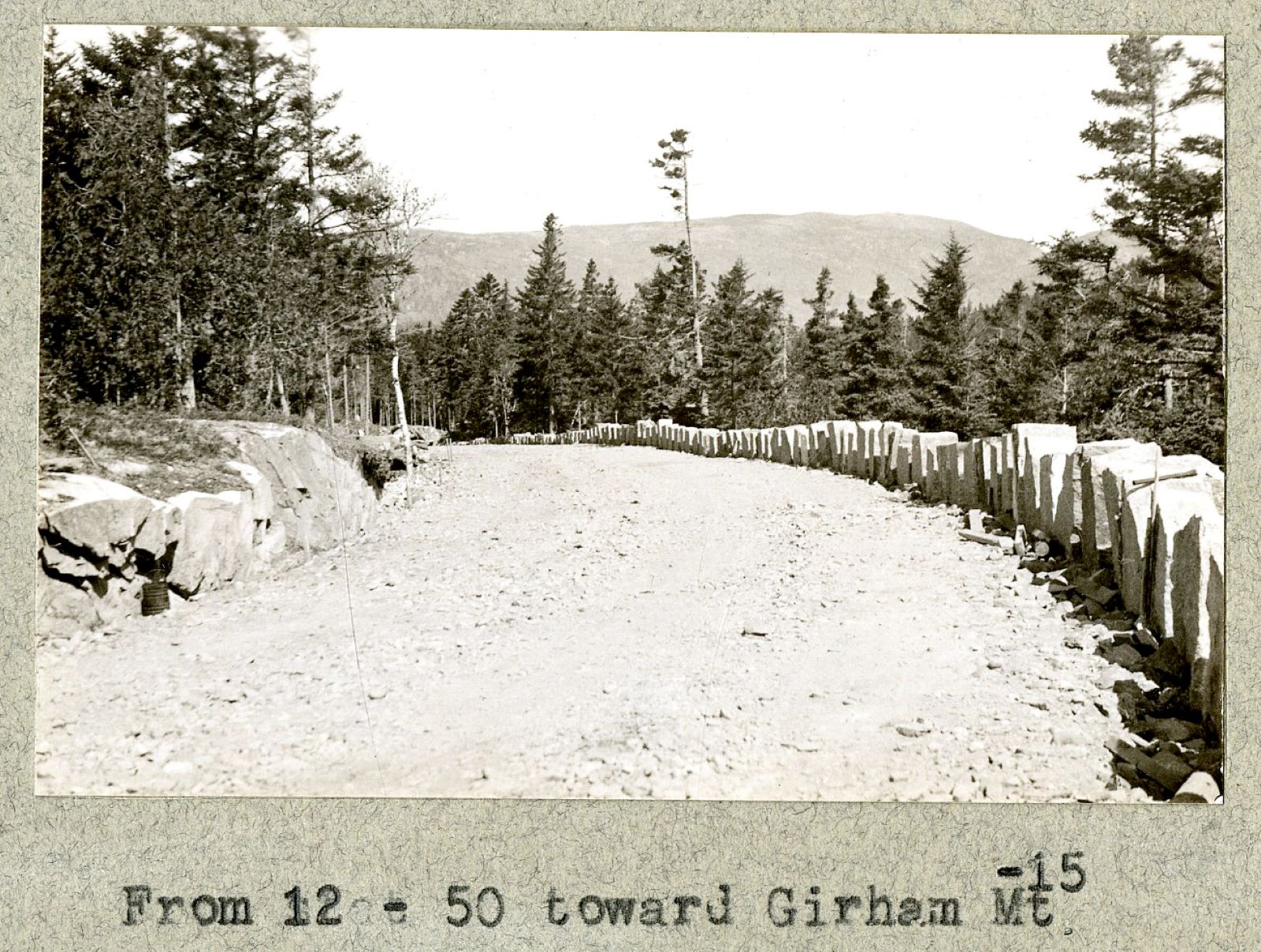
Acadia National Park: Carriage Roads, Cadillac Mountain & 2026 Guide
Discover carriage roads, Cadillac Mountain, and rugged Maine coast. Complete 2026 guide to Acadia National Park — trails, fees, lodging, permits, and what rangers recommend.
Hiking Guide
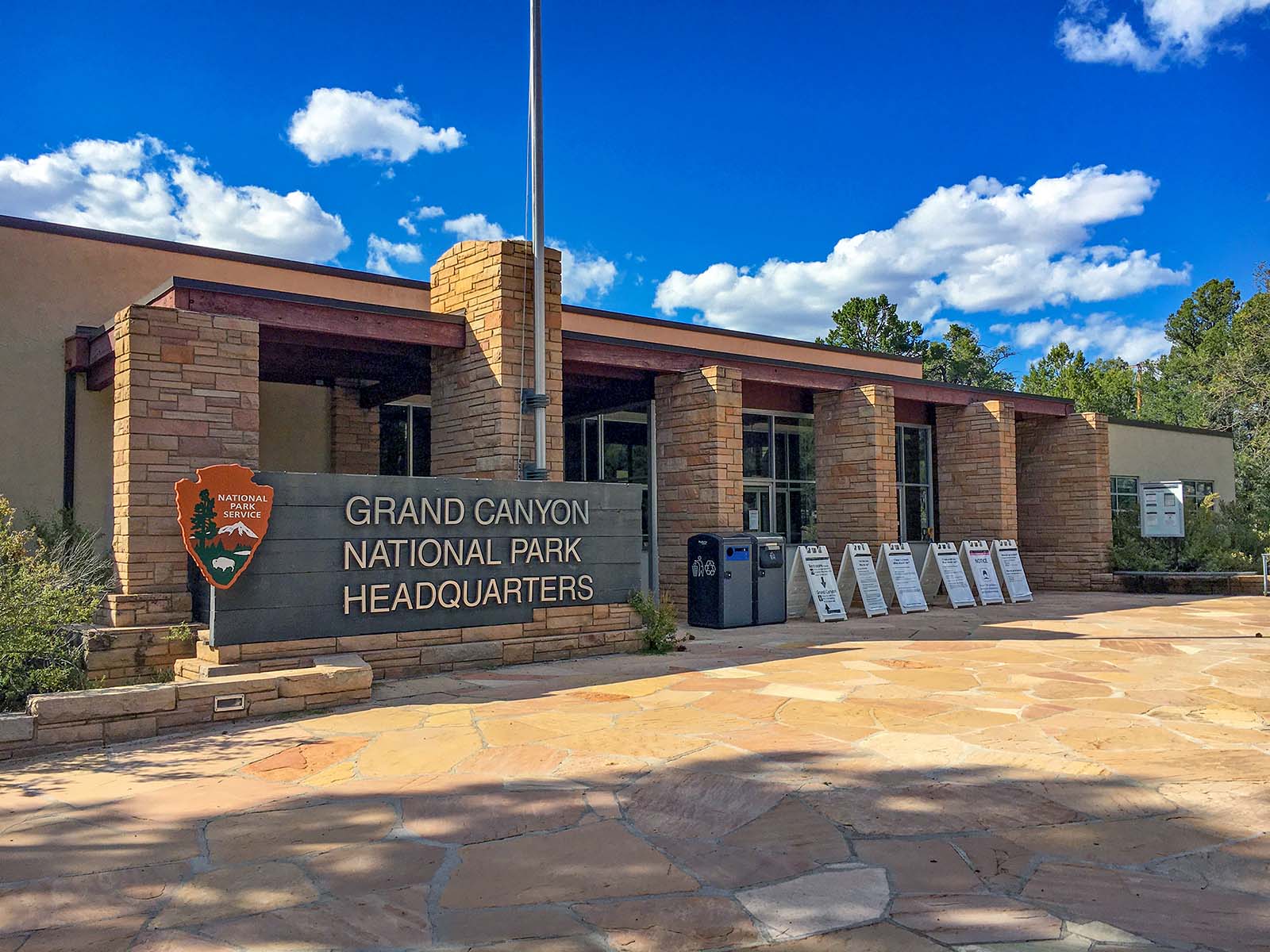
Grand Canyon Hiking Trails: Day Hikes, Water Sources & Rim to Rim
Compare Grand Canyon hiking trails: Bright Angel, South Kaibab, Hermit, Grandview, and rim to rim, with distances, elevation, water stops, and trailhead access for each.
Best Of
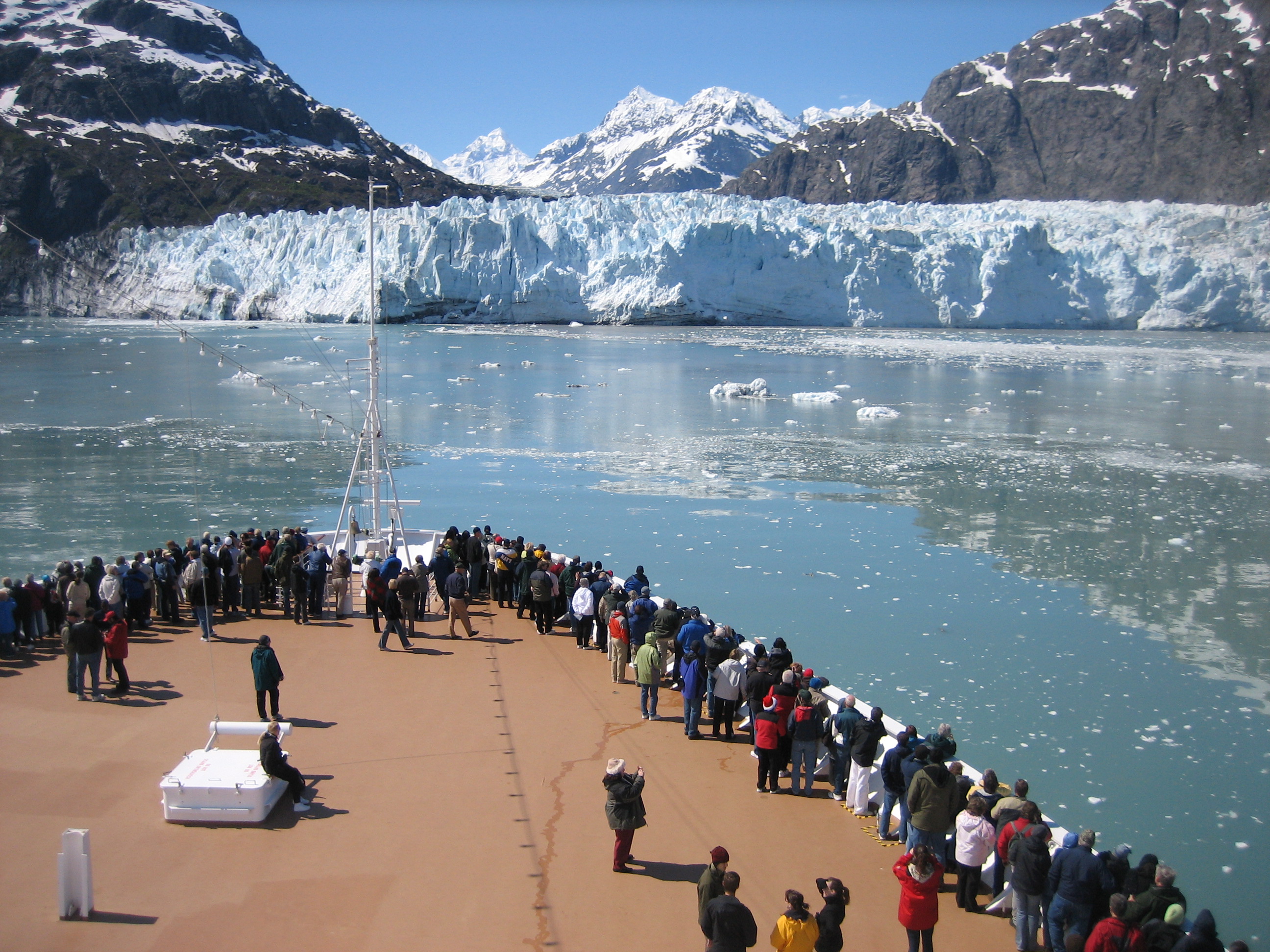
Best of Glacier Bay National Park
The best of Glacier Bay is reached by boat: ranger-led day tours up the bay to the tidewater glaciers. What's worth it, how to book, and when to go (2026).
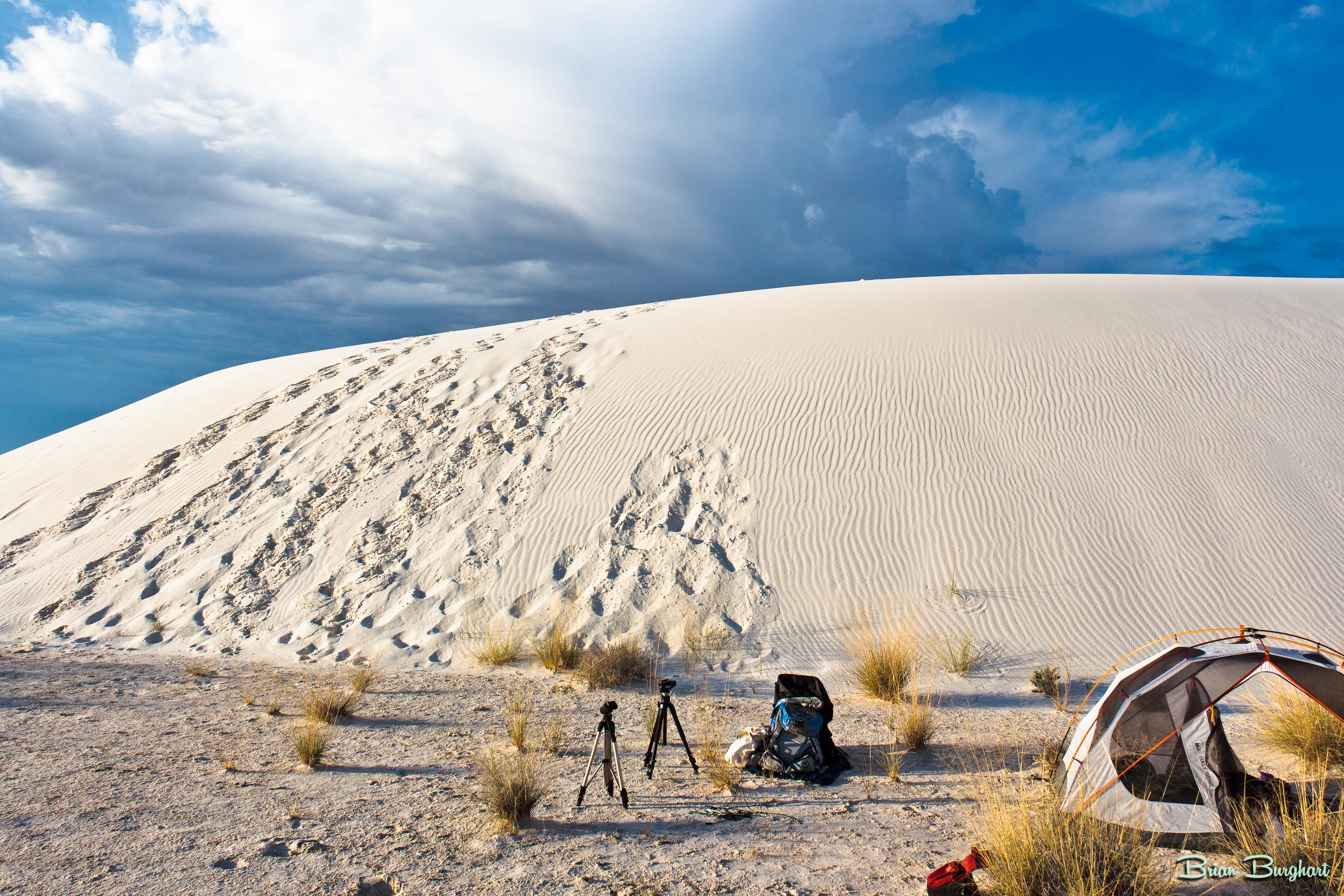
Campsite Guide
White Sands Backcountry Camping: Closed for 2026 — What to Know
As of 2026, backcountry camping at White Sands National Park is closed for site rehabilitation. What that means, and where to camp nearby instead.
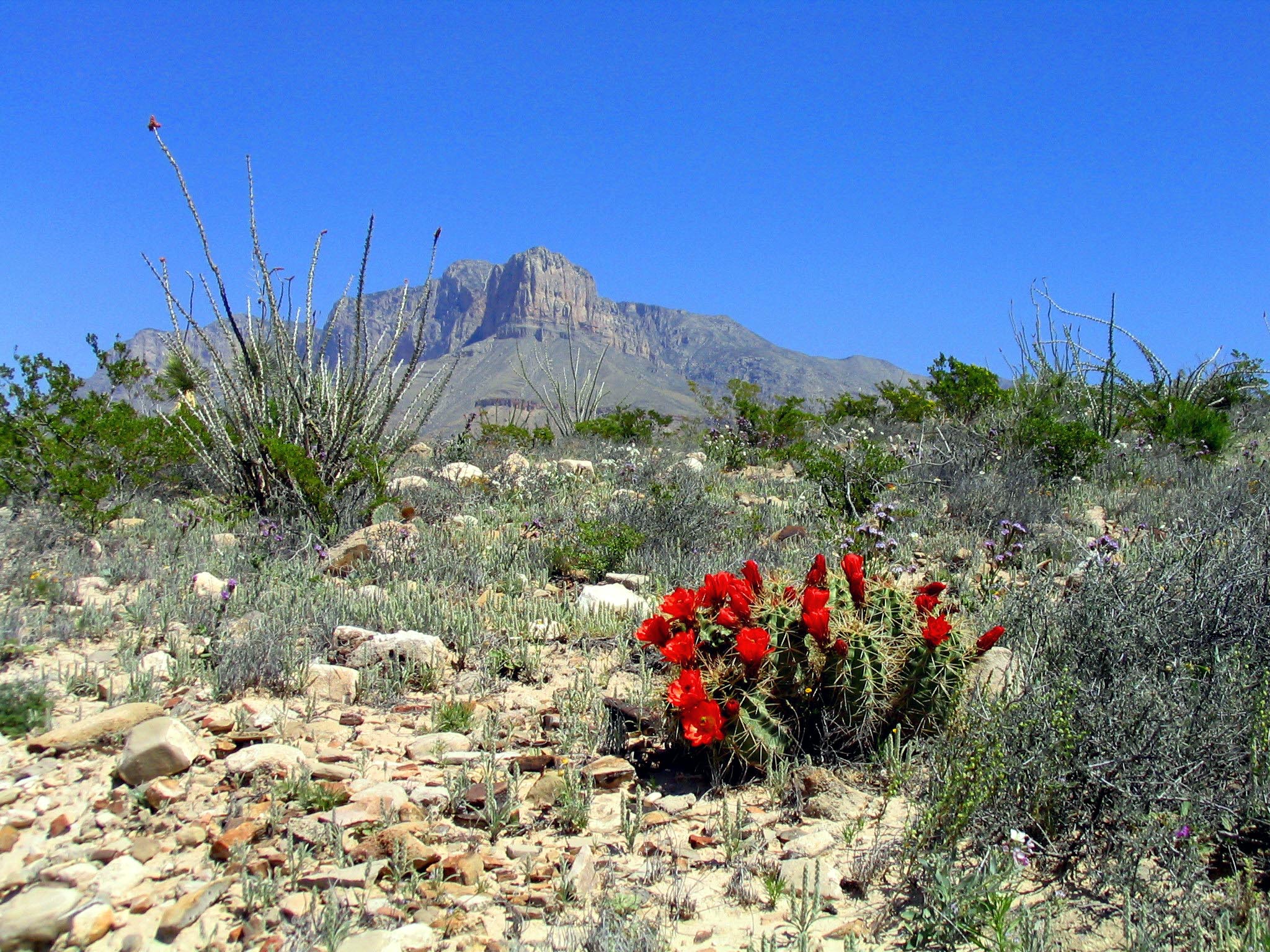
Weather Guide
Guadalupe Mountains National Park Weather: Weather
Guadalupe Mountains National Park: weather guide guide updated 2026. Practical visitor information, reservations, and seasonal tips worth bookmarking before
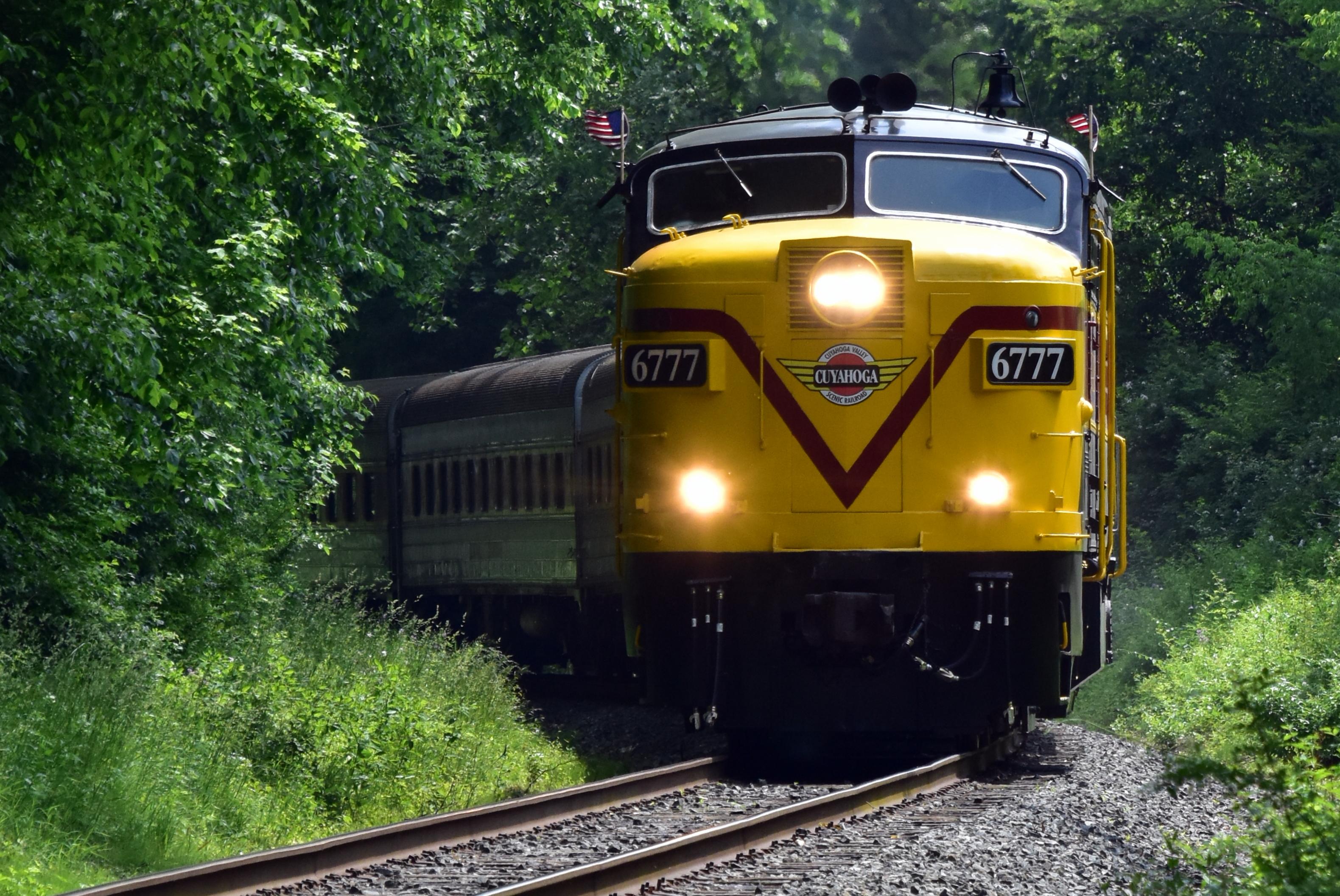
Best Of
Best of Cuyahoga Valley National Park: Best Things to Do
Seeing a Cleveland Orchestra concert with the woods as your backdrop is a uniquely Cuyahoga Valley experience.
Sign in to join the conversation.
Sources & Attribution
Location data courtesy of the National Park Service (U.S. Department of the Interior). NPS data is public domain. Official NPS page.
Images: NPS; NPS; NPS.
Map data © OpenStreetMap contributors.
Park operations alerts: NPS.gov · Weather and weather hazards: National Weather Service · Live conditions.
Information may change. Always verify fees, hours, and conditions directly with the official source before visiting.
Did this guide help? Share it with a friend.