The first thing you need to know about Tejas Wilderness Campground is that you can't just show up and pitch a tent. Every single overnight stay requires a Wilderness Use Permit - and that permit comes with two separate fees: a flat $6 reservation fee plus $6 per person per night. For a solo camper staying one night, that's $12 total. For a group of four staying two nights, it's $54. The reservation system exists because there are only five tent-only sites in this campground, and they're in high demand among people who want the full Guadalupe Mountains backcountry experience.
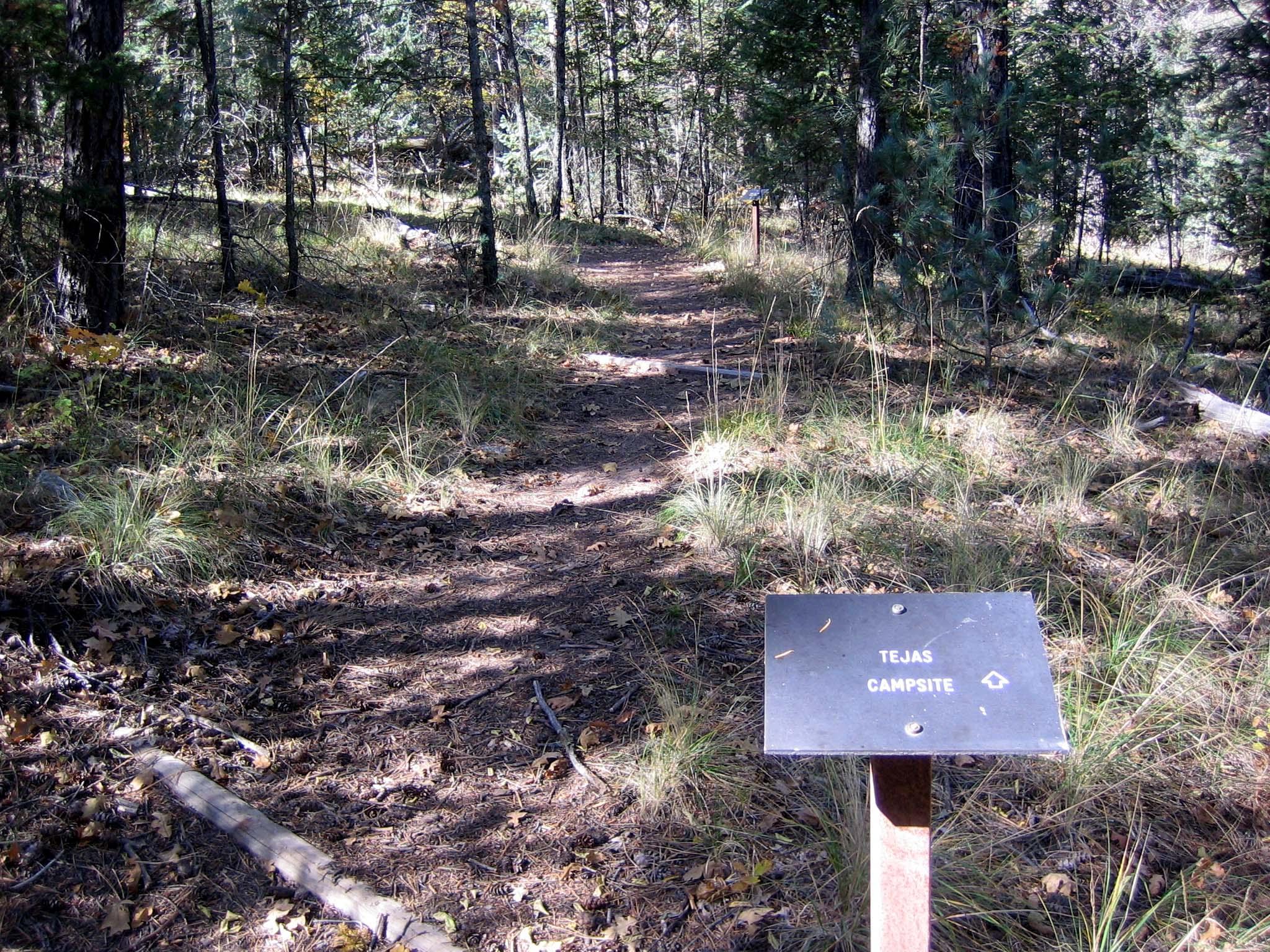
NPS via NPS.gov (Public Domain)
Campsites at Tejas Wilderness Campground (2026 Guide)
7 min read
Campsite Guide
The hike from Dog Canyon is 6.2 miles and follows a more gradual grade through open terrain before entering the forest near the campground.
Your plans
For more, see Campsites at Frijole Horse Corral Campground (2026 Guide), Campsites at Guadalupe Peak Wilderness Campground (2026 Guide), and Campsites at Pine Springs Campground (2026 Guide).
Tejas Wilderness Campground sits roughly midway between the two main park entrances. It's 5.5 miles from Pine Springs Trailhead or 6.2 miles from Dog Canyon. That extra distance from either trailhead filters out casual day-hikers and keeps the camping experience genuinely remote. What you get in return is a campsite tucked into the densest forest cover in the park - tall trees that throw deep shade well into late afternoon and block the worst of the winds that sweep across the upper slopes.
If you're new to the park, start with our complete visitor guide for the bigger picture. This article covers everything specific to booking and staying at Tejas itself.
Getting a Wilderness Use Permit
The permit process is straightforward but has a few quirks that trip people up. You pay the $6 reservation fee when you book - that's a one-time charge per permit, not per person. Then you add the per-person-per-night fee for each person on the permit. The park's online system handles this, but you'll want to book well ahead during spring and fall. Summer sees fewer visitors due to heat, but the sites still fill on weekends.
What the website doesn't mention
Rangers will tell you that the permit reservation fee and the per-person fee are separate line items that show up as two charges. Some visitors assume the $6 covers everything. It does not. If you're a family of four camping two nights, expect $6 + (4 people × $6 × 2 nights) = $54 total. The park does not offer discounts for multi-night stays. Each night adds to the per-person tab.
You also need to pick up your physical permit at the Pine Springs Visitor Center before heading in. The hours there vary seasonally, and as of 2026, the visitor center is open daily but may close for lunch or reduced winter hours - check the official site. There's no permit pickup at Dog Canyon, so if you're entering from that side, you'll need to have printed confirmation or have stopped at Pine Springs first.
Cancellation policy
The research data doesn't specify cancellation terms, but standard NPS wilderness permit policy for this park requires cancellation at least 48 hours in advance for a partial refund. Beyond that, you forfeit the fees. Contact the visitor center for the latest on that.

Getting There and Parking
You have two access points. Pine Springs Trailhead (State Highway 62/180) is the busier and more developed of the two. From there, it's 5.5 miles to Tejas Wilderness Campground. The trail climbs steadily, gaining about 1,200 feet over those miles. Most hikers budget 2.5 to 3.5 hours one way, depending on pack weight and heat.
Dog Canyon is on the park's north side, accessible via a paved road that dead-ends at the trailhead. The hike from Dog Canyon is 6.2 miles and follows a more gradual grade through open terrain before entering the forest near the campground. The parking situation here is much better - smaller lot, rarely full. Cell service drops out about a mile before either trailhead, so download maps and permit confirmations ahead of time.
The common mistake - and almost everyone makes it - is underestimating how much water you need for the hike in. There is no water source at Tejas Wilderness Campground. None. You haul every drop you'll drink, cook with, and wash with. The park service recommends a minimum of one gallon per person per day in warm weather. For a two-night trip, that's two gallons per person just for drinking and cooking. The trail weight adds up fast.
As of 2026, the Williams Ranch Road is closed due to unsafe conditions, so that route is not an option for accessing the backcountry. Stick to the two trailheads.

What to Expect at the Campground
Five tent-only sites, each with a designated tent pad. The pads are gravel or compacted soil, leveled enough for a comfortable night's sleep. There are no picnic tables, no fire rings, no trash cans, and no toilets. This is true wilderness camping - you pack it in, pack it out, and bury your waste properly. Rangers will tell you that the forest floor here is covered in a thick layer of pine needles and duff, which makes finding a good cat-hole spot fairly easy if you go 200 feet from camp and away from any drainage.
The deep shade from the tall trees keeps temperatures noticeably cooler than the desert floor. In July, you might hit 95°F down at Pine Springs, but under the canopy at Tejas you'll be in the low 80s by late afternoon. Morning light filters through slowly, giving you an extra hour of sleep if you're not an early riser. The tree cover also blocks wind significantly - a real advantage on the Guadalupe escarpment, where afternoon gusts can hit 30 mph at exposed sites.
Wildlife you might see
Mule deer are common in the campground and will approach if you're careless with food. Keep everything in a bear-proof canister or hang it - the park doesn't have grizzlies, but raccoons, ringtails, and the occasional black bear will investigate. Birders will get good looks at Mexican jays, Townsend's solitaires, and if you're lucky, a peregrine falcon slicing through the canopy gap overhead.
Noise and solitude
This is a quiet campground. Sound carries. The five sites are spaced far enough apart that you won't hear your neighbors' conversation, but you'll hear their footsteps on the trail a hundred yards away. Most people who stay here are backpackers headed to or from Guadalupe Peak or Bush Mountain, so they tend to be in bed early and out early. Lights-out by 9 PM is common courtesy. If you want to stargaze, the canopy limits views - you're better off walking a quarter-mile south toward the ridge for an open sky.

Nearby Trails and Things to Know
Tejas Wilderness Campground is well positioned for side trips. The most popular day-hike from camp is up to Guadalupe Peak - the highest point in Texas at 8,749 feet. It's about 2.5 miles from the campground to the summit trail junction, then another 1.5 miles up. The elevation gain is worth it. From the top you can see the salt flats to the west, the Permian Basin to the east, and the entire Guadalupe Ridge stretching north.
The hike to Devil's Hall is rated as strenuous - don't underestimate it. The route follows a wash that requires rock scrambling, and it's dangerous when wet. Most visitors underestimate how unstable the loose gravel and rocks can be. If there's recent rain, skip it. The wash surface is exactly what the park warning describes: loose gravel and rocks that shift underfoot. Check conditions at the visitor center before heading that direction.
For campers coming from Dog Canyon, the return hike involves a 2.5-mile climb back up from the canyon floor. Pack extra water for this stretch - the last mile is exposed to full sun in the afternoon.

Practical Takeaways
- Book your permit early. Five sites only. The online system opens reservations 30 days ahead. Weekend slots in March-May and October-November go within hours.
- Confirm your fees. $6 reservation fee + $6 per person per night. Use the park's online payment system - the park store has gone cashless as of August 2025, so assume the same for permit payments.
- Carry all your water. Minimum one gallon per person per day. For a two-night stay with a hike in and out, that's four gallons total per person. That's 32 pounds of water alone.
- Know your trailhead distances. 5.5 miles from Pine Springs, 6.2 from Dog Canyon. Both are moderate in gradient but long enough to test your legs with a full pack.
- Pack for wind and shade. Even with the forest protection, bring a wind layer for the evenings. Temperatures drop quickly after sunset, and the canopy holds in ground moisture - expect dew on your tent by morning.
- Leave no trace. No trash service, no toilets. Carry wag bags or plan to bury waste properly. Pack out all trash, including toilet paper.
- Check current alerts. As of 2026, Williams Ranch Road is closed and Devil's Hall has a strenuous rating with specific cautions about wet conditions. These may change. Check the NPS alerts page before you go.
Final Thoughts
Tejas Wilderness Campground is not for everyone. The permit process takes planning, the hike in requires real effort, and the amenities are nonexistent. What it offers instead is something increasingly rare in national parks: a genuinely quiet, forested camping experience that rewards the people willing to work for it. The five sites are basic but well-maintained. The trees provide the kind of shade and shelter you won't find on the exposed ridge camps. And the location - dead center between the park's two trailheads - makes it an ideal base for exploring the high country.
If you're after solitude, deep forest, and the satisfaction of earning your night's sleep under the stars, this is the campground to book. Just don't forget the permit. And bring more water than you think you need.
Sources
- Official source: National Park Service nps.gov/gumo/planyourvisit/ts_wcg.htm
- Official source: NPS — Guadalupe Mountains National Park nps.gov/gumo/index.htm
Photo Gallery
More to Explore
Park Guide
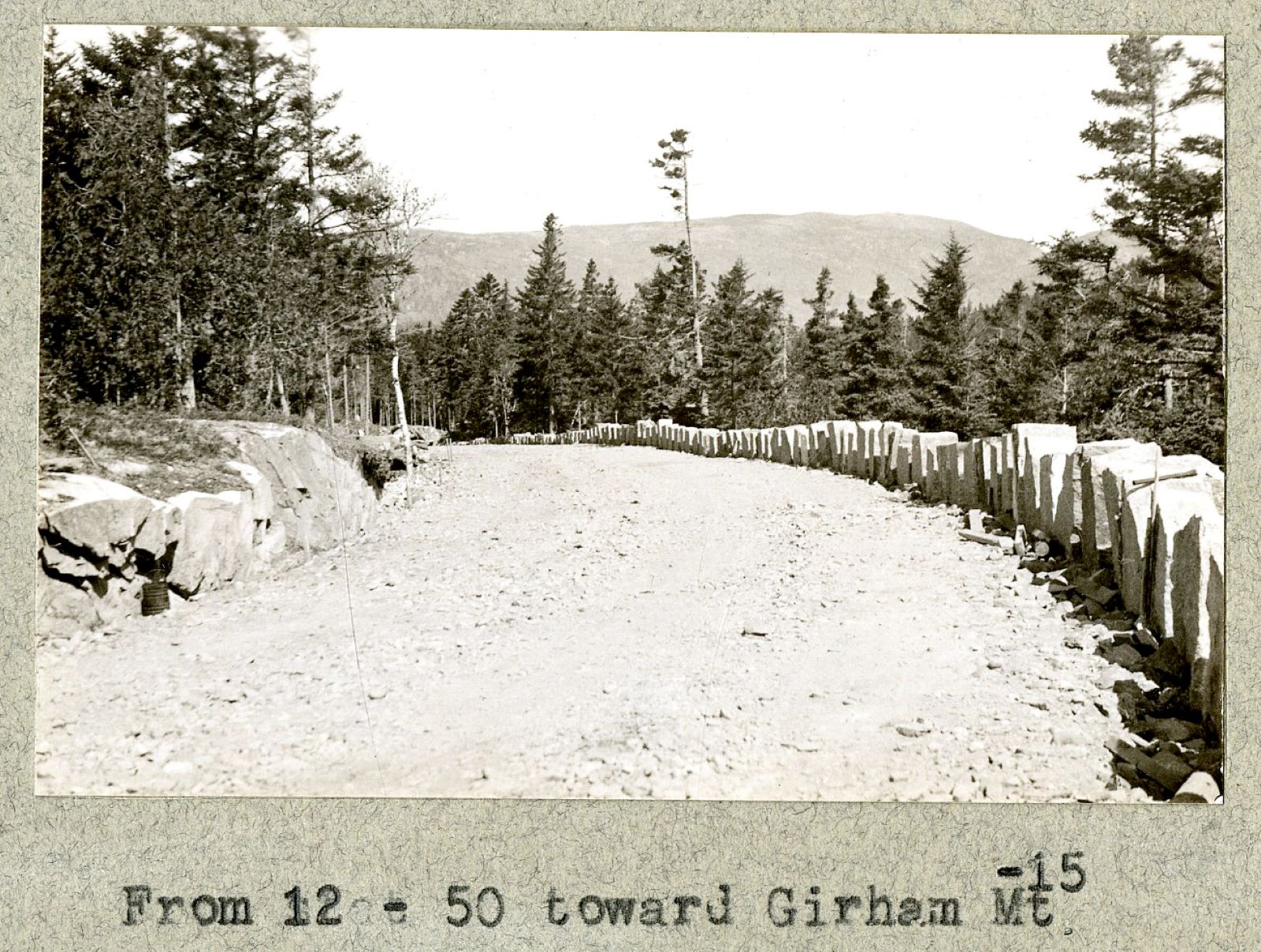
Acadia National Park: Carriage Roads, Cadillac Mountain & 2026 Guide
Discover carriage roads, Cadillac Mountain, and rugged Maine coast. Complete 2026 guide to Acadia National Park — trails, fees, lodging, permits, and what rangers recommend.
Hiking Guide
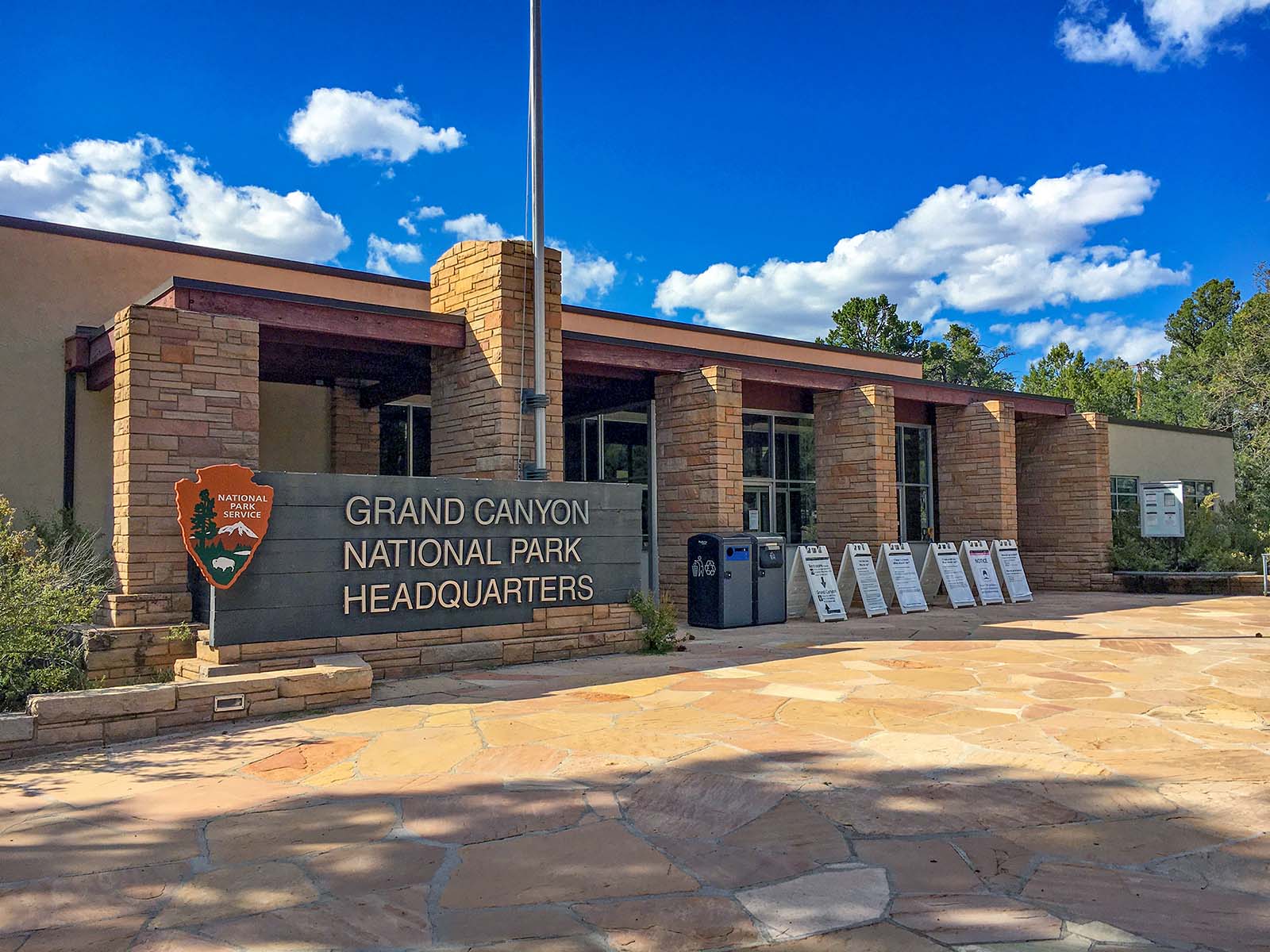
Grand Canyon Hiking Trails: Day Hikes, Water Sources & Rim to Rim
Compare Grand Canyon hiking trails: Bright Angel, South Kaibab, Hermit, Grandview, and rim to rim, with distances, elevation, water stops, and trailhead access for each.
Best Of
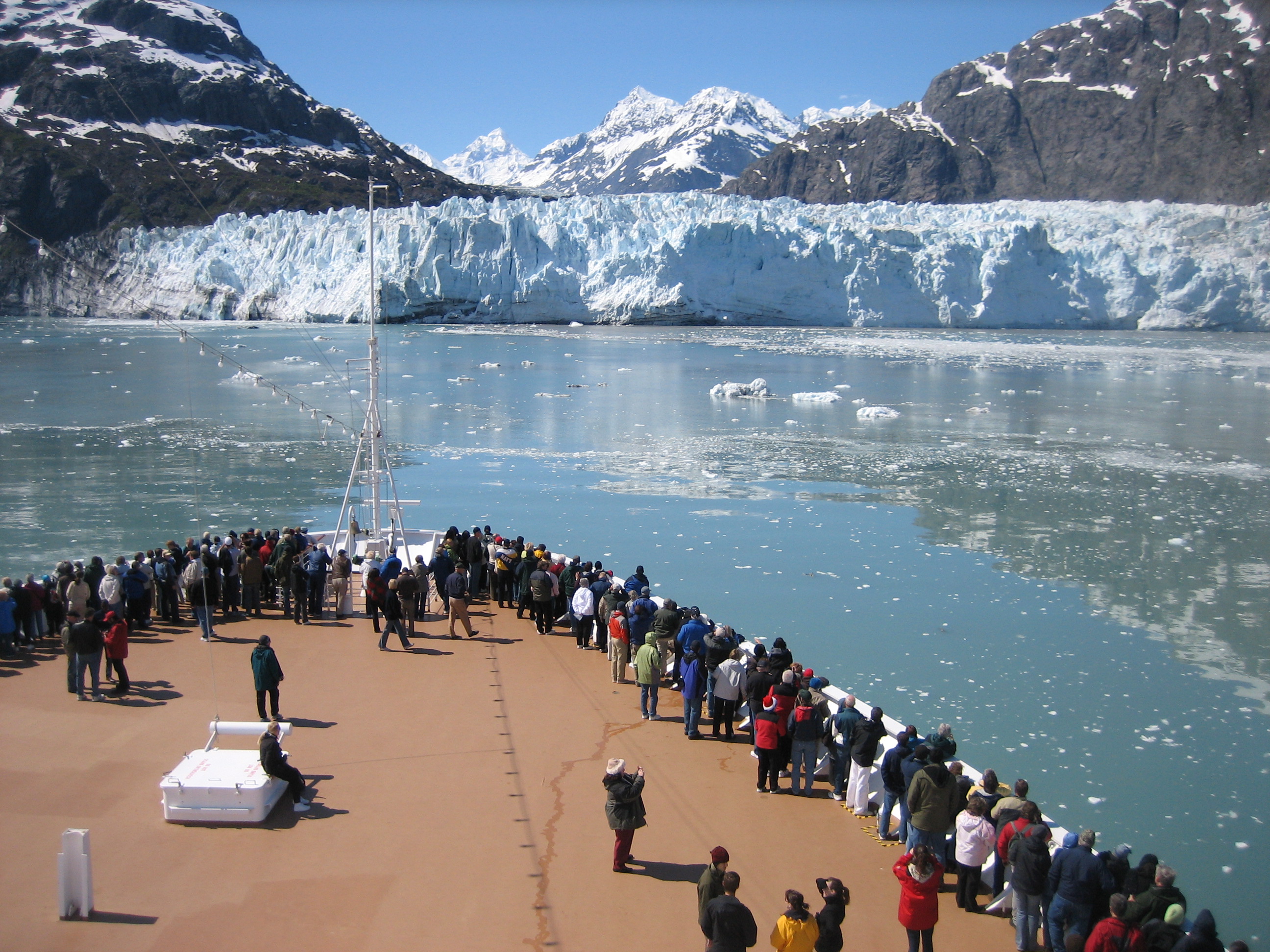
Best of Glacier Bay National Park
The best of Glacier Bay is reached by boat: ranger-led day tours up the bay to the tidewater glaciers. What's worth it, how to book, and when to go (2026).
Campsite Guide
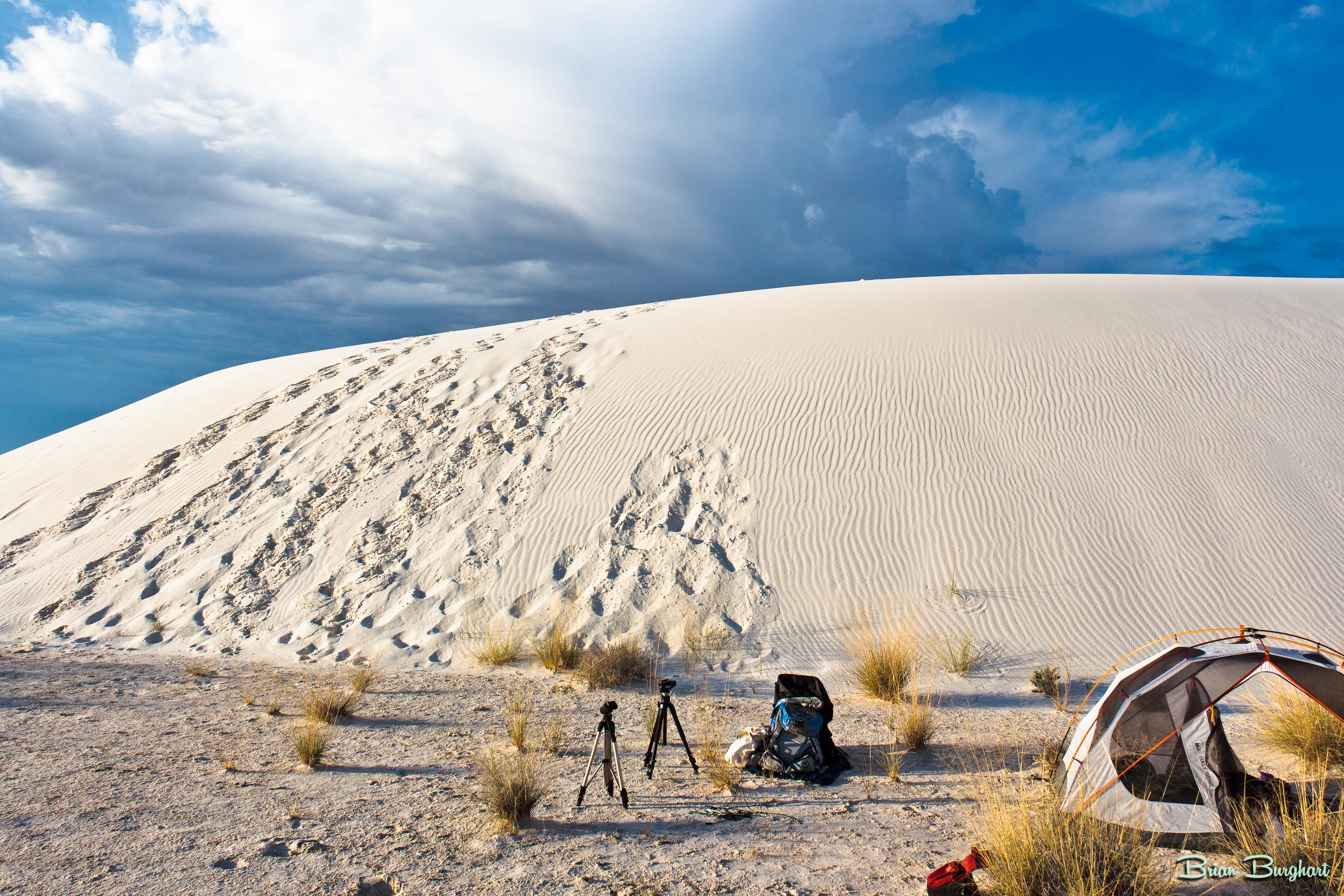
White Sands Backcountry Camping: Closed for 2026 — What to Know
As of 2026, backcountry camping at White Sands National Park is closed for site rehabilitation. What that means, and where to camp nearby instead.
Weather Guide
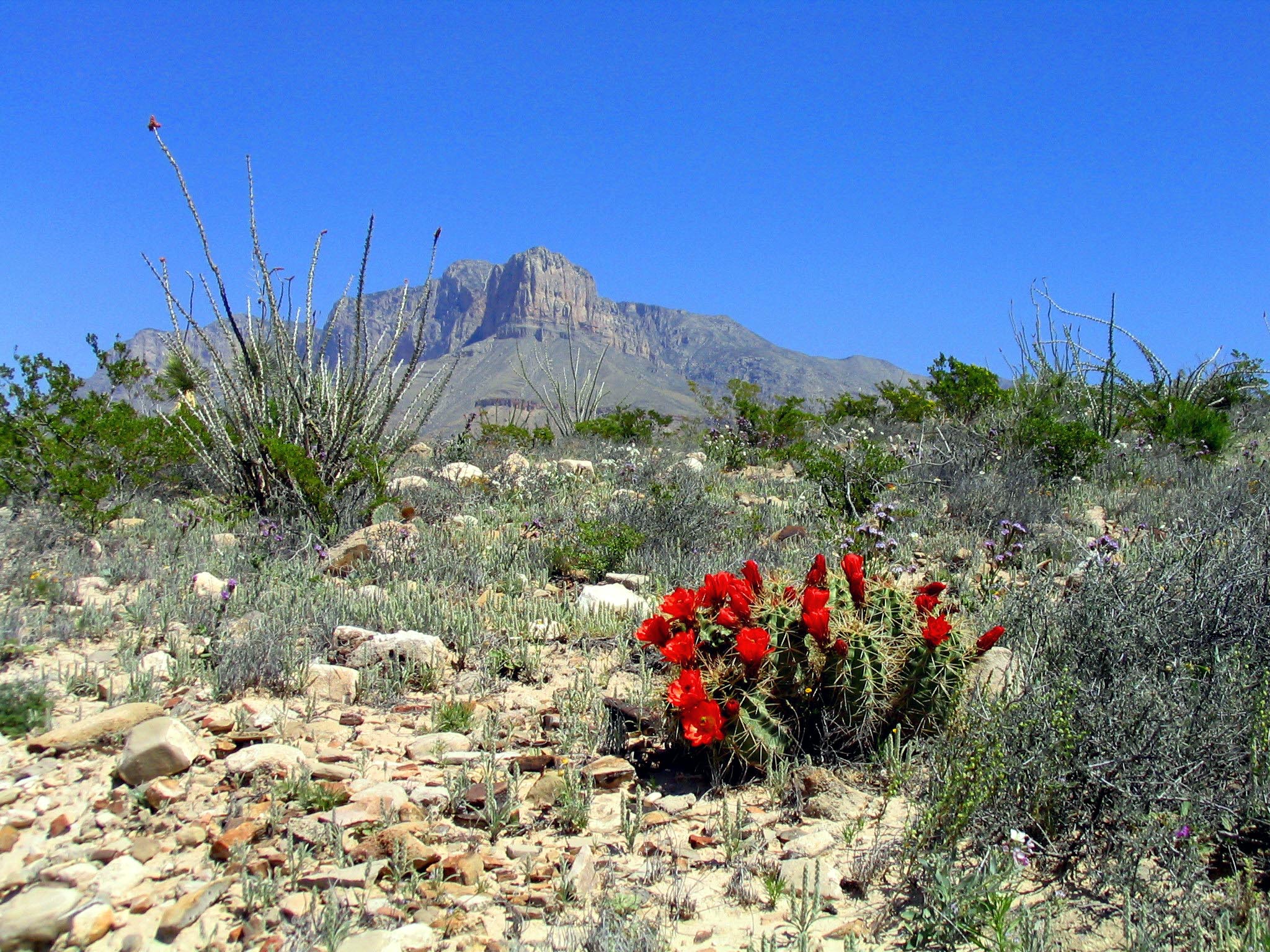
Guadalupe Mountains National Park Weather: Weather
Guadalupe Mountains National Park: weather guide guide updated 2026. Practical visitor information, reservations, and seasonal tips worth bookmarking before
Best Of
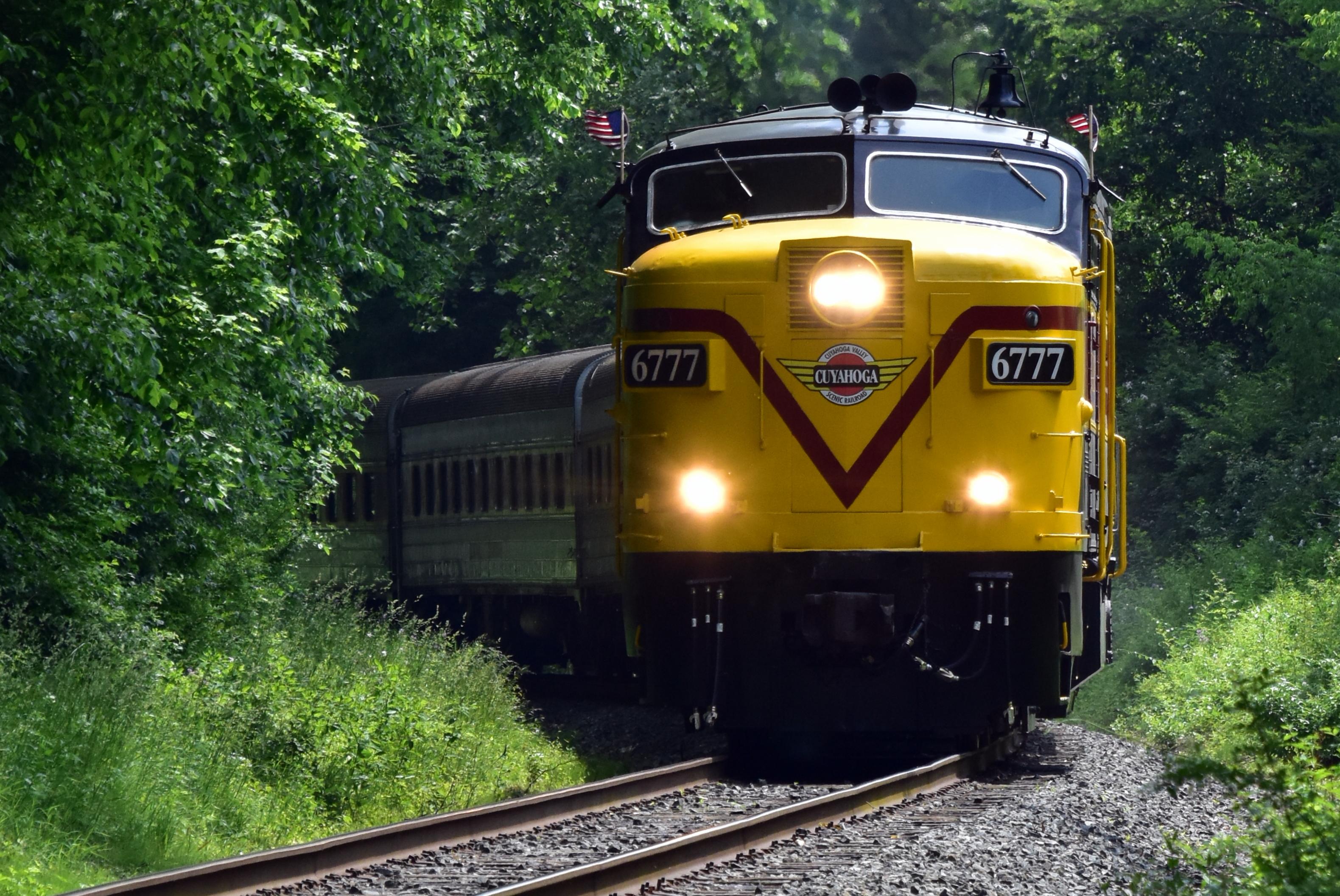
Best of Cuyahoga Valley National Park: Best Things to Do
Seeing a Cleveland Orchestra concert with the woods as your backdrop is a uniquely Cuyahoga Valley experience.
Sign in to join the conversation.
Sources & Attribution
Location data courtesy of the National Park Service (U.S. Department of the Interior). NPS data is public domain. Official NPS page.
Images: NPS; NPS; NPS; NPS; NPS.
Map data © OpenStreetMap contributors.
Park operations alerts: NPS.gov · Weather and weather hazards: National Weather Service · Live conditions.
Information may change. Always verify fees, hours, and conditions directly with the official source before visiting.
Did this guide help? Share it with a friend.