Booking a site at the Shumard Canyon Wilderness Campground requires a Wilderness Use Permit, and the $6 reservation fee applies per permit regardless of group size. That is the first thing to know - the second is that you are committing to a 9.0-mile hike in from Pine Springs Trailhead with everything you need on your back.
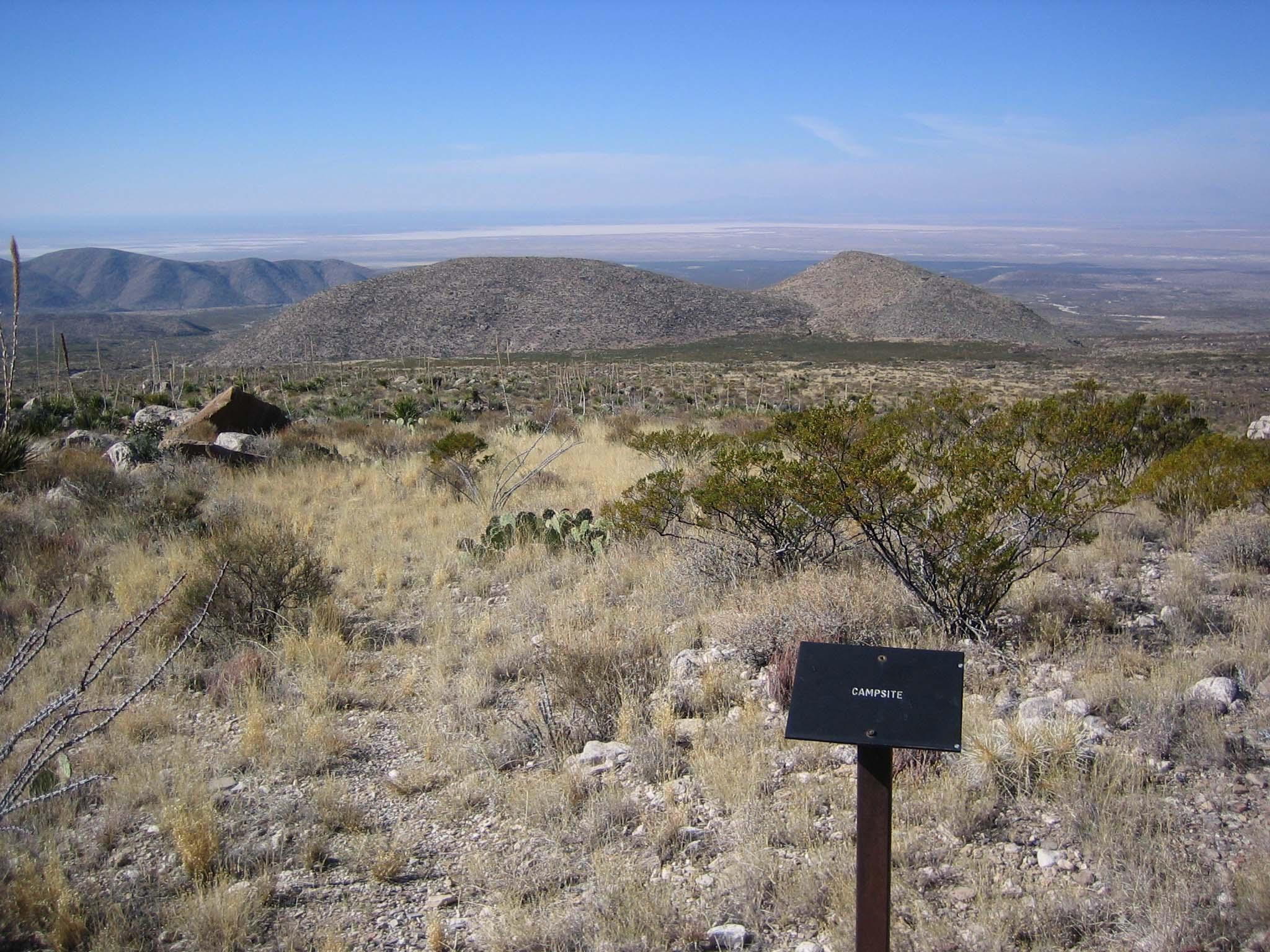
NPS via NPS.gov (Public Domain)
Campsites at Shumard Canyon Wilderness Campground (2026 Guide)
6 min read
Campsite Guide
The trail to Shumard Canyon starts at Pine Springs Trailhead, elevation roughly 5,740 feet. From there you cover 9.0 miles one way to the campground.
Your plans
For more, see complete visitor guide, Campsites at Dog Canyon Campground (2026 Guide), Campsites at Mckittrick Ridge Wilderness Campground (2026 Guide), Campsites at Mescalero Wilderness Campground (2026 Guide), and Campsites at Wilderness Ridge Wilderness Campground (2026 Guide).
If that sounds like your kind of overnight, this guide covers the details that matter: permit logistics, trail conditions, and what the park service wants you to understand before you go.
Getting to Shumard Canyon
The hike in
The trail to Shumard Canyon starts at Pine Springs Trailhead, elevation roughly 5,740 feet. From there you cover 9.0 miles one way to the campground. The elevation gain is less punishing than the route up to Guadalupe Peak, but "less" does not mean flat. You climb gradually through open desert terrain with no tree cover for shade or windbreak.
Rangers will tell you that most visitors underestimate the exposure on this trail. The Chihuahuan Desert sun is direct and relentless from mid-morning until late afternoon. Pack extra water for this stretch - the park recommends a minimum of one gallon per person per day in warmer months.
Trail surface and navigation
The route follows a well-defined trail, but the surface varies. Loose gravel and rocky sections require steady footing, especially where the trail crosses washes. Early morning is your best bet for cooler temperatures, but start early enough that you are not hiking the last miles in direct afternoon sun.
Cell service drops out well before you reach the trailhead. Download offline maps and carry a paper backup. The trail register at the trailhead is worth signing - it helps the park track usage and provides a record of your itinerary.

Campsite details and permit system
Site count and type
The campground has five tent-only sites. Each site has a designated tent pad. No RVs, no trailers - this is a walk-in wilderness campground, and anything you bring must go on your back for 9.0 miles.
Permit fees explained
The fee structure has two parts:
- Permit Reservation Fee: $6.00 per permit. This is a one-time fee for each reservation.
- Per-Person-Per-Night Recreation Fee: $6.00 per person per night.
Examples: One person camping one night pays $6 reservation + $6 recreation = $12 total. Three people camping one night pay $6 reservation + $18 recreation = $24 total. One person camping two nights pays $6 reservation + $12 recreation = $18 total. You get the idea.
All major credit cards, debit cards, and mobile payments are accepted. Note that as of August 2025, the park store is cashless - carry cards if you plan to buy anything at the visitor center before heading out.
When the campground is open
Standard hours show the campground open all day, every day. But the NPS note is worth reading: wilderness campgrounds may close due to emergency, maintenance work, or resource protection concerns. Check the complete visitor guide for current conditions before you drive out.
Current alerts to know
Three active notices as of 2026:
- Williams Ranch Road closed - impassable and not accessible to public. Do not plan routes that rely on this road.
- Devil's Hall hike rated strenuous - the route requires rock scrambling in a wash with loose gravel and unstable surfaces. Dangerous when wet.
- Park store cashless - bring cards.
These affect approach and alternative trip planning. The Williams Ranch Road closure, for example, eliminates one potential access point to the western side of the park.

What to expect at Shumard Canyon
Terrain and climate
Shumard Canyon sits in the Chihuahuan Desert ecosystem. Expect arid conditions year-round, with summer daytime temperatures routinely exceeding 100°F (38°C) and winter nights dropping below freezing. Wind is a near-constant factor - the open ridgelines offer no shelter.
The geology here is Guadalupe Mountains limestone, part of an ancient reef system. The canyon walls expose layered rock that records millions of years of marine history. From the tent pads you can see the characteristic tan and gray strata rising around you.
What the park website doesn't mention
The official materials touch on exposure, but they understate the psychological factor of hiking 9.0 miles with a full pack in open desert. There is no shade. There is no water source along the trail. There is no cell service. The trail narrows in places where you are walking on a bench cut into a slope - not technically dangerous in dry conditions, but you want your footing.
Most visitors underestimate the wind. Even moderate breeze speeds in open terrain increase water loss and lower body temperature faster than you expect. A wind layer is not optional.
Gear recommendations for this specific site
- Pack weight: With 9.0 miles each way, keep your base weight under 30 pounds. Every extra pound multiplies the effort.
- Water capacity: Minimum one gallon per person per day. That means for a two-night trip you are carrying at least three gallons per person - approximately 24 pounds of water alone.
- Sun protection: Wide-brim hat, long sleeves, sunglasses rated for UV. Sunscreen lasts about two hours in this intensity.
- Tent: Must be free-standing or able to handle wind on hard surfaces. The tent pads are not deep soil; stakes may not hold well in loose gravel.
- Cooking: No campfires allowed. Use a stove with fuel canisters. Pack out all waste.
The elevation gain is worth it once you reach the canyon and see the scale of the rock walls, but the nine miles back out will remind you why this is considered a backcountry experience, not a casual overnight.

Practical takeaways
- Reserve a permit in advance - all five sites require a Wilderness Use Permit. The $6 reservation fee plus $6 per person per night covers two nights maximum on a standard trip.
- Check the alerts page before driving to the park. Williams Ranch Road is closed, and other conditions may affect your route.
- Start hiking before sunrise to avoid the worst heat on the trail. Plan to arrive at the campground by early afternoon.
- Carry extra water - one gallon per person per day minimum. Filtering is not an option; there are no reliable surface water sources on this route.
- Pack for wind and sun even if the forecast shows moderate temperatures. The exposure changes everything.
- Leave no trace - all trash and human waste must be packed out. Carry a waste bag.
- Compare fees and policies with other options at the all campgrounds page before finalizing your plans.

Final thoughts
Shumard Canyon is not a beginner-friendly campground. It rewards self-sufficiency and preparation with solitude and scale - five tent pads in a remote corner of a park that already sees far fewer visitors than its renown would suggest. The hike will test your legs and your patience with a heavy pack. The payoff is a night in a place where the only light after sunset is starlight, and the silence is broken only by wind moving through the canyon.
If that sounds like a good trade, you know what to do. The permit system is straightforward. The trail is clear. The rest is up to you and your gear choices. Check the official website for current rates and conditions before you go - fees and policies can shift, and a closed road five hours into your drive is a disappointment that good research prevents.
For more information, see our complete Guadalupe Mountains National Park Guide.
Sources
- Official source: National Park Service nps.gov/gumo/planyourvisit/sc_wcg.htm
- Official source: National Park Service nps.gov/gumo/planyourvisit/camping.htm
- Official source: NPS — Guadalupe Mountains National Park nps.gov/gumo/index.htm
Photo Gallery
More to Explore
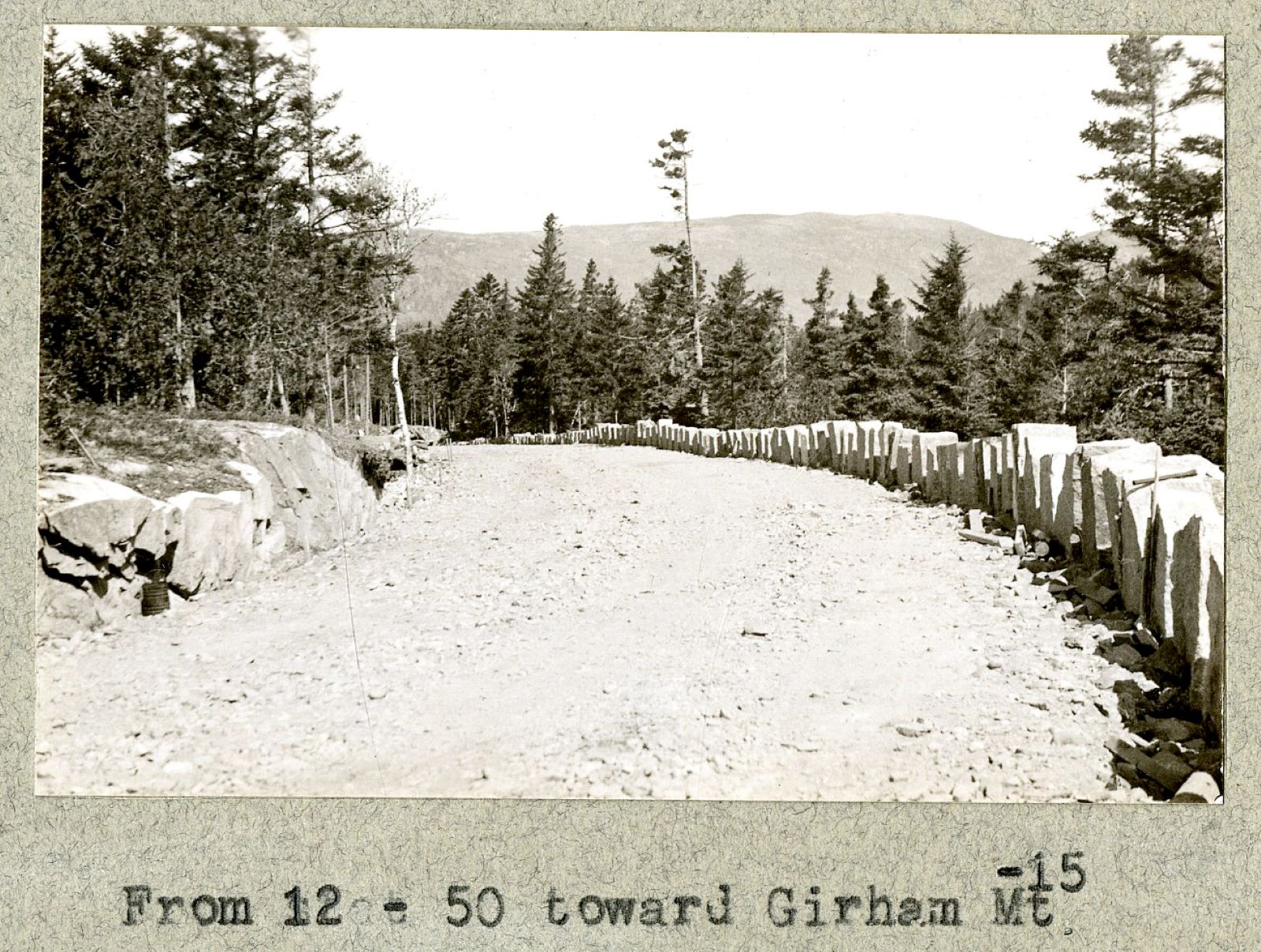
Park Guide
Acadia National Park: Carriage Roads, Cadillac Mountain & 2026 Guide
Discover carriage roads, Cadillac Mountain, and rugged Maine coast. Complete 2026 guide to Acadia National Park — trails, fees, lodging, permits, and what rangers recommend.
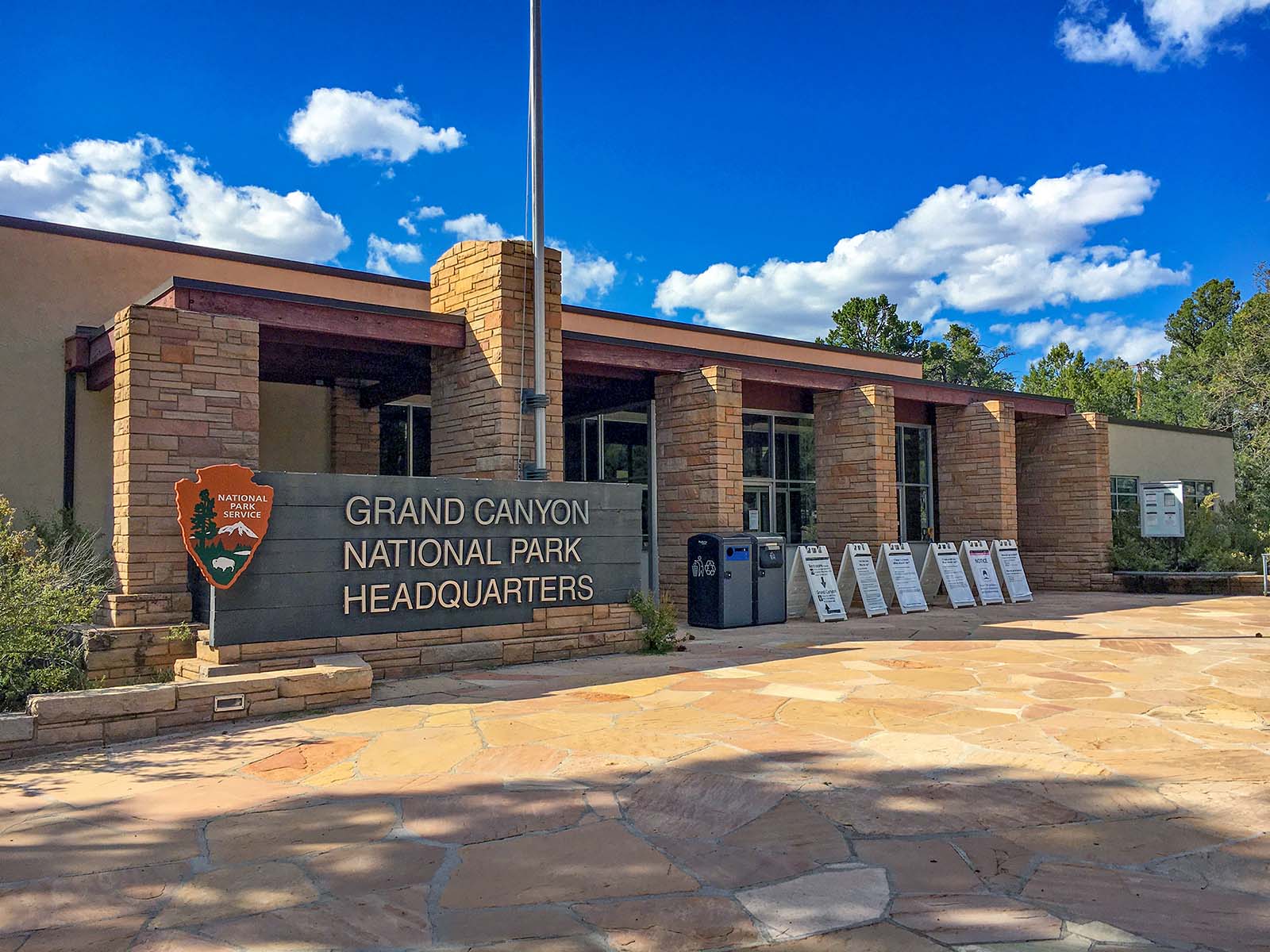
Hiking Guide
Grand Canyon Hiking Trails: Day Hikes, Water Sources & Rim to Rim
Compare Grand Canyon hiking trails: Bright Angel, South Kaibab, Hermit, Grandview, and rim to rim, with distances, elevation, water stops, and trailhead access for each.
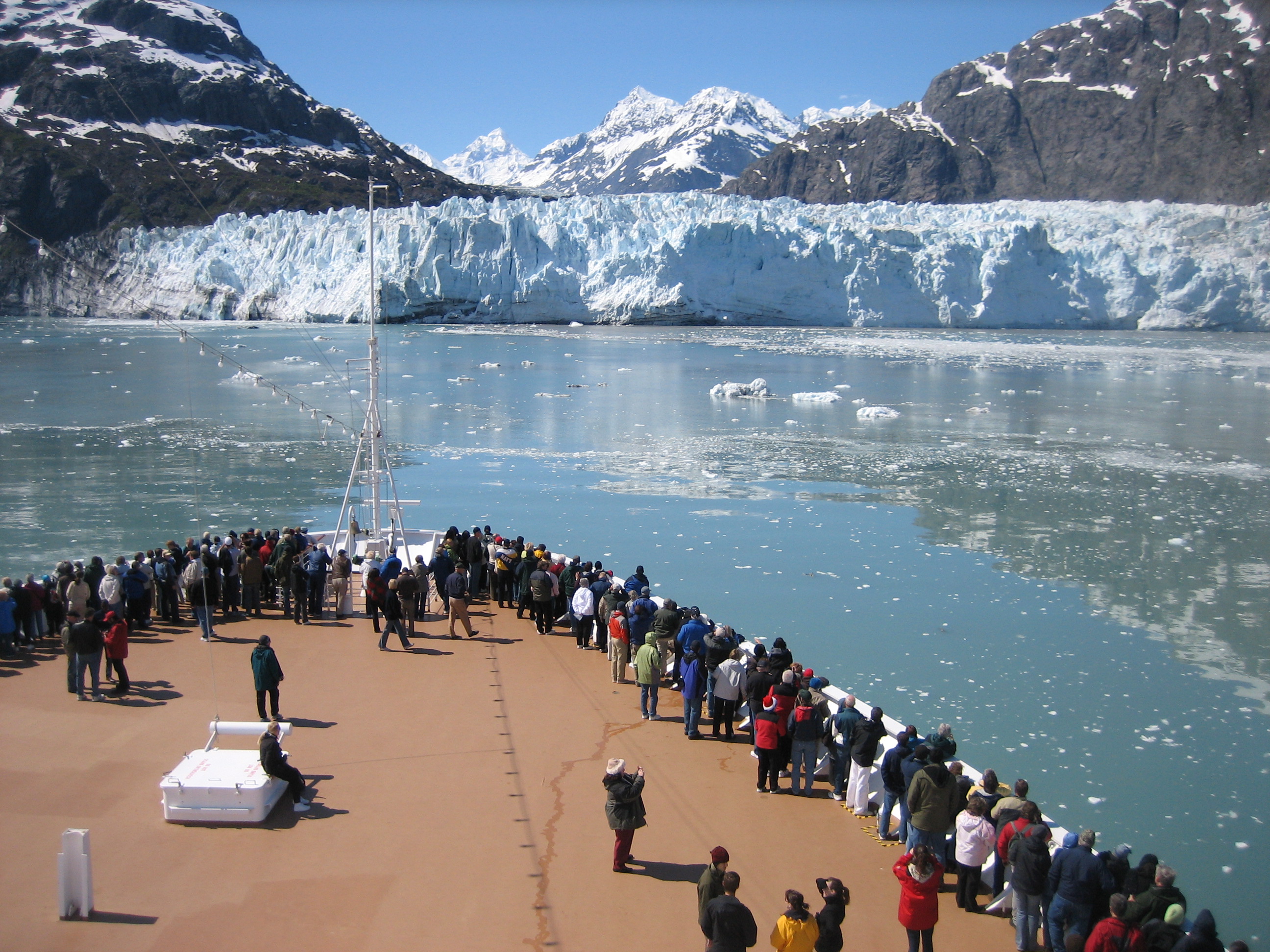
Best Of
Best of Glacier Bay National Park
The best of Glacier Bay is reached by boat: ranger-led day tours up the bay to the tidewater glaciers. What's worth it, how to book, and when to go (2026).
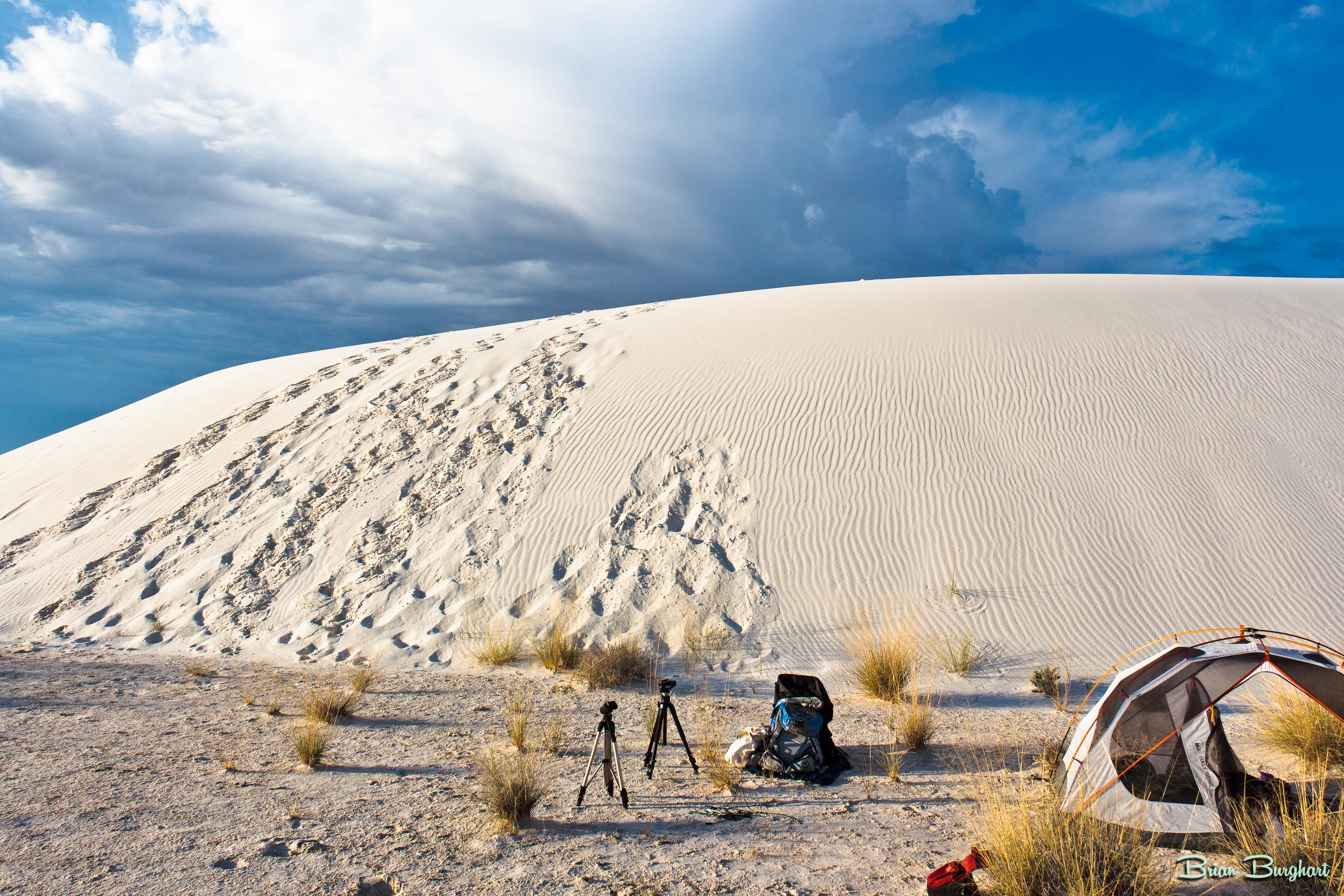
Campsite Guide
White Sands Backcountry Camping: Closed for 2026 — What to Know
As of 2026, backcountry camping at White Sands National Park is closed for site rehabilitation. What that means, and where to camp nearby instead.
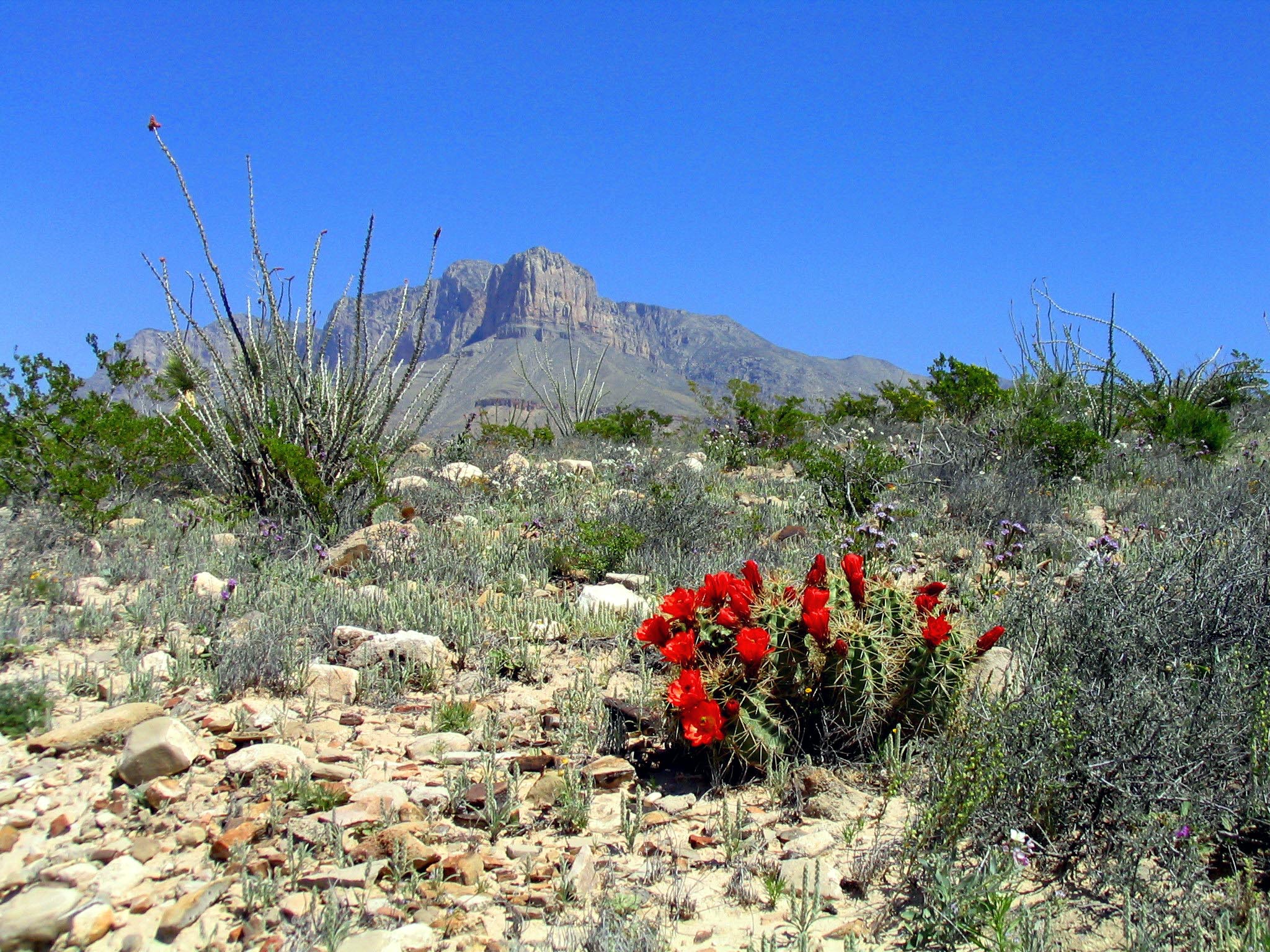
Weather Guide
Guadalupe Mountains National Park Weather: Weather
Guadalupe Mountains National Park: weather guide guide updated 2026. Practical visitor information, reservations, and seasonal tips worth bookmarking before
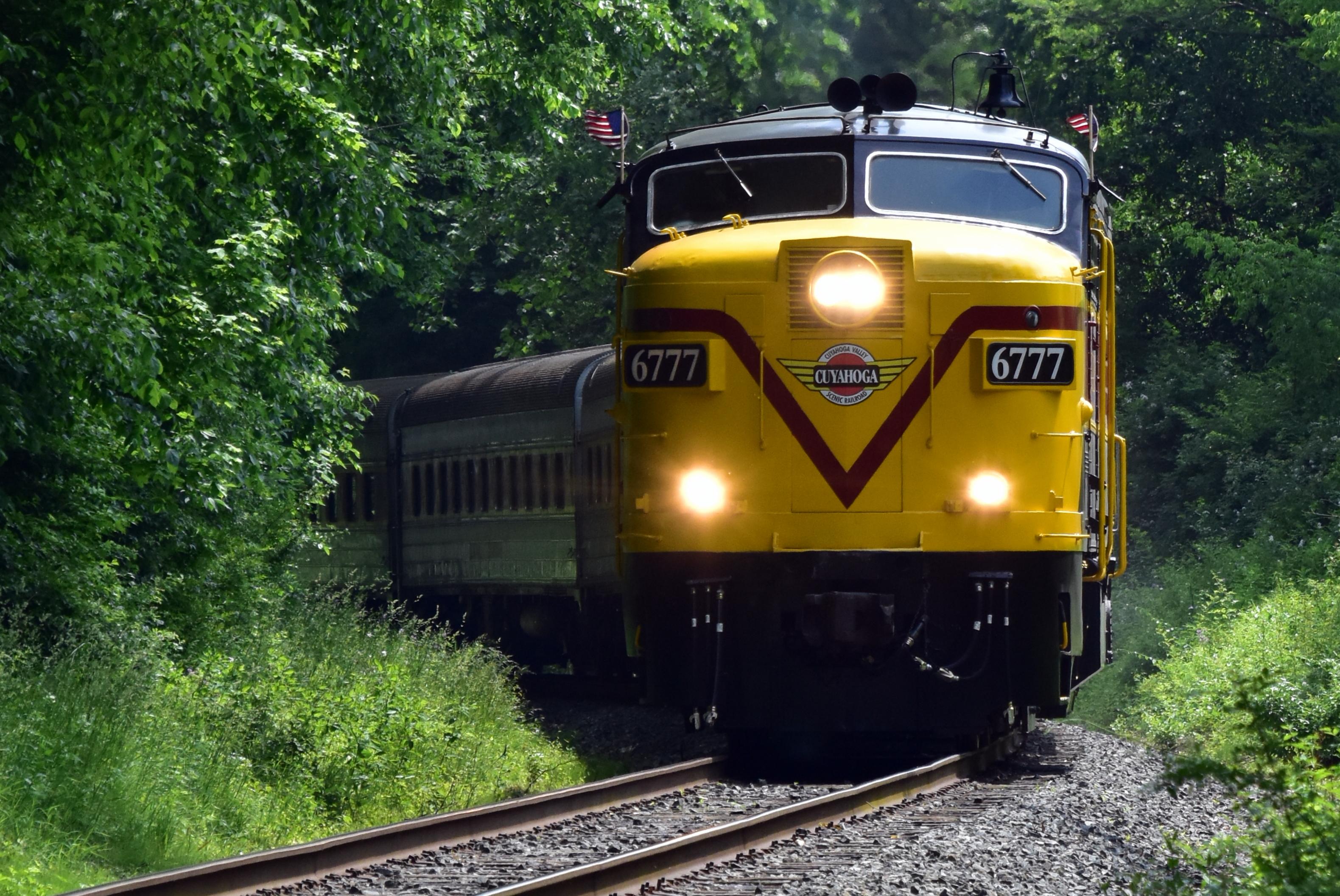
Best Of
Best of Cuyahoga Valley National Park: Best Things to Do
Seeing a Cleveland Orchestra concert with the woods as your backdrop is a uniquely Cuyahoga Valley experience.
Sign in to join the conversation.
Sources & Attribution
Location data courtesy of the National Park Service (U.S. Department of the Interior). NPS data is public domain. Official NPS page.
Images: NPS; NPS; NPS; NPS; NPS.
Map data © OpenStreetMap contributors.
Park operations alerts: NPS.gov · Weather and weather hazards: National Weather Service · Live conditions.
Information may change. Always verify fees, hours, and conditions directly with the official source before visiting.
Did this guide help? Share it with a friend.