Why does Grand Teton's most remote developed campground fill before the others, every single summer?
For more, see Grand Teton National Park Scenic Drives: Grand Teton Jeep Trails (2026).
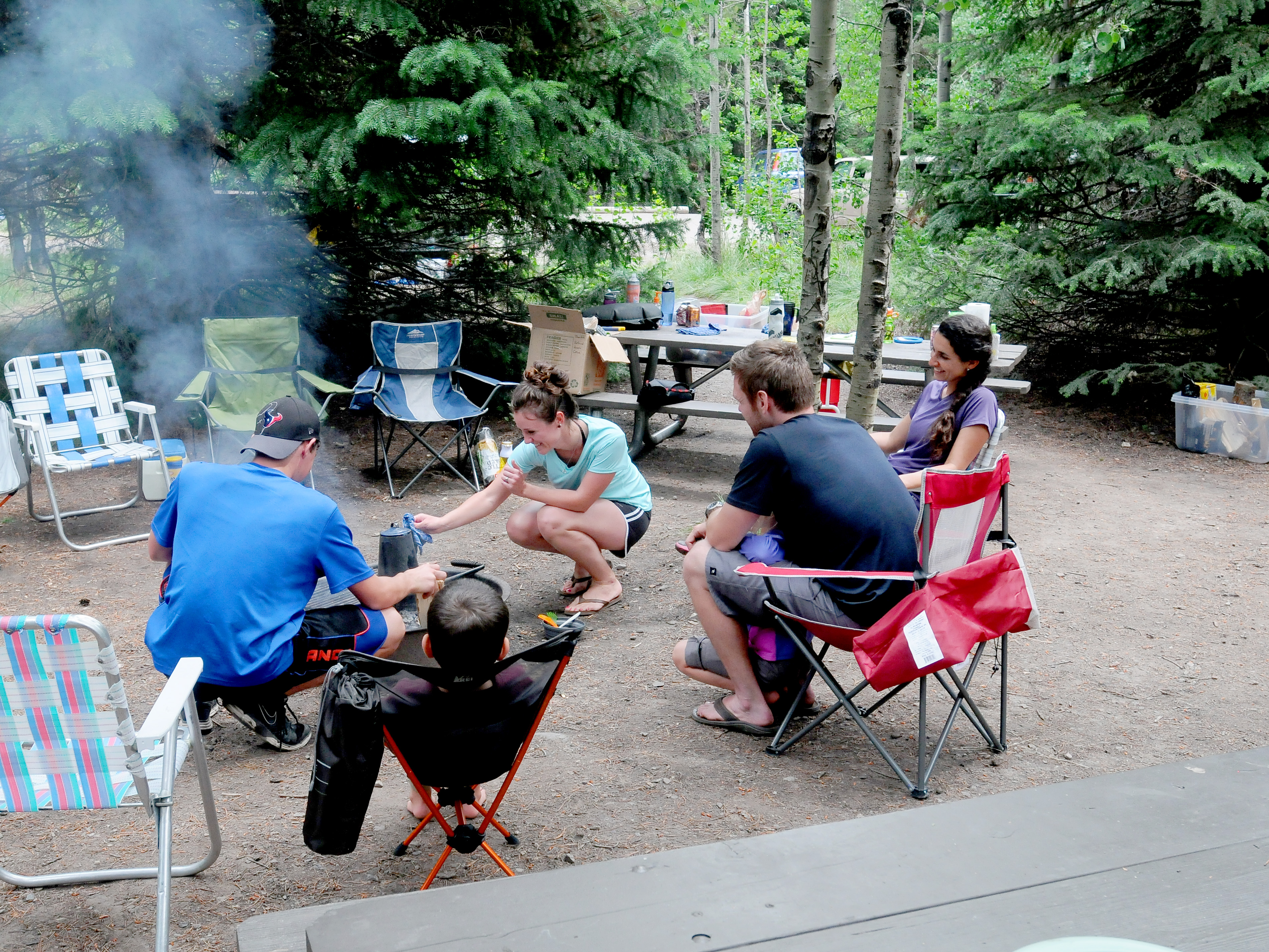
6 min read
Across Jackson Lake, roughly a mile of open water separates you from the northern Teton Range - Webb Canyon, Owl Peak, Ranger Peak.
For more, see Grand Teton National Park Scenic Drives: Grand Teton Jeep Trails (2026).
The answer has to do with location, timing, and a specific kind of quiet that the larger campgrounds in the park can't match. Lizard Creek Campground sits on the northern edge of Grand Teton National Park, 11 miles south of Yellowstone's South Entrance and eight miles north of Colter Bay Village. That placement alone makes it a strategic choice for anyone planning a trip that includes both parks. But what keeps people coming back is the setting: a spruce and fir forest right on the northwest shore of Jackson Lake, with the Teton Range rising across the water.
This is the lizard creek campground grand teton national park experience that returning visitors talk about. Not the biggest campground, not the most convenient to park services, but the one that feels the most like actual camping.
The campground sits at a bend in Lizard Creek Road, a short spur off US 89/191/287. You are far enough from the main highway that road noise drops to near zero after dark. Across Jackson Lake, roughly a mile of open water separates you from the northern Teton Range - Webb Canyon, Owl Peak, Ranger Peak. Looking south, the full expanse of the range towers over the lake.
The Yellowstone connection. Eleven miles north puts you at the South Entrance of Yellowstone National Park. That's roughly a 15-minute drive. For anyone trying to see both parks in a single trip, this campground cuts the daily drive time considerably compared to staying in Jackson or even Colter Bay. You can be at the West Thumb Geyser Basin in about 25 minutes.
The Colter Bay connection. Eight miles south gets you to Colter Bay Village, which has a grocery store, gas station, laundry, showers, and a marina. You trade a five-minute drive to amenities for a campground that feels genuinely remote. Most visitors find that trade worth making.
The fee as of 2026 is $49 per night for a campsite with a vehicle. That covers a picnic table, a fire pit, and a bear box at most sites. Restrooms have flush toilets and cold running water.
What you won't find at Lizard Creek:
What you will find:
The bear box situation. Most sites have a bear-proof food storage box. Not all. Check the specific site details on Recreation.gov before booking. If your site lacks one, you will need to store all food, trash, and scented items in your vehicle hard-sided vehicle only. No coolers left out overnight.
Season dates. The campground operates on a summer-only schedule. For 2026, the season opens June 13 and runs through early September. The exact closing date varies, but plan on Labor Day weekend as the end of guaranteed availability. After that, some nights may be open depending on weather and staffing.
Reservations. Sites open for booking six months in advance on Recreation.gov. They go fast. If you want a weekend in July or August, book the morning your dates become available. Walk-up sites are rare here - the campground fills most nights from late June through mid-August.
Driving directions from the south. Heading north from Jackson on US 26/89/191, turn left west at Moran Junction. Travel north on US 89/191/287 for 18 miles to the Lizard Creek Campground sign, then turn left west into the campground.
Driving directions from the north. Coming south from Yellowstone's South Entrance, the campground entrance is about 11 miles south on US 89/191/287. The sign is on the right west side of the highway.
Cell service drops out for most carriers once you turn off the main highway. You may pick up a weak signal near the entrance station, but do not count on it. Download your Recreation.gov confirmation and any maps before you arrive.
The campgrounds location makes it a good base for both parks, but the immediate area has plenty to offer.
Jackson Lake. The lakeshore is a short walk from most sites. The Lakeshore Trail runs from Colter Bay north along the eastern shore. It is an easy hike - one to two hours - with consistent views of the Teton Range across the water. Early morning is your best bet for still water and reflections.
Colter Bay trails. Eight miles south, the Colter Bay area has a network of trails worth your time:
Flagg Canyon. About three miles north of the campground, accessed from the Polecat Creek Loop trail. Two to four hours, out and back, following the Snake River through a canyon. Spring runoff is impressive here.
Near Yellowstone. Eleven miles north puts you at the South Entrance. From there, West Thumb, Grant Village, and the southern loop of the Grand Loop Road are all within easy striking distance for a day trip.
A few things you will figure out only after staying here:
The wind. Jackson Lake generates its own weather. Afternoon winds can be strong enough to make tent setup challenging. Stake everything down well, and consider a site with more forest cover if wind is a concern.
The temperature drop. Even on warm July days, expect lows in the mid-40s F. A 30-degree sleeping bag is marginal. Bring a 20-degree bag or plan on layering.
The road noise problem is not a problem. Despite being near US 89/191/287, the campground is set back enough that you hear almost nothing after dark. What you will hear: loons on the lake, the occasional coyote, and wind through the firs.
The camp hosts. The hosts at Lizard Creek tend to be seasoned campers who know the area well. They give good intel on where to find moose early in the morning and which Yellowstone thermal areas get crowded first. Talk to them.
No ice. There is no camp store at Lizard Creek. The closest place to buy ice, firewood, or supplies is the Colter Bay convenience store, eight miles south. Stock up before you arrive.
Book early. Six months out. Set a calendar reminder. The 60 sites at this lizard creek campground grand teton national park location fill faster than the larger campgrounds because of the Yellowstone proximity and the quiet atmosphere.
Bring a full water supply. The restrooms have cold running water, but filling large containers at the spigot is slow. Bring your own drinking water or a large capacity container.
Plan for no showers. Shower facilities are available in the park at Colter Bay Village. Factor in the drive. A solar shower bag works fine here - find a sunny spot and heat water mid-afternoon.
Bear safety is not optional. Cache all food, trash, and scented items every night. Use the bear box if your site has one. If not, hard-sided vehicle storage only. Rangers check.
Download everything before you arrive. Cell service drops out at the campground entrance. Download your reservation confirmation, maps, and directions before leaving the main highway.
Check the complete visitor guide for a full breakdown of nearby trails, fees, and seasonal tips. For a comparison of all camping options in the park, see the all campgrounds guide.
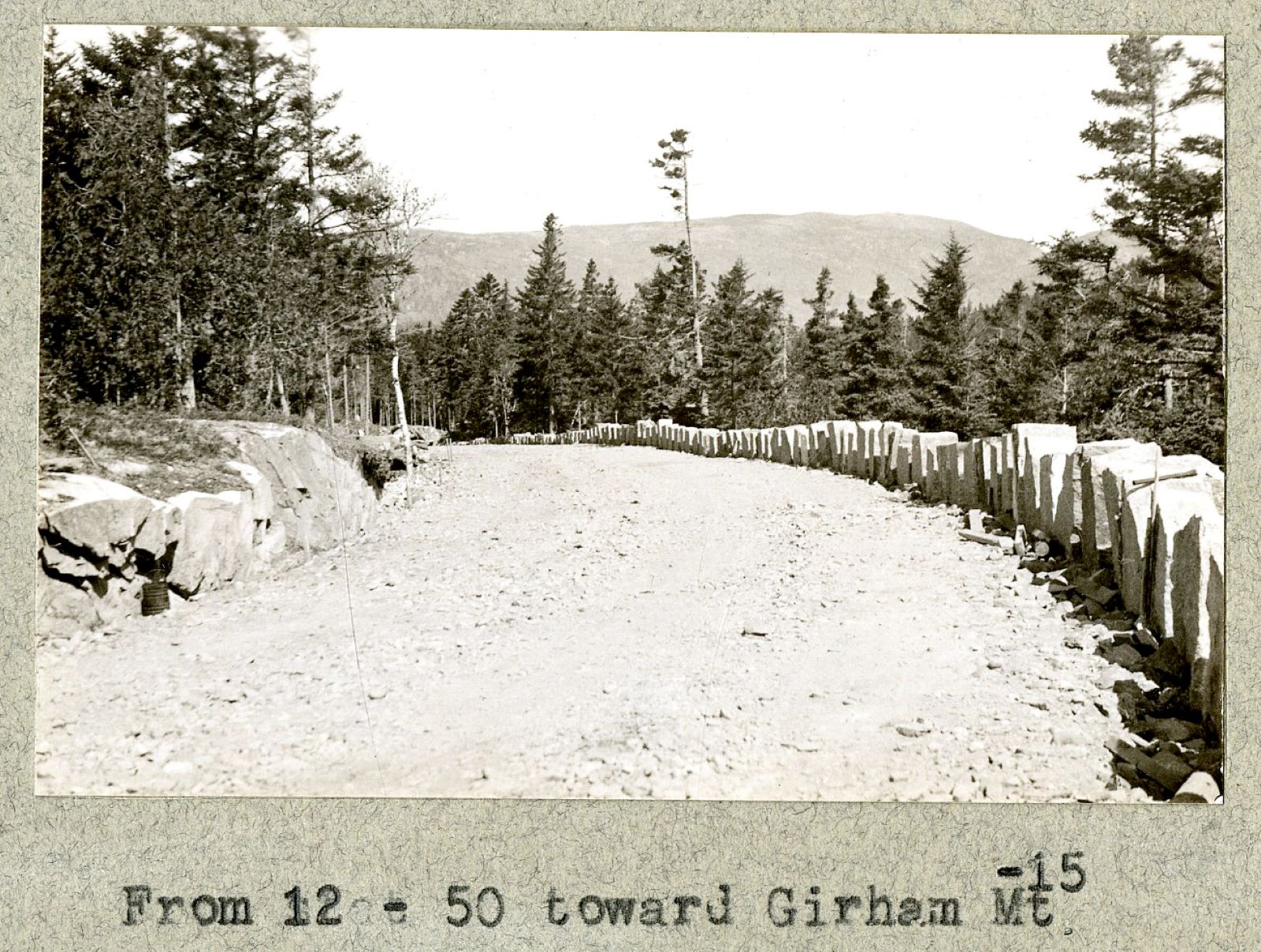
Discover carriage roads, Cadillac Mountain, and rugged Maine coast. Complete 2026 guide to Acadia National Park — trails, fees, lodging, permits, and what rangers recommend.
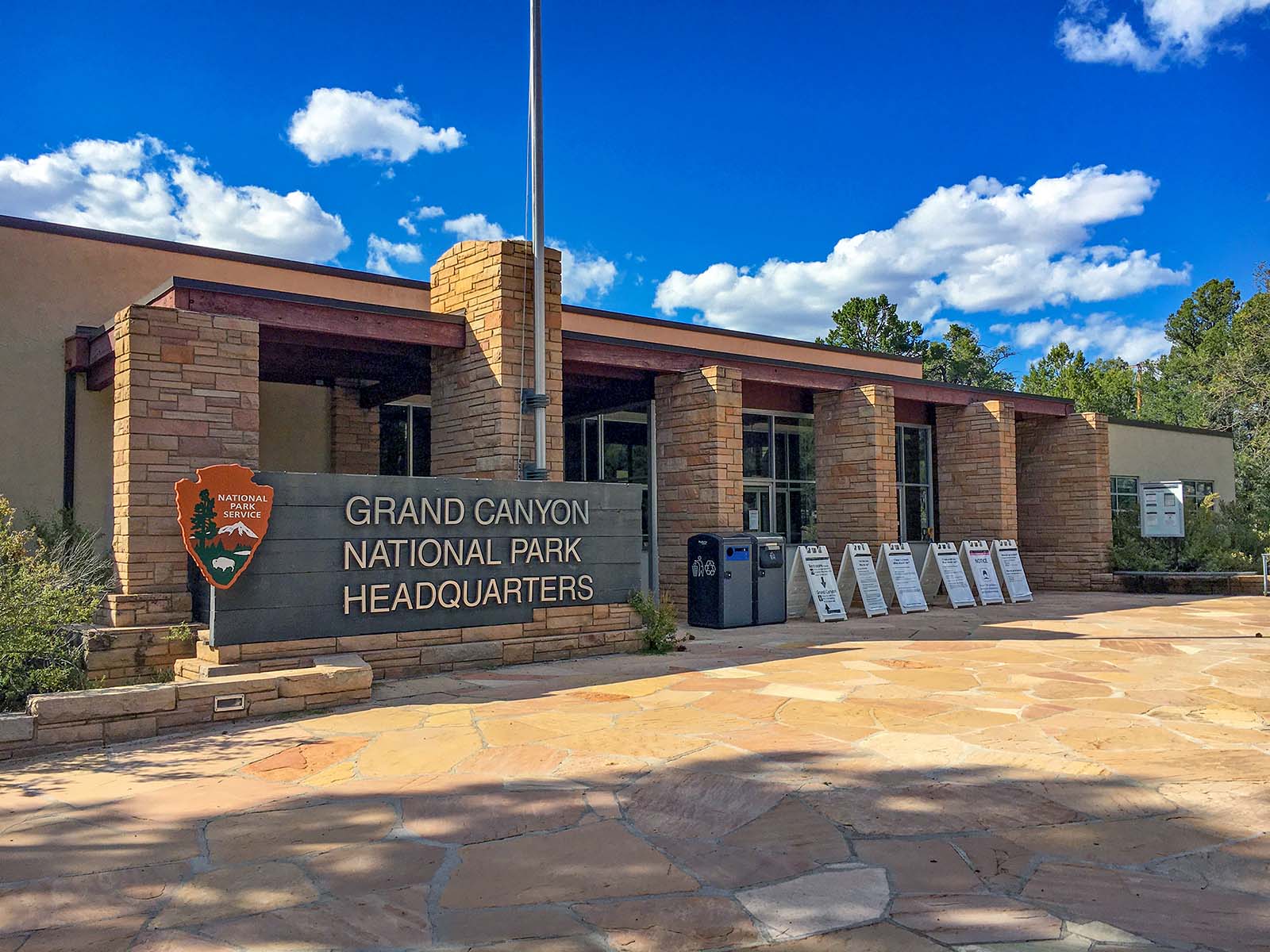
Compare Grand Canyon hiking trails: Bright Angel, South Kaibab, Hermit, Grandview, and rim to rim, with distances, elevation, water stops, and trailhead access for each.
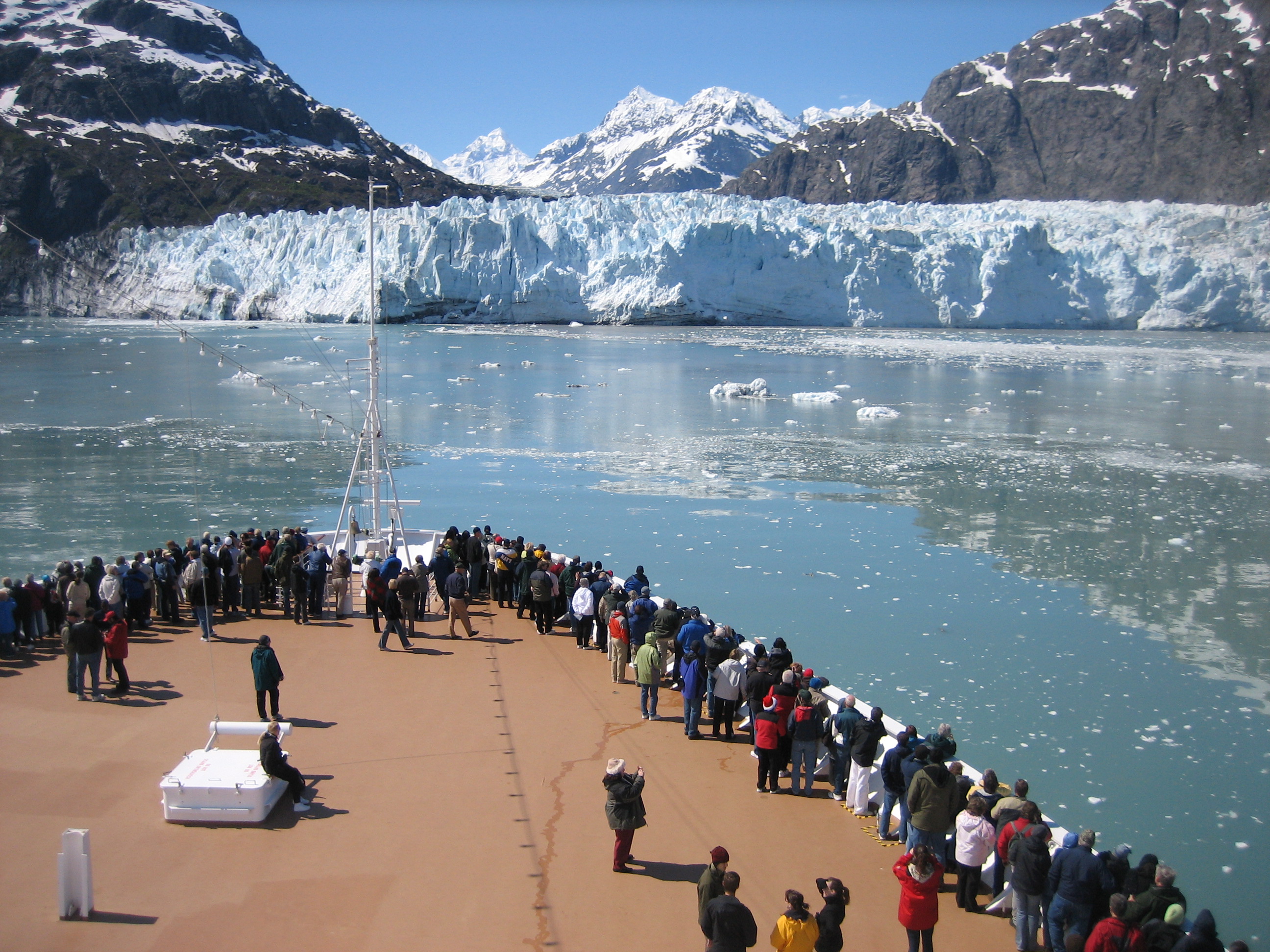
The best of Glacier Bay is reached by boat: ranger-led day tours up the bay to the tidewater glaciers. What's worth it, how to book, and when to go (2026).
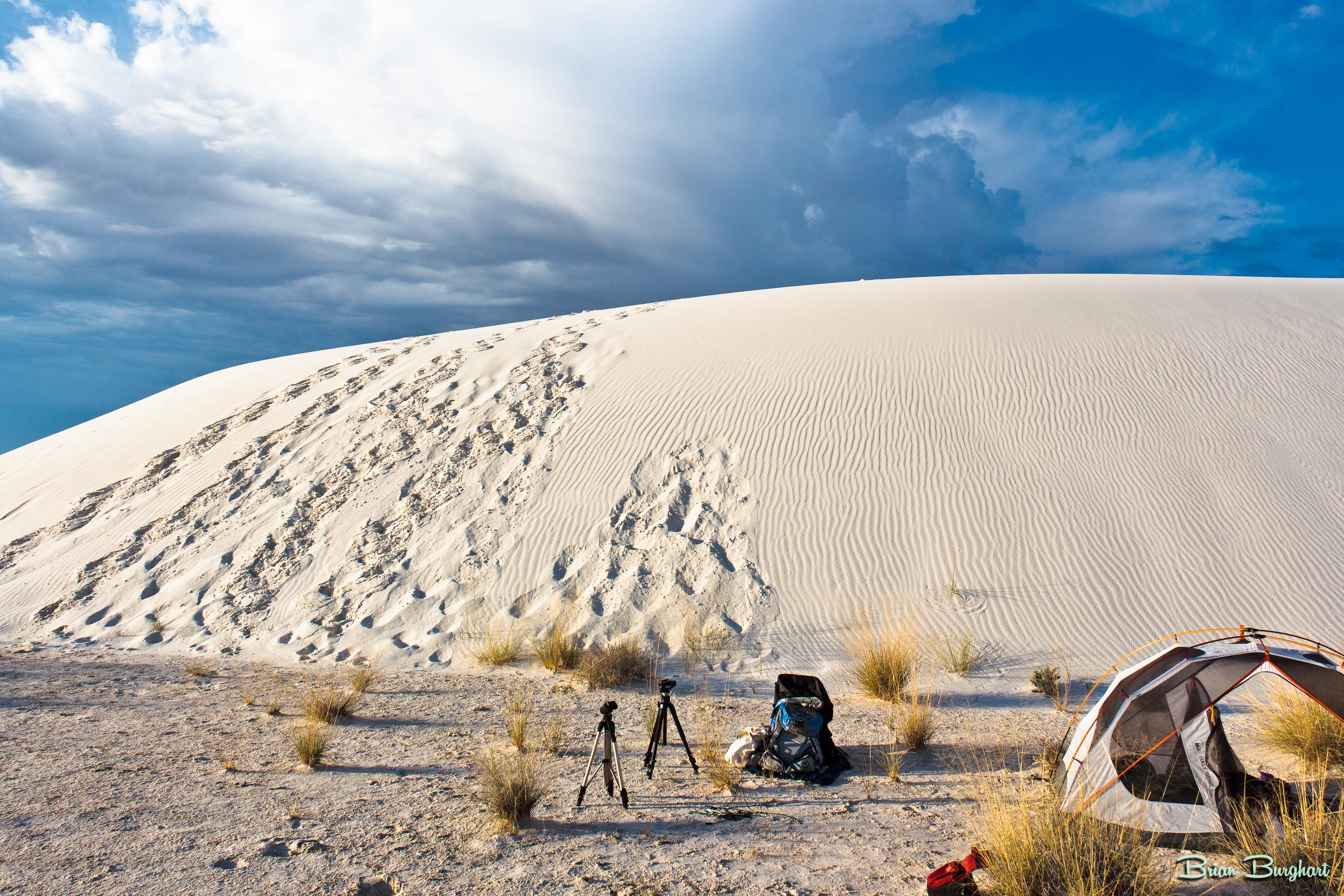
As of 2026, backcountry camping at White Sands National Park is closed for site rehabilitation. What that means, and where to camp nearby instead.
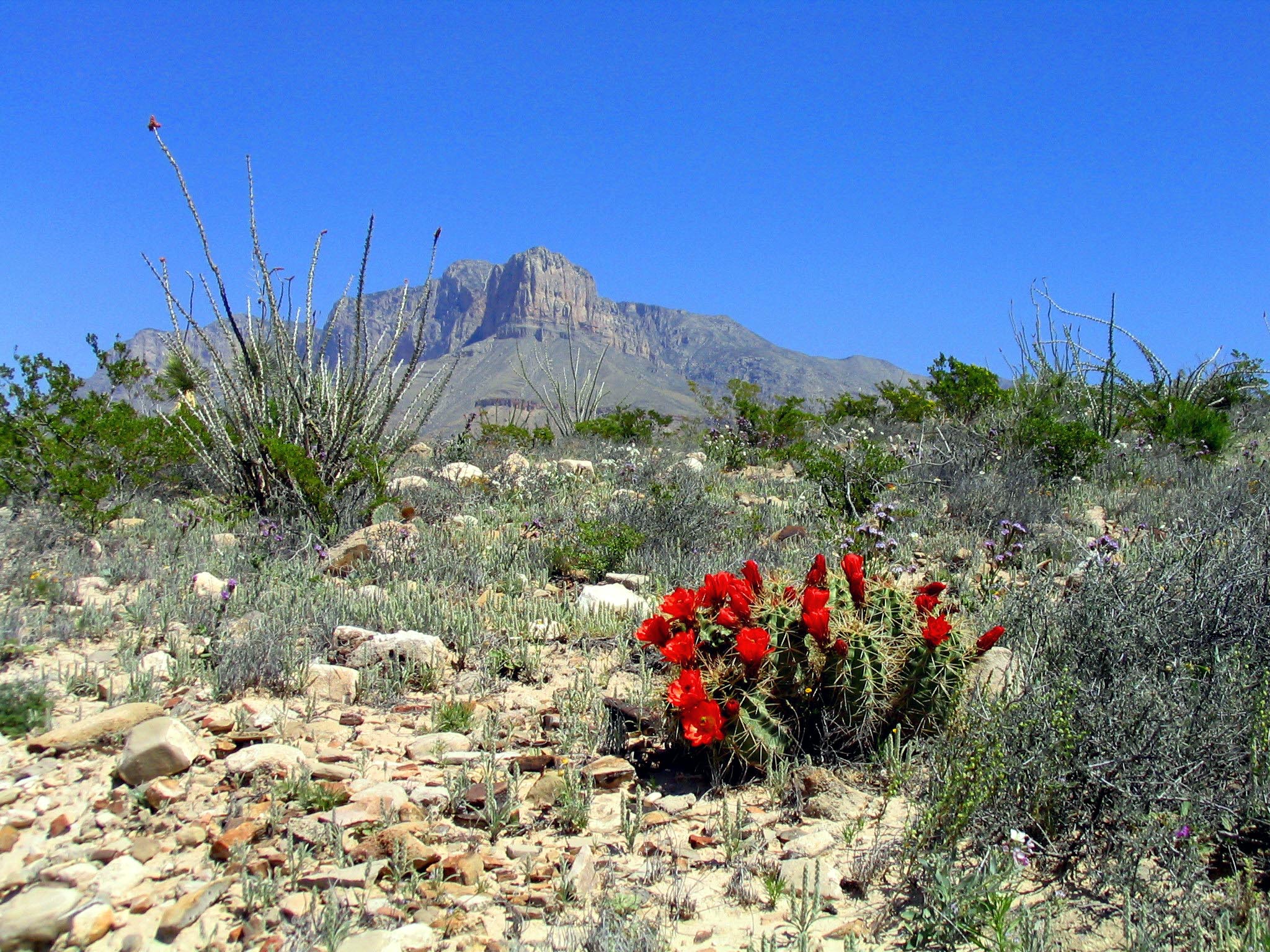
Guadalupe Mountains National Park: weather guide guide updated 2026. Practical visitor information, reservations, and seasonal tips worth bookmarking before
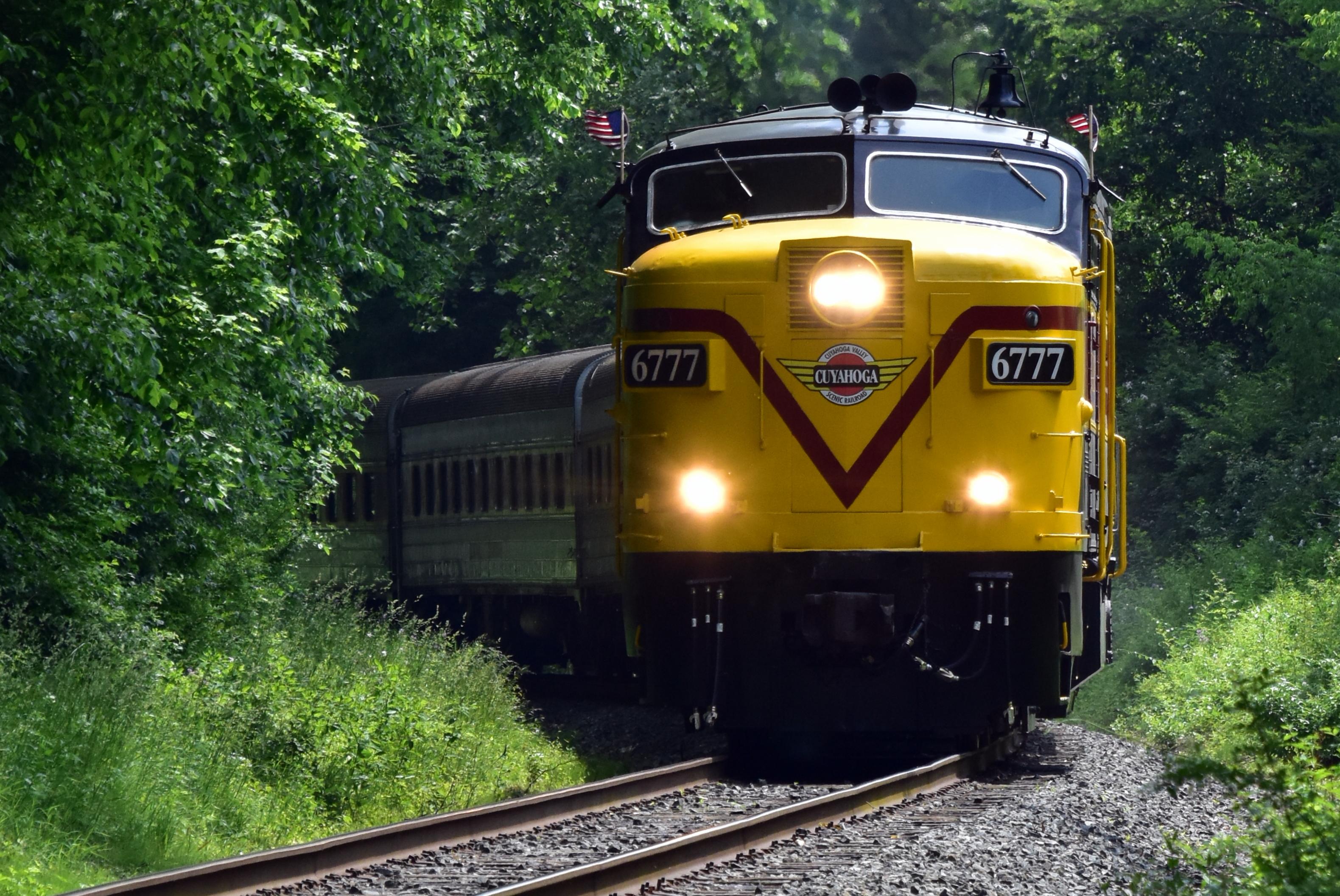
Seeing a Cleveland Orchestra concert with the woods as your backdrop is a uniquely Cuyahoga Valley experience.
Sign in to join the conversation.
Location data courtesy of the National Park Service (U.S. Department of the Interior). NPS data is public domain. Official NPS page.
Images: NPS; NPS; NPS; NPS; NPS.
Map data © OpenStreetMap contributors.
Park operations alerts: NPS.gov · Weather and weather hazards: National Weather Service · Live conditions.
Information may change. Always verify fees, hours, and conditions directly with the official source before visiting.
Did this guide help? Share it with a friend.