Start before 7 AM if you want the pullouts to yourself. By 9 AM from June through September, the main overlooks along the Teton Park Road fill with rental RVs and tour buses, and the parking lots at popular stops spill onto the shoulder. The window for quiet is narrower than you think.
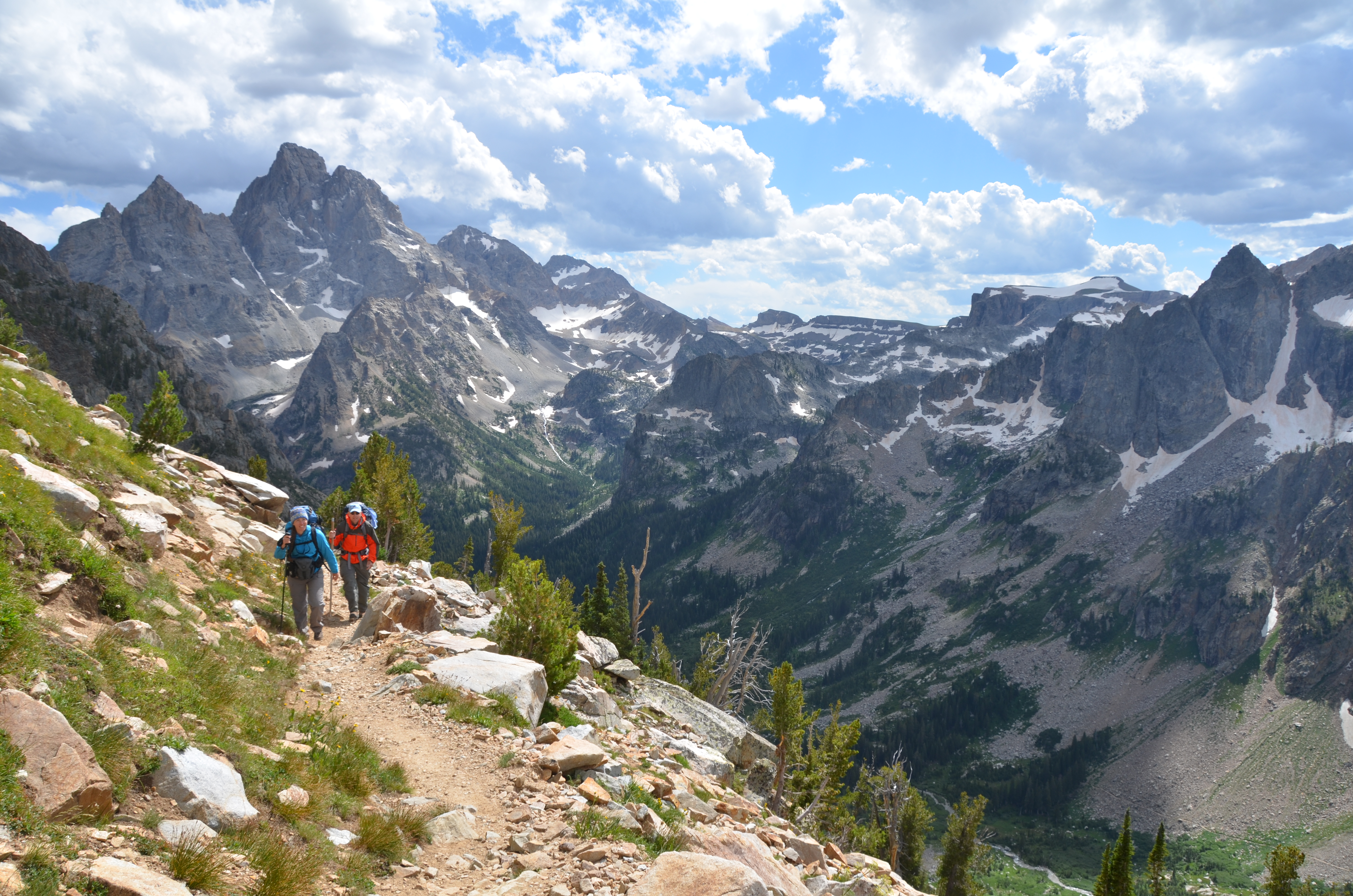
NPS via NPS.gov (Public Domain)
Grand Teton National Park Scenic Drives: Grand Teton Jeep Trails (2026)
7 min read
Scenic Drives
Start before 7 AM to beat the crowds on Grand Teton's scenic drives. The 42-mile loop takes 3-5 hours, with Teton Park Road open May through October.
For more, see hiking trails and best time to visit.
If you're coming specifically to explore grand teton jeep trails in a high-clearance vehicle, the good news is that most of the park's dirt routes are accessible to standard SUVs and trucks. The better news is that the paved scenic drives cover the essential viewpoints - you don't need a modified rig to see the best of what this valley offers. But the unpaved roads, particularly Grassy Lake Road and the dirt spurs off the main highway, reward anyone willing to trade pavement for dust.
The Drive at a Glance
Total distance and typical time: The primary scenic loop - US 26/89/191 from Moose Junction north to Jackson Lake Junction, then the Teton Park Road south back to Moose - runs about 42 miles. With stops at every major overlook, plan on 3 to 5 hours. Add another 90 minutes if you take the Signal Mountain Summit Road or Moose-Wilson Road detours.
One-way vs two-way: The Teton Park Road is a two-way paved road open seasonally (typically May through October, weather depending). The main highway (US 89/191/287) is open year-round and handles most through traffic between Jackson and Yellowstone.
Road surface and vehicle restrictions: The Teton Park Road is fully paved and suitable for any vehicle. Grassy Lake Road is dirt and can develop washboard sections by midsummer - fine for passenger cars driven carefully, though a higher-clearance vehicle is more comfortable. If you're specifically seeking grand teton jeep trails, the unpaved sections of the Moose-Wilson Road (when open) and the dirt access roads near the Rockefeller Preserve offer the kind of surface that justifies the vehicle choice.
When the road opens: Teton Park Road typically opens in early May and closes to vehicles in early November. Moose-Wilson Road has a partial closure in the south end as of 2026 - check the park's road status page before heading out.
Best direction to drive: South to north on the Teton Park Road in the morning. You'll have the sun at your back for the east-facing canyon views, and the light hits the Cathedral Group directly rather than silhouetting the peaks.

Stop by Stop
Cathedral Group Turnout
This pullout faces the three peaks that define the range: Teewinot Mountain, the Grand Teton, and Mount Owen. They rise directly above Cascade Canyon, and in late June the snowfields still hold enough white to contrast against the dark granite. Early morning is your best bet for photography here - the east-facing spires catch first light while the valley floor remains in shadow. Spend 10 minutes. What most visitors miss: the angle also gives you a clear view down the canyon itself, and on calm mornings you can hear water running in the creek below.
Blacktail Ponds Overlook
From this overlook you can see the Snake River meandering through a mosaic of wet meadows and cottonwood stands. This is one of the better stops for spotting moose in the shallows, especially between May and July. The ponds themselves are shallow, slow-moving, and full of aquatic plants - the kind of water that attracts beavers and waterfowl. Spend 15 minutes with binoculars. The parking situation here is tight for RVs; the lot holds about eight cars.
Oxbow Bend
Located where the Snake River widens into a slow curve just east of Jackson Lake Junction, this is the single most photographed location in the park. Mount Moran rises directly behind the water, and on windless mornings the reflection is near-perfect. Arrive before 8 AM for the flat water and the possibility of otters working the edge. By 10 AM the tour buses arrive. Spend 20 minutes if the light is good, 5 if it's not.
Signal Mountain Summit Road
This 5-mile paved road climbs 800 feet to the top of Signal Mountain. The summit offers the only 360-degree view in the park: the Teton Range to the west, Jackson Lake below, the Absaroka Mountains to the east, and the valley stretching north toward Yellowstone. The road is narrow with limited turnout space - RVs over 30 feet are not recommended. The grand teton jeep trails enthusiasts will find the drive easy, but the payoff is among the best in the park. Spend 30 minutes at the top.
Jackson Lake Overlook (A Patchwork of Habitats)
This stop is part of the park's fire ecology interpretive series. What you actually see: Jackson Lake spreading north toward the Mount Moran massif, with the charred snags of previous fire cycles visible on the lower slopes. Rangers will tell you that the pattern of burned and unburned forest you see here is exactly what creates good wildlife habitat - elk and moose browse the regrowth, and woodpeckers work the dead trees. Spend 10 minutes.
Mormon Row / Andrew Chambers Barn
Located on the east side of the highway near Moose Junction, this is the historic homesteading district. The Andrew Chambers Barn dates to 1916, and the log construction is typical of what early settlers built in the valley. The view from the barn looking west - the barn in the foreground, the full Teton Range behind - is the classic Grand Teton postcard composition. Late afternoon light works best here. Spend 15 minutes walking the short loop.
Cascade Canyon Turnout
A quick pullout with a view up Cascade Canyon itself. Most people drive past it because the Cathedral Group turnout 200 yards north gets all the attention. This one gives you a deeper view into the canyon, where the walls narrow and the trail disappears into the trees. If you're planning to do any grand teton hiking later, this is where the Cascade Canyon Trail starts - a 16-mile round trip that connects to the Paintbrush Canyon loop. The turnout itself is worth 5 minutes.

Timing and Crowds
The Teton Park Road opens for the season in early May, but snow can close it temporarily through mid-May. By mid-June, the crowds are constant through August. The window between September 15 and October 15 is the sweet spot: the aspen and cottonwood are turning gold, the crowds thin out significantly after Labor Day, and the weather is still reliable enough for a full day of driving.
Tour buses run the loop clockwise, hitting Oxbow Bend and Jackson Lake Overlook between 9 and 11 AM. If you run the loop counterclockwise starting at Moose Junction, you'll arrive at those stops after the buses have moved on.
Sunrise at Cathedral Group is worth the early alarm. Sunset at Mormon Row is equally good. The two stops are 15 minutes apart, so you can do both in a single evening if you move efficiently.

Driving Logistics
Parking at key stops: Oxbow Bend and Cathedral Group fill by 8:30 AM in July and August. Mormon Row has more room, but the lot is gravel and gets dusty. Cascade Canyon Turnout holds maybe six cars.
Cell service: Cell service drops out along the Teton Park Road between Jenny Lake and Jackson Lake Junction. You'll pick up signal again near the junction and along the main highway. Download maps before you leave Moose or Jackson.
Gas availability: No gas stations inside the park. The closest are in Moose (diesel and regular) and at Jackson Lake Lodge. Moose Station closes at 6 PM in the off-season.
RV restrictions: Signal Mountain Summit Road has a 30-foot vehicle limit. The Moose-Wilson Road, when fully open, has tight sections that are difficult for vehicles over 25 feet. The main highway and Teton Park Road have no restrictions.
Moose-Wilson Road note: As of 2026, construction has this road closed between Rockefeller Preserve and Moose. The section from Granite Entrance to Rockefeller Preserve remains open. Check the NPS alerts page before planning this route.

Practical Takeaways
- Start the Teton Park Road loop by 7 AM from June through August. The light is better, the lots are empty, and you'll finish before the midday heat.
- Stop at Cathedral Group Turnout before Oxbow Bend. Most visitors do the reverse and arrive at Cathedral Group with the sun overhead and harsh shadows.
- Bring binoculars for Blacktail Ponds Overlook and Oxbow Bend. The moose and otters are visible from the road but easily missed without magnification.
- Drive Signal Mountain Summit Road even if the elevation gain seems modest. The 360-degree view is unmatched elsewhere in the park.
- If you're exploring grand teton jeep trails specifically, focus on the Moose-Wilson Road dirt sections and Grassy Lake Road. The paved roads are well-maintained but won't test your vehicle.
- Fill your gas tank in Jackson or Moose before entering the park. The Moose station closes early in shoulder seasons.
- Download offline maps before you lose signal between Jenny Lake and Jackson Lake Junction. The park's cell coverage is unreliable in that stretch.
For more information, see our complete National Park Guide.
Related: hiking grand teton national park guide
Related: grand teton hiking guide
Sources
- Official source: NPS — Grand Teton National Park nps.gov/grte/index.htm
Photo Gallery
More to Explore
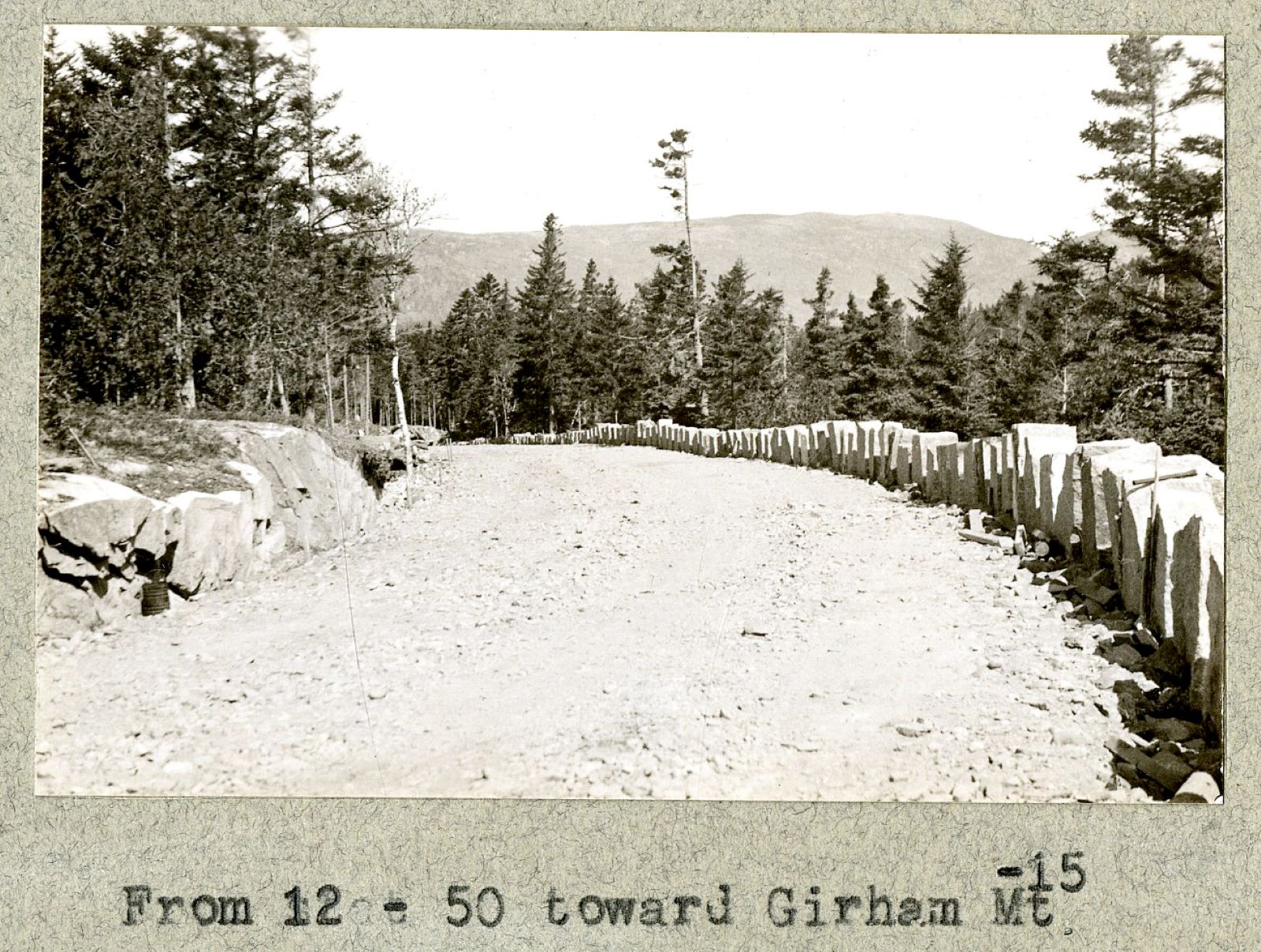
Park Guide
Acadia National Park: Carriage Roads, Cadillac Mountain & 2026 Guide
Discover carriage roads, Cadillac Mountain, and rugged Maine coast. Complete 2026 guide to Acadia National Park — trails, fees, lodging, permits, and what rangers recommend.
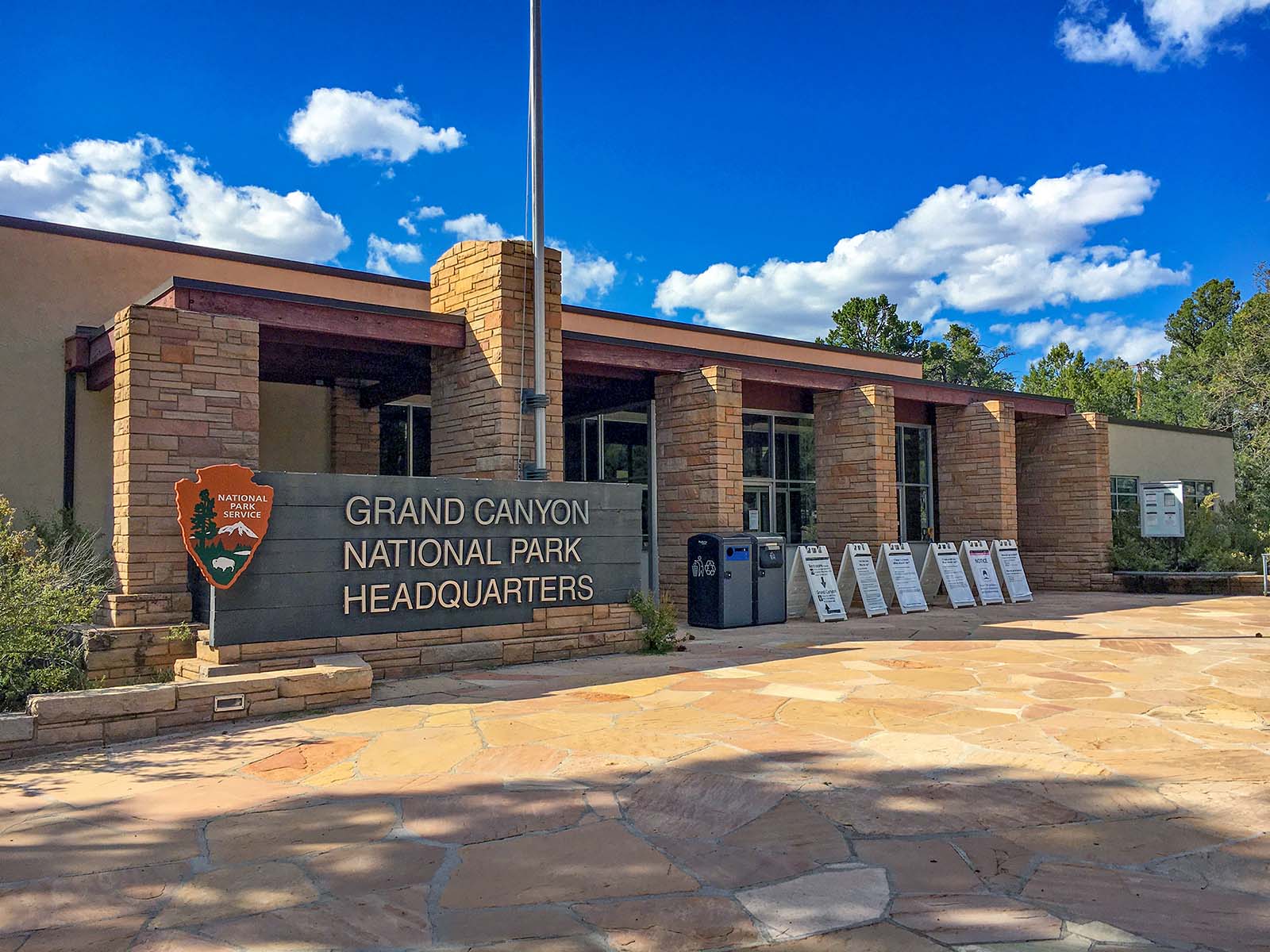
Hiking Guide
Grand Canyon Hiking Trails: Day Hikes, Water Sources & Rim to Rim
Compare Grand Canyon hiking trails: Bright Angel, South Kaibab, Hermit, Grandview, and rim to rim, with distances, elevation, water stops, and trailhead access for each.
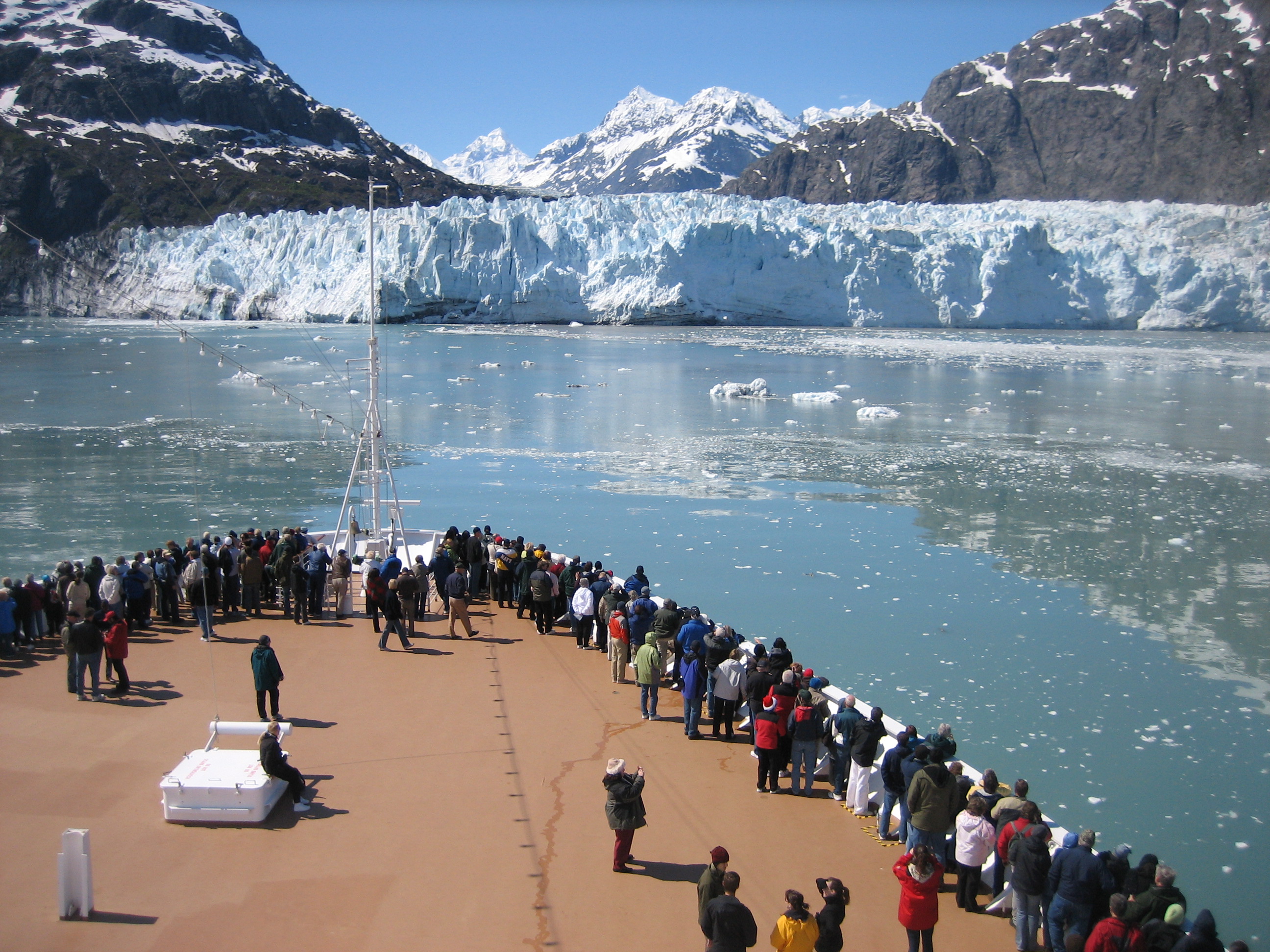
Best Of
Best of Glacier Bay National Park
The best of Glacier Bay is reached by boat: ranger-led day tours up the bay to the tidewater glaciers. What's worth it, how to book, and when to go (2026).
Campsite Guide
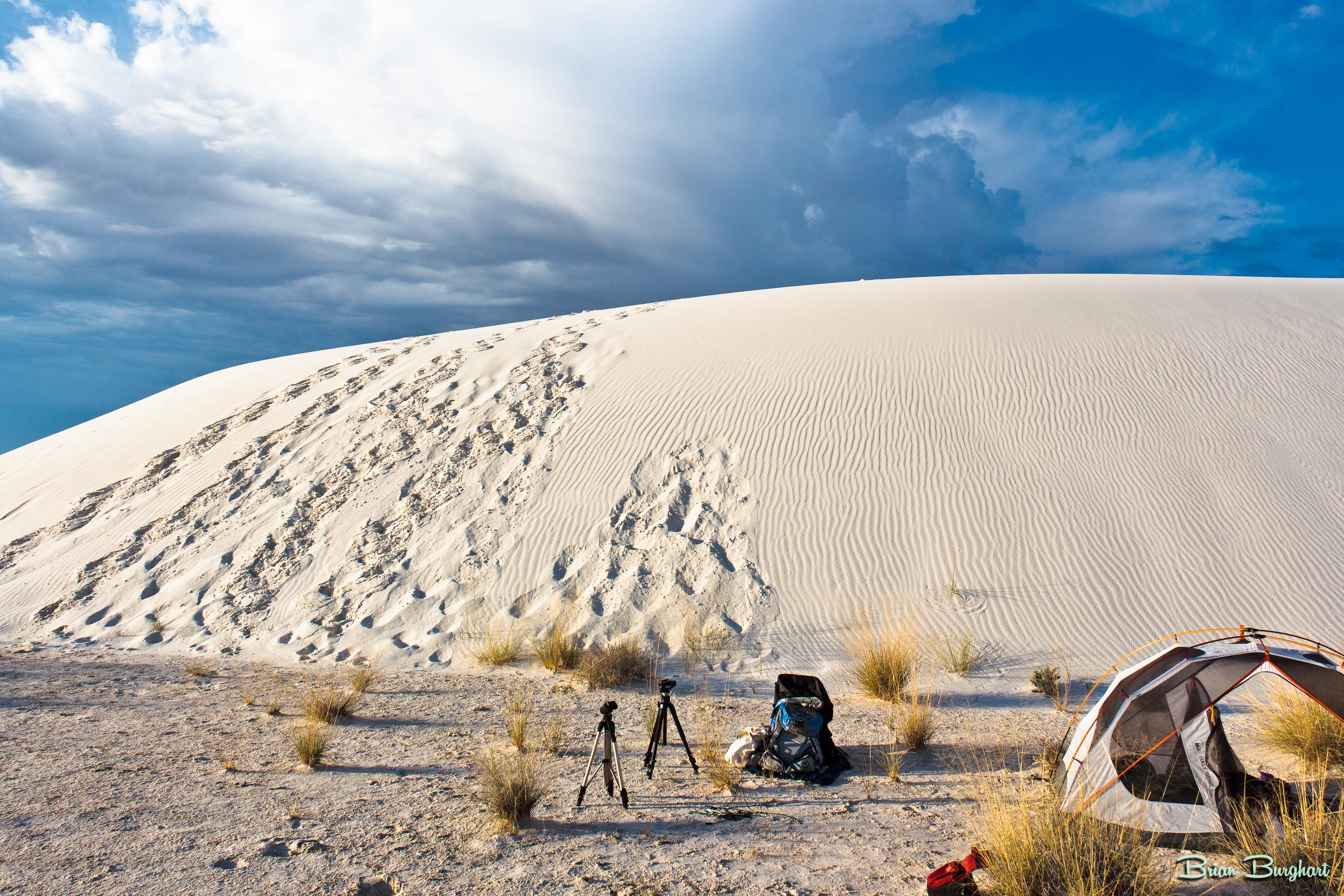
White Sands Backcountry Camping: Closed for 2026 — What to Know
As of 2026, backcountry camping at White Sands National Park is closed for site rehabilitation. What that means, and where to camp nearby instead.
Weather Guide
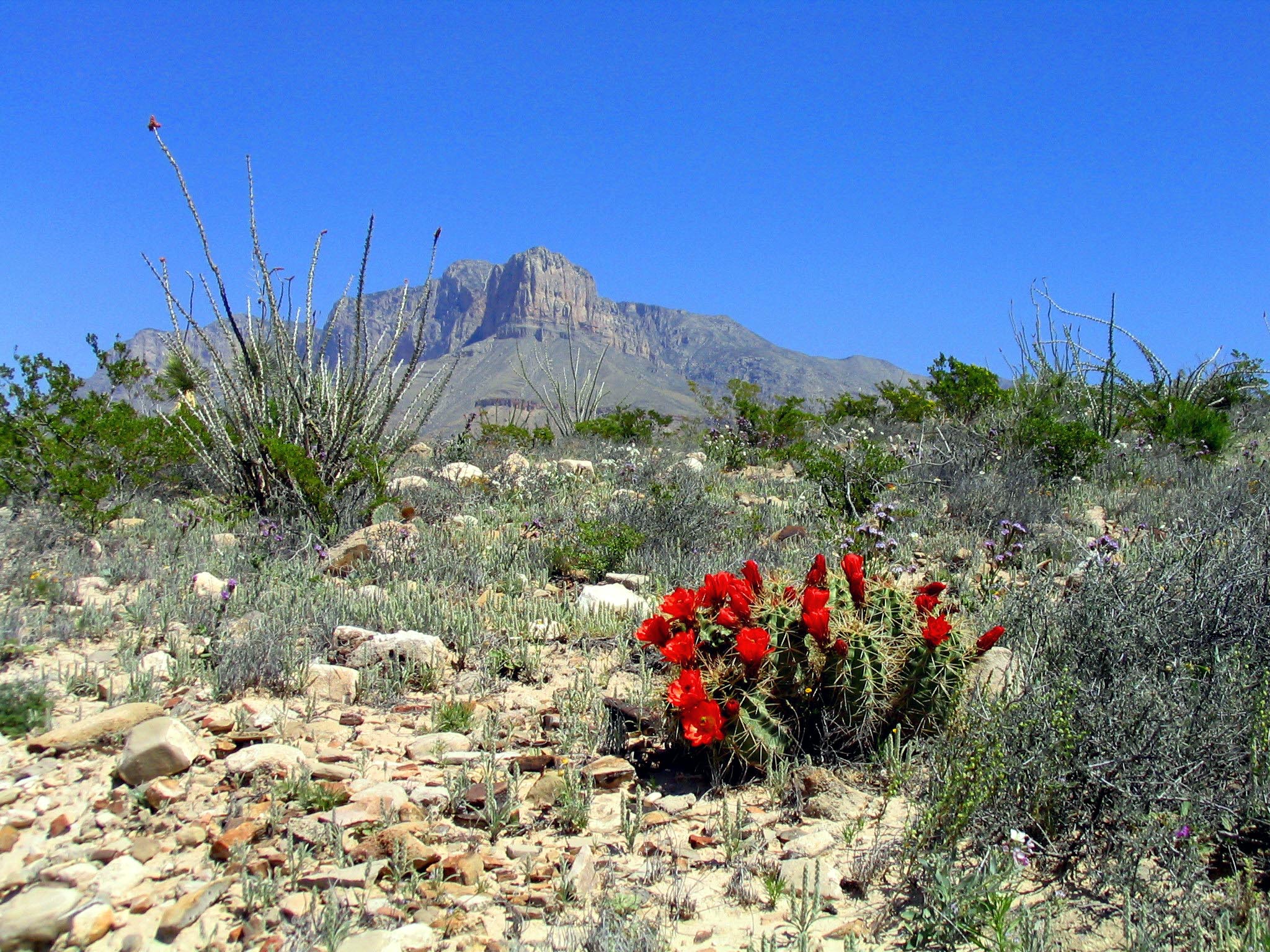
Guadalupe Mountains National Park Weather: Weather
Guadalupe Mountains National Park: weather guide guide updated 2026. Practical visitor information, reservations, and seasonal tips worth bookmarking before
Best Of
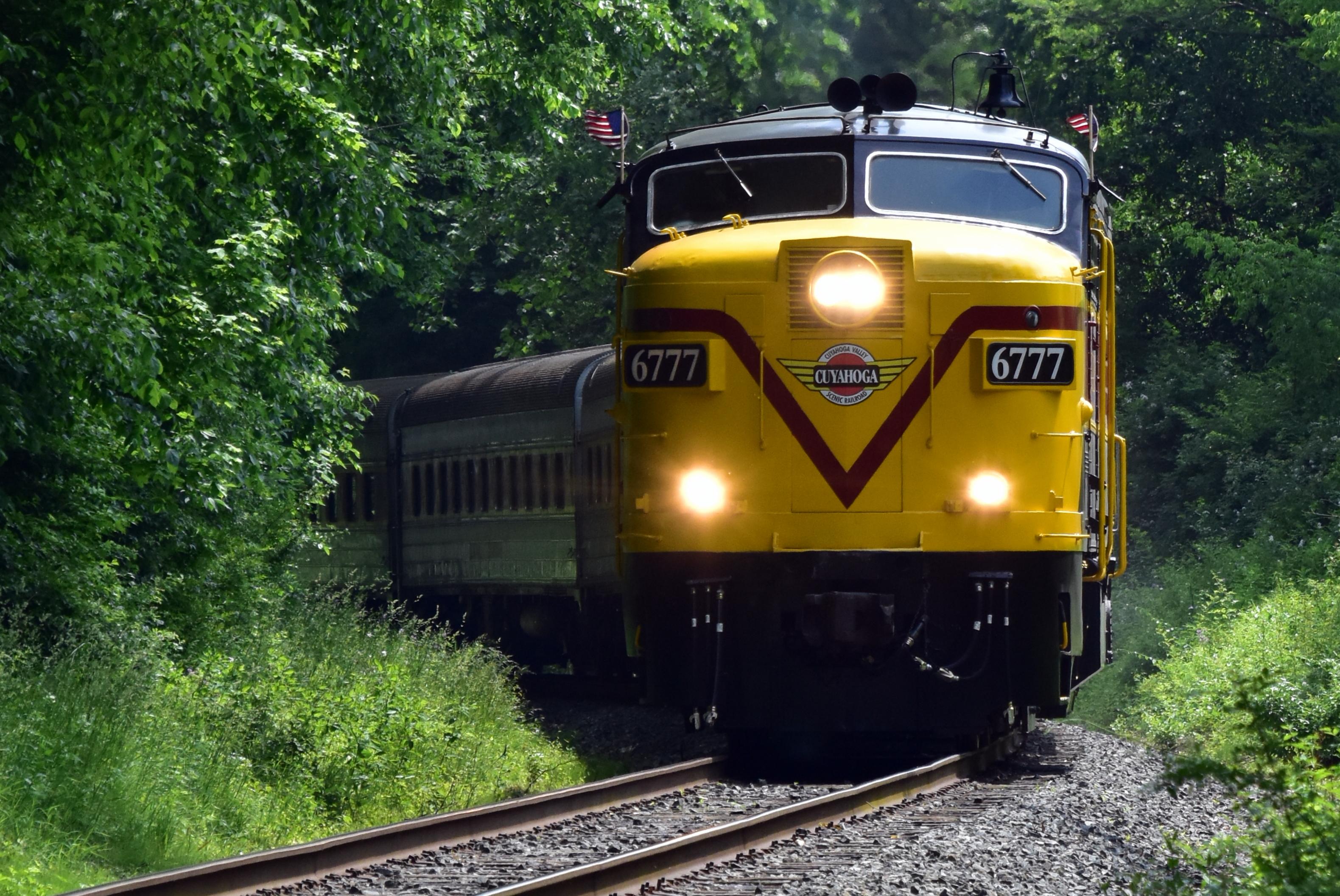
Best of Cuyahoga Valley National Park: Best Things to Do
Seeing a Cleveland Orchestra concert with the woods as your backdrop is a uniquely Cuyahoga Valley experience.
Sign in to join the conversation.
Sources & Attribution
Location data courtesy of the National Park Service (U.S. Department of the Interior). NPS data is public domain. Official NPS page.
Images: NPS; NPS; NPS; NPS; NPS.
Map data © OpenStreetMap contributors.
Park operations alerts: NPS.gov · Weather and weather hazards: National Weather Service · Live conditions.
Information may change. Always verify fees, hours, and conditions directly with the official source before visiting.
Did this guide help? Share it with a friend.