Grand Teton National Park Weather: Wildflower Season, Snow & Best Teton Conditions (2026 Guide)
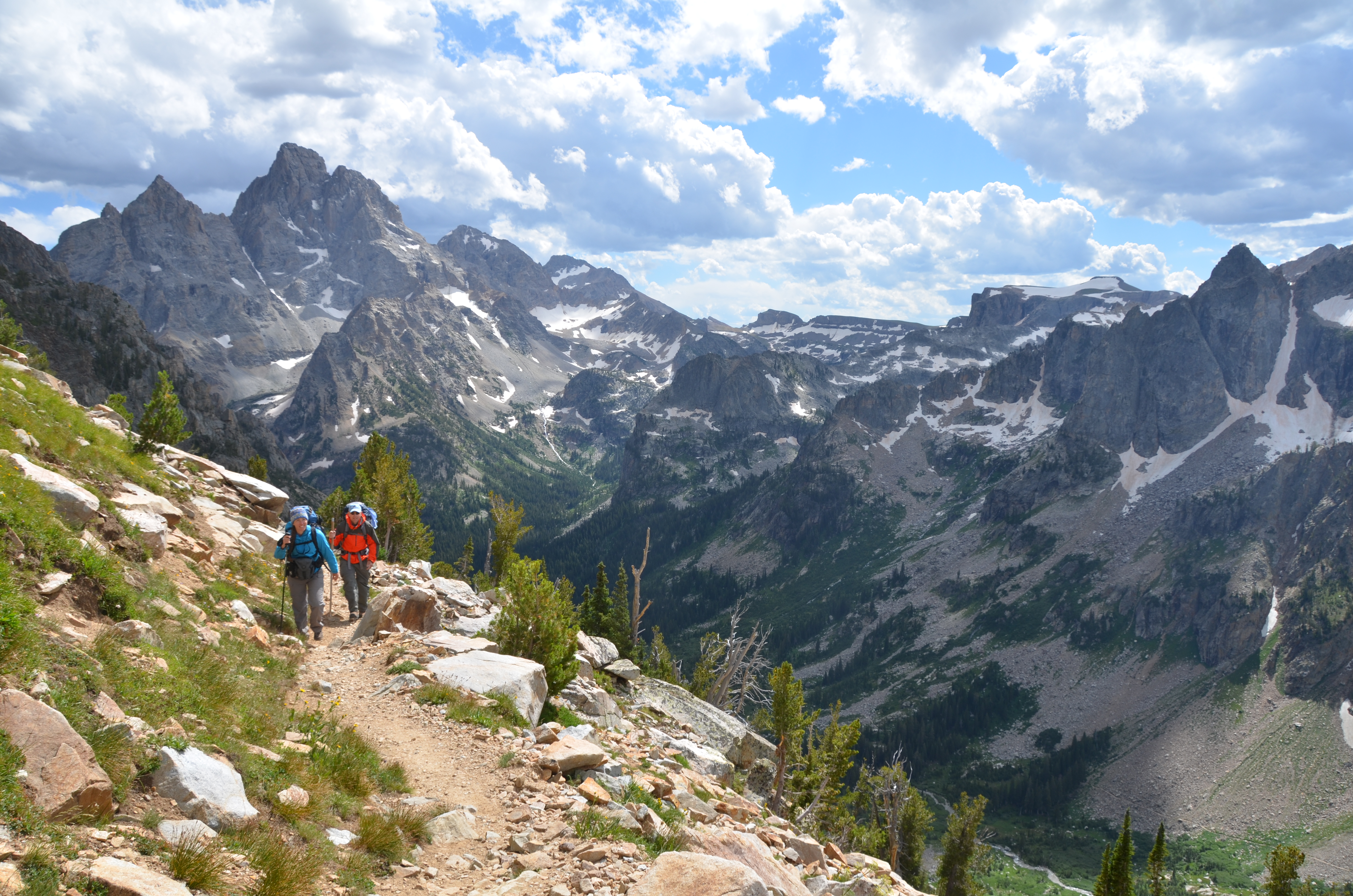
NPS via NPS.gov (Public Domain)
Grand Teton National Park Weather
9 min read
Weather Guide
Grand Teton weather shifts from sunburn to shiver in minutes. Learn how to pack for its two climates and avoid the most common visitor mistake in 2026.
The first thing you notice isn't the view. It's the air. It's thin, dry, and carries a bite that feels out of place on a sunny July afternoon. You're standing at 6,800 feet in Jackson Hole, and the sun is intense enough to burn your neck in twenty minutes. But step into the shade of a lodgepole pine, and you'll feel the temperature drop fifteen degrees. This is the central truth of Grand Teton National Park weather: it operates on two scales simultaneously. The valley floor has its own climate, and the high peaks, just a few thousand feet above, have another. A sunny morning hike can turn into a cold, wet slog by 2 PM. Rangers will tell you the most common mistake visitors make is packing for the forecasted high and forgetting everything that happens in between.
The Weather Reality
Grand Teton's climate is defined by altitude, not latitude. The park sits in a high mountain valley, a "hole" surrounded by ranges that create their own weather. The official forecast for Jackson might say 75°F and sunny, but that applies to the town, not the trailhead at 7,200 feet, and certainly not the pass at 10,000 feet you're aiming for. Afternoon thunderstorms aren't just common in summer; they're a near-daily event from late June through August. They build over the peaks by noon and roll down into the valley by early afternoon, bringing lightning, gusty winds, and a rapid temperature plunge.
What the forecasts miss is the wind. It funnels through the canyons and across Jackson Lake with a consistency that surprises first-timers. It strips heat from your body, churns the lakes into a whitecap frenzy, and makes any temperature feel ten degrees colder. The other reality is the ultraviolet intensity. At this elevation, with less atmosphere to filter it, the sun burns faster. You can get a serious sunburn on a cool, windy day in May. Snow and frost are possible in any month, including July. The park's own summary puts it bluntly: it has long, cold winters, and conditions can shift from mild to severe in a matter of hours, regardless of the season.

Month by Month
Forget generic seasons. Here's what you'll actually encounter.
April, May & June: The Thaw and The Mud
Temperatures swing from daytime highs in the 50s to 60s down to nights well below freezing. Snow lingers on north-facing slopes and above 9,000 feet. This is the park's wettest period in terms of precipitation days - expect a mix of rain, sleet, and wet snow.
Most secondary roads, like the Moose-Wilson Road and the Teton Park Road beyond Taggart Lake, are closed or impassable until late May or early June. Visitor centers are open, but services are limited. Crowds are very light, except for Memorial Day weekend.
Elk and bison are moving to summer ranges, often visible in the sagebrush flats. Bears are active after hibernation.
Trails at lower elevations (like the Valley Trail) may be clear but muddy. Anything with significant elevation gain will be snow-covered and require traction devices and potentially an ice axe. Stream crossings are high and dangerous with snowmelt.
Worth it for: Solitude, dramatic cloudscapes over the snow-dusted Tetons, and watching the landscape wake up.
Challenging because: Unpredictable storms, pervasive mud, and limited access. Mosquitoes hatch in epic numbers in the wetlands by late June.
July & August: The Short, Sweet Summer
Daytime highs reach the 70s and low 80s in the valley. Nights are cool, dropping into the 40s. This is the warmest period, but "warm" is relative.
Afternoon thundershowers are the daily norm. They are brief but can be intense, with lightning being a serious hazard above treeline. Rainfall is moderate.
Everything is open - all roads, visitor centers, lodges, and campgrounds. This is peak operational season.
Crowds are at their absolute peak, especially from mid-July through August. Parking at popular trailheads (Jenny Lake, String Lake) is full by 8 AM.
Wildlife is abundant but often at higher elevations. Moose are frequently seen in willow thickets along streams. Wildflowers peak in mid-to-late July in the alpine meadows.
Most trails are snow-free, but higher passes like Paintbrush Divide or the Teton Crest Trail may hold snowfields well into August. Afternoon storms mean you must start hikes early.
Worth it for: Reliable access to the high country, wildflower displays, and all activities being available.
Challenging because: Crowds, mosquitoes, and the non-negotiable need to be off exposed ridges by early afternoon.
September, October & November: The Quiet Freeze
September days are sunny and pleasant, with highs in the 60s. By October, highs are in the 50s, with nighttime lows plunging into the 20s. November is winter.
Early fall is dry, but snowstorms become increasingly common from late September onward. The first major valley-closing snow can happen in October.
Facilities begin shutting down after Labor Day. Colter Bay and Jenny Lake services close by early October. Roads remain open until snow closes them, usually in November.
Crowds vanish after Labor Day, making September a favorite among experienced visitors.
The elk rut peaks in September - you'll hear bugling at dawn and dusk. Bison herds are more visible in the valley. Migratory birds are on the move.
Excellent hiking conditions in September, but snow begins accumulating on trails by mid-October. Icy patches are common in the mornings.
Worth it for: Fewer people, spectacular fall colors (golden aspens peak late September), and active wildlife.
Challenging because: Rapidly shortening days, freezing temperatures at night, and the constant potential for an early winter storm.
December to March: The Deep Cold
Between storms, days are sunny but cold, with highs struggling to reach the 30s. Nights are frigid, regularly dropping below 0°F. Wind chill is a major factor.
Snow blankets everything. The valley floor averages over 150 inches of snow annually. Storms are frequent, with clear, cold periods in between.
The park is open, but access is limited. The Teton Park Road is groomed for cross-country skiing and snowshoeing. The Moose-Wilson Road is closed. Only the Craig Thomas Discovery & Visitor Center in Moose is routinely open.
Crowds are very low, consisting mainly of winter recreation enthusiasts and wildlife watchers.
Elk and bison congregate on the National Elk Refuge just south of the park. Wolves are more frequently observed. Tracks of fox, pine marten, and snowshoe hare are everywhere.
Trails are under several feet of snow. Travel is by ski, snowshoe, or snowmobile on designated routes.
Worth it for: Stark, silent beauty, world-class cross-country skiing, and incredible wildlife viewing on the refuge.
Challenging because: Extreme cold, limited services, and the need for specialized gear and avalanche awareness for any travel beyond flat, groomed tracks.

Best Times for Specific Activities
High Country Hiking
The window is short. For trails like the Teton Crest or hikes to Lake Solitude, you need most snow melted and stable weather. That's typically late July through mid-September. Even then, check with rangers for snowfield conditions on high passes. Early August is the safest bet for clear, snow-free routes.
Wildlife Viewing
It's a year-round activity, but the stars change.
- Spring (May-June): Bear activity increases, newborn elk and bison calves.
- Summer (July-August): Moose in wet areas, birds of prey, marmots and pikas in the alpine.
- Fall (September-October): The elk rut is the headline event. Bull elk bugle and spar in the meadows near the Gros Ventre River. Bison herds are also more concentrated.
- Winter (Dec-March): The National Elk Refuge is the place for massive herds of elk and bison. Wolves are spotted more often against the snow.
Wildflowers
Peak bloom follows the melting snowline. In the valley and at lower elevations (like around Jenny Lake), wildflowers peak in early to mid-July. In the alpine meadows (Cascade Canyon, Paintbrush Canyon), the show hits its stride in late July and early August. Look for lupine, Indian paintbrush, columbine, and glacier lilies.
Fall Colors
The golden aspens are the main event. The color change starts at higher elevations in mid-September and sweeps down to the valley floor by late September. The groves along the Gros Ventre River and near the Mormon Row historic district are particularly dramatic. The window is brief, often just 7-10 days of peak color before winds strip the leaves.
Stargazing
Clear, dry air and minimal light pollution make the park excellent for stargazing year-round. The best conditions are during the new moon phases in September and October. The air is stable, nights are long, and the Milky Way is vividly clear. Winter nights are spectacular but require serious cold-weather endurance.

What to Pack by Season
This isn't a generic list. It's what you'll actually use.
Summer (June-August):
- A waterproof, breathable rain jacket. Not a poncho. You will wear this.
- Insulating mid-layer (fleece or puffy) for when the storm hits and temps drop.
- Sturdy, broken-in hiking boots.
- Wide-brimmed hat and SPF 30+ sunscreen. Reapply often.
- Multiple water bottles or a hydration reservoir (3+ liters per person). The air is dry.
- Bear spray, readily accessible.
- Headlamp, in case your hike takes longer than planned.
Spring/Fall (May, September, October):
- Everything from the summer list, plus:
- A warm hat and gloves. Mornings will be frosty.
- Thermal base layers.
- Traction devices (microspikes) for icy trail sections, especially in October.
- A warmer insulated jacket for evenings.
Winter (November-April):
- Insulated, waterproof boots with room for thick socks.
- Layering system: moisture-wicking base, insulating mid, waterproof outer shell.
- Heavyweight gloves/mittens, balaclava, and goggles for wind.
- Chemical hand and foot warmers.
- Sunscreen and sunglasses - snow reflection doubles UV exposure.
- A thermos with a hot drink is a morale-saver.

What the Forecast Doesn't Tell You
- Lightning arrives before the rain. If you hear thunder, you are already in danger. The rule is: be below treeline and heading down by noon in the high country.
- The sun sets behind the Tetons early. In the valley, you lose direct sunlight hours before official sunset, causing a rapid temperature drop. Plan your return accordingly.
- "Cool nights" means frozen water bottles. Even in August, leave a water bottle in your tent vestibule and it might have ice in it by morning.
- Wind dictates lake conditions. A calm morning on Jackson Lake can turn into a small-craft advisory afternoon with three-foot waves in under an hour. Check wind forecasts if boating.
- Roads close for wildlife, not just snow. The Moose-Wilson Road can be closed for days at a time in spring and fall due to bear activity. Have a flexible itinerary.
- Your phone will die faster in the cold. Battery life plummets in freezing temperatures. Keep your phone in an inner pocket close to your body if you need it for navigation or emergencies.
- The most accurate forecast is at the visitor center. Rangers have hyper-local knowledge and can tell you if the trail you want is a mud pit, a snowfield, or clear.
Practical Takeaways
- The best overall weather window is from late July to mid-September. You get the warmest temps, driest trails, and full access, albeit with crowds and afternoon storms.
- For solitude and color, target late September. You trade some facility access for empty trails, bugling elk, and golden aspens. Just be ready for cold nights.
- Always pack for three seasons, even in summer. A rain layer, insulation, and sun protection are non-negotiable items every single day.
- Start early. Beat the crowds to parking, finish your hike before afternoon thunderstorms, and enjoy the best light on the peaks.
- Check the park's road status page daily. As of 2026, construction is planned parkwide, and seasonal closures are the norm. The status of Teton Park Road and Moose-Wilson Road dictates what you can do.
- Winter is a commitment. It's ly beautiful but requires specialized knowledge, gear, and respect for extreme conditions. Don't wing it.
- When in doubt, ask a ranger. They know which trails are clear, where the bears are, and whether the forecasted 30% chance of rain means a drizzle or a deluge.
Grand Teton doesn't have weather you simply observe. It's weather you negotiate with. Pack for the negotiation, start early, and you'll find the conditions that make these mountains more than just a view - they become an experience. For more on navigating the park beyond the forecast, see our complete visitor guide.
Related: grand teton national park guide
Sources
- Official source: NPS — Grand Teton National Park nps.gov/grte/index.htm
Photo Gallery
More to Explore
Park Guide
Acadia National Park: Carriage Roads, Cadillac Mountain & 2026 Guide
Discover carriage roads, Cadillac Mountain, and rugged Maine coast. Complete 2026 guide to Acadia National Park — trails, fees, lodging, permits, and what rangers recommend.
Hiking Guide
Grand Canyon Hiking Trails: Day Hikes, Water Sources & Rim to Rim
Compare Grand Canyon hiking trails: Bright Angel, South Kaibab, Hermit, Grandview, and rim to rim, with distances, elevation, water stops, and trailhead access for each.
Best Of
Best of Glacier Bay National Park
The best of Glacier Bay is reached by boat: ranger-led day tours up the bay to the tidewater glaciers. What's worth it, how to book, and when to go (2026).
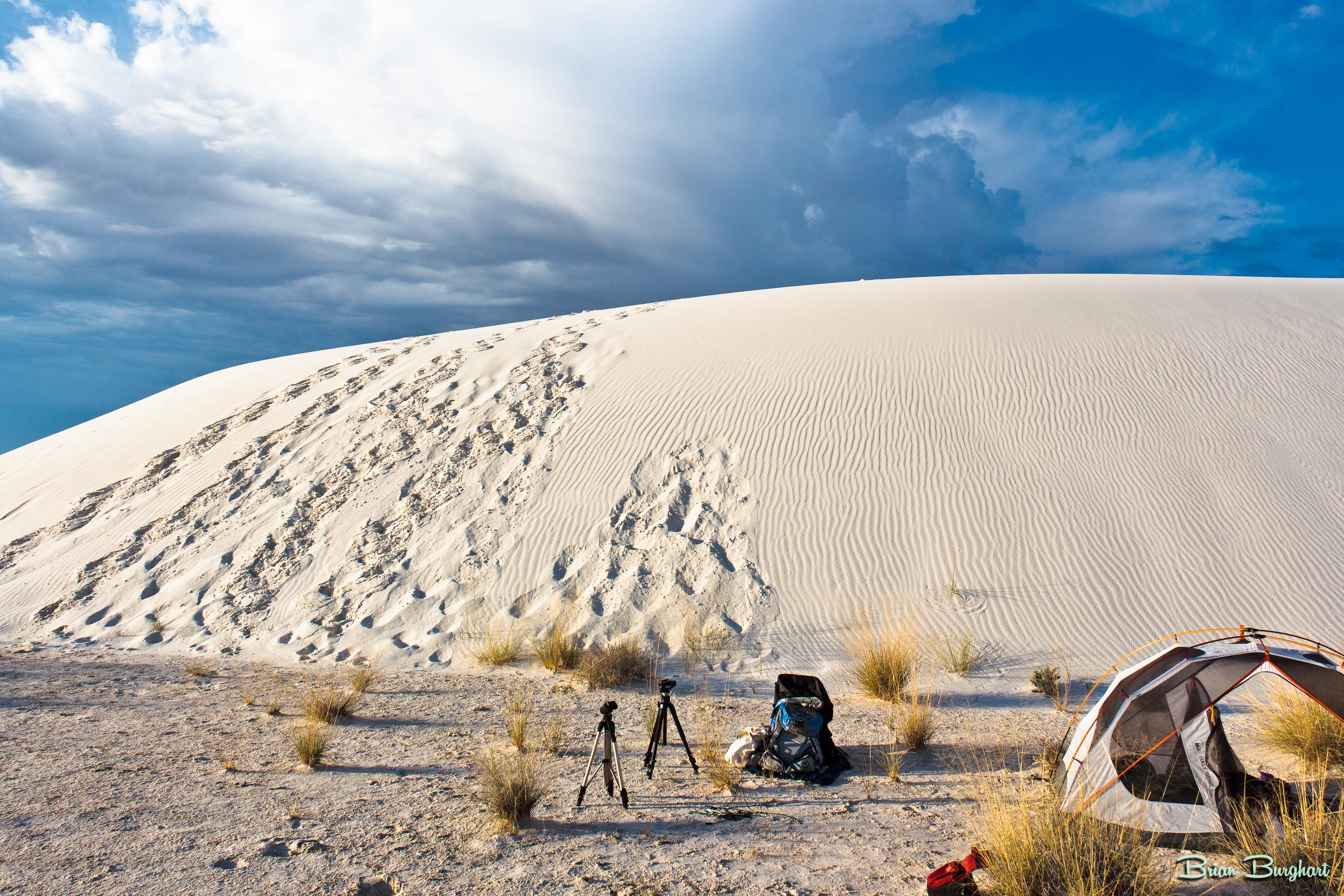
Campsite Guide
White Sands Backcountry Camping: Closed for 2026 — What to Know
As of 2026, backcountry camping at White Sands National Park is closed for site rehabilitation. What that means, and where to camp nearby instead.
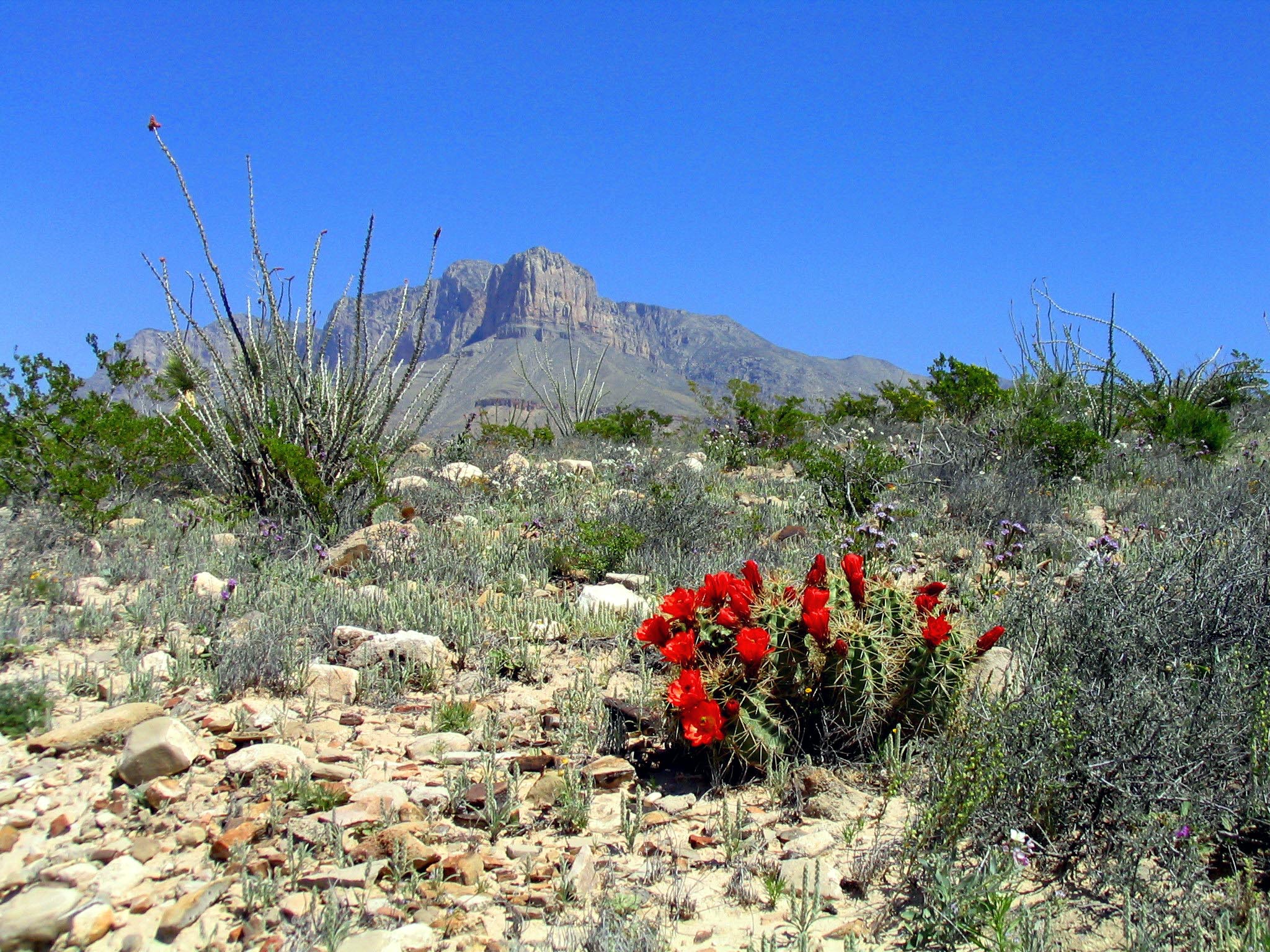
Weather Guide
Guadalupe Mountains National Park Weather: Weather
Guadalupe Mountains National Park: weather guide guide updated 2026. Practical visitor information, reservations, and seasonal tips worth bookmarking before
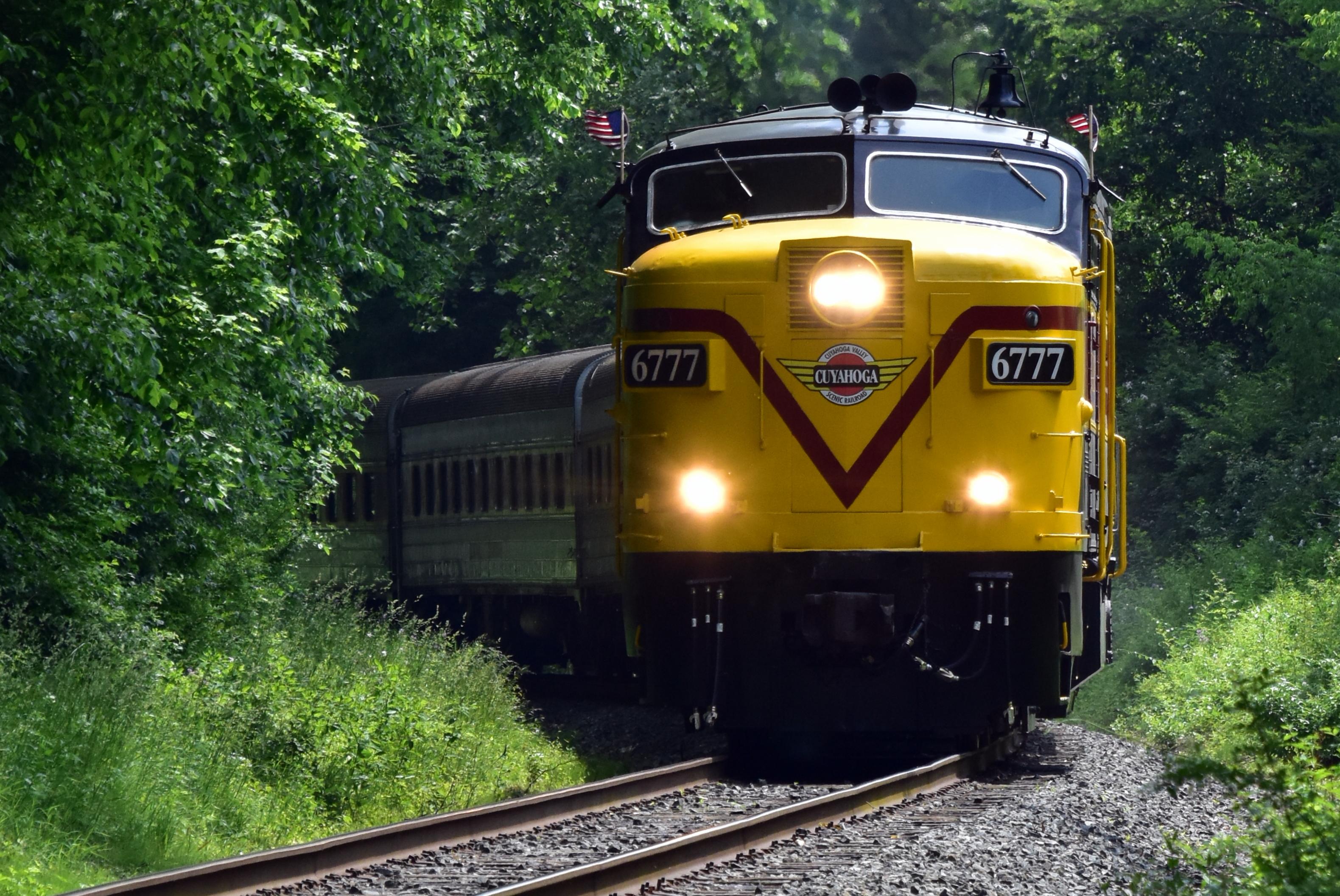
Best Of
Best of Cuyahoga Valley National Park: Best Things to Do
Seeing a Cleveland Orchestra concert with the woods as your backdrop is a uniquely Cuyahoga Valley experience.
Sign in to join the conversation.
Sources & Attribution
Location data courtesy of the National Park Service (U.S. Department of the Interior). NPS data is public domain. Official NPS page.
Images: NPS; NPS; NPS; NPS; NPS.
Map data © OpenStreetMap contributors.
Park operations alerts: NPS.gov · Weather and weather hazards: National Weather Service · Live conditions.
Information may change. Always verify fees, hours, and conditions directly with the official source before visiting.
Did this guide help? Share it with a friend.