Grand Teton National Park Camping: Jenny Lake, Signal Mountain & All Campgrounds (2026 Guide)
NPS via NPS.gov (Public Domain)
Best Camping Grand Teton National Park
10 min read
Camping Guide
Secure a Grand Teton campsite for 2026. With 1,175 sites and high demand, learn which campground to book and how to beat the reservation rush.
Your plans
This article contains affiliate links — we may earn a small commission at no extra cost to you.
Securing a campsite in Grand Teton has become a competitive endeavor. The park maintains eight frontcountry campgrounds with 1,175 sites, yet the demand for a place beneath the Tetons consistently outpaces availability. For the 2026 season, the rule is clear: a reservation is essential for a guaranteed site from late May through late September. Relying on the walk-in system is a significant risk; it succeeds for a few, while many end up returning to Jackson after sunset. This guide focuses on the practical steps for reserving a site, selecting an appropriate loop, and comprehending the specifics of your booking. For comprehensive park information, refer to the complete visitor guide, which details entrance procedures and seasonal conditions.
The Booking Reality
Reservations for all reservable Grand Teton campgrounds are managed on Recreation.gov. The booking window opens six months in advance, rolling daily. For a July 15th arrival, the booking opens on January 15th. This is not a suggestion. Rangers will tell you that prime-season weekends at Jenny Lake, Signal Mountain, and Colter Bay Campground can sell out within minutes of the 8:00 AM Mountain Time opening. You need an account, a payment method saved, and the agility of someone clicking refresh.
Walk-in availability exists only at Gros Ventre Campground, which operates first-come, first-served from early May through early October. The park's largest campground rarely fills before noon in June and September, but from early July through mid-August, the line forms before the 8:00 AM opening. By 9:30 AM, it's often full. Lizard Creek Campground also shifts to first-come, first-served after Labor Day until its closure in late September. The common mistake - and almost everyone makes it - is assuming you can roll into any campground at 5 PM and find a spot. You cannot.
For 2026, add a new variable: parkwide construction. The NPS alert states Colter Bay is anticipated to be a good option for visitors, implying it may be less impacted. Check the park's road construction page before finalizing plans, as access to your chosen campground could be altered.
Campground at a Glance
| Campground | Sites | Reservation? | Season (Approx.) | 2026 Fee/Night | Elevation | Hookups | Nearest Services |
|---|---|---|---|---|---|---|---|
| Colter Bay RV Park | 112 | Yes | Late May - Late Sep | $117 | 6,800 ft | Full (W/E/S) | Colter Bay Village |
| Colter Bay Campground | 324 | Yes | Late May - Late Sep | $59 | 6,800 ft | None | Colter Bay Village |
| Gros Ventre | 279 | Walk-in Only | Early May - Early Oct | $57 | 6,600 ft | None | Moose (12 mi) |
| Jenny Lake | 61 | Yes | Early May - Late Sep | $56 | 6,800 ft | None | Jenny Lake Store |
| Lizard Creek | 60 | Yes, then Walk-in* | Late May - Late Sep | $49 | 6,800 ft | None | Colter Bay (8 mi) |
| Signal Mountain | 81 | Yes | Mid-May - Mid-Oct | $55 | 6,800 ft | None | Signal Mountain Lodge |
| Headwaters | 97 | Yes | Late May - Late Sep | ~$40+ | 6,600 ft | None | Flagg Ranch (adjacent) |
| Colter Bay Tent Village | 66 | Yes | Early June - Early Sep | ~$150 | 6,800 ft | None | Colter Bay Village |
*Lizard Creek is reservable through Labor Day, then first-come, first-served until closure.
Note: Headwaters Campground is in the John D. Rockefeller, Jr. Memorial Parkway, managed by a concessioner. Fees and details vary.

Colter Bay Campground: Complete Guide
Colter Bay Campground, with its 324 sites, serves as the park's primary reservable campground. The area resembles a compact, well-organized community nestled within a thick lodgepole pine forest. The forest floor is cushioned with pine needles, and a steady, soft breeze rustles through the canopy of tall, slender trees. While the Tetons are not visible from the campsites, a brief ten-minute walk to the Jackson Lake shoreline provides access to that iconic vista.
Loop Breakdown and Site Selection
The campground is divided into several loops (A through J). The atmosphere is consistent - wooded and shaded - but site quality varies dramatically.
* Loops A, B, C: These are closest to the amphitheater and the main road. Expect more foot traffic and road noise. Sites are generally smaller and closer together. Best for quick overnight stops.
* Loops D, E, F, G: The core of the campground. Sites are more spaced, with better understory vegetation for privacy. Loop G has some of the largest, most secluded tent sites. This is where returning visitors aim to book.
* Loops H, J: Farther from the entrance, these feel quieter. Some sites in J back up to a sagebrush meadow, offering more light and a slight sense of openness. The walk to the lake or village is longer.
Facilities and Reality Check
Flush toilets, drinking water spigots throughout, and a paid shower/laundry facility at the nearby village. The camp store is well-stocked but priced accordingly. The dump station and potable water fill are near the entrance. Generator hours are enforced (8 AM-8 PM). What the booking site doesn't show: the sheer scale means it's never truly quiet, but the forest absorbs sound well. Bear activity is consistent; use the provided steel food storage lockers religiously. The road through camp is paved, but site spurs are hard-packed gravel.
Jenny Lake Campground: Complete Guide
Jenny Lake is the unicorn. At just 61 sites tucked into an open forest on a glacial moraine, it's the most sought-after basecamp for hiking trails. The atmosphere is quieter, more focused. You'll hear the thwack of trekking poles being adjusted at 6 AM and the murmur of people planning their day over camp stoves. The lake is a few hundred yards away, and the iconic view of the Cathedral Group is a short walk from several sites.
The Site Lottery
All sites are tent-only, with a strict 30-foot combined vehicle/trailer length limit. There are no "bad" sites, but there are tiers.
* Sites 1-25: Clustered in the pines on the moraine's west side. Shaded, more private, and a slightly longer walk to the lake shore access.
* Sites 26-61: Situated on the east side, with a more open canopy. Sites 50-61 are closest to the lake trail. Privacy is lower, but the convenience for an early morning paddle or photo is higher.
The booking frenzy is for good reason. The location is unmatched. If you secure one, you've won the Grand Teton lottery.
Spartan Amenities, Premium Experience
Vault toilets only. No showers. Potable water is available at several spigots. That's the list. You come for the location, not the facilities. The parking situation is tight; overflow parking is a hike away. Quiet hours (10 PM-6 AM) are respected because everyone is there to hike. Rangers patrol bear storage compliance aggressively - all food, trash, and scented items must be in the provided lockers 24/7. Cell service is virtually nonexistent.

Signal Mountain Campground: Complete Guide
Signal Mountain offers a split personality. Some sites sit just above the rocky shoreline of Jackson Lake with unobstructed western views. Others are set back in an open lodgepole pine forest. The sound of small waves lapping the shore is the nighttime soundtrack for the lucky few. It's smaller than Colter Bay, feels more integrated with the landscape, and has a stellar location for exploring the park's northern end.
Lakeside vs. Forest Sites
* Lakeside Loop (Sites 1-30ish): These are the prize. They are not private - you're in a row facing the water - but the trade-off is worth it for the direct access and sunset views. Sites are gravel pads with minimal vegetation between them. Book these if you want to launch a kayak from camp or sip coffee watching the light hit Mount Moran.
* Forest Loops (Sites 31-81): More traditional, shaded campsites with better separation. They're quiet, with dappled light. You'll walk a few minutes to the lake, but you'll sleep better insulated from neighbor noise.
Practicalities
Flush toilets and drinking water are available. Showers are a short drive away at Signal Mountain Lodge (for a fee). The camp store at the lodge has basics. The boat launch is adjacent to the campground. The road up Signal Mountain for panoramic views starts here. The reality check: lakeside sites are windy, often cool in the evening, and mosquitoes can be fierce in July. Generator hours are posted and enforced.
Gros Ventre Campground: Complete Guide
Gros Ventre is the park's strategic reserve. As the only major walk-in campground, it's the fallback for thousands. The setting is different: open sagebrush flats dotted with cottonwood groves along the Gros Ventre River. It feels expansive, dry, and much warmer than the forested campgrounds. You'll see the Tetons from certain areas, and wildlife sightings (bison, pronghorn) in the surrounding meadows are common.
Navigating the Walk-in System
The campground is massive, with multiple loops. When the office opens at 8 AM, you'll be given a map of available sites. Drive to choose one, then return to register.
* River Loops: Sites along the Gros Ventre River are the most desirable for the sound of water and shade from cottonwoods. They go first.
* Sagebrush Loops: Open, sunny, and often breezy. Less scenic but more available later in the day. Privacy is better due to distance between sites.
The advice from rangers: have a backup plan. If you're not in line by 7:30 AM in peak summer, your chances drop fast.
Facilities and Vibe
Flush toilets, drinking water, and an RV dump station. No showers. It's a 15-20 minute drive to services at Moose. Because it's all walk-in, there's a communal, slightly adventurous vibe. People share intel on site availability. It's also the noisiest campground, given the open terrain and higher proportion of families and larger groups. You'll hear generators during allowed hours.

Lizard Creek, Headwaters & Colter Bay RV/Tent Village
Lizard Creek Campground is for solitude seekers. It's 8 miles north of Colter Bay, closer to Yellowstone, in a dense spruce-fir forest right on Jackson Lake. It's quiet, dark, and feels remote. The 60 sites are all walk-in after Labor Day. Facilities are vault toilets and water spigots. The lake access is rocky but beautiful. The catch: it's a long drive to any services or major trailheads. You come here to be away from everything.
Headwaters Campground is technically in the John D. Rockefeller, Jr. Memorial Parkway, at the Flagg Ranch area. It's a concessioner-run campground with flush toilets and showers. It's a practical, if not inspiring, base for visiting both Grand Teton and Yellowstone. Sites are open and grassy. It's a reliable option when park proper campgrounds are full, but you're a 30-minute drive from Grand Teton's core.
Colter Bay RV Park is the only option with full hookups (water, electric, sewer) inside the park. Sites are paved, close together, and feel like a parking lot with trees. You pay for the convenience. Colter Bay Tent Village offers canvas tent cabins with beds and wood stoves - a structured "camping" experience managed by the lodge.
Reservation Strategy
- Calendar Day: Mark your six-month-out date. For peak dates, be logged into Recreation.gov by 7:55 AM MT.
- Have Alternatives: Know your 1st, 2nd, and 3rd choice campgrounds and have flexible dates. If Jenny Lake is gone instantly, Signal Mountain may still be available.
- Cancellation Monitoring: Set up alerts on Recreation.gov or check the site diligently in the weeks leading up to your trip. People's plans change, especially 2-4 days before arrival.
- Walk-in Gambit: If trying for Gros Ventre, plan to arrive the afternoon before. Stay in Jackson or a national forest campground. Arrive at the Gros Ventre entrance station by 7:00 AM. Have your vehicle ready to quickly inspect sites.
- Group Sites: Colter Bay and Gros Ventre have group sites. These book even farther in advance. Call the park directly for the latest on group booking procedures.

What to Know Before You Arrive
* Bear Storage is Non-Negotiable: Every site in every campground has a heavy-duty steel food storage locker. All food, trash, coolers, stoves, dishes, and toiletries must be stored in it when not in immediate use. Not in your car. Rangers issue citations for violations.
* Fire Reality: Wood fires are only permitted in established metal fire rings. Fire bans can be enacted during dry, windy periods. Check at entry or the visitor center. Never leave a fire unattended.
* Quiet Hours & Generators: 10:00 PM to 6:00 AM are quiet hours. Generator use is typically restricted to 8:00 AM to 8:00 PM. Enforcement varies by campground but is strict at Jenny Lake and Signal Mountain.
* Cell Service: Don't count on it. Service is spotty to nonexistent at Jenny Lake, Lizard Creek, and Signal Mountain. You might get a bar or two at Colter Bay or Gros Ventre. Assume you will be offline.
* Water: Potable water is available at all campgrounds. Treat any water from streams or lakes. The park is at altitude; you'll dehydrate faster. Drink more than you think you need.
* Checkout: Checkout is typically 11:00 AM. Arrival is usually 1:00 PM. Rangers will ask you to leave if you're overstaying, as housekeeping needs to prepare for the next anxious camper.
Practical Takeaways
- The best camping in Grand Teton National Park requires a reservation secured exactly six months in advance at 8:00 AM MT.
- Jenny Lake is for tent campers who prioritize trailhead access over amenities. Book it if you can.
- Signal Mountain's lakeside sites offer the best views from a campground, but they're exposed and windy.
- Colter Bay Campground is the reliable, full-service option with the best chance of snagging a reservation due to its size.
- Gros Ventre is your walk-in fallback; aim to be in line before 7:30 AM for a summer site.
- Use the provided bear lockers for everything scented, 24/7. A cooler left on a picnic table will attract a fine and potentially a bear.
- Bring layers. Nights are cold even in July, and afternoon thunderstorms are common in summer.
- Generator hours are enforced. If you need power overnight for medical equipment, plan accordingly and contact the park in advance.
- For 2026, check the park's construction page before finalizing plans, as road work may affect access.
- Have a backup plan. If all campgrounds are full, dispersed camping in Bridger-Teton National Forest is an option, but know the rules and leave no trace. For other options, see the guide to lodging and accommodations.
Recommended Gear
What experienced visitors bring to Best Camping Grand Teton National Park
Links may earn us a commission at no extra cost to you. We only recommend gear we believe in.
Hiking Essentials
Hydration Pack (3L)
Hands-free water for long trail days
Trekking Poles (Pair)
Save your knees on steep descents
Hiking Boots (Ankle Support)
Sturdy footwear for rocky, uneven trails
Sun & Heat Protection
Wide-Brim Sun Hat
Full coverage UPF 50+ protection at altitude
Insulated Water Bottle (32oz)
Keeps water cold in desert heat all day
Electrolyte Mix Packets
Replace what water alone cannot during intense heat
Winter Gear
Microspikes / Traction Devices
Essential for icy rim trails in winter months
Packable Down Jacket
Lightweight warmth that stuffs into a pocket
Sources
- Official source: NPS — Grand Teton National Park nps.gov/grte/index.htm
Photo Gallery
More to Explore
Park Guide
Acadia National Park: Carriage Roads, Cadillac Mountain & 2026 Guide
Discover carriage roads, Cadillac Mountain, and rugged Maine coast. Complete 2026 guide to Acadia National Park — trails, fees, lodging, permits, and what rangers recommend.
Hiking Guide
Grand Canyon Hiking Trails: Day Hikes, Water Sources & Rim to Rim
Compare Grand Canyon hiking trails: Bright Angel, South Kaibab, Hermit, Grandview, and rim to rim, with distances, elevation, water stops, and trailhead access for each.
Best Of
Best of Glacier Bay National Park
The best of Glacier Bay is reached by boat: ranger-led day tours up the bay to the tidewater glaciers. What's worth it, how to book, and when to go (2026).
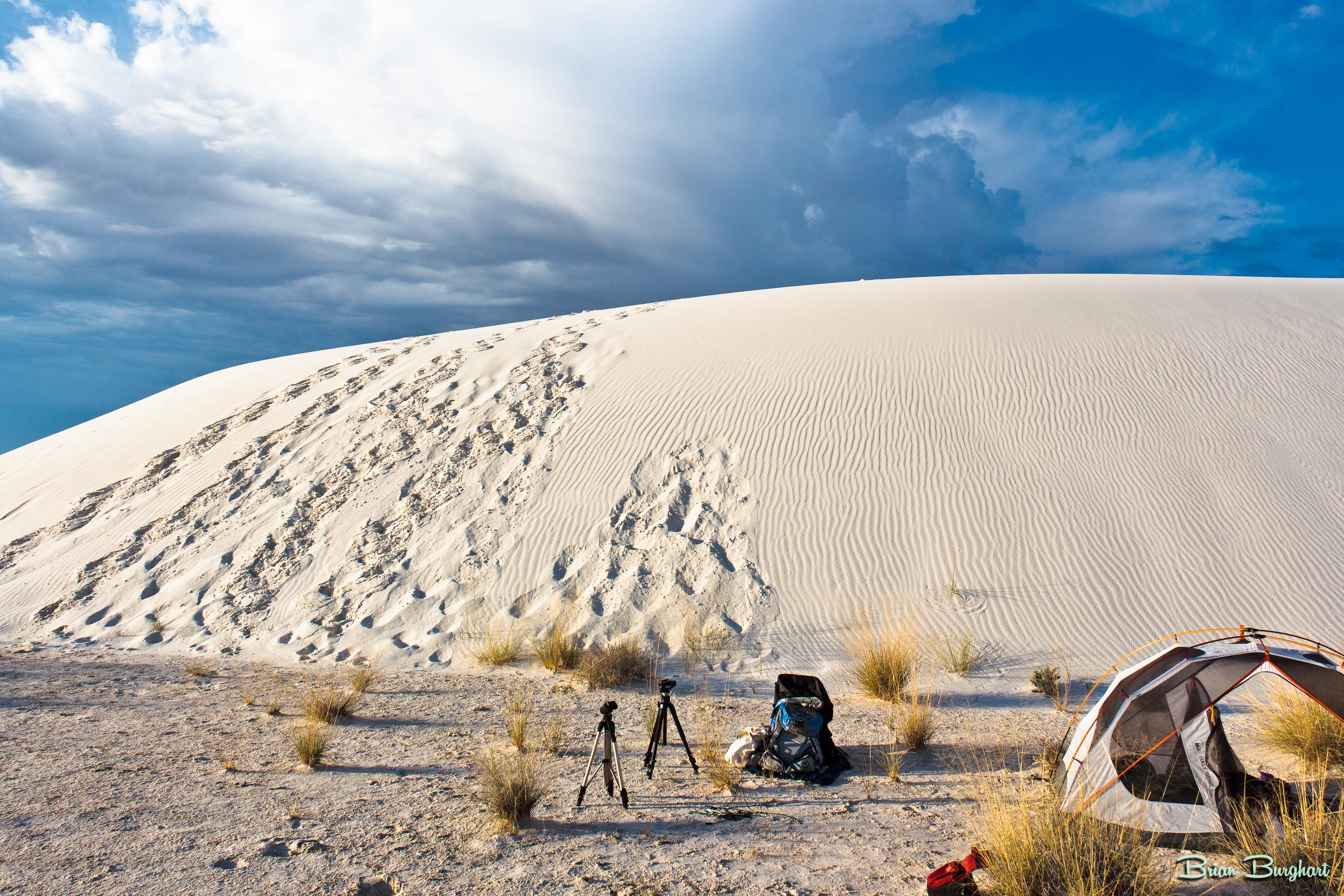
Campsite Guide
White Sands Backcountry Camping: Closed for 2026 — What to Know
As of 2026, backcountry camping at White Sands National Park is closed for site rehabilitation. What that means, and where to camp nearby instead.
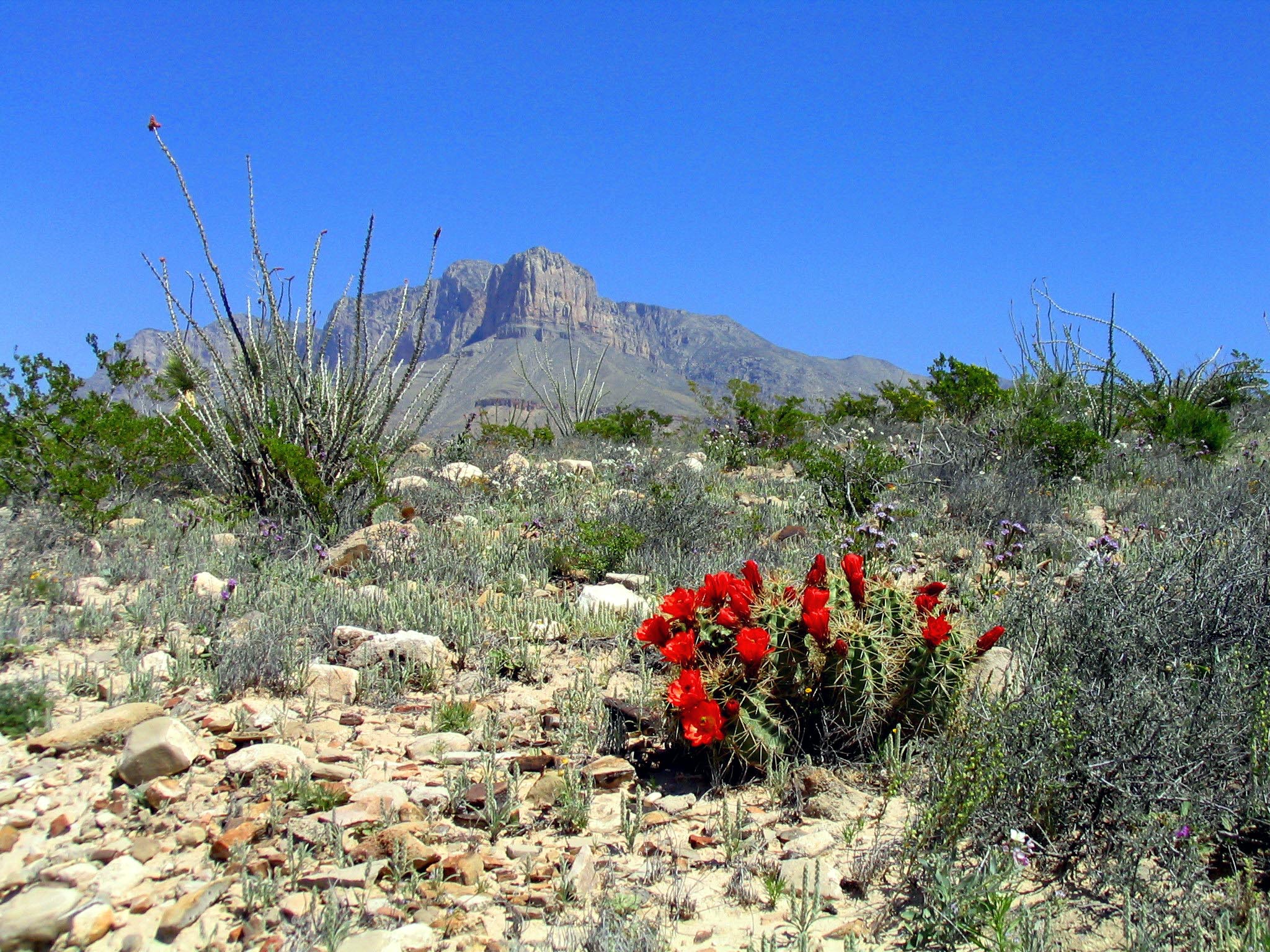
Weather Guide
Guadalupe Mountains National Park Weather: Weather
Guadalupe Mountains National Park: weather guide guide updated 2026. Practical visitor information, reservations, and seasonal tips worth bookmarking before
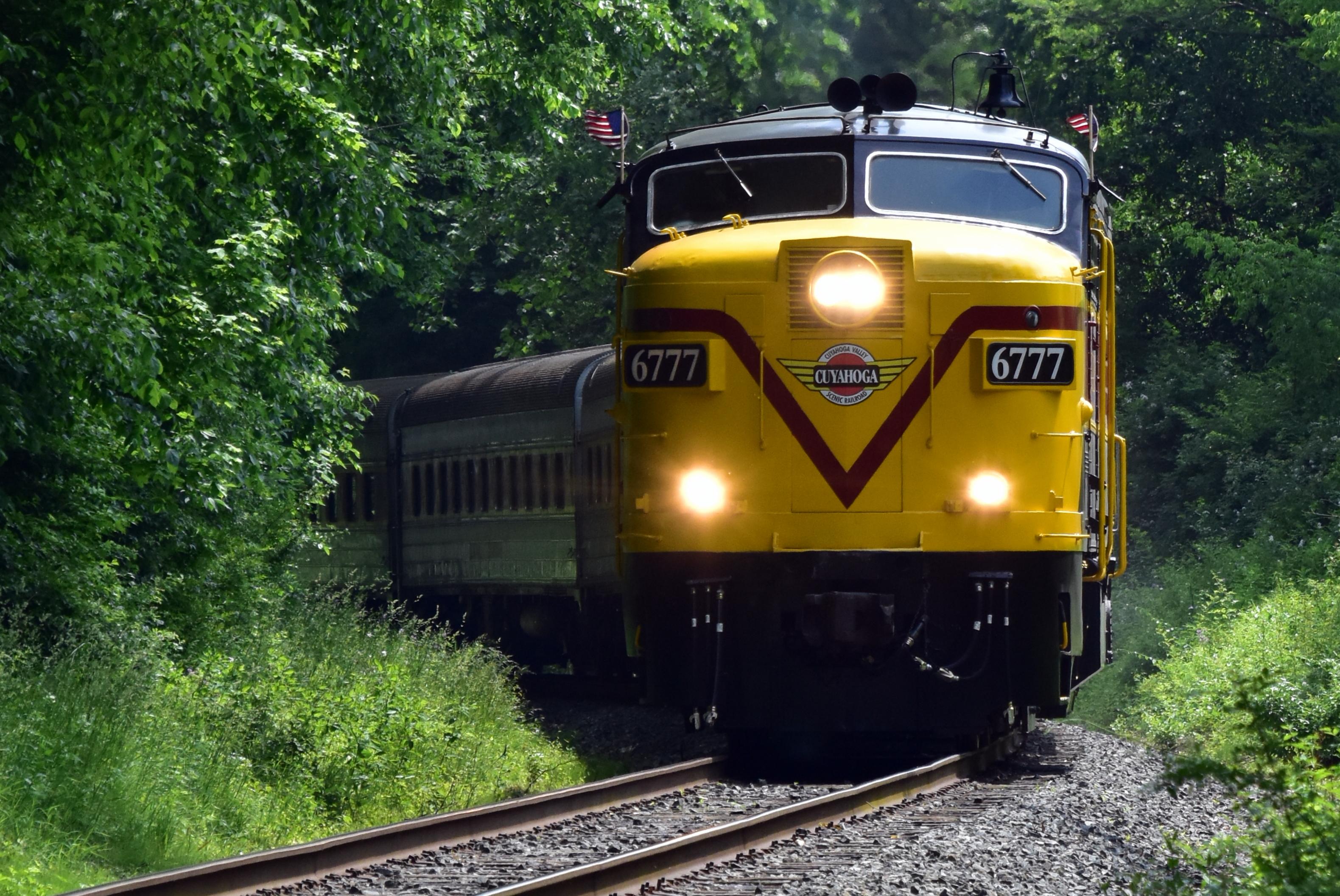
Best Of
Best of Cuyahoga Valley National Park: Best Things to Do
Seeing a Cleveland Orchestra concert with the woods as your backdrop is a uniquely Cuyahoga Valley experience.
Sign in to join the conversation.
Sources & Attribution
Location data courtesy of the National Park Service (U.S. Department of the Interior). NPS data is public domain. Official NPS page.
Images: NPS; NPS; NPS; NPS; NPS.
Map data © OpenStreetMap contributors.
Park operations alerts: NPS.gov · Weather and weather hazards: National Weather Service · Live conditions.
Information may change. Always verify fees, hours, and conditions directly with the official source before visiting.
Did this guide help? Share it with a friend.