First light on the sagebrush flats turns frost silver. A bull elk's bugle—like a saw cutting wood—echoes across the valley. That's your signal. Good wildlife viewing here isn't luck; it's reading a schedule written in hoofprints and hunger. These animals move with the sun and seasons. Most visitors miss them by being in the wrong place at the wrong hour. You need to be where they are, when they are. That's dawn, nearly every time. For park layout and services, consult the official visitor guide.
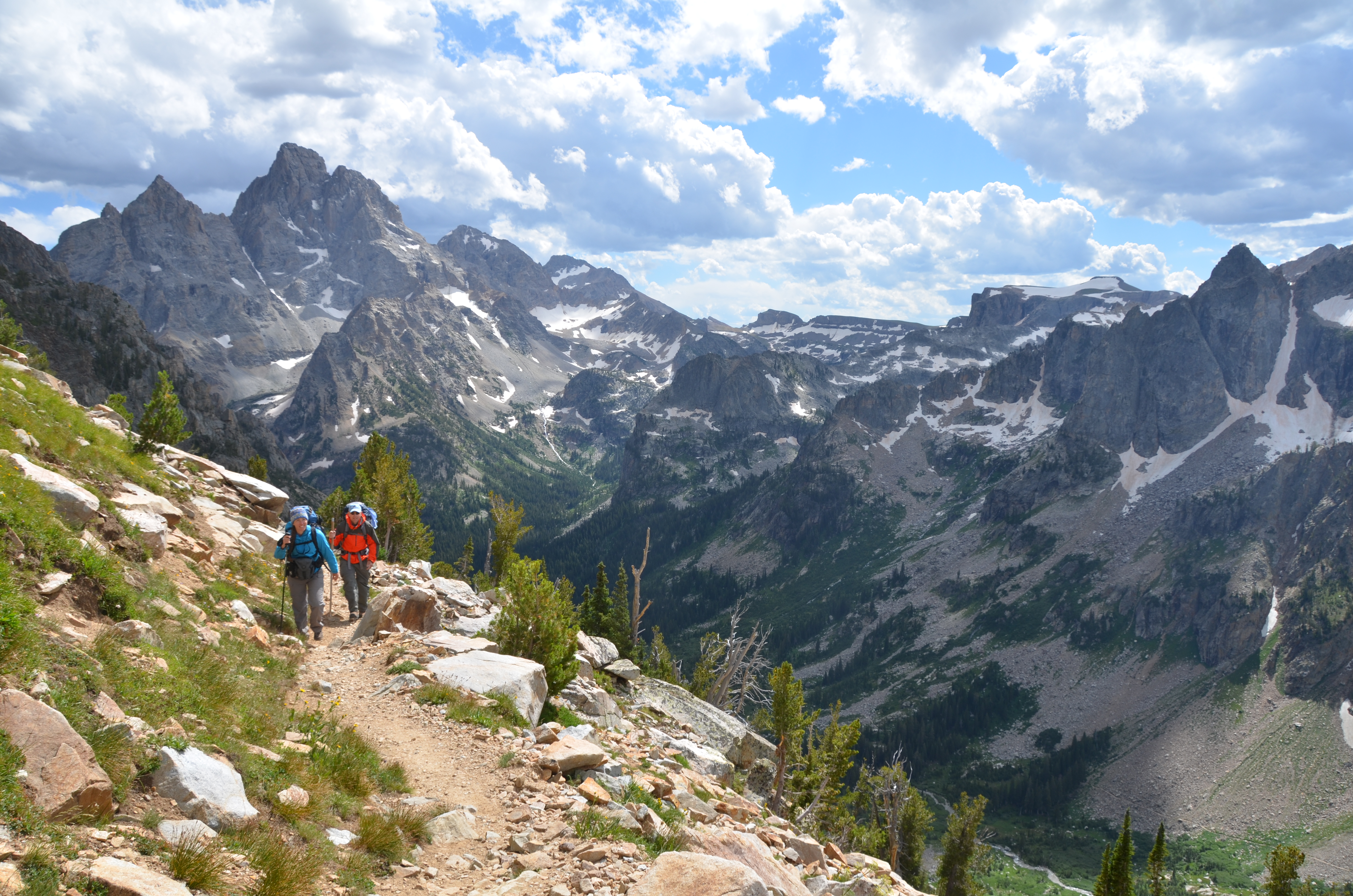
NPS via NPS.gov (Public Domain)
Best Wildlife Viewing in Grand Teton National Park
9 min read
Wildlife Guide
See Grand Teton's bison & moose at dawn, not by luck. Our 2026 guide reveals the schedule written in hoofprints and hunger for your best sightings.
The Signature Species
Two animals define the Tetons: the American bison and the moose. The 13,000-foot granite wall behind them makes any sighting memorable, though the animals pay no mind to the scenery. Most folks look for moose in the wrong places—not on the open plains with bison, but in willow thickets and beaver ponds along slow waterways, dawn and dusk. Bison herds gather on the sagebrush-steppe of Antelope Flats and Mormon Row from late spring through fall, shifting to lower, wind-swept areas in winter. Early morning works for both, before traffic picks up and they seek cover.
Moose: Complete Viewing Guide
Where They Concentrate
Moose are creatures of wet, tangled edges. The willows along the Snake River between the Moose-Wilson Road and Schwabacher Landing are prime territory. The Oxbow Bend turnoff is famous for a reason - the slow water and dense willows are ideal moose habitat. The ponds and marshes along the Moose-Wilson Road, particularly south of the Death Canyon Road junction, are consistently productive. Rangers will tell you that the stretch of the Gros Ventre River near Kelly Warm Springs can also be reliable, especially in the cooler hours.
Best Time of Day & Season
Dawn and dusk. Period. Midday sightings happen, but they're the exception. The animals are most active feeding during these cooler hours. The best season is late spring through early fall. In winter, they're still present but often deeper in the timber, making them harder to spot.
What Behavior to Look For
Look for the dark, bulky shape of a moose half-submerged in a pond, head down feeding on aquatic plants. You might see just the tips of its antlers (in season) moving above the willow tops. Cows with calves in June and July are extremely protective. Give them a wide berth.
How to Distinguish from Similar Species
At a distance in low light, a moose can be confused with an elk. Moose are darker brown, often appearing almost black, with a pronounced hump at the shoulders and a long, drooping nose. Elk are lighter tan with a more uniform backline and a distinct pale rump patch.
Safety Distance and Regulations
Stay at least 25 yards away. A cow with a calf will not hesitate to charge if she feels threatened. Use your vehicle as a blind when possible on roadside pullouts. Never get between a moose and its escape route to water or trees.

American Bison: Complete Viewing Guide
Where They Concentrate
The sagebrush flats east of the Teton Range are bison country. Antelope Flats Road and the historic buildings of Mormon Row are ground zero for herd sightings from May to October. The Blacktail Ponds Overlook area often has smaller groups near the river. In winter, look for them on the windswept areas near Kelly and the Gros Ventre Junction, where snow cover is less deep.
Best Time of Day & Season
Early morning and late afternoon. They bed down during the heat of the day. They are present year-round, but most visible from late spring when they move onto the spring green-up of the flats, through the fall rut in July and August.
What Behavior to Look For
In summer, look for large, dusty herds grazing. During the rut (peak in August), bulls will bellow, paw the ground, and engage in short, thunderous charges at each other. In winter, they form tighter groups and use their massive heads to plow through snow to reach grass.
How to Distinguish from Similar Species
Unmistakable. The largest land mammal in North America, with a massive head, shoulder hump, and shaggy dark brown coat. They are often seen in groups, unlike the typically solitary moose.
Safety Distance and Regulations
Stay at least 25 yards away. Rangers enforce this strictly. Bison can run three times faster than you, and they are unpredictable. If a bison stops grazing and looks at you, you are too close. Back up slowly.
Elk: Complete Viewing Guide
Where They Concentrate
Summer finds elk high in the alpine meadows, but for most visitors, the best viewing is during the fall rut. The National Elk Refuge, just north of the town of Jackson, is the famous wintering ground. Inside the park, listen for bugling elk in September along the Gros Ventre River corridor and in the aspen groves near Blacktail Butte.
Best Time of Day & Season
The rut in September and early October is the premier time. Activity peaks at dawn and dusk with constant bugling. In winter, take a sleigh ride on the National Elk Refuge to see the massive herds (this is a refuge activity, not within the park proper).
What Behavior to Look For
During the rut, bulls gather harems of cows and bugle constantly - a high-pitched whistle that drops into a series of grunts. They will spar with rival bulls, clashing antlers. It's one of the most dramatic wildlife spectacles in the Rockies.
Safety Distance and Regulations
Maintain 25 yards. Rutting bulls are hyper-aggressive and focused on their cows. Never approach between a bull and his harem. In winter, observe from the designated sleighs only on the refuge.

Pronghorn: Complete Viewing Guide
Where They Concentrate
The open sagebrush expanses east of the park. Antelope Flats is aptly named and is the most reliable area. They are often seen along U.S. Highway 89/191 between Moose Junction and Kelly.
Best Time of Day & Season
Spring and fall. They are present in summer but can be harder to spot in taller vegetation. They are most active morning and evening. Many pronghorn migrate south out of the valley in winter.
What Behavior to Look For
Pronghorn are often seen in small family groups or larger herds. They are incredibly fast and skittish. Watch for their distinctive white rump patches, which they flare when alarmed.
How to Distinguish from Similar Species
Often called "antelope," they are not true antelope. They are tan and white with unique black markings on the face and neck, and those pronounced white rump patches. They are the only animal in the area that looks like a slender, large-eared deer built for speed.
Safety Distance and Regulations
Use binoculars or a spotting scope. They spook easily at any close approach. Observe from your vehicle at pullouts.
Black Bear & Grizzly Bear: Complete Viewing Guide
Where They Concentrate
Bear activity is widespread but concentrated near food sources. In spring and early summer, look for them on south-facing slopes digging for roots and in meadows for grasses. From mid-summer on, they follow berry crops (like serviceberry) into the foothills and canyon mouths. Areas like Phelps Lake, Death Canyon Trailhead, and the Moose-Wilson Road corridor have frequent sightings. Always check at visitor centers for recent bear activity reports.
Best Time of Day & Season
Dawn and dusk. Bears are most active from April through October, with a peak in visibility during the late summer berry season.
What Behavior to Look For
You might see them grazing like cattle in a meadow, turning over rocks and logs, or stripping berries from bushes. A distant bear is a safe bear. Never approach.
How to Distinguish from Similar Species
Grizzly bears have a pronounced shoulder hump, a dished facial profile, and longer, lighter-colored claws. Black bears lack the hump, have a straighter face, and shorter, darker claws. Color is not a reliable indicator - black bears can be brown, and grizzlies can be very dark.
Safety Distance and Regulations
You must stay at least 100 yards away. This is non-negotiable. Carry bear spray, know how to use it, and hike in groups making noise, especially in areas with limited visibility like berry patches or along streams. All food and scented items must be stored in a bear-resistant container when not in immediate use.

Birds of Prey & River Otters
This isn't just a mammal show. Bald eagles and osprey nest along the Snake River, particularly near Oxbow Bend and Schwabacher Landing. Look for their massive stick nests in tall cottonwoods. Osprey dive for fish; eagles often perch and watch. Great gray owls hunt the edges of meadows at dawn and dusk along the Moose-Wilson Road. For a truly charismatic sight, watch the river backwaters for river otters. They are playful, social, and often seen at Oxbow Bend or the Beaver Creek area, sliding on mud banks or hunting fish.
Wildlife by Season
* April-May: Migratory birds return. Bears emerge from dens and are on valley slopes. Moose are often in lowland willows. Elk and bison move to spring ranges. Pronghorn return to the flats.
* June-July: Elk and moose calves are born - observe from a great distance. Bears move to higher elevations. Birdlife is at its peak. Mosquitoes are also at their peak.
* August-September: The bison rut peaks. Berry season brings bears back into view at lower elevations. The elk rut begins in late August, exploding in September. This is one of the most dynamic wildlife viewing periods.
* October-November: Elk begin moving to the National Elk Refuge. Bears enter hyperphagia, eating constantly before denning - be extra cautious. Many birds migrate out. Crowds thin, but morning frosts are common.
* December-March: A stark, quiet beauty. Bison and elk are on winter ranges. Moose are in timbered areas. Coyotes, foxes, and eagles are active. Access is limited to plowed roads and ski or snowshoe trails.

Where Wildlife Concentrates
Experienced visitors know the morning and evening patrol routes. The Moose-Wilson Road is a slow, winding corridor through prime moose and bear habitat - drive it at sunrise. The Antelope Flats Road loop is for bison and pronghorn, best in the first two hours after light. Oxbow Bend is a sunrise magnet for moose, eagles, and otters, with the mountains reflecting in the water. Schwabacher Landing offers similar riparian habitat. The Gros Ventre River road east toward Kelly is less trafficked and can yield elk, moose, and the occasional bear. Cell service drops out at most of these locations, so download maps in advance.
Ethical Viewing and Safety
The park service recommends - and enforces - specific distances: 25 yards from bison, elk, moose, and pronghorn. 100 yards from bears and wolves. If you change an animal's behavior (it stops eating, looks at you, moves away), you are too close. Use your vehicle as a viewing blind when possible on pullouts. Never feed any animal, not even a ground squirrel. It's illegal and teaches dangerous behavior. For bears, carrying and knowing how to use bear spray is more effective than a firearm. If you're venturing out on the hiking trails, this is mandatory gear. Roadside jams are a hazard. Pull completely off the roadway, use hazard lights, and be aware of traffic. The animal's need for space trumps your photograph.
Practical Takeaways
- Dawn is non-negotiable. Your chances of significant sightings triple in the first three hours of light.
- Carry optics. A decent pair of binoculars (8×42 or 10×42) is the single most important piece of wildlife gear after your car.
- Know the distances: 25 yards for large mammals, 100 yards for bears. Pace it off. Most visitors underestimate distance.
- Drive the circuits slowly. The Moose-Wilson Road and Antelope Flats Road are productive drives. Go slow, scan the edges, and use pullouts.
- Check in with rangers. Visitor centers post recent wildlife sightings. This is real-time intelligence.
- Your car is your best blind. Animals are often more tolerant of vehicles than people on foot. Stay in or next to your car at roadside pullouts.
- Be patient and quiet. Find a likely spot, turn off your engine, and wait. Wildlife often moves back into an area after the noise of a passing car fades.
For those seeking more structured exploration, consider the park's official tours and guided experiences, which often provide expert-led access and interpretation. As of 2026, always check the official park website for any seasonal road closures or bear management area restrictions before you finalize your plans. The mountains will wait. The animals operate on their own schedule.
For more information, see our complete National Park Guide.
Related: hiking grand teton national park guide
Related: grand teton hiking guide
Sources
- Official source: NPS — Grand Teton National Park nps.gov/grte/index.htm
Photo Gallery
More to Explore
Park Guide
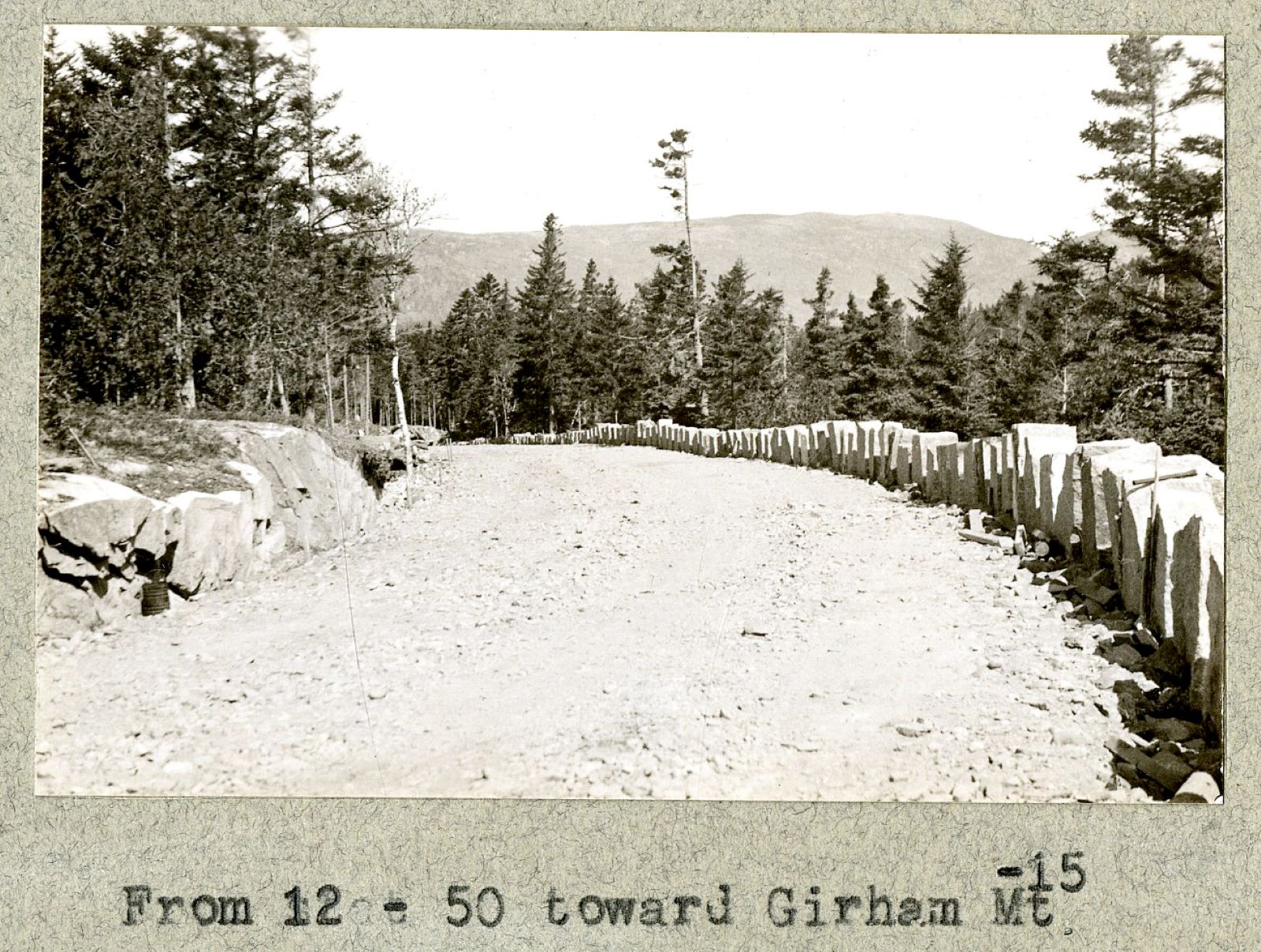
Acadia National Park: Carriage Roads, Cadillac Mountain & 2026 Guide
Discover carriage roads, Cadillac Mountain, and rugged Maine coast. Complete 2026 guide to Acadia National Park — trails, fees, lodging, permits, and what rangers recommend.
Hiking Guide
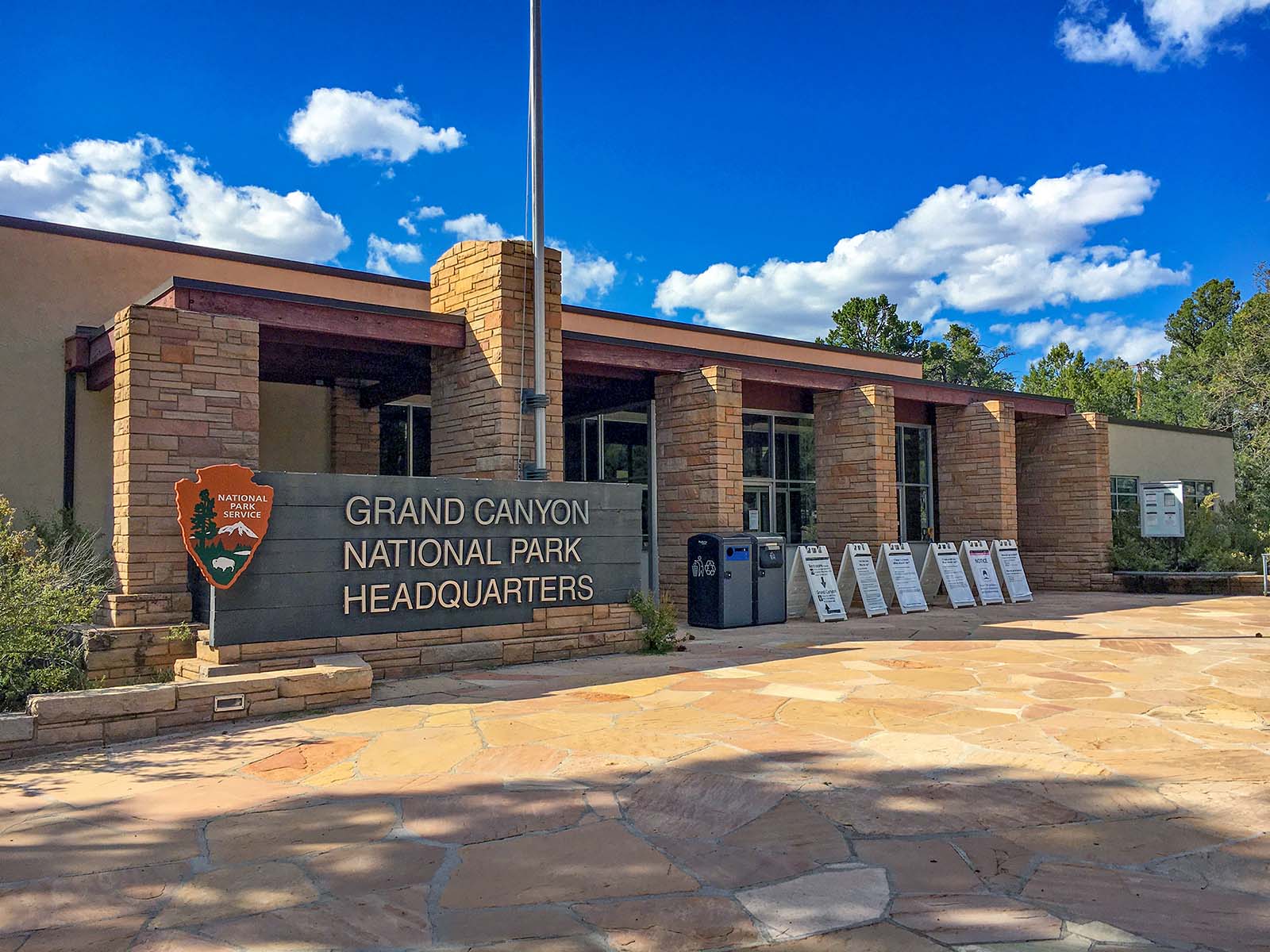
Grand Canyon Hiking Trails: Day Hikes, Water Sources & Rim to Rim
Compare Grand Canyon hiking trails: Bright Angel, South Kaibab, Hermit, Grandview, and rim to rim, with distances, elevation, water stops, and trailhead access for each.
Best Of
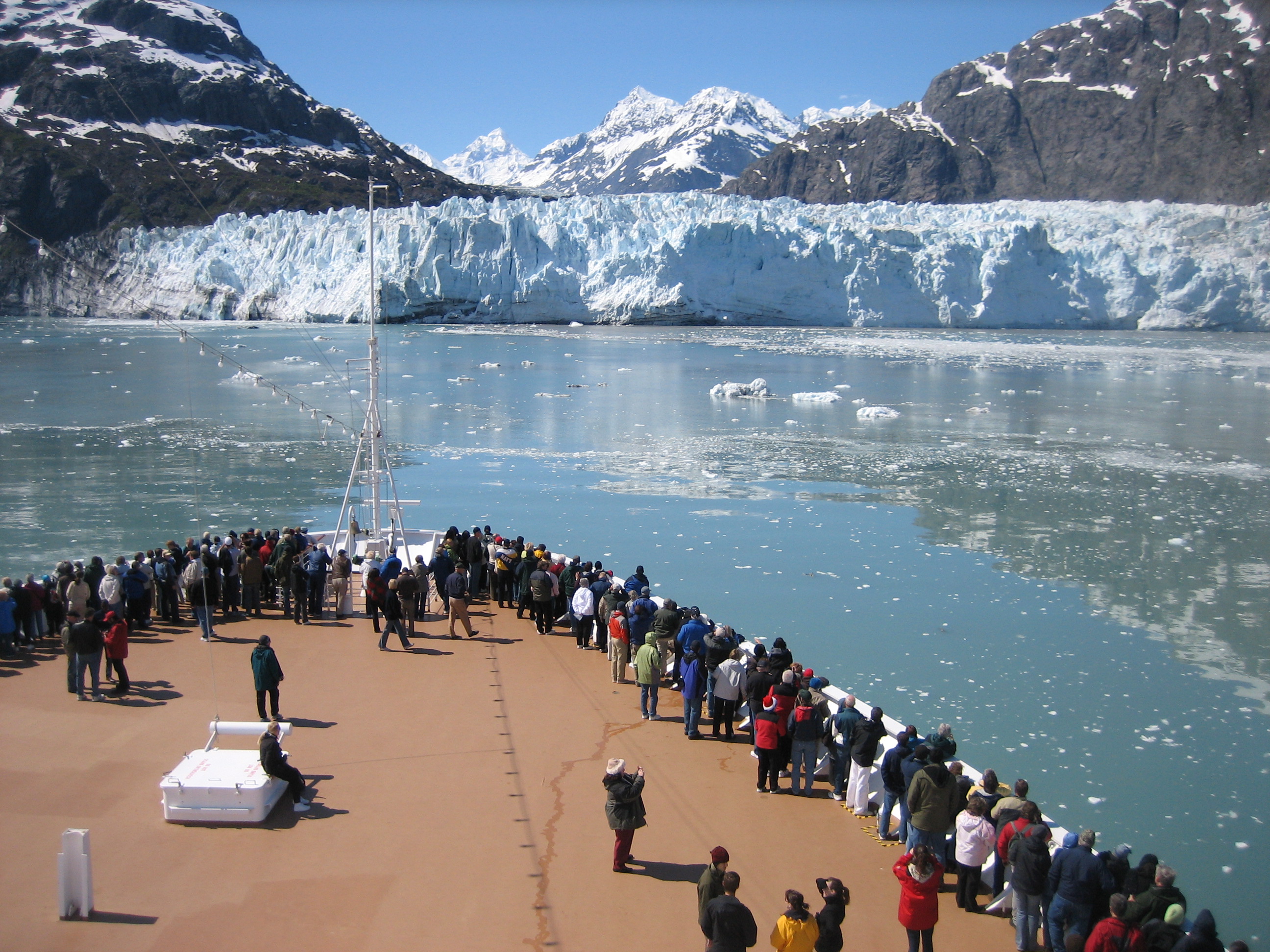
Best of Glacier Bay National Park
The best of Glacier Bay is reached by boat: ranger-led day tours up the bay to the tidewater glaciers. What's worth it, how to book, and when to go (2026).
Campsite Guide
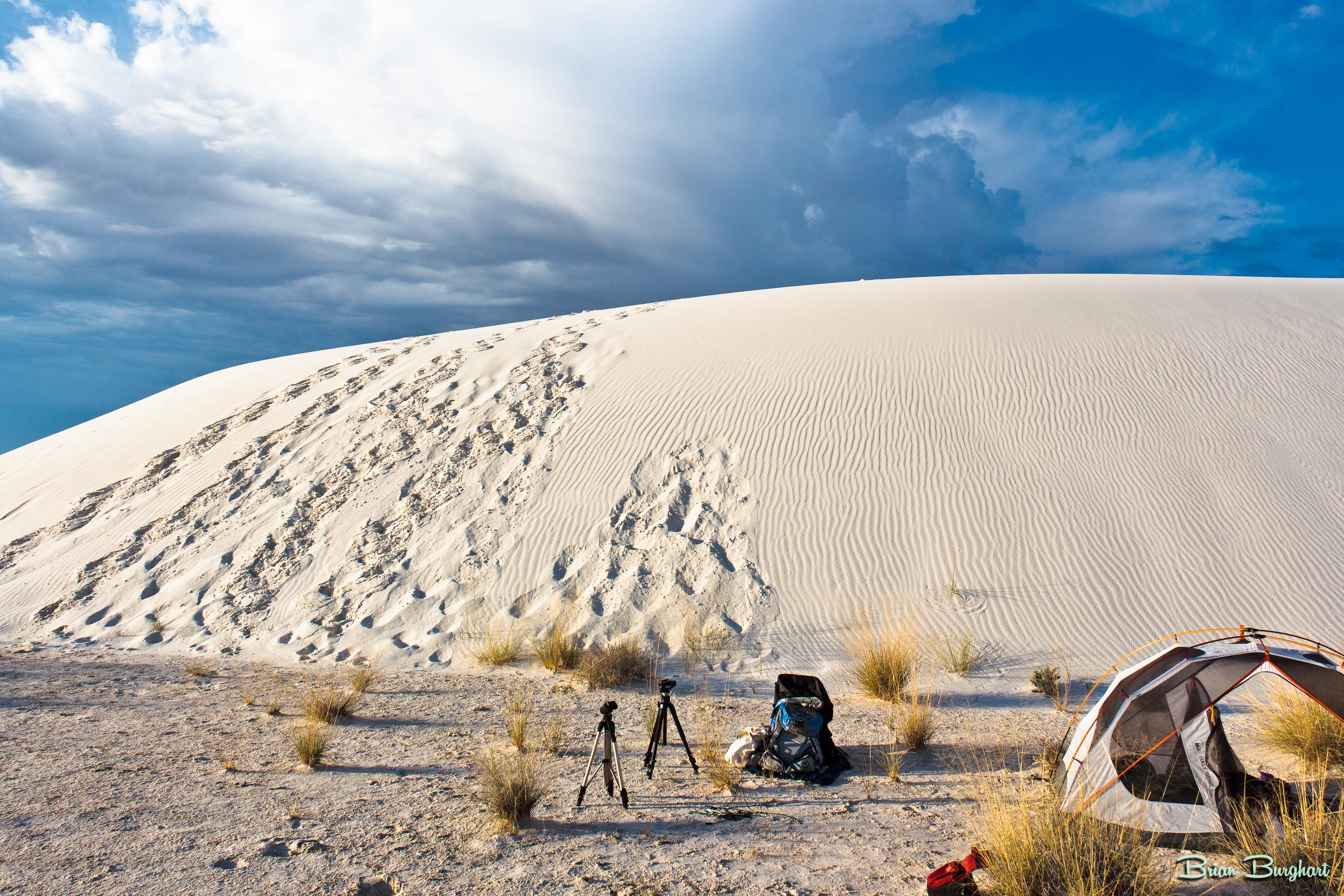
White Sands Backcountry Camping: Closed for 2026 — What to Know
As of 2026, backcountry camping at White Sands National Park is closed for site rehabilitation. What that means, and where to camp nearby instead.
Weather Guide
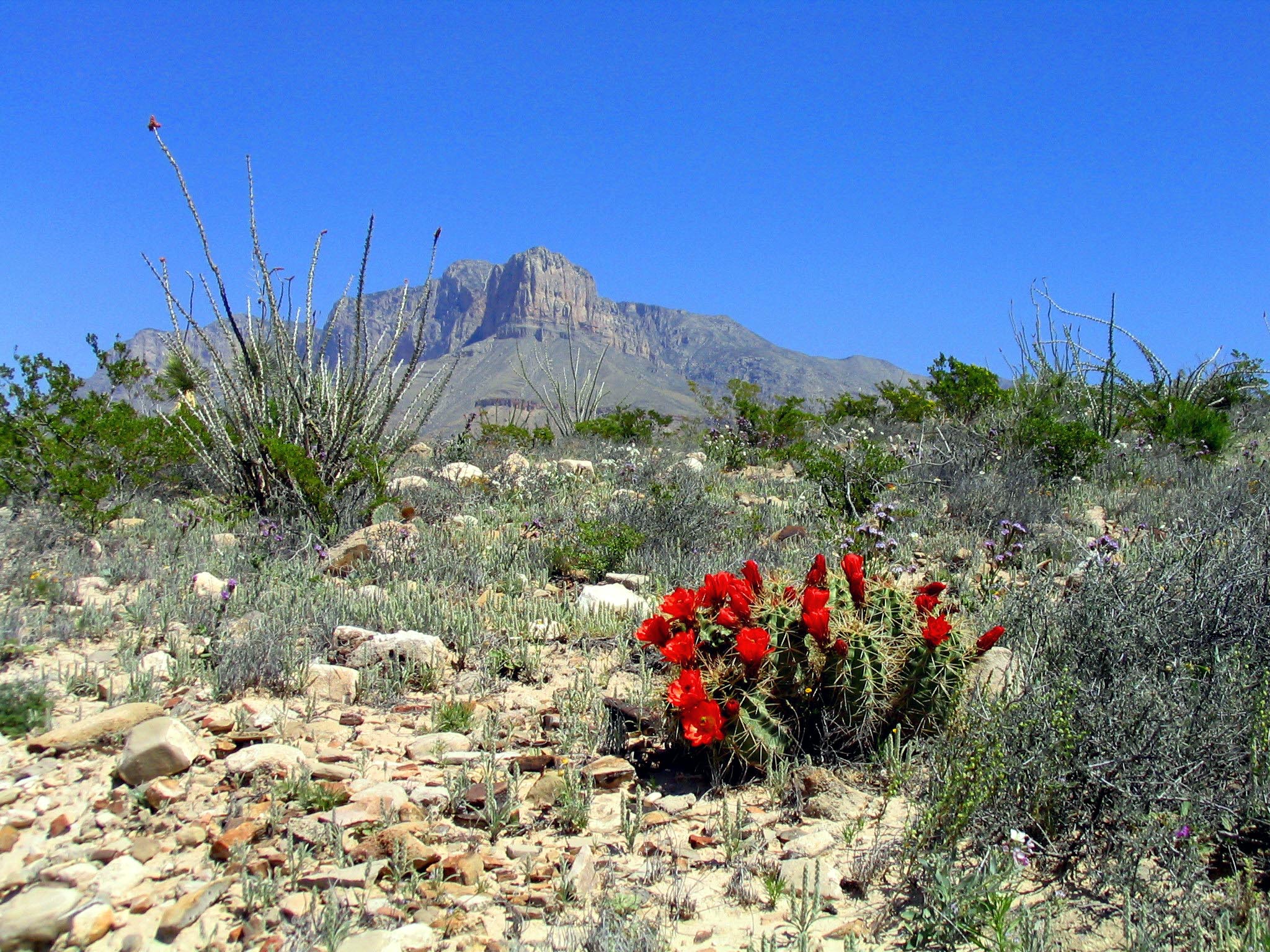
Guadalupe Mountains National Park Weather: Weather
Guadalupe Mountains National Park: weather guide guide updated 2026. Practical visitor information, reservations, and seasonal tips worth bookmarking before
Best Of
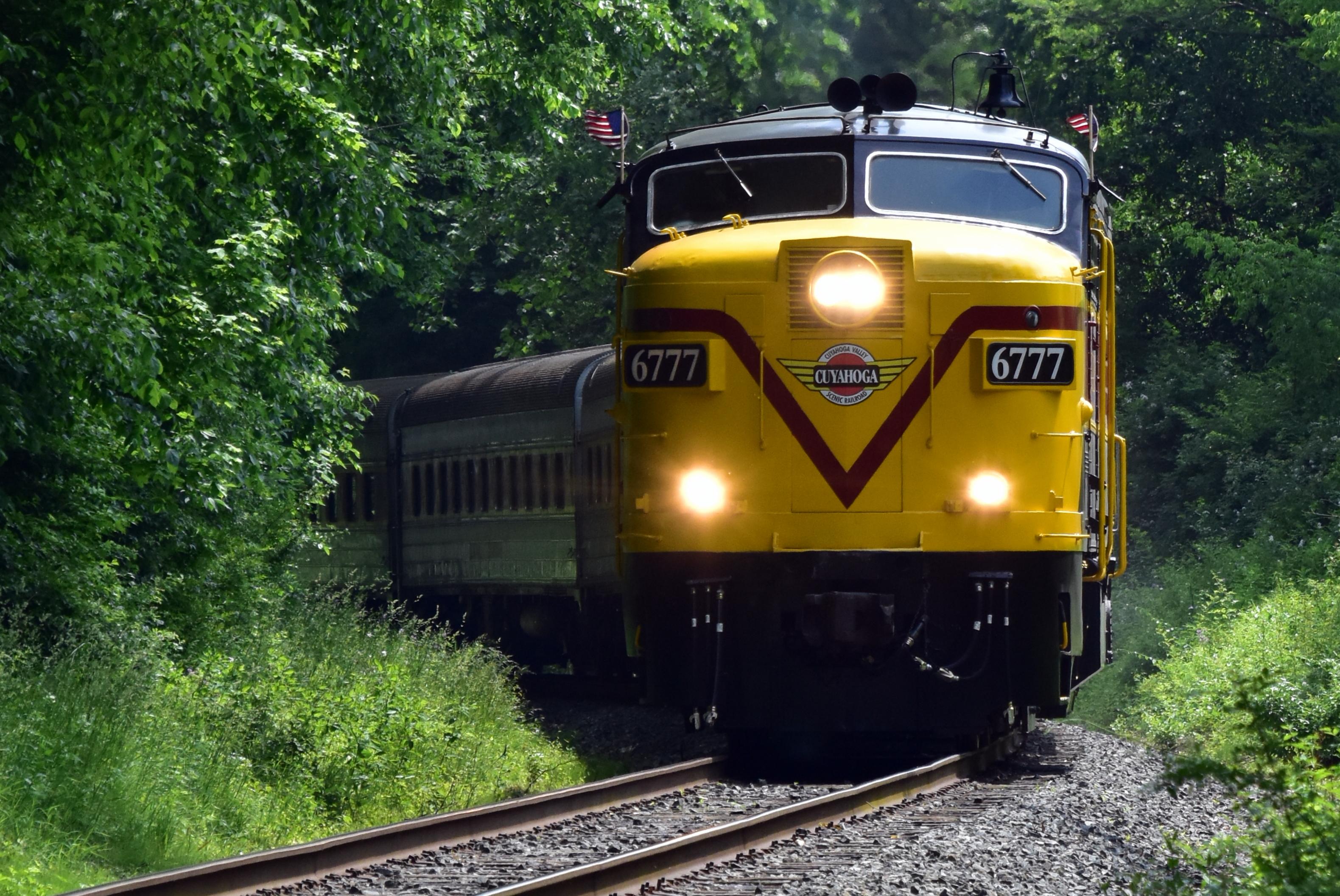
Best of Cuyahoga Valley National Park: Best Things to Do
Seeing a Cleveland Orchestra concert with the woods as your backdrop is a uniquely Cuyahoga Valley experience.
Sign in to join the conversation.
Sources & Attribution
Location data courtesy of the National Park Service (U.S. Department of the Interior). NPS data is public domain. Official NPS page.
Images: NPS; NPS; NPS; NPS; NPS.
Map data © OpenStreetMap contributors.
Park operations alerts: NPS.gov · Weather and weather hazards: National Weather Service · Live conditions.
Information may change. Always verify fees, hours, and conditions directly with the official source before visiting.
Did this guide help? Share it with a friend.