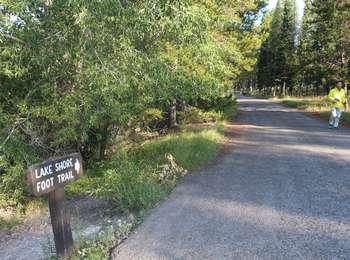
Park before 9 AM to park within a quarter mile of the trailhead; the lot fills by mid-morning in summer. The paved, wheelchair-accessible Colter Bay Lakeshore Trail runs 2 miles along Jackson Lake with mountain views, free with park admission ($35/vehicle for 7 days as of 2026).
NPS via NPS.gov (Public Domain)
Colter Bay Lakeshore Trail
7 min read
Places & Points of Interest
Discover Colter Bay Lakeshore Trail: colter bay lakeshore trail with our comprehensive guide. Expert tips, practical information, and insider knowledge.
Your plans
Quick Information
The trail is free to access with park admission. As of 2026, the Grand Teton National Park entrance fee is $35 per private vehicle for a 7-day pass. An annual park pass is $70, and the America the Beautiful Interagency Annual Pass ($80) is also accepted. The Colter Bay Lakeshore Trail is open year-round, but snow and ice cover the pavement from roughly November through April. The best time to visit is from late May through September for clear trails and full services. The trail is located at Colter Bay Village on the northeast shore of Jackson Lake, Wyoming. GPS coordinates are 43.903062, -110.644301. The entire main trail is wheelchair and stroller accessible, with a paved surface and minimal grade. Cell service is unreliable throughout Colter Bay; expect spotty coverage at best. Restrooms and water are available at the Colter Bay Visitor Center, which is adjacent to the trailhead. Parking is in a large, paved lot near the visitor center and marina, but it fills completely by mid-morning in summer.
Getting There
Colter Bay is roughly 40 miles north of Jackson, Wyoming, and 45 miles south of the south entrance to Yellowstone National Park. From Jackson, take US-191/US-26/US-89 north for about 40 minutes. You'll pass through the park's Moose entrance station. Continue north past Jackson Lake Junction; the turnoff for Colter Bay Village is well-signed on the left (west) side of the highway. Follow the road into the village complex. The main parking area for the visitor center, marina, and trailhead is straight ahead. If that lot is full - a common sight from 10 AM to 4 PM - overflow parking is available in designated dirt lots further along the entrance road. Rangers will tell you that circling the main lot is a waste of fuel; head straight to overflow if you arrive late.

What to Expect
The 10-foot-wide paved path follows Jackson Lake's rocky, forested shoreline. Its smooth asphalt surface includes occasional gentle grades. At approximately 6,800 feet in elevation, those arriving from lower altitudes may notice the thinner air. The panorama dominates the experience: the central Teton Range, spanning from Mount Moran to Teewinot Mountain, ascends across the lake. Calm mornings often produce flawless mountain reflections on the water. Ambient sounds combine lapping waves, wind through lodgepole pines, and distant marina boat engines, while the scent carries clean mountain air with pine resin notes. New visitors frequently underestimate both the rapid parking lot saturation and how dramatically sunlight alters the view—afternoon light softens the peaks, whereas early morning illumination renders them with crisp, striking definition.
Top Attractions & Points of Interest
The Main Overlook
About a five-minute walk from the visitor center, the path opens to a broad, paved overlook with unobstructed views south across Jackson Lake. This is the postcard shot. A few interpretive signs explain the geology of the Tetons. It's almost always crowded between 10 AM and 6 PM. For a better experience, come at sunrise or after 7 PM in summer. The overlook is fully accessible.
The Fishing Pier
Just past the main overlook, a short spur leads to a public fishing pier. Even if you're not fishing, it's worth the detour to get out over the water. You'll get a different angle on the Tetons looking back toward shore, and it's often slightly less crowded than the main overlook. Watch for swallows darting under the pier.
Rocky Shoreline Access Points
The trail isn't just for viewing from the path. Several informal, unpaved social trails branch off toward the water, leading to flat granite slabs that are perfect for sitting quietly. The best one is about halfway between the main overlook and the trail's end at the swimming area. Listen for the crunch of gravel underfoot as you leave the pavement. These spots offer a more private lakeshore experience.
The Swimming Area
At the western terminus of the paved trail, there's a designated gravel beach and swimming area. The water is cold - Jackson Lake is fed by snowmelt - but on a hot August afternoon, you'll see people wading in. There are no lifeguards. This is also a common launch point for kayaks and stand-up paddleboards. The view of Mount Moran from here is particularly direct.
Colter Bay Visitor Center
While not part of the trail itself, the visitor center at the trailhead is a key point of interest. It houses the excellent David T. Vernon Collection of Native American artifacts. Rangers at the visitor center emphasize checking here for recent wildlife viewing reports and trail conditions before you head out. They also issue backcountry camping permits.

Activities
Hiking
The Colter Bay Lakeshore Trail is the easiest hike in the area. It's more of a flat walk, about 2 miles round trip if you go from the visitor center to the swimming area and back. For longer options, the trail connects to the unpaved Heron Pond - Swan Lake Loop, a 3-mile circuit through marshy ponds frequented by moose and waterfowl. That trail is not paved or accessible. For more ambitious hiking trails, you'll need to drive to other trailheads.
Wildlife Viewing
This is a prime area for spotting bald eagles, osprey, and common mergansers on the lake. In the early morning and evening, moose are sometimes seen browsing in the willows along the shoreline east of the swimming area. Always maintain a safe distance - at least 25 yards from most wildlife, and 100 yards from bears and wolves. Carry bear spray and know how to use it. For dedicated wildlife viewing, dawn is your best bet.
Photography
The classic shot is the Tetons reflected in Jackson Lake at sunrise. The main overlook works, but photographers in the know walk a few hundred yards further along the shore to find compositions without railings. Late afternoon light turns the peaks a warm orange. A polarizing filter helps cut the glare on the water.
Boating and Kayaking
The Colter Bay Marina, adjacent to the trailhead, offers tours and guided experiences as well as kayak and motorboat rentals. You can paddle along the same shoreline you walk, getting a water-level perspective. Morning rentals book up fast.
Seasonal Guide
May - June: The trail is usually snow-free by late May. This is spring runoff season, so the lake level is high and the water is very cold. Mosquitoes can be fierce in June, especially near the connecting Heron Pond trail. Crowds begin to build.
July - August: Peak season. The weather is warmest, with daytime highs in the 70s and 80s. Afternoon thunderstorms are common. The trail is busiest. All visitor services are open. This is the best time for a (brief) swim.
September - October: The best balance of weather and crowds. September days are warm, nights are cool. Fall colors peak in late September. The marina and some services begin to close after mid-October. Fewer people.
November - April: The trail is covered in packed snow and ice. It is not maintained for winter walking, though you might see snowshoe or ski tracks. The visitor center is closed. The road is plowed, but check the NPS website for the latest on seasonal road closures and the best time to visit.

Practical Information
Your park entrance fee covers trail access. No additional permits are needed for day use. For camping options, the massive Colter Bay Campground (324 sites, $59/night as of 2026) and Colter Bay RV Park (112 full-hookup sites, $117/night) are within walking distance. These sites book up months in advance. For lodging and accommodations, Colter Bay Village offers rustic cabins and a tent village. The Colter Bay Convenience Store sells groceries, camping supplies, and fuel. There's a laundromat and shower facility available for a fee. Restaurant options include a pizzeria and a casual diner.
Safety & Preparation
Bears are active in this area. Always carry bear spray, travel in groups, and make noise on connecting unpaved trails. The paved lakeshore trail itself is so heavily trafficked that bear encounters are extremely rare, but you must be prepared. Weather changes rapidly; carry a rain layer even on sunny mornings. The sun is intense at altitude - use sunscreen. There are no guardrails along most of the rocky shoreline; watch children closely. In an emergency, rangers are based at the Colter Bay Visitor Center or can be contacted via 911, though cell service is unreliable.

Insider Tips
- The Parking Hack: If the main visitor center lot is full, don't circle. Drive toward the Colter Bay Campground entrance. There's a large, often overlooked dirt overflow lot on the left before you reach the campground kiosk.
- Quiet Time: The trail is nearly deserted between 8 PM and 9 AM, even in July. An evening stroll offers alpenglow on the peaks and mirror-calm water.
- Skip the Crowd: Instead of stopping at the first main overlook, continue walking west for another 10 minutes. You'll find similar views with a fraction of the people.
- Borrow Binoculars: The Colter Bay Visitor Center sometimes has loaner binoculars at the front desk. Ask a ranger. They're perfect for spotting eagles across the bay.
- The Marina Secret: The gift shop at the marina sells ice cream. The patio behind it has a handful of tables with a direct lake view that most trail walkers never see.
- Check the Board: The trailhead kiosk has a daily wildlife sighting log filled out by rangers and visitors. It's the most current info you'll get without a radio.
- Water Temp Reality: Even in August, Jackson Lake water temperatures hover around 60 degrees Fahrenheit. Your swim will be measured in seconds, not minutes.
For more information, see our complete Grand Teton National Park Guide.
Sources
- Official source: NPS — Grand Teton National Park nps.gov/grte/index.htm
- Official source: National Park Service nps.gov/places/000/colter-bay-lakeshore-trail.htm
Photo Gallery
More to Explore
Park Guide
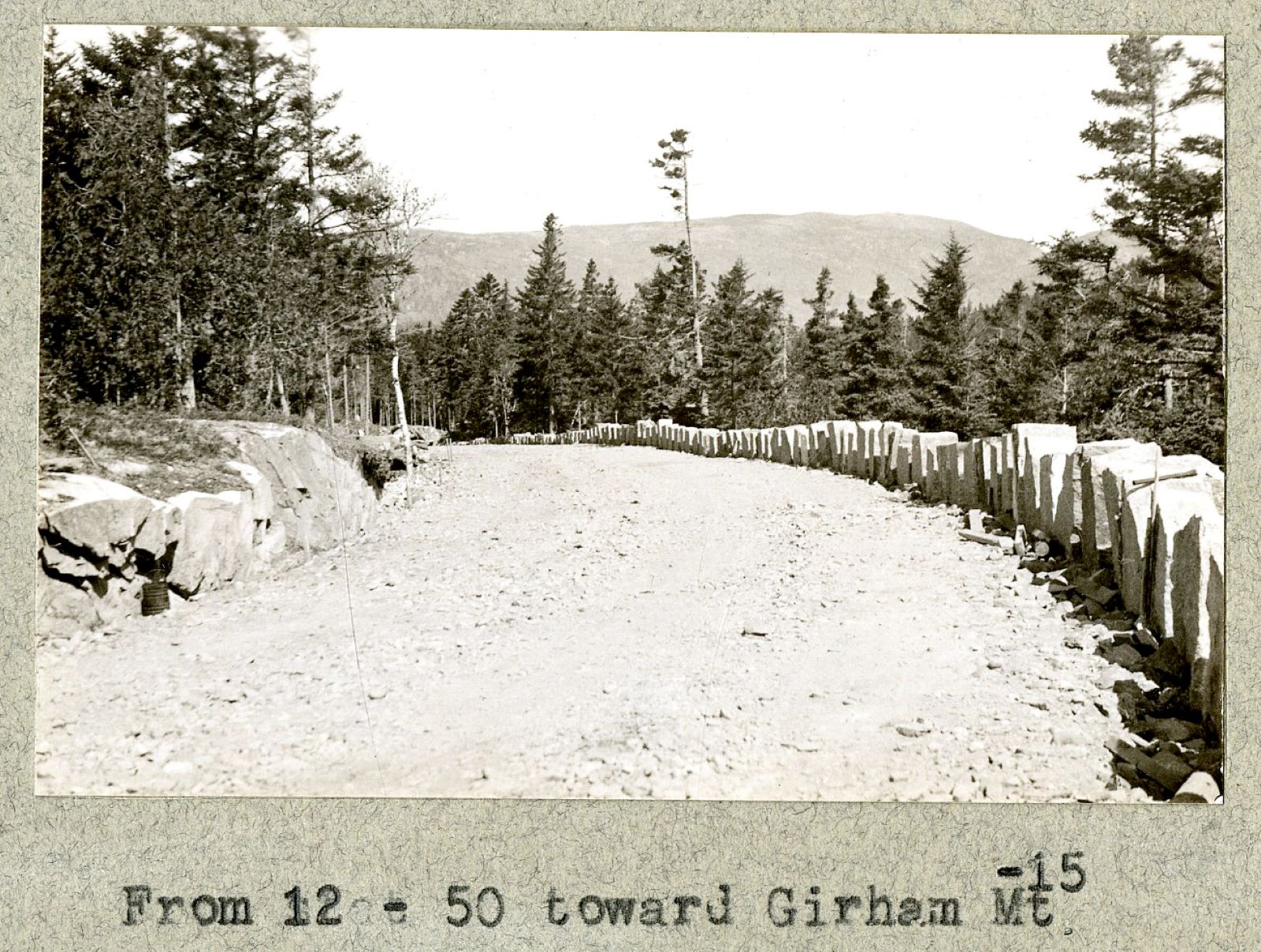
Acadia National Park: Carriage Roads, Cadillac Mountain & 2026 Guide
Discover carriage roads, Cadillac Mountain, and rugged Maine coast. Complete 2026 guide to Acadia National Park — trails, fees, lodging, permits, and what rangers recommend.
Hiking Guide
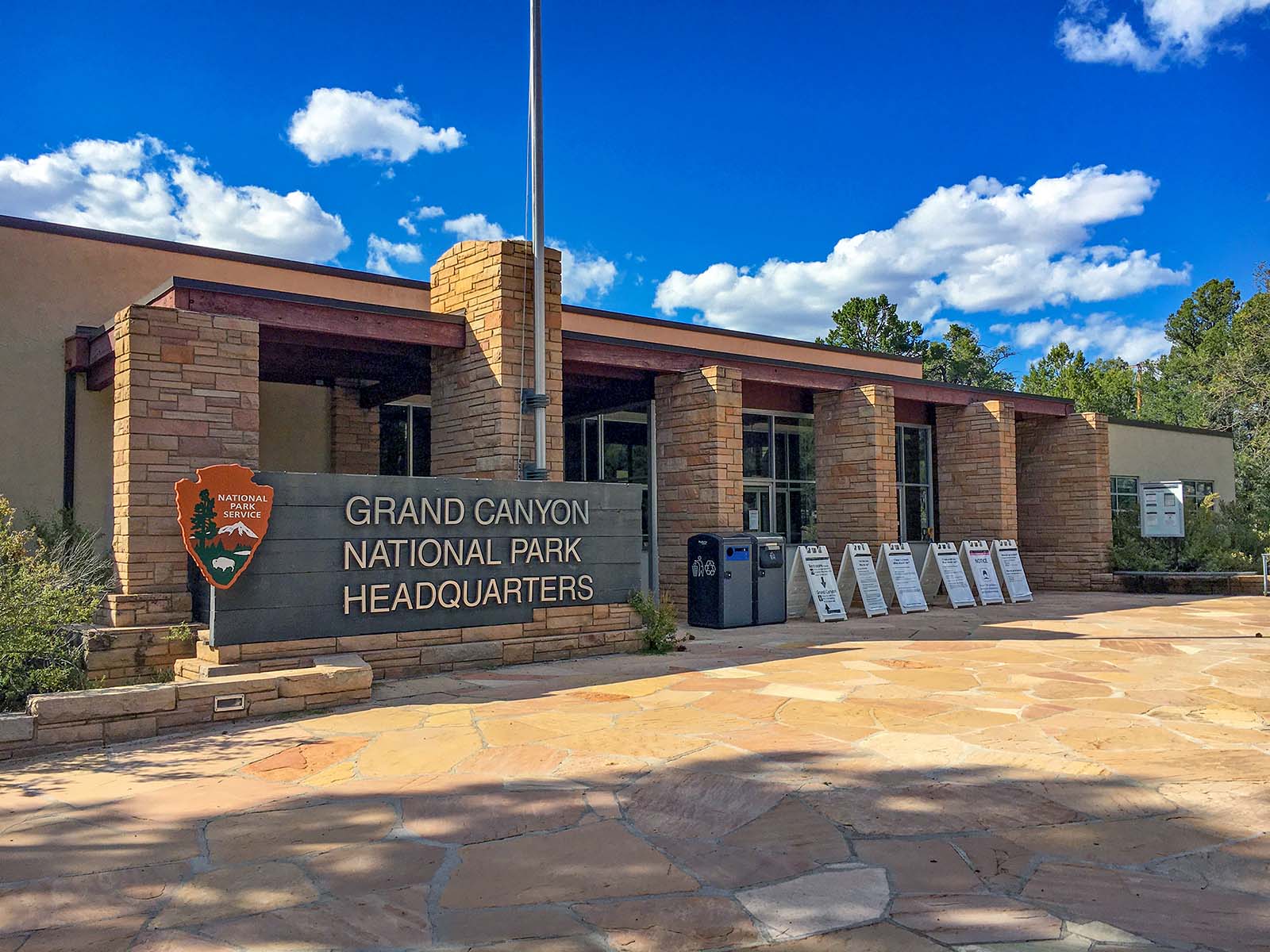
Grand Canyon Hiking Trails: Day Hikes, Water Sources & Rim to Rim
Compare Grand Canyon hiking trails: Bright Angel, South Kaibab, Hermit, Grandview, and rim to rim, with distances, elevation, water stops, and trailhead access for each.
Best Of
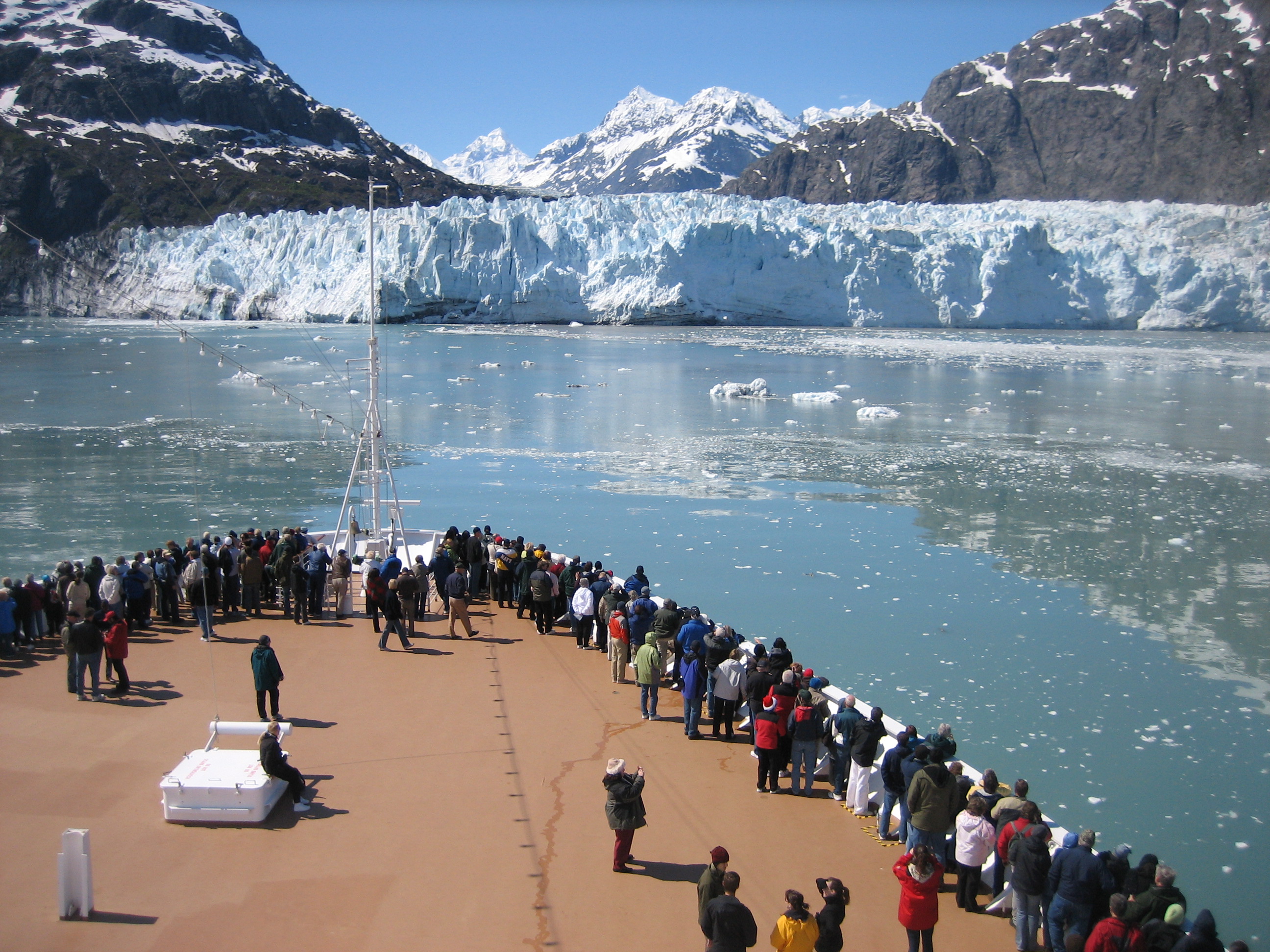
Best of Glacier Bay National Park
The best of Glacier Bay is reached by boat: ranger-led day tours up the bay to the tidewater glaciers. What's worth it, how to book, and when to go (2026).
Campsite Guide
White Sands Backcountry Camping: Closed for 2026 — What to Know
As of 2026, backcountry camping at White Sands National Park is closed for site rehabilitation. What that means, and where to camp nearby instead.
Weather Guide
Guadalupe Mountains National Park Weather: Weather
Guadalupe Mountains National Park: weather guide guide updated 2026. Practical visitor information, reservations, and seasonal tips worth bookmarking before

Best Of
Best of Cuyahoga Valley National Park: Best Things to Do
Seeing a Cleveland Orchestra concert with the woods as your backdrop is a uniquely Cuyahoga Valley experience.
Sign in to join the conversation.
Sources & Attribution
Location data courtesy of the National Park Service (U.S. Department of the Interior). NPS data is public domain. Official NPS page.
Images: NPS; NPS; NPS; NPS; NPS.
Map data © OpenStreetMap contributors.
Park operations alerts: NPS.gov · Weather and weather hazards: National Weather Service · Live conditions.
Information may change. Always verify fees, hours, and conditions directly with the official source before visiting.
Did this guide help? Share it with a friend.