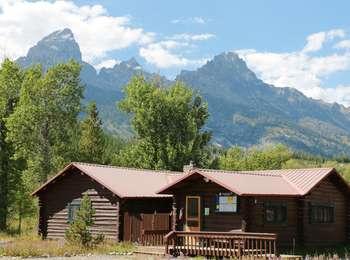
The gravel crunches under your boots as you step out of your car, the sharp scent of pine resin hanging in the cool morning air. You're not at a hotel. You're at the Climbers Ranch, a cluster of weathered log cabins tucked into the pines just inside Grand Teton National Park. This isn't a place for plush robes and room service; it's a basecamp. The sound you hear isn't a fountain, but the quiet clink of carabiners being sorted on a picnic table. For over five decades, this has been the affordable, communal hub for climbers tackling the Tetons, and it operates on a simple, functional ethos that first-time visitors often misunderstand. It's not a hotel - it's a shared tool for an adventure.
NPS via NPS.gov (Public Domain)
Climbers Ranch: Primitive Bunkhouse Lodging, Grand Teton
9 min read
Places & Points of Interest
Plan your 2026 visit to Climbers Ranch. Complete guide to trails, fees, lodging, best time to visit, and insider tips.
Your plans
Overview
The Climbers Ranch offers a specific type of shelter: primitive, co-ed dormitory lodging in a communal setting. You'll be housed in open, one-room cabins with other guests, sleeping on wooden bunks. The facilities are minimal by design - bunkhouses, restrooms with showers, and a covered cook shelter. It opened in 1970, re-occupying the historic Double Diamond Dude Ranch that first welcomed guests in 1924. The vibe is utilitarian and social. Conversations over shared stoves in the cook shelter are about route conditions on the Grand, not the stock market. Rangers will tell you it fills a critical niche, providing accessible lodging inside the park boundaries without the premium price tag of the lodges. It's a place where the pre-dawn rustle of packing a summit pack is the alarm clock.
Staying here means accepting a trade-off. You exchange privacy and amenities for proximity, community, and cost. The wooden bunk frames are solid, the mattresses are thin, and the walls don't reach the ceiling. You'll hear your neighbor's alarm at 3 AM for an alpine start, and they'll hear yours. But you're also 15 minutes from the Lupine Meadows trailhead, the launch point for the Grand Teton, and surrounded by people who understand why you'd want to be there. The Climbers Ranch isn't for everyone, but for its intended audience, it's exactly what's needed.
Quick Information
* Lodging Fee: Check the official American Alpine Club website for current nightly rates, which are significantly lower than park lodges. Payment is typically required in advance.
* Operating Season: Generally late May through September. Exact dates vary annually based on snow and weather.
* Best Time to Book: Reserve as early as possible. Summer dates can fill months in advance.
* Location: Inside Grand Teton National Park, Wyoming, near the Moose Entrance Station.
* Accessibility: The terrain is natural and uneven. Cabins have steps. The communal restroom/shower building may have limited accessibility.
* Cell Service: Spotty at best. Assume you'll have none.
* Restrooms: Communal building with toilets and showers (bring quarters for the shower timer).
* Parking: Limited gravel parking area. One vehicle per reservation is the standard rule.

Getting There
The Climbers Ranch is located just north of the Moose Junction entrance to Grand Teton National Park. From the town of Jackson, drive north on US-191 for about 12 miles. Turn left at Moose Junction onto Teton Park Road. Almost immediately, you'll see the signed turnoff for the Climbers Ranch on your right. The driveway is a short gravel road leading to the main office cabin. The drive from Jackson Hole Airport takes about 30 minutes without traffic.
Do not rely solely on GPS coordinates once you're in the park - signage is clear. If you reach the Craig Thomas Discovery & Visitor Center, you've gone about a quarter-mile too far. The parking situation here is first-come, first-served within the designated lot. Overflow parking is not available, so carpool if you're arriving with a group.
What to Expect
Expect a summer camp for adults, with a climbing focus. The center of social and practical life is the covered cook shelter, equipped with picnic tables and propane burners. This is where you'll cook your meals, study route topos, and swap beta. The air smells like simmering pasta, bug spray, and sunscreen. Cabins are spartan: wood walls, a concrete floor, and rows of bunk beds with thin mattresses. You provide your own sleeping bag or liner. There are no locks on the cabin doors, but small lockers are usually available for valuables - bring your own lock.
The clientele is a mix of seasoned alpinists, aspiring mountaineers on guided courses, and hardy backpackers using it as a convenient stopover. Quiet hours are enforced in the evening, but the mornings start early and with purpose. The most common sound after dark is the rustle of nylon packing, the click of a headlamp, and the crunch of gravel as someone heads out for a climb. You're not just booking a bed; you're booking into a community with a shared goal. The elevation here is around 6,500 feet - drink more water than you think you need from the moment you arrive.

Top Attractions & Points of Interest
The Climbers Ranch itself is the point of interest for a specific purpose. Its value is its location as a launchpad for the park's core climbing and hiking zones.
### Lupine Meadows Trailhead
This is the main artery for Teton climbing. The trailhead parking lot, a 15-minute drive from the ranch, is the start for approaches to the Grand Teton, Middle Teton, and South Teton, as well as hikes to destinations like Surprise and Amphitheater Lakes. The lot fills by 5 AM on summer mornings. From here, you begin the long grind up the switchbacks into the alpine.
### Craig Thomas Discovery & Visitor Center
Located just south of the Climbers Ranch turnoff, this is your essential stop for permits, weather forecasts, and last-minute advice. Rangers here can provide current trail conditions, bear activity reports, and climbing regulations. The backcountry office where you pick up mandatory climbing permits is here.
### Moose-Wilson Road
This scenic corridor road connects Moose to Wilson, winding through forest and marsh. It's a reliable spot for wildlife viewing, particularly moose and black bears. Drive it slowly, especially near dawn or dusk. The road is narrow, unpaved in sections, and closed in winter.
### Chapel of the Transfiguration
A short drive north, this historic log chapel frames the Cathedral Group of peaks perfectly through its altar window. It's a quiet, five-minute stop that encapsulates the spiritual draw of these mountains. Open to visitors during daylight hours.
### Taggart Lake Trailhead
For a classic, more moderate hike with those iconic Teton views, the trail to Taggart Lake is a great option. The trailhead is north on Teton Park Road. It's a popular, well-maintained trail that gets you to a beautiful alpine lake without a technical climb.
Activities
Your stay at the Climbers Ranch is inherently activity-focused. The primary draw is, of course, climbing and mountaineering. The ranch is the traditional staging ground for ascents of the Grand Teton via the Exum or Owen-Spalding routes, as well as countless other technical and non-technical peaks. Guided services frequently use the ranch to house their clients before and after climbs.
For non-climbers or for rest days, the ranch provides access to the park's hiking trails. From strenuous all-day adventures like the Paintbrush Canyon - Cascade Canyon Loop to easier walks around String Lake, you can step out your cabin door and be on a world-class trail in minutes. The Valley Trail network is also accessible, offering long-distance routes.
Wildlife viewing is an activity that happens almost passively here. Moose frequently browse in the willows along the nearby Gros Ventre River, and black bears are common along the Moose-Wilson Road. Always view wildlife from a safe distance - a minimum of 100 yards from bears and wolves, 25 yards from all other animals.

Seasonal Guide
The Climbers Ranch operates on a summer seasonal schedule, tightly aligned with climbing conditions in the high Tetons.
* Late May - June: The ranch opens as the high snowline recedes. Early season can be wet, with mosquitos emerging in force. Snow often lingers on high routes, requiring ice axes and crampons. Crowds are lighter.
* July - August: Peak season. The ranch is full, the weather is most stable for climbing, and the alpine wildflowers are out. Afternoon thunderstorms are a daily possibility in the mountains - be off peaks by noon. This is also the busiest time for general tourism in the park.
* September: A favorite for many. Cooler temperatures, fewer bugs, and dramatically smaller crowds. Aspens turn gold. Early snowstorms can occur, ending the technical climbing season abruptly. The ranch typically closes by late September.
For detailed climate insights, our guide on the best time to visit breaks it down further.
Practical Information
Reservations for the Climbers Ranch are mandatory and made directly through the American Alpine Club's website. Walk-ups are not accommodated. You'll need to present your reservation confirmation upon check-in at the office cabin.
Inside the park, other lodging and accommodations range from historic lodges to rustic cabins. For those preferring a tent, the park's six major camping options like Jenny Lake ($56 as of 2026) and Gros Ventre ($57 as of 2026) fill quickly and often require advance reservations on Recreation.gov.
There are no cooking utensils, pots, pans, or food storage at the ranch. You must bring all your own food, cooking gear, and a bear-resistant food canister for any smellables. The nearest full grocery store is in Jackson, though the Moose Village has a small convenience store with limited, expensive supplies.

Safety & Preparation
Altitude is your first and most persistent challenge. Acclimatize for a day before attempting strenuous activity. Hydration is non-negotiable - drink water constantly.
Bear safety is critical. The Tetons are home to both black and grizzly bears. You must carry bear spray that is readily accessible (not buried in your pack) on all trails. Know how to use it. All food, trash, and scented items (toothpaste, deodorant) must be stored in the provided food storage lockers at the ranch or in a hard-sided bear canister. Never leave these items in your car or cabin.
Weather in the mountains changes fast. A sunny morning can turn into a lightning storm above treeline by afternoon. Check the forecast at the visitor center, but plan for the worst. Hypothermia is a risk even in summer.
All climbers attempting any summit must obtain a free climbing permit from the backcountry office at the Craig Thomas center. This is for your safety, so rangers know who is on the mountain.
Insider Tips
- The Cook Shelter Rush: The propane burners at the cook shelter are first-come, first-served. If you want to cook dinner at 6 PM, you'll wait. Eat early (before 5:30 PM) or late (after 7:30 PM).
- Shower Quarters: The showers operate on a timer system requiring quarters. Bring a roll. The water is hot, but your time is limited.
- Gear Sorting Zone: Use the picnic tables outside your cabin for gearing up, not inside. It keeps the cabin cleaner and is more social.
- The Unofficial Bulletin Board: The office cabin often has a whiteboard or corkboard with notes from climbers about specific route conditions, partner searches, or gear for sale. Check it.
- Headlamp Etiquette: In the cabins after quiet hours, use the red light setting on your headlamp if you have one. It's less disruptive to others trying to sleep.
- Moose on the Road: The short stretch of Teton Park Road between the ranch and Moose Junction is a prime moose corridor at dawn and dusk. Drive slowly and be prepared to stop.
- Drying Line: Pack a length of parachute cord. You can string it up outside your cabin to dry wet gear and boots - it's a luxury after a long day.
The Climbers Ranch works because everyone there has chosen it for the same reason: to be close to the mountains. You follow the rules, you respect the quiet, you clean your dish. In return, you get a cheap bed under the Tetons and the company of people who get it. It's a simple deal. Just be sure you know what you're signing up for.
For more information, see our complete Grand Teton National Park Guide.
Sources
- Official source: NPS — Grand Teton National Park nps.gov/grte/index.htm
- Official source: National Park Service nps.gov/places/000/climbers-ranch.htm
Photo Gallery
More to Explore
Park Guide
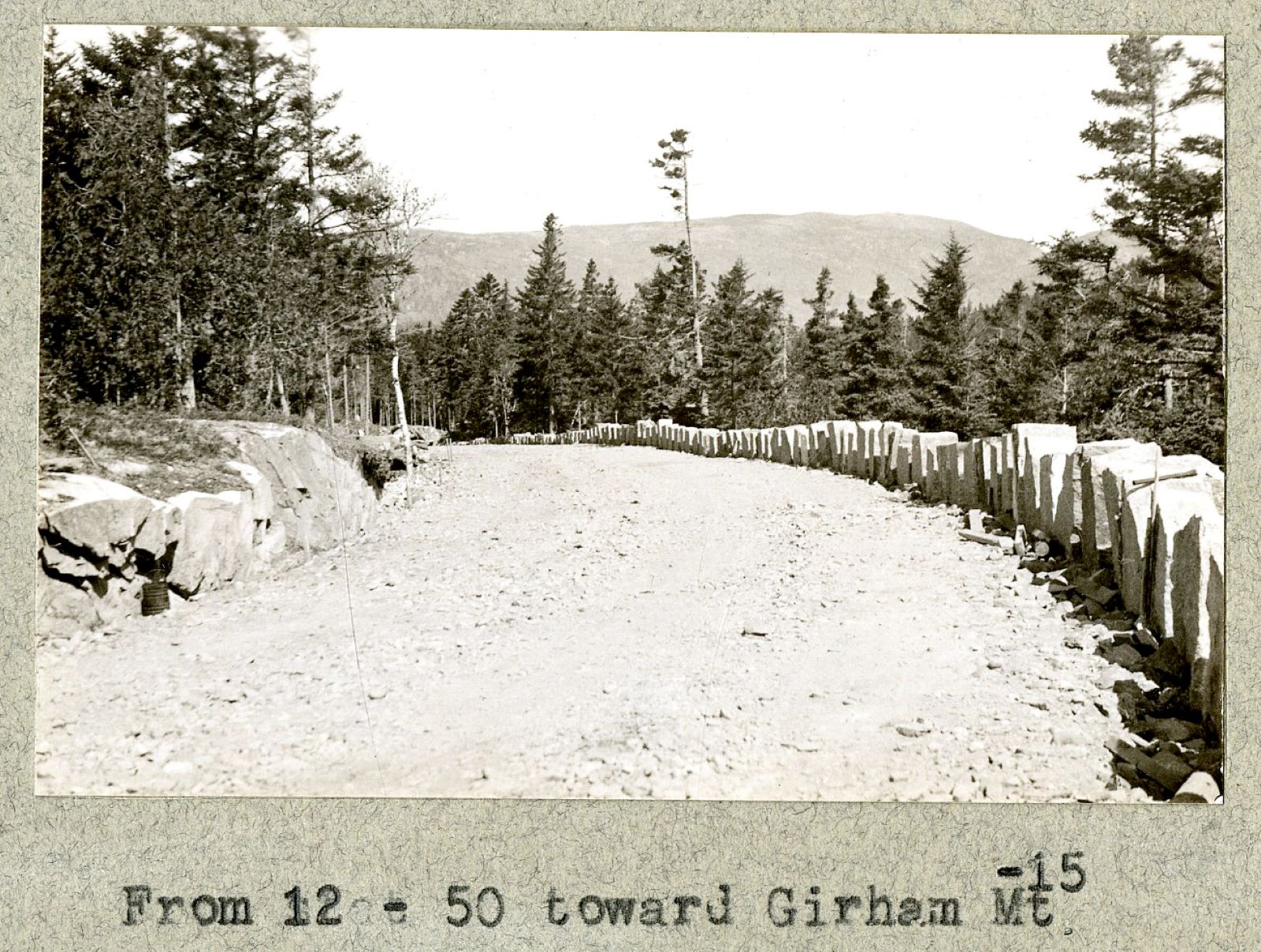
Acadia National Park: Carriage Roads, Cadillac Mountain & 2026 Guide
Discover carriage roads, Cadillac Mountain, and rugged Maine coast. Complete 2026 guide to Acadia National Park — trails, fees, lodging, permits, and what rangers recommend.
Hiking Guide
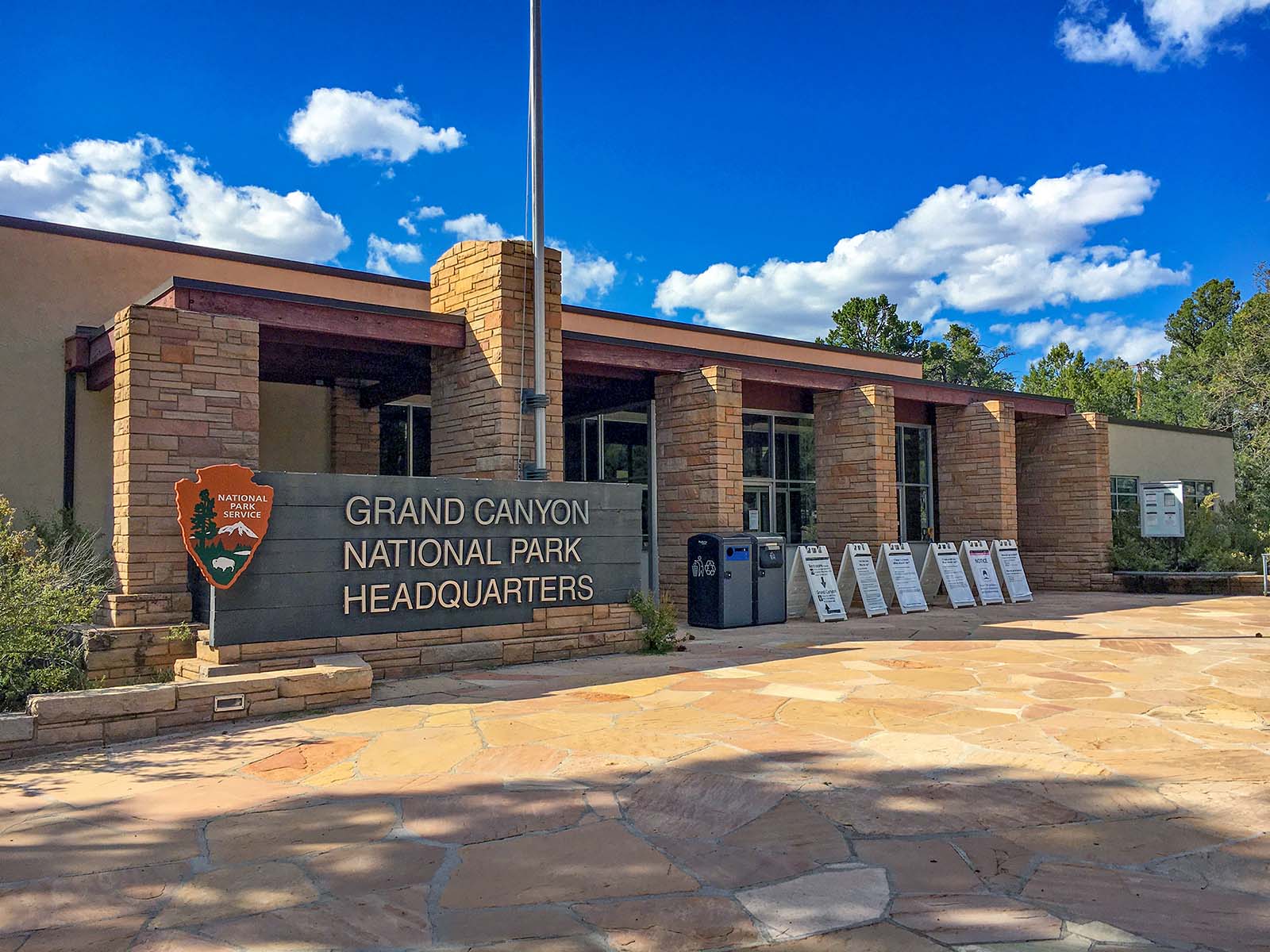
Grand Canyon Hiking Trails: Day Hikes, Water Sources & Rim to Rim
Compare Grand Canyon hiking trails: Bright Angel, South Kaibab, Hermit, Grandview, and rim to rim, with distances, elevation, water stops, and trailhead access for each.
Best Of
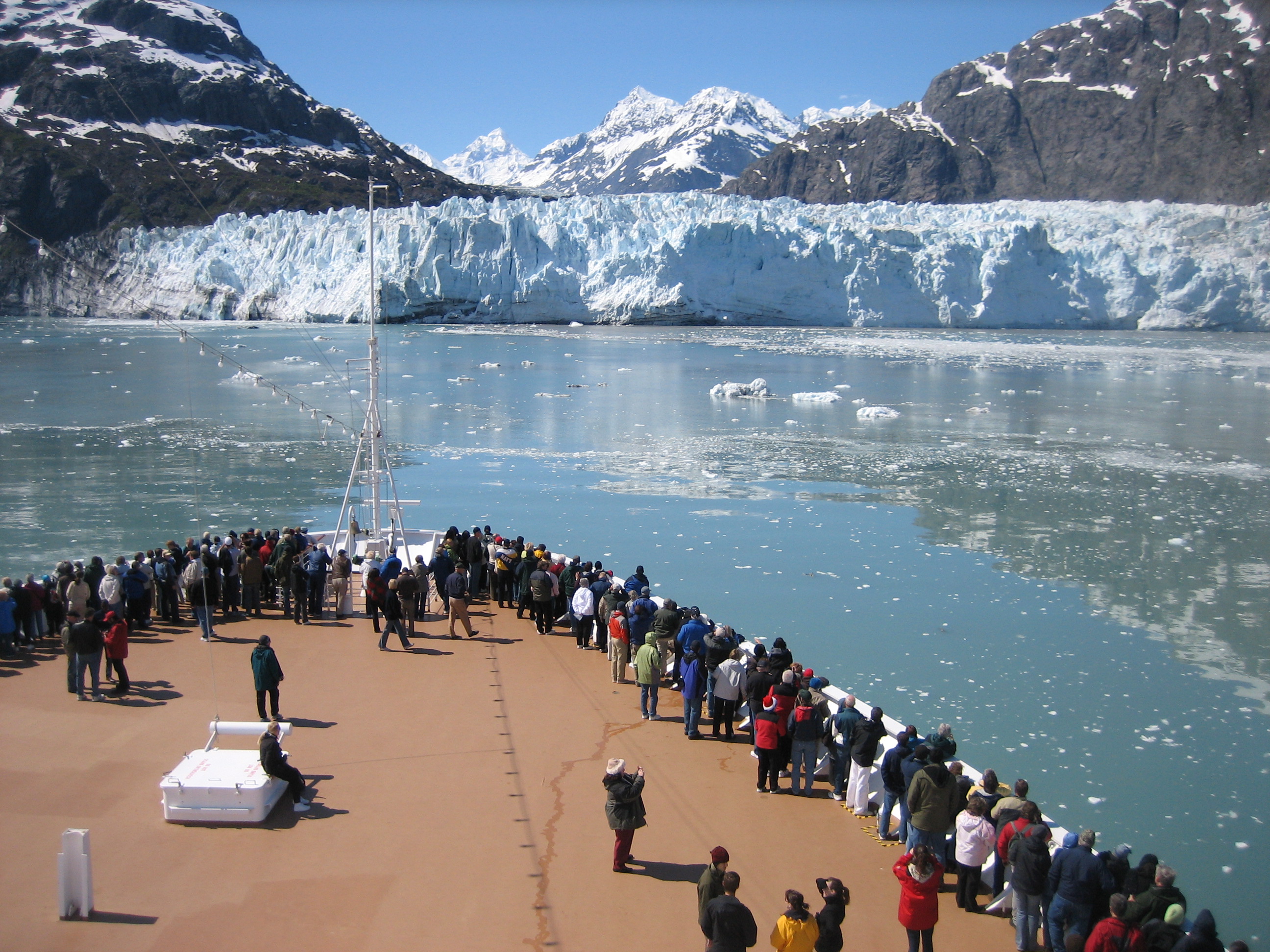
Best of Glacier Bay National Park
The best of Glacier Bay is reached by boat: ranger-led day tours up the bay to the tidewater glaciers. What's worth it, how to book, and when to go (2026).
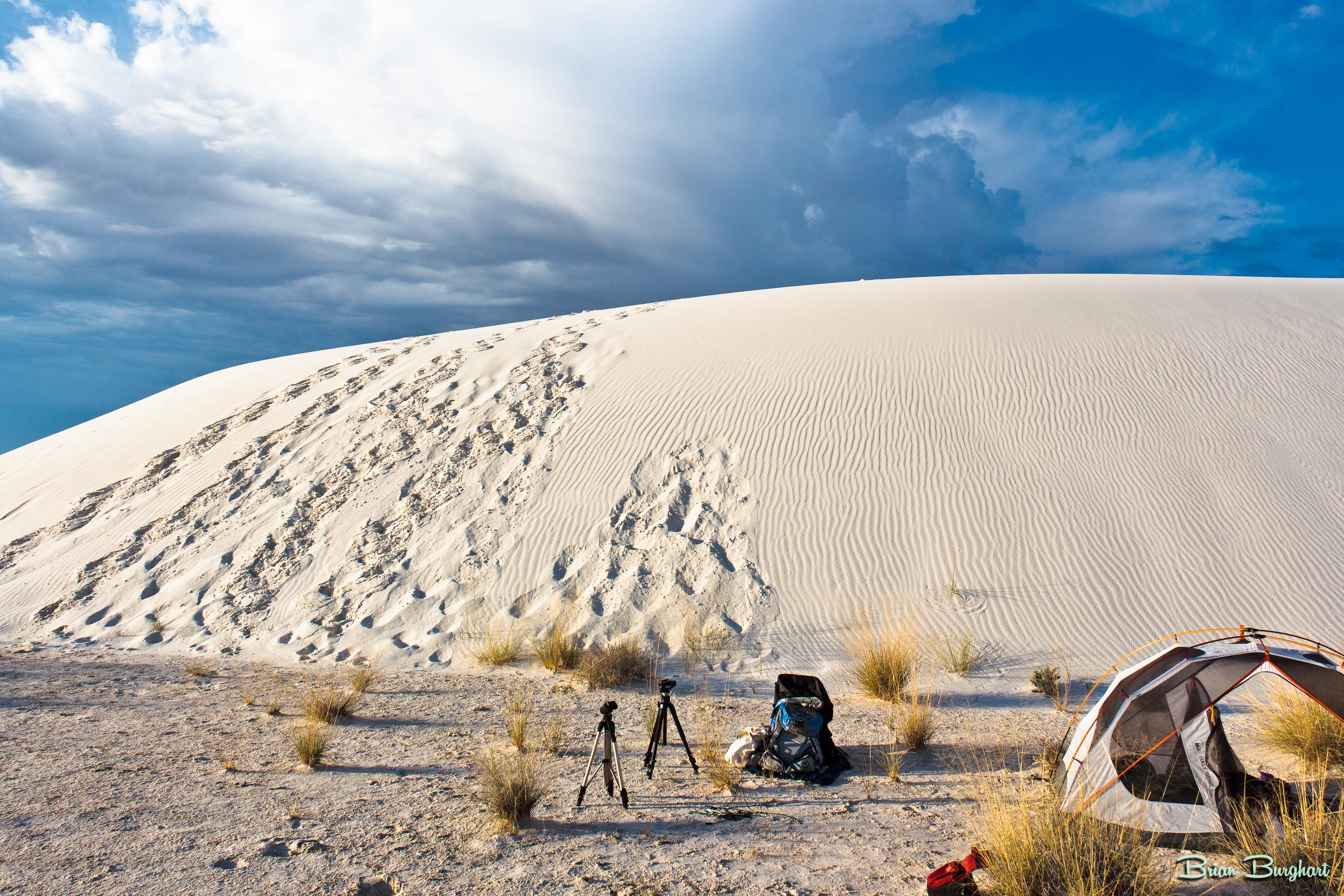
Campsite Guide
White Sands Backcountry Camping: Closed for 2026 — What to Know
As of 2026, backcountry camping at White Sands National Park is closed for site rehabilitation. What that means, and where to camp nearby instead.
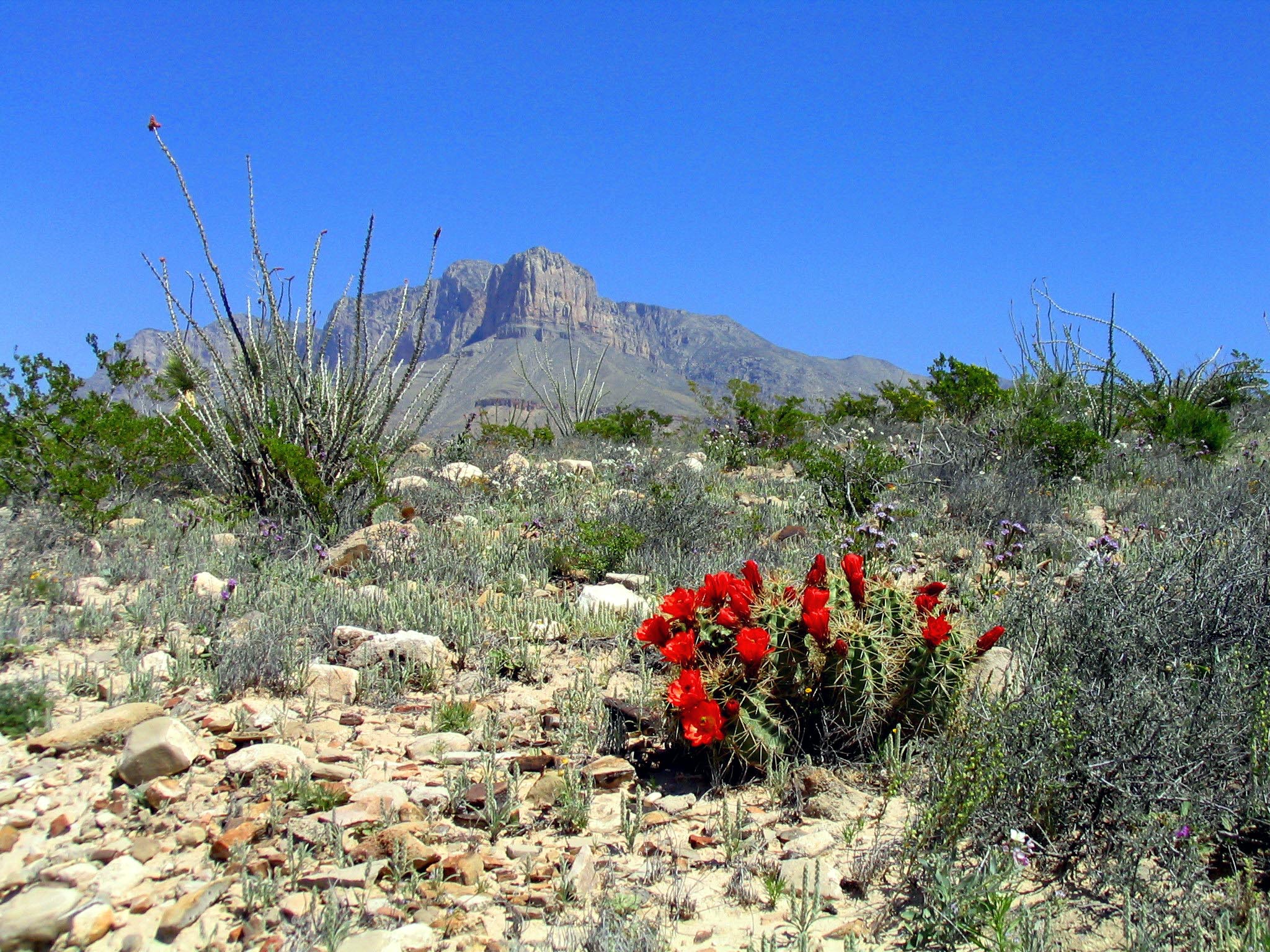
Weather Guide
Guadalupe Mountains National Park Weather: Weather
Guadalupe Mountains National Park: weather guide guide updated 2026. Practical visitor information, reservations, and seasonal tips worth bookmarking before
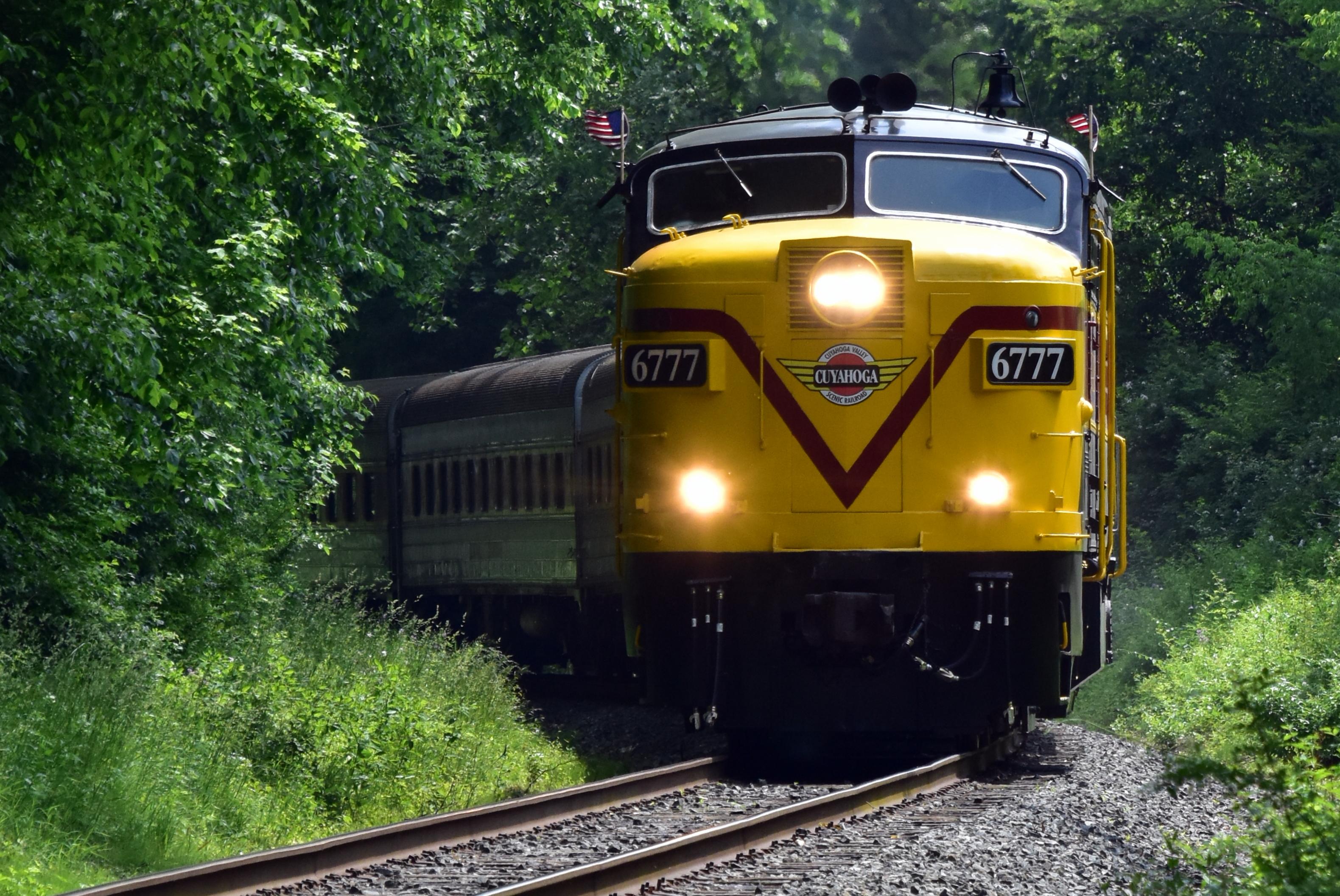
Best Of
Best of Cuyahoga Valley National Park: Best Things to Do
Seeing a Cleveland Orchestra concert with the woods as your backdrop is a uniquely Cuyahoga Valley experience.
Sign in to join the conversation.
Sources & Attribution
Location data courtesy of the National Park Service (U.S. Department of the Interior). NPS data is public domain. Official NPS page.
Images: NPS; NPS; NPS; NPS; NPS.
Map data © OpenStreetMap contributors.
Park operations alerts: NPS.gov · Weather and weather hazards: National Weather Service · Live conditions.
Information may change. Always verify fees, hours, and conditions directly with the official source before visiting.
Did this guide help? Share it with a friend.