If you're planning to camp in Capitol Reef's remote backcountry, here's the first thing you need to know: there are no reservations. The primitive campsites at Cathedral Campground operate strictly on a first-come, first-served basis. That changes how you approach this trip entirely - you can't book months ahead and forget about it. You show up, you claim a site, and you hope the road cooperates. Located about halfway along the Cathedral Valley Loop Road (roughly 36 miles from the visitor center), this no-fee campground sits at 7,000 feet and offers exactly six sites. It's not for everyone, but for those who want solitude and a truly undeveloped camping experience, it's worth the drive. For a broader look at the park, check our complete visitor guide.
Campsites at Primitive Campsites at Cathedral Campground (2026 Guide)
6 min read
Camping is free at these 6 sites, but reaching them means 36 miles of dirt road and a night at 7,000 feet in Cathedral Valley.
For more, see Campsites at Fruita Campground (2026 Guide) and Campsites at Group Campsite (2026 Guide).
Getting There and What to Expect
The Road In
The Cathedral Valley Loop Road is unpaved and often in rough shape. As of 2026, the park service recommends checking road conditions at the Capitol Reef Visitor Center before you head out - especially if you're not in a high-clearance vehicle. Most visitors underestimate how much time this stretch takes. The drive from the visitor center to the campground is about 36 miles, and on a good day you'll average maybe 20 miles per hour on the dirt and washboard surfaces. Plan for at least two hours each way, maybe more if rain has turned the clay-rich soil into something that resembles axle-deep peanut butter.
Rangers will tell you to call ahead in winter and spring. Snow and mud can close the road without warning. The campground itself is open year-round, but actually reaching it is another matter.
The Sites
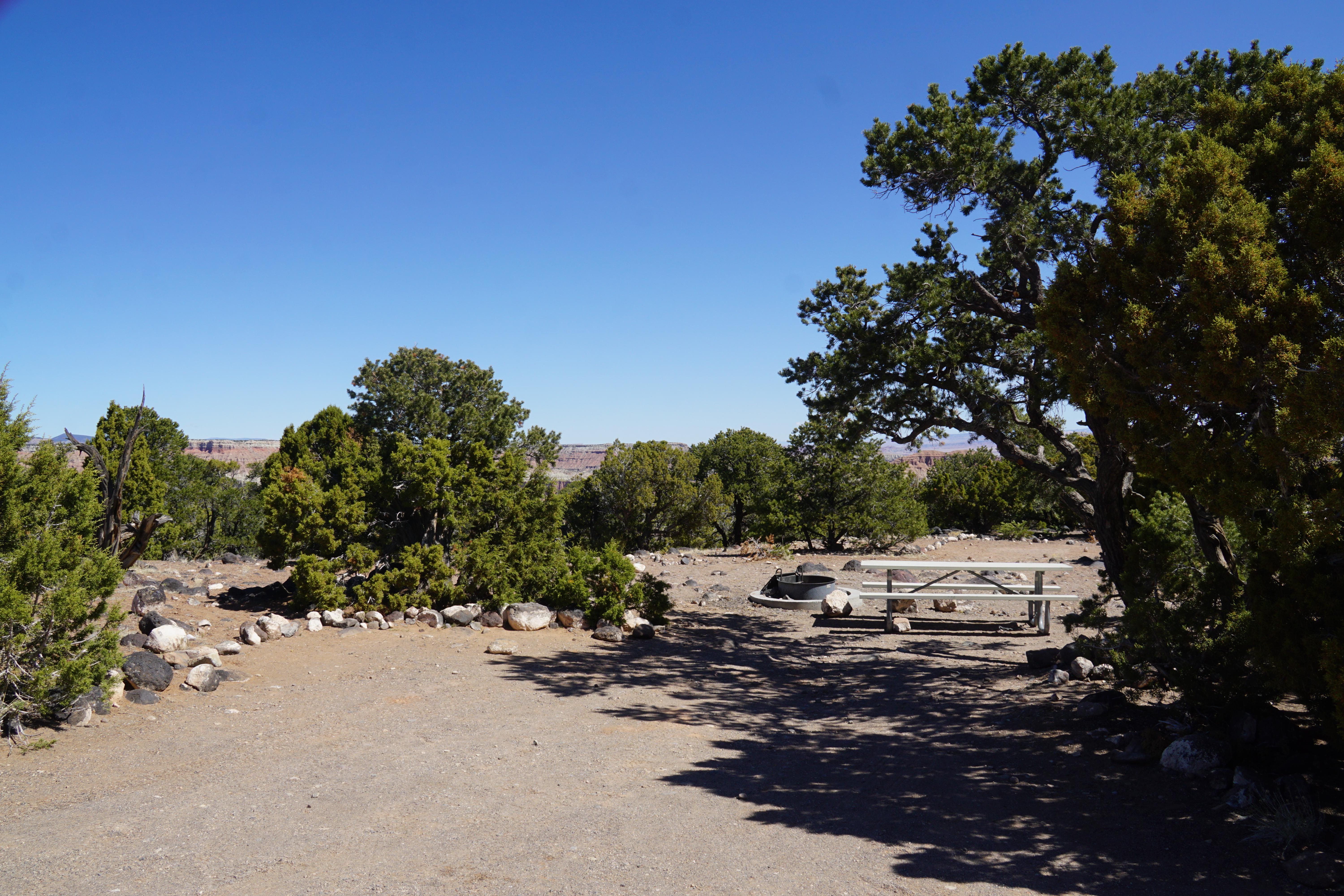
Six sites, each with a picnic table and a fire grate. That's the full list of amenities. A pit toilet sits near the entrance, but don't expect running water or a sink. No water is available anywhere in the campground. You need to bring every drop you'll use for drinking, cooking, and washing. Experienced visitors bring at least one gallon per person per day, plus extra for cooking.
The camping area is spread out enough that you won't be squeezed next to your neighbors - at least not the way you would in a developed campground. Each site sits on packed dirt among juniper and pinyon pine. The elevation (roughly 7,000 feet) means cooler nights even in summer. Expect temperatures to drop 20 to 30 degrees after sunset.
There is no fee to stay. Zero. Entrance to the campground is free, though you still need to pay the park entrance fee to enter Capitol Reef. That's a separate charge at the visitor center.
Camping at 7,000 Feet
What You'll Actually Experience
The real draw here is quiet. At night, the only sounds are wind through the pinyon and the occasional raven croaking from a ridge. The darkness is genuine - no ambient light from developed areas. The stars are dense enough to cast shadows on a moonless night.
During the day, the Cathedral Valley Loop offers access to the towering monoliths of Entrada sandstone that give the area its name: Temple of the Sun, Temple of the Moon, and the Walls of Jericho. From the campground, it's a short drive to viewpoints of these formations. Early morning is your best bet for catching the low-angle light that turns the sandstone orange to deep red.
Keep an eye out for mule deer and the occasional desert bighorn sheep. The area also hosts pronghorn, though they tend to keep to the lower flats. Birdlife is limited but notable - say dark-eyed juncos, black-throated sparrows, and in summer the unmistakable call of a poorwill after dark.
What the Park Website Doesn't Mention
The fire grates are standard-issue metal rings. You'll need to bring your own firewood - there is no wood for sale nearby, and collecting dead wood in the park is prohibited. Yes, even that fallen branch leaning against a juniper a hundred yards away. Buy firewood in Torrey before you head out, or bring your own from home (be aware of firewood transport restrictions for pests).
Cell service drops out about 10 miles past the visitor center turnoff. From the campground, you'll have zero signal. That's intentional for some people and a problem for others. If you need to communicate, bring a satellite messenger or plan on driving back toward the visitor center for a bar or two.
The pit toilet is cleaned regularly in summer, but in shoulder seasons it may be full or locked. Carry hand sanitizer and toilet paper - the campground does not supply either.
When to Go
May through October is the reliable window for most visitors. Spring and fall offer the most comfortable temperatures: highs in the 60s to 70s Fahrenheit, lows in the 30s and 40s. Summer days can reach the high 80s, but the dry air and elevation keep it bearable. Afternoon thunderstorms are common from July through September.
Winter camping is possible if the road is open, but expect snow at 7,000 feet and nighttime lows well below freezing. Few people attempt it, which means you may have the entire campground to yourself.
Nearby Considerations for 2026
Seasonal Closures
As of 2026, several canyons in the area are closed to entry through August 31 to protect sensitive resources. This affects the heads of Fivemile Wash and Burro Wash (the eastern 2 miles descending), as well as Shinob Canyon and all routes descending into Shinob (including Na-gah, Nighthawk, and Timpie). Arch Nemesis Canyon, including the route exiting at the capi, is also closed. If you're planning to explore side canyons from the Cathedral Valley area, check current conditions at the visitor center before you commit.
Reef Ride Bike Days 2026
For National Public Lands Day, the park will host Reef Ride Bike Days on Saturday, September 19 and Saturday, September 26, 2026. On those days, the Scenic Drive will be closed to motor vehicles from sunrise to 3 PM to allow bicycles and pedestrians. This won't affect access to Cathedral Valley itself (the loop road is separate), but if you plan to drive through the main park on those dates, expect delays and detours.
Special Use Permits
If you're organizing a group trip of 40 or more, or you're with a scouting group, church, or academic institution, you may need a Special Use Permit. The same applies to photography crews, weddings, or first amendment activities. Permits are handled through the park office - apply well in advance.
Practical Takeaways
- Confirm road conditions before you leave. Call the Capitol Reef Visitor Center at (435) 425-3791. Ask specifically about the Cathedral Valley Loop Road.
- Bring all your water. At least one gallon per person per day. More in summer.
- Arrive early. There are only six sites, and they fill on weekends and holidays. Aim to arrive by late morning.
- Pack out all trash. There is no dumpster. Carry a trash bag and take everything back to town.
- Firewood: bring your own. No collecting dead wood in the park.
- Toilet paper and hand sanitizer: the pit toilet is basic and often runs out.
- High-clearance vehicle recommended. Passenger cars can make it in dry conditions, but you'll crawl over rocks and washboard.
- No reservations. First come, first served. No exceptions.
- Check the all campgrounds page for other camping options in the park if Cathedral is full.
Final Thoughts
The primitive campsites at Cathedral Campground aren't for someone who wants flush toilets and a camp store. They're for people who want to park their car in the middle of the high desert, cook over a fire, and wake up to the silhouette of a sandstone tower against a clear sky. The effort to get there - the slow drive on a dirt road, the planning for water and supplies, the uncertainty of finding an open site - is part of the experience. It filters out the casual visitors and leaves the campground to those who actually want to be there. If that sounds like your kind of night, pack accordingly and go early.
For more information, see our complete Capitol Reef National Park Guide.
Sources
- Official source: NPS — Capitol Reef National Park nps.gov/care/index.htm
- Official source: National Park Service nps.gov/care/planyourvisit/primitive-campgrounds.htm
More to Explore
Acadia National Park: Carriage Roads, Cadillac Mountain & 2026 Guide
Discover carriage roads, Cadillac Mountain, and rugged Maine coast. Complete 2026 guide to Acadia National Park — trails, fees, lodging, permits, and what rangers recommend.
Grand Canyon Hiking Trails: Day Hikes, Water Sources & Rim to Rim
Compare Grand Canyon hiking trails: Bright Angel, South Kaibab, Hermit, Grandview, and rim to rim, with distances, elevation, water stops, and trailhead access for each.
Best of Glacier Bay National Park
The best of Glacier Bay is reached by boat: ranger-led day tours up the bay to the tidewater glaciers. What's worth it, how to book, and when to go (2026).
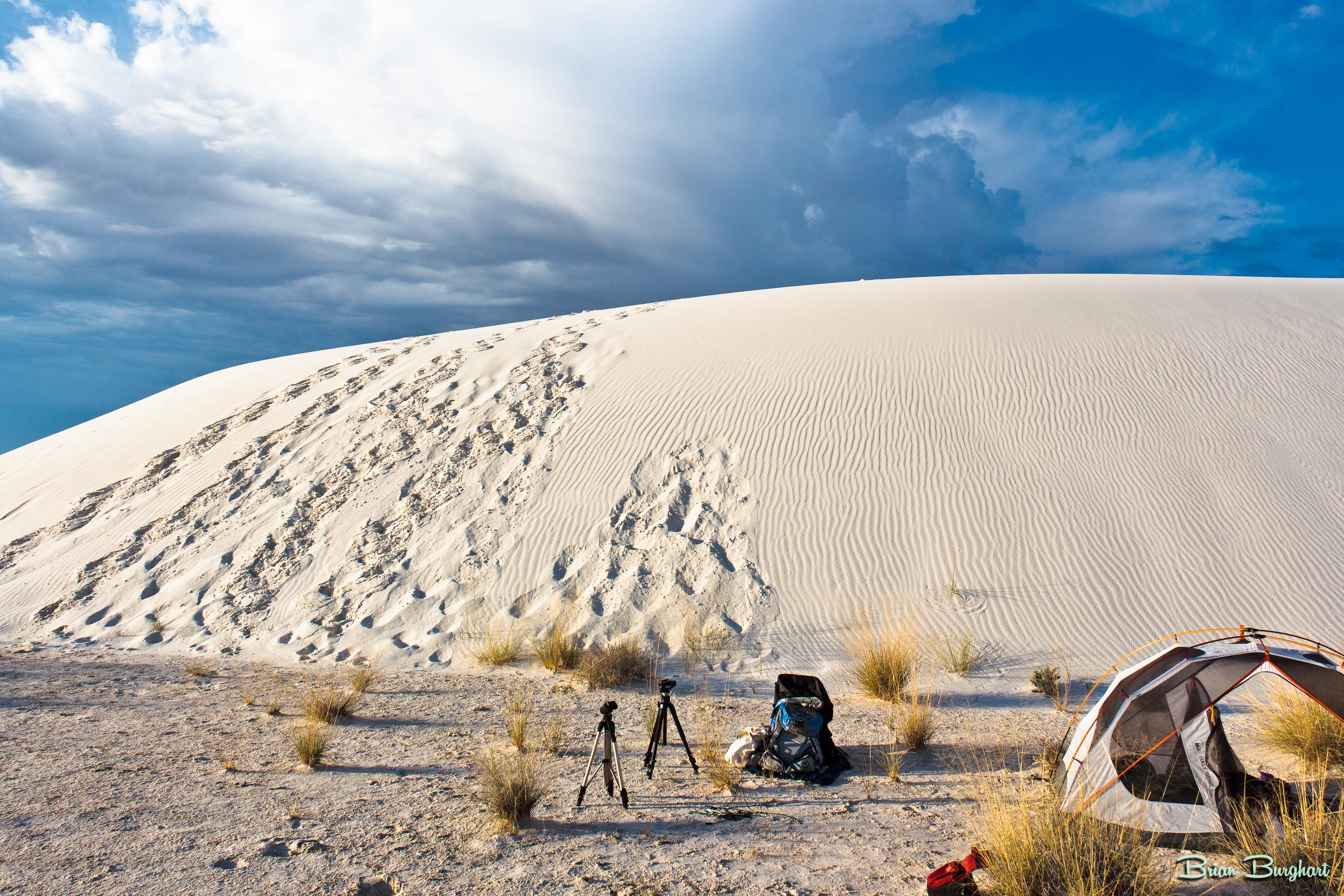
White Sands Backcountry Camping: Closed for 2026 — What to Know
As of 2026, backcountry camping at White Sands National Park is closed for site rehabilitation. What that means, and where to camp nearby instead.
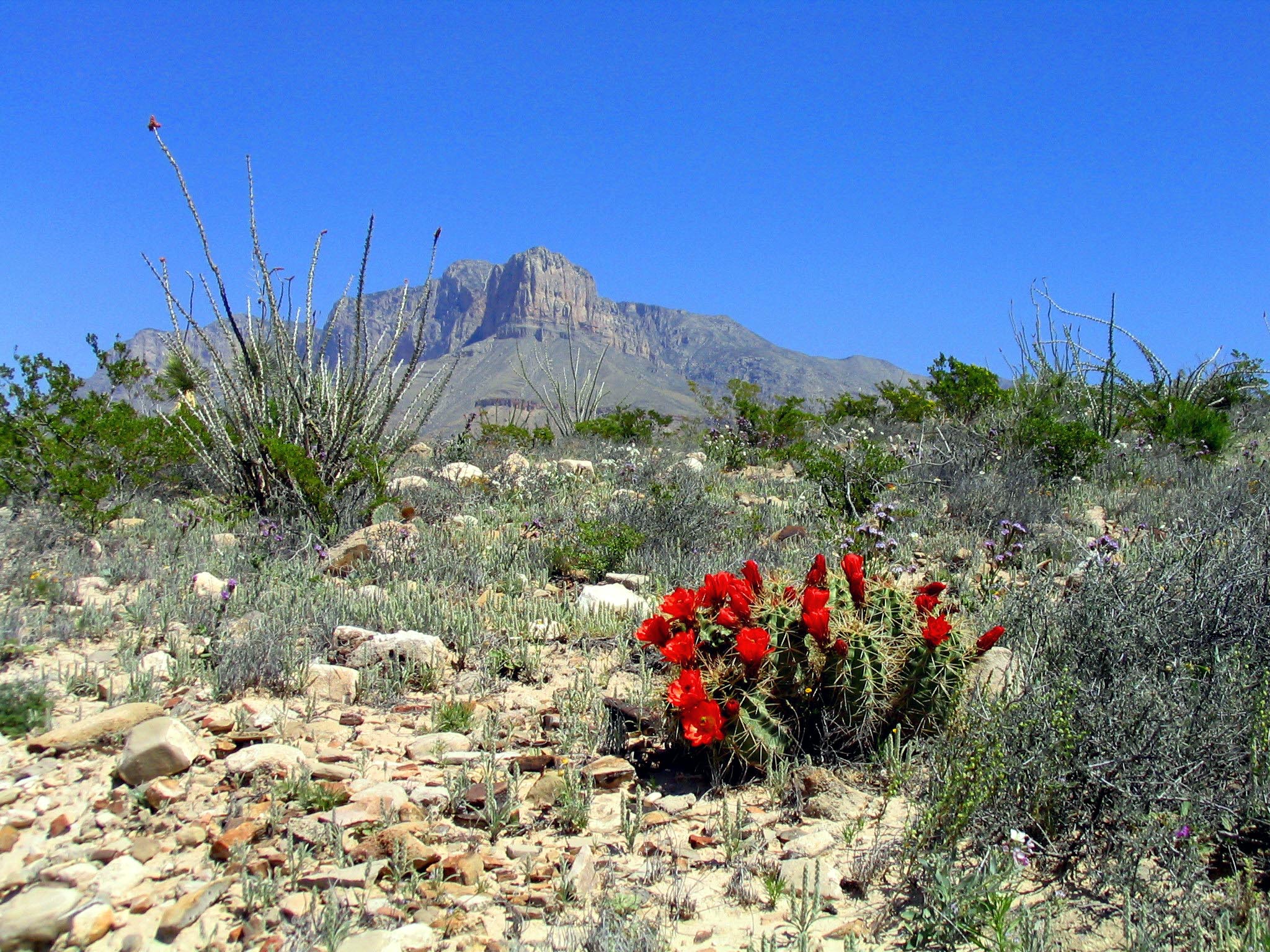
Guadalupe Mountains National Park Weather: Weather
Guadalupe Mountains National Park: weather guide guide updated 2026. Practical visitor information, reservations, and seasonal tips worth bookmarking before
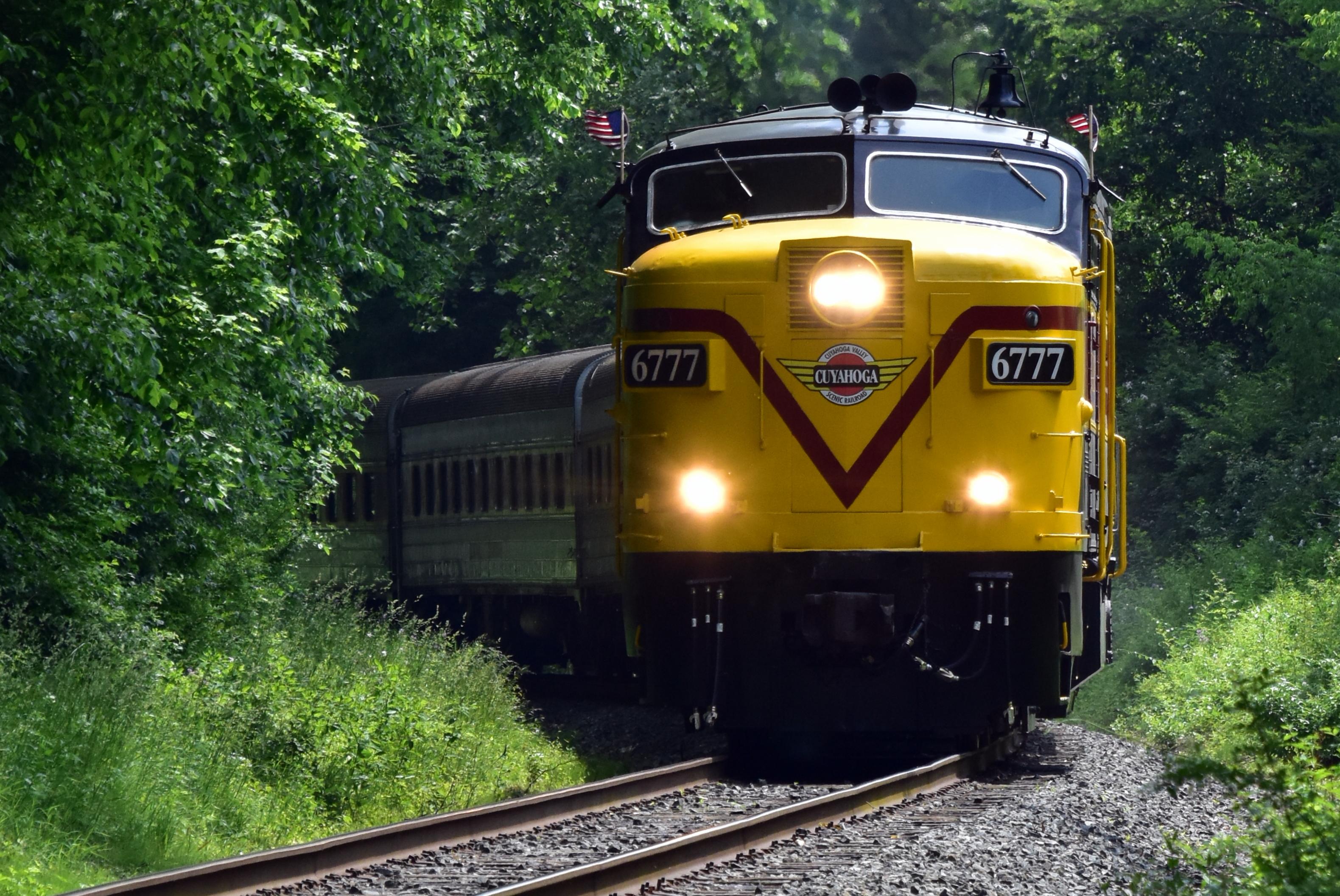
Best of Cuyahoga Valley National Park: Best Things to Do
Seeing a Cleveland Orchestra concert with the woods as your backdrop is a uniquely Cuyahoga Valley experience.
Sign in to join the conversation.
Sources & Attribution
Location data courtesy of the National Park Service (U.S. Department of the Interior). NPS data is public domain. Official NPS page.
Images: NPS.
Map data © OpenStreetMap contributors.
Park operations alerts: NPS.gov · Weather and weather hazards: National Weather Service · Live conditions.
Information may change. Always verify fees, hours, and conditions directly with the official source before visiting.
Did this guide help? Share it with a friend.