The best guided experience at Capitol Reef National Park is the one most visitors don't know exists: the full-day backcountry tour into the Waterpocket Fold's remote southern reaches. Unlike the self-drive option on the Scenic Drive, these guided trips access the park's least-visited sections where the geology shifts from the familiar red domes into raw, exposed monocline stretching nearly 100 miles. Rangers will tell you that the northern section near the visitor center gets 90 percent of the traffic. The guided tours head south.
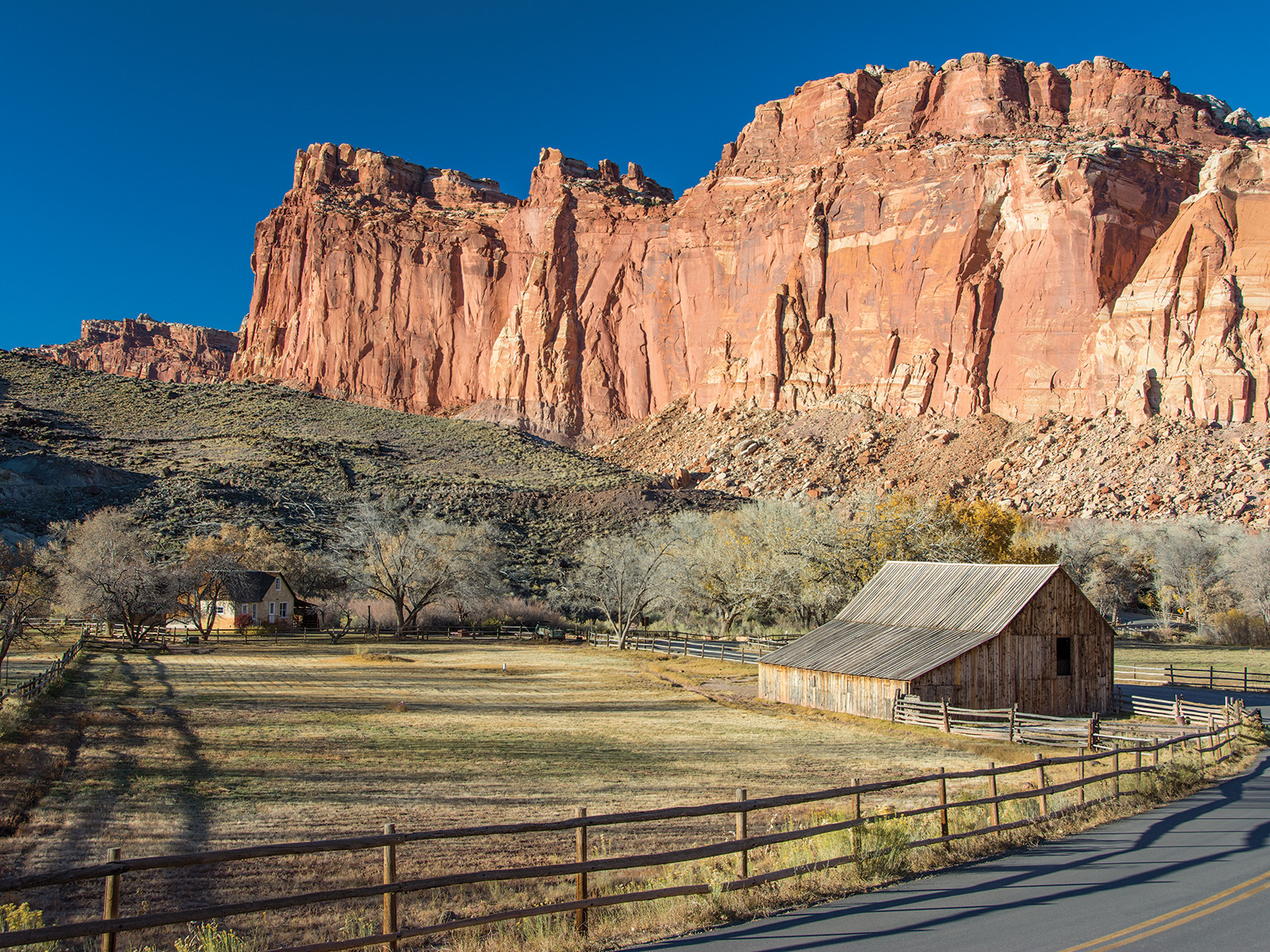
NPS via NPS.gov (Public Domain)
Capitol Reef National Park Tours: Capitol Reef Guided Tours
8 min read
Tours Guide
Skip the crowded north—Capitol Reef guided tours in 2026 explore the remote Waterpocket Fold's raw, 100-mile monocline. Book the backcountry trip.
This article contains affiliate links — we may earn a small commission at no extra cost to you.
For more, see lodging and accommodations.
The Best Guided Experience Here
Waterpocket Fold Backcountry Tours with Capitol Reef Field Station
The park's most substantial guided offering runs through the Capitol Reef Field Station, operated in partnership with Utah Valley University. These are not casual orientation drives. Full-day trips run roughly 8 hours and take you past the pavement's end on the Notom-Bullfrog Road, deep into the Fold's southern drainage systems where you'll walk through narrow slot canyons that require route-finding skills most visitors don't have.
What justifies the cost - roughly $125-$150 per person as of 2026 - is access. The southern Waterpocket Fold has no maintained trails, no signs, and no cell service. A guided group can cover ground that would take an unguided party twice as long due to navigation uncertainty alone. The guides are geology graduate students or field station staff who can identify the specific fossil beds in the Navajo Sandstone layers and explain exactly why the Waterpocket Fold formed the way it did.
Book at least 4-6 weeks ahead for spring and fall dates. Summer trips run but start before 7 AM to beat the heat. The Field Station limits group size to 12. Smaller groups (6 or fewer) get a noticeably better experience - more flexibility on route choices and more time per stop.

Free Ranger Programs
What's Actually Offered
The park service runs a modest slate of free programs compared to larger parks like Zion or Yellowstone. You get two consistent offerings and a handful of seasonal specials.
The Fruita Historic District Walk runs daily from late April through October, typically at 10 AM. It's a 45-minute loop through the Mormon pioneer settlement, covering the orchards, the old schoolhouse, and the Gifford Homestead. The ranger leading it usually has solid historical context about how this remote farming community survived here. Worth doing if you're in the park for more than one day. Not worth rearranging your schedule for.
The Night Sky Program operates Friday and Saturday evenings from May through September, weather permitting. Capitol Reef holds International Dark Sky Park status, and the program includes a brief astronomy talk followed by telescope viewing. The rangers set up in the parking lot near the visitor center. Bring a red-lens flashlight and expect 45-60 minutes total. This one fills up - arrive 20 minutes early to claim a spot on the benches.
What the park website doesn't mention: The ranger-led geology walk to the Goosenecks Overlook (off the Scenic Drive) is offered only on Saturdays at 9 AM, and only when staffing allows. It's the best free program in the park because it covers the Waterpocket Fold's formation in the exact location where the geology is most visible. Call the visitor center at 435-425-3791 the morning before to confirm it's running.
How to Secure a Spot
No reservations for any free program. First come, first served. The Fruita walk can handle 25-30 people comfortably. The night sky program has telescope limitations - about 40 people max. Show up early or skip it.

Concessionaire Tours
Capitol Reef Field Station - The Only Licensed In-Park Operator
This is it. There is one authorized tour operator working inside park boundaries as of 2026. The Capitol Reef Field Station runs three distinct tour types:
Half-Day Geology Walk (4 hours, $75/person) - Covers the immediate Fruita area and the lower Scenic Drive. You'll walk about 3 miles total with moderate elevation gain. The guide explains the Waterpocket Fold's formation, points out the specific rock layers, and usually stops at the Hickman Bridge trailhead to discuss the canyon-carving process. Good for families with kids 10 and up. The pace is slow enough that you can take photos without holding up the group.
Full-Day Backcountry Tour (8 hours, $125-$150/person) - Described above. This is the tour worth booking. Bring your own lunch and at least 3 liters of water. The guide carries a satellite communication device, which matters because you'll lose cell signal about 15 minutes past the visitor center.
Photography Workshop (half-day, $90/person) - Offered monthly June through September. Focuses on canyon light and composition rather than camera operation. The guide positions the group at specific spots along the Scenic Drive during golden hour. Bring your own camera - no equipment provided. Intermediate photographers get the most value here; beginners may find the technical discussion moves fast.
Honest assessment: The Field Station tours are well-run but not luxurious. You ride in a park-approved vehicle (a modified van), not a Jeep. The guides know their geology but aren't entertainers. If you want a polished interpretive experience with dramatic storytelling, you might find these tours too academic. If you want to understand exactly what you're looking at in the Waterpocket Fold, they're excellent.
Private Commercial Operators (Outside Park Boundaries)
Several companies in Torrey (the town just west of the park) offer guided trips into the park under Commercial Use Authorizations. These include:
- Hondoo Rivers & Trails - Offers 4WD tours into Cathedral Valley ($140/person for a full day). The valley sits in the park's northern section and requires crossing the Fremont River. The route can be impassable after rain - call ahead. These tours hit geological features the standard visitor never sees: the Temple of the Sun and Moon, glass mountain, and the Bentonite Hills.
- Highpoint Adventures - Guided canyoneering trips in the park's technical slot canyons. Requires previous rappelling experience for some routes. $175-$250 per person depending on the canyon. Note the annual closures listed above: Fivemile Wash, Burro Wash, Shinob Canyon, and Arch Nemesis Canyon are closed through August 31, 2026. Make sure your guide confirms the canyon you're booking isn't on the closed list.
Who these tours suit: Travelers who want off-road access without driving themselves. The Cathedral Valley road requires high clearance and ideally 4WD - rental car companies explicitly prohibit their vehicles on it. A guided tour removes the risk of a $500 towing bill.

Specialized Experiences
Night Sky Photography Workshops
October is the best month for these. The Milky Way core is still visible in the early evening, and temperatures are tolerable (40s to 60s). The park hosts a dedicated night sky photography workshop once per year, typically in late September or early October, led by a contracted photography instructor. $50 per person, limited to 15 participants. Check the park's calendar page for exact dates - they're posted about 6 weeks in advance.
Junior Ranger Programs
Not a guided tour in the traditional sense, but the Junior Ranger program at Capitol Reef runs a structured 2-hour activity on Saturdays at 2 PM during summer months. A ranger leads kids (ages 6-12) through the Fruita orchard area, teaching them to identify petrified wood and pioneer artifacts. The program is free. Parents can drop kids off for the duration. This frees up adults to do the Chimney Rock Loop trail while the kids are occupied.
Birding Walks
Spring migration (April-May) brings the best birding. A ranger leads a sunrise walk along the Fremont River trail once per week during this window. You'll see canyon wrens, white-throated swifts, and occasionally peregrine falcons working the cliff faces. Bring binoculars. The walk covers about a mile at a very slow pace. No registration required - meet at the visitor center at 6:30 AM.

Booking and Logistics
How Far in Advance to Book
| Experience | Lead Time | Booking Method |
|---|---|---|
| Field Station full-day tour | 4-6 weeks | Online via UVU Field Station site |
| Field Station half-day walk | 2 weeks | Same |
| Photography workshops | 6 weeks | Same |
| Private CUA tours (Hondoo, Highpoint) | 2-3 weeks | Phone or website |
| Free ranger programs | No reservation | Show up |
What's Included vs. Extra
Field Station tours include the guide, transportation within the park, and basic safety equipment (first aid, satellite communication, extra water for emergencies). They do NOT include park entrance fees (you still pay the $20 vehicle fee at the gate), meals, or personal gear like hiking boots or trekking poles.
Private operators typically include lunch and water on full-day trips. Confirm this when booking - some charge extra for box lunches.
Cancellation Policies
Field Station tours: Full refund if canceled 7 days out. 50% refund 3-6 days out. No refund within 48 hours. Private operators vary - Hondoo requires 72 hours notice for a full refund. Read the policy before you book.
Weather and Safety Considerations
All guided tours operate rain or shine, but guides reserve the right to cancel for lightning within 5 miles or flash flood risk in narrow canyons. If your guide cancels, you get a full refund. If you cancel because you don't like the weather forecast, you don't.
Pack extra water for this stretch. The Field Station tours provide emergency water only - you're expected to carry your own. Three liters minimum for a full-day trip, even in spring. The desert air pulls moisture faster than you expect.
Practical Takeaways
- Book the Capitol Reef Field Station full-day backcountry tour if you want serious geology interpretation and access to the park's remote southern section. It's the single best guided experience in the park.
- Free ranger programs are worthwhile but limited. The Saturday geology walk to Goosenecks is the best of the bunch - confirm it's running by calling the visitor center the day before.
- Private operators in Torrey offer better vehicle access for Cathedral Valley and the park's northern reaches. Hondoo's 4WD tour is the most practical way to see the Temple of the Sun and Moon without renting a high-clearance vehicle.
- Night sky programs require no reservation but fill up fast in summer. Arrive 20 minutes early. Bring a red-lens flashlight and leave the white lights in the car.
- Photography workshops from the Field Station are solid for intermediate shooters but skip them if you're a beginner. You'll get more value from the free ranger geology walk and shooting on your own.
- The annual canyon closures (Fivemile Wash, Burro Wash, Shinob Canyon, Arch Nemesis Canyon) run through August 31, 2026. If you're booking a canyoneering trip, confirm with your guide that the route isn't on the restricted list.
- Cell service drops out at the visitor center and does not return until you're back on UT-24. Download maps and directions before you arrive. Your guide will have satellite communication, but you won't.
For more information, see our complete National Park Guide.
Recommended Gear
What experienced visitors bring to Capitol Reef National Park Tours: Capitol Reef Guided Tours
Links may earn us a commission at no extra cost to you. We only recommend gear we believe in.
Hiking Essentials
Hydration Pack (3L)
Hands-free water for long trail days
Trekking Poles (Pair)
Save your knees on steep descents
Hiking Boots (Ankle Support)
Sturdy footwear for rocky, uneven trails
Sun & Heat Protection
Wide-Brim Sun Hat
Full coverage UPF 50+ protection at altitude
Insulated Water Bottle (32oz)
Keeps water cold in desert heat all day
Winter Gear
Microspikes / Traction Devices
Essential for icy rim trails in winter months
Packable Down Jacket
Lightweight warmth that stuffs into a pocket
Sources
- Official source: NPS — Capitol Reef National Park nps.gov/care/index.htm
Photo Gallery
More to Explore
Park Guide
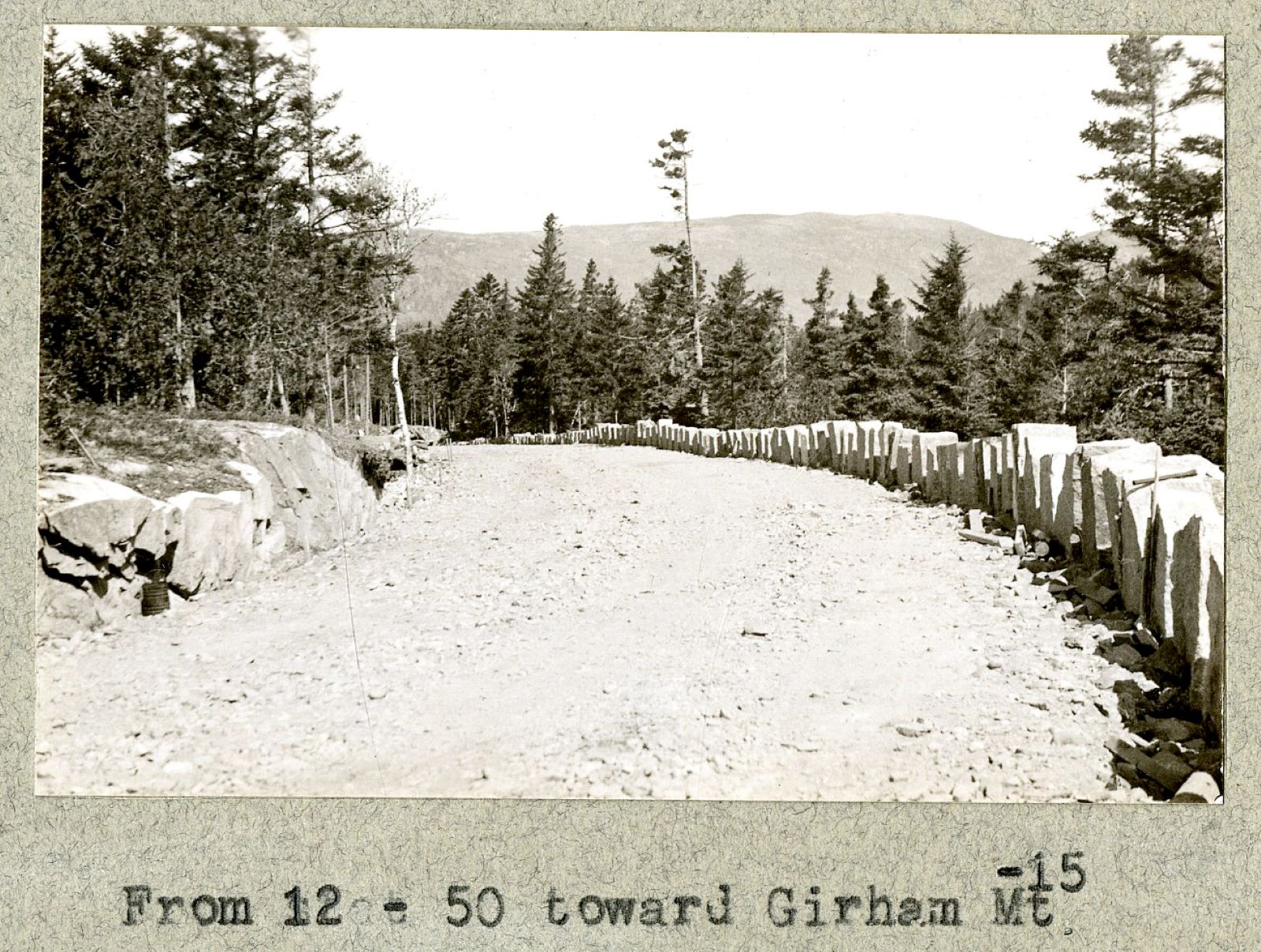
Acadia National Park: Carriage Roads, Cadillac Mountain & 2026 Guide
Discover carriage roads, Cadillac Mountain, and rugged Maine coast. Complete 2026 guide to Acadia National Park — trails, fees, lodging, permits, and what rangers recommend.
Hiking Guide
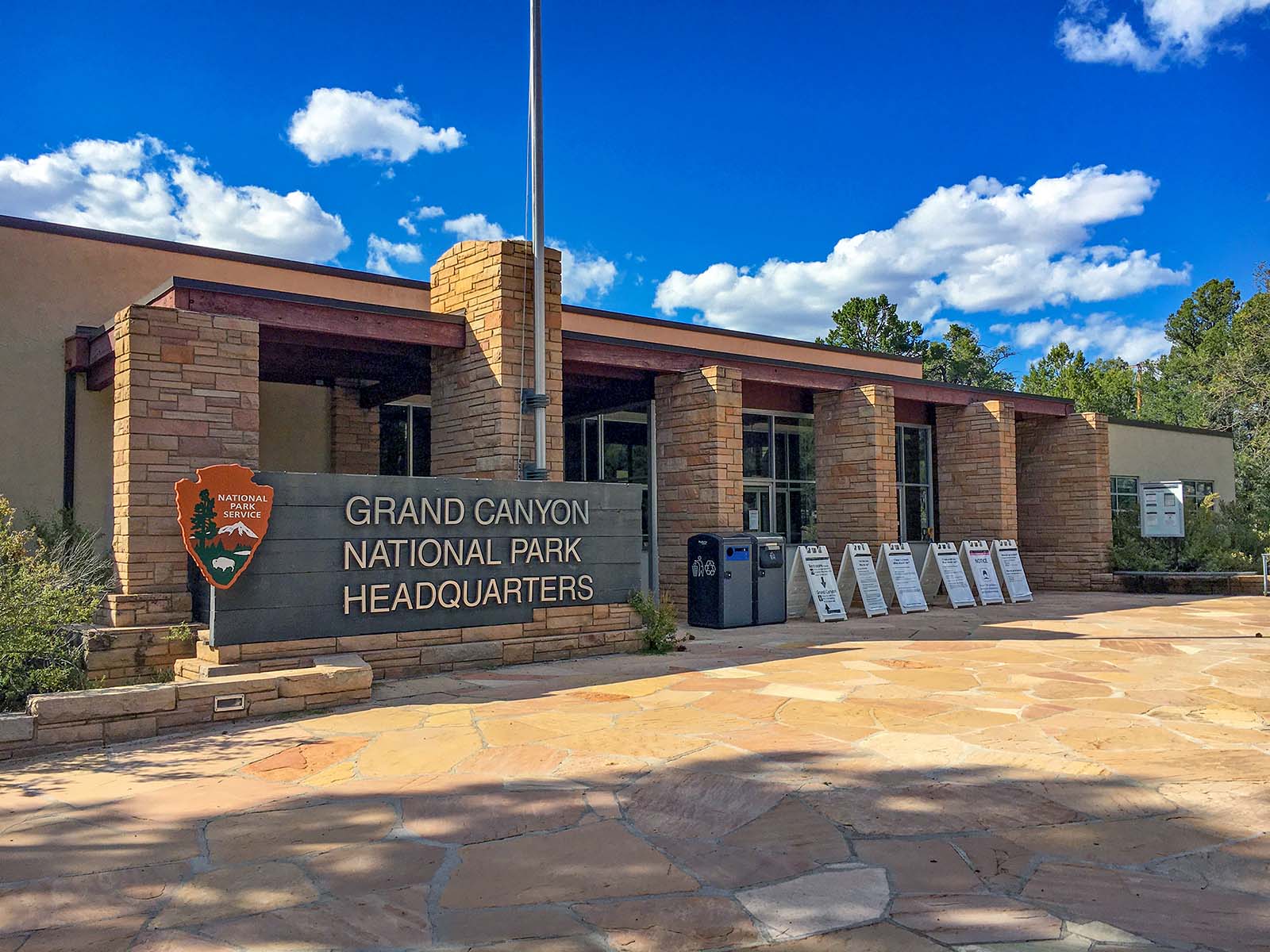
Grand Canyon Hiking Trails: Day Hikes, Water Sources & Rim to Rim
Compare Grand Canyon hiking trails: Bright Angel, South Kaibab, Hermit, Grandview, and rim to rim, with distances, elevation, water stops, and trailhead access for each.
Best Of
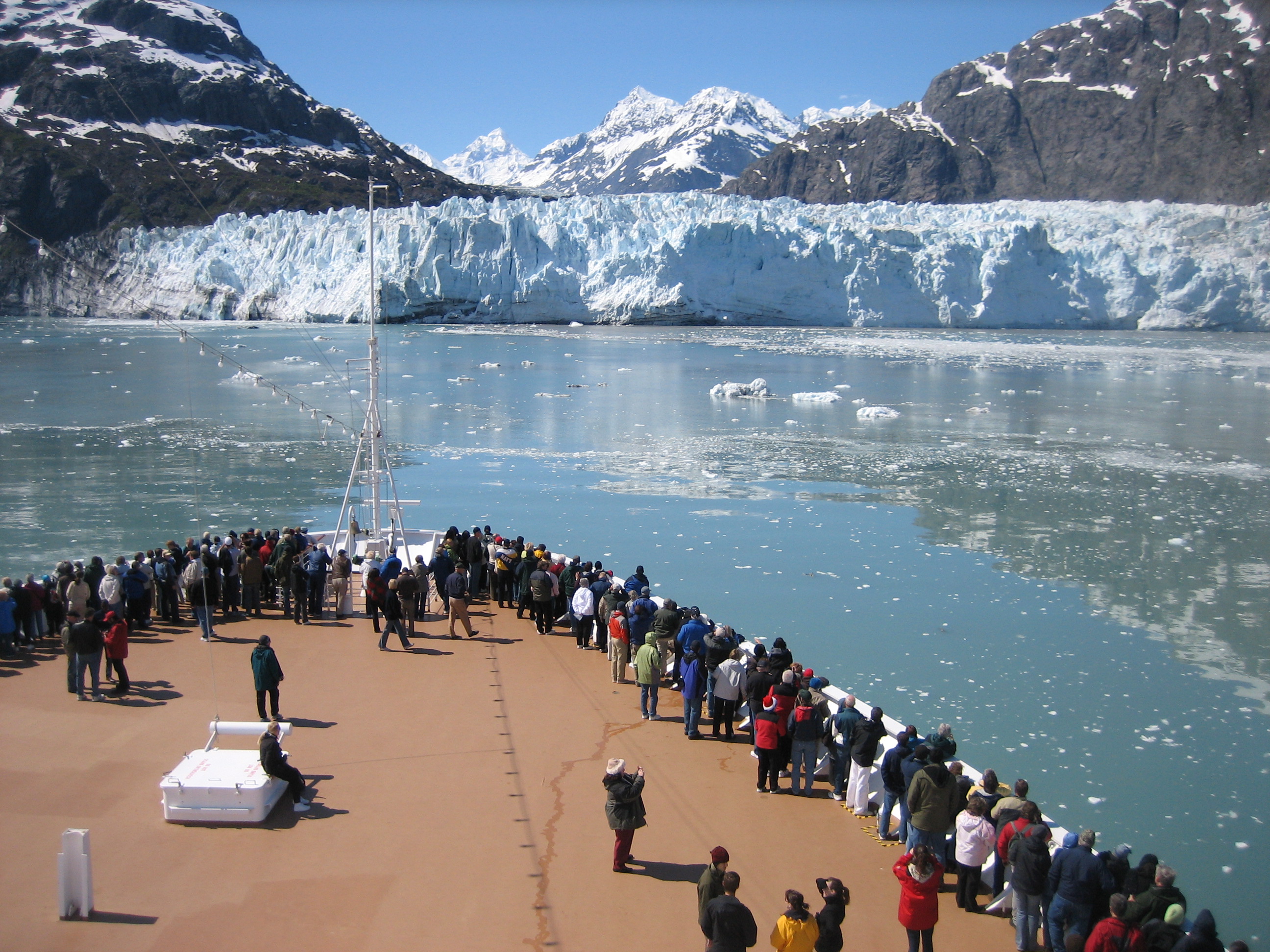
Best of Glacier Bay National Park
The best of Glacier Bay is reached by boat: ranger-led day tours up the bay to the tidewater glaciers. What's worth it, how to book, and when to go (2026).
Campsite Guide
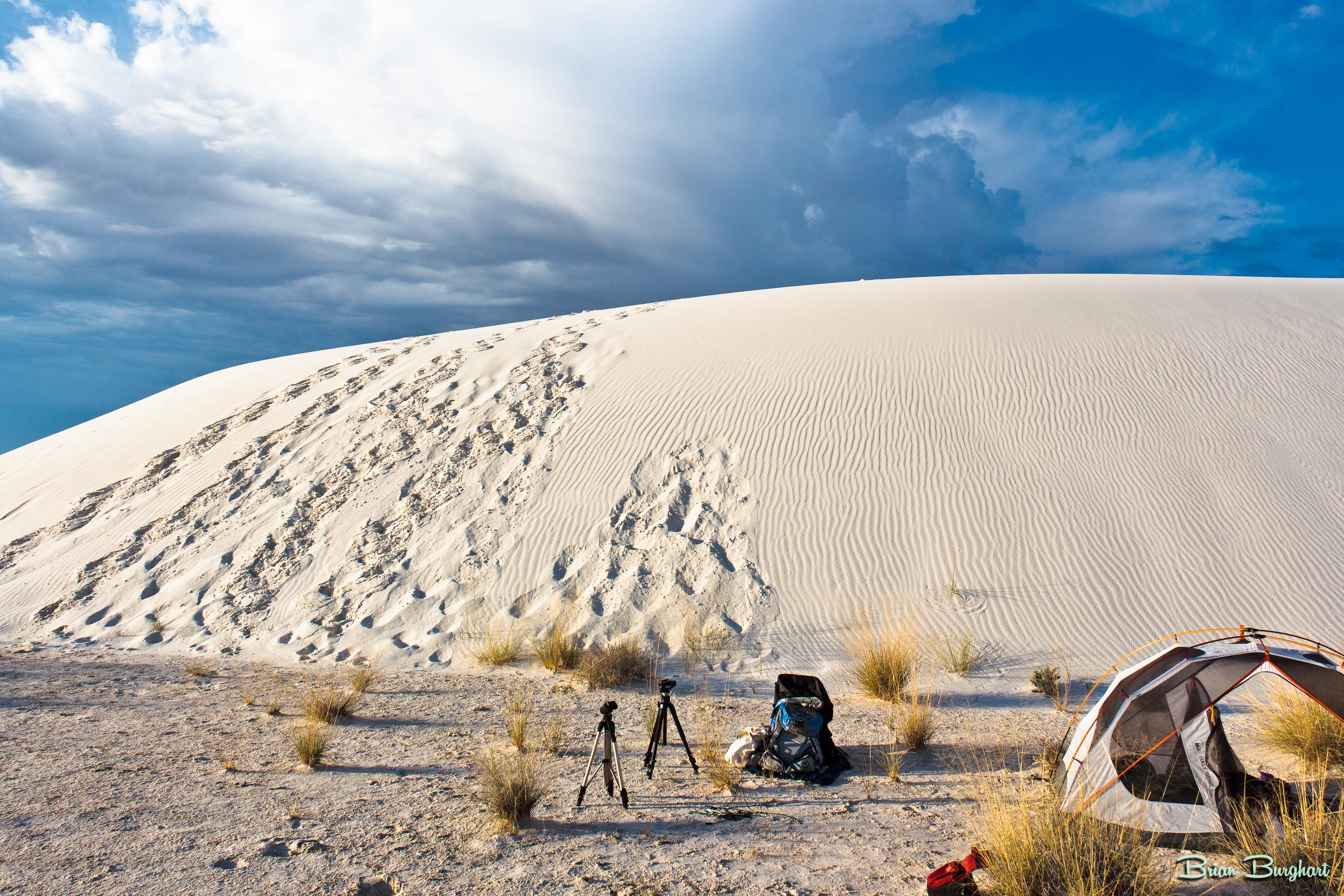
White Sands Backcountry Camping: Closed for 2026 — What to Know
As of 2026, backcountry camping at White Sands National Park is closed for site rehabilitation. What that means, and where to camp nearby instead.
Weather Guide
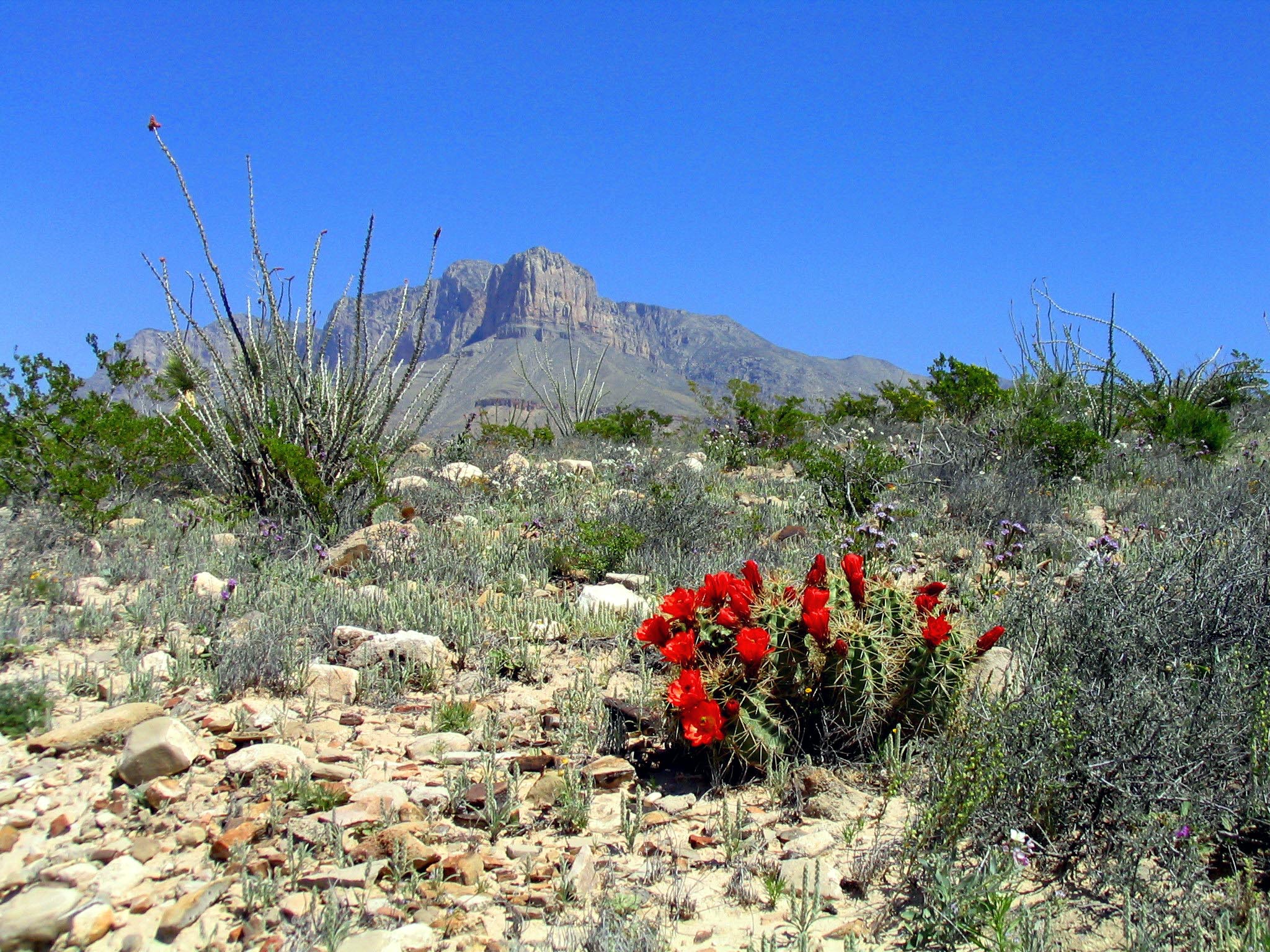
Guadalupe Mountains National Park Weather: Weather
Guadalupe Mountains National Park: weather guide guide updated 2026. Practical visitor information, reservations, and seasonal tips worth bookmarking before
Best Of
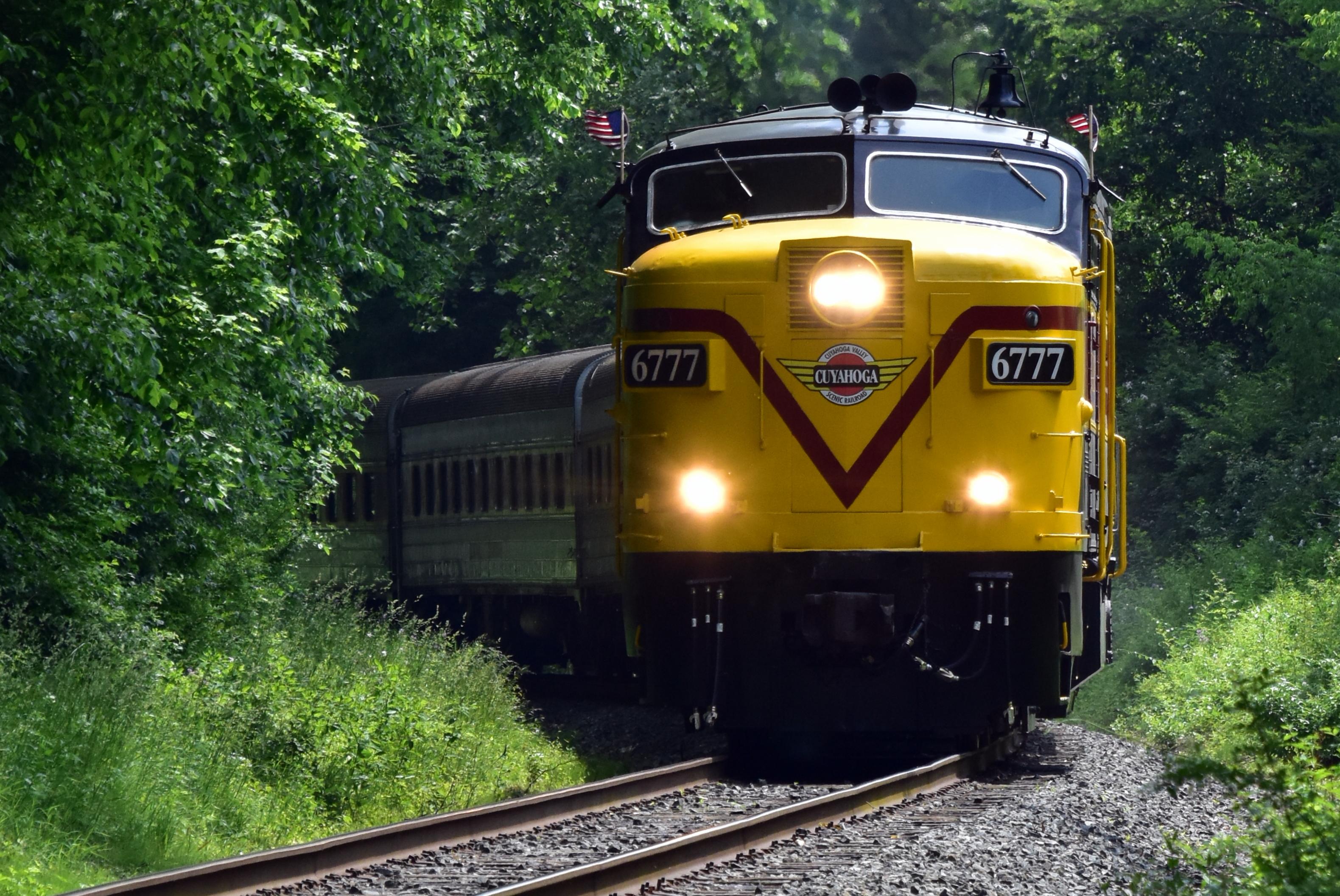
Best of Cuyahoga Valley National Park: Best Things to Do
Seeing a Cleveland Orchestra concert with the woods as your backdrop is a uniquely Cuyahoga Valley experience.
Sign in to join the conversation.
Sources & Attribution
Location data courtesy of the National Park Service (U.S. Department of the Interior). NPS data is public domain. Official NPS page.
Images: NPS; NPS; NPS; NPS; NPS.
Map data © OpenStreetMap contributors.
Park operations alerts: NPS.gov · Weather and weather hazards: National Weather Service · Live conditions.
Information may change. Always verify fees, hours, and conditions directly with the official source before visiting.
Did this guide help? Share it with a friend.