Campground Reservation Strategy and Site Selection
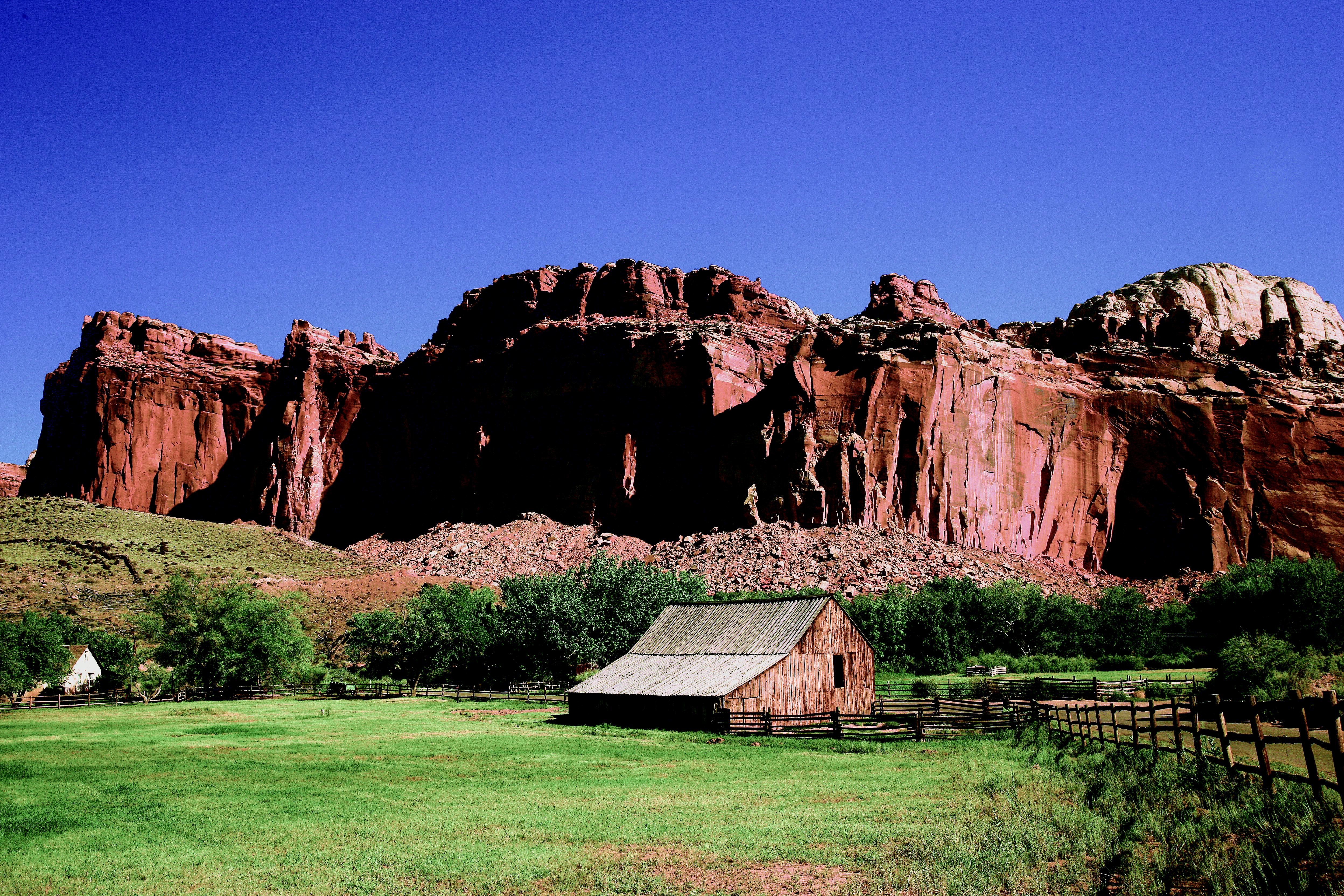
The Fruita Campground fills up six months in advance during peak season. If you are reading this in January and hoping for a March site, mark your calendar now - reservations open exactly half a year ahead on Recreation.gov, and the most desirable loop goes fast. The campground sits roughly a mile south of the visitor center along the Scenic Drive, tucked into the orchard-lined stretch of Capitol Reef that most visitors drive right past on their way to the main overlooks.
Rangers will tell you that the single most common mistake people make is assuming they can show up without a reservation between mid-March and October. They cannot. The 71 sites - seven of them designated tent-only - fill completely on most nights from spring through fall. The campground does accept walk-ups if cancellations happen, but that is a gamble, not a plan.
The tent-only loop is worth seeking out if you are traveling without an RV. These sites sit slightly further from the RV generator hum and offer a bit more shade from the mature cottonwoods that line the Fremont River. Site numbers in the 40s and 50s tend to have the best tree cover, which matters in the summer when afternoon temperatures push into the high 90s.
Reservation Timing and Strategy
Set a reminder for 8:00 AM Mountain Time on the day your booking window opens. That is six months to the day before your planned arrival. The campground accepts reservations year-round, but the urgency only applies from March through October. Winter visitors can usually book a week ahead or even walk up without issue.
The reservation system on Recreation.gov lets you select specific site numbers. Familiarize yourself with the campground map before booking day. Sites near the restrooms get more foot traffic and light at night. Sites along the outer edge of the loop back up to open desert and feel more private. The trade-off is less shade in those outer-edge spots.
What You Actually Get for $25
The nightly fee covers one site with a picnic table, a fire ring, and access to restrooms, water spigots, and a dump station. For comparison, that is roughly half what most developed campgrounds in Moab charge during the same season. The value here is straightforward: you sleep inside the national park boundary, a ten-minute walk from the historic Fruita schoolhouse and the orchards where you can pick your own fruit in season.
The restrooms are standard pit-vault style. They get cleaned daily during the busy season but by late July they smell like you expect pit vaults to smell. The water spigots are scattered through the loops and run year-round. Bring your own containers and fill up at your site of choice - the pressure is decent in the morning and drops off by midday when everyone is filling their tanks.
The dump station is located near the campground entrance. It is a single lane, so expect a wait on checkout mornings between 9 and 11 AM. If you can time your departure for before 8 AM or after noon, you will save yourself 20 minutes of idling.
Site Amenities That Matter
The fire rings are the standard park-service issue: a metal ring about 30 inches across with a swing-out grill grate. The grates are large enough for a single 12-inch skillet or a small grate-top grill. If you plan to cook over fire, bring your own grate or a tripod setup - the swing grates are functional but limited.
Picnic tables are the standard six-foot wood-and-metal design. They are sturdy enough but the tabletops collect dust and occasional bird droppings. A pack of disinfecting wipes is not a bad addition to your packing list.
Cell service drops out at the campground entirely for most carriers. The visitor center about a mile north has intermittent service, but do not plan on streaming anything or making reliable phone calls from your site. Download your maps, your audiobooks, and your campfire playlists before you leave Torrey.
Photo: NPS via NPS.gov (Public Domain)
Seasonal Conditions and What They Mean for Your Stay
Capitol Reef sits at roughly 5,500 feet elevation. The seasons are more defined than the low desert parks further south. Summers bring daytime highs around 95°F with overnight lows in the low 60s. The shade under the cottonwoods makes a measurable difference - a sites with tree cover can be 10 degrees cooler at mid-afternoon than an exposed site.
Spring and fall are the sweet spot. Daytime temperatures range from the mid-60s to low 80s, and the crowds thin out noticeably after mid-September. The fruit orchards in Fruita are in bloom in April and heavy with apples and pears in September. The park service allows visitors to pick fruit for free in designated areas, and campsite residents have the best access since they are already inside the park.
Winter changes everything. The campground stays open year-round, but only about 10 to 15 sites typically see use on a given winter night. Temperatures drop below freezing from December through February, and snow is possible though it rarely accumulates more than a few inches. The quiet is remarkable. You will hear the river and the wind and not much else.
Current Alerts You Need to Know
As of early 2026, several canyon closures are in effect through August 31. The heads of Fivemile Wash and Burro Wash are closed to entry for the eastern two-mile section. Shinob Canyon and all routes descending into it - including Na-gah, Nighthawk, and Timpie - are closed. Arch Nemesis Canyon and its exit route at Capitol are also closed. These are technical canyoneering routes, not day hikes, so the average car camper will not be affected. But if you planned a canyoneering trip, verify status before you arrive.
The Reef Ride Bike Days event on September 19 and September 26 will close the Scenic Drive to motor vehicles from sunrise until 3 PM. If you are camping those weekends, you will need to park outside the closure zone or plan to bike in. The event is popular and the road makes for an excellent bike ride when empty.
Groups of 40 or more, church or scout groups, and anyone planning a wedding or photography shoot in the campground area needs a Special Use Permit. The standard camping fee does not cover organized group activities. Contact the park directly for permit applications.
An Experienced Camper's Take on the Fruita Experience
Most visitors underestimate how dark it gets here. There is no ambient light from Torrey - the town is seven miles away and small. On moonless nights, the Milky Way casts enough light to see your hand in front of your face once your eyes adjust. The campground has no artificial lighting beyond what individual campers bring. Bring a headlamp with a red-light mode and you will thank yourself on bathroom trips at 2 AM.
The soundscape is dominated by the Fremont River, which runs along the southern edge of the campground. The water flow varies dramatically by season - a low murmur in late summer, a steady rumble during spring snowmelt. The river is not for swimming; it is shallow, silty, and runs through agricultural areas upstream. But the sound of it at night covers up the small noises from neighboring sites and makes for solid sleep.
Raccoons are present but less bold than in parks like Yosemite or the Smokies. The park service still recommends storing all food and scented items in hard-sided containers or your vehicle overnight. Keep a clean camp and you will not have problems.
The Fruita Campground does not have showers. The nearest pay showers are in Torrey, about 15 minutes north on Highway 24. Several motels and the gas station just west of the junction offer shower access for a small fee - typically $5 to $8. Plan accordingly for multi-night stays.
Photo: NPS via NPS.gov (Public Domain)
Practical Takeaways
The information below is accurate as of 2026. Check the park website or Recreation.gov for any fee or policy changes before you go.
Reservation timing: Book exactly six months ahead for March through October stays. Winter visits do not require advance planning.
Site selection: Loops on the outer edges offer more privacy but less shade. Sites in the 40s and 50s have the best tree cover.
Amenities: Pit toilets, water spigots, a dump station, picnic tables, and fire rings. No showers, no hookups, no electric.
Cell service: None at the campground. Plan ahead for offline navigation and entertainment.
Seasonal considerations: Summer is hot and crowded. Spring and fall are ideal. Winter is cold, quiet, and nearly empty.
Current closures: Several technical canyons are closed through August 31, 2026. The Scenic Drive closes to vehicles for Bike Days on September 19 and 26.
Group policy: Parties of 40 or more need a Special Use Permit. Contact the park well in advance.
For a broader overview of the area including hiking trails, weather patterns, and nearby services, check the complete visitor guide. If you are comparing camping options across the park, the all campgrounds page covers every designated camping area inside Capitol Reef.
Final Thoughts
The Fruita Campground is the kind of place that rewards preparation. The people who book early, bring the right gear, and understand what they are signing up for will have an excellent stay. The people who roll in at 6 PM in late July without a reservation will end up driving 45 minutes to a BLM site outside the park boundary.
That is the long and short of it. Twenty-five dollars gets you a spot inside one of Utah's least crowded national parks, within walking distance of historic orchards and a river that sounds like white noise all night. The trade-offs - no showers, no hookups, no cell service - are the same things that make it worth booking. Know what you are walking into, plan ahead, and the campground delivers exactly what it promises.