What makes a campground with only 22 sites, no hookups, and a seasonal closure worth planning an entire trip around? For Big Bend National Park regulars, the answer is simple: Cottonwood Campground is the quietest corner of an already quiet park, and that silence is increasingly hard to find.
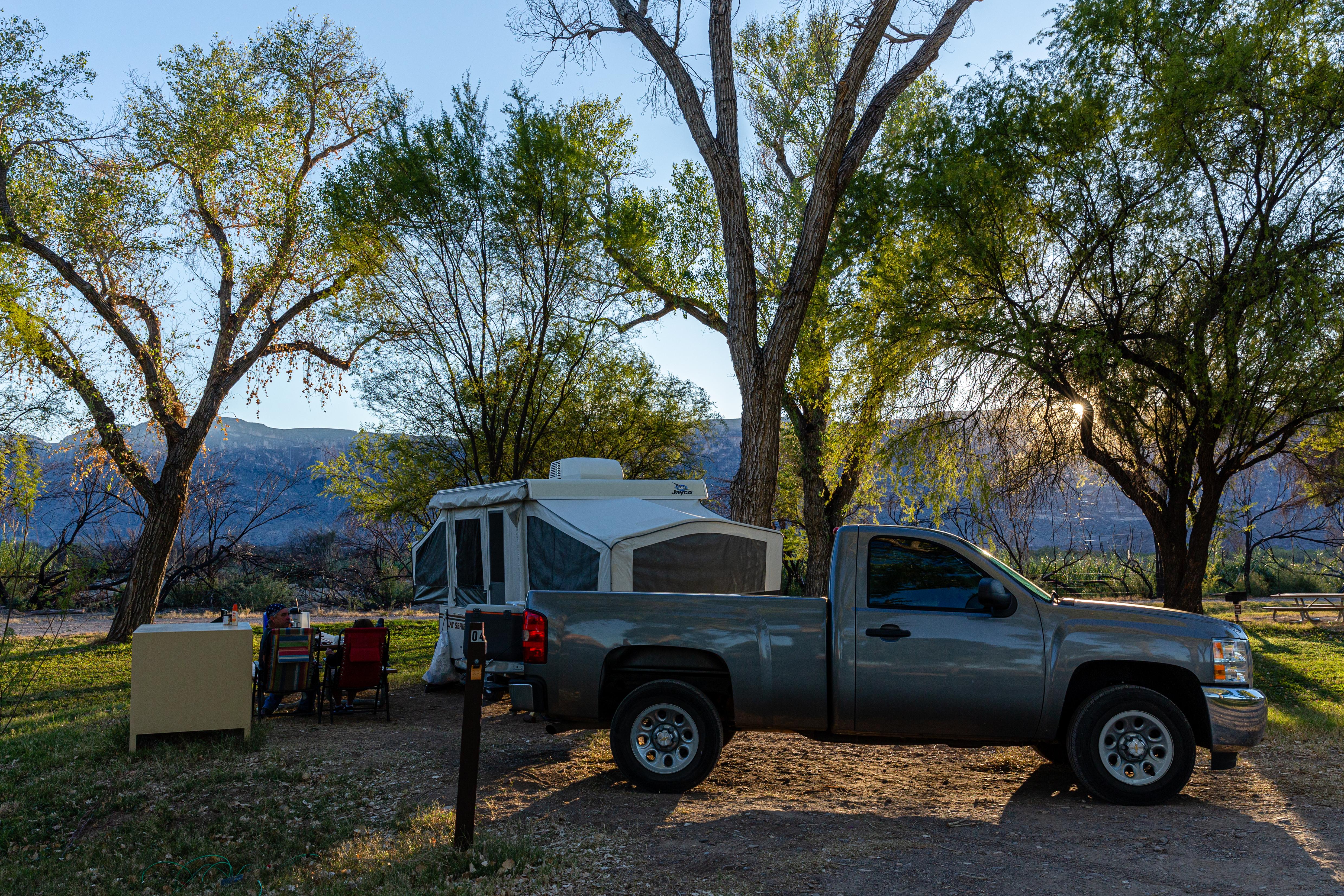
NPS via NPS.gov (Public Domain)
Campsites at Cottonwood Campground (2026 Guide)
7 min read
Campsite Guide
Cottonwood Campground sits in the western corner of Big Bend, a 22-site operation that most visitors drive past without knowing it exists.
Your plans
For more, see complete visitor guide, all campgrounds, hiking trails, lodging and accommodations, Campsites at Chisos Basin Campground (2026 Guide) (2026 guide), and Campsites at Rio Grande Village Campground (2026 Guide).
Why Cottonwood Campground is Different
Cottonwood Campground sits in the western corner of Big Bend, a 22-site operation that most visitors drive past without knowing it exists. Twenty-one individual sites and one group site make up the whole operation. Compare that to Rio Grande Village Campground's 93 sites or Chisos Basin's 56, and you get a sense of what Cottonwood offers: fewer neighbors, less noise, and a entirely different experience of the park.
The campground is a dry camping setup. No hookups. No generators. The park service means that last one literally - generators are prohibited outright, not just restricted to certain hours. What you hear here is wind through the cottonwood trees, the occasional bird call, and the Rio Grande moving a quarter-mile south.
Reservations are required. There is no first-come, first-served option. You book through recreation.gov, and sites can be reserved up to 14 days in advance. In practice, that window means last-minute planners often find Cottonwood full while the larger campgrounds still have availability.
The seasonal window is narrow. Cottonwood Campground opens November 1 and closes April 30. From May through October, it shuts down entirely. The reason is straightforward - summer heat in the western desert corridor of Big Bend is severe enough that camping here without air conditioning or generator power becomes genuinely unsafe. The park service does not mess around with this: the closure dates are firm.

What You Actually Get at the Site
Site Layout and Capacity
Each site accommodates a maximum of eight people and two vehicles. The sites are spaced further apart than what you find at Rio Grande Village, and the cottonwood trees that give the campground its name provide actual shade - a commodity in this part of the park. Pit toilets are available. Picnic tables and grills are standard at each site. There is water, but no dump station.
The lack of generators is the defining feature here. It means the campground stays quiet in a way that few campgrounds in any national park manage. What it also means: if you are relying on an RV's battery bank for extended stays, confirm your setup can handle multiple nights without shore power. Solar panels work fine - there is plenty of sun - but the cottonwood canopy can reduce direct exposure depending on your specific site.
The Location Advantage
Cottonwood Campground sits between the Castolon Historic District and Santa Elena Canyon, at the tail end of Ross Maxwell Scenic Drive. That positioning gives you something no other Big Bend campground offers: direct access to the western district without a long drive from your tent.
Santa Elena Canyon trailhead is roughly 15 minutes from the campground. The trail itself is a 1.7-mile round trip that enters between the canyon walls on paved steps - one of the most popular short hikes in the park, and for good reason. Early morning is your best bet for the canyon hike. The sun angles into the narrow slot around midday, and the temperature difference is noticeable.
The Ross Maxwell Scenic Drive runs 30 miles from the Maverick Entrance Station to Santa Elena Canyon. Cottonwood sits near the southern terminus, which means you can work the drive north-to-south over a day and end up back at camp. Most visitors underestimate how much time this drive takes - plan for at least two hours if you stop at the viewpoints and exhibits along the way.
The Quiet Factor
Rangers will tell you that Cottonwood gets about a quarter of the traffic that Rio Grande Village sees. The reservation requirement filters out the spontaneous crowd, and the lack of hookups filters out the RV crowd that needs full amenities. What remains are people who specifically chose this campground for what it is.
The birdwatching here is excellent. The cottonwood trees attract owls, woodpeckers, and tanagers. The riparian corridor along the Rio Grande pulls in species that the desert interior lacks. The park service lists birdwatching at Cottonwood as a dedicated activity with a 15-60 minute time estimate - unusual specificity that reflects how good the location is.
Night sky viewing is the other draw. Cottonwood is far enough from any light source that the Milky Way is visible on moonless nights as a distinct band across the sky, not just a faint wash. The campground's small size means you can walk to the edge of the site and have an unobstructed view.

How to Book and What to Know Before You Go
Reservation Strategy
Sites open for booking on recreation.gov on a rolling 14-day window. That sounds short compared to many national park campgrounds, and it works in your favor if you plan ahead. The window means you cannot book Cottonwood six months out - you work with the same two-week lead time as everyone else.
The practical effect: if you have flexible dates, you can often find cancellations a day or two ahead. People's plans change, and the 14-day window means those cancellations come through frequently. Check the site daily if you are trying to get in during peak season (November and March are the busiest months).
What to Pack
The park service recommends bringing everything you need for a dry camping stay. Water is available at the campground, but you should fill your containers on arrival. The pit toilets are maintained regularly, but they are still pit toilets - bring your own hand sanitizer and toilet paper as a backup.
Cell service drops out at the campground and for most of the western district. The closest reliable signal is at the Castolon Visitor Center, and even that is not guaranteed. Download maps and directions before you arrive. The park website has downloadable trail maps, and the recreation.gov page for Cottonwood includes the campground layout.
The Summer Closure is Firm
This bears repeating because it catches people every year. Cottonwood Campground is closed May 1 through October 31. The gates are locked. There is no access. If you are planning a summer trip to Big Bend, you are staying at Chisos Basin or Rio Grande Village, period.
The closure is based on extreme heat data, not arbitrary scheduling. Summer temperatures in the western desert corridor regularly exceed 110°F. Without generator power for air conditioning, camping here in summer is not just uncomfortable - it is a genuine safety concern. The park service has the data to back the decision.

Alternatives When Cottonwood is Full or Closed
If Cottonwood is booked or you are traveling outside the November-April window, Big Bend has three other developed campgrounds:
- Chisos Basin Campground (56 sites, $16/night) - Higher elevation, cooler temperatures, located in the mountain basin. Open year-round. The nearest option if Cottonwood is closed for summer.
- Rio Grande Village Campground (93 sites, $16/night) - Larger, more developed, located near the Rio Grande in the eastern district. Open year-round. Cottonwood trees here too, but with more neighbors.
- Rio Grande Village RV (25 sites, $36/night) - Full hookups, paved lot, operated by Aramark. The only campground in the park with full RV connections.
Backcountry roadside campsites are also available for those with high-clearance four-wheel-drive vehicles. These primitive sites are scattered along the park's dirt roads and require a separate permit. They are not alternatives for a casual camper - you need the vehicle, the gear, and the self-sufficiency to handle remote desert camping.

Practical Takeaways
- Book exactly 14 days out on recreation.gov. That is the earliest you can reserve, and Cottonwood's 22 sites go fast during peak months.
- Bring a solar panel or extra batteries if you need power. No generators means no way to recharge except the sun.
- Fill water containers on arrival. The campground has water, but the spigots are shared and located near the entrance.
- Arrive before dark. The campground is remote, and the road in has no lighting. Site identification in the dark is harder than it needs to be.
- Check the park alerts page before you go. Drones are prohibited in the park. Pets are not allowed on trails or in the backcountry.
- The Boquillas Crossing Port of Entry is open Friday-Monday 9:00 AM to 4:00 PM if you want to visit Mexico. Bring a valid passport.
Final Thoughts
Cottonwood Campground is not for everyone. The seasonal window is short. The amenities are minimal. The booking process requires active planning rather than showing up. But for anyone who has camped at Cottonwood, the trade-off is clear: 22 sites in the quietest corner of a park that already feels half-empty, with direct access to Santa Elena Canyon and the Ross Maxwell Scenic Drive. If you are looking for a campsite that delivers solitude over convenience and silence over amenities, this is the one to target.
The 2026 season runs November 1 through April 30. Set a calendar reminder for your booking window. Sites at Cottonwood do not last long on the reservation system, and once they are gone, the only option is waiting for a cancellation or choosing one of the larger campgrounds. Neither is a bad outcome - but Cottonwood is the one worth chasing.
For more information, see our complete Big Bend National Park Guide.
Sources
- Official source: NPS — Big Bend National Park nps.gov/bibe/index.htm
- Official source: National Park Service nps.gov/bibe/planyourvisit/cottonwood_campground.htm
Photo Gallery
More to Explore
Park Guide
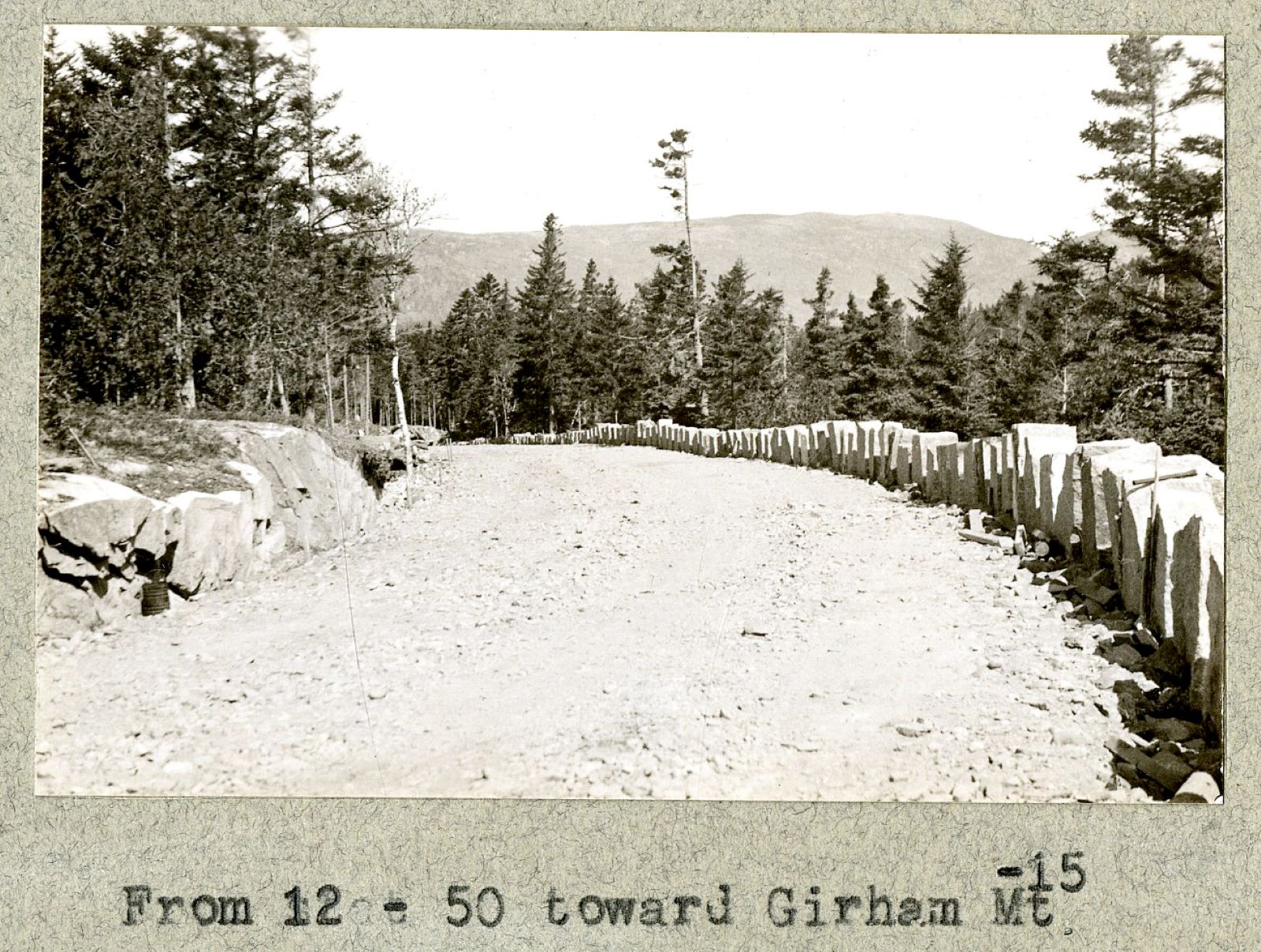
Acadia National Park: Carriage Roads, Cadillac Mountain & 2026 Guide
Discover carriage roads, Cadillac Mountain, and rugged Maine coast. Complete 2026 guide to Acadia National Park — trails, fees, lodging, permits, and what rangers recommend.
Hiking Guide
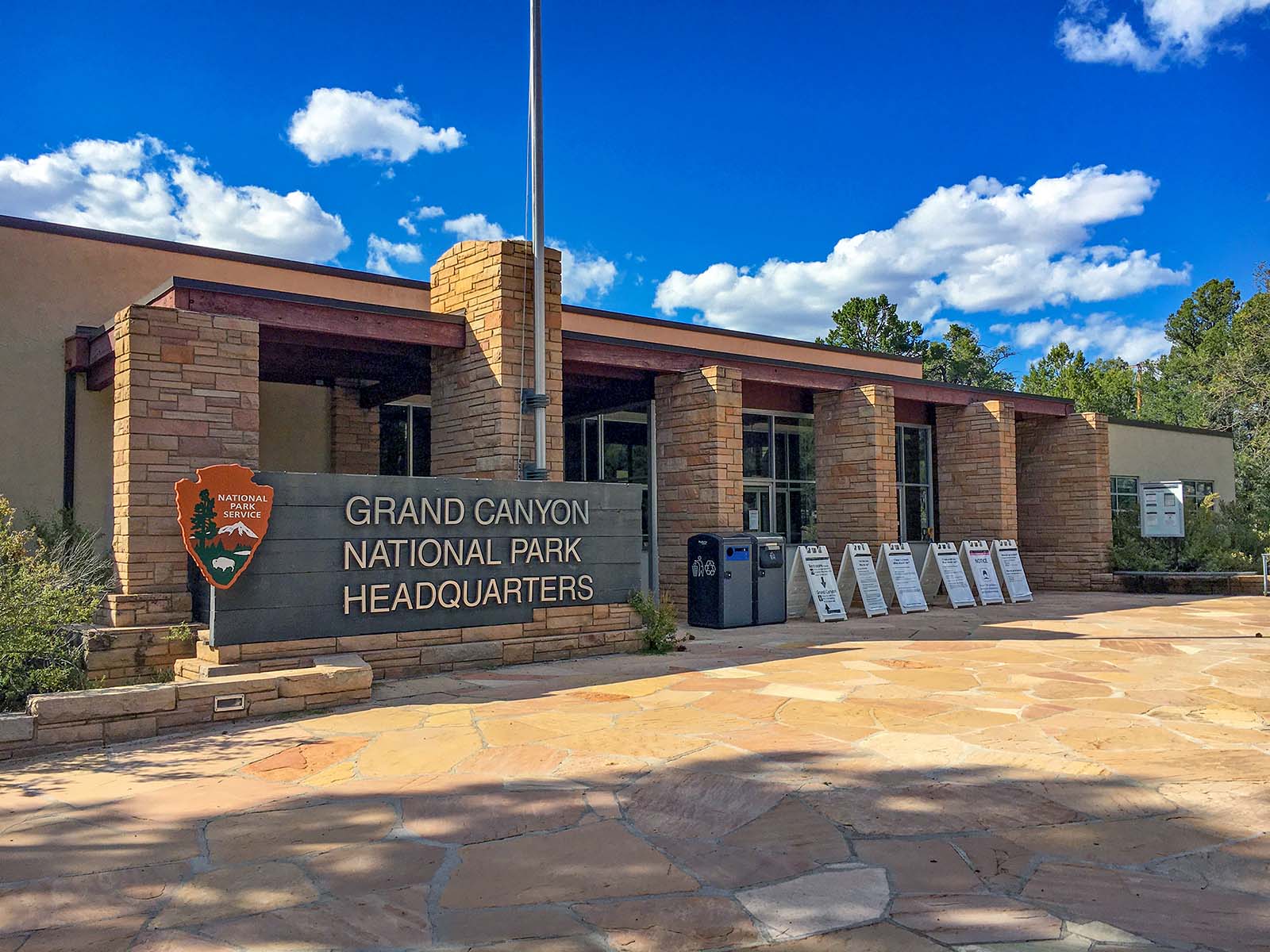
Grand Canyon Hiking Trails: Day Hikes, Water Sources & Rim to Rim
Compare Grand Canyon hiking trails: Bright Angel, South Kaibab, Hermit, Grandview, and rim to rim, with distances, elevation, water stops, and trailhead access for each.
Best Of
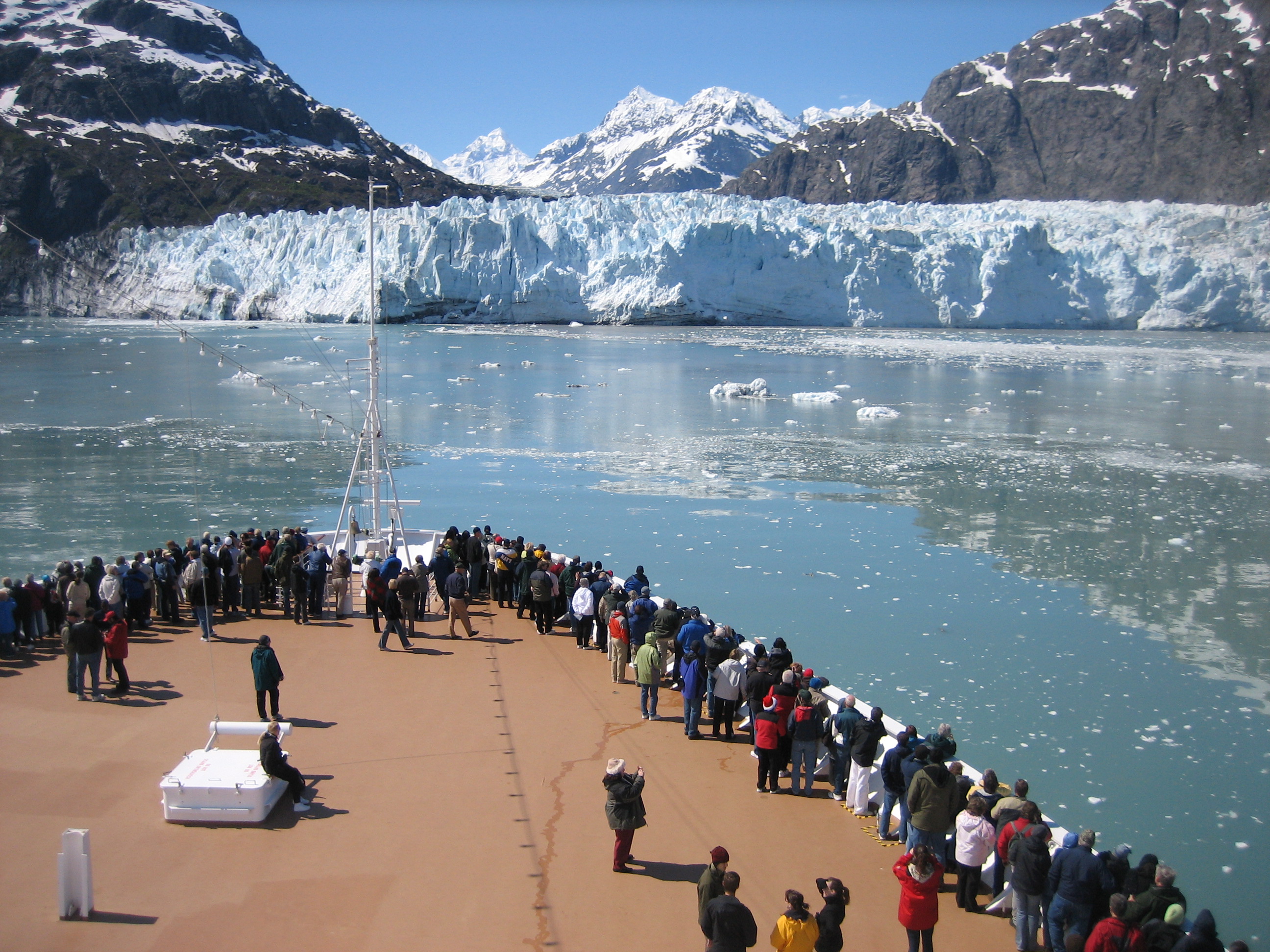
Best of Glacier Bay National Park
The best of Glacier Bay is reached by boat: ranger-led day tours up the bay to the tidewater glaciers. What's worth it, how to book, and when to go (2026).
Campsite Guide
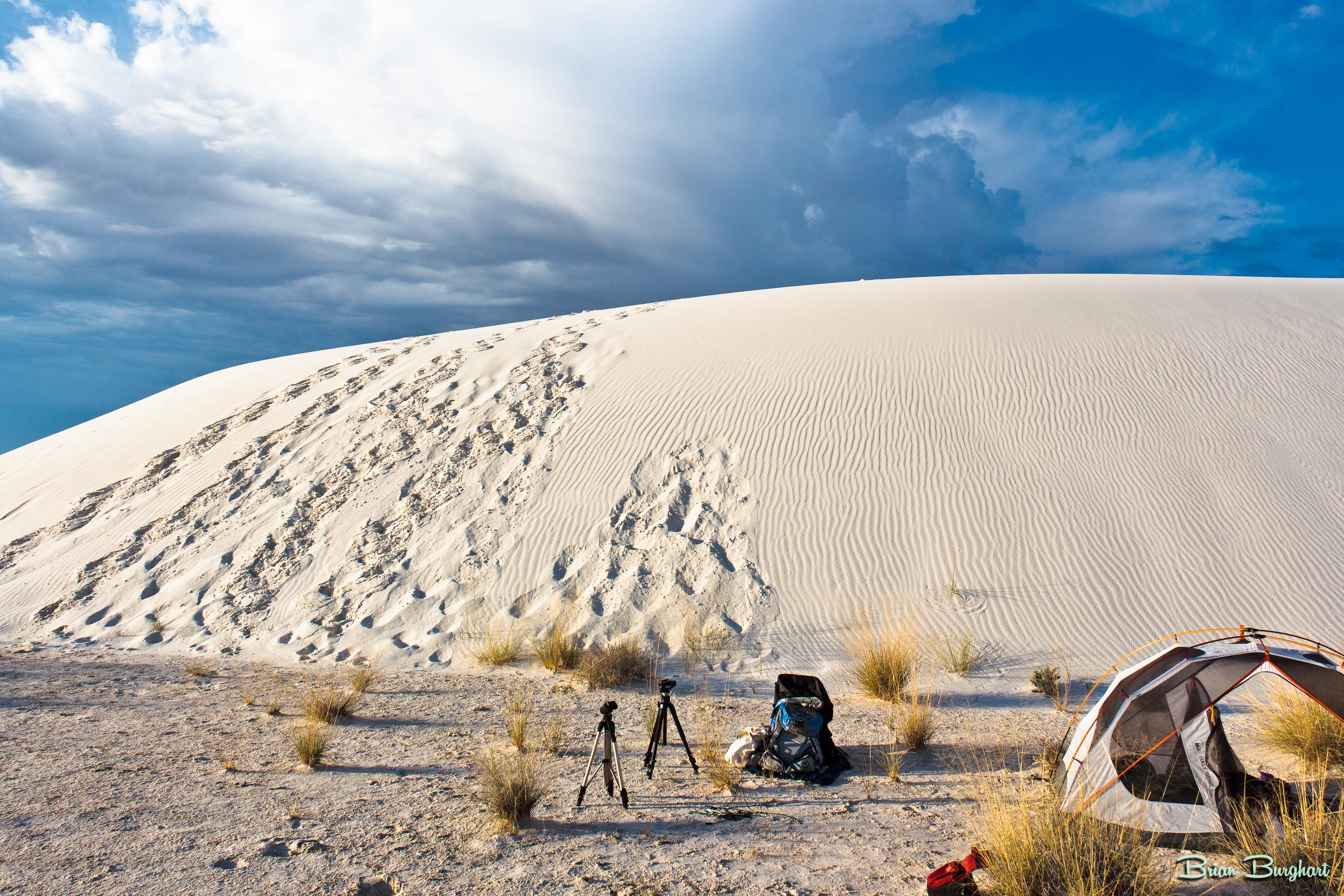
White Sands Backcountry Camping: Closed for 2026 — What to Know
As of 2026, backcountry camping at White Sands National Park is closed for site rehabilitation. What that means, and where to camp nearby instead.
Weather Guide
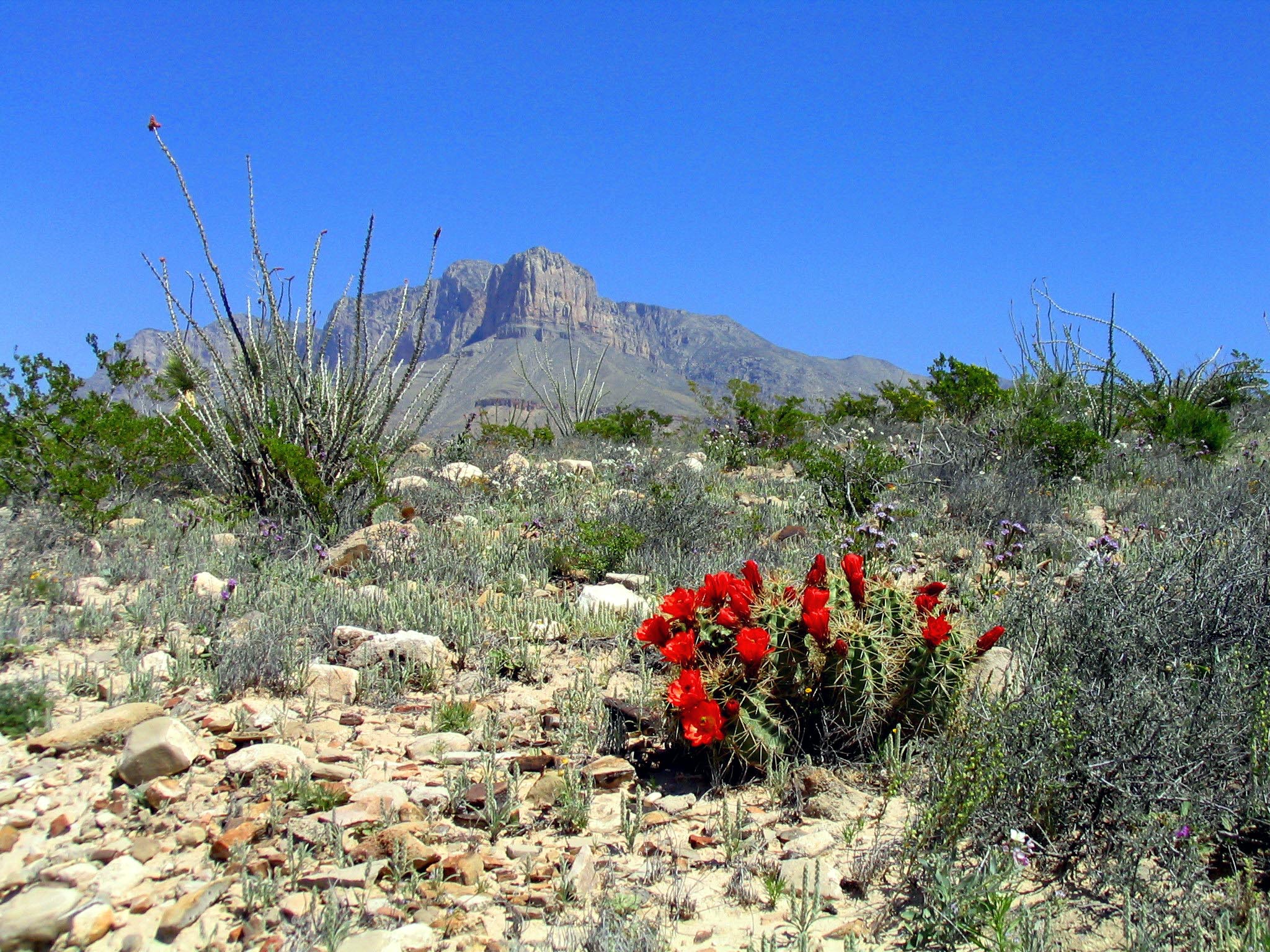
Guadalupe Mountains National Park Weather: Weather
Guadalupe Mountains National Park: weather guide guide updated 2026. Practical visitor information, reservations, and seasonal tips worth bookmarking before
Best Of
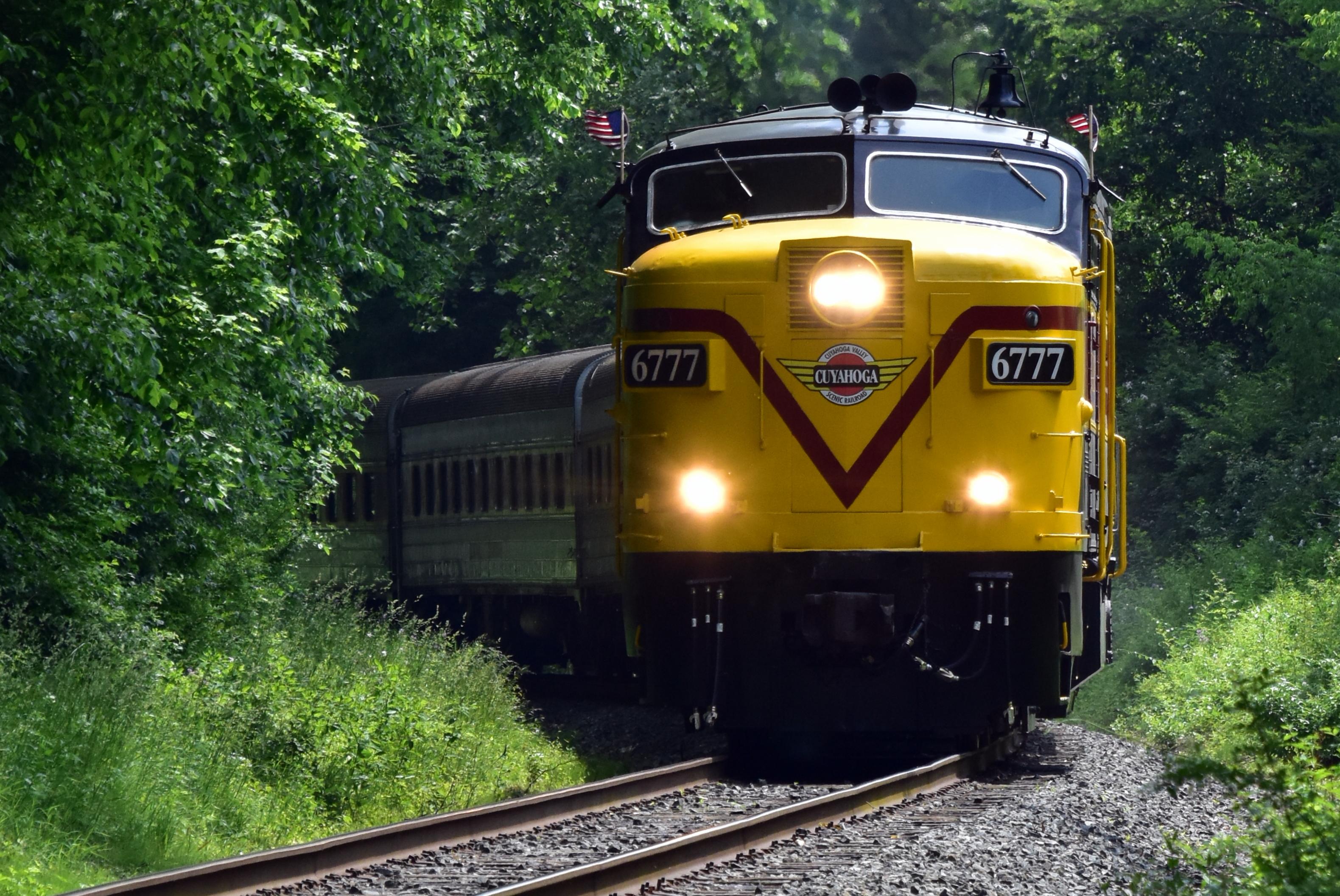
Best of Cuyahoga Valley National Park: Best Things to Do
Seeing a Cleveland Orchestra concert with the woods as your backdrop is a uniquely Cuyahoga Valley experience.
Sign in to join the conversation.
Sources & Attribution
Location data courtesy of the National Park Service (U.S. Department of the Interior). NPS data is public domain. Official NPS page.
Images: NPS; NPS; NPS; NPS; NPS.
Map data © OpenStreetMap contributors.
Park operations alerts: NPS.gov · Weather and weather hazards: National Weather Service · Live conditions.
Information may change. Always verify fees, hours, and conditions directly with the official source before visiting.
Did this guide help? Share it with a friend.