With over 500 geysers in Yellowstone, visitors often ask which ones justify the wait. In my two decades of field observation, Beehive Geyser consistently stands out for its raw power. Unlike the predictable Old Faithful, Beehive operates on its own schedule, rewarding patient observers with a 200-foot vertical jet driven by a steam column that roars like a freight train. Viewing it requires understanding this fundamental difference: you're witnessing a natural performance, not a guaranteed spectacle.
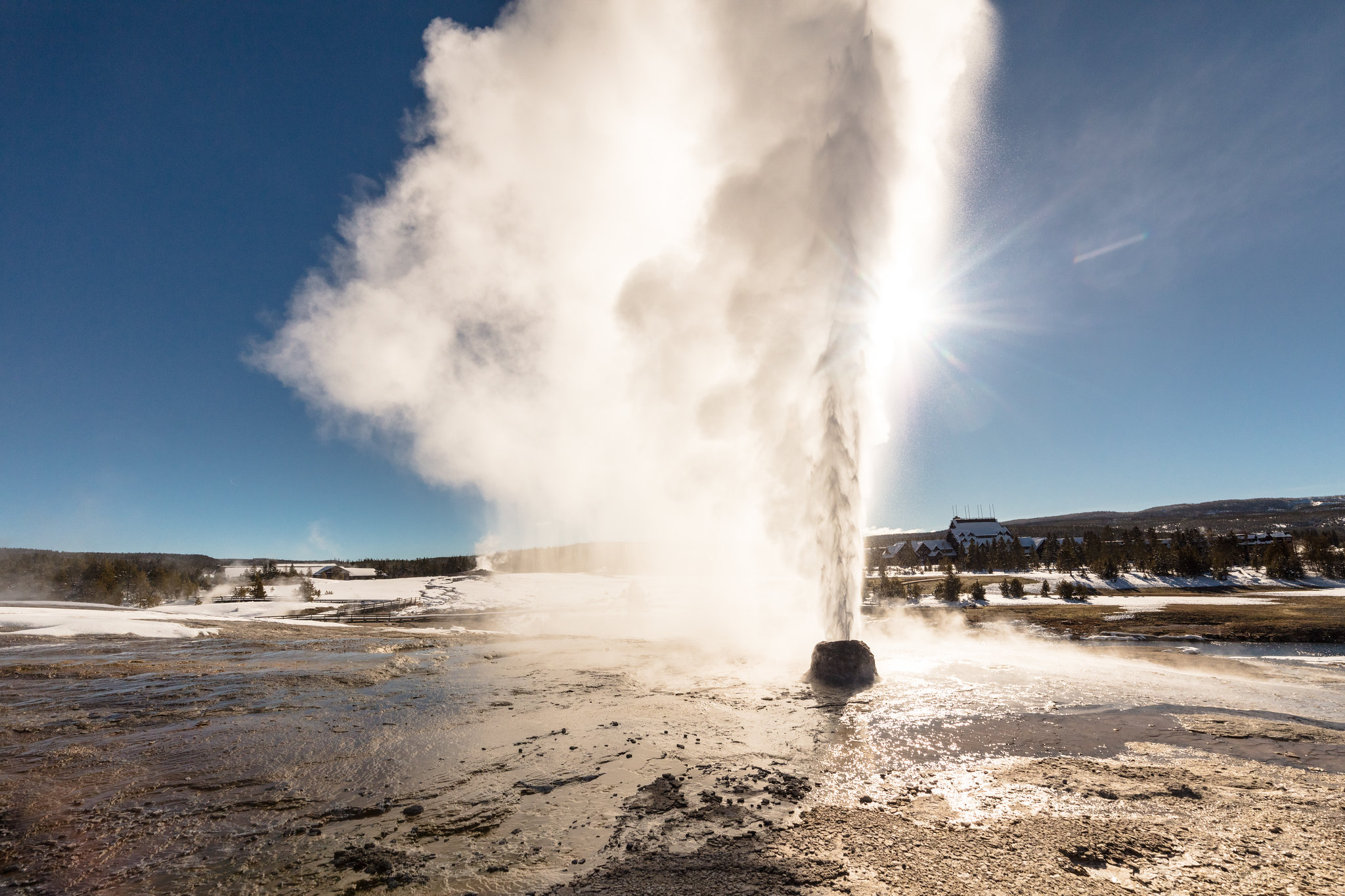
NPS via NPS.gov (Public Domain)
Beehive Geyser: 200-Foot Eruption, Yellowstone
10 min read
Places & Points of Interest
Plan your 2026 visit to Beehive Geyser. Complete guide to trails, fees, lodging, best time to visit, and insider tips.
Your plans
Overview
Beehive Geyser earns its name from the beehive-shaped sinter cone that sits about four feet tall. That cone is the nozzle, focusing the geothermal energy into one of the park's most impressive vertical eruptions. The geyser is an indicator geyser, meaning its activity is often preceded by its smaller neighbor, Beehive's Indicator, which erupts 10 to 20 minutes before the main event. Rangers at the Old Faithful Visitor Center track these precursors and will post predicted eruption windows when possible.
Beehive engages all your senses. The eruption begins with a deep steam roar that vibrates through the boardwalk, followed by the sustained water column. On still days, the plume serves as a visible beacon across the basin. The viewing proximity on the boardwalk brings you into the event—you'll feel the spray and catch the sharp scent of sulfur on the wind. This isn't distant observation; it's full immersion in Yellowstone's geothermal power.
Quick Information
* Entrance Fee: As of 2026, Yellowstone National Park charges $35 per private vehicle for a 7-day pass. Motorcycle and individual passes are also available. An annual park pass is $70, and the America the Beautiful Interagency Annual Pass ($80) is accepted.
* Hours: The Upper Geyser Basin, where Beehive is located, is accessible 24 hours a day, year-round. Road access varies by season. The Old Faithful Visitor Center is typically open daily from 9 AM to 5 PM, with extended hours in summer.
* Best Time to Visit: Late spring through early fall (June to September) for reliable road access and daytime exploration. Crowds are largest in July and August. Winter offers solitude and contrast, but requires oversnow travel via snowcoach or skis.
* Location: Upper Geyser Basin, Yellowstone National Park, Wyoming. Nearest major services are at the Old Faithful area. The geyser is a short walk from the Old Faithful boardwalks.
* Accessibility: The primary viewing is via a paved and boardwalk trail system that is wheelchair and stroller accessible. Surfaces can be slippery when wet or icy.
* Cell Service: Spotty at best in the Old Faithful area. Do not rely on it for navigation or eruption predictions. Cell service drops out at the basin edges.
* Restrooms: Flush toilets and water are available at the Old Faithful Visitor Center and the Old Faithful Lodge. Vault toilets are located at the Grand Geyser viewing area, a short walk from Beehive.
* Parking: The main Old Faithful parking lots fill by 10 AM most days from June through August. Overflow parking is available but adds a 5-10 minute walk. The parking situation here is competitive; plan to arrive early or later in the afternoon.

Getting There
Beehive Geyser is in the heart of the Upper Geyser Basin. Most visitors enter via the West Entrance (West Yellowstone, MT), the South Entrance (Grand Teton National Park), or the North Entrance (Gardiner, MT). From the Old Faithful area parking, find the boardwalk that circles the Old Faithful geyser. Head northeast (away from the visitor center). The trail narrows here as it leads into the main basin. Beehive's distinctive cone will be on your left, about a 10-15 minute walk from Old Faithful. Look for the crowd and the park ranger with a prediction clipboard - they're your best sign.
Drive times are deceptive in Yellowstone due to wildlife jams and road construction. From the West Entrance to Old Faithful is about 30 miles, but can take over an hour. From the South Entrance, it's 22 miles but includes winding roads. Always check the park's official website for current road status, especially in spring and fall.
What to Expect
You are walking on a thin crust over a massive volcanic system. The ground under the boardwalk is hot, fragile, and acidic. Stay on the designated path. The terrain is flat and easy, but the surface can be slick with spray or morning frost. You'll pass dozens of other hydrothermal features - bubbling pools, steaming vents, and smaller geysers - on your way to Beehive.
The scenery is a study in contrasts: lush green meadows fed by steam-heated runoff, bordered by ghostly, silica-bleached trees. The constant low roar and hiss of steam vents is the soundtrack. The smell is sulfur, like rotten eggs, which becomes less noticeable after a few minutes. First-time visitors are often caught off guard by the scale of the basin; it's not just one geyser, but a sprawling, living landscape.
Wildlife is present but often overlooked. Bison frequently wander through the basin, using the thermally warmed ground in winter. They have the right of way. Give them a wide berth - at least 25 yards. Ravens patrol the boardwalks, clever and opportunistic.

Top Attractions & Points of Interest
Beehive Geyser
The main event. Its eruptions last 4-5 minutes, with the powerful jet phase lasting about 2 minutes. The key is the indicator. When Beehive's Indicator (a small vent southwest of the main cone) begins to splash and erupt, you have roughly 10-20 minutes to get into position. Rangers often announce this. The best viewing is from the boardwalk directly in front, but be prepared for a warm, sulfur-scented shower if the wind shifts.
Old Faithful Geyser
Located just a short walk away, this is the predictable counterpoint to Beehive. Eruptions occur about every 90 minutes. Check the predicted time at the visitor center and plan your wait for Beehive around it. The Old Faithful viewing area has benches, but the geyser is visible from much of the basin. Experienced visitors know the eruption is a good time to grab a seat at the nearby lodge for a meal with a view.
Grand Geyser
The tallest predictable geyser in the world, located further along the boardwalk loop from Beehive. Its eruptions are spectacular, lasting 9-12 minutes and often featuring bursts up to 200 feet high. It erupts in cycles, roughly every 6-12 hours. Rangers post predictions. If you see a crowd gathering here with chairs, it's a sign an eruption may be imminent. Worth the wait.
Morning Glory Pool
A, deep hot spring about a 1.5-mile walk from Old Faithful. Its colors range from brilliant orange at the edges to a deep, clear blue in the center, like its namesake flower. The colors are caused by heat-loving bacteria. Sadly, decades of visitors throwing coins and debris into the pool have affected its temperature and flow, altering the colors. Stay on the boardwalk and respect barriers.
Castle Geyser
You can't miss its large, fortress-like sinter cone. It has one of the longest eruption cycles in the park - about every 10-12 hours. When it erupts, it begins with a water phase for about 20 minutes, followed by a loud, roaring steam phase that can last up to 40 minutes. It's a marathon, not a sprint.
The Firehole River
This warm river winds through the entire geyser basin. In several places, you can watch runoff from hot springs and geysers flow directly into it. The contrast of steaming water meeting the cooler river creates ethereal scenes, especially in the early morning when mist hangs low over the water.
Black Sand Basin
A smaller, often less crowded thermal area located a few miles north of Old Faithful. It features vividly colored pools like Emerald Pool and the occasional eruption of Cliff Geyser into the Iron Spring Creek. It's a good alternative if the main basin feels overwhelming.
Biscuit Basin
Another satellite basin, named for the biscuit-like sinter formations that once surrounded Sapphire Pool (most were destroyed by a thermal disturbance in 1959). It's home to Avoca Spring and other colorful features, and is a trailhead for the hike to Mystic Falls.
Activities
Geyser Watching & Prediction Tracking
This is the primary activity. Stop at the Old Faithful Visitor Center first. Rangers post predicted eruption times for major geysers like Beehive, Grand, and Castle based on observed indicator activity. These are estimates, not appointments. Bring patience, a folding stool if you have one, and layers - waiting can be cold even in summer.
Hiking the Basin Loops
The boardwalks form several interconnected loops totaling over 4 miles. You can see most major features on a 2-3 mile walk. For a longer trek, combine the basin walk with the hiking trails to Observation Point (for a panoramic view of Old Faithful) or continue to Solitary Geyser.
Photography
Early morning is your best bet for soft light and fewer crowds. The steam from features photographs dramatically in the low-angled sun. Use a polarizing filter to cut glare from the water. A telephoto lens (200mm+) is useful for capturing wildlife at a safe distance. For Beehive's eruption, a fast shutter speed (1/1000 sec or faster) will freeze the water column.
Ranger Programs
Free ranger-led walks depart multiple times daily from the Old Faithful Visitor Center in summer. These 30-60 minute talks the geology, ecology, and history of the geyser basin. It's the single best way to deepen your understanding beyond the placards.
Winter Oversnow Travel
From mid-December to early March, the road from West Yellowstone to Old Faithful is open only to snowcoaches and snowmobiles (on designated routes). The basin is transformed into a silent, steaming wonderland. Cross-country ski and snowshoe trails, like the Observation Point Loop Snowshoe Trail, offer unique access. Guided tours and guided experiences are available.

Seasonal Guide
* April-May (Spring): Roads begin opening, but snow is still heavy in the basin. Beehive's eruptions can be dramatic against the snow. Crowds are light, but services are limited. Weather is wildly variable - sun, snow, and rain in one day.
* June-August (Summer): All roads and services are open. This is peak season. Arrive at the Old Faithful area before 9 AM to secure parking. Afternoon thunderstorms are common. Beehive is most active, but you'll be waiting with many others.
* September-October (Fall): Crowds diminish significantly after Labor Day. Weather is crisp, mornings are frosty. Elk are in rut, and their bugling echoes in the valleys. A fantastic time for photography and quieter waits at geysers. Some services begin closing in October.
* November-March (Winter): The park is accessible only via the North Entrance or via oversnow transport from West Yellowstone or Mammoth. The geyser basin is stark, quiet, and magical. Beehive's steam plume is colossal in the cold air. This is the season for solitude, but requires planning for lodging and accommodations and specialized transport.
Practical Information
The park entrance fee is per vehicle, not per person. Yes, that $35 covers everyone in your car for seven days. For frequent visitors, the annual pass pays for itself in two visits.
Camping: The nearest camping options are Madison Campground (14 miles west) and Grant Village Campground (17 miles south). Both require advance reservations through Recreation.gov, often booked solid 6 months in advance for summer dates. Bridge Bay and Canyon are other large, reservable campgrounds further away.
Lodging: In-park lodging at the Old Faithful Inn, Old Faithful Lodge, or Old Faithful Snow Lodge books up a year in advance for summer and winter. Check the official Yellowstone National Park Lodges website (operated by Xanterra) for cancellations. West Yellowstone, Gardiner, and Cody offer many motels and hotels outside the gates.
Food: The Old Faithful area has several options: the cafeteria at the Old Faithful Lodge, the dining room at the Old Faithful Inn, and a general store. Prices are what you'd expect for a remote location. Packing a lunch is cheaper and saves time.
Gas: The nearest gas is at the Old Faithful Gas Station (seasonal) or at Canyon Village. Do not let your tank get below a quarter full - distances are long, and stations can be closed.

Safety & Preparation
* Thermal Areas: This is the number one hazard. The ground is thin and can collapse into boiling water. Stay on boardwalks and designated trails. Every year, visitors are severely burned.
* Wildlife: Bison are not tame. They weigh up to 2,000 pounds and can sprint three times faster than you. Maintain a distance of at least 25 yards from all large animals. For bears, it's 100 yards. Carry bear spray, know how to use it, and hike in groups. Learn more about safe wildlife viewing practices.
* Weather: Mountain weather changes fast. Summer afternoons bring lightning. Hypothermia is possible even in summer during a cold rain. Pack layers, a rain shell, and a warm hat.
* Altitude: Old Faithful sits at about 7,300 feet. You may feel short of breath. Hydrate more than you think you need to.
* Emergency: In an emergency, dial 911. Cell service is unreliable, so be prepared to flag down a ranger or another visitor. Know your location (nearest geyser or boardwalk junction).
Insider Tips
- The Beehive Indicator is Everything. Don't just stare at Beehive's cone. Watch the smaller, bubbling vent about 20 feet away. When it starts erupting continuously, find your spot and get your camera ready. The main event is imminent.
- Visit in the Evening. Most day-trippers clear out by 5 PM. The evening light is spectacular, crowds are thinner, and geyser predictions often align for a memorable show. The boardwalks remain accessible.
- Check the Ranger's Log. Inside the Old Faithful Visitor Center, there's often a handwritten logbook of recent geyser eruptions. It's more detailed than the posted predictions and can give you a sense of a geyser's current interval.
- The Gift Shop Sells Stools. If you plan on serious geyser-watching, a small, lightweight camping stool is worth its weight in gold. Your knees and back will thank you after a 90-minute wait for Grand Geyser.
- Listen for the Steam Phase. After the water jet stops, Beehive continues a loud, roaring steam phase for several more minutes. It's impressive in its own right and makes for great video.
For more information, see our complete Yellowstone National Park Guide.
Sources
- Official source: NPS — Yellowstone National Park nps.gov/yell/index.htm
- Official source: National Park Service nps.gov/places/000/beehive-geyser.htm
Photo Gallery
More to Explore
Park Guide
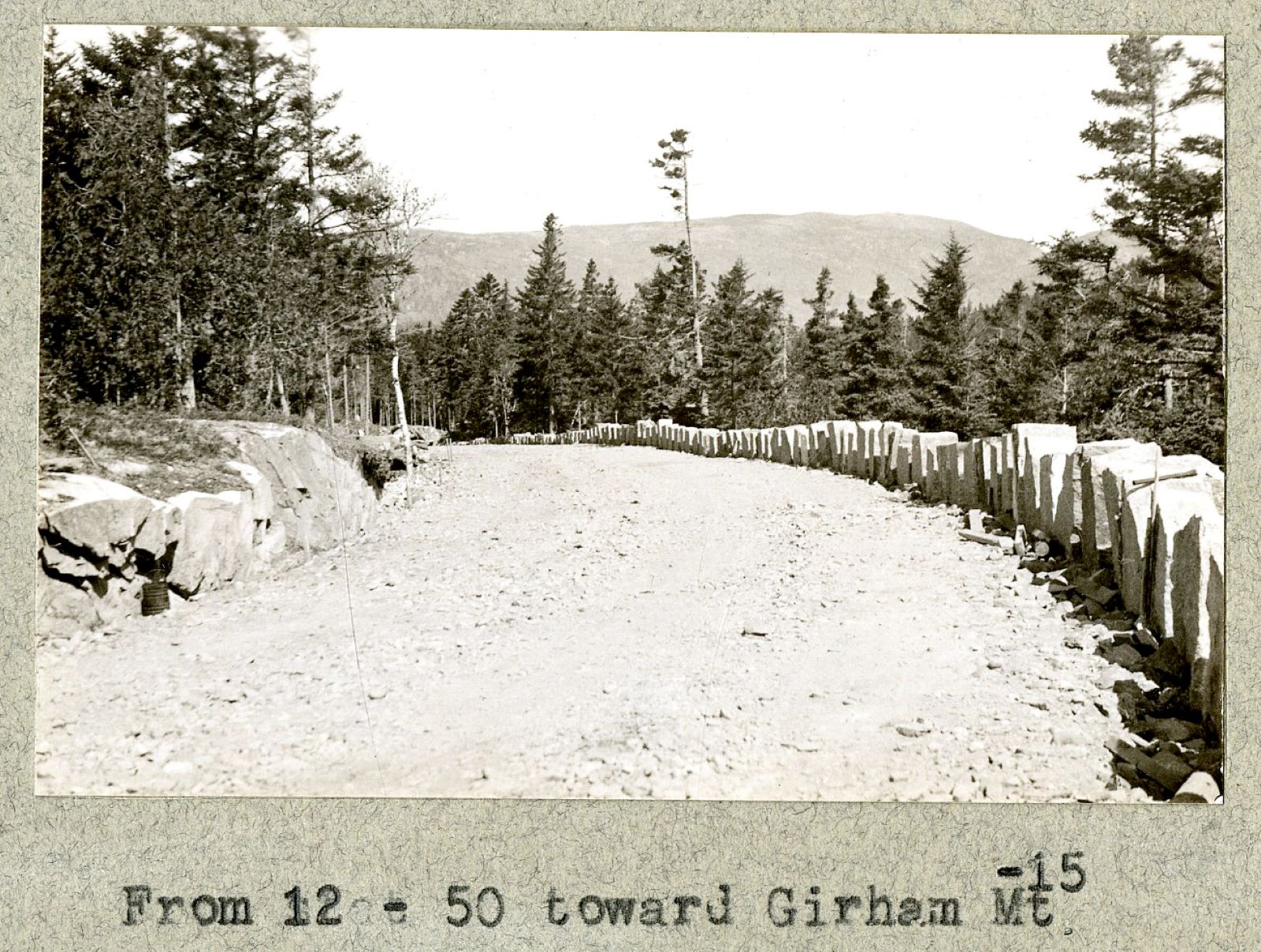
Acadia National Park: Carriage Roads, Cadillac Mountain & 2026 Guide
Discover carriage roads, Cadillac Mountain, and rugged Maine coast. Complete 2026 guide to Acadia National Park — trails, fees, lodging, permits, and what rangers recommend.
Hiking Guide
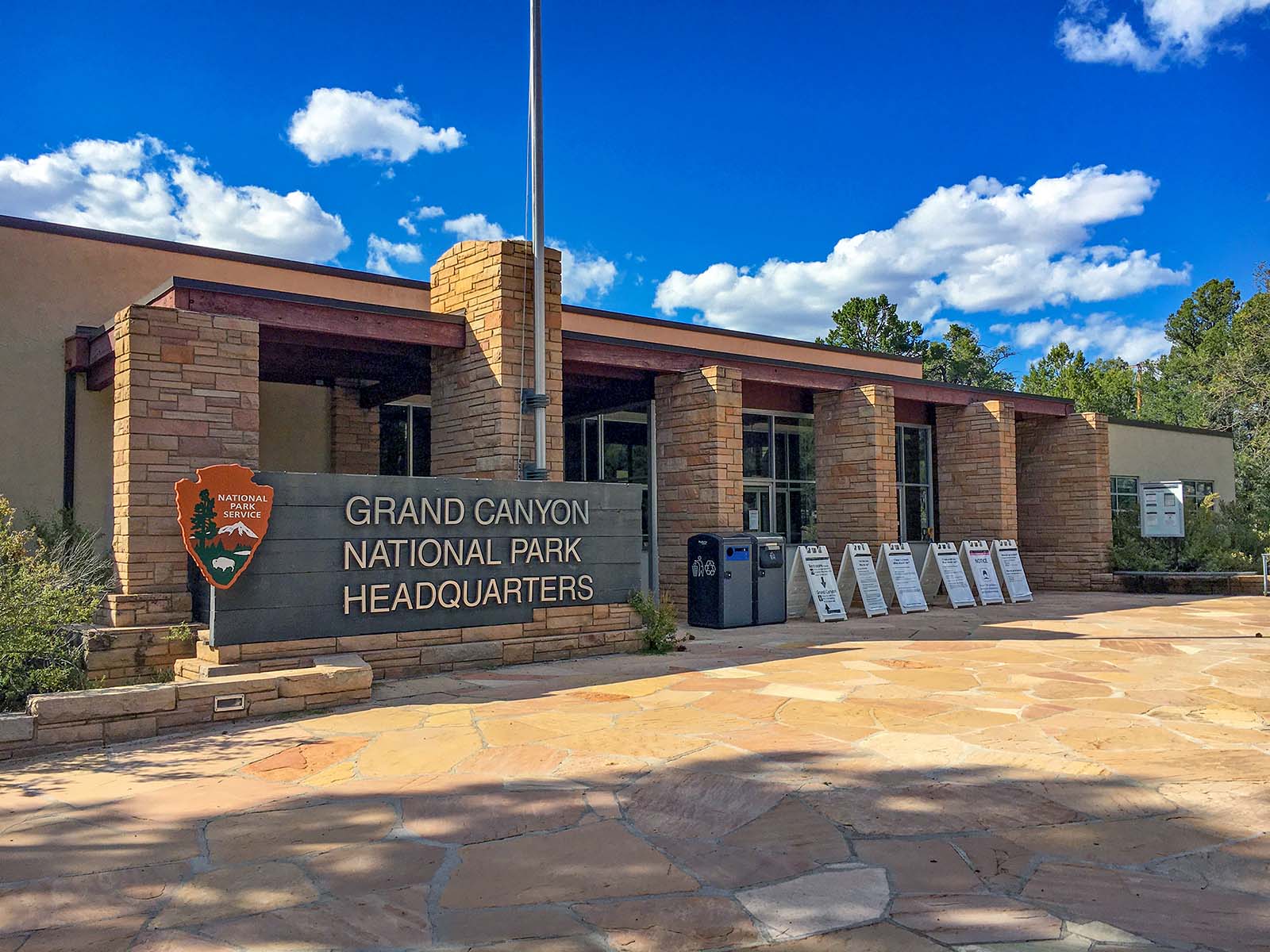
Grand Canyon Hiking Trails: Day Hikes, Water Sources & Rim to Rim
Compare Grand Canyon hiking trails: Bright Angel, South Kaibab, Hermit, Grandview, and rim to rim, with distances, elevation, water stops, and trailhead access for each.
Best Of
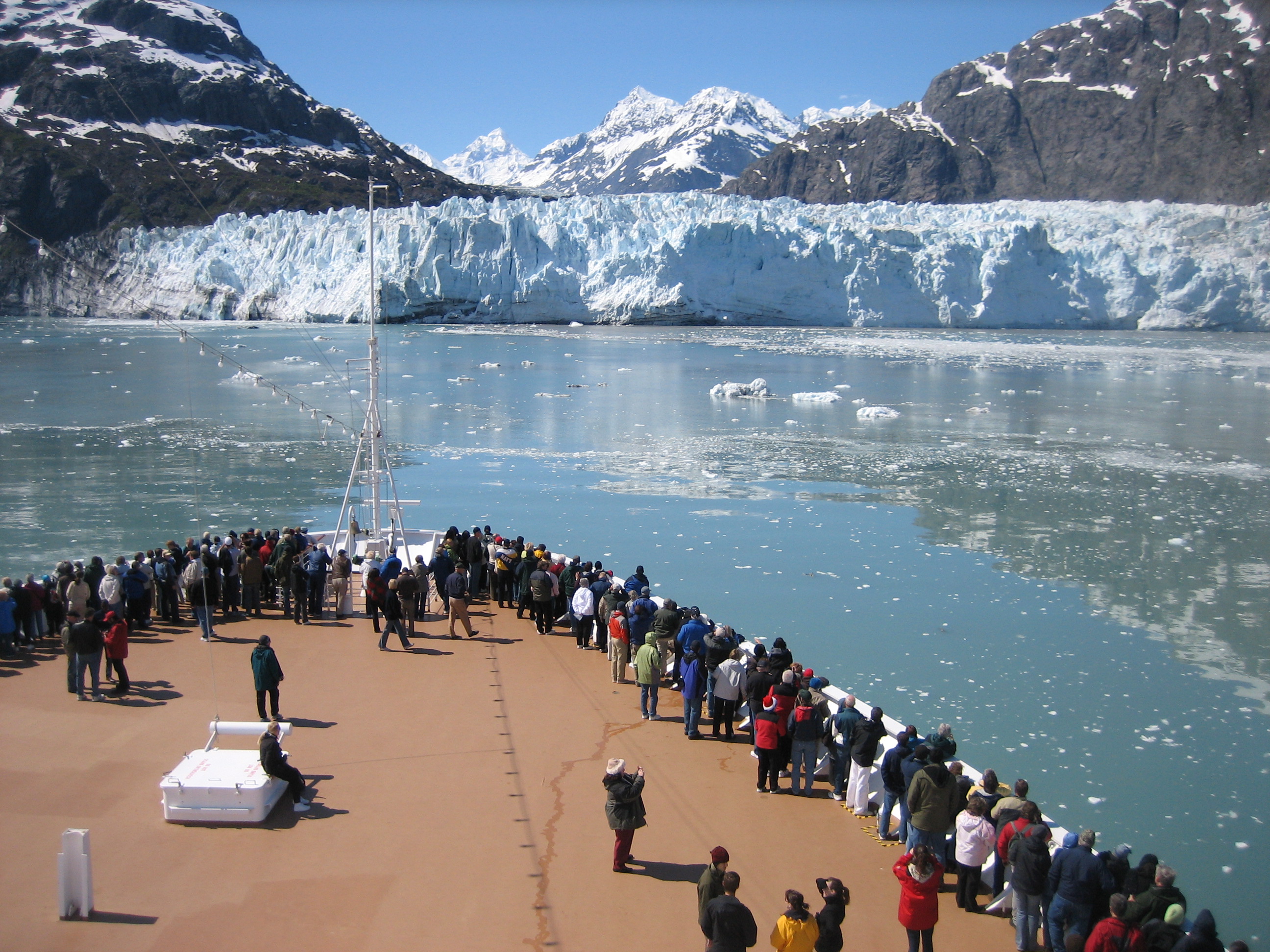
Best of Glacier Bay National Park
The best of Glacier Bay is reached by boat: ranger-led day tours up the bay to the tidewater glaciers. What's worth it, how to book, and when to go (2026).
Campsite Guide
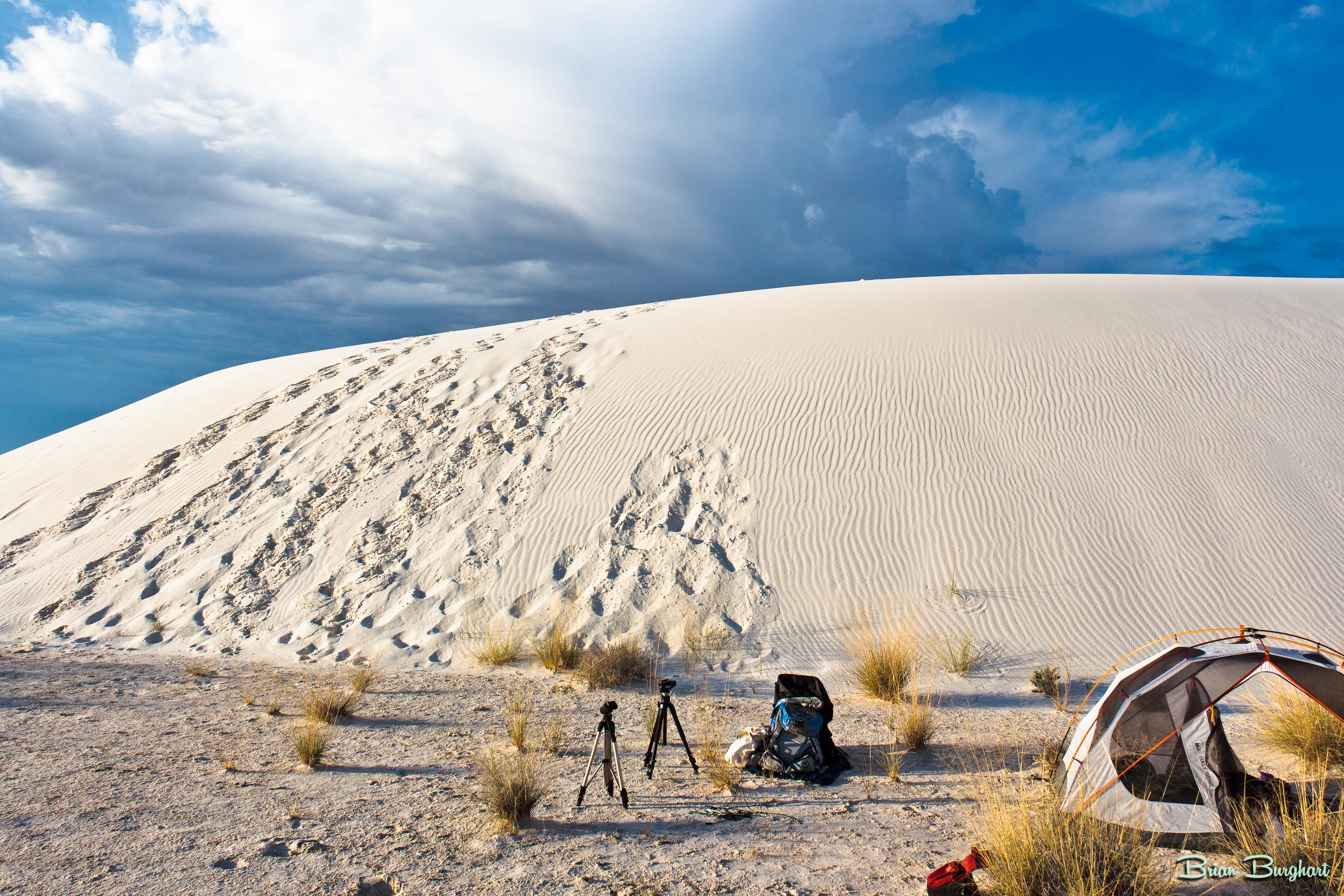
White Sands Backcountry Camping: Closed for 2026 — What to Know
As of 2026, backcountry camping at White Sands National Park is closed for site rehabilitation. What that means, and where to camp nearby instead.
Weather Guide
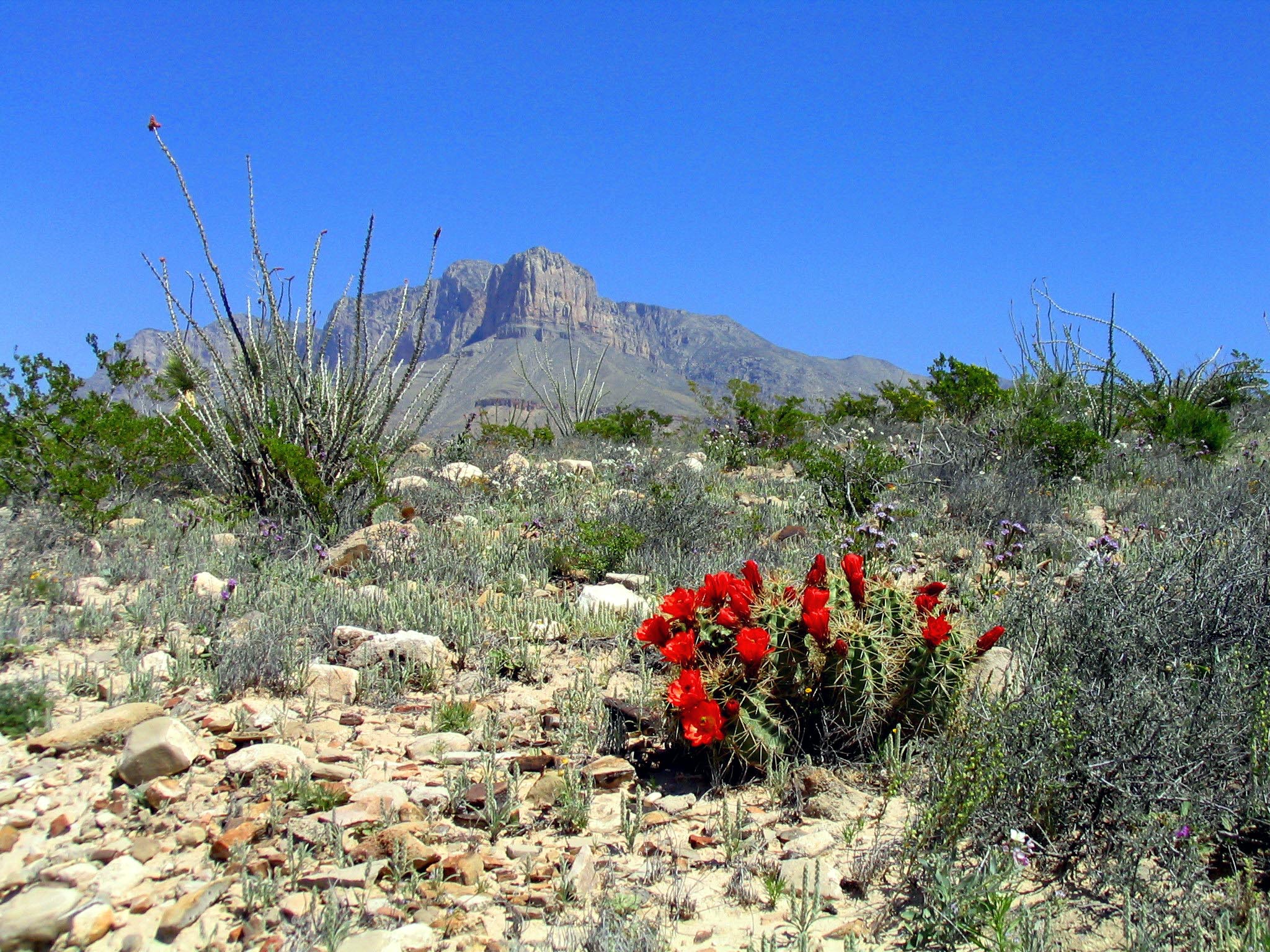
Guadalupe Mountains National Park Weather: Weather
Guadalupe Mountains National Park: weather guide guide updated 2026. Practical visitor information, reservations, and seasonal tips worth bookmarking before
Best Of
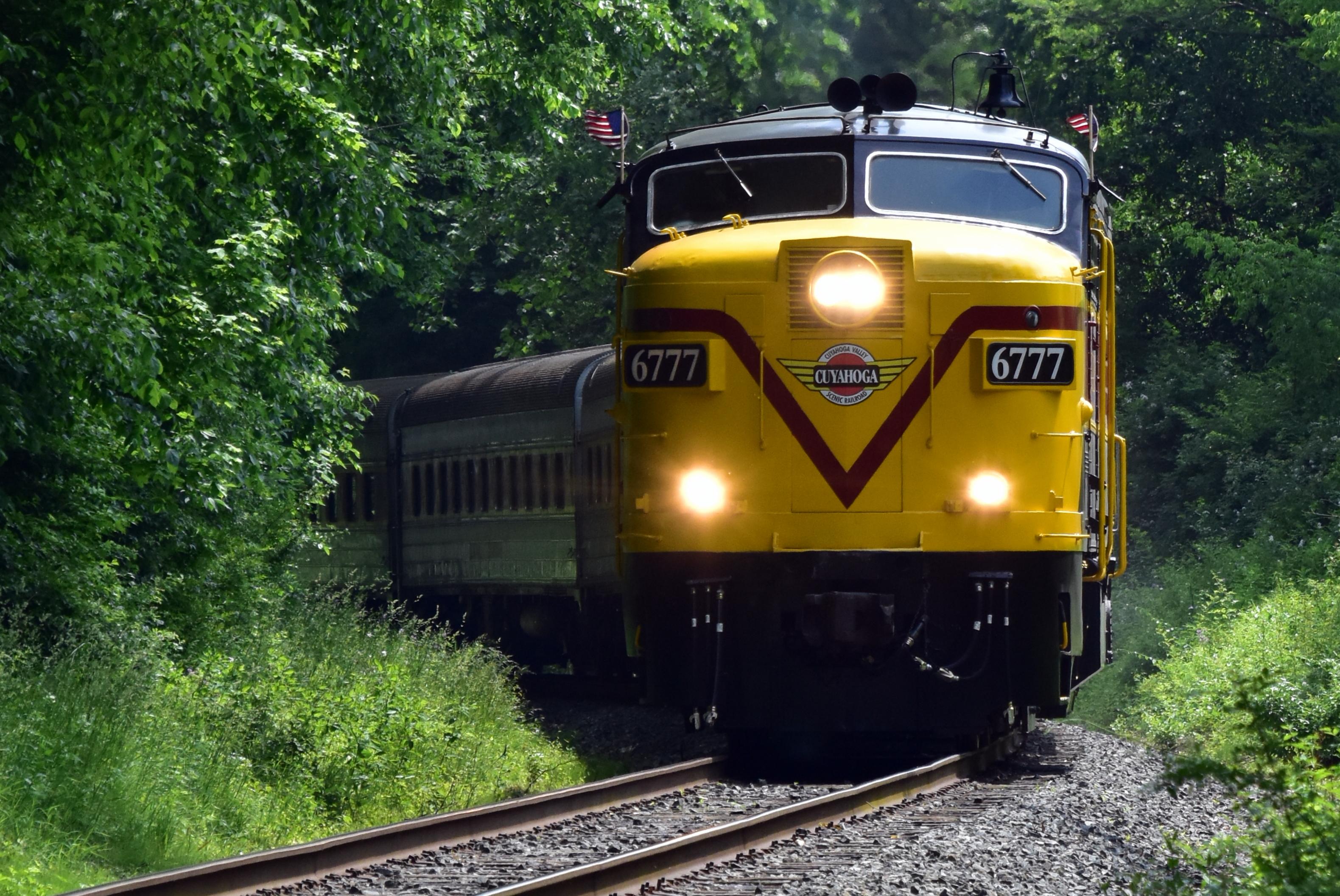
Best of Cuyahoga Valley National Park: Best Things to Do
Seeing a Cleveland Orchestra concert with the woods as your backdrop is a uniquely Cuyahoga Valley experience.
Sign in to join the conversation.
Sources & Attribution
Location data courtesy of the National Park Service (U.S. Department of the Interior). NPS data is public domain. Official NPS page.
Images: NPS; NPS; NPS; NPS; NPS.
Map data © OpenStreetMap contributors.
Park operations alerts: NPS.gov · Weather and weather hazards: National Weather Service · Live conditions.
Information may change. Always verify fees, hours, and conditions directly with the official source before visiting.
Did this guide help? Share it with a friend.