For more, see hiking trails.
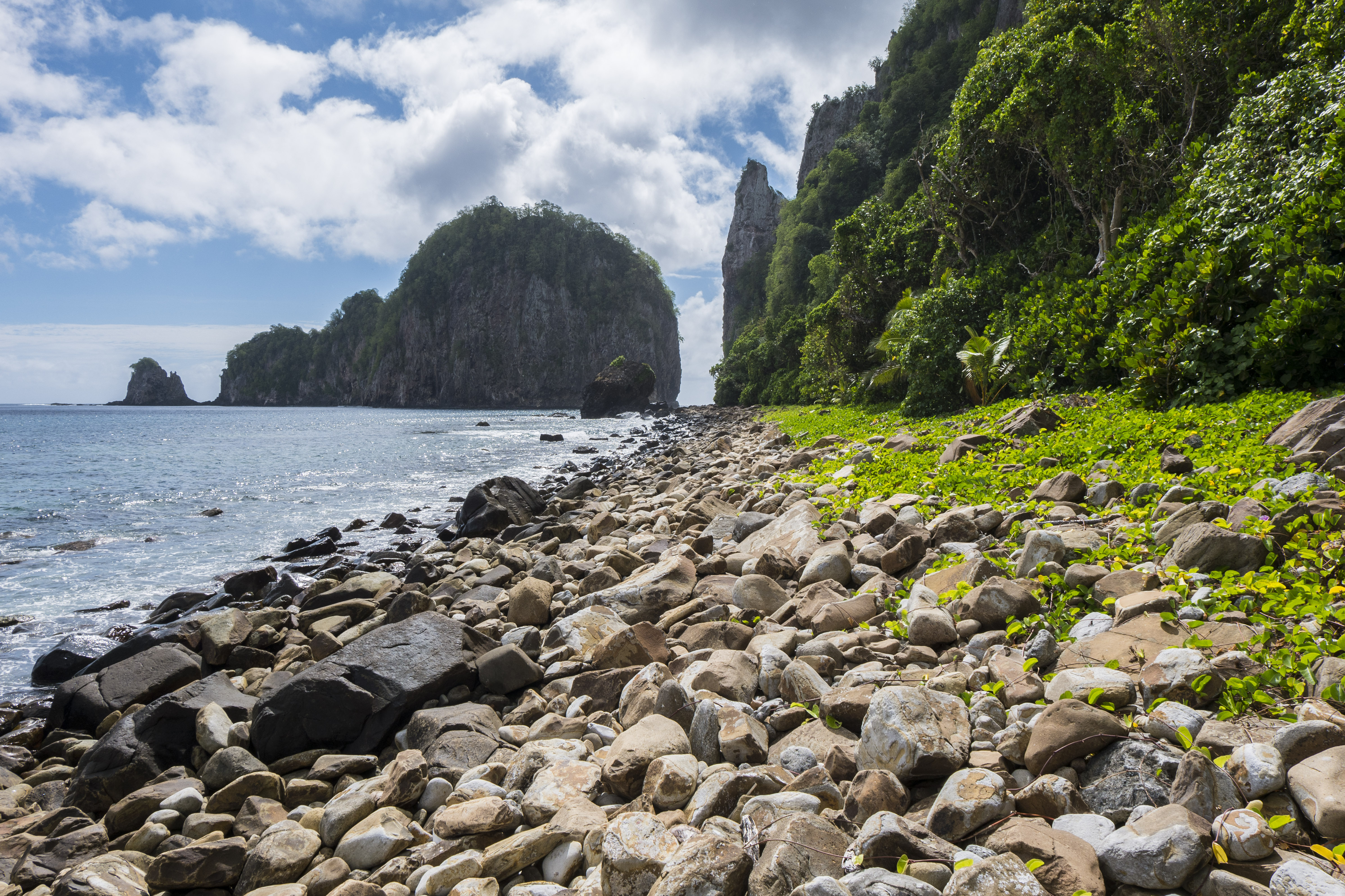
NPS via NPS.gov (Public Domain)
National Park of American Samoa: America's South Pacific Paradise - 2026 Guide
7 min read
Park Guide
The National Park of American Samoa holds a unique distinction as the only U. The National Park of American Samoa resists the checklist tourism of most parks.
Your plans
This article contains affiliate links — we may earn a small commission at no extra cost to you.
At a glance
Hours
* The National Park of American Samoa is open 24-hours per day, year round, including holidays. Howe
Best Time
June-September (summer), September-October (fall colors)
Address
National Park of American Samoa, Pago Pago, AS, 96799
Website
-14.2287, -169.8504
Google MapsIntroduction
The National Park of American Samoa holds a unique distinction as the only U.S. national park south of the equator, operating under a 50-year lease with local villages rather than land ownership. This arrangement fundamentally shapes the visitor experience—you won't find the typical park infrastructure here. Instead, you'll encounter rainforests, mountains, and coral reefs integrated across ten villages on three islands. Visiting requires understanding cultural protocols more than following trail markers. The park never closes, has no entrance fee, and as of 2026, doesn't require reservations. But arriving without proper preparation means you'll miss what makes this place significant.

The Lay of the Land: Three Islands, One Park
Most visitors arrive on Tutuila, where Pago Pago and the park visitor center are located. That's where straightforward logistics end. The park spans sections of Tutuila, the remote volcanic island of Ta'u, and Ofu Island with its renowned beaches. No roads or bridges connect these islands—travel between them depends on small planes or boats, and always on weather conditions.
The visitor center is in Pago Pago, across from the Pago Way Service Station. It's open weekdays from 8:00 AM to 3:00 PM, closed weekends and federal holidays unless a cruise ship is in port. Rangers here emphasize that this should be your first stop. They don't just hand out maps; they provide context. They'll explain which trails are open, the current weather outlook for the mountains, and the cultural protocols you're expected to follow in each village. The park store here is your most reliable spot for books and souvenirs.
On Tutuila, the park units are in the villages of Vatia, Pago Pago itself, Fagasa, and Afono. Each offers a different slice of the ecosystem: coastal walk, steep mountain climb, or rainforest trek. Ta'u Island holds the park's most significant archaeological sites and the towering Lata Mountain. Ofu Island is the crown jewel for many, with a coral sand beach and reef that are part of the park, accessible from the villages of Ofu and Olosega. The park's fragmentation means you must plan not just what to see, but how to get there. Cell service is unreliable outside Pago Pago, and rental car options are limited.

Navigating Climate and Culture
The weather data tells a straightforward story: warm to hot year-round, high humidity, and frequent rain. The numbers are more revealing. Annual rainfall ranges from 125 inches in drier coastal spots to 300 inches in the mountain peaks. A shower can last three minutes or three days. The wet summer season runs from October through May, with a higher chance of tropical storms. The slightly cooler, drier season is June through September. Rangers will tell you there is no bad time to visit, only different kinds of wet. The forest is lush because it rains. The waterfalls flow because it rains. You will get wet.
Packing extra water is a given, but packing a quick-dry towel and a waterproof bag for your electronics is just as critical. Footwear with serious traction is non-negotiable for the muddy, root-tangled trails. The humidity has a physical weight to it that most first-time visitors underestimate. Hiking pace slows considerably.
More important than the climate is the cultural climate. This is a living, inhabited park. Trails often cross village land, pass near homes, and lead to beaches used by local families. The park service recommends a few universal courtesies: always ask permission before entering a fale (a traditional open-sided house), never walk through a village while wearing only swimwear, and speak softly. It's not a wilderness solitude experience; it's a visit to someone's backyard, farm, and fishing ground. The gift of this arrangement is authentic access. The responsibility is to act like a respectful guest.

What You Actually Do Here
The list of official activities is long - hiking, snorkeling, birdwatching, diving, volunteering - but the execution is specific. This isn't a park of paved overlooks and shuttle buses.
Hiking and Trekking
The hiking trails range from the paved, accessible Lower Sauma Ridge Trail to the strenuous Mount Alava Adventure Trail. The most famous, the Tuafanua Trail to Vatia Village, drops 1,100 feet in 1.5 miles through dense rainforest to a secluded beach. The descent is the easy part. The climb back up is a humid, muscle-burning endeavor that makes every hiker pause. The trail narrows here, with roots as thick as your arm creating natural steps. Early morning is your best bet for cooler temperatures and clearer views before the afternoon clouds roll in. For detailed route descriptions and current conditions, check our dedicated guide to the park's hiking trails.
In the Water
The snorkeling and SCUBA diving are world-class, but access is everything. Some of the best coral reefs are directly offshore from park units, like the ones fronting the Ofu beach. You'll see more fish species in an hour here than in a year of aquarium visits. The water is bath-warm. Remember, coral is a living animal. Standing on it kills it. Rangers at the visitor center can point you to the healthiest reef areas and may know of local guides who can take you to the best spots. For structured excursions, look into the available tours and guided experiences.
Cultural Immersion
This is the activity not listed on any sign but embedded in every interaction. The park protects not just natural resources but fa'asamoa - the Samoan way of life. Attend a fiafia night if one is offered, where you might see traditional dance and music. Visit the community-run museum exhibits. The park store sells locally made crafts. This cultural layer is what separates a trip to a tropical island from a visit to this specific national park. It's the difference between seeing a place and understanding it.

Logistics: The Nitty-Gritty Details
Most visitors underestimate the logistics. There is no park-operated lodging or campgrounds within the park boundaries. Your lodging and accommodations will be in local guesthouses, small hotels, or homestays in the villages. Booking ahead is essential, especially on Ofu and Ta'u where options are extremely limited. Some visitors find the camping options available through local guides or village permissions, but there is no designated NPS campground.
Getting to Ta'u or Ofu requires a flight on a small inter-island plane from Tutuila. These flights are weight-restricted, frequently delayed by weather, and can be fully booked weeks in advance. Confirm your return flight the moment you land. Boat charters are possible but less predictable.
The park being fee-free is a blessing, but your budget will go toward inter-island flights, local transport (rental cars are scarce, taxis are available), and guides. Hiring a local guide for hikes is not mandatory, but it's a profound courtesy. They provide safety, cultural translation, and stories you won't get from a trailhead sign. It also directly supports the community hosting the park.
For wildlife viewing, bring binoculars. The park is a sanctuary for flying foxes (fruit bats), which you'll see silhouetted against the sunset. The coral reefs teem with tropical fish, sea turtles, and, in season, humpback whales. The birdwatching is exceptional, with several species found nowhere else on earth. Our focused guide on wildlife viewing in the park dives deeper into what you might see and when.
Practical Takeaways
- Start at the Visitor Center. Go when it opens at 8 AM. Get the latest trail conditions, weather forecast, and cultural advice from the rangers. Their knowledge is your most valuable resource.
- Plan Your Islands. Decide if you're visiting just Tutuila or attempting Ta'u/Ofu. Book inter-island flights and lodging months in advance. Assume everything will cost more and take longer than you think.
- Pack for Wet and Mud. Waterproof hiking shoes with aggressive tread, quick-dry clothing, a rain shell, waterproof bags for gear, and multiple pairs of socks. The trail surface changes from packed dirt to slick roots without warning.
- Respect is the First Rule. Dress modestly in villages. Ask permission before taking photos of people or fale. Speak quietly. You are a guest. Act like one.
- Hydrate Relentlessly. The heat and humidity are deceptively draining. Carry more water than you think you need on any hike. There are no water fountains on the trails.
- Verify the Season. The drier window of June through September offers more reliable hiking weather. If you visit during the wet season (October-May), build flexibility into your schedule for rain delays. Check our guide on the best time to visit for a full seasonal breakdown.
- Manage Money and Connectivity. Bring ample cash. Credit cards are not widely accepted outside major hotels. Cell service drops out at the trailhead for most hikes. Download offline maps and tell someone your plans.
Final Thoughts
The National Park of American Samoa resists the checklist tourism of most parks. You can't "do" it in a day. Its value isn't in ticking off scenic overlooks but in the slow absorption of a place - the smell of wet earth and frangipani, the sound of rainforest canopy dripping onto broad leaves, the feel of warm lagoon water over vibrant coral, and the generous spirit of the communities that call this place home. It's the most logistically challenging national park in the system, and for many, the most rewarding. Your preparation doesn't guarantee perfect weather or smooth travel, but it does open the door to an experience that gets under your skin. You leave understanding that the park isn't just a place on a map. It's an agreement, a relationship, and a rare kind of trust.
Recommended Gear
What experienced visitors bring to National Park of American Samoa: America's South Pacific Paradise - 2026 Guide
Links may earn us a commission at no extra cost to you. We only recommend gear we believe in.
Hiking Essentials
Hydration Pack (3L)
Hands-free water for long trail days
Trekking Poles (Pair)
Save your knees on steep descents
Hiking Boots (Ankle Support)
Sturdy footwear for rocky, uneven trails
Sun & Heat Protection
Wide-Brim Sun Hat
Full coverage UPF 50+ protection at altitude
Insulated Water Bottle (32oz)
Keeps water cold in desert heat all day
Winter Gear
Microspikes / Traction Devices
Essential for icy rim trails in winter months
Packable Down Jacket
Lightweight warmth that stuffs into a pocket
Sources
- Official source: NPS — National Park of American Samoa nps.gov/npsa/index.htm
Explore More National Parks

Hawaii Volcanoes National Park: Active Lava & Volcanic Landscapes - 2026 Guide
Complete guide to hawaii volcanoes national park. Everything you need to know, updated for 2026.

Haleakala National Park: Maui's Sacred Crater & Sunrise - 2026 Guide
Discover Maui's sacred Haleakala crater and world-famous sunrise views. Complete 2026 guide to Halea...

Channel Islands: How to Actually Get There & What to Do When You Arrive (2026)
Discover California's Galapagos — island foxes and marine wilderness. Complete 2026 guide to Channel...

Pinnacles National Park: Condors, Caves & Volcanic Spires - 2026 Guide
Discover California condors, talus caves, and volcanic spire formations. Complete 2026 guide to Pinn...
Photo Gallery
More to Explore
Park Guide
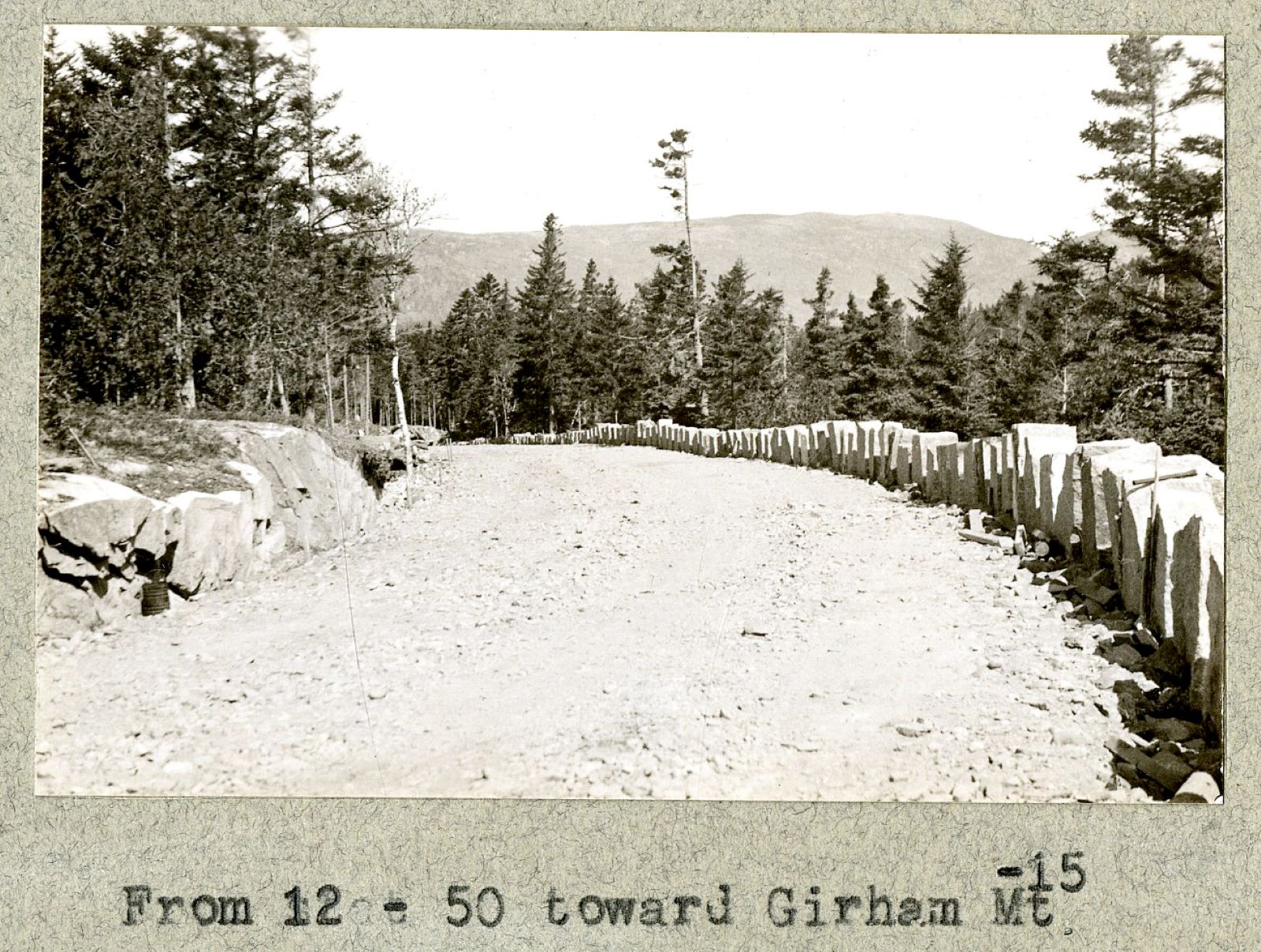
Acadia National Park: Carriage Roads, Cadillac Mountain & 2026 Guide
Discover carriage roads, Cadillac Mountain, and rugged Maine coast. Complete 2026 guide to Acadia National Park — trails, fees, lodging, permits, and what rangers recommend.
Hiking Guide
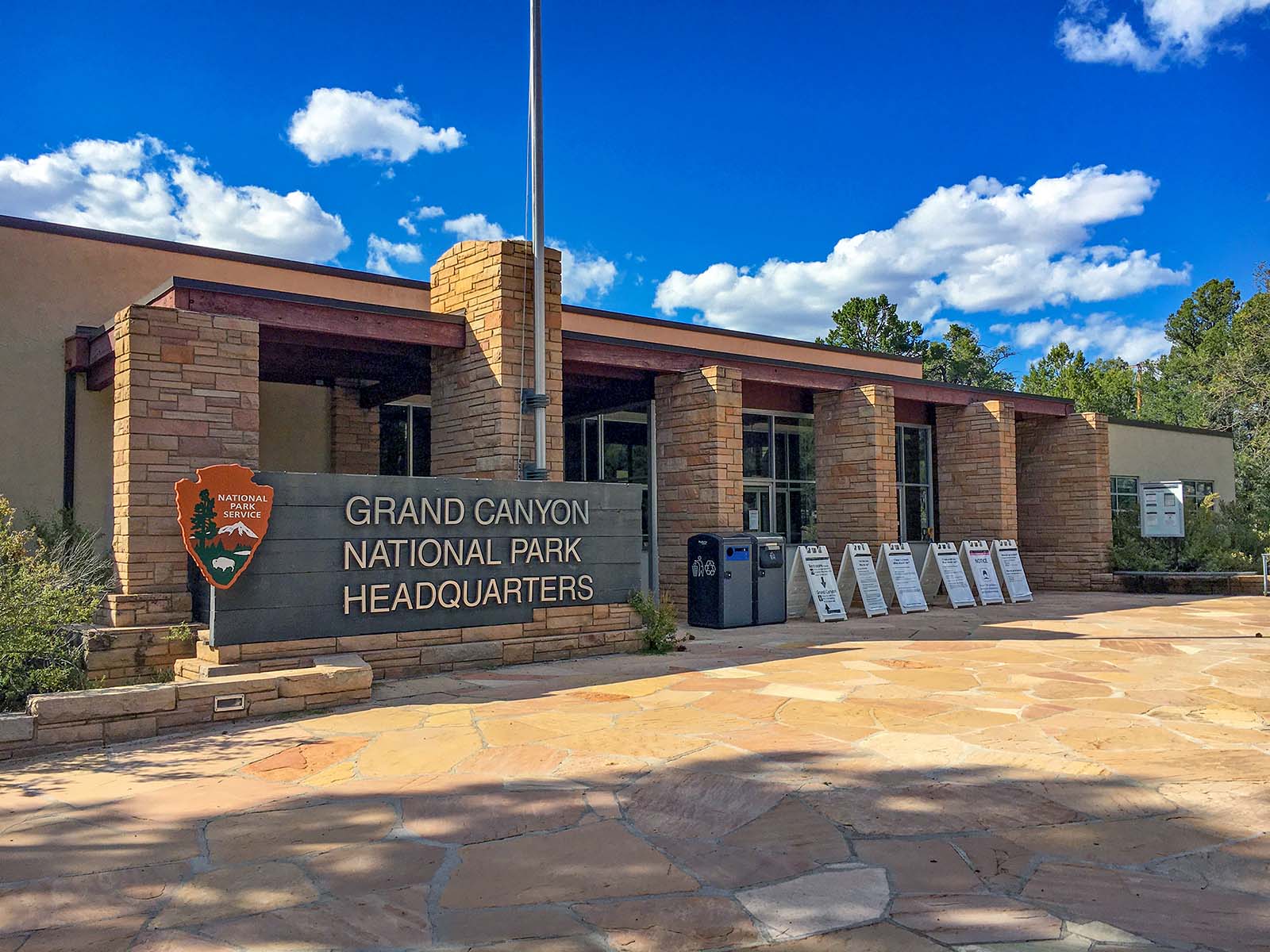
Grand Canyon Hiking Trails: Day Hikes, Water Sources & Rim to Rim
Compare Grand Canyon hiking trails: Bright Angel, South Kaibab, Hermit, Grandview, and rim to rim, with distances, elevation, water stops, and trailhead access for each.
Best Of
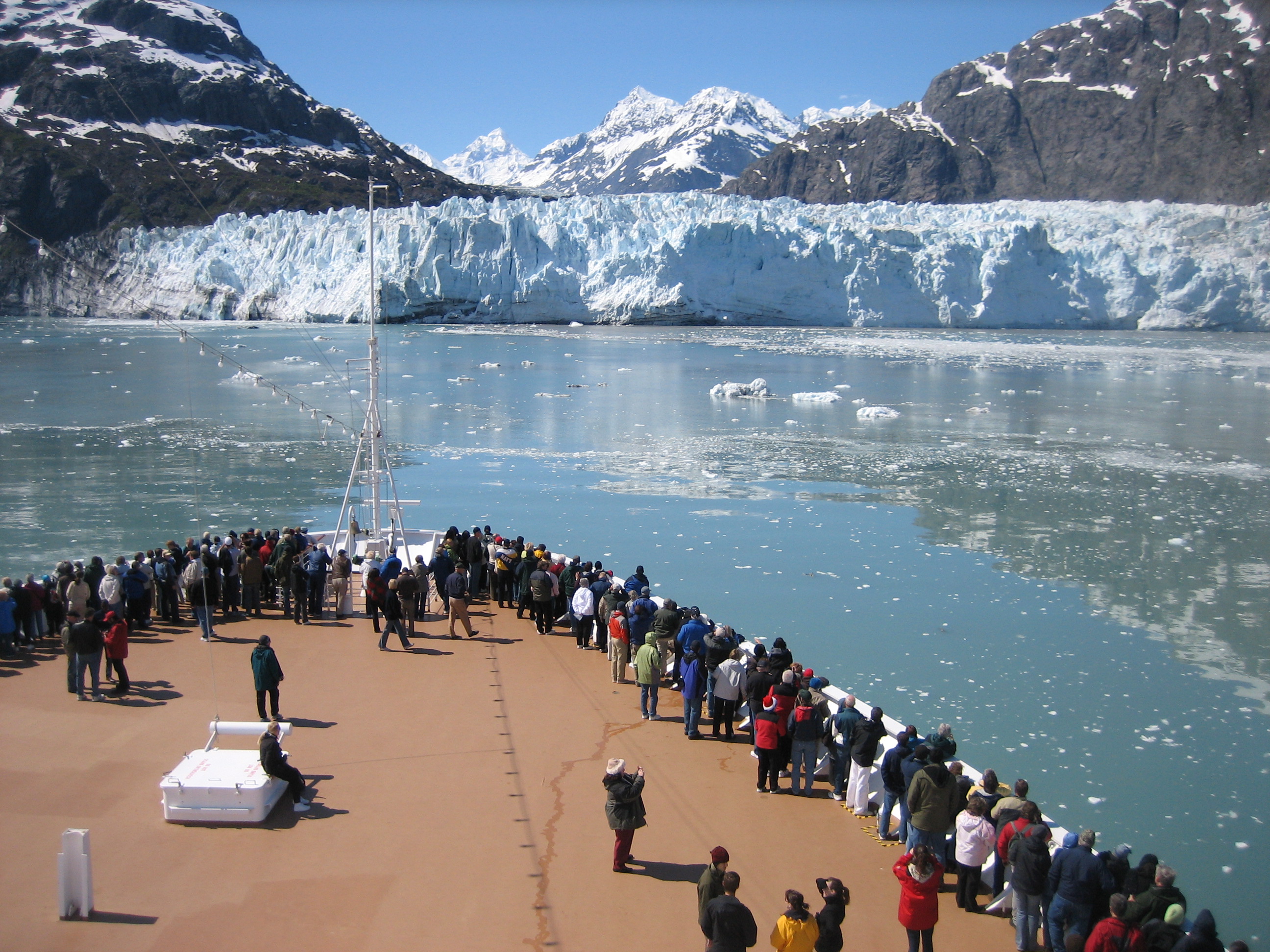
Best of Glacier Bay National Park
The best of Glacier Bay is reached by boat: ranger-led day tours up the bay to the tidewater glaciers. What's worth it, how to book, and when to go (2026).
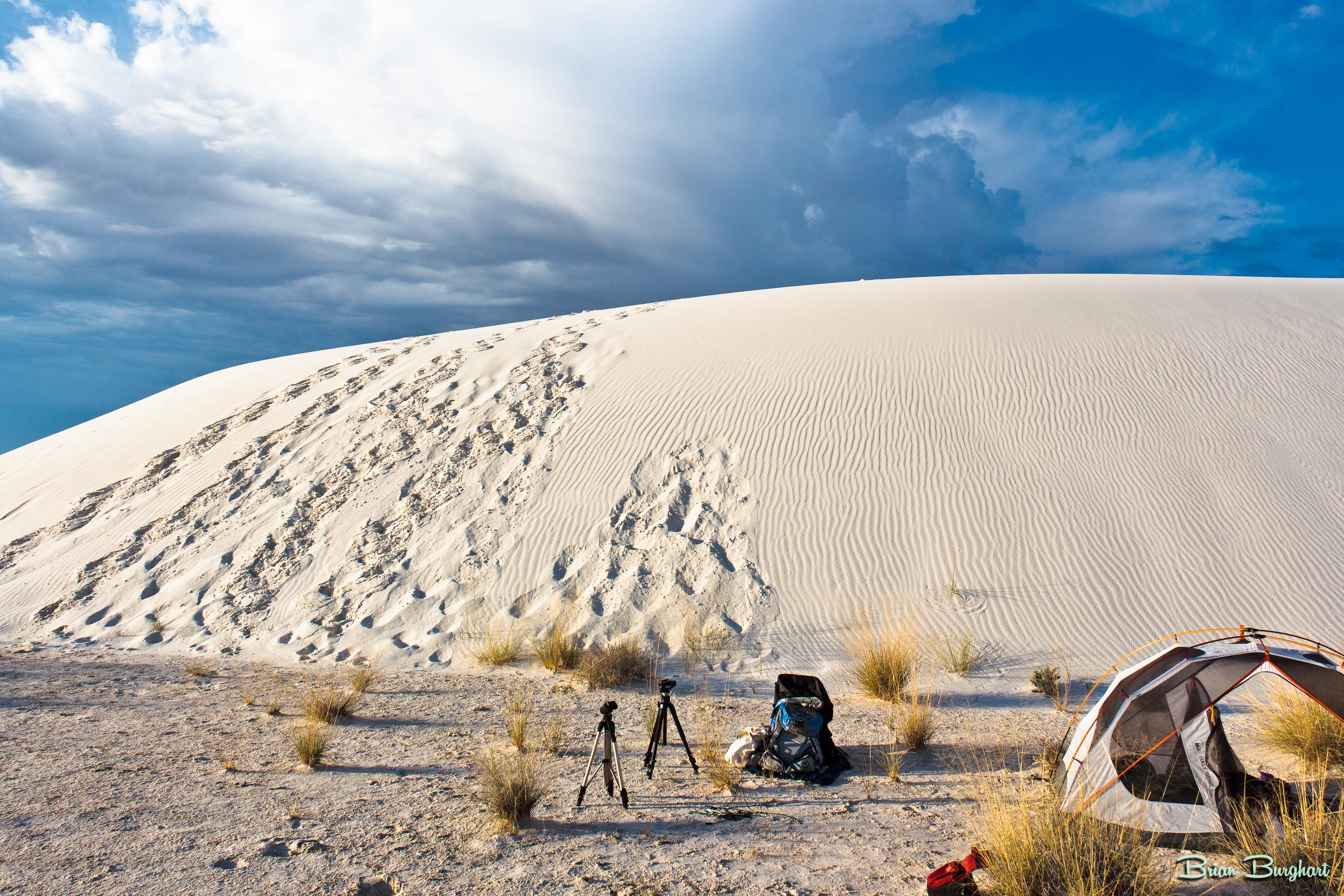
Campsite Guide
White Sands Backcountry Camping: Closed for 2026 — What to Know
As of 2026, backcountry camping at White Sands National Park is closed for site rehabilitation. What that means, and where to camp nearby instead.
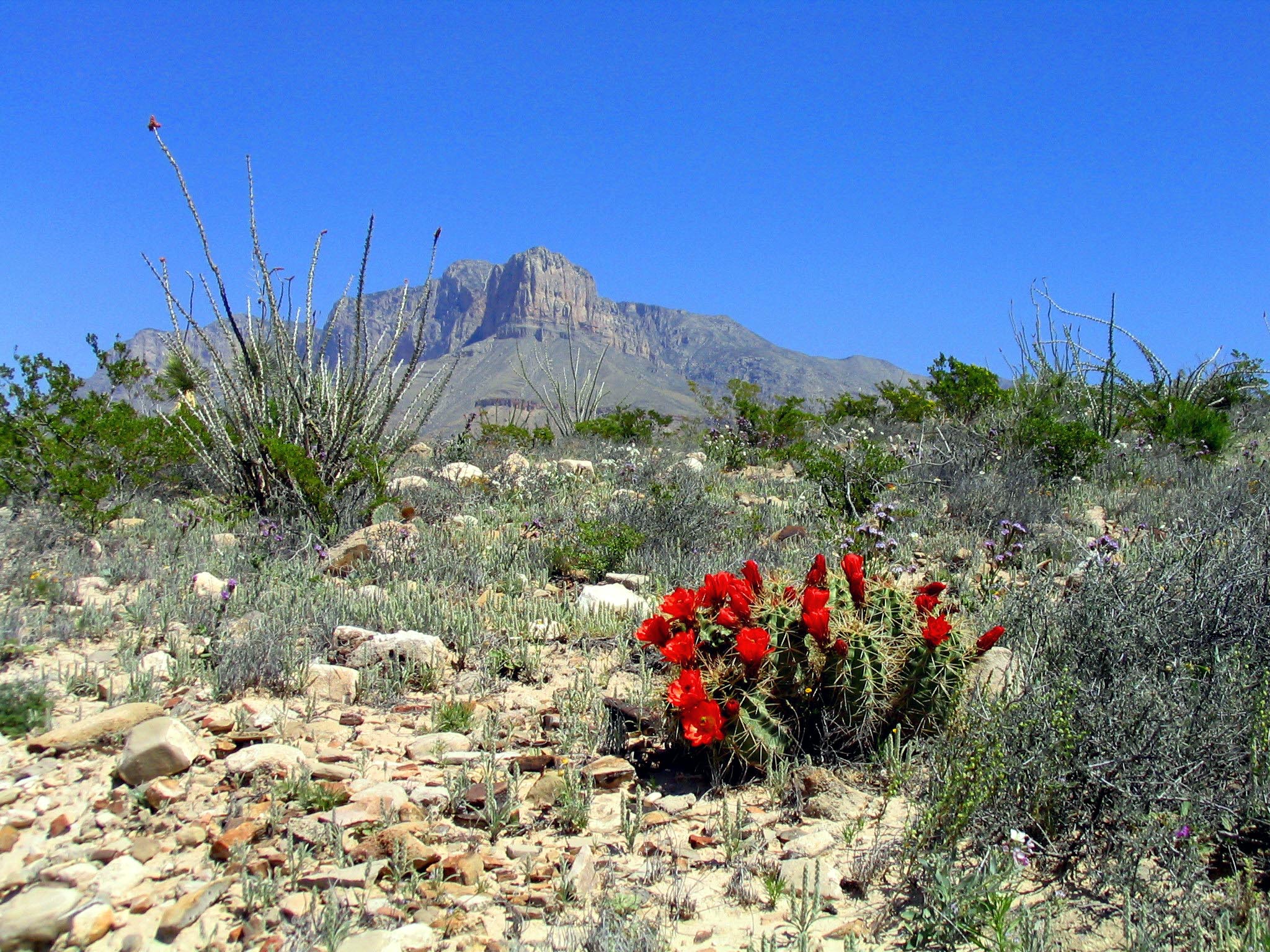
Weather Guide
Guadalupe Mountains National Park Weather: Weather
Guadalupe Mountains National Park: weather guide guide updated 2026. Practical visitor information, reservations, and seasonal tips worth bookmarking before
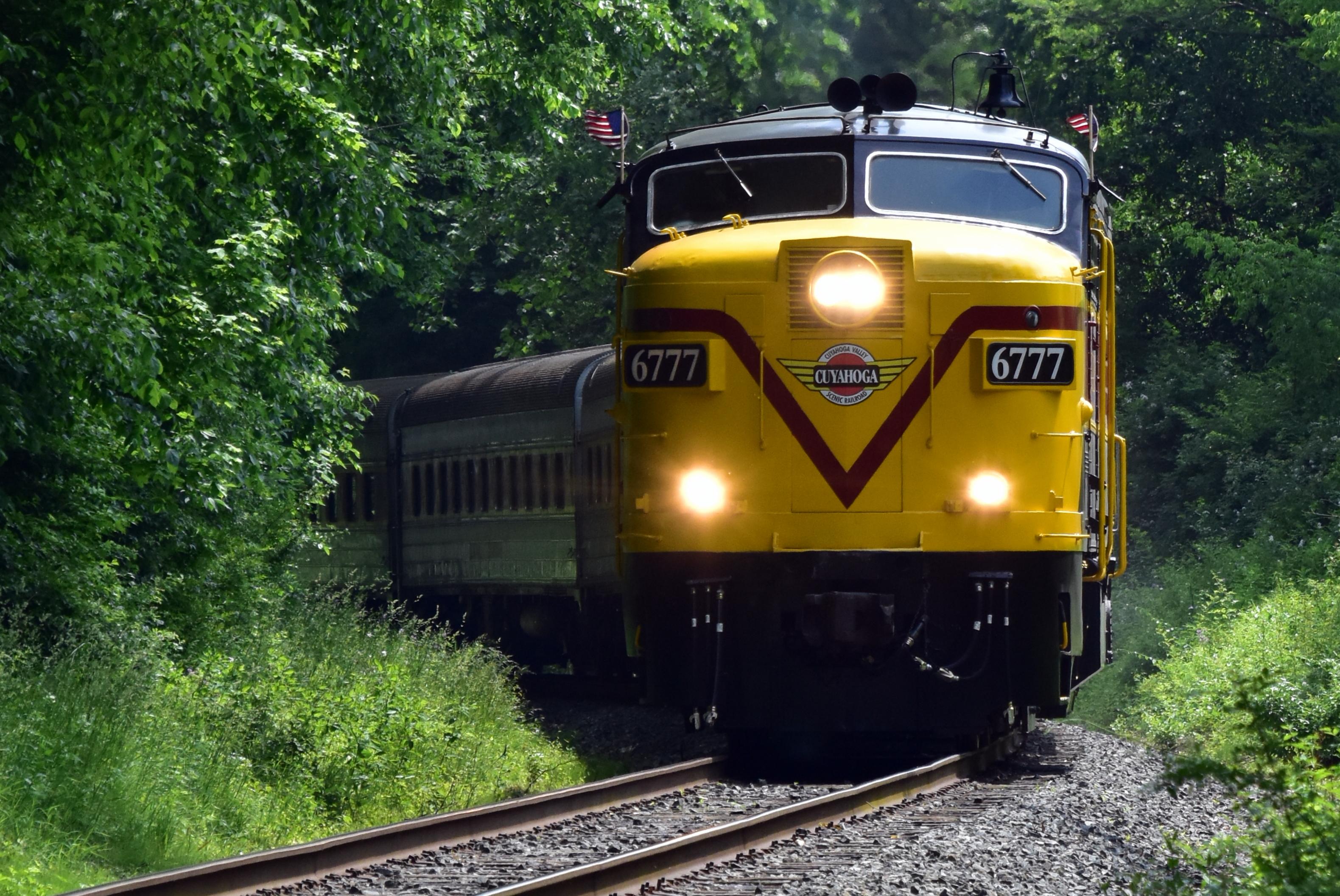
Best Of
Best of Cuyahoga Valley National Park: Best Things to Do
Seeing a Cleveland Orchestra concert with the woods as your backdrop is a uniquely Cuyahoga Valley experience.
Sign in to join the conversation.
Sources & Attribution
Location data courtesy of the National Park Service (U.S. Department of the Interior). NPS data is public domain. Official NPS page.
Images: NPS; NPS; NPS; NPS; Photo by Sharefaith on Pexels. Stock photos from Pexels / Unsplash license; links above point to each photo where available.
Map data © OpenStreetMap contributors.
Park operations alerts: NPS.gov · Weather and weather hazards: National Weather Service · Live conditions.
Information may change. Always verify fees, hours, and conditions directly with the official source before visiting.
Did this guide help? Share it with a friend.