After twenty years in these islands, I can tell you the critical factor isn't temperature or humidity—it's rainfall volume. Newcomers consistently underestimate how much water falls here, even in what passes for a dry season. You don't just check a morning forecast; you prepare for several distinct weather patterns to cycle through in an hour.
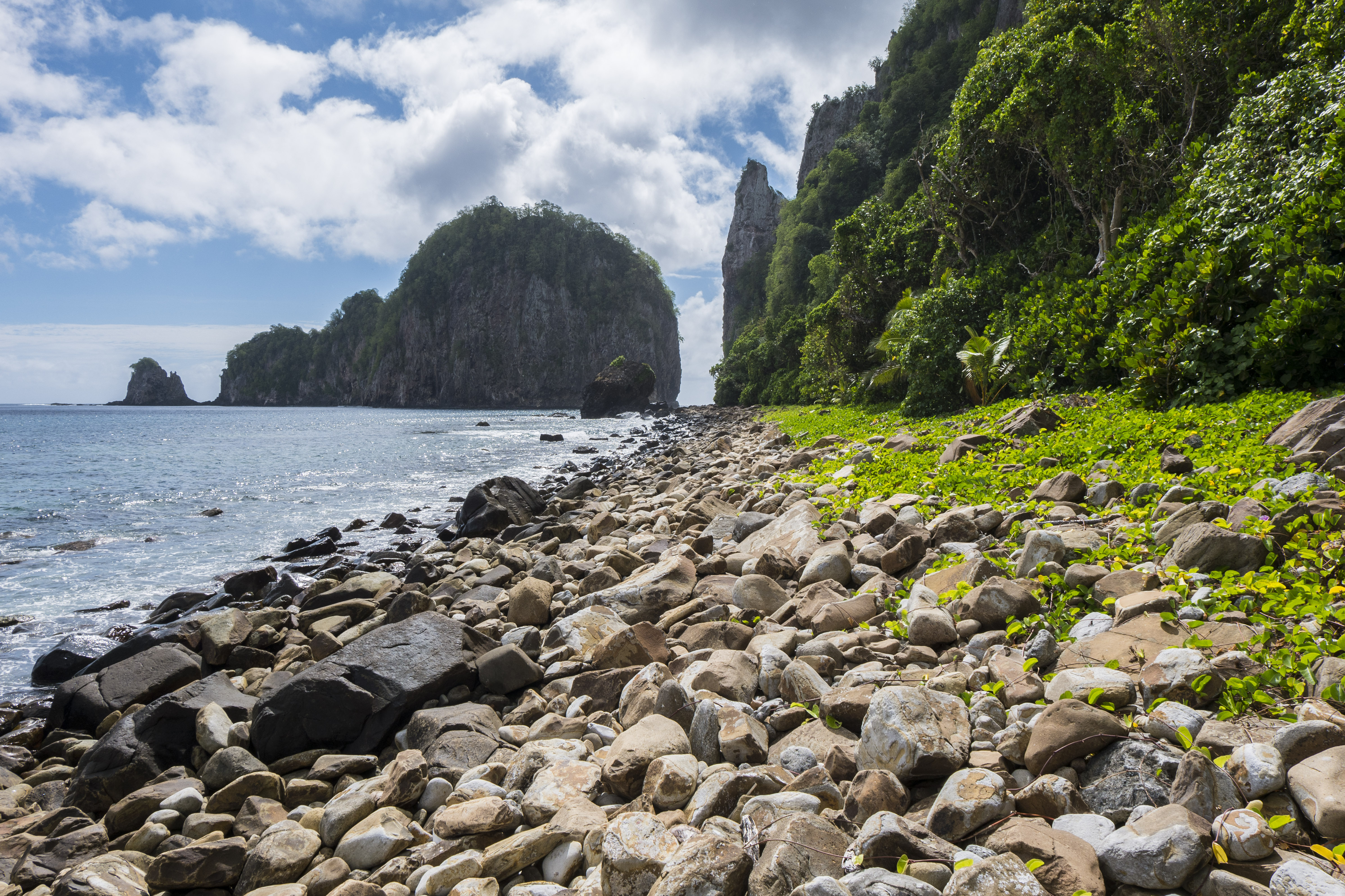
NPS via NPS.gov (Public Domain)
National Park of American Samoa Weather: 300-Inch Rain
7 min read
Weather Guide
Plan for intense rain, not just heat. The 2026 guide to National Park of American Samoa weather covers three islands' surprising microclimates.
The Weather Reality
The official forecast for Pago Pago will tell you it's 85 degrees and humid with a chance of showers. What it won't tell you is that the park spans three islands with microclimates that can vary dramatically. The windward slopes of Tutuila's mountains can receive over 300 inches of rain a year - that's 25 feet of water. The leeward coasts might see a comparatively modest 125 inches. A sunny morning in Fagasa can turn into a torrential downpour in the Vatia valley twenty minutes later, with trails turning into slick, muddy streams.
The ocean's presence is unceasing. Year-round, the air carries that thick, salt-laden warmth. Don't expect relief at higher elevations—even the peaks sit under the same humid blanket, frequently cloud-covered as moisture condenses over the rainforest. We rangers have a saying: there's no such thing as a dry hike here. You'll be wet from precipitation or perspiration; your task is handling it effectively.
Month by Month
Disregard temperate-zone seasonal thinking. This park follows a two-phase pattern: the extended wet period from October to May, and the somewhat cooler, less rainy window from June through September. Remember—"drier" here is purely relative. These are tropical islands.
October - May: The Wet Season
This is the long, hot, and profoundly wet period. Tropical storms are more prevalent, though full-blown cyclones are less common.
* Temperatures: Highs consistently in the upper 80s to low 90s (°F). Lows rarely dip below 75. The humidity makes it feel several degrees hotter.
* Precipitation: Frequent, heavy, and unpredictable. Downpours can last all day or be brief but intense. This is when the mountains earn their 300-inch rainfall tally. Flash flooding in low-lying areas and trail washes are possible.
* What's Open: The park is open 24/7, but trail conditions can change rapidly. As of 2026, check for alerts like the Alava Trail closure. The visitor center in Pago Pago keeps weekday hours.
* Crowd Level: Lower. Cruise ship traffic fluctuates, but independent travel is less common during this rainier period.
* Wildlife: Forest birds are active, and fruit bats (flying foxes) are often seen at dawn and dusk. Reef activity is vibrant, but water visibility for snorkeling can be reduced after heavy rains due to runoff.
* Trail Conditions: Expect mud. Deep, slippery, shoe-sucking mud on any forested trail. Roots become slick as ice. Stream crossings will be higher and faster.
* Worth Considering For: Lush, vibrant greenery, powerful waterfalls, and having trails largely to yourself. The rainforest is at its most dramatic.
* Challenging For: Extended hiking, staying dry, and reliable visibility for photography or snorkeling.
June - September: The Drier Season
This is the window most visitors target, and for good reason. The trade winds pick up, offering some relief.
* Temperatures: Slightly cooler, with highs in the mid-80s. Nights might drop to a more comfortable low 70s. The humidity, while still high, feels less oppressive.
* Precipitation: Showers are more likely to be brief and intermittent. You'll still get rain, but you're also more likely to have stretches of clear, sunny weather. It's the best bet for predictable outdoor time.
* What's Open: Everything is operational, but always verify current trail statuses at the visitor center.
* Crowd Level: Higher. This is the peak visitation period, coinciding with the Northern Hemisphere summer. Cruise ship days in Pago Pago Harbor will make the visitor center and popular trailheads busier.
* Wildlife: Excellent birdwatching. Calmer seas and clearer runoff make for prime snorkeling and SCUBA diving conditions on Ofu and Ta'u islands.
* Trail Conditions: The best you'll get. Trails will still be damp and have muddy sections, but they are generally more passable. Erosion from the wet season may be evident.
* Worth Considering For: Hiking, beach time, snorkeling, and cultural activities. It's the most reliable window for multi-day itineraries.
* Challenging For: Finding solitude on popular paths and securing last-minute accommodations.

Best Times for Specific Activities
Your ideal month depends entirely on what you want to do. The national park of American Samoa demands activity-specific timing.
* Hiking the High Country (Tutuila): Aim for July, August, or early September. The trails up to ridges like the closed Alava Trail area will have the least cloud cover and the muddiest sections will be somewhat tamed. Early morning starts are still essential to beat the heat and potential afternoon showers.
* Snorkeling & Diving: The clear winner is the dry season, particularly August and September. Ocean conditions are calmer, and minimal runoff means visibility on the coral reefs around Ofu Island can exceed 100 feet. This is non-negotiable for serious underwater exploration.
* Wildlife Viewing:
* Fruit Bats (Flying Foxes): Year-round at dawn and dusk, but easier to spot against clearer skies in the dry season.
* Whales: Humpback whales migrate through Samoan waters between July and October, with peak sightings often in August and September. Look for spouts and breaches from coastal overlooks.
* Sea Turtles: Green and hawksbill turtles are present year-round, commonly seen while snorkeling.
* Cultural Immersion & Village Visits: The drier months are more comfortable for exploring villages and attending cultural demonstrations. Remember to dress respectfully and seek permission before entering private property or photographing people.
* Photography: For landscape shots with blue skies, stick to the dry season. For moody, dramatic shots of rainforests and waterfalls in full force, the wet season provides atmosphere, but you'll battle lens condensation and rain covers.
What to Pack by Season
Throw out your standard national park packing list. This is a tropical marine environment.
For All Visits (Year-Round):
* Footwear: Sturdy, broken-in hiking sandals with good tread (like Keens or Tevas) are often more practical than boots. They drain, dry quickly, and handle mud and stream crossings. Water shoes are essential for rocky shorelines and coral reefs.
* Rain Gear: A lightweight, packable rain jacket is mandatory. Umbrellas are useful in villages but useless on narrow, windy trails.
* Quick-Dry Clothing: Every item should be synthetic or merino wool. Cotton will stay wet and become a chafing hazard. Include a long-sleeve shirt for sun and bug protection.
* Sun Protection: Reef-safe sunscreen, a wide-brimmed hat, and UV-blocking sunglasses. The tropical sun is intense even on cloudy days.
* Hydration: A large, reusable water bottle or hydration bladder. You'll need to drink constantly. There are no water fountains on trails.
* Bag Protection: Heavy-duty Ziploc bags or a dry bag for your phone, wallet, and camera.
Dry Season (June-Sept) Additions:
* Extra sunscreen.
* A light layer for occasionally breezy evenings.
Wet Season (Oct-May) Additions:
* A second, complete change of clothes in a dry bag for after your hike.
* Trekking poles for stability on slick trails.
* Anti-chafe balm. Trust me on this one.
* Waterproof case or bag for any electronics you take on trail.

What the Forecast Doesn't Tell You
- The mud has a different consistency. It's not dirt-based; it's often clay-like or mixed with decaying vegetation, making it exceptionally slick. The trail narrows here, and your footing will be tested.
- "Partly cloudy" means a downpour is 15 minutes away. Weather moves fast over the islands. Don't be fooled by a patch of blue sky.
- Humidity ruins electronics faster than rain. Salt air and constant moisture can damage cameras and phones even if they never get wet. Keep silica gel packs in your gear bag.
- Stream crossings are not optional. Many trails cross multiple streams. Water levels can rise inches in minutes during a rainstorm upstream. Never attempt a crossing if the water is moving fast or is above your knees.
- The most dangerous sun is during light rain showers. Clouds diffuse UV rays, leading to severe sunburns on overcast days. Reapply sunscreen even when it's raining.
- Your sweat won't evaporate. The humidity is so high that your body's cooling mechanism fails. You'll soak your clothes from the inside out without feeling a cooling effect. This drastically increases your water needs.
- Cell service drops out at the trailhead. Do not rely on your phone for navigation or emergency communication on any park trail. Download offline maps and tell someone your plan.
Practical Takeaways
- Target June through September for your first visit. The national park of American Samoa weather is at its most manageable, offering the best odds for hiking, snorkeling, and cultural exploration. For a complete visitor guide beyond weather, see our complete visitor guide.
- Pack for two extremes: blistering sun and torrential rain. Every day. Quick-dry fabrics and waterproof bags are not suggestions; they are requirements.
- Plan your hiking for early mornings, always. The heat and humidity build quickly after 10 AM, and afternoon showers are a near-daily event regardless of the season.
- Water is your most critical resource. Drink before you're thirsty and carry more than you think you need. Dehydration and heat exhaustion are the most common visitor issues.
- Trail conditions are fluid. A path that was clear yesterday can be washed out or dangerously slick today. Check in at the Pago Pago visitor center for the latest updates before you head out, especially if you're planning on specific hiking trails.
- Respect the ocean and the rain. Riptides, sudden squalls, and flash floods are real hazards. Never turn your back on the sea, and never camp in a dry stream bed.
- Embrace the wet. You're visiting one of the rainiest national parks in the system. The relentless moisture is what creates the biodiversity and dramatic landscapes you came to see. Pack the right gear, adjust your expectations, and you'll discover a place that operates on a different, powerfully green rhythm.
Sources
- Official source: NPS — National Park of American Samoa nps.gov/npsa/index.htm
Photo Gallery
More to Explore
Park Guide
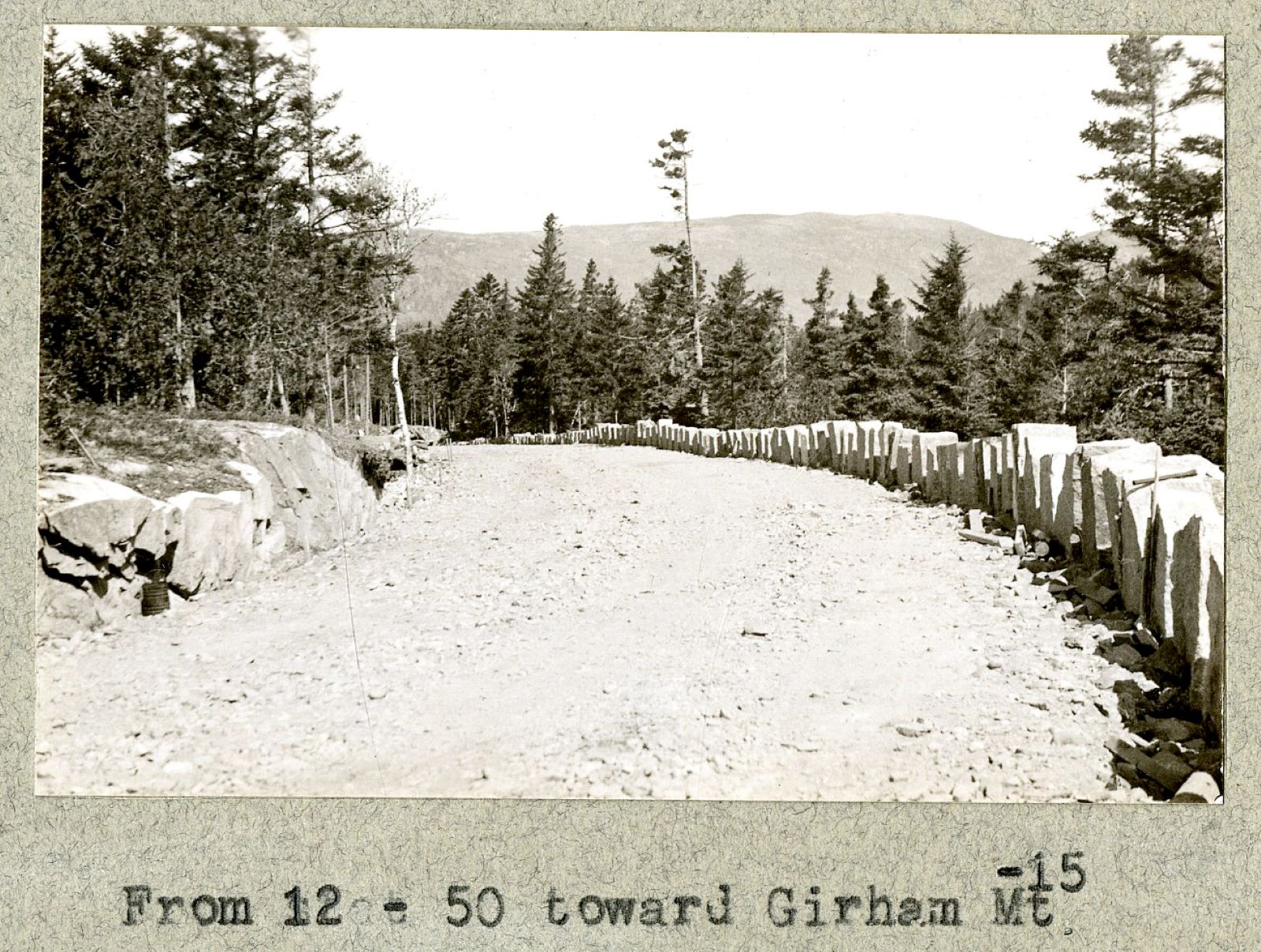
Acadia National Park: Carriage Roads, Cadillac Mountain & 2026 Guide
Discover carriage roads, Cadillac Mountain, and rugged Maine coast. Complete 2026 guide to Acadia National Park — trails, fees, lodging, permits, and what rangers recommend.
Hiking Guide
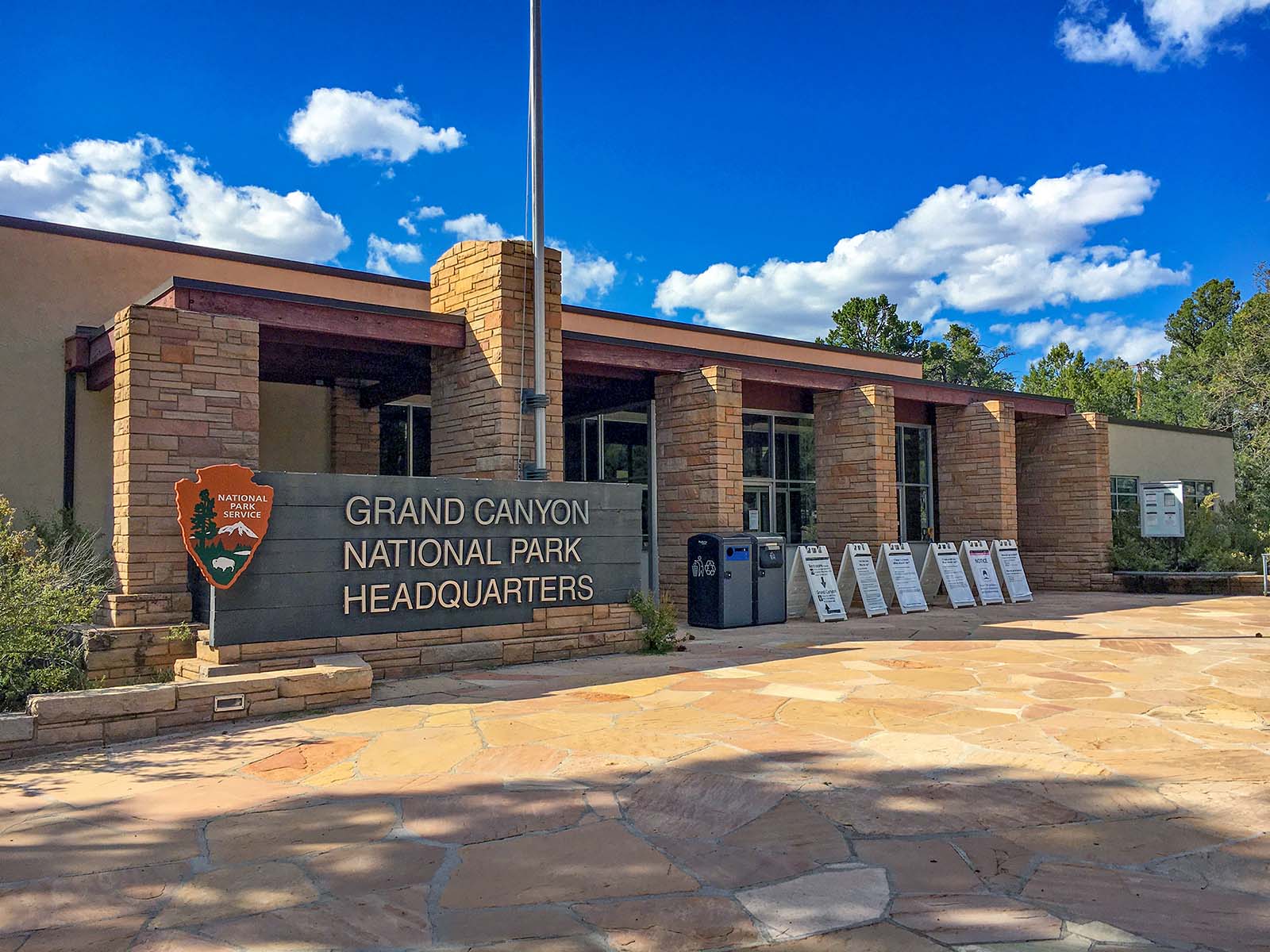
Grand Canyon Hiking Trails: Day Hikes, Water Sources & Rim to Rim
Compare Grand Canyon hiking trails: Bright Angel, South Kaibab, Hermit, Grandview, and rim to rim, with distances, elevation, water stops, and trailhead access for each.
Best Of
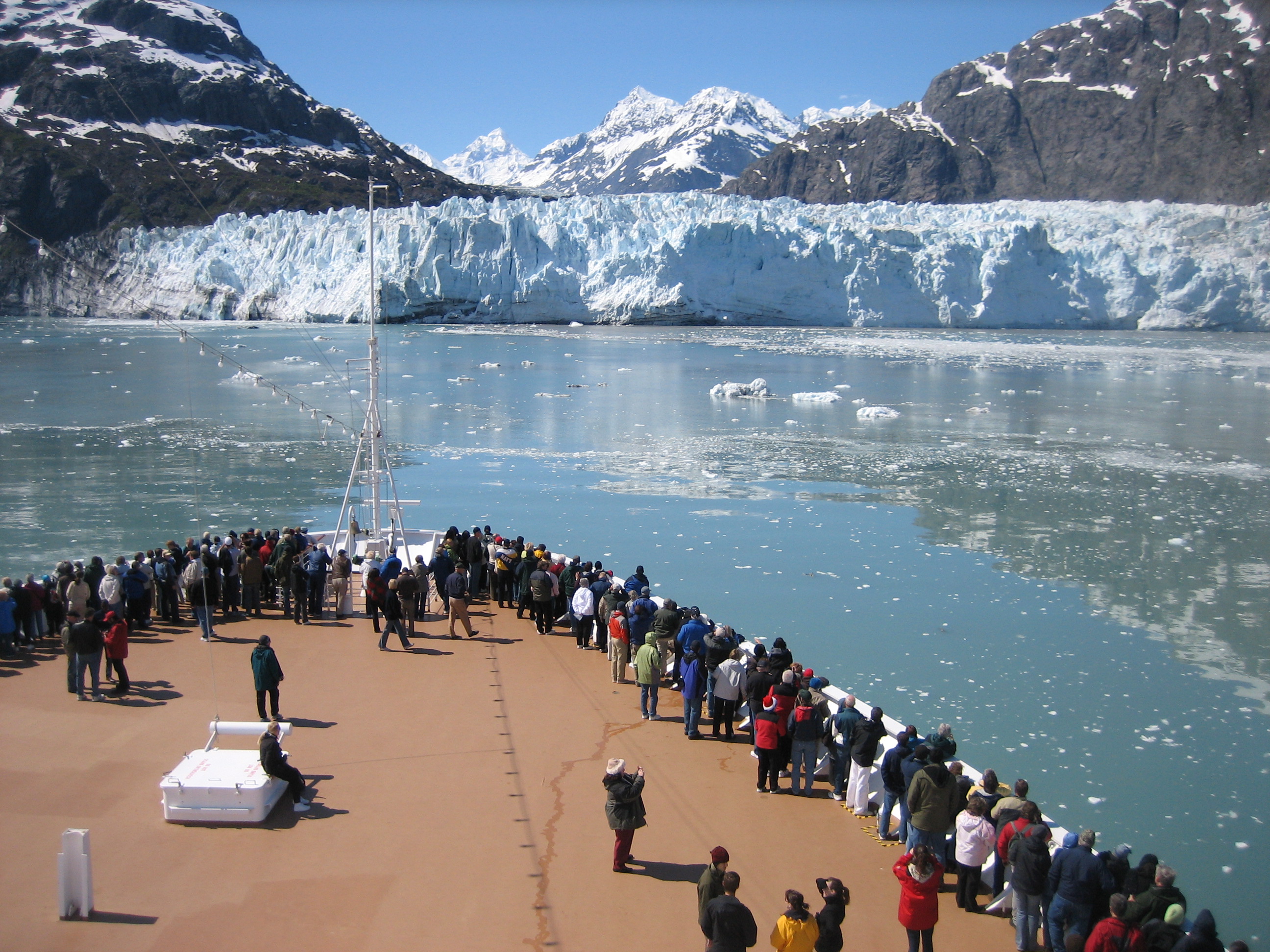
Best of Glacier Bay National Park
The best of Glacier Bay is reached by boat: ranger-led day tours up the bay to the tidewater glaciers. What's worth it, how to book, and when to go (2026).
Campsite Guide
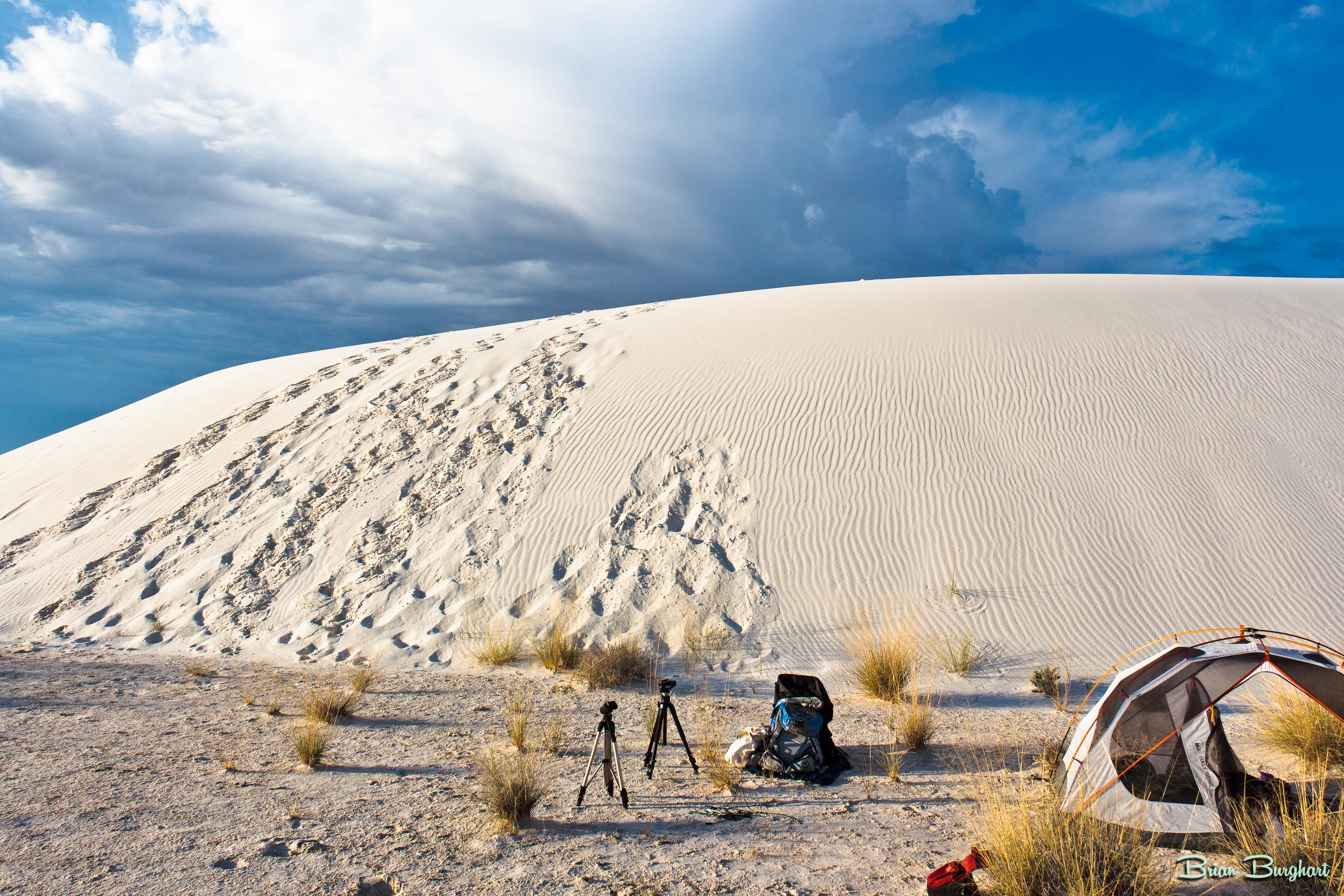
White Sands Backcountry Camping: Closed for 2026 — What to Know
As of 2026, backcountry camping at White Sands National Park is closed for site rehabilitation. What that means, and where to camp nearby instead.
Weather Guide
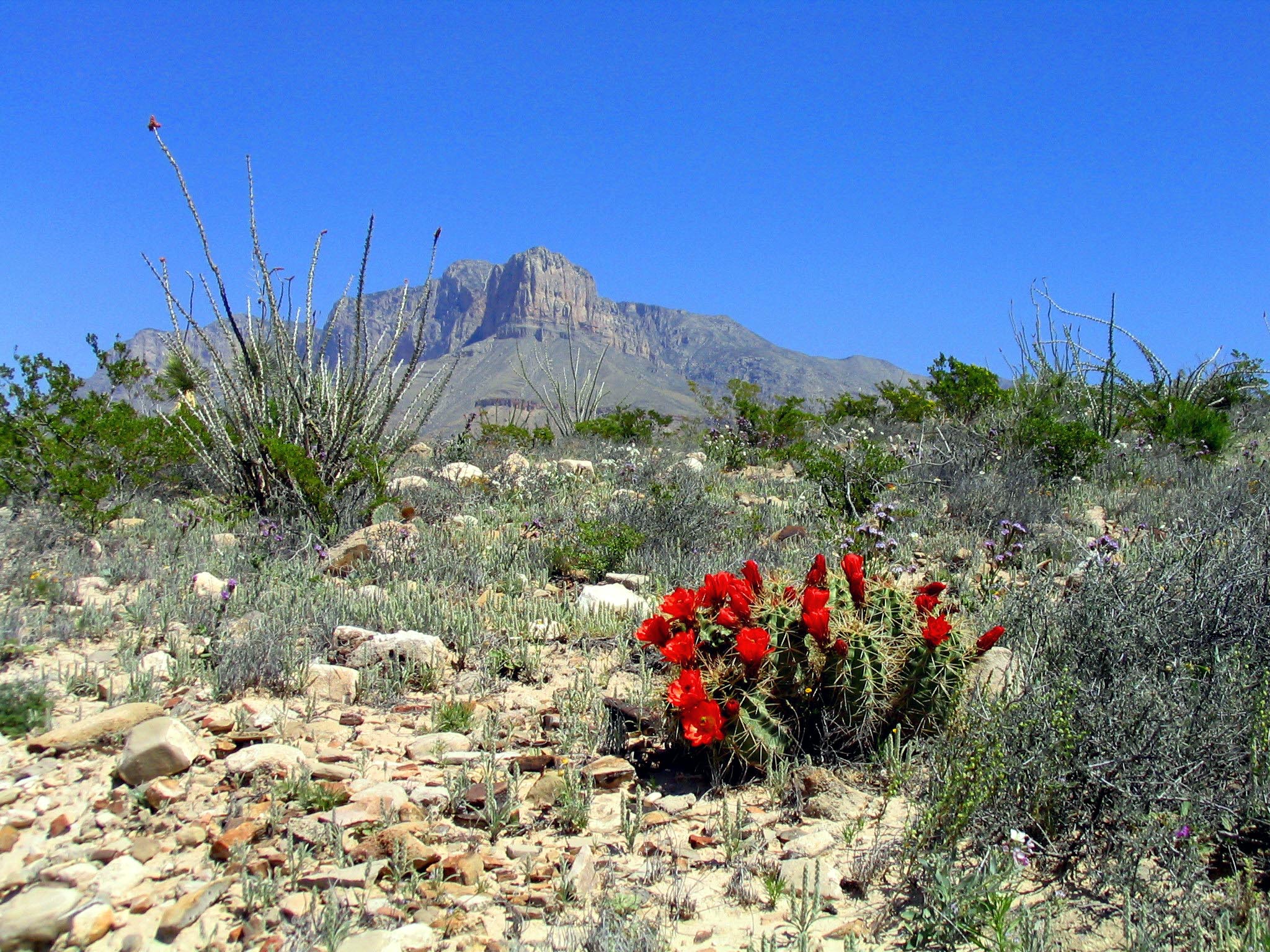
Guadalupe Mountains National Park Weather: Weather
Guadalupe Mountains National Park: weather guide guide updated 2026. Practical visitor information, reservations, and seasonal tips worth bookmarking before
Best Of
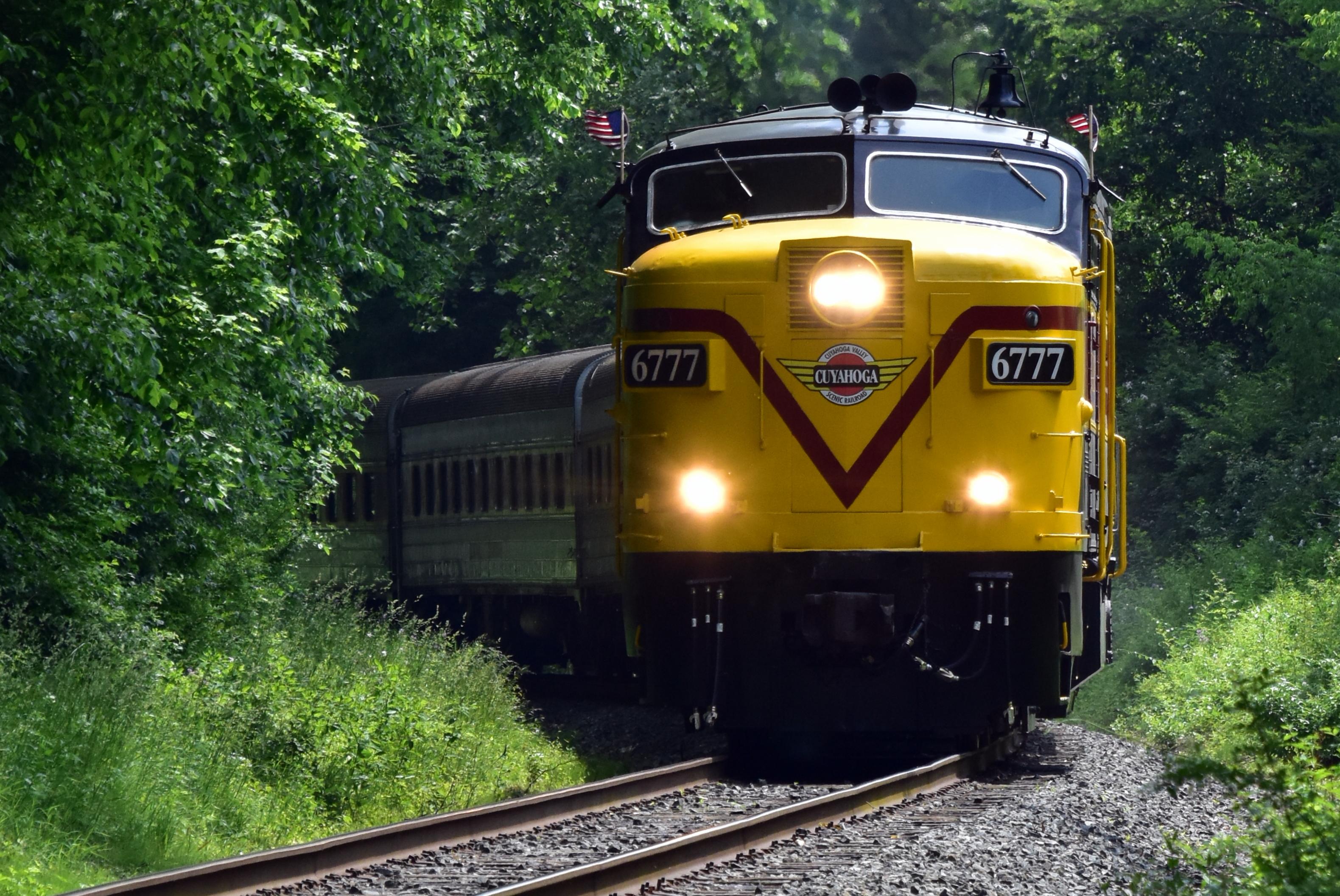
Best of Cuyahoga Valley National Park: Best Things to Do
Seeing a Cleveland Orchestra concert with the woods as your backdrop is a uniquely Cuyahoga Valley experience.
Sign in to join the conversation.
Sources & Attribution
Location data courtesy of the National Park Service (U.S. Department of the Interior). NPS data is public domain. Official NPS page.
Images: NPS; NPS; NPS; NPS.
Map data © OpenStreetMap contributors.
Park operations alerts: NPS.gov · Weather and weather hazards: National Weather Service · Live conditions.
Information may change. Always verify fees, hours, and conditions directly with the official source before visiting.
Did this guide help? Share it with a friend.