Planning lodging for the National Park of American Samoa presents a unique challenge. Unlike mainland parks with established campgrounds and lodges, this park spans three remote islands through land leased from local villages. Your choice of accommodation here fundamentally determines your daily logistics and budget. This guide outlines the practical options, from the few village guesthouses within park units to the more numerous hotels in Pago Pago.
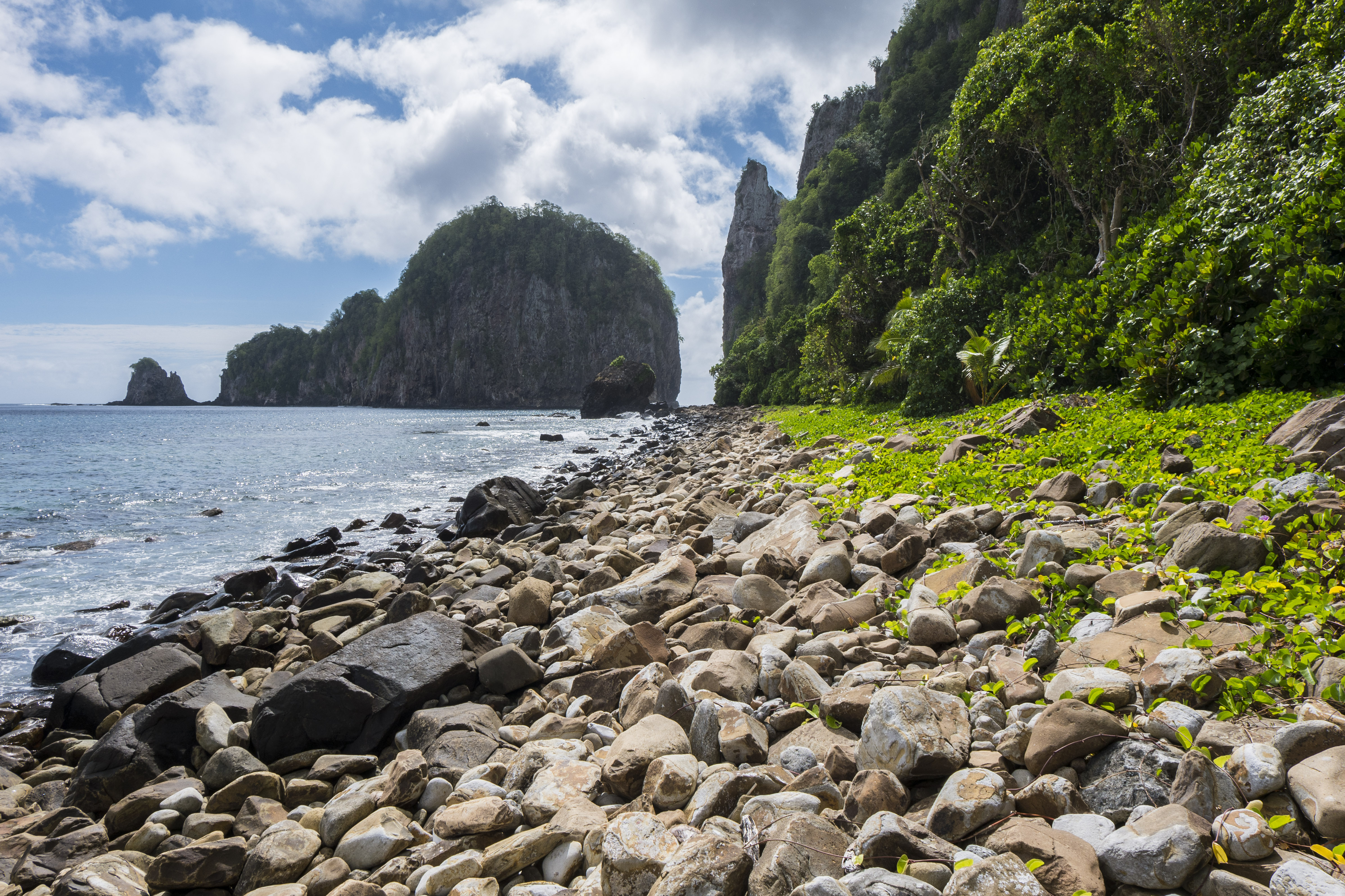
NPS via NPS.gov (Public Domain)
National Park of American Samoa Where to Stay
8 min read
Lodging Guide
Best places to stay near National Park of American Samoa in 2026. Limited accommodation on Tutuila — here's what exists and how to book.
This article contains affiliate links — we may earn a small commission at no extra cost to you.
For more, see complete visitor guide.
For comprehensive information on park navigation, permits, transportation, and key sites, consult the complete visitor guide.
Inside the Park: Worth It?
The short answer is yes, if you can secure a booking and your expectations are calibrated for the South Pacific, not a mainland resort. The longer answer involves understanding what "inside the park" actually means here.
The National Park of American Samoa is unique; it comprises units of land leased from local villages on Tutuila, Ta'ū, and Ofu islands. There are no NPS-run hotels. Instead, "inside the park" lodging means a small number of locally-owned guesthouses or homestays located within these village units. What you gain is proximity and atmosphere. You wake up to the sound of the reef, can walk to a trailhead in minutes, and immerse yourself in village life. You also avoid the daily drive from Pago Pago, which becomes significant on Tutuila's congested coastal road.
What you sacrifice is predictability and often, conventional room service. These are family-run operations. Air conditioning might be spotty, hot water can be a luxury, and Wi-Fi is often an optimistic concept. The booking window is not a suggestion - it's a requirement. For the popular options on Ofu Island, you need to book 6 to 12 months in advance. For Tutuila-based village homestays, contacting hosts 3-4 months out is the safe play. They sell out because they are the only game in town for that authentic, walk-out-your-door experience.
Ofu Island Guesthouses: The Ultimate Splurge
For those envisioning accommodations with thatched roofs overlooking Ofu Beach, the guesthouses here deliver the location but require adjusted expectations. These are basic, clean operations where you're investing in proximity to the reef, not luxury amenities.
Vaoto Lodge
This is the most well-known option, sitting literally within the park boundary on Ofu. Rangers will tell you it's the only commercial lodging on the island.
* Room types and honest description: Think spartan but sufficient. Rooms are concrete-block structures with ceiling fans, basic beds, and private bathrooms. The windows look out onto palm trees and, from some rooms, a sliver of ocean. What makes it special is the 30-second walk to one of the most spectacular snorkeling reefs in the entire park system. What disappoints some is the lack of air conditioning and the reality that you are on a remote island - meals are simple, and there is no nightlife beyond the stars.
* Rates and booking: As of 2026, rates hover around $120-$150 per night. You don't book online. You must call, often multiple times due to spotty phone service, and be prepared to wait for a return call. A deposit sent via wire transfer is standard. Cancellation policies are strict, given the limited alternatives.
* The takeaway: You're paying for the privilege of staying on Ofu. It's worth the premium for serious snorkelers and those seeking solitude. For everyone else, the day trip from Ta'ū is a viable, if logistically complex, alternative.

Tutuila Village Homestays: The Cultural Exchange
On Tutuila, the main island, the park units are in villages like Vatia and Fagasa. Here, "lodging" can mean a family renting a room in their home. This isn't advertised on any major travel site.
* The reality: Arrangements are informal, often made through community connections or by inquiring at the park visitor center in Pago Pago. The park staff sometimes maintains a list of families open to hosting visitors. You'll get a clean room, shared bathroom, and likely meals with the family. The cost is low, maybe $50-$70 a night including breakfast.
* What you gain: An authentic cultural experience no hotel can provide. You might join a family meal, learn a few words of Samoan, and get local insight into the trails. Your hosts can tell you which trailhead to use and the best time to go.
* The challenge: Privacy is limited. Facilities are basic. You are a guest in someone's home, with all the implicit rules and respect that requires. This isn't for travelers who value total independence or luxury. Booking is a matter of persistent, polite inquiry rather than a click.
Gateway Town Options: Pago Pago
For most visitors, the practical answer to national park of american samoa where to stay is in the bustling harbor town of Pago Pago on Tutuila. This is where you'll find conventional hotels, restaurants, and rental car agencies. The trade-off is a daily commute of 30-60 minutes each way to park trailheads in Vatia or Fagasa, depending on traffic.
Budget Options (under $120/night)
Don't expect mainland chain motels. Budget here means older, locally-owned hotels that are clean and functional.
* Sadie's by the Sea: A longstanding favorite. The pros: it's right on the harbor, has a decent restaurant, and the staff are used to dealing with park visitors. The cons: rooms are dated and can be noisy from harbor activity. It's a social hub, which is good or bad depending on your mood. As of 2026, basic rooms start around $100.
* The Tradewinds Hotel: Located in the center of town. The location is good for walking to shops and eateries. The rooms are very no-frills - think 1970s decor and window-unit air conditioners. It's cheap, safe, and you won't feel bad tracking in red dirt. A solid base camp for early risers.
Mid-Range ($120-$220/night)
This tier offers the best balance of comfort and value for most park visitors.
* Le Falepule: Often mentioned in national park of american samoa reviews for its hospitality. It's a small collection of self-contained units up the hill from the main harbor, offering more quiet and views. The units have kitchenettes, which is a massive money-saver. The owner is knowledgeable about the park. The con is the steep driveway and the need for a rental car for everything.
* Pago Airport Inn: Don't let the name fool you; it's a 10-minute drive from the airport and 5 minutes from the park visitor center. It's a modern-ish motel with reliable air conditioning, hot water, and free (if slow) Wi-Fi. It's a sterile but efficient option. You're here to sleep and shower before hitting the trail.
Premium (over $220/night)
"Premium" in American Samoa is relative. You're paying for the best views and the most reliable amenities.
* Sadler's Hotel & Restaurant: This is the current splurge option. Perched on a cliffside, it has a pool, a well-regarded restaurant, and rooms with balconies overlooking the harbor. It feels like a resort compared to other options. The downside is its location on the far eastern side of the harbor, adding 10-15 minutes to your drive to western park units like Fagasa. Worth it for a couple of nights of recovery after hiking.

Booking Strategy
Your approach depends entirely on your priority: immersion or convenience.
- For Ofu or a village homestay: Start 6-12 months out. Your first call should be to the park visitor center (684-633-7085). Explain what you're looking for. They cannot book for you, but they can provide the most current contact information and advise on availability. Be patient with communication.
- For Pago Pago hotels: Book at least 3-4 months in advance for the June-September dry season. The mid-range options with kitchenettes (like Le Falepule) sell out first. Last-minute bookings are possible but you'll be left with the most expensive or least desirable rooms.
- Cancellation policies are critical. The remote guesthouses often have no-refund deposit policies. Pago Pago hotels are more flexible, typically requiring 72-hour notice. Read the fine print before you wire money.
- Shoulder season (April-May, October) changes everything. Availability opens up in Pago Pago, and you might even snag a last-minute deal. The weather is a gamble - you might get a brief afternoon downpour or a prolonged tropical shower.
- Use a map. Before booking anything in Pago Pago, pull up a national park of american samoa map and trace your daily drive. A hotel in Fagatogo or Utulei puts you closer to the road to Vatia. A hotel in 'Ili'ili adds time.
Practical Takeaways
- There are no NPS lodges. All "in-park" stays are locally-owned and require direct, often old-fashioned, communication to book.
- Your choice is binary: Remote immersion (Ofu/village homestay) with logistical challenges, or convenient base (Pago Pago hotel) with a daily commute. There is no perfect middle ground.
- Book Ofu first, flights second. If Vaoto Lodge confirms your stay, then book your inter-island flight from Tutuila to Ta'ū (and the subsequent boat to Ofu). Doing it in reverse is a recipe for disappointment.
- A rental car is non-negotiable if staying in Pago Pago. Public transportation exists but won't get you to trailheads at the times you need. Book the car with your hotel.
- Manage expectations for amenities. Reliable air conditioning, consistent hot water, and strong Wi-Fi are not universal. Pack a power bank, a quick-dry towel, and a good book.
- The park visitor center is your best resource. They have the local knowledge about which families are hosting guests and the status of the few small guesthouses. Stop there first.
- Consider splitting your stay. A common strategy is 2-3 nights in a Pago Pago hotel to acclimate and rent gear, followed by 2-3 nights in a village or on Ofu for the pure park experience. For help planning the active parts of your trip, look into available tours and guided experiences.
Your search for the national park of american samoa where to stay ends with a simple question: are you here for maximum convenience or maximum connection? Neither answer is wrong, but each leads you down a very different path. Plan accordingly.
Related: national park of american samoa map guide
Recommended Gear
What experienced visitors bring to National Park of American Samoa Where to Stay
Links may earn us a commission at no extra cost to you. We only recommend gear we believe in.
Hiking Essentials
Hydration Pack (3L)
Hands-free water for long trail days
Trekking Poles (Pair)
Save your knees on steep descents
Hiking Boots (Ankle Support)
Sturdy footwear for rocky, uneven trails
Sun & Heat Protection
Wide-Brim Sun Hat
Full coverage UPF 50+ protection at altitude
Insulated Water Bottle (32oz)
Keeps water cold in desert heat all day
Winter Gear
Microspikes / Traction Devices
Essential for icy rim trails in winter months
Sources
- Official source: NPS — National Park of American Samoa nps.gov/npsa/index.htm
Photo Gallery
More to Explore
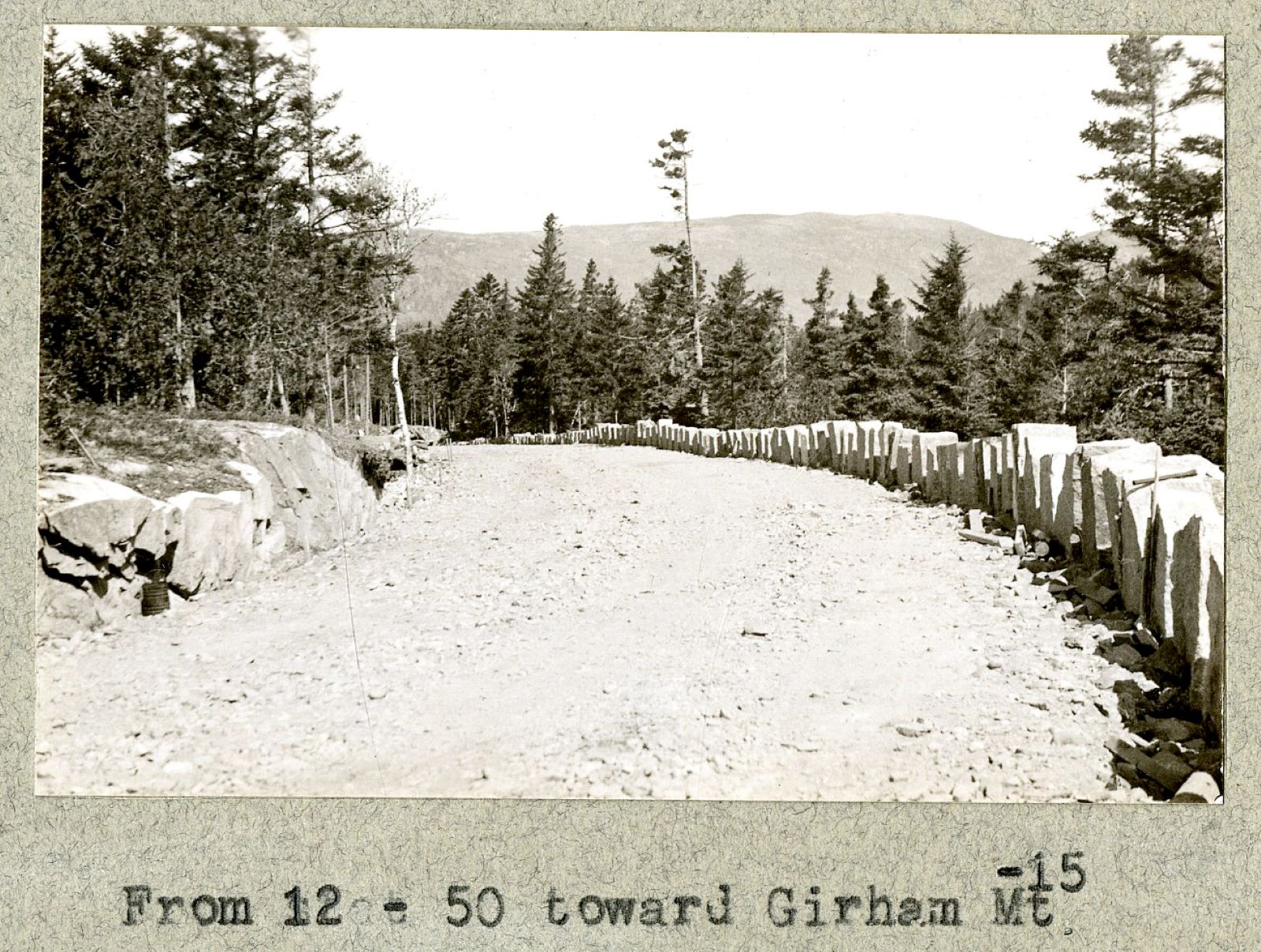
Park Guide
Acadia National Park: Carriage Roads, Cadillac Mountain & 2026 Guide
Discover carriage roads, Cadillac Mountain, and rugged Maine coast. Complete 2026 guide to Acadia National Park — trails, fees, lodging, permits, and what rangers recommend.
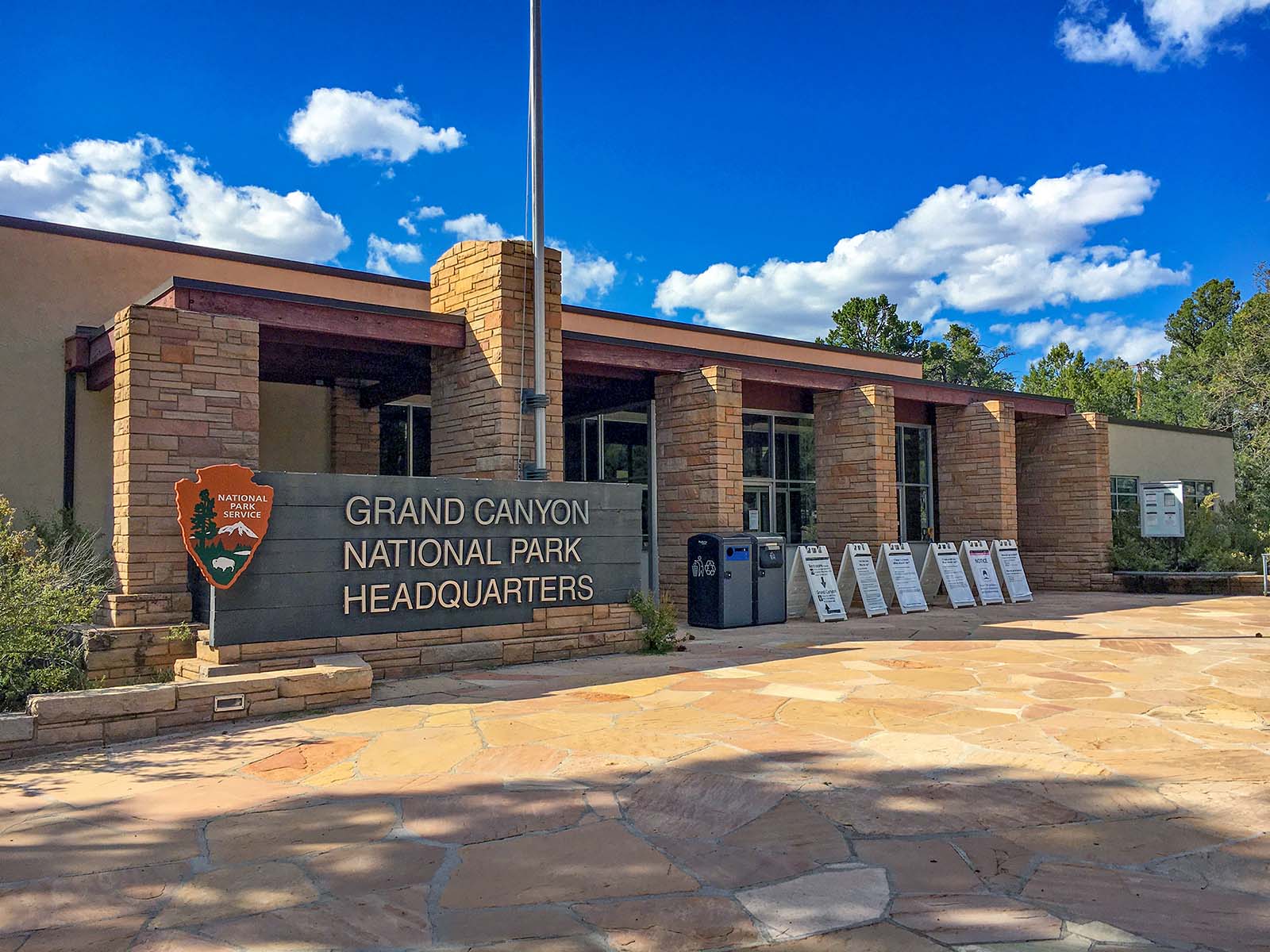
Hiking Guide
Grand Canyon Hiking Trails: Day Hikes, Water Sources & Rim to Rim
Compare Grand Canyon hiking trails: Bright Angel, South Kaibab, Hermit, Grandview, and rim to rim, with distances, elevation, water stops, and trailhead access for each.
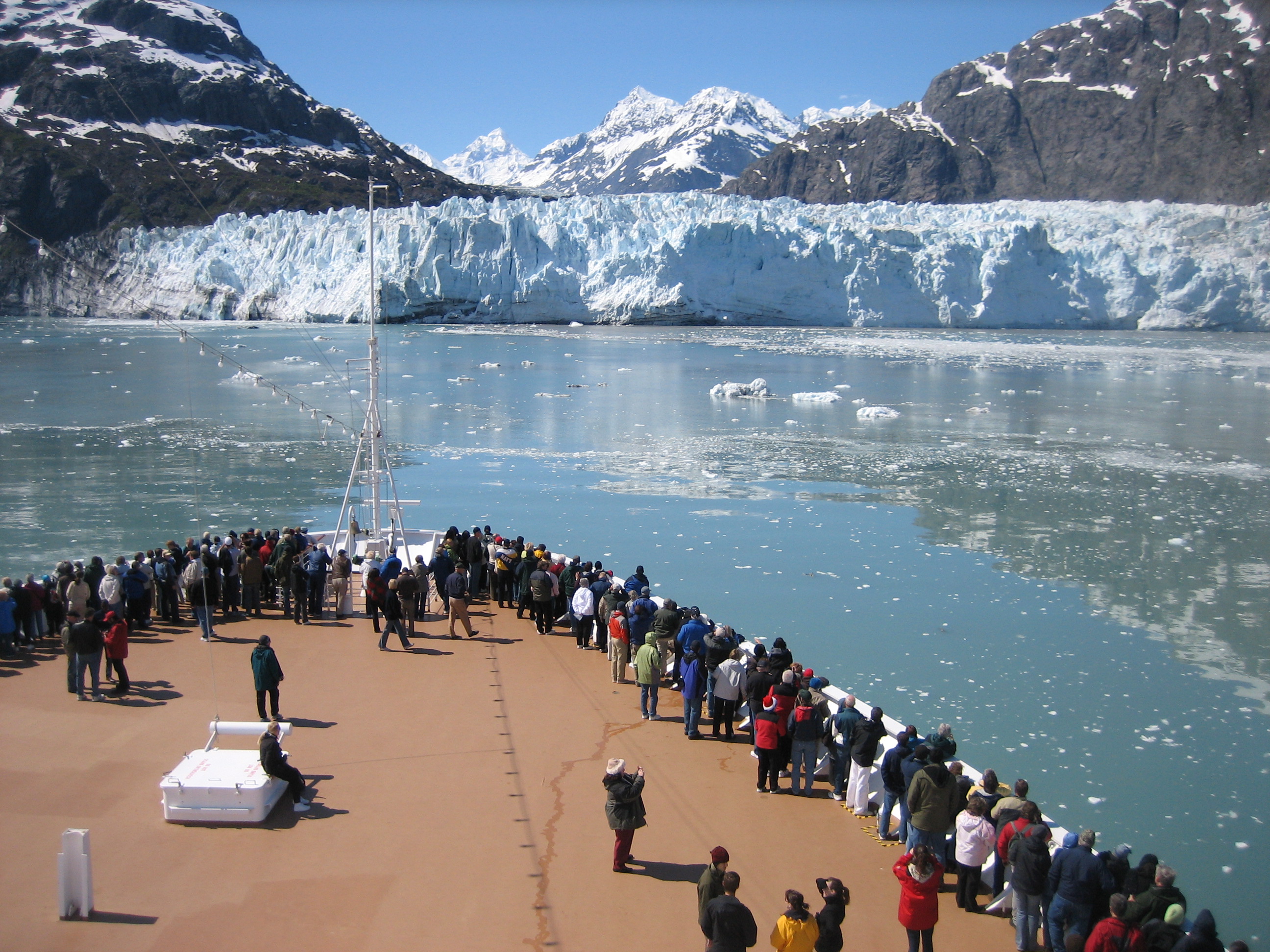
Best Of
Best of Glacier Bay National Park
The best of Glacier Bay is reached by boat: ranger-led day tours up the bay to the tidewater glaciers. What's worth it, how to book, and when to go (2026).
Campsite Guide
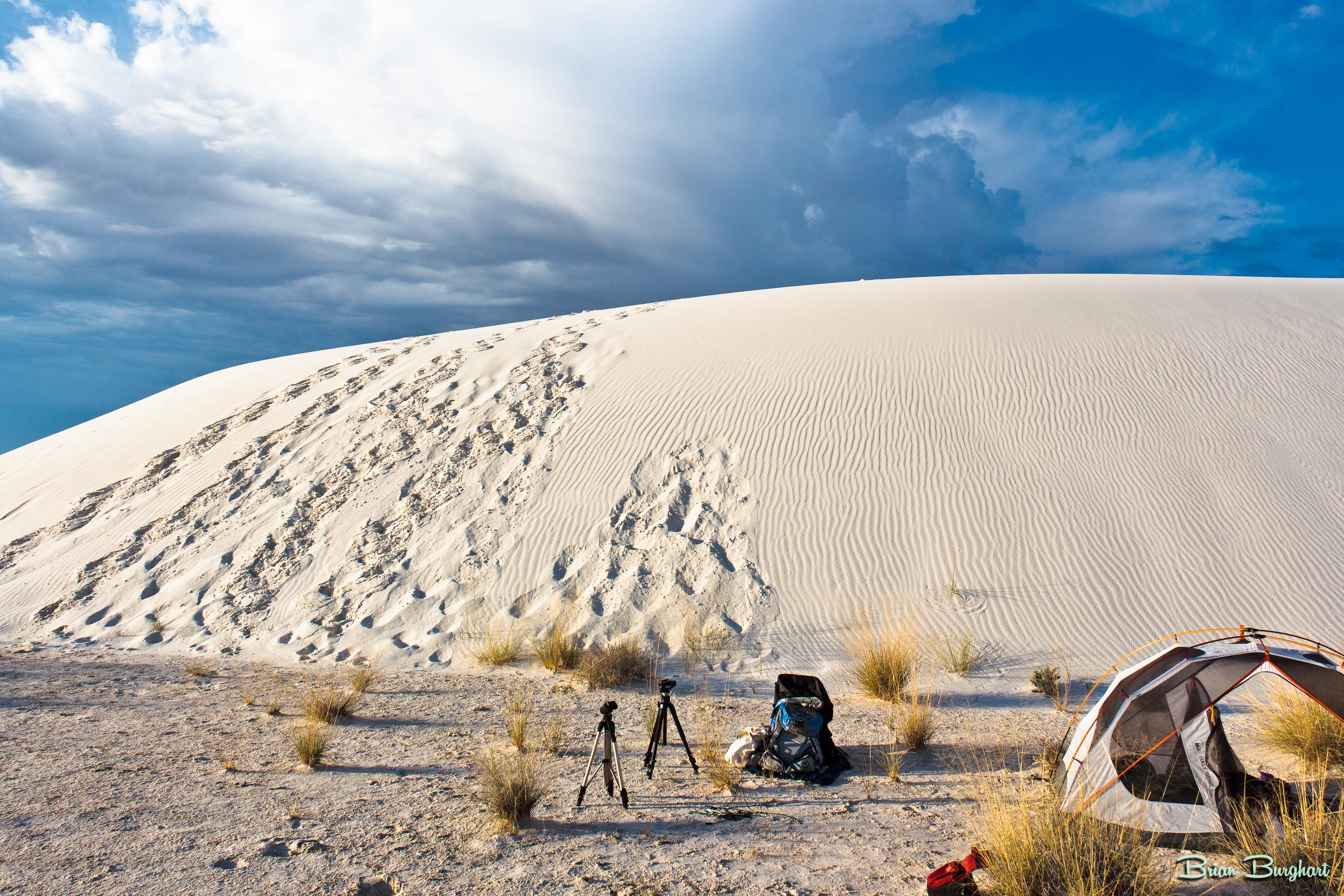
White Sands Backcountry Camping: Closed for 2026 — What to Know
As of 2026, backcountry camping at White Sands National Park is closed for site rehabilitation. What that means, and where to camp nearby instead.
Weather Guide
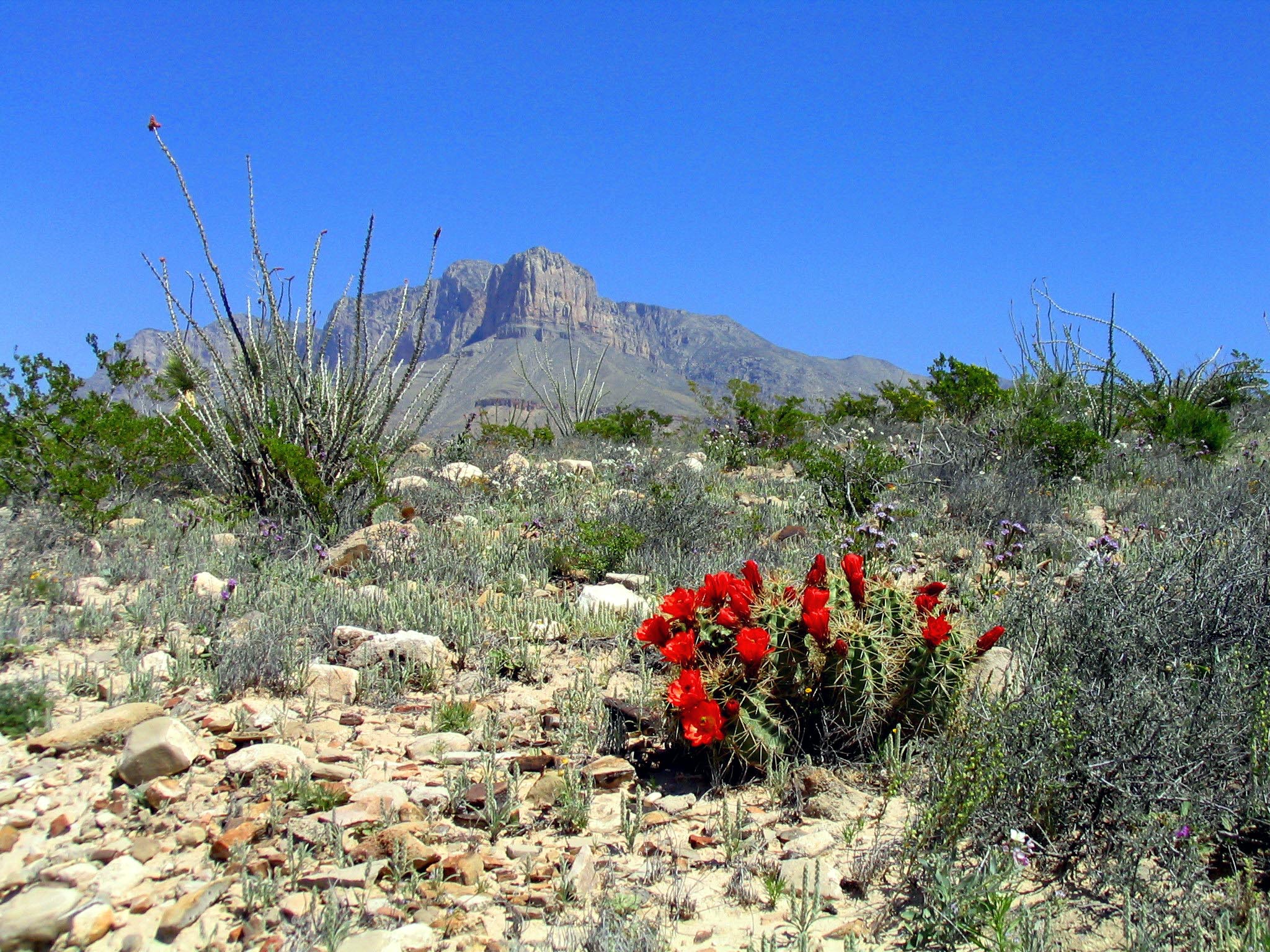
Guadalupe Mountains National Park Weather: Weather
Guadalupe Mountains National Park: weather guide guide updated 2026. Practical visitor information, reservations, and seasonal tips worth bookmarking before
Best Of
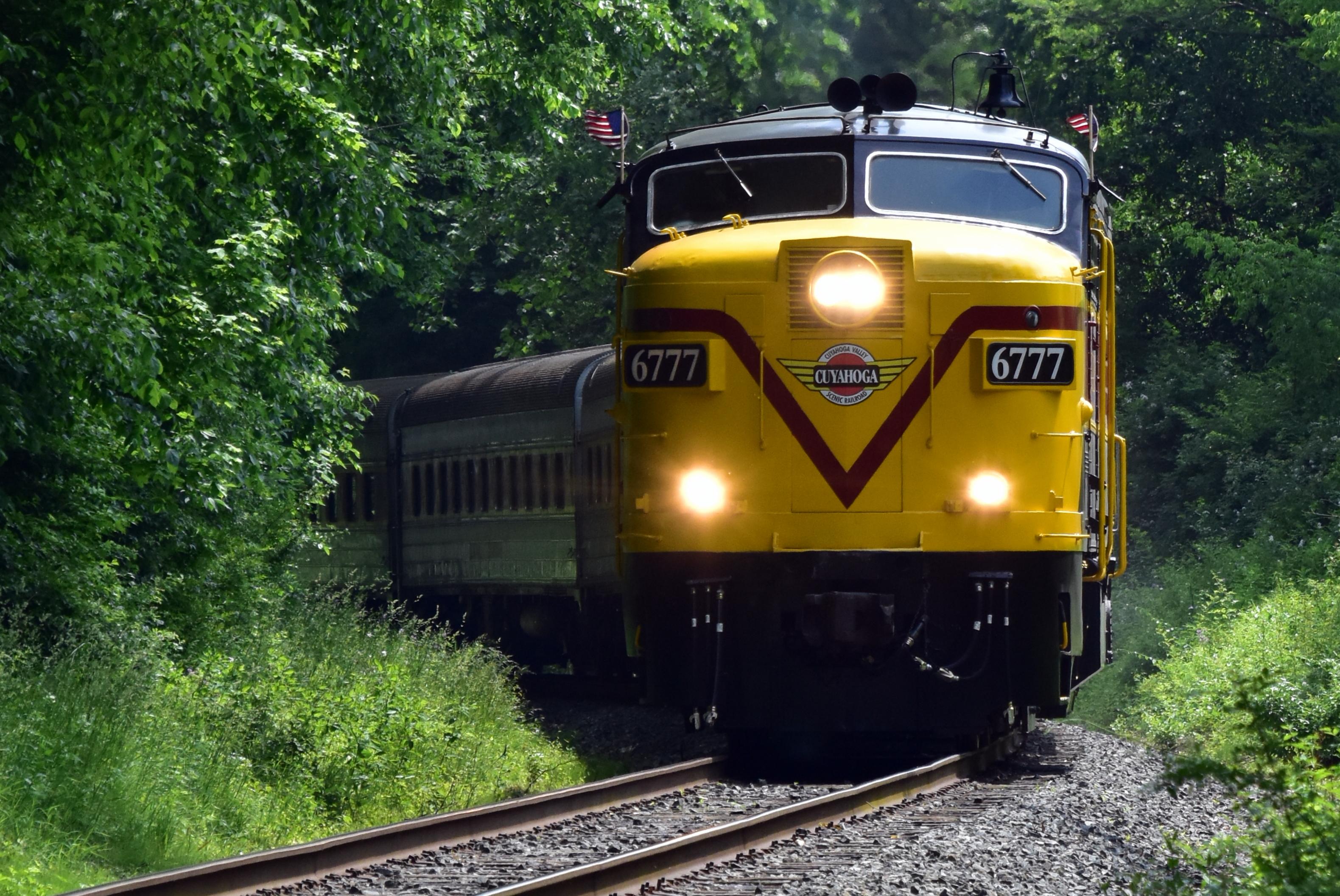
Best of Cuyahoga Valley National Park: Best Things to Do
Seeing a Cleveland Orchestra concert with the woods as your backdrop is a uniquely Cuyahoga Valley experience.
Sign in to join the conversation.
Sources & Attribution
Location data courtesy of the National Park Service (U.S. Department of the Interior). NPS data is public domain. Official NPS page.
Images: NPS; NPS; NPS; NPS.
Map data © OpenStreetMap contributors.
Park operations alerts: NPS.gov · Weather and weather hazards: National Weather Service · Live conditions.
Information may change. Always verify fees, hours, and conditions directly with the official source before visiting.
Did this guide help? Share it with a friend.