Ask any Yosemite ranger what permit question they hear most, and it's not about Half Dome cables. It's about backpacking permits for the popular trailheads. The lottery system generates more confusion than a bear in a campground.
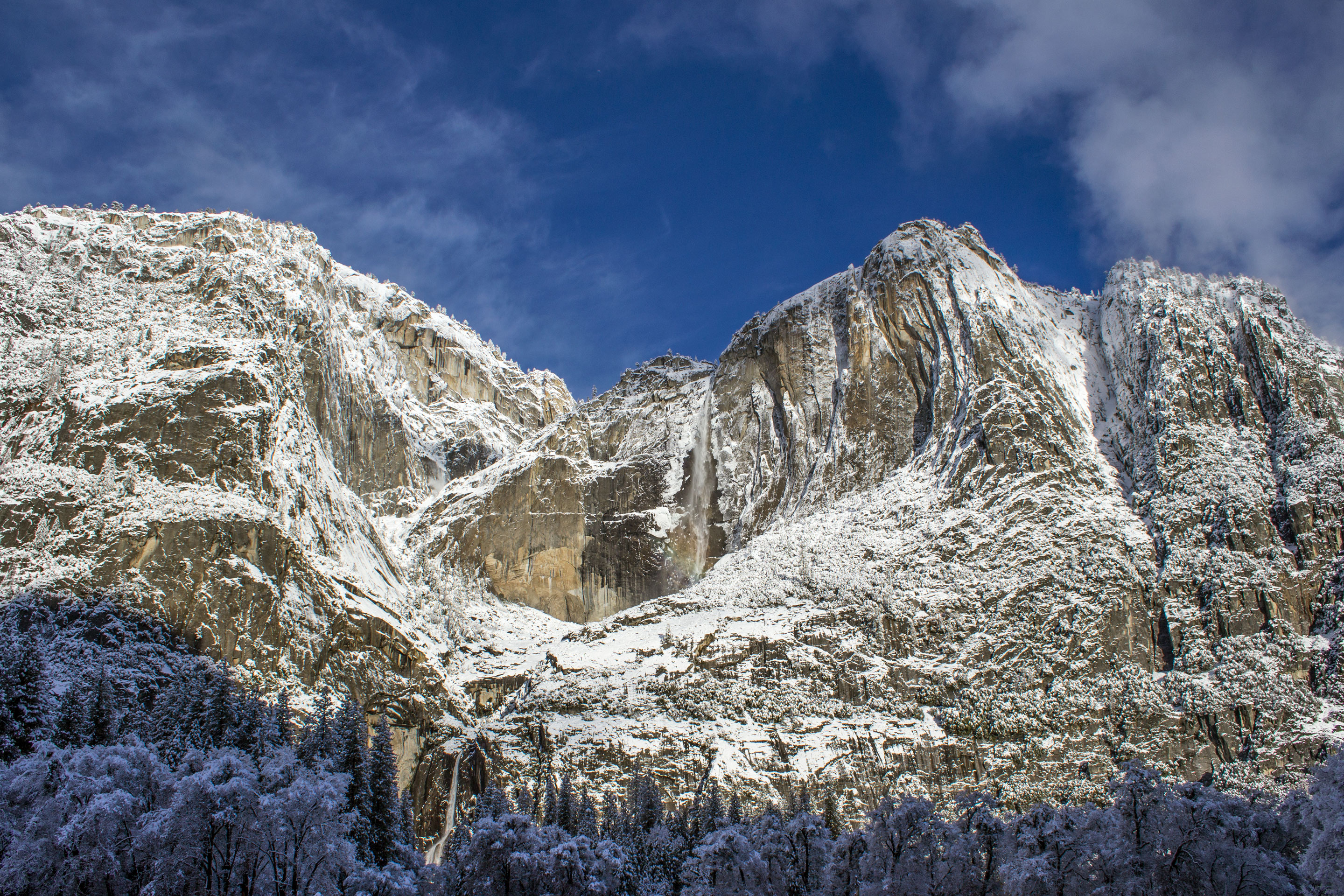
NPS via NPS.gov (Public Domain)
Yosemite National Park Permits: How to Get Yosemite Backpacking
7 min read
Permit Guide
Ask any Yosemite ranger what permit question they hear most, and it's not about Half Dome cables. Updated for 2026 with 5 Yosemite National Park permit guide
You may also want hiking trails or camping options.
The Permit Landscape
Yosemite runs multiple permit systems, and they don't share a single calendar. Understanding which one you need and when to apply is the difference between spending a week on the trail and spending it in the Valley with the crowds.
Backpacking permits are the most competitive. The park allocates 60% of trailhead quotas through a lottery system that opens in November for the following summer. The remaining 40% become available as walk-up permits two weeks before your start date. For popular trailheads like the John Muir Trail out of Happy Isles or the Half Dome approach through Little Yosemite Valley, the lottery success rate hovers around 30-40% in peak season.
Half Dome permits are a separate lottery entirely. You need one even if you already have a backpacking permit that passes through the subdome. The Half Dome permit lottery opens in March and runs through March 31. Winners are notified in mid-April. Cost is $10 per permit plus the $5 per person reservation fee.
Wilderness permits for less popular trailheads - think Hetch Hetchy or the northern Yosemite approaches - have significantly better odds. The park processes over 6,000 wilderness permit applications annually, and roughly 60% of applicants get their first choice if they're flexible on dates and entry points.
Day-use reservations for peak hours (5 AM to 4 PM) are required between May and October in certain years. As of 2026, check the park website for current reservation requirements - this policy has shifted season to season.

Backpacking Permits: Complete Guide
How the Lottery Works
Wilderness permit applications open the Sunday before Thanksgiving and close the following Sunday. You submit through Recreation.gov for a specific trailhead and start date. The system waits until the window closes to process everything—no advantage to applying early.
You can list up to six trailhead choices on a single application. Most applicants get their first or second choice. The key is being realistic. Happy Isles to Little Yosemite Valley in July? Everyone wants it. Try putting a Hetch Hetchy trailhead as your backup - you'll likely get it.
Trailhead Quotas by Season
The park caps daily entries at each trailhead. Numbers range from 6 people per day at the most remote trailheads to 60+ at the Lyell Canyon start. The quotas run from late May through late September. Outside that window, permits are first-come, first-served at the wilderness centers.
July and August are the most competitive months by a wide margin. September actually has better weather and lower demand - fewer applications, higher success rates, and the mosquitoes have mostly died off.
Cost and Validity
Each permit costs $10 per application plus $5 per person per night. A 5-night trip for two people runs $10 + $50 = $60 total. Permits are valid for the dates and itinerary listed on the reservation. You cannot change your entry trailhead or start date without canceling and reapplying.
If You Don't Get the Lottery
The backup strategy is the walk-up system. Starting two weeks before your desired start date, the remaining 40% of trailhead quotas become available on Recreation.gov. This is a first-come, first-served scramble. The system opens at 7 AM Pacific time. By 7:03, the popular trailheads are gone.
Plan B involves flexibility. If you can shift your trip to a Tuesday or Wednesday instead of a Friday or Saturday, your odds improve dramatically. The same trailhead that fills in minutes for a Saturday start might have availability for a Monday start.
The backup backup strategy is the in-person walk-up. Yosemite Valley Wilderness Center opens at 9 AM daily. People start lining up by 7 AM in summer. Rangers release any permits that weren't claimed from the online walk-up pool. On a typical July morning, 15-25 people are in line. About half walk away with a permit.

Half Dome Permits: Complete Guide
The Pre-Season Lottery
This one operates on a separate calendar. Applications open in March and close March 31. The lottery awards permits for the entire hiking season - typically mid-May through mid-October, depending on when the cables go up and come down.
You apply through Recreation.gov. Cost is $10 to enter the lottery plus $5 per person if you win. You can apply as an individual or as a group leader for up to six people. Groups with multiple applications have better odds - have everyone in your group apply separately with the same date and trail.
Daily Walk-Up Permits
The park holds back about 50 permits per day for same-day availability. These go on sale at 7 AM Pacific on Recreation.gov. They're gone in seconds. The common mistake - and almost everyone makes it - is refreshing the page instead of waiting for the "purchase" button to activate. Don't refresh. Let the page load naturally.
What You Actually Need
The Half Dome permit is required for the final ascent via the cables. You do not need one to hike the Mist Trail to the base of the subdome. If you have a backpacking permit that includes Little Yosemite Valley, you still need a separate Half Dome permit for the cable section. Rangers check at the subdome base.

Walk-Up and Same-Day Options
The park reserves a significant portion of permits for walk-up distribution. This is intentional - the system acknowledges that not everyone can plan six months ahead.
Online walk-up window: Opens 14 days before your start date at 7 AM Pacific on Recreation.gov. Filter by "Wilderness Permits" and look for trailheads with availability. The system shows remaining capacity in real-time. The selection is sparse but real.
In-person walk-up window: Yosemite Valley Wilderness Center, Tuolumne Meadows Wilderness Center (when open), and the Hetch Hetchy entrance station. Arrive before 8 AM for the best selection. Rangers will help you plan an itinerary based on available permits.
Same-day Half Dome permits: 50 per day, released at 7 AM on Recreation.gov. Have your account set up and payment information saved before the sale opens. The process takes about 20 seconds, and that's your window.

What the Official Website Doesn't Explain
The NPS website gives you the rules. Here's what experienced visitors know.
The November lottery date changes annually. The park announces it in October. Set a calendar reminder to check the wilderness permits page on Recreation.gov the week before Thanksgiving. Missing the announcement means missing the window.
Your group size matters. The maximum group size for wilderness permits is 15 people. If you apply for a group of 8, you reduce your odds at trailheads with quotas of 12 or fewer. Split into smaller groups and stagger your start dates if necessary.
The trailhead name matters more than the trail name. Most people search by trail. The system sorts by trailhead. Happy Isles Trailhead is the entry for the Mist Trail, John Muir Trail, and Half Dome approaches. Lyell Canyon Trailhead is the entry for the Cathedral Lakes area. Know the exact trailhead name before you apply.
Cell service drops out at the wilderness centers. Download your permit confirmation and save it as a PDF before you arrive. The rangers can look it up, but it saves time if you have it ready.
The Tioga Road closure affects permit availability. As of spring 2026, Tioga Road and Glacier Point Road are closed for the season due to snow. This shifts demand to the Valley trailheads significantly. If those roads remain closed into summer, expect even tighter competition for the Happy Isles and Yosemite Falls trailhead permits.
Canceled permits get re-released. Check Recreation.gov daily in the two weeks before your trip. People cancel, and those permits go back into the pool. The system updates in real-time.
Practical Takeaways
- Apply for the wilderness permit lottery the week after Thanksgiving. Mark the specific dates when the park announces them in October. This is the single best chance for the most popular trailheads.
- List multiple trailhead choices on your lottery application. Happy Isles as first choice, Lyell Canyon as second, Hetch Hetchy as third. The system considers all six options before moving to the next application.
- For Half Dome, apply in the March lottery window. Have everyone in your group submit separate applications for the same date. Multiple entries increase your odds beyond a single group application.
- If you miss the lottery, the walk-up window opens 14 days before your start date. Be on Recreation.gov at 7 AM Pacific. Know your second and third choice trailheads before you log in.
- Plan trips for Tuesday through Thursday starts if possible. Weekend start dates at popular trailheads fill first and have the lowest walk-up availability.
- September offers better odds than July or August for both lotteries and walk-ups. The weather is actually better - cooler days, fewer thunderstorms, and the mosquitoes have largely disappeared.
- The in-person walk-up line at Yosemite Valley Wilderness Center forms before 7 AM. Bring coffee, be prepared to wait, and have a flexible itinerary. Rangers can work with you to find a route that fits available permits.
For a complete overview of park logistics, see the complete visitor guide. If you're looking to build a specific itinerary around permitted areas, the hiking trails guide covers trail conditions and difficulty ratings. And for those nights before or after your permit trip, the camping options page breaks down which campgrounds accept reservations and which are first-come.
For more information, see our complete National Park Guide.
Related: hiking in yosemite national park guide
Related: hiking in yosemite guide
Sources
- Official source: NPS — Yosemite National Park nps.gov/yose/index.htm
Photo Gallery
More to Explore
Park Guide
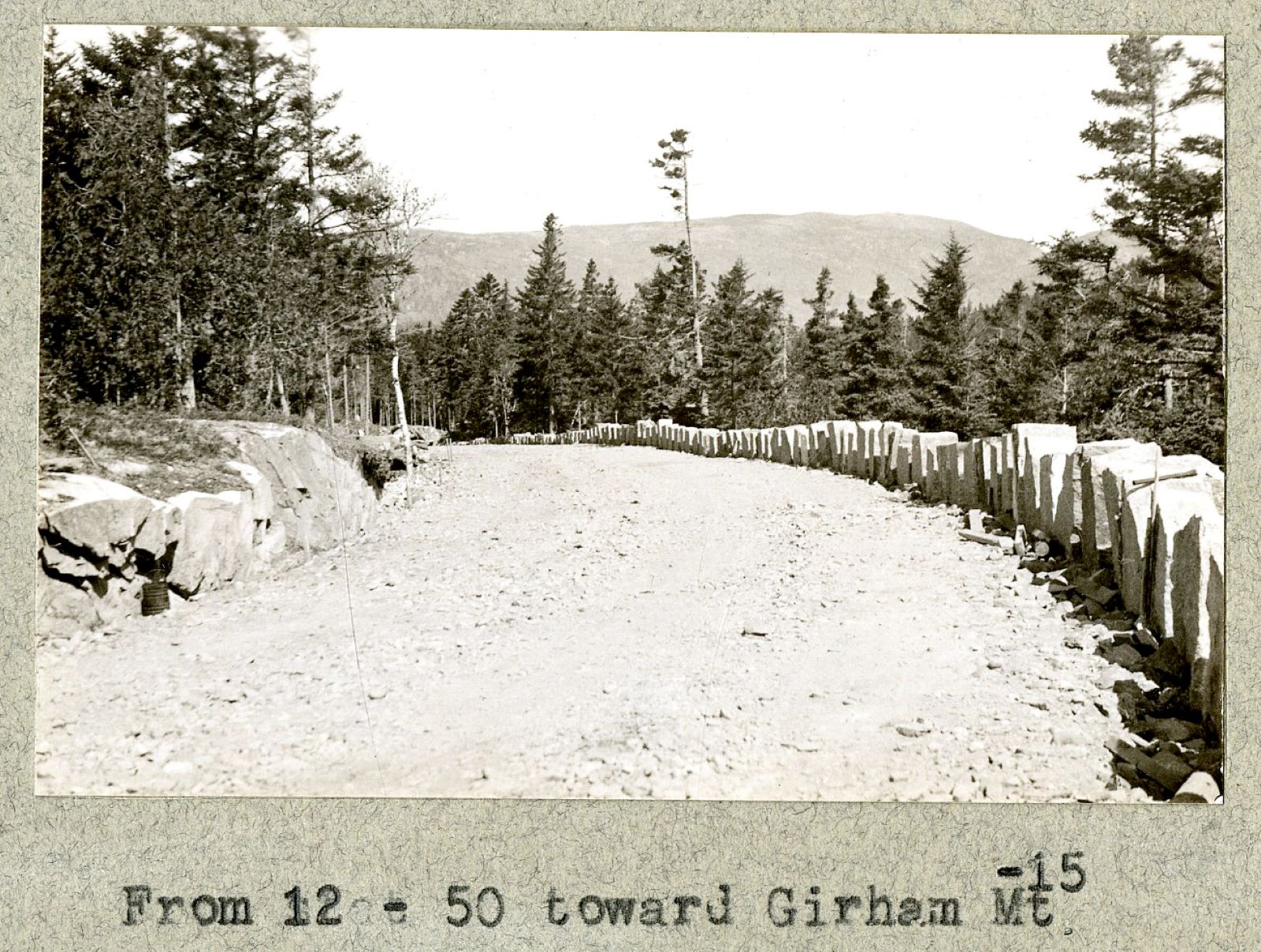
Acadia National Park: Carriage Roads, Cadillac Mountain & 2026 Guide
Discover carriage roads, Cadillac Mountain, and rugged Maine coast. Complete 2026 guide to Acadia National Park — trails, fees, lodging, permits, and what rangers recommend.
Hiking Guide
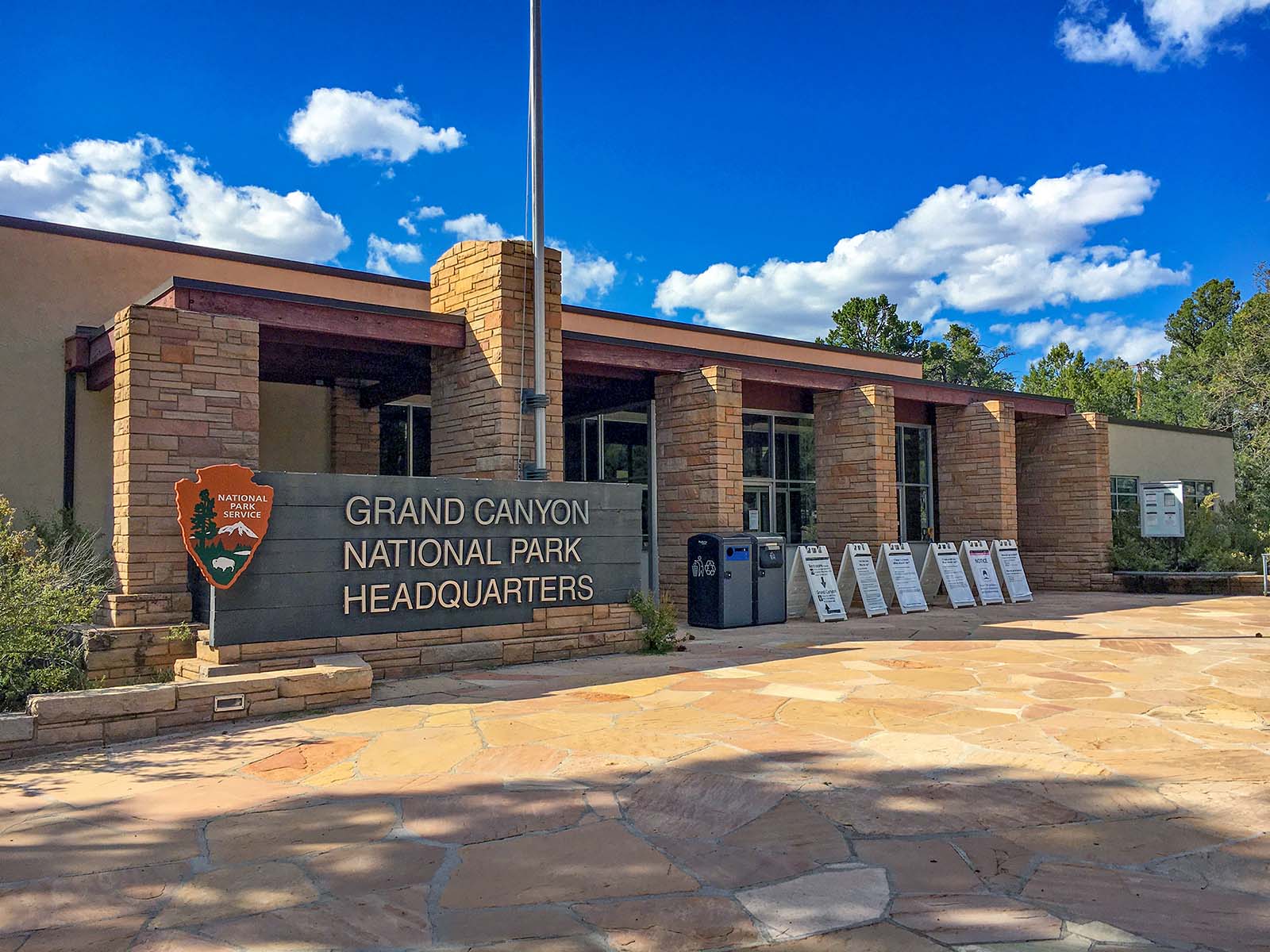
Grand Canyon Hiking Trails: Day Hikes, Water Sources & Rim to Rim
Compare Grand Canyon hiking trails: Bright Angel, South Kaibab, Hermit, Grandview, and rim to rim, with distances, elevation, water stops, and trailhead access for each.
Best Of
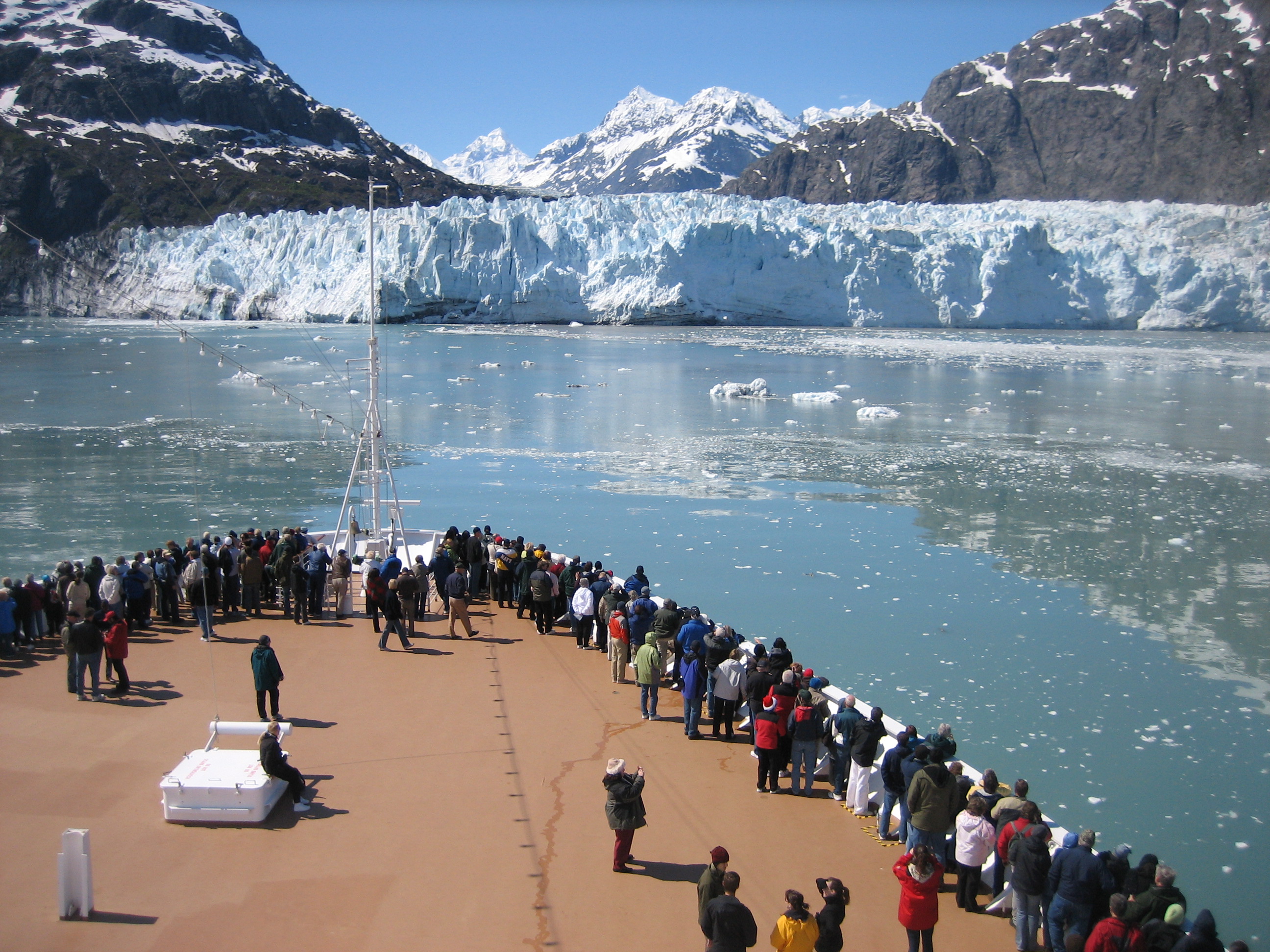
Best of Glacier Bay National Park
The best of Glacier Bay is reached by boat: ranger-led day tours up the bay to the tidewater glaciers. What's worth it, how to book, and when to go (2026).
Campsite Guide
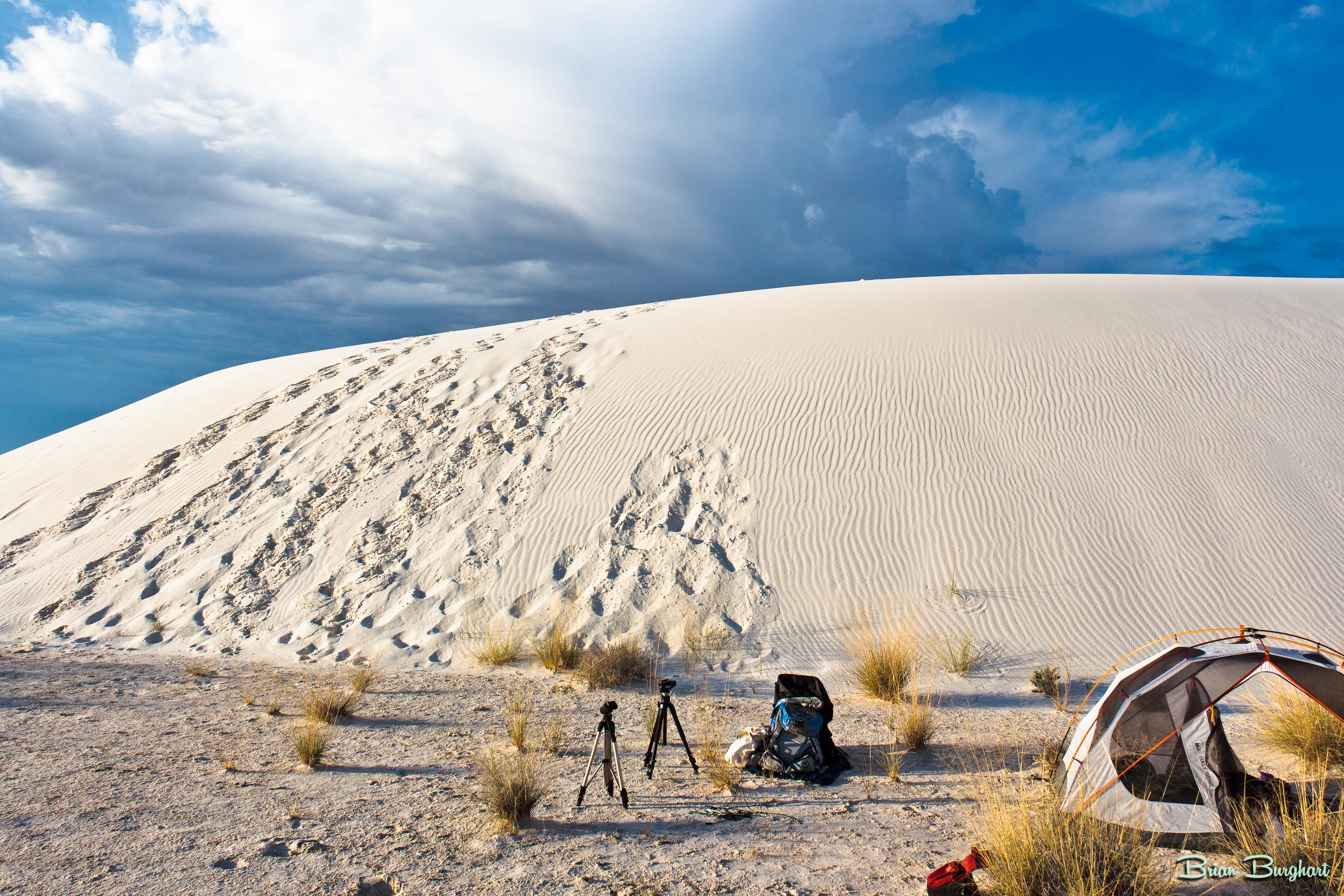
White Sands Backcountry Camping: Closed for 2026 — What to Know
As of 2026, backcountry camping at White Sands National Park is closed for site rehabilitation. What that means, and where to camp nearby instead.
Weather Guide
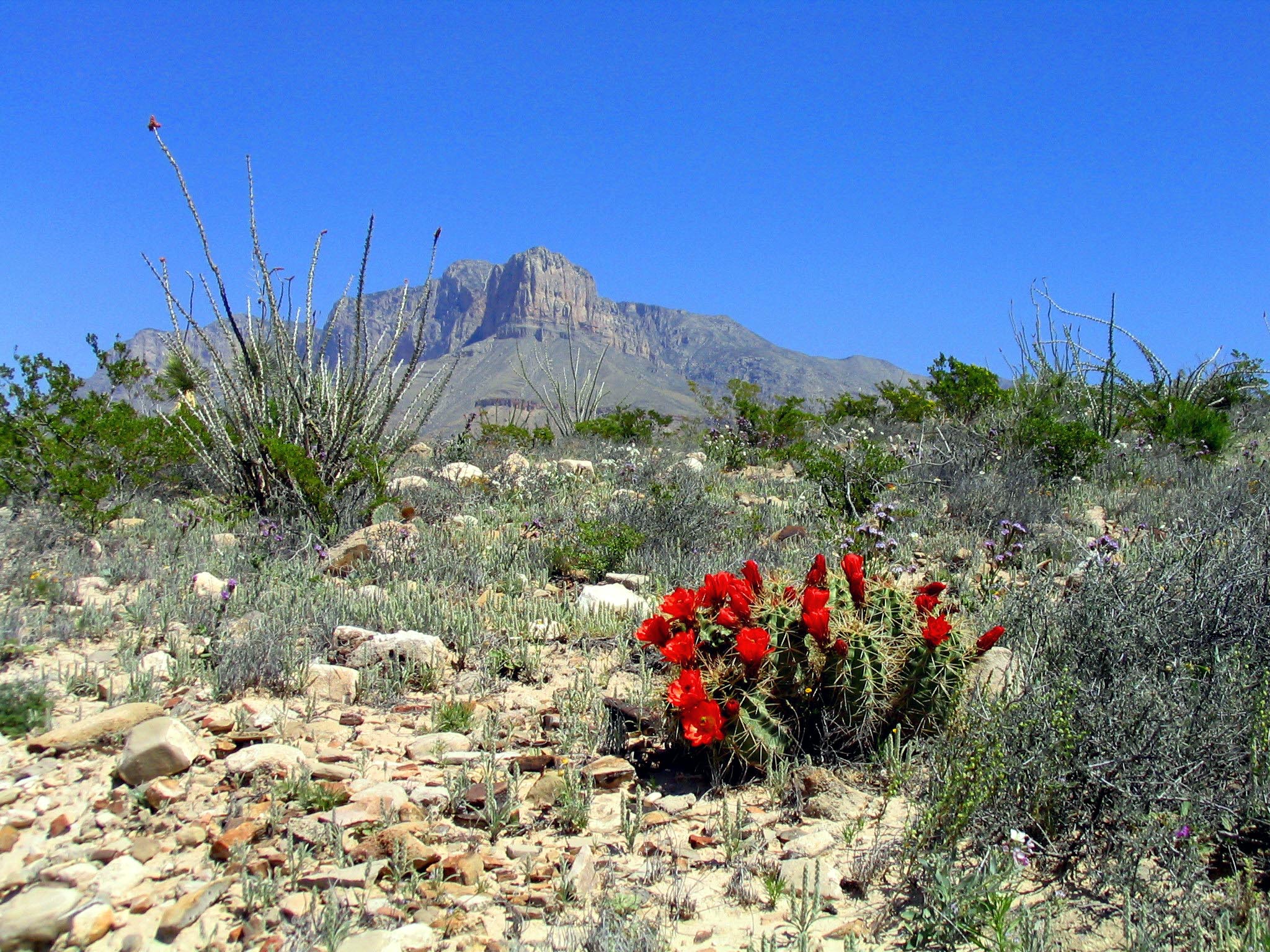
Guadalupe Mountains National Park Weather: Weather
Guadalupe Mountains National Park: weather guide guide updated 2026. Practical visitor information, reservations, and seasonal tips worth bookmarking before
Best Of
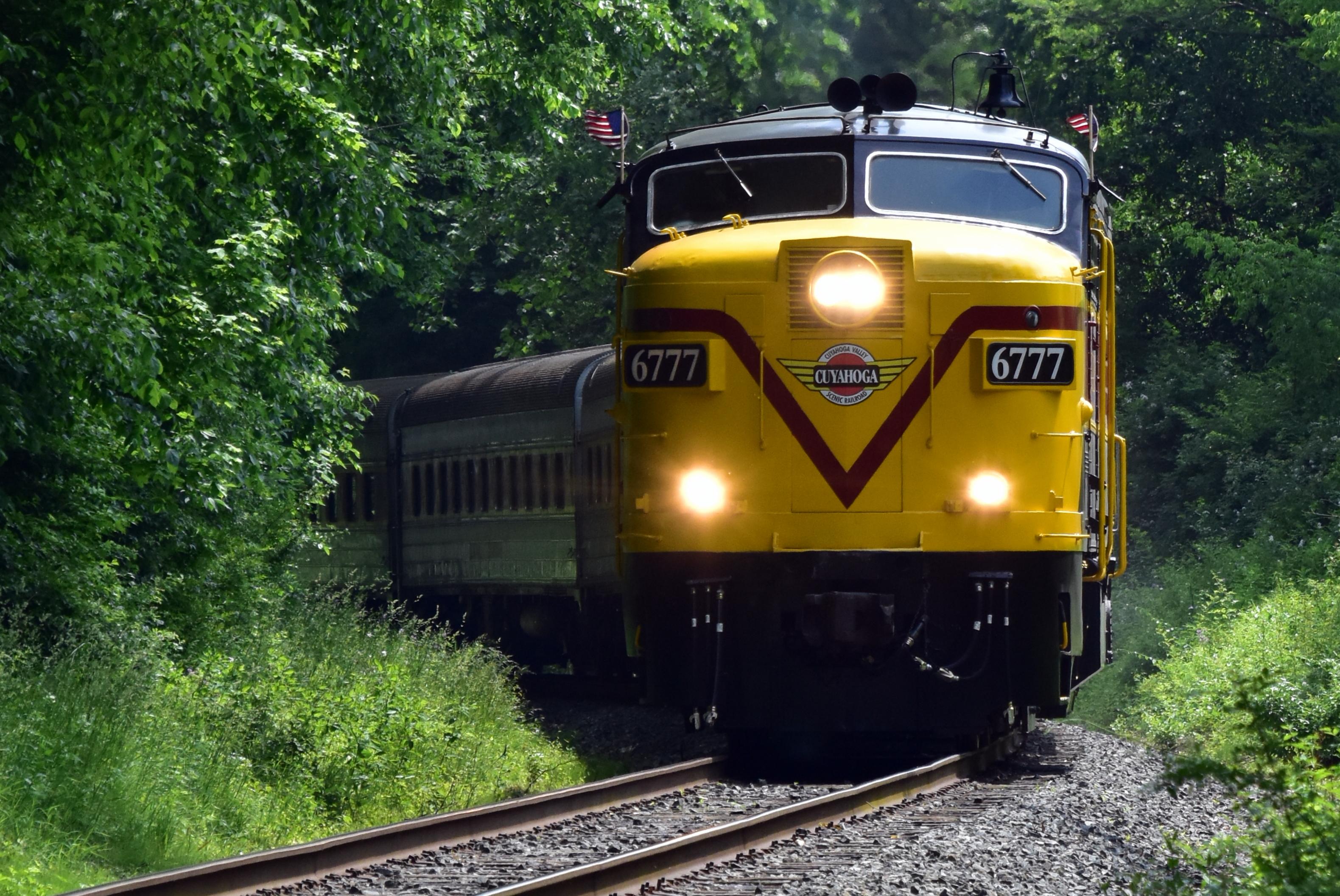
Best of Cuyahoga Valley National Park: Best Things to Do
Seeing a Cleveland Orchestra concert with the woods as your backdrop is a uniquely Cuyahoga Valley experience.
Sign in to join the conversation.
Sources & Attribution
Location data courtesy of the National Park Service (U.S. Department of the Interior). NPS data is public domain. Official NPS page.
Images: NPS; NPS; NPS; NPS; NPS.
Map data © OpenStreetMap contributors.
Park operations alerts: NPS.gov · Weather and weather hazards: National Weather Service · Live conditions.
Information may change. Always verify fees, hours, and conditions directly with the official source before visiting.
Did this guide help? Share it with a friend.