Book your campsite the moment reservations open - or accept that you're gambling on cancellations. That's the honest reality of camping in Yosemite National Park. Upper Pines, Lower Pines, and North Pines in Yosemite Valley sell out within minutes of their reservation window opening. Tuolumne Meadows follows the same pattern. If you're serious about how to get yosemite camping reservations, the strategy starts with knowing exactly when each window opens and having your Recreation.gov account set up before that date.
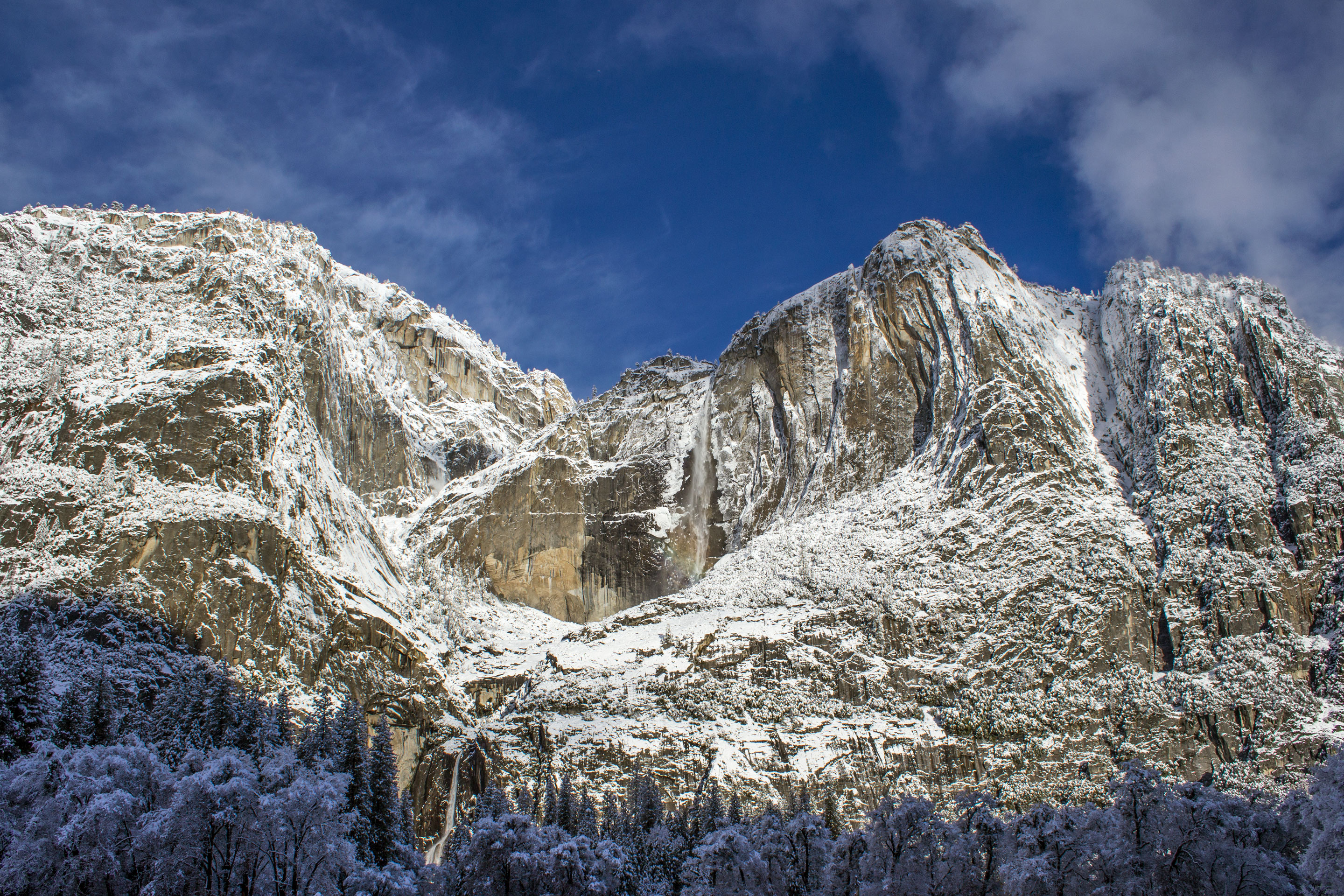
NPS via NPS.gov (Public Domain)
Yosemite National Park Camping: How to Get Yosemite Camping Reservations (2026 Guide)
13 min read
Camping Guide
The park's 15 official NPS campgrounds range from $10 per night (Camp 4) to $50 per night (Tuolumne Horse Campsites). Most sit at $36 per night.
Your plans
This article contains affiliate links — we may earn a small commission at no extra cost to you.
The Booking Reality
Reservations for all Yosemite campgrounds on Recreation.gov open on a rolling 5-month-ahead basis. For a July 15 stay, the window opens on February 15 at 7 AM Pacific. The Valley campgrounds - Upper Pines (235 sites), North Pines (80 sites), and Lower Pines (73 sites) - are typically fully booked within 5 to 15 minutes of that opening. Not hours. Minutes.
Walk-in camping at Camp 4 is the single exception, and it operates on a first-come, first-served basis year-round. That's 25 sites shared among everyone who lines up. People start queuing by 4 AM in summer.
The park's 15 official NPS campgrounds range from $10 per night (Camp 4) to $50 per night (Tuolumne Horse Campsites). Most sit at $36 per night. None have full hookups. Most offer potable water and flush toilets in the developed campgrounds, with vault toilets in the more rustic options like Porcupine Flat and Tamarack Flat.
> For a broader overview of the park, check out our complete visitor guide.
Campground at a Glance
| Campground | Sites | Type | Season | Fee/Night | Elevation |
|---|---|---|---|---|---|
| Upper Pines | 235 | Reservation | Year-round | $36 | 4,000 ft |
| North Pines | 80 | Reservation | Year-round | $36 | 4,000 ft |
| Lower Pines | 73 | Reservation | Year-round | $36 | 4,000 ft |
| Camp 4 | 25 | Walk-in | Year-round | $10 | 4,000 ft |
| Tuolumne Meadows | 315 | Reservation | June-Oct | $36 | 8,600 ft |
| Bridalveil Creek | 115 | Reservation | July-Sept | $36 | 7,200 ft |
| Crane Flat | 166 | Reservation | June-Oct | $36 | 6,200 ft |
| Hodgdon Meadow | 105 | Reservation | Year-round | $36 | 4,900 ft |
| Wawona | 93 | Reservation | Year-round | $36 | 4,000 ft |
| White Wolf | 74 | Reservation | July-Sept | $24 | 8,000 ft |
| Porcupine Flat | 52 | Reservation | June-Oct | $24 | 8,100 ft |
| Tamarack Flat | 52 | Reservation | June-Oct | $24 | 6,300 ft |
| Yosemite Creek | 75 | Reservation | June-Oct | $24 | 7,700 ft |
| Tuolumne Horse | 4 | Reservation | June-Oct | $50 | 8,600 ft |
| Wawona Horse | 4 | Reservation | Year-round | $50 | 4,000 ft |
Upper Pines Campground: Complete Guide
Setting and Atmosphere
Upper Pines sits in Yosemite Valley along the Merced River, with direct views of Glacier Point and Half Dome visible through the trees. It's the largest Valley campground at 235 sites, and it feels like it. You'll hear other campers, car doors, and the occasional bus passing on the Valley loop road. This is not a wilderness experience - it's a campground in one of the busiest national park destinations in the country.
The trade-off: you're a 10-minute walk from Curry Village, 15 minutes from the shuttle stop, and within a mile of the Mirror Lake and Vernal Fall trailheads. For anyone doing serious hiking in yosemite national park, this convenience is hard to beat.
Loop by Loop Breakdown
Upper Pines divides into loops A through F. Loop A sits closest to the river and gets the most shade. Loops D and E are more open, with less canopy - hotter in summer, but with better views of the surrounding granite. Loop F borders the road, which means traffic noise throughout the day.
For tent campers, loops A and B have the best sites. The ground is relatively level, and the tree cover provides decent privacy between sites. RVs up to 40 feet can fit in loops C and D, but the pull-through spots are limited - book early if you're towing.
Specific Site Recommendations
Site 207 in Loop A is the most requested. It backs up to open forest with partial views of the valley wall, and it's far enough from the restrooms to avoid foot traffic. Site 119 in Loop B sits at the end of a spur with good separation from neighbors. Avoid sites 150-160 in Loop D - they're closest to the road and the generator hours become a real issue.
Rangers will tell you that sites ending in odd numbers in loops A and B tend to have more privacy because they face the interior rather than the access road. This holds true for most of the loop.
Facilities Detail
Upper Pines has flush toilets and running water at multiple locations throughout the campground. No showers - those are at Curry Village, a 10-minute walk away. There are three dump stations in the Valley, but they're shared among all campgrounds and can have wait times of 30 minutes or more during peak hours (9-11 AM).
What the Booking Site Doesn't Show
Bear activity in Upper Pines is common. The park service requires bear canisters for all food storage - coolers and hard-sided containers are not sufficient for backpacking, but for car camping, you'll use the metal bear boxes provided at each site. They fit about two coolers worth of food. If you have more than that, you'll need to reorganize.
Generator hours run from 8 AM to 8 PM. Enforcement is inconsistent - some campers run them at 7 AM, and unless a ranger happens by, nothing happens. Earplugs are recommended.
North Pines Campground: Complete Guide
Setting and Atmosphere
North Pines sits along the Merced River, just upstream from Upper Pines. It's quieter than Upper Pines - fewer sites (80 total), same convenience. The river access is better here, with a small beach area near site 30 that kids gravitate toward. The canopy is thicker, which means more shade and slightly cooler temperatures in summer.
Loop by Loop Breakdown
North Pines has a single loop, which makes site selection simpler. The interior sites (1-20) face the river and are the most desirable. The outer loop sites (50-80) face the access road and get more noise and dust.
Specific Site Recommendations
Sites 7, 9, and 11 back directly onto the Merced River. You can hear the water from your tent. Site 33 is the largest in the campground and can accommodate two tents comfortably. Avoid site 60 - it's directly adjacent to the restroom and sees constant foot traffic.
Facilities Detail
Flush toilets, potable water at multiple spigots, and a dishwashing station. No showers. The nearest dump station is at Upper Pines.

Lower Pines Campground: Complete Guide
Setting and Atmosphere
Lower Pines is the smallest of the three Valley campgrounds at 73 sites, and it's the one most first-time visitors overlook. It sits between Upper and North Pines, with similar access to the river and trailheads. The sites here are slightly more spacious than Upper Pines, with better spacing between neighbors.
Loop by Loop Breakdown
Lower Pines runs as a single loop. The river-side sites (1-35) are the clear winners. The road-side sites (50-73) are less desirable but still better than the outer loop at Upper Pines.
Specific Site Recommendations
Site 14 is the standout - large, private, with direct river access. Site 22 has a good layout for two tents. Site 52 is the one to skip: it's right at the entrance and gets all the traffic coming in and out.
Facilities Detail
Same as Upper Pines: flush toilets, potable water, no showers. The Lower Pines restrooms are less busy than Upper Pines, which matters at 6 AM.
Camp 4 Campground: Complete Guide
Setting and Atmosphere
Camp 4 is the walk-in campground at the base of the granite cliffs near Yosemite Falls. It's 25 sites, each designed for up to 6 people in individual tents. This is the historic climber camp - the one where Royal Robbins and Yvon Chouinard slept before big walls. The atmosphere is communal, social, and sometimes loud.
Walk-In Reality
No reservations. You show up and register in person at the Camp 4 kiosk. In summer, the line starts forming around 4 AM. By 6 AM, there are typically 30-40 people waiting for 25 sites. The kiosk opens at 8 AM. If you're not in line by 6 AM, you're unlikely to get a spot.
Facilities Detail
Vault toilets, potable water, bear lockers. No showers. No RV access - this is strictly tent camping.
Tuolumne Meadows Campground: Complete Guide
Setting and Atmosphere
Tuolumne Meadows is Yosemite's largest campground at 315 sites, sitting at 8,600 feet along the Tioga Road. The setting is completely different from the Valley - open meadows, granite domes, the Tuolumne River running through it. The air is thinner, the nights are cold (30s even in July), and the views are expansive.
The catch: Tioga Road (Highway 120 through the park) closes for snow from approximately November through late May or June. As of 2026, the road and Glacier Point Road are both closed for the season. Tuolumne Meadows Campground typically opens in June and closes in October.
Loop by Loop Breakdown
Tuolumne has loops A through G. Loops A, B, and C are closest to the river and the Tuolumne Meadows Lodge. Loops D and E are more exposed to wind. Loops F and G are the farthest from facilities.
Specific Site Recommendations
Sites in Loop A near the river are the most sought after. Site 15 in Loop A backs onto open meadow with views of Lembert Dome. Site 42 in Loop B has good tree cover and privacy. Skip sites in Loop G - they're dusty and far from water.
Facilities Detail
Flush toilets, potable water, a dump station. No showers. The Tuolumne Meadows Lodge has a small store and dining options.
Bridalveil Creek Campground: Complete Guide
Setting and Atmosphere
Bridalveil Creek sits at 7,200 feet along the Glacier Point Road, surrounded by red fir and lodgepole pine. It's 115 sites in a forest setting, with Bridalveil Creek running through the campground. The atmosphere is quieter than the Valley - fewer people, more trees, cooler temperatures.
The trade-off: Glacier Point Road is closed for the season as of 2026, so check road conditions before planning a trip here.
Facilities Detail
Flush toilets, potable water, no showers. The sites are well-spaced with decent privacy.

Crane Flat Campground: Complete Guide
Setting and Atmosphere
Crane Flat sits at 6,200 feet along the Big Oak Flat Road, about 30 minutes northwest of Yosemite Valley. At 166 sites, it's one of the larger campgrounds, but it feels less crowded than the Valley options because the sites are spread through forest. It's a solid backup if the Valley campgrounds are full - which they will be.
Facilities Detail
Flush toilets, potable water, no showers. The Crane Flat gas station and store are nearby.
Hodgdon Meadow Campground: Complete Guide
Setting and Atmosphere
Hodgdon Meadow sits at 4,900 feet near the Big Oak Flat Entrance. It's 105 sites in a mixed conifer forest, with the Big Oak Flat Road running nearby. The elevation is lower than Crane Flat, which means warmer nights. It's a good option for those arriving from the west who want to set up camp before heading into the Valley.
Facilities Detail
Flush toilets, potable water, no showers. The Big Oak Flat Entrance station is nearby.
Wawona Campground: Complete Guide
Setting and Atmosphere
Wawona sits at 4,000 feet along the South Fork Merced River, near the historic Wawona area. It's 93 sites in a ponderosa pine forest, with the river providing decent background noise. The atmosphere is more relaxed than the Valley - fewer people, more space, and the historic Wawona Hotel nearby.
Facilities Detail
Flush toilets, potable water, no showers. The Wawona store and gas station are a short drive away.
White Wolf Campground: Complete Guide
Setting and Atmosphere
White Wolf sits at 8,000 feet along the Tioga Road, between Tuolumne Meadows and Crane Flat. It's 74 sites in a lodgepole pine forest, with a small meadow nearby. The campground is about an hour from Yosemite Valley, which means fewer crowds and quieter nights.
Facilities Detail
Vault toilets, potable water, no showers. White Wolf Lodge has a small store and dining options.

Porcupine Flat Campground: Complete Guide
Setting and Atmosphere
Porcupine Flat sits at 8,100 feet along the Tioga Road, about 30 minutes west of Tuolumne Meadows and over an hour from Yosemite Valley. It's 52 sites in an open flat area with scattered lodgepole pines. The sites are basic - no water spigots at each site, vault toilets. RVs and trailers up to 40 feet can fit, but the road is narrow and winding.
Facilities Detail
Vault toilets, potable water at a central location, no showers.
Tamarack Flat Campground: Complete Guide
Setting and Atmosphere
Tamarack Flat sits at 6,300 feet along the Tioga Road, about 20 miles from Yosemite Valley. It's 52 sites in a forested area with decent shade. Similar to Porcupine Flat in terms of facilities - basic, quiet, and far from the crowds.
Facilities Detail
Vault toilets, potable water at a central location, no showers.
Yosemite Creek Campground: Complete Guide
Setting and Atmosphere
Yosemite Creek sits at 7,700 feet, nearly 5 miles off the Tioga Road via a rough road. It's 75 sites in a forested area near Yosemite Creek. The access road is dirt and can be rough - low-clearance vehicles will struggle. The payoff: this is one of the quietest campgrounds in the park.
Facilities Detail
Vault toilets, no potable water (bring your own or treat creek water), no showers.
Reservation Strategy
The 5-Month Window
Recreation.gov opens reservations exactly 5 months before your arrival date. For a July 15 stay, that means February 15 at 7 AM Pacific. Set your calendar. Set a backup alarm. Have your account logged in by 6:55 AM.
Cancellation Monitoring
Cancellations happen. People change plans. The best time to catch cancellations is between 7 AM and 9 AM Pacific, when people who booked at the 5-month window and later changed their minds release their sites. Use the "Notify Me" feature on Recreation.gov for specific campgrounds and date ranges.
Group Site Bookings
Group sites at Tuolumne Meadows, Wawona, and Hodgdon Meadow require a different process. They're booked through the park's group camping reservation system, not Recreation.gov. Contact the park directly at 209/372-0200 for group site availability.
Walk-In Strategy
Camp 4 is the only walk-in campground. Show up by 4 AM in summer. Have a backup plan. If you don't get a site, the nearest overflow camping is outside the park in the Stanislaus National Forest.

What to Know Before You Arrive
Bear Storage
Bear canisters are required for all food storage in Yosemite. For car camping, each site has a metal bear box. Use it. Every night. The park service is serious about this - fines start at $200 for improperly stored food.
Fire Restrictions
Fire restrictions vary by season. In summer, campfires are often limited to designated fire pits in developed campgrounds. Check the park's fire restriction page before your trip. As of 2026, the park is conducting mechanical vegetation reduction work along Big Oak Flat Road to reduce wildfire risk.
Quiet Hours
Quiet hours run from 10 PM to 6 AM in all campgrounds. Enforcement varies. Camp 4 tends to be noisier later into the night. Upper Pines is quieter. Tuolumne Meadows is the quietest of the major campgrounds.
Cell Service
Cell service in Yosemite Valley is unreliable. You'll get spotty coverage near the Visitor Center and Curry Village, but most of the campgrounds have no signal. Tuolumne Meadows has better coverage. Expect to be offline for most of your stay.
Water Situation
All developed campgrounds have potable water. Porcupine Flat and Tamarack Flat have central water spigots - bring a container to carry water to your site. Yosemite Creek has no potable water; treat creek water or bring your own.
Generator Hours
Generators are allowed from 8 AM to 8 PM in campgrounds that permit RVs. Enforcement is inconsistent. If quiet matters to you, choose a tent-only site or a walk-in site at Camp 4.
Checkout Time
Checkout is 11 AM at all Yosemite campgrounds. The park service is strict about this - rangers will visit sites that haven't cleared by 11:30.
Practical Takeaways
- Set up your Recreation.gov account before the reservation window opens. Have your payment info saved. Every second counts.
- Upper Pines, North Pines, and Lower Pines sell out within 5-15 minutes of the reservation window opening. Tuolumne Meadows follows the same pattern.
- Camp 4 is the only walk-in option. Line up by 4 AM in summer or you won't get a site.
- Bear canisters are required. Use the metal bear boxes at each site. Don't leave food in your car.
- Cell service is unreliable in the Valley. Download maps and directions before you arrive.
- Pack layers. Even in July, nighttime temperatures in the Valley drop to the 50s. At Tuolumne Meadows, expect 30s.
- The dump stations in the Valley have wait times of 30+ minutes during peak hours. Fill your water tank before you arrive.
- Tioga Road and Glacier Point Road close for snow from approximately November through May or June. Check road conditions before booking a Tioga Road campground.
- For hiking in yosemite valley, the Valley campgrounds are the most convenient. For solitude, choose a Tioga Road or Glacier Point Road campground.
- If you can't get a reservation, check cancellations daily. The "Notify Me" feature on Recreation.gov is your best bet for last-minute availability.
For more information, see our complete National Park Guide.
Related: hiking in yosemite national park guide
Related: hiking in yosemite guide
Recommended Gear
What experienced visitors bring to Yosemite National Park Camping: How to Get Yosemite Camping Reservations (2026 Guide)
Links may earn us a commission at no extra cost to you. We only recommend gear we believe in.
Hiking Essentials
Hydration Pack (3L)
Hands-free water for long trail days
Trekking Poles (Pair)
Save your knees on steep descents
Hiking Boots (Ankle Support)
Sturdy footwear for rocky, uneven trails
Sun & Heat Protection
Wide-Brim Sun Hat
Full coverage UPF 50+ protection at altitude
Insulated Water Bottle (32oz)
Keeps water cold in desert heat all day
Winter Gear
Microspikes / Traction Devices
Essential for icy rim trails in winter months
Packable Down Jacket
Lightweight warmth that stuffs into a pocket
Sources
- Official source: National Park Service nps.gov/yose/index.htm
- Official source: National Park Service nps.gov/yose/planyourvisit/hiking.htm
Photo Gallery
More to Explore
Park Guide
Acadia National Park: Carriage Roads, Cadillac Mountain & 2026 Guide
Discover carriage roads, Cadillac Mountain, and rugged Maine coast. Complete 2026 guide to Acadia National Park — trails, fees, lodging, permits, and what rangers recommend.
Hiking Guide
Grand Canyon Hiking Trails: Day Hikes, Water Sources & Rim to Rim
Compare Grand Canyon hiking trails: Bright Angel, South Kaibab, Hermit, Grandview, and rim to rim, with distances, elevation, water stops, and trailhead access for each.
Best Of
Best of Glacier Bay National Park
The best of Glacier Bay is reached by boat: ranger-led day tours up the bay to the tidewater glaciers. What's worth it, how to book, and when to go (2026).
Campsite Guide
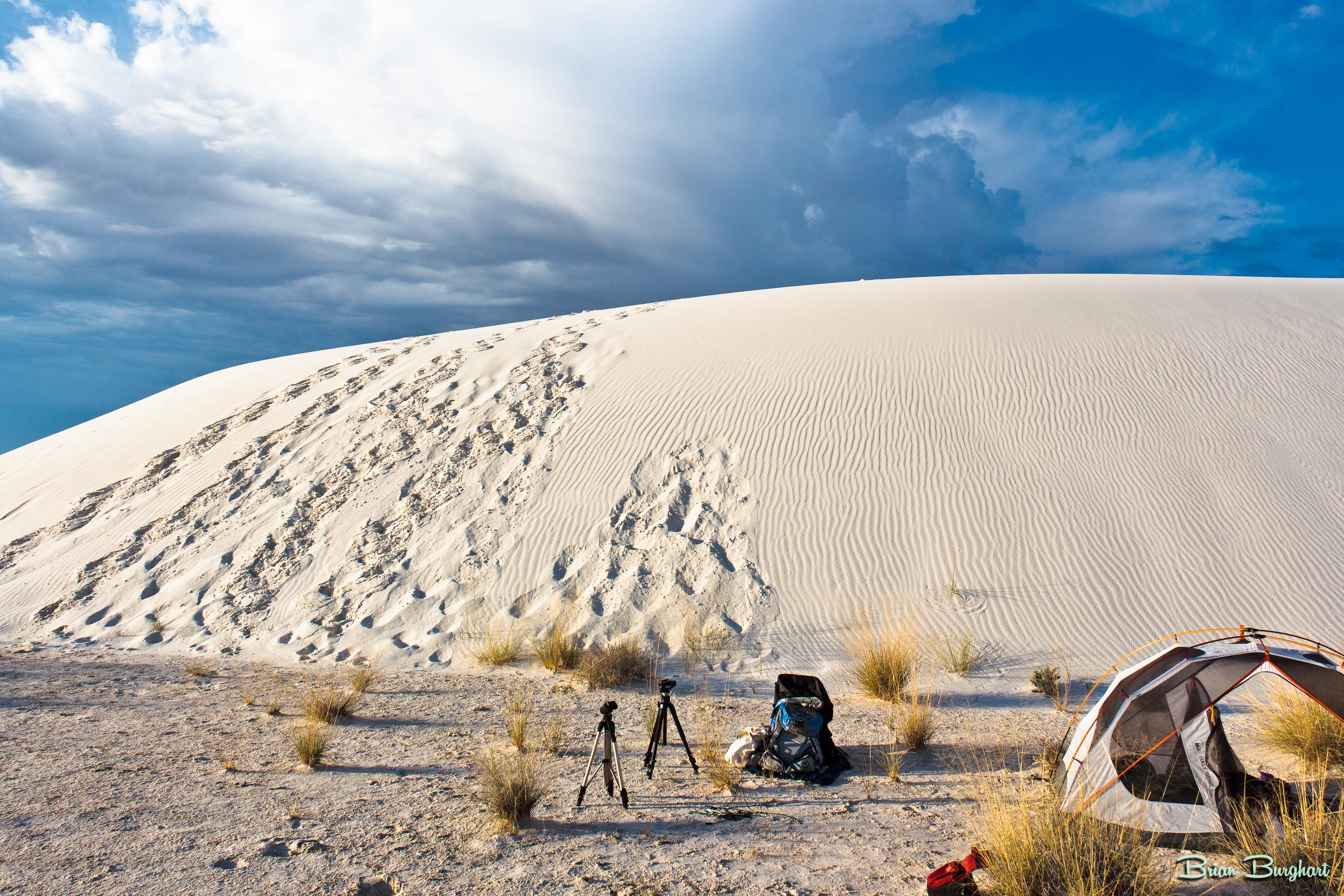
White Sands Backcountry Camping: Closed for 2026 — What to Know
As of 2026, backcountry camping at White Sands National Park is closed for site rehabilitation. What that means, and where to camp nearby instead.
Weather Guide
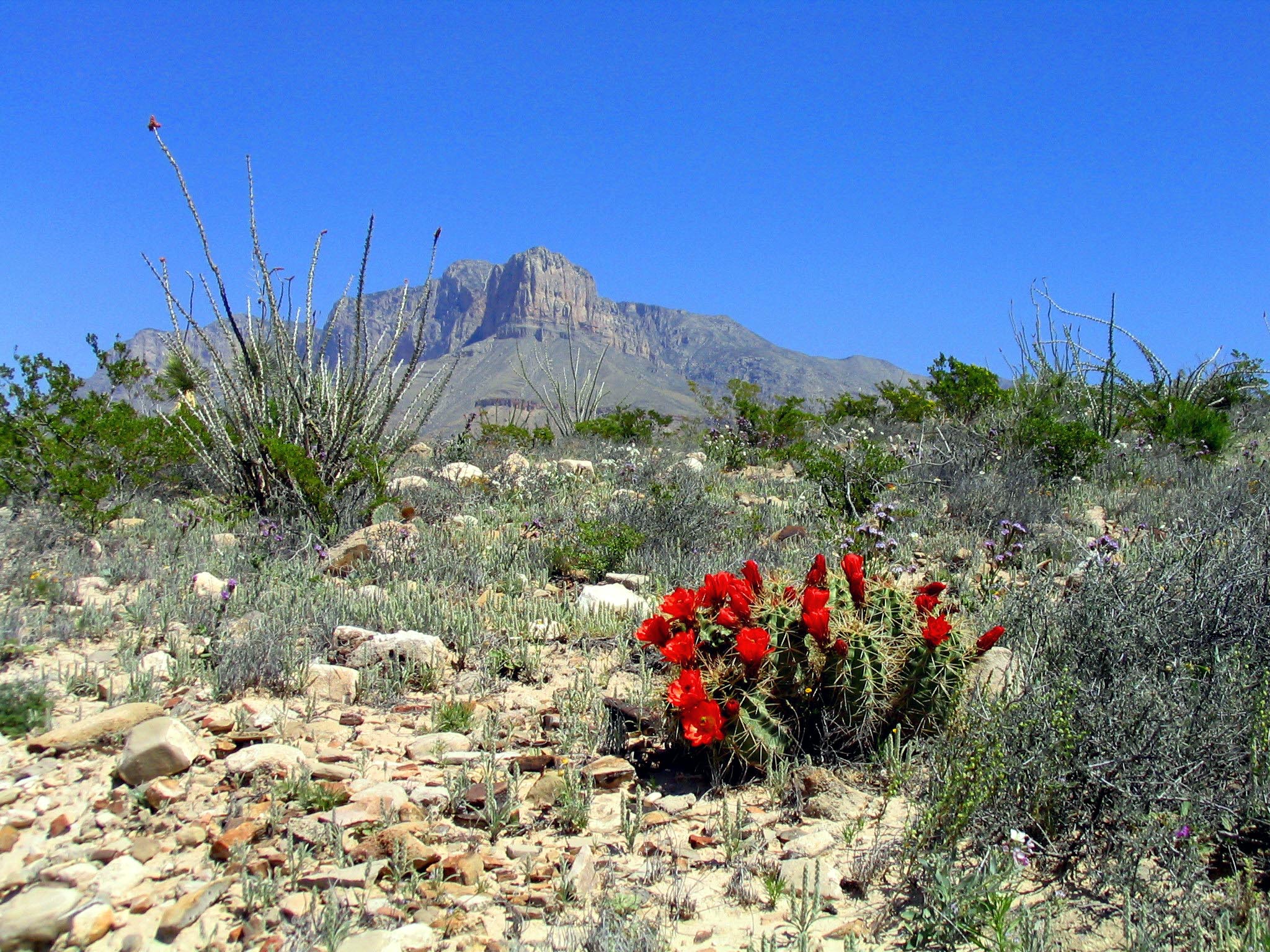
Guadalupe Mountains National Park Weather: Weather
Guadalupe Mountains National Park: weather guide guide updated 2026. Practical visitor information, reservations, and seasonal tips worth bookmarking before
Best Of
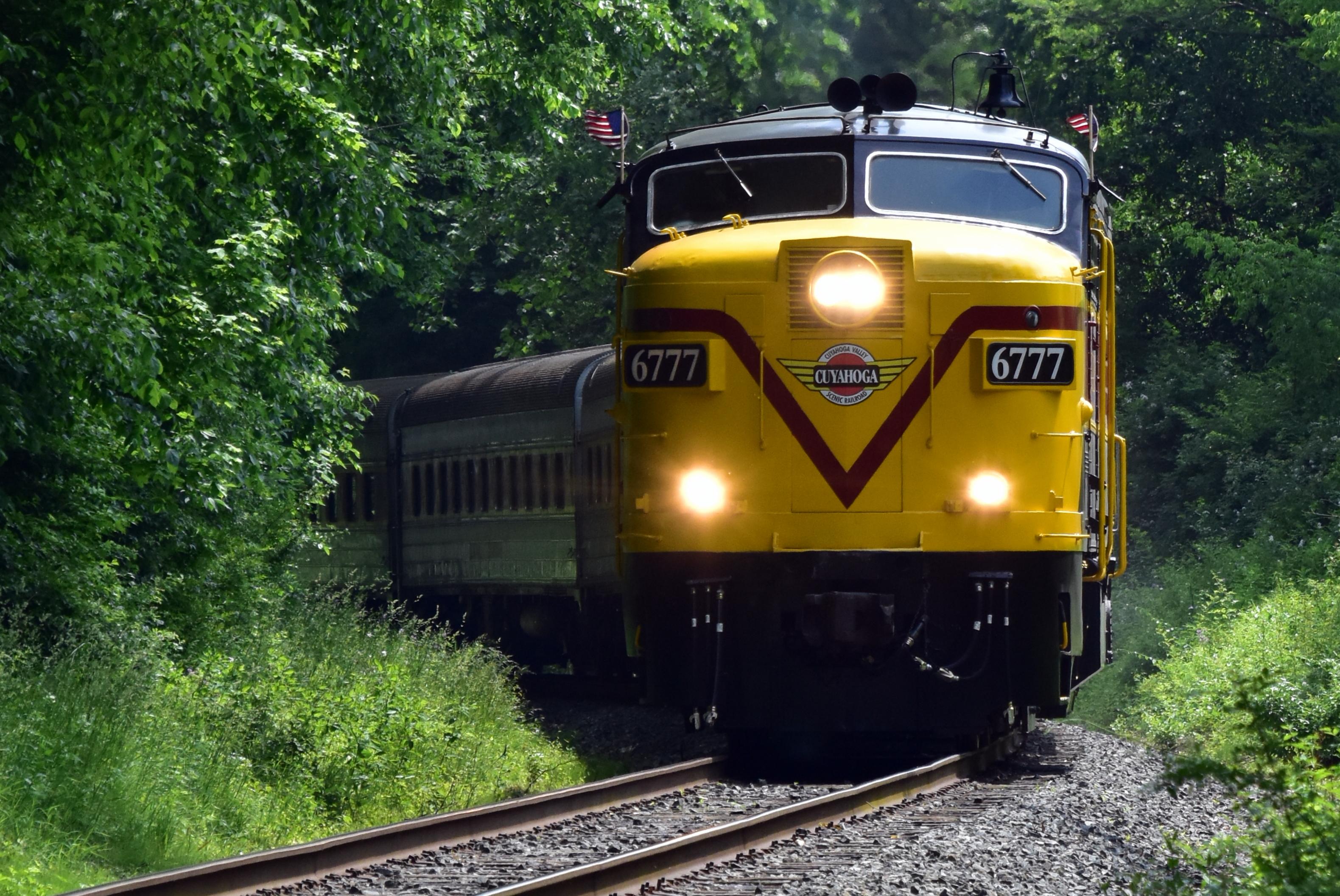
Best of Cuyahoga Valley National Park: Best Things to Do
Seeing a Cleveland Orchestra concert with the woods as your backdrop is a uniquely Cuyahoga Valley experience.
Sign in to join the conversation.
Sources & Attribution
Location data courtesy of the National Park Service (U.S. Department of the Interior). NPS data is public domain. Official NPS page.
Images: NPS; NPS; NPS; NPS; NPS.
Map data © OpenStreetMap contributors.
Park operations alerts: NPS.gov · Weather and weather hazards: National Weather Service · Live conditions.
Information may change. Always verify fees, hours, and conditions directly with the official source before visiting.
Did this guide help? Share it with a friend.