The road into Burnwood dead-ends at the group site turnoff, and the first thing you notice is how much space there actually is. Most group campsites in national park areas feel like an afterthought - a wide patch of gravel with a single fire ring and everyone tripping over tent stakes. This one doesn't. The clearing opens up gradually, with enough separation between parking and tent pads that twenty people can move around without stepping on each other's gear. That alone makes it worth considering if you are organizing a trip for a scout troop, a family reunion, or a group of friends who value personal space between the camp chairs.
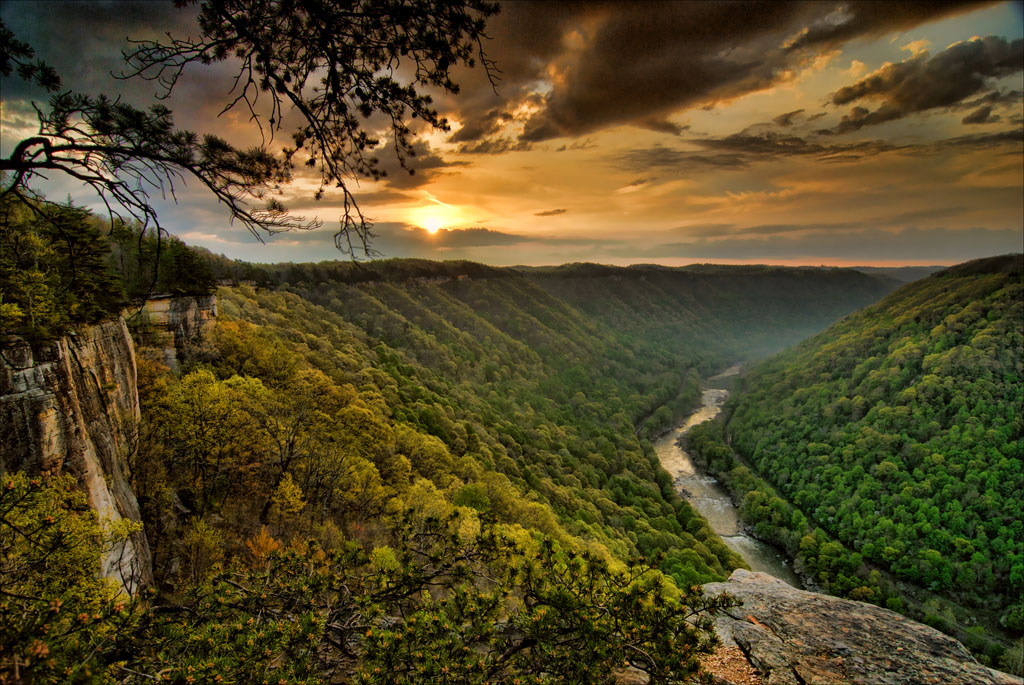
NPS via NPS.gov (Public Domain)
Campsites at Burnwood Group Campsite (2026 Guide) — Planning Tips
7 min read
Campsite Guide
Most group campsites in national park areas feel like an afterthought - a wide patch of gravel with a single fire ring and everyone tripping over tent stakes.
Your plans
Plan your visit with complete visitor guide, all campgrounds, and hiking trails.
Burnwood Group Campsite sits on the southern end of the New River Gorge area, roughly eight miles from the Canyon Rim Visitor Center. The coordinates put it off Route 19 near the Burnwood trail system, which means you are within striking distance of the main overlooks without the constant road noise that comes with sites closer to the highway. Rangers will tell you that the location works best for groups planning to spend their days on the water or on the trails rather than shuttling back and forth to town. For a broader look at the area, check the complete visitor guide for details on nearby amenities and activities.
What This Campsite Actually Offers
Site Layout and Capacity
The group site at Burnwood is designed for larger parties - think 15 to 30 people depending on your setup. The parking area handles multiple vehicles, though you will want to coordinate arrivals so nobody blocks the turnaround. Tent space spreads across a mix of cleared areas and slightly sloped sections. Find the flattest spots early and claim them.
What the park website does not mention is that the site has a natural divide between two primary camping areas. Groups with conflicting schedules or noise preferences can separate themselves without losing the group camp dynamic. Parents with younger kids tend to take the upper section closer to the restrooms. The more social members of the group usually end up around the main fire ring.
Amenities You Actually Get
- Fire ring and grill grate - Large enough for cooking for a crowd. Bring your own grate if you want more surface area.
- Picnic tables - Count on four to six tables. Not enough for everyone to sit at once for meals. Bring folding tables if your group runs large.
- Vault toilets - Standard national park vault toilets. They get serviced regularly during peak season. Bring hand sanitizer and toilet paper as a backup.
- No hookups - No water, no electric, no dump station at the site. Fill your water containers at the visitor center or at the water station near the park entrance road.
The absence of hookups surprises some first-time group campers. Plan accordingly. Pack extra water for this stretch - figure at least a gallon per person per day for drinking, cooking, and basic cleanup.
The Fire Ring Situation
The burnwood group campsite fire ring is one of the larger ones in the area. You can actually build a fire that heats the whole circle of chairs rather than one that requires everyone to crowd into a six-foot radius. Bring a camp saw if you plan to process your own firewood. Collecting deadfall within the park is not permitted - buy firewood locally to avoid introducing pests.

Getting There and Parking
Directions
From the Canyon Rim Visitor Center, head south on Route 19 for approximately four miles. Turn onto Burnwood Road and follow it to the end. The road is paved for most of the distance but transitions to gravel about a quarter mile from the campsite. It is passable for passenger cars in dry weather. After heavy rain, the gravel section can develop ruts. Take it slow.
The parking situation here is straightforward but limited. The lot holds roughly eight to ten vehicles in a compact arrangement. If your group has more than that, coordinate carpools. Overflow parking is not available at the site itself.
Cell Service
Cell service drops out at the campsite. Verizon and AT&T both lose signal about a mile before you reach the turnoff. T-Mobile users lose it sooner. Download maps and directions before you leave the visitor center area. The trailhead for the Burnwood Trail system has a small information board with a paper map - take a photo of it.

What Most Visitors Underestimate
Noise Carries
The site sits in a bowl-shaped depression with ridges on three sides. Sound travels further here than you expect. Conversations at normal volume from one end of the site reach the other end clearly. After quiet hours (10 PM in the park), whisper or move to the far end of the site. Rangers do occasional patrols, and complaints from neighboring sites - there are only a few, but they exist - get taken seriously.
The Temperature Drop
Even in July, temperatures at this elevation drop into the mid-50s after midnight. The ridge lines trap cold air drainage, and by 3 AM you will feel it. The group site does not have shelter structures. Bring adequate sleeping bags rated for at least 40 degrees, and pack extra blankets if you have members of the group who sleep cold.
Water Access
The nearest potable water spigot is at the Canyon Rim Visitor Center, roughly eight miles away. That is a sixteen-mile round trip. Fill every container you have before you leave the visitor center. The park service recommends bringing collapsible water jugs in the five-to-seven-gallon range for group trips.

Activities from the Campsite
Burnwood Trail System
The trailhead sits less than half a mile from the group site. The Burnwood Trail system offers roughly six miles of moderate hiking through second-growth forest with occasional views of the gorge. Early morning is your best bet for wildlife sightings - white-tailed deer and wild turkey are common along the lower sections of the trail.
The trail narrows here and there through rhododendron thickets. The surface changes from packed dirt to exposed roots about a mile in. Watch your footing on the transition, especially after rain when the roots get slick.
Nearby Attractions Within a 20-Minute Drive
- Grandview Overlook - The most direct view of the New River Gorge from this side. From this overlook you can see the river bend nearly a mile below and the sandstone cliffs on the far side.
- Sandstone Falls - About 20 minutes south. Worth the drive for the boardwalk trail and the broad waterfall.
- Fayetteville - Fifteen minutes north. Grocery store, outfitters, restaurants. The last reliable place to buy supplies before you reach the campsite.
Kayaking and Rafting
The New River Gorge is known for whitewater, and several outfitters in Fayetteville run trips from April through October. The group campsite works well as a base for a multi-day rafting trip because of the parking capacity and the fire ring for post-paddle meals. Most outfitters will rent gear and arrange shuttle service from the takeout back to your vehicle.

Practical Takeaways
- Reserve early. Group sites in the New River Gorge area book months in advance for spring and fall weekends. Weekdays in summer have more availability. Check recreation.gov for current availability as of 2026.
- Bring water. Fill at Canyon Rim before you head to the site. One gallon per person per day minimum.
- Pack a headlamp for every person. The vault toilets have no lighting. After sunset, darkness under the tree canopy is absolute.
- Coordinate parking. Eight to ten vehicles maximum. Carpool to avoid the overflow problem.
- Download everything. Cell service does not exist at the site. Maps, directions, weather forecasts - save them before you leave pavement.
- Bring extra tables. The picnic tables seat maybe 12 people total if they squeeze. For groups larger than that, folding tables make mealtime functional.
- Respect quiet hours. 10 PM to 6 AM. Sound carries in this drainage. Avoid becoming the campsite that everyone talks about the next morning.
For a full breakdown of lodging options across the area, see the guide to all campgrounds in the New River Gorge region.
Final Thoughts
Burnwood Group Campsite solves a specific problem: where to put a large group in the New River Gorge area without splitting everyone across multiple individual sites or resorting to the frontcountry campgrounds where you can hear highway traffic all night. It is not a luxury setup. No hookups, no running water, no cell signal. It is a place to sleep and cook and sit around a fire with people you actually want to be around. For groups that come prepared, it works exactly the way a group campsite should. Show up with your water jugs full, your firewood local, and your expectations set at the right level, and you will find yourself wondering why more parks do not set up group sites this way.
Sources
- Official source: NPS — New River Gorge National Park nps.gov/neri/index.htm
Photo Gallery
More to Explore
Park Guide
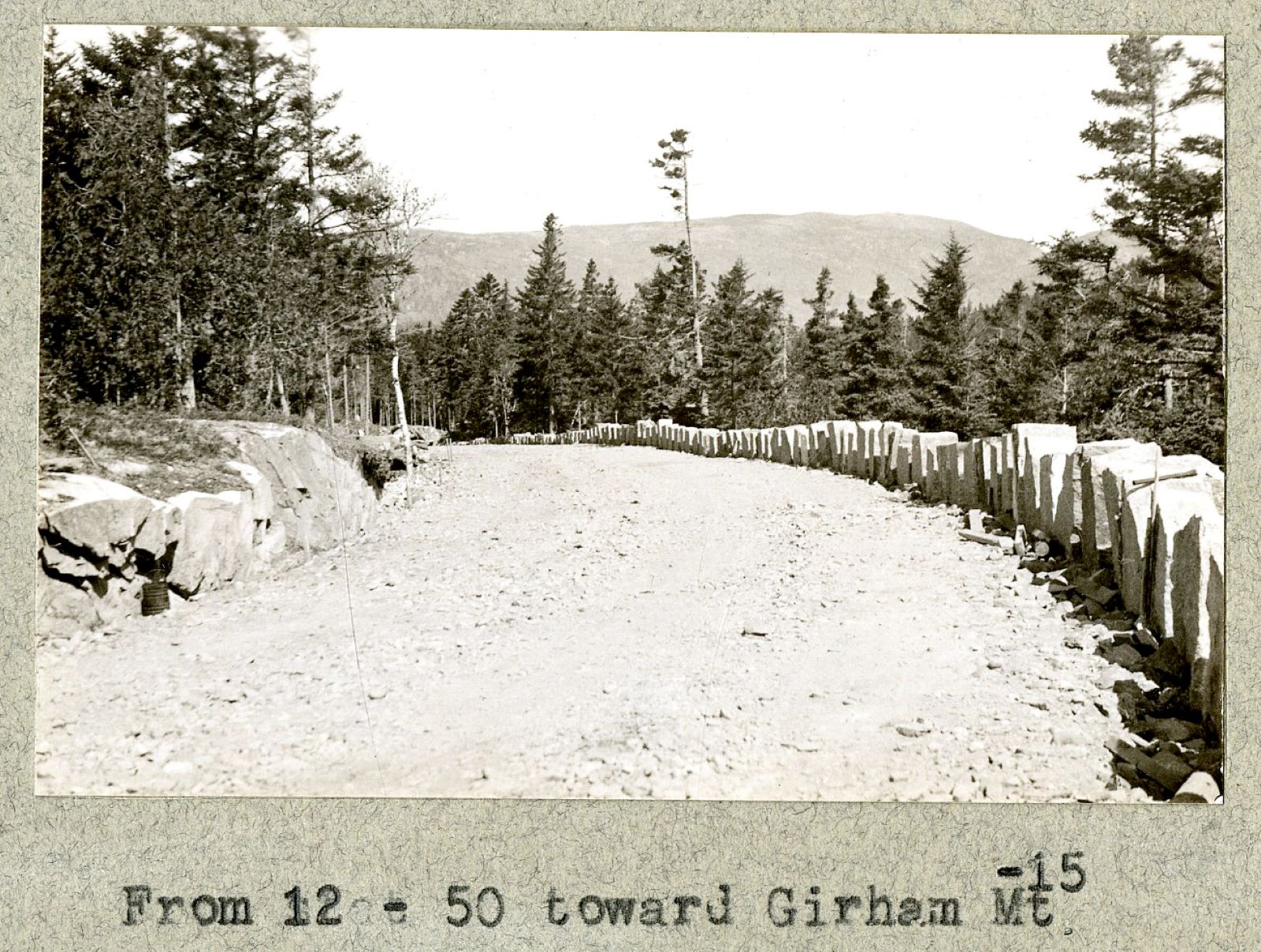
Acadia National Park: Carriage Roads, Cadillac Mountain & 2026 Guide
Discover carriage roads, Cadillac Mountain, and rugged Maine coast. Complete 2026 guide to Acadia National Park — trails, fees, lodging, permits, and what rangers recommend.
Hiking Guide
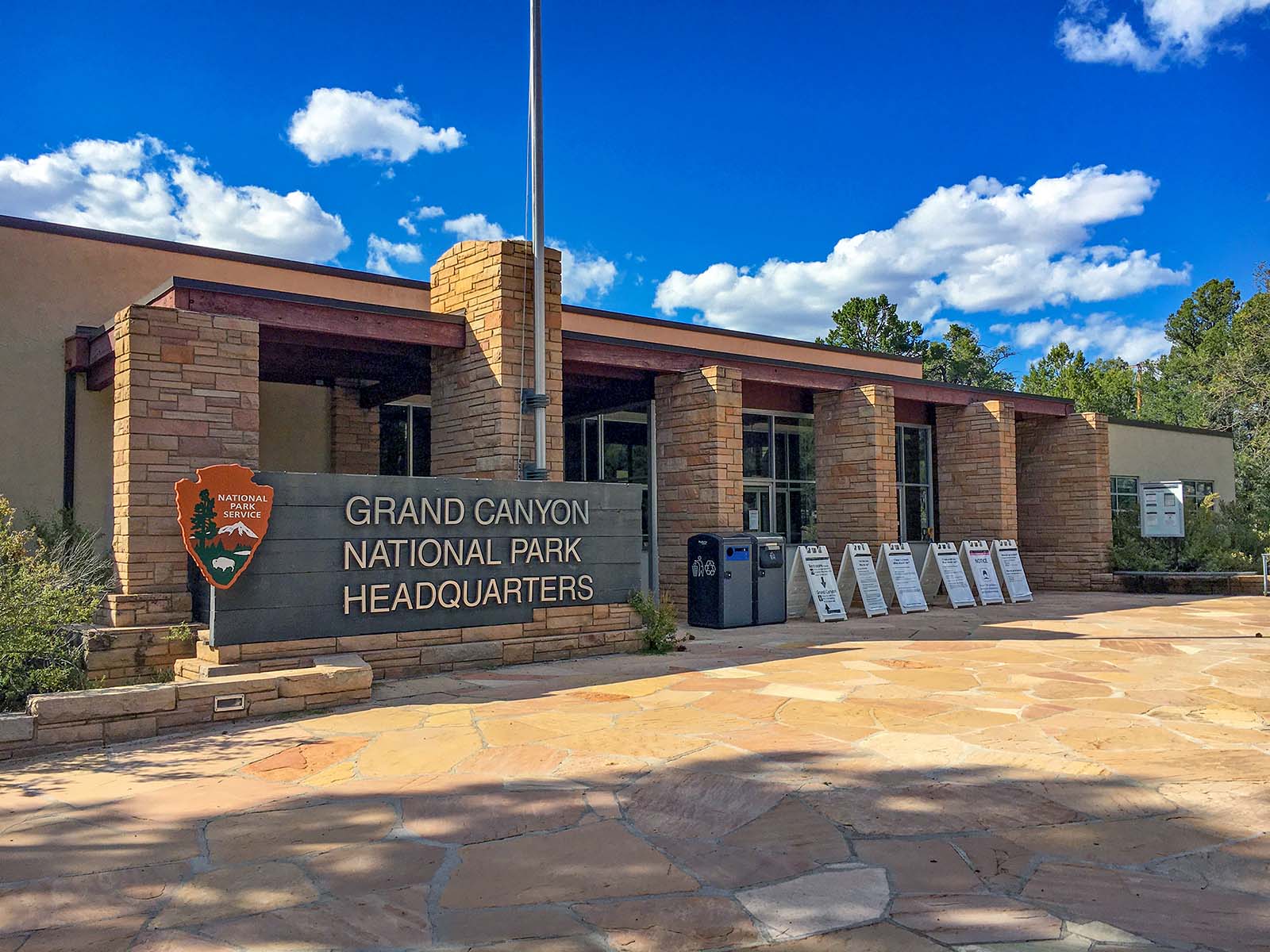
Grand Canyon Hiking Trails: Day Hikes, Water Sources & Rim to Rim
Compare Grand Canyon hiking trails: Bright Angel, South Kaibab, Hermit, Grandview, and rim to rim, with distances, elevation, water stops, and trailhead access for each.
Best Of
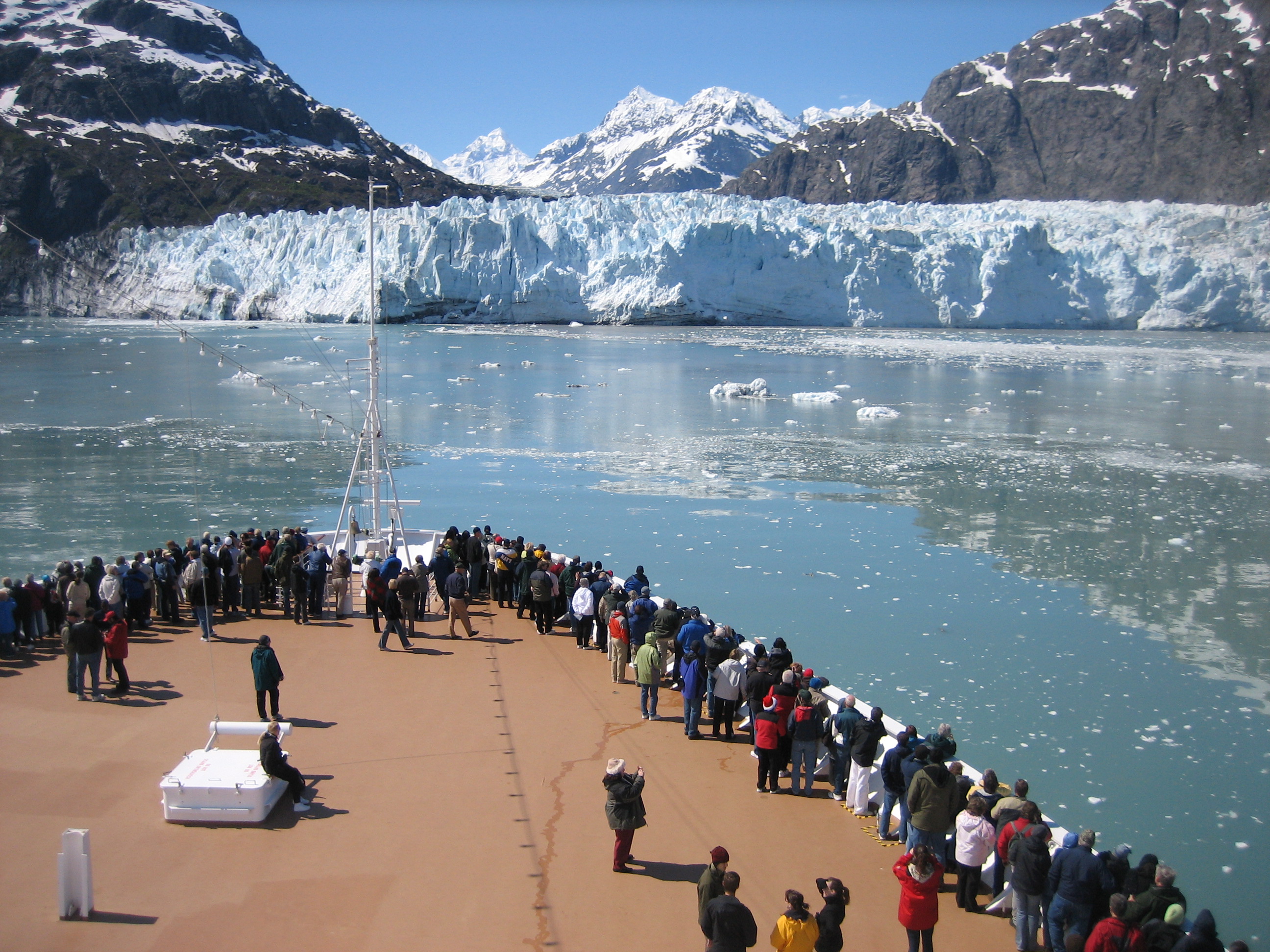
Best of Glacier Bay National Park
The best of Glacier Bay is reached by boat: ranger-led day tours up the bay to the tidewater glaciers. What's worth it, how to book, and when to go (2026).
Campsite Guide
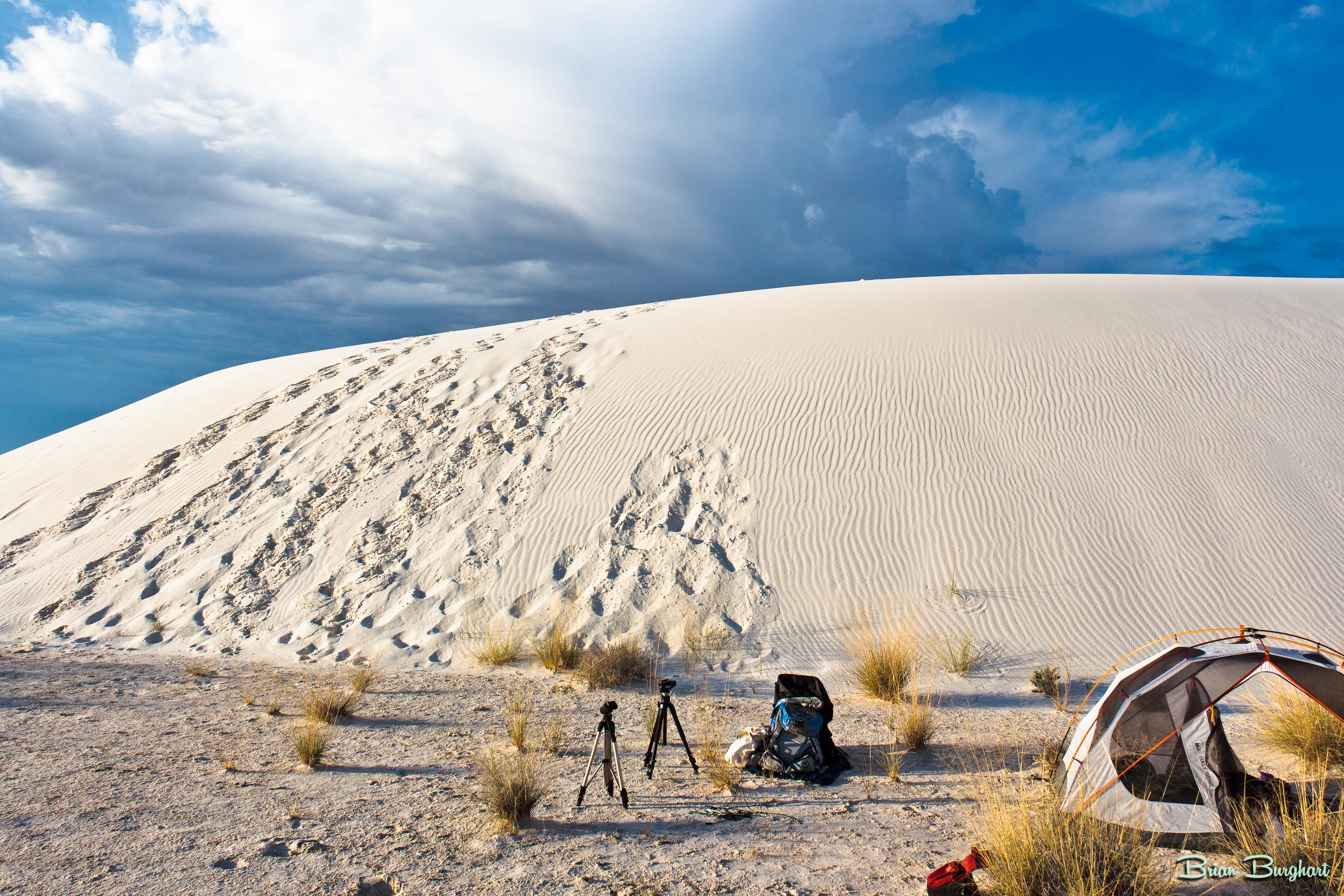
White Sands Backcountry Camping: Closed for 2026 — What to Know
As of 2026, backcountry camping at White Sands National Park is closed for site rehabilitation. What that means, and where to camp nearby instead.
Weather Guide
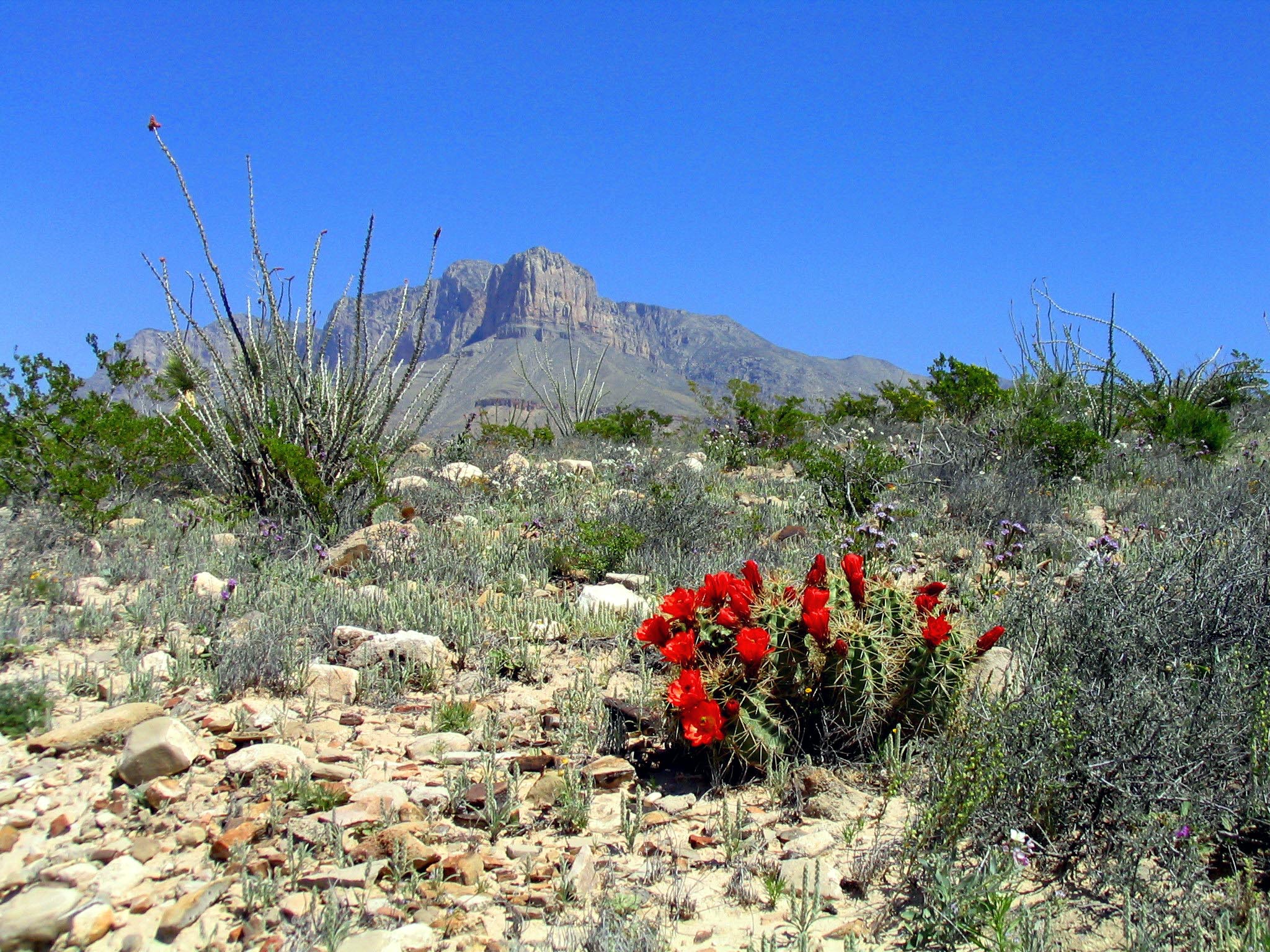
Guadalupe Mountains National Park Weather: Weather
Guadalupe Mountains National Park: weather guide guide updated 2026. Practical visitor information, reservations, and seasonal tips worth bookmarking before
Best Of
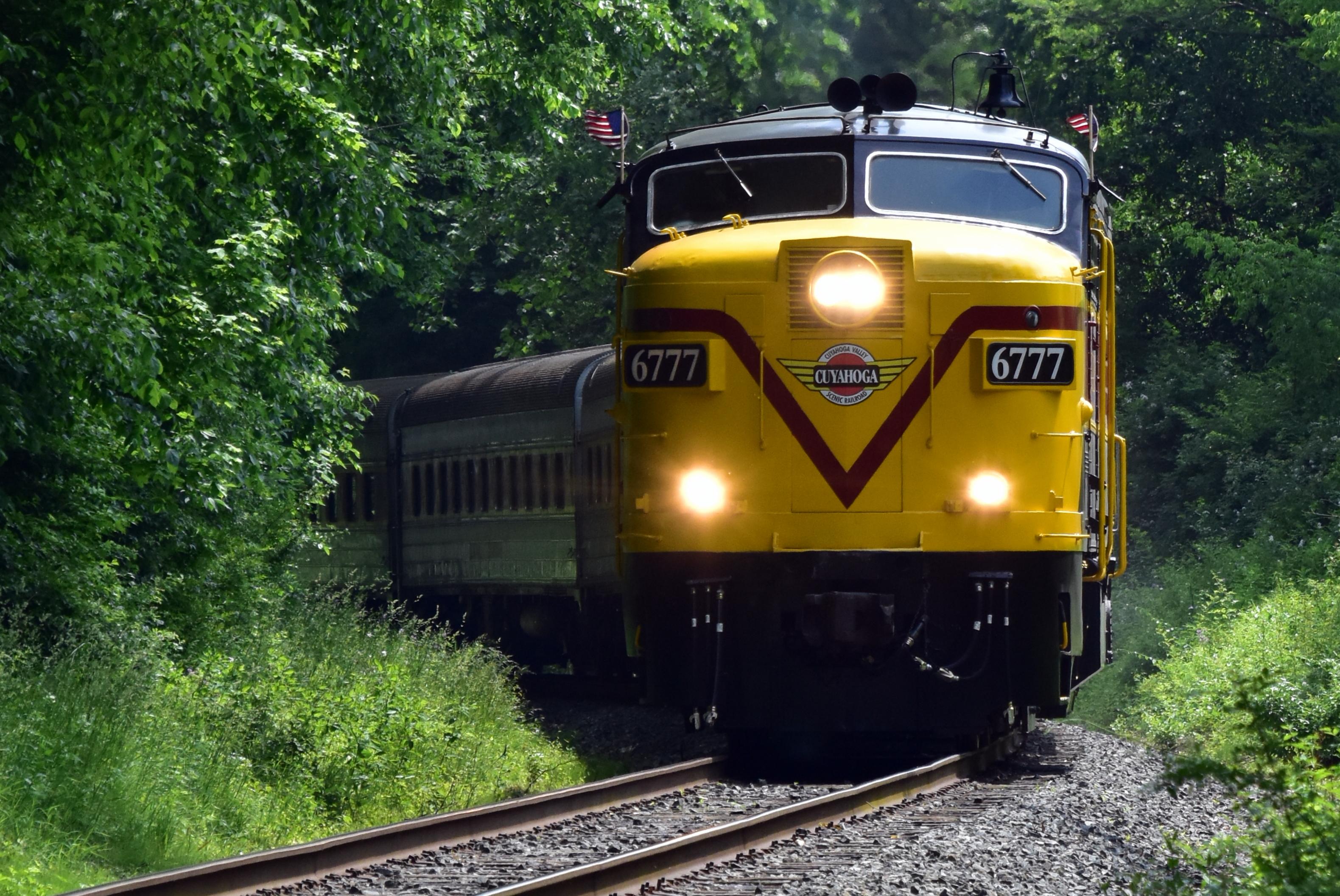
Best of Cuyahoga Valley National Park: Best Things to Do
Seeing a Cleveland Orchestra concert with the woods as your backdrop is a uniquely Cuyahoga Valley experience.
Sign in to join the conversation.
Sources & Attribution
Location data courtesy of the National Park Service (U.S. Department of the Interior). NPS data is public domain.
Images: NPS; NPS; NPS; NPS; NPS.
Park operations alerts: NPS.gov · Weather and weather hazards: National Weather Service · Live conditions.
Information may change. Always verify fees, hours, and conditions directly with the official source before visiting.
Did this guide help? Share it with a friend.