For more, see lodging and accommodations.
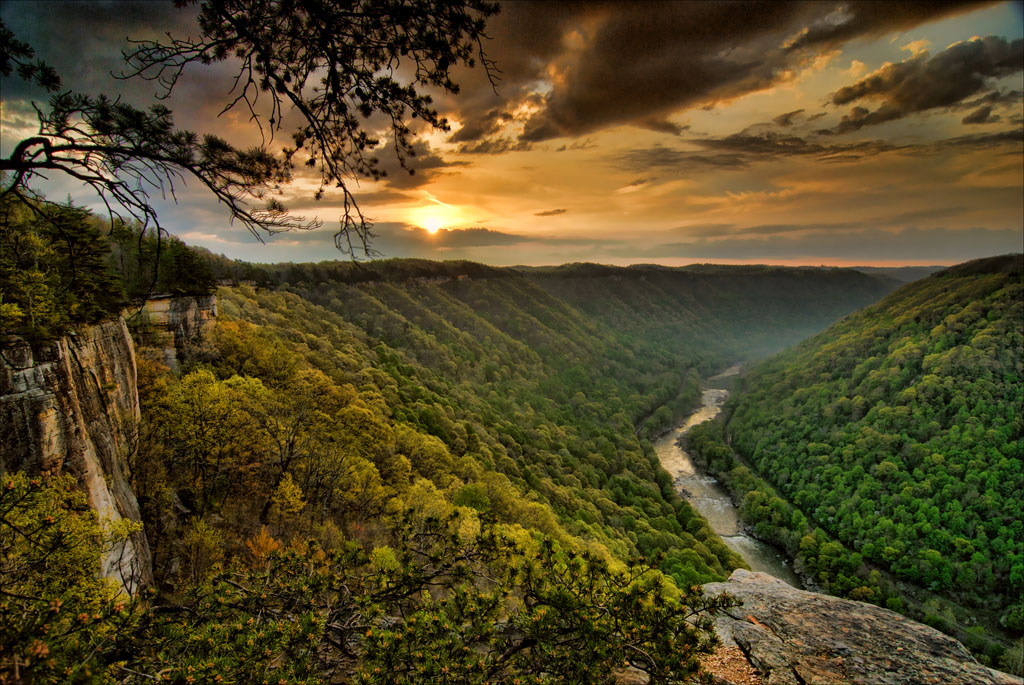
NPS via NPS.gov (Public Domain)
New River Gorge Camping: 9 Free First-Come Sites (2026)
9 min read
Camping Guide
As of, every site operates on a first-come, first-served basis at no charge. All sites are free and claimed by physical occupancy.
Your plans
This article contains affiliate links — we may earn a small commission at no extra cost to you.
New River Gorge National Park Camping: Best Camping (2026 Guide)
Here's the reality about securing a campsite at New River Gorge: none of the park's nine official campgrounds accept reservations. As of 2026, every site operates on a first-come, first-served basis at no charge. This creates a particular rhythm to visitation. You won't find the usual 10 AM Eastern scramble on Recreation.gov, but you will see weekend traffic circling for open spots. The most frequent error I've observed—and nearly everyone makes it—is equating "free" with "readily available." For those prime riverside locations at Army Camp or Glade Creek, treat your arrival with tactical precision: aim for a Thursday afternoon or early Friday morning. On holiday weekends, seasoned campers always have a contingency plan beyond park boundaries.
The Booking Reality
There is no booking. Not for the park's core campgrounds. This is the single most important fact for planning your trip. All sites are free and claimed by physical occupancy. The strategy shifts from online tactics to arrival timing and scouting. Rangers at the visitor centers will tell you that sites at the most popular campgrounds (Army Camp, Glade Creek, Grandview Sandbar) typically fill by early afternoon on Fridays from late spring through fall. Midweek, especially Monday through Wednesday, offers much better odds. The park's two group campsites, like Burnwood, do operate on a reservation system through Recreation.gov, but for the standard family or solo camper, it's a game of arrival timing. Cell service drops out at many of these remote locations, so you can't call ahead to check availability. You just have to go and look.
Campground at a Glance
| Campground | Total Sites | Site Types | Reservation | Season | Fee/Night | Hookups | Nearest Services |
|---|---|---|---|---|---|---|---|
| Army Camp | Not specified | Tent & RV | Walk-in | Year-round | $0 | No | Glen Jean (10 min drive) |
| Glade Creek | Not specified | Tent & RV | Walk-in | Year-round | $0 | No | Beckley (30+ min drive) |
| Grandview Sandbar | 10 sites | RV & Tent | Walk-in | Year-round | $0 | No | Beckley (25 min drive) |
| Meadow Creek | 26 sites | Tent-only | Walk-in | Year-round | $0 | No | Sandstone Visitor Center (1 mi) |
| Brooklyn | 5 sites | Tent-only (Walk-in) | Walk-in | Year-round | $0 | No | Fayetteville (15 min drive) |
| Stone Cliff | 7 sites | Tent-only (Walk-in) | Walk-in | Year-round | $0 | No | Thurmond (5 min drive) |
| Thayer | 4 sites | Tent-only (Walk-in) | Walk-in | Year-round | $0 | No | Fayetteville (20 min drive) |
| War Ridge/Backus Mountain | 8 sites | Tent & RV (Drive-in) | Walk-in | Year-round | $0 | No | Hico (15 min drive) |
| Burnwood | Group only | Group Tents | Reservation (Rec.gov) | Year-round | Fee applies | No | Canyon Rim Visitor Center (across road) |

Army Camp: Complete Guide
Setting and Atmosphere
Army Camp occupies a wide, level curve along the New River. The ambient sound isn't silence but the steady rush of whitewater. Expect a communal atmosphere here—the open, field-like layout means you'll be aware of neighboring campers. What draws people is immediate access to the river and the expansive evening vistas across the water. The terrain is primarily grass and firm soil, with scattered trees providing intermittent shade. The maintained access road makes this a preferred spot for smaller RVs and van campers.
Site Layout and Recommendations
The campground is essentially one big loop around a central field. Sites along the riverbank edge are the prize, offering private patios of flat stone right at the water's edge. The interior sites feel more like a communal parking lot but are easier to snag late in the day. There are no numbered "best" sites, but the rule is simple: the closer you are to the river, the better. For solitude, this isn't the spot. For sunset over the water with your chair feet in the current, it's perfect.
Facilities and Hidden Details
Vault toilets. No potable water. No showers. Pack in all your water and plan to treat river water for washing. The road in is gravel and fine for all vehicles. What the park website doesn't mention is the train. The active CSX line runs on the far side of the river. You'll hear it, mostly at night - a long, low rumble that regulars find oddly comforting. First-timers are often caught off guard. Generator use is tolerated but frowned upon if excessive; the open space carries sound.
Glade Creek Campground: Complete Guide
Setting and Atmosphere
Forested and shaded, Glade Creek feels more secluded than Army Camp. It's where Glade Creek meets the New River, and the background noise is a mix of creek babble and river flow. The terrain is uneven, with sites tucked into wooded nooks rather than arranged in a field. The air is cooler here, and the tree canopy means morning dew lasts longer on your tent fly. The atmosphere is quieter, more focused on the forest than the river panorama.
Site Layout and Recommendations
Sites are scattered along spur roads, not a formal loop. This layout creates more privacy. The sites closest to the Glade Creek Trailhead are the most convenient for hikers but also see the most foot traffic from day-users parking to hit the trail. For the best blend of privacy and river proximity, look for the sites at the downstream end of the campground. They're a longer walk from the vault toilet but feel more remote. RVs can fit here, but the roads are narrower and the turns tighter than at Army Camp.
Facilities and Hidden Details
Vault toilets. No potable water. The water from Glade Creek and the river must be treated before drinking. The parking area for the trailhead is separate but adjacent; on weekends, it may fill with day hikers' cars by 10 AM. Cell service is nonexistent. The common error is underestimating how dark it gets under the thick canopy - a good headlamp is non-negotiable for evening camp chores.

Meadow Creek Campground: Complete Guide
Setting and Atmosphere
As the park's largest campground with 26 sites, Meadow Creek has a different vibe. It's tent-only and split between an open meadow and a wooded area. The open sites are sunny, grassy, and ideal for stargazing but offer zero privacy. The wooded sites are tighter, shaded, and feel more secluded. The constant here is the sound of the New River just down the bank. It's a 10-minute walk from the Sandstone Visitor Center, which means you can sometimes hear the faint hum of park films or the occasional train whistle from the exhibition yard.
Site Layout and Recommendations
The 17 sites in the open meadow are exactly that - a large, grassy field with picnic tables and fire rings scattered about. These are great for groups wanting to camp together or for families with kids who need room to run. The 9 sites in the wooded section are better for solitude. There's no official "loop," so you drive in, pick a spot that looks open, and set up. The earlier you arrive, the more choice you have between sun or shade.
Facilities and Hidden Details
Vault toilets. No potable water, but you can fill up at the Sandstone Visitor Center (check their seasonal hours). The walk to the visitor center is the big perk here, especially if you need information or want to browse the bookstore. The meadow can get muddy after rain. This is a popular campground because of its size and proximity to the visitor center, so it fills reliably on summer weekends.
The Walk-In & Primitive Campgrounds
For a more rugged experience, the park offers several walk-in, tent-only campgrounds. These are where you'll find real solitude.
Brooklyn, Stone Cliff, and Thayer Campgrounds
These are your classic riverbank camps. Brooklyn's 5 walk-in sites are near the Cunard river access. Stone Cliff's 7 sites are split between a sandy beach (5 sites) and the woods (2 sites) - the beach sites are unique but offer no shade. Thayer's 4 sites are the most remote. All require you to park in a designated lot and carry your gear 50-200 yards to your site. Facilities are a vault toilet at the parking area and nothing else. No water, no trash service (pack it out). The reward is waking up with the river right outside your tent door and far fewer people. The sand at Stone Cliff gets everywhere.
War Ridge/Backus Mountain Campground
This is the anomaly: the only park campground not on the river. Its 8 drive-in sites are on a ridgetop. The setting is quiet forest with no water sounds. It's cooler up here, often by 5-10 degrees, which can be a relief in July. The views are of trees, not gorges. It's a fantastic option when the riverside campgrounds are full or if you prefer a drier, more forested environment. You'll hear more birds and wind than whitewater. Access is via gravel forest roads that are well-maintained but winding.

Reservation Strategy
Since reservations aren't an option for most, your strategy is about timing and monitoring.
* Prime Arrival Window: Target Thursday afternoon or before 11 AM on Friday for weekend stays. Sunday afternoon can also yield sites as weekenders leave.
* Scouting Route: If your first choice is full, have a mental list of alternatives. The order of popularity generally runs: Army Camp/Glade Creek, then Grandview Sandbar/Meadow Creek, then the walk-ins, with War Ridge as the reliable fallback.
* Group Camping: For the reservable Burnwood Group Campsite, book the moment your dates open on Recreation.gov. Group sites are scarce.
* Cancellations: Not applicable. Someone leaves, the site is immediately available for the next person who drives up.
For those needing guaranteed lodging, researching hotels near New River Gorge National Park or camping near New River Gorge WV in the surrounding communities is a prudent backup plan.
What to Know Before You Arrive
* Bear Storage: This is black bear country. Rangers will tell you to store all food, trash, and scented items (toothpaste, deodorant) in your vehicle when not in use. Never leave food unattended at your picnic table.
* Fires: Use only the provided metal fire rings. Collecting dead wood from the forest floor is permitted for campfires within the rings. During periods of high fire danger, restrictions may be posted - check at a visitor center.
* Quiet Hours: Typically 10 PM to 6 AM. Enforcement relies on ranger patrols and camper self-policing. Generator use should cease during quiet hours.
* Cell Service: Assume you have none at the campground. Download maps and campground information beforehand.
* Water: There is NO potable water at any of the free campgrounds. You must bring all the water you will need for drinking, cooking, and washing. Treating river water is an option for non-potable uses but requires proper filtration or chemical treatment.
* Checkout: There's no formal checkout time, but the courtesy is to vacate your site by noon to allow others to set up.

Practical Takeaways
- You cannot reserve standard campsites. All are free, first-come, first-served.
- Bring every gallon of water you will need. There are no faucets at the campgrounds.
- Target a Thursday arrival for the best selection of riverside sites on a weekend.
- Have a backup campground (or two) in mind before you arrive. War Ridge is often available when others are full.
- Store all food and scented items in your vehicle, not in your tent.
- Facilities are primitive: vault toilets only, no showers, no electric hookups.
- Download offline maps. Cell service is unreliable to nonexistent at most campgrounds.
- For a guaranteed spot, especially for groups, look into campgrounds near New River Gorge outside the park boundaries or the reservable Burnwood site.
- Your camping fee is $0, but your responsibility is high: pack out all trash, respect quiet hours, and leave no trace.
- After setting up camp, your next move should be to consult our guide to the park's hiking trails to plan your days exploring.
This system rewards flexibility and preparation. The best camping in New River Gorge National Park isn't about luxury; it's about securing a simple patch of ground next to one of the continent's oldest rivers. Show up prepared, and you'll earn it. For more planning context, our complete visitor guide covers everything from scenic drives to seasonal weather patterns.
For more information, see our complete National Park & Preserve Guide.
Recommended Gear
What experienced visitors bring to New River Gorge Camping: 9 Free First-Come Sites (2026)
Links may earn us a commission at no extra cost to you. We only recommend gear we believe in.
Hiking Essentials
Hydration Pack (3L)
Hands-free water for long trail days
Trekking Poles (Pair)
Save your knees on steep descents
Hiking Boots (Ankle Support)
Sturdy footwear for rocky, uneven trails
Sun & Heat Protection
Wide-Brim Sun Hat
Full coverage UPF 50+ protection at altitude
Insulated Water Bottle (32oz)
Keeps water cold in desert heat all day
Winter Gear
Microspikes / Traction Devices
Essential for icy rim trails in winter months
Sources
- Official source: NPS — New River Gorge National Park nps.gov/neri/index.htm
Photo Gallery
More to Explore
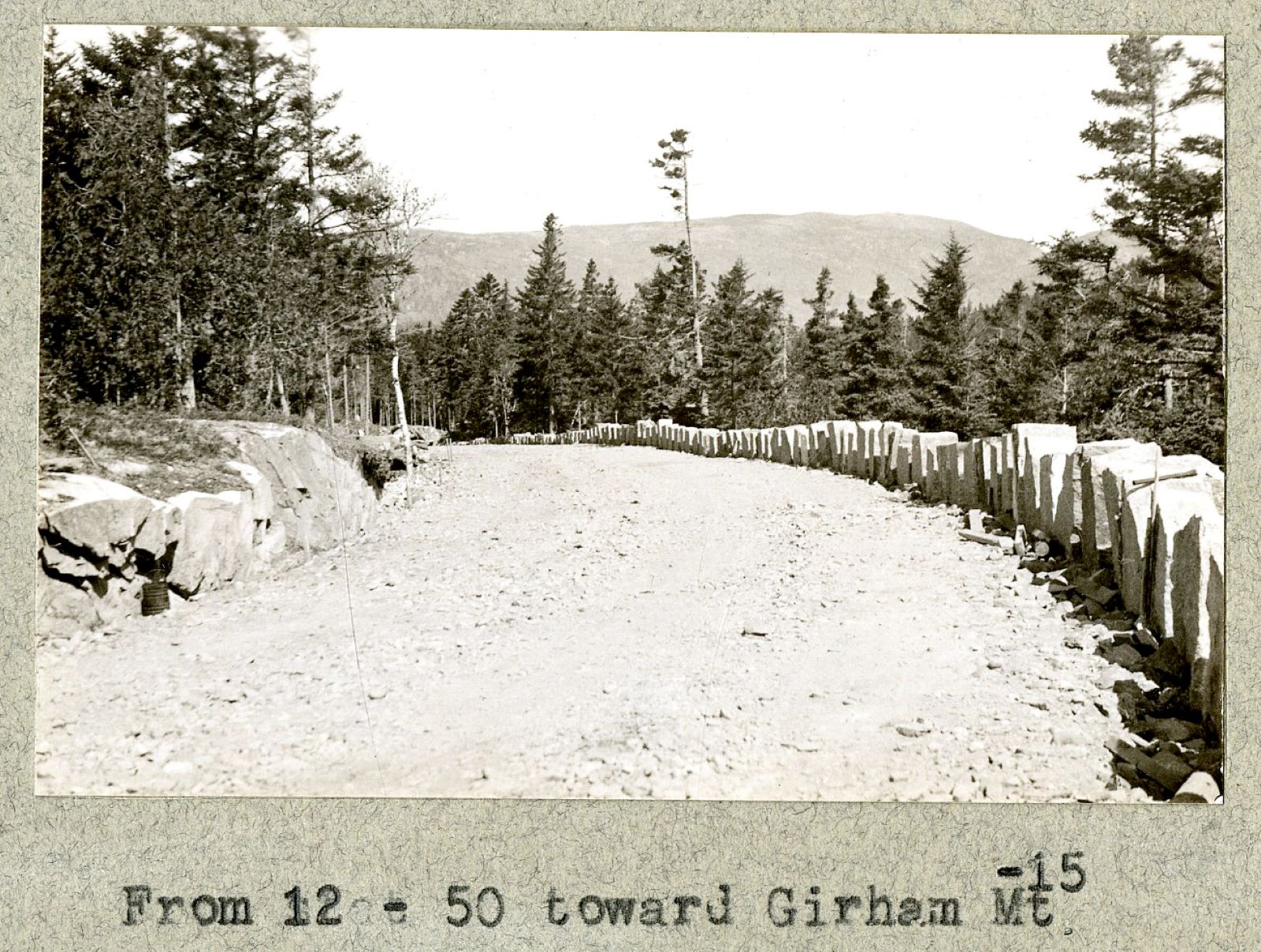
Park Guide
Acadia National Park: Carriage Roads, Cadillac Mountain & 2026 Guide
Discover carriage roads, Cadillac Mountain, and rugged Maine coast. Complete 2026 guide to Acadia National Park — trails, fees, lodging, permits, and what rangers recommend.
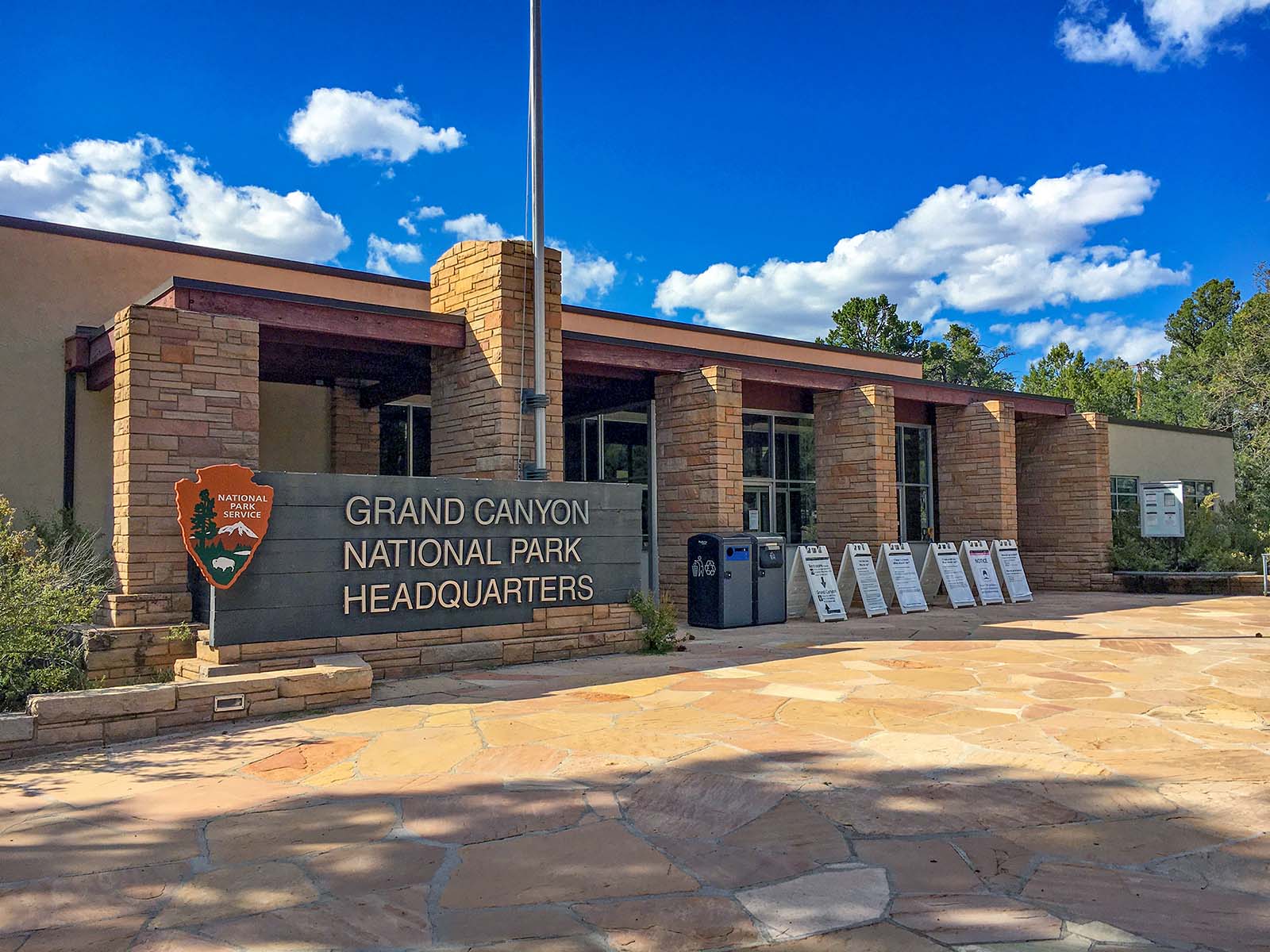
Hiking Guide
Grand Canyon Hiking Trails: Day Hikes, Water Sources & Rim to Rim
Compare Grand Canyon hiking trails: Bright Angel, South Kaibab, Hermit, Grandview, and rim to rim, with distances, elevation, water stops, and trailhead access for each.
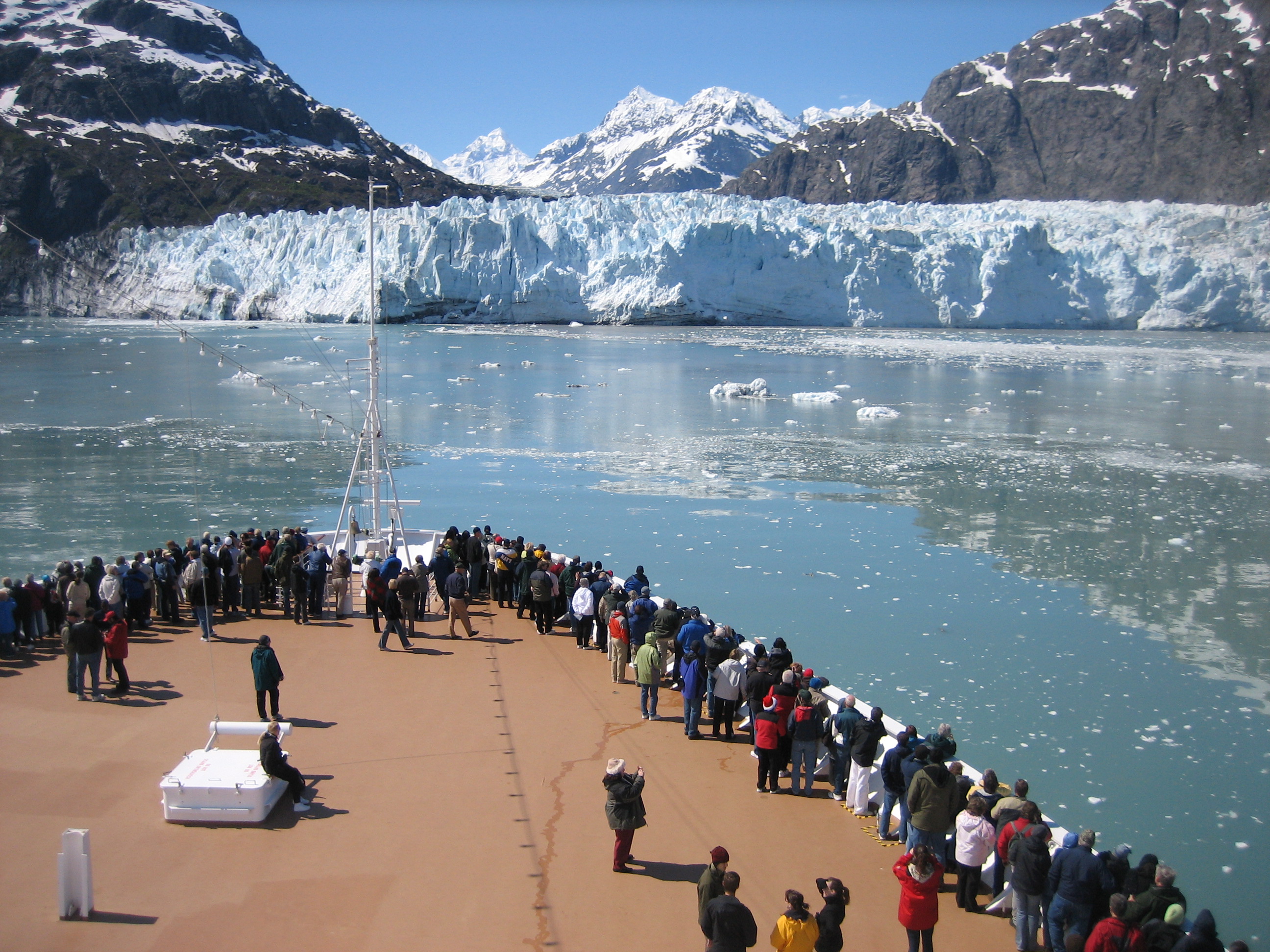
Best Of
Best of Glacier Bay National Park
The best of Glacier Bay is reached by boat: ranger-led day tours up the bay to the tidewater glaciers. What's worth it, how to book, and when to go (2026).
Campsite Guide
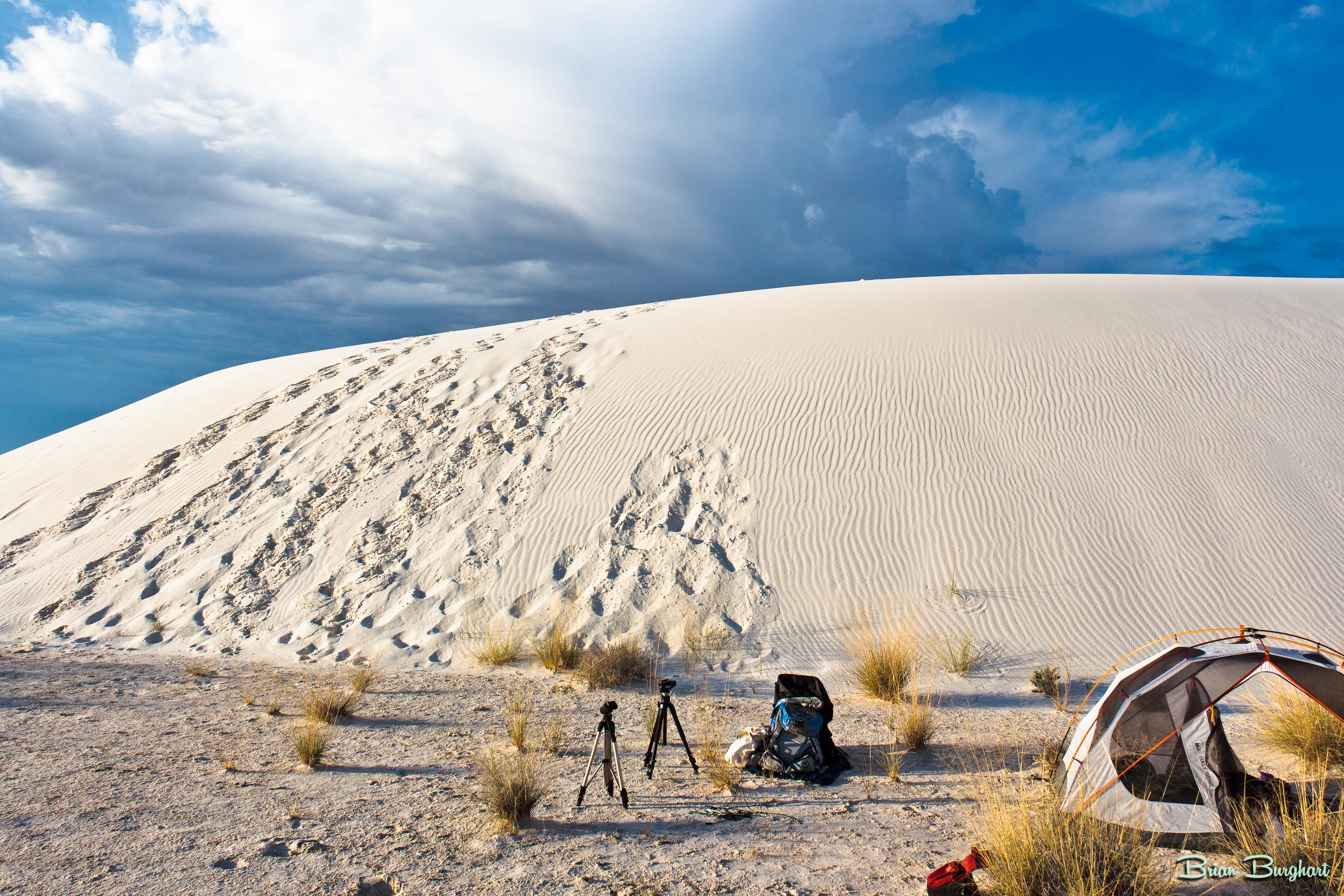
White Sands Backcountry Camping: Closed for 2026 — What to Know
As of 2026, backcountry camping at White Sands National Park is closed for site rehabilitation. What that means, and where to camp nearby instead.
Weather Guide
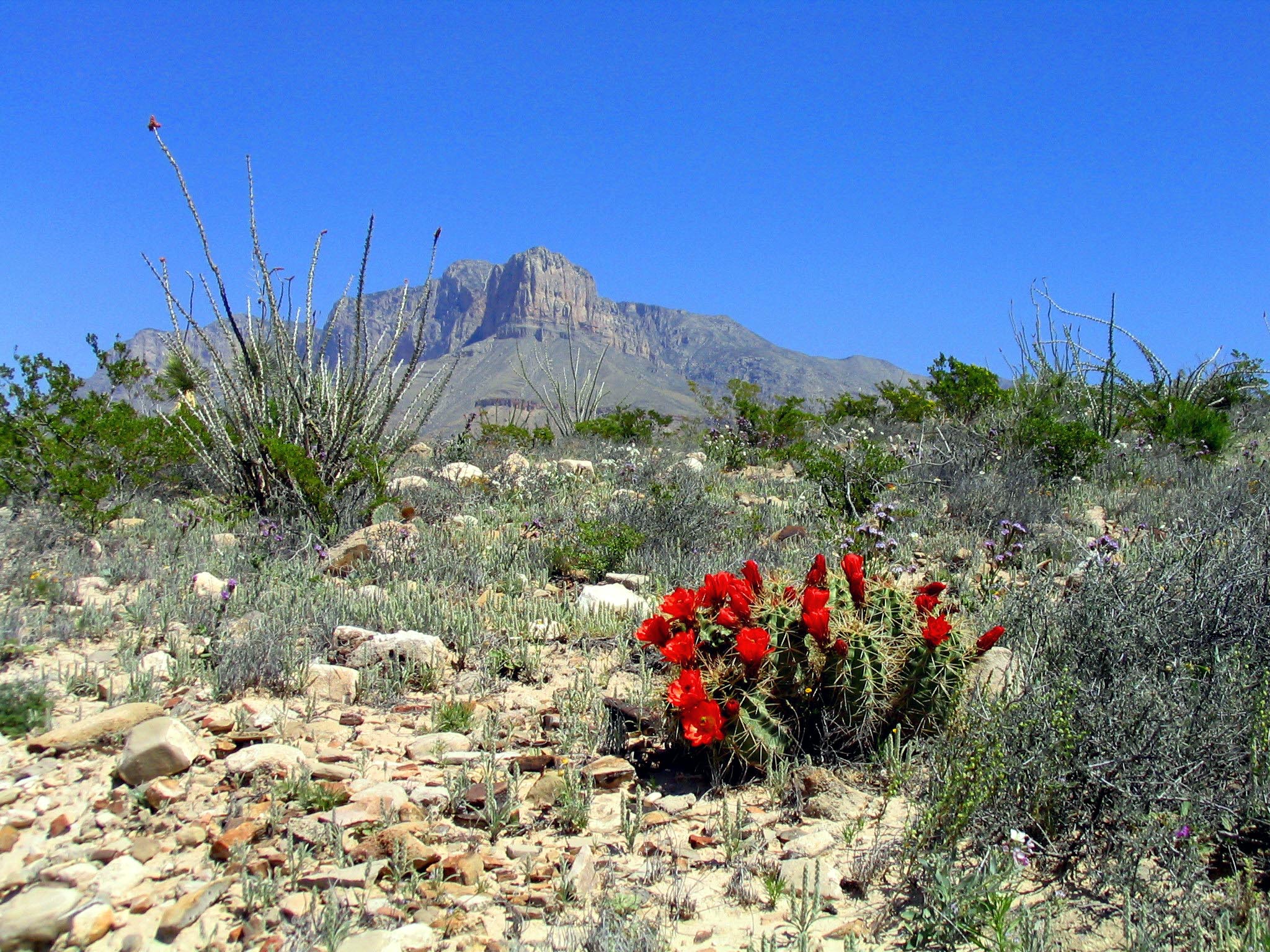
Guadalupe Mountains National Park Weather: Weather
Guadalupe Mountains National Park: weather guide guide updated 2026. Practical visitor information, reservations, and seasonal tips worth bookmarking before
Best Of
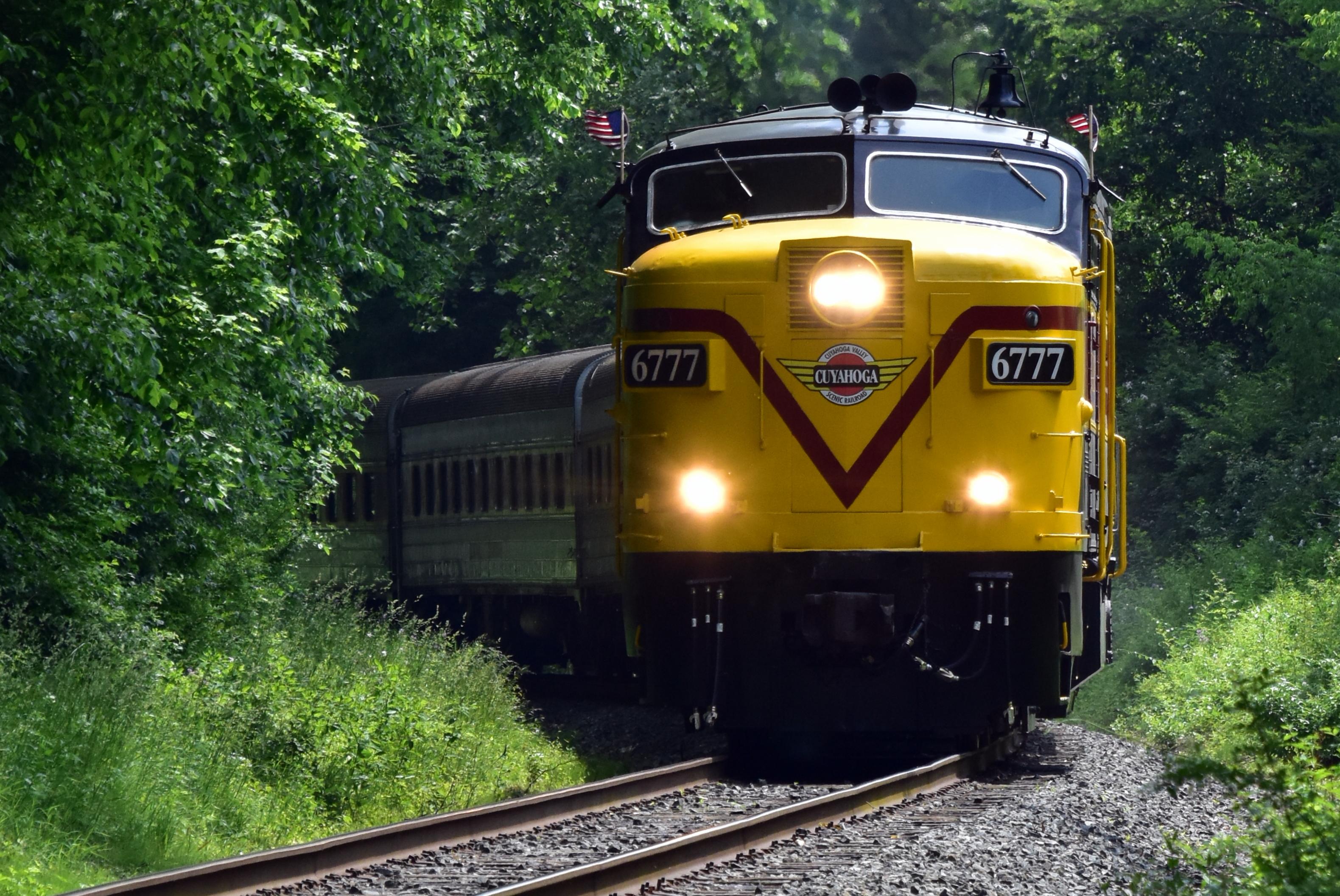
Best of Cuyahoga Valley National Park: Best Things to Do
Seeing a Cleveland Orchestra concert with the woods as your backdrop is a uniquely Cuyahoga Valley experience.
Sign in to join the conversation.
Sources & Attribution
Location data courtesy of the National Park Service (U.S. Department of the Interior). NPS data is public domain. Official NPS page.
Images: NPS; NPS; NPS; NPS; NPS.
Map data © OpenStreetMap contributors.
Park operations alerts: NPS.gov · Weather and weather hazards: National Weather Service · Live conditions.
Information may change. Always verify fees, hours, and conditions directly with the official source before visiting.
Did this guide help? Share it with a friend.