White River Campground: First-Come Sites, Sunrise Access (2026 Guide)
HomeCampsite GuideWhite River Campground: First-Come Sites, Sunrise Access (2026 Guide)
Your plans
Advertisement
Introduction
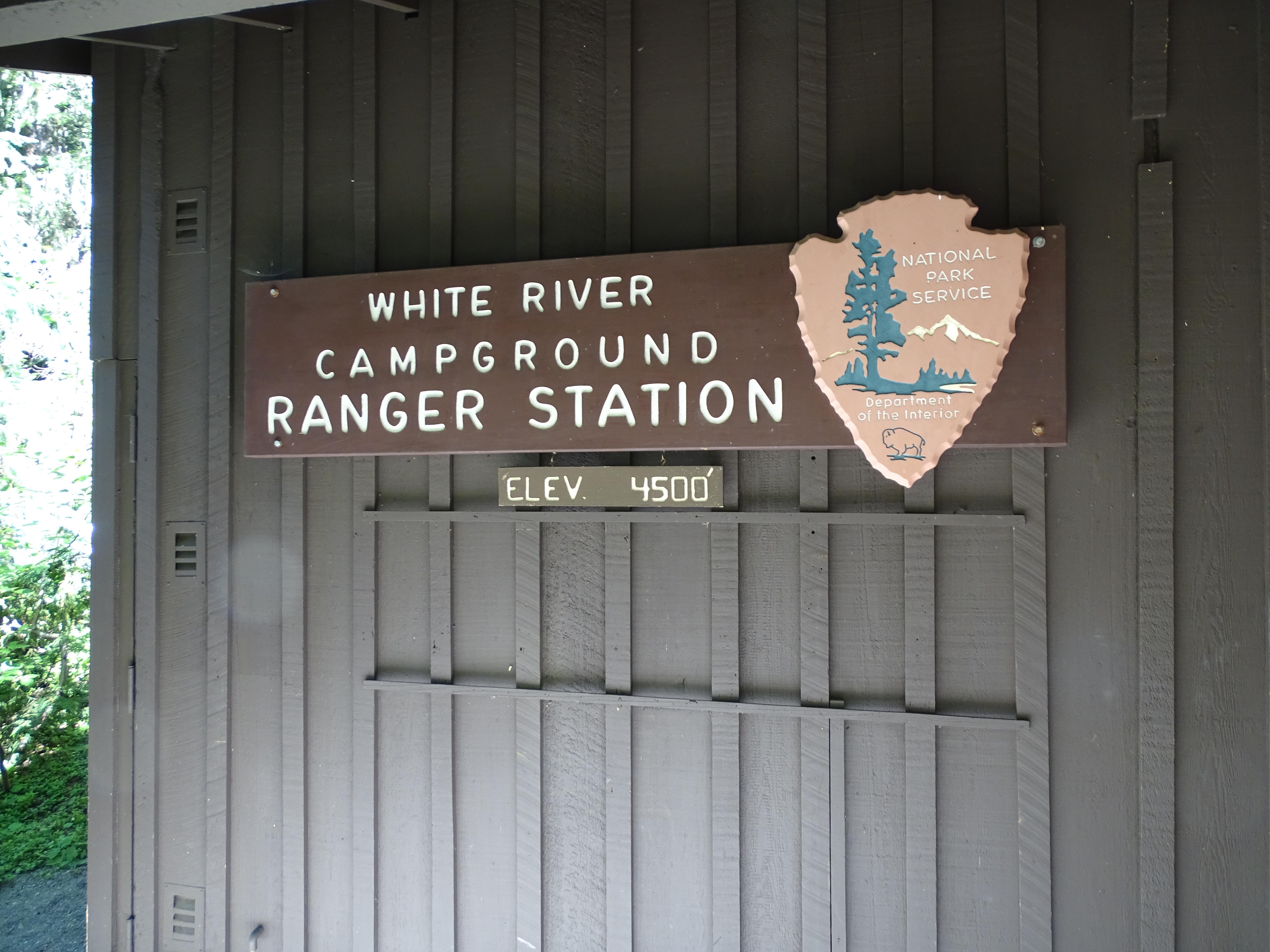
Arrive before 10 AM or plan to wait. That is the single most important thing to understand about White River Campground at Mount Rainier National Park. As of 2026, this 88-site campground operates entirely on a first-come, first-served basis - no reservations, no backup plan if the lot fills. And it fills most summer days by early afternoon. Located on the eastern side of the park below Sunrise, White River takes its name from the river running beside it and offers the closest camping access to the Sunrise area, the highest point you can drive in the park. This guide covers what you need to know to secure a site, what to expect once you settle in, and which trails are worth your time from this basecamp. For a broader overview of the park, check the complete visitor guide.
White River Campground sits about six miles east of State Route 410, off the road leading up to the Sunrise area. The drive in follows a steep canyon with tight curves - nothing dangerous if you take it slow, but trailers and longer RVs will want to pay attention. The campground itself is tucked into forest along the White River, which means decent privacy between sites but also the constant sound of running water. That sound helps with sleep. It also means cooler temperatures at night compared to open areas.
The campground sits at roughly 4,000 feet elevation. Summer nights regularly drop into the 40s, sometimes the 30s. Pack accordingly.
Season and Hours
White River opens late June and closes early September, depending on snow conditions. In 2026, the seasonal closure runs from September 21 through June 20, with the campground fully open only during the summer window. Check-out time is noon. There are no public showers anywhere in the park, so come prepared for that reality.
Fees
A standard campsite costs $20.00 per night as of 2026. That covers up to two tents and six people (unless immediate family). If you hold an America the Beautiful Senior or Access Pass, the fee drops to $10.00 per night for the site you occupy. No other discounts apply at this campground.
Photo: NPS via NPS.gov (Public Domain)
The First-Come, First-Served Reality
This is the part most visitors underestimate. White River does not take reservations. There is no online system, no phone line to hold a site, no way to guarantee anything. You show up, you find an empty site, you fill out the envelope, and you hope the ranger doesn't tap on your window at 10 PM to tell you the site was already taken.
Rangers will tell you the same thing every year: the campground typically fills by early afternoon on weekdays and by late morning on weekends. The parking situation here is tight - the campground has 88 sites (15 tent-only, 1 RV site), and the access roads are narrow. If you arrive in a large RV, confirm it fits before committing to the drive. The single RV site goes fast.
How to Actually Get a Site
Experienced visitors know the strategy. Arrive between 8 and 10 AM. Drive the loops slowly. Look for sites with the metal post tag still showing "available" - the tag flips to show the site number when occupied. If every site is taken, wait near the entrance station or park in the day-use area and walk the loops. People leave throughout the morning. Most visitors underestimate how many sites open up between 9 and 11 AM as early risers pack out.
If the campground is full, your backup options are limited. Cougar Rock Campground is on the south side of the park between Longmire and Paradise - 179 sites, also first-come but with a different demand pattern. Ohanapecosh Campground is closed for the entire 2026 season due to construction, so that option is off the table. Check the all campgrounds page for updated availability across the park.
What the Campsites Are Like
The sites at White River vary. Some are tucked into dense forest with good separation between neighbors. Others sit closer to the road and get more foot traffic. None have hookups - this is dry camping only. Each site includes a fire ring, a picnic table, and a tent pad. The tent pads are gravel in some spots, dirt in others. Bring a footprint or ground cloth.
Cell service drops out at the campground and stays out for most of the Sunrise Road corridor. Do not plan on checking email or making calls. The entrance station has a pay phone for emergencies.
Amenities and Facilities
What you get:
Vault toilets (no flush toilets)
Drinking water spigots (seasonal - shut off and drained before closing)
Firewood for sale at the entrance station (cash only, typically)
Bear-proof food storage lockers at each site
What you do not get:
Showers
Electricity
Dump station
Wi-Fi or cell reception
RV hookups
Food storage is mandatory. Mount Rainier has active black bear populations, and the White River corridor sees regular bear activity. Keep all food, toiletries, and scented items in the storage lockers when not in use. The Wonderland Trail runs through the campground on its way up to Sunrise or Summerland, which means through-hikers pass through regularly - keep an eye on your gear.
Photo: NPS via NPS.gov (Public Domain)
Activities and Trails from White River
The campground sits at the trailhead for several excellent hikes. You can start walking from your tent without driving anywhere.
Hike Emmons Moraine Trail
This short hike takes one to two hours and delivers one of the best glacier viewpoints accessible from a campground. The trail follows the Emmons Moraine, offering views of the Emmons Glacier - the largest glacier by surface area in the contiguous United States at 4.3 square miles - and a striking turquoise lake at its terminus. The color comes from glacial flour suspended in the water. The trail narrows here in a few spots where erosion has undercut the moraine. Watch your footing.
Best done early morning or late afternoon, when the light hits the glacier face directly. Early morning is your best bet for catching the lake at its most vivid blue.
Climbing Mount Rainier
White River serves as the primary approach for climbers attempting the Emmons Glacier route. This is a serious undertaking - three to four days, requiring glacier travel skills, crevasse rescue knowledge, and proper permits. If you are not a climber, you will still see climbing parties gearing up in the parking lot, sorting ropes and checking crampons. It is worth a few minutes of observation just to understand what the undertaking involves.
Day Hiking
Beyond the Emmons Moraine, the Sunrise area offers extensive trail networks. The hike to Burroughs Mountain (three to six hours, summer only) takes you above treeline onto alpine tundra - the most accessible tundra in the Cascades. The views from the First Burroughs are significant. The trail to Burroughs Mountain continues across exposed ridges where the wind picks up significantly. Pack extra layers.
Full Moon Hikes and Stargazing
Sunrise, located a few miles up the road from White River, is one of the park's best spots for stargazing. The elevation (6,400 feet) and the lack of light pollution create dark skies that reveal the Milky Way clearly on moonless nights. The park occasionally offers full moon hikes - check at the entrance station for schedules. The elevation gain is worth it for the night sky alone.
Bicycling
Bicycles are allowed on park roads but not on hiking trails. The road from White River up to Sunrise is a steady climb - about six miles with roughly 2,400 feet of elevation gain. Going down is fast. Going up is work. Most visitors underestimate how much effort the climb requires, especially at altitude.
What the Park Website Does Not Mention
A few things worth knowing that rangers will tell you if you ask:
The campground hosts are knowledgeable and can tell you which sites drain water poorly after rain. Sites near the river are cooler and louder. Sites farther from the river are warmer and quieter. There is no bad site at White River, but there are better sites for different priorities.
The firewood sold at the entrance station is often damp. If you want a reliable fire, bring your own kiln-dried wood from outside the park - but only if it is certified pest-free. Local firewood restrictions apply to prevent the spread of tree diseases and invasive insects.
The bear locker at each site is sized for a typical family's food supply for a few days. If you are bringing a week's worth of supplies, you may need to use two lockers or store overflow in your vehicle (hard-sided only - no soft-sided campers or tents for food storage).
Photo: NPS via NPS.gov (Public Domain)
Practical Takeaways
Arrive before 10 AM to secure a site during peak season. Earlier is better.
Bring cash for the fee envelope and firewood. The entrance station may not have change for large bills.
Pack for cold nights even in August. Low 40s are normal. High 30s happen.
No cell service at the campground. Download maps and directions before you arrive.
No reservations. First-come, first-served only. Have a backup plan if the campground fills.
Food storage is mandatory. Use the lockers. Do not leave food in tents or on picnic tables.
Fill water containers when you arrive. Spigots are scattered through the loops but not at every site.
The drive in has tight curves. Allow extra time if towing or driving a larger vehicle.
Final Thoughts
White River Campground occupies a specific niche at Mount Rainier: it is the closest camping to Sunrise, it requires no advance planning beyond showing up early, and it sits in a canyon that keeps the crowds somewhat contained. The first-come, first-served system is a gamble, but one that rewards the prepared. The Emmons Glacier hike alone justifies the stay. If you time it right - arrive early, grab a site near the river, hike the moraine trail at sunset - the whole experience has a rhythm to it that the reservation campgrounds cannot replicate. Check the official park website for current conditions before you go, because snow lingers at this elevation longer than most people expect.