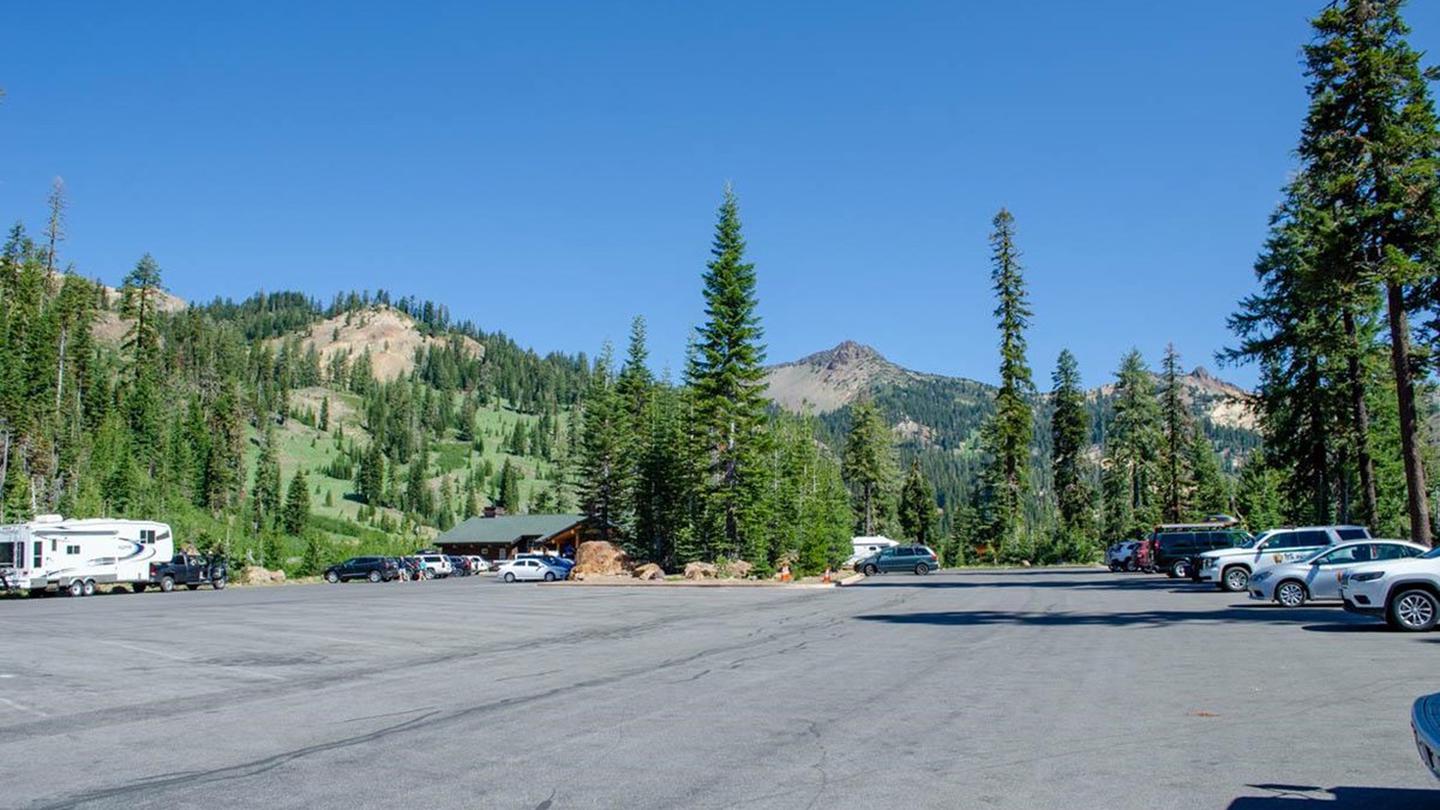
Southwest Campground sits at 6,700 feet on the southwest edge of Lassen Volcanic National Park, within walking distance of the Kohm Yah-mah-nee Visitor Center. It is one of the few places in the park where you can camp without a reservation - entirely first come, first serve - and that alone makes it worth understanding before you arrive. Winter and spring at this elevation mean snow, mud, and unpredictability, but also far fewer people. This guide covers exactly what to expect at the Southwest Campground during winter and spring 2026, from securing a site to navigating the facilities.
NPS via NPS.gov (Public Domain)
Campsites at Southwest Campground - Winter/spring (2026 Guide)
6 min read
Campsite Guide
RVs up to around 25 feet can manage, but anything larger will struggle. The dump station is 30 miles north at Manzanita Lake, with additional fees.
Your plans
For more, see Campsites at Summit Lake North Campground (2026 Guide), Campsites at Summit Lake South Campground (2026 Guide), and Campsites at Warner Valley Campground (2026 Guide).
This is part of a complete visitor guide to the area, and you can also compare options across the all campgrounds in the park.
First Come, First Serve: How to Secure a Site in Winter and Spring
The Southwest Campground has 20 walk-in tent sites and 5 RV sites located in the parking lot adjacent to the campground. There are no reservations here. You drive up, check availability, and claim a site. In winter and spring, the number of people doing this drops significantly, but so does the number of sites that are accessible.
The tent sites are walk-in only. You park your vehicle and carry your gear to the site. In winter and spring, that walk might be through packed snow or mud depending on recent weather. Pack accordingly - a rolling cooler will not roll well here in March.
The RV sites are in the parking lot itself. They are not pull-throughs and not particularly spacious. RVs up to around 25 feet can manage, but anything larger will struggle. The dump station is 30 miles north at Manzanita Lake, with additional fees. That matters in winter and spring because that road may have delayed openings due to snow.
Rangers will tell you that the busiest time to arrive is late afternoon. Early morning is your best bet for finding an open site, especially on weekends. The park service recommends arriving before noon if you want options.
What the official website does not mention
The Southwest Campground - winter/spring experience is shaped entirely by weather. The park website lists site counts and rules, but it does not tell you that the parking lot can be a sheet of ice in February, or that the walk-in paths to tent sites can become boot-sucking mud during spring melt. Bring traction devices for your footwear. Consider waterproof boots that cover the ankle. Most visitors underestimate how much the ground conditions change between morning and afternoon.
Facilities That Work When It Is Cold and Wet
Restrooms with running water and flush toilets are available 24/7 in the Visitor Center vestibule. This is a significant advantage over many park campgrounds where winter means vault toilets or nothing. You will walk to the Visitor Center, but it is close enough that the trip is manageable even in cold weather.
Public WiFi is available around the Visitor Center. Cell service drops out at many points in the park, but the Visitor Center area typically has a usable signal. Do not count on streaming video, but email and messaging generally work.
The dump station situation is the weak point. Thirty miles north at Manzanita Lake, and only open when that area is accessible. In winter and early spring, the road to Manzanita Lake can be closed or have limited hours. Plan your water and waste management accordingly. If you are in an RV, arrive with full fresh water and leave with the expectation that you may need to hold your gray and black tanks until you exit the park.
The Visitor Center itself is a good place to warm up, get current trail conditions, and ask about road closures. The staff there know exactly what is happening on the ground.
What Winter and Spring Actually Look Like at 6,700 Feet
The elevation gain is worth it for the access, but it comes with real weather. Snow can persist well into May. Spring thaw creates streams across trails and standing water in low areas. Temperatures at night frequently drop below freezing through April.
The park sits at the junction of the Cascade Mountains, the Sierra Nevada Mountains, and the Great Basin. That means weather systems can arrive from multiple directions. A sunny morning can become an afternoon snow squall in March. Pack extra water for this stretch - not just because of dehydration but because water sources at the campground may be turned off or frozen.
Hydrothermal features in cold weather
Lassen is known for its volcanic history, including 300 active volcanic domes and hydrothermal features like mud pots and steam vents. Sulphur Works is one mile north on Highway 89. In winter and spring, the contrast between snow and steaming vents is striking. The smell of sulfur is stronger in cold, still air. Keep an eye out for ice formations around the vents - they can be thin and unstable.

Trails You Can Access From the Campground
The park has more than 150 miles of hiking trails, and several are accessible from the Southwest Campground area. Winter and spring conditions will determine how far you can go.
Mill Creek Falls Trail is a solid option for when snow is manageable. The elevation is lower than some other trails, so it often clears earlier.
Brokeoff Mountain Trail starts half a mile south on Highway 89. This is a strenuous climb with significant elevation gain. Rangers will tell you that the summit views are among the best in the park - on clear days you can see the entire central valley - but the trail holds snow late into spring. Microspikes or crampons may be necessary.
Sulphur Works at one mile north is more of a short walk than a trail, but it is worth the trip. The hydrothermal features are active year-round.
The trail narrows here - literally, on many of the park's trails. Single track, rocky, with exposed roots. Hiking poles help.
Nearby Attractions Worth the Walk
The Kohm Yah-mah-nee Visitor Center itself is the most practical nearby attraction. It has exhibits on the park's volcanic geology, a bookstore, and staff who can tell you exactly which trails are passable that day.
Lassen Peak is the southernmost active volcano in the Cascades and the second most recent to erupt in the lower 48 before Mount Saint Helens. You cannot see the peak from the campground directly - the forest blocks it - but the drive north on Highway 89 opens up views.
The park contains over 700 species of flowering plants and 250 species of birds, mammals, reptiles, and fish. In spring, the early wildflowers start appearing at lower elevations first. Keep an eye out for lupine and paintbrush along trail edges as the snow recedes.
Practical Takeaways
- Arrive before noon for the best chance at a site. Weekdays in winter and spring are wide open. Weekends fill up faster.
- Bring waterproof boots and traction devices. The walk-in paths to tent sites are not paved and turn to mud or ice.
- Fill your fresh water before entering the park if you are in an RV. The dump station is 30 miles north and may be inaccessible.
- Walk to the Visitor Center for restrooms and WiFi. Both are available 24/7 in the vestibule.
- Check road conditions before you go. Highway 89 through the park has seasonal closures and delays.
- Pack extra water for this stretch - sources at the campground may be turned off or frozen.
- The parking situation here is straightforward: park in the lot, walk to your tent site. No shuttles, no complications.

Final Thoughts
The Southwest Campground - winter/spring experience is not a pampered one. It is a campground for people who understand that first come, first serve means exactly that, and that 6,700 feet in the off-season requires some flexibility. But the trade-off is real: fewer people, quieter nights, and a park that feels like yours for a few days. The steam rising from Sulphur Works against a snow-covered slope is the kind of thing you will remember longer than most reserved sites. Come prepared, arrive early, and accept that the weather will do what it wants. You will be fine.
Sources
- Official source: NPS — Lassen Volcanic National Park nps.gov/lavo/index.htm
Photo Gallery
More to Explore
Park Guide
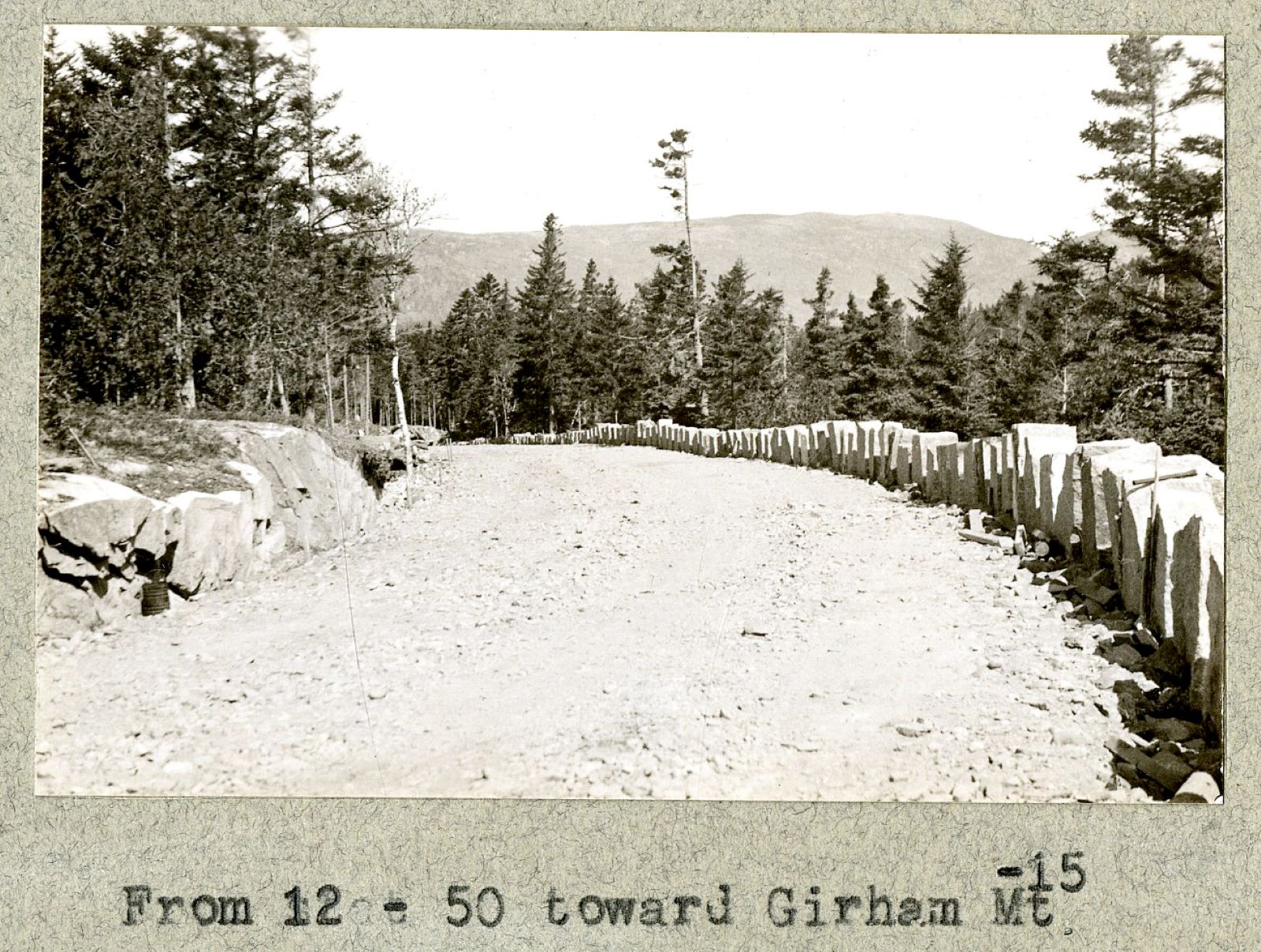
Acadia National Park: Carriage Roads, Cadillac Mountain & 2026 Guide
Discover carriage roads, Cadillac Mountain, and rugged Maine coast. Complete 2026 guide to Acadia National Park — trails, fees, lodging, permits, and what rangers recommend.
Hiking Guide
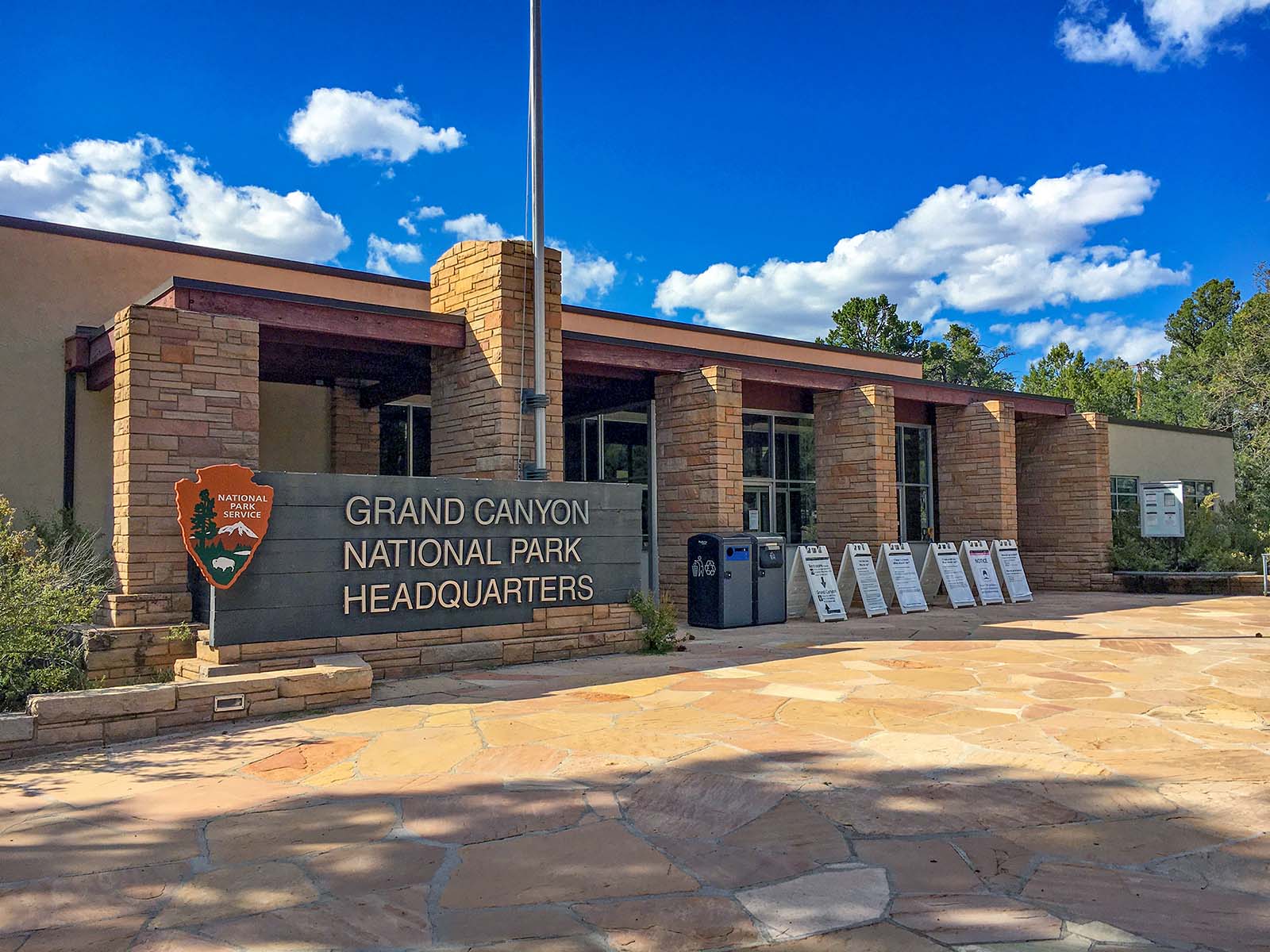
Grand Canyon Hiking Trails: Day Hikes, Water Sources & Rim to Rim
Compare Grand Canyon hiking trails: Bright Angel, South Kaibab, Hermit, Grandview, and rim to rim, with distances, elevation, water stops, and trailhead access for each.
Best Of
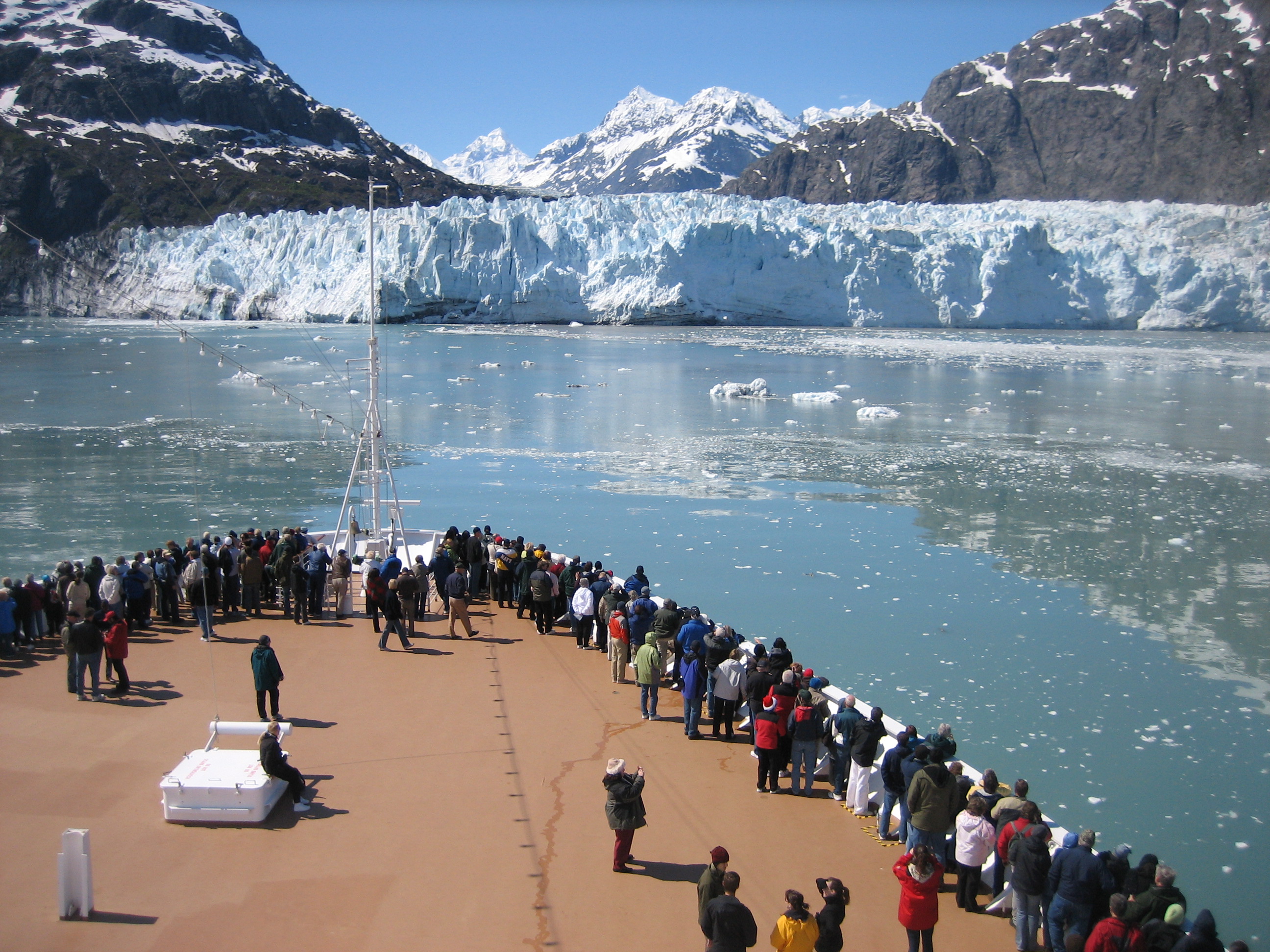
Best of Glacier Bay National Park
The best of Glacier Bay is reached by boat: ranger-led day tours up the bay to the tidewater glaciers. What's worth it, how to book, and when to go (2026).
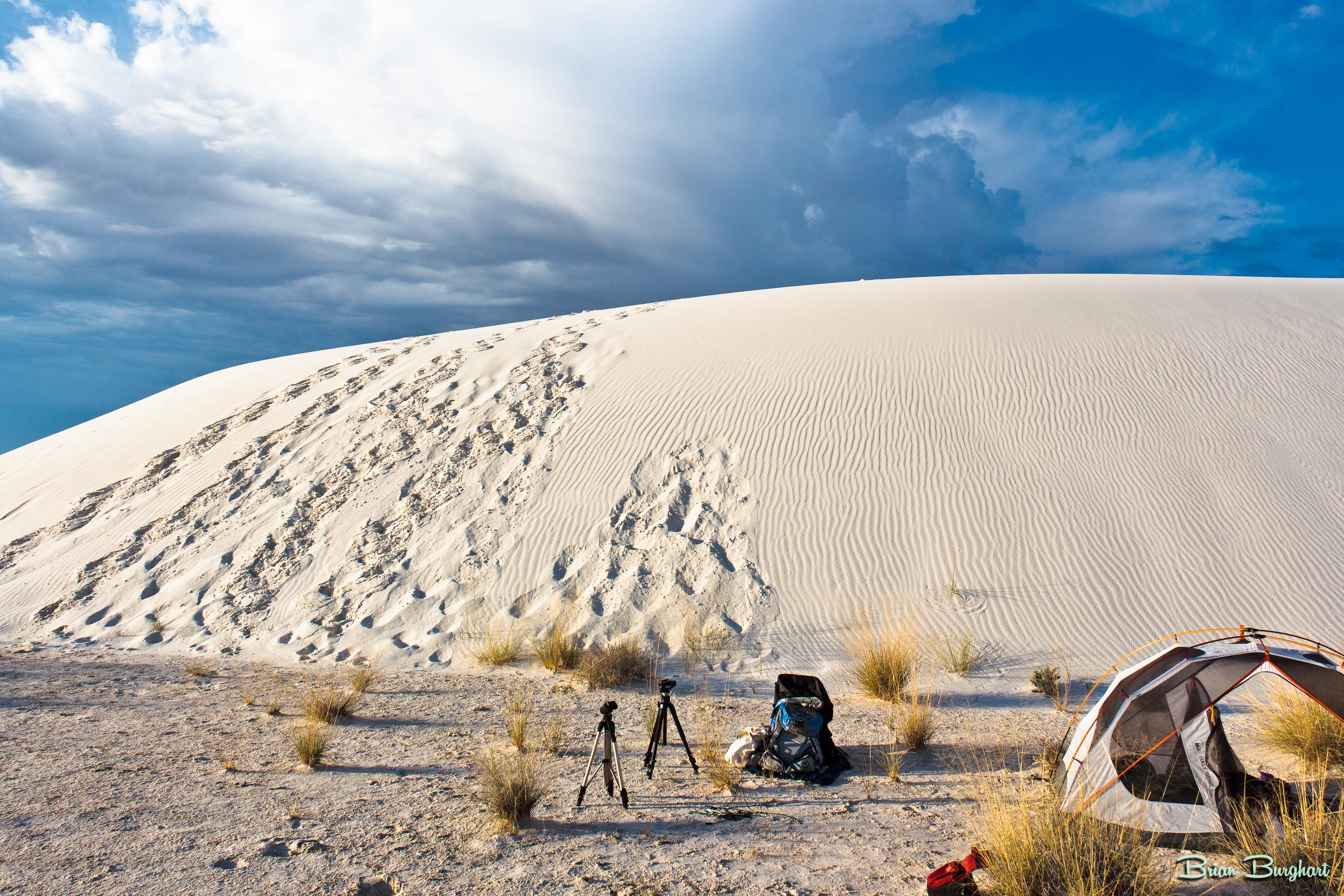
Campsite Guide
White Sands Backcountry Camping: Closed for 2026 — What to Know
As of 2026, backcountry camping at White Sands National Park is closed for site rehabilitation. What that means, and where to camp nearby instead.
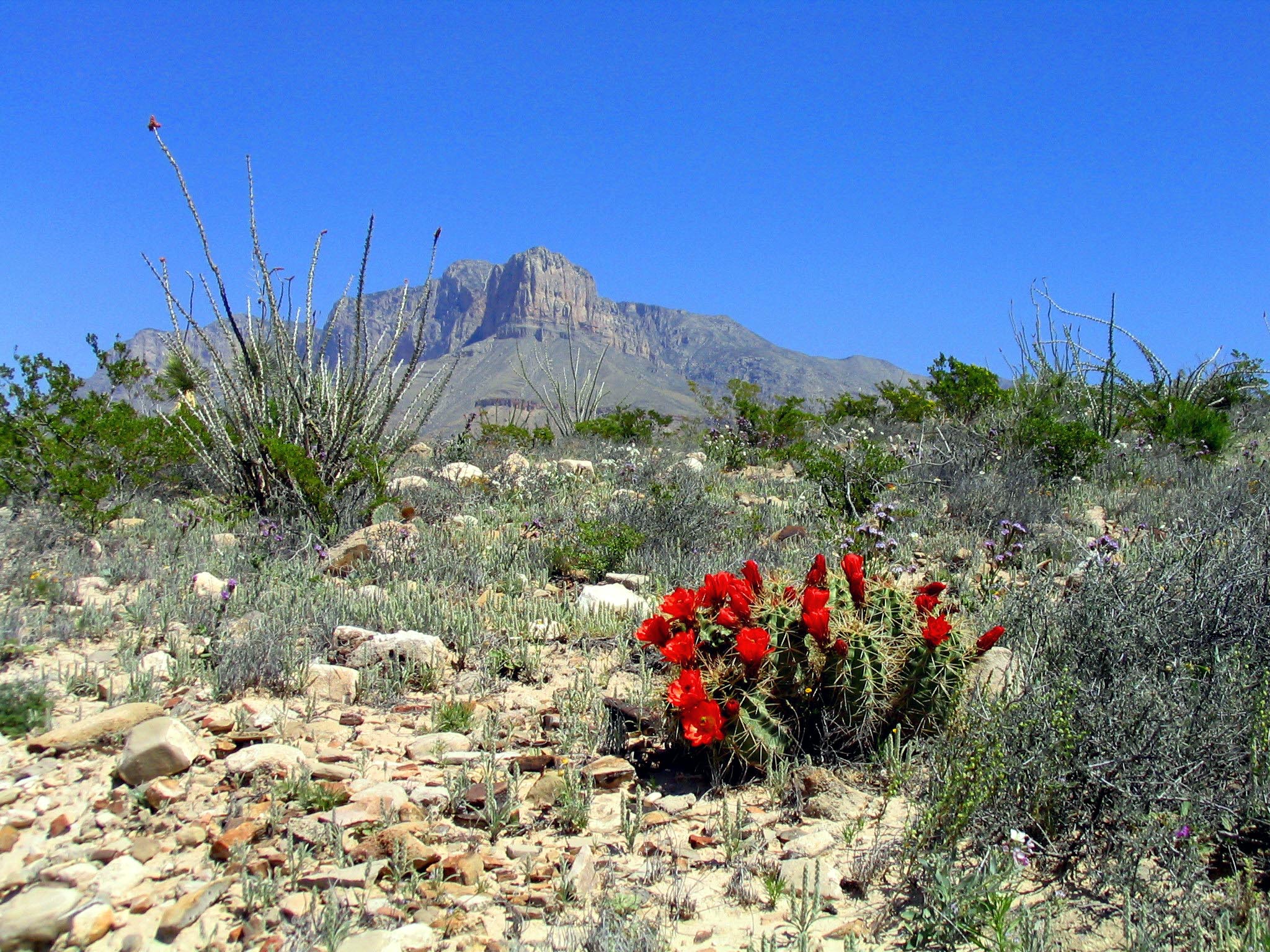
Weather Guide
Guadalupe Mountains National Park Weather: Weather
Guadalupe Mountains National Park: weather guide guide updated 2026. Practical visitor information, reservations, and seasonal tips worth bookmarking before
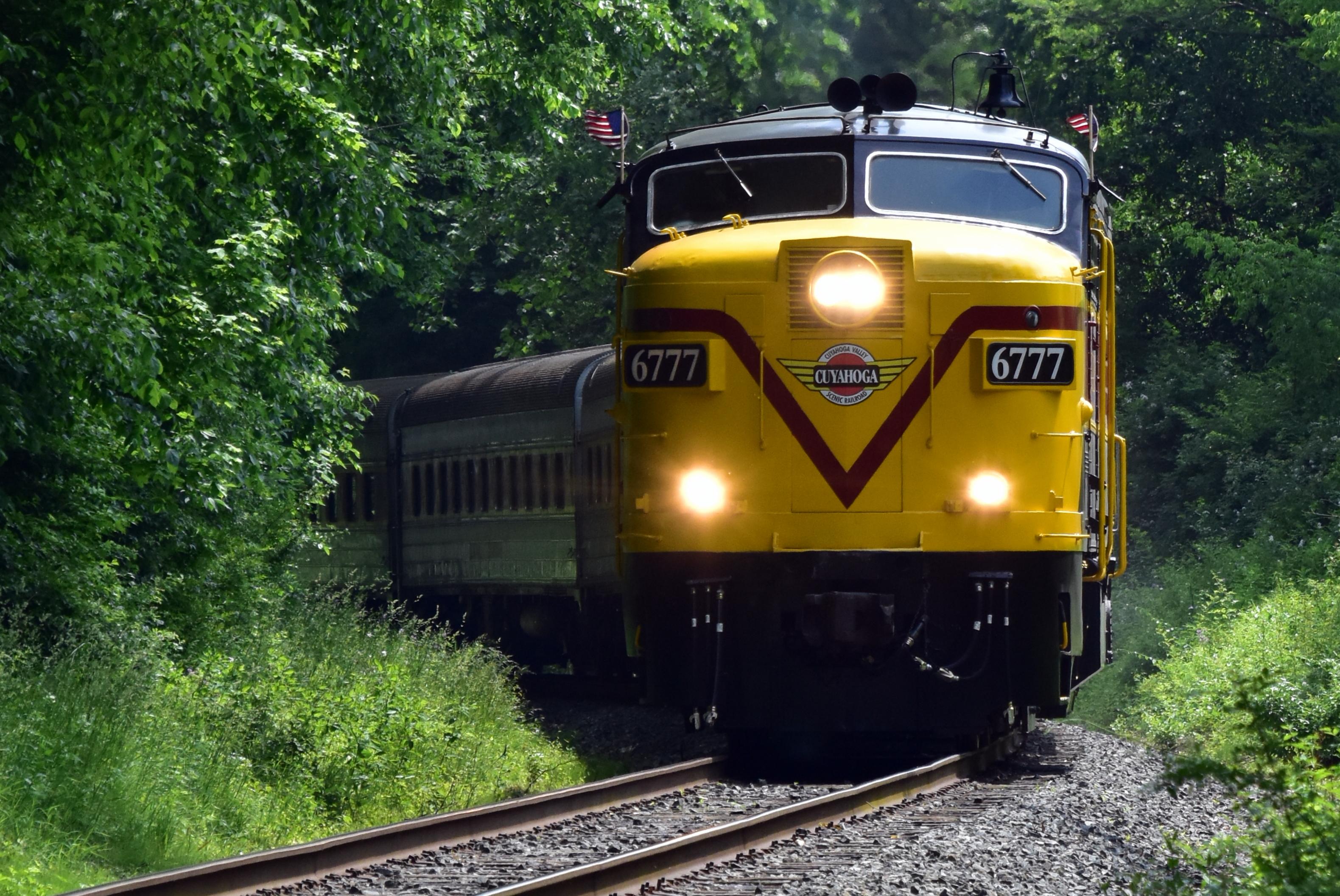
Best Of
Best of Cuyahoga Valley National Park: Best Things to Do
Seeing a Cleveland Orchestra concert with the woods as your backdrop is a uniquely Cuyahoga Valley experience.
Sign in to join the conversation.
Sources & Attribution
Location data courtesy of the National Park Service (U.S. Department of the Interior). NPS data is public domain.
Images: NPS; NPS; NPS.
Park operations alerts: NPS.gov · Weather and weather hazards: National Weather Service · Live conditions.
Information may change. Always verify fees, hours, and conditions directly with the official source before visiting.
Did this guide help? Share it with a friend.