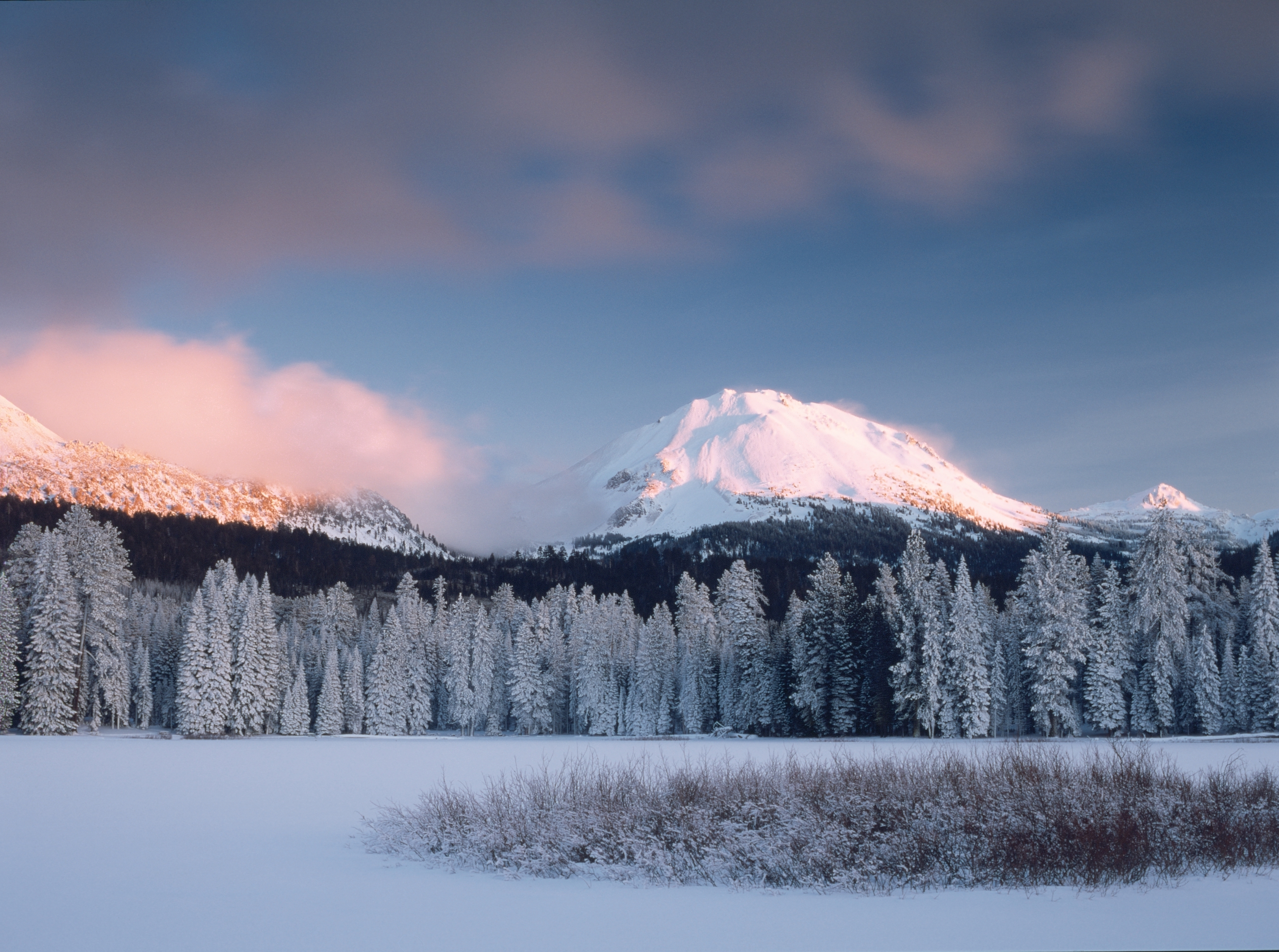
The first thing you notice isn't the view. It's the wind. It comes off the high peaks with a bite, even on a July day when the valley below is baking. You're standing at 8,500 feet, and the air is thin enough to make your first few steps feel heavier than they should. This is the weather reality of Lassen Volcanic National Park: altitude is the boss. The single most important climatic truth here is the vertical range. The park's terrain spans from 5,000 to over 10,000 feet, and a 20-degree temperature swing from trailhead to summit is a standard afternoon. The official forecast for the town of Mineral means almost nothing for the Lassen Peak trail. This disconnect between valley weather and mountain conditions is what surprises first-time visitors more than anything else. Choosing the best month to visit Lassen Volcanic National Park isn't just about comfort; it's about access. The park's signature road, Highway 89, spends more of the year under snow than open to cars. Your entire experience hinges on understanding this simple, brutal fact of Sierra Nevada weather.
Best Month to Visit Lassen Volcanic National Park
9 min read
Discover best month to visit lassen volcanic national park with our comprehensive guide. Expert tips, practical information, and insider knowledge.
For more, see hiking trails and camping options.
The Weather Reality
Lassen doesn't have one climate. It has several, stacked on top of each other. The park sits at the southern end of the Cascade Range, which means it catches Pacific storms head-on. Snowfall is measured in feet, not inches. The research data tells the story: the park sees an average of 164 days at or below freezing each year. That's nearly half the calendar. Yet, it also averages nearly 37 days at 90°F or higher. You can have both extremes in the same week if you move between elevations.
What the regional forecast misses is the microclimate effect around the hydrothermal areas. The steam from Bumpass Hell or Sulphur Works creates its own localized weather - damp, sulfur-scented air that can feel ten degrees warmer on a chilly morning or create sudden, dense fog patches. The other critical factor is the sun. At this elevation, UV radiation is intense. You'll feel sunburn developing faster than at sea level, and the dry air pulls moisture from your skin and lungs with quiet efficiency. Rangers will tell you that dehydration and sun exposure are the most common, and most preventable, issues they see from June through September.

Month by Month
To plan a successful visit, you must respect the park's rigid seasonal gates. Here's the monthly reality.
January - March: Deep Winter
Temperatures hover between a high around 40°F and lows plunging well below 20°F. Snowpack is at its deepest, often exceeding 10 feet at higher elevations.
Everything is closed. Specifically, the main park road (Highway 89) is under seasonal closure. You can only access the Kohm Yah-mah-nee Visitor Center from the southwest entrance and the Manzanita Lake area from the northwest. That's it.
Crowds are virtually nonexistent, save for weekend snow players.
This is the domain of snowshoers and cross-country skiers. The landscape is silent and sculpted white. The park charges a discounted winter entrance fee as of 2026, which is the one financial upside. The challenge is the limited access and the need for serious cold-weather gear and avalanche awareness near slopes.
April - May: The Thaw (Mostly)
Temperatures begin a slow climb, with May highs potentially reaching the 60s. Nights remain cold, often below freezing.
This is mud season. Lower trails become sloppy, and higher ones are still buried. The park's road crew begins the monumental task of clearing Highway 89, a process that typically lasts into June.
Crowds are light, drawn by the lower entrance areas.
Wildlife becomes more active; you might see black bears emerging and birds returning. The upside is solitude and the dramatic sight of snow-clearing operations. The downside is that most of the park's iconic sights and hiking trails remain inaccessible. As of spring 2026, alerts note that roads to Juniper Lake and Warner Valley are closed for repairs with no reopening estimate.
June: The Gate Starts to Open
Early June feels like an extension of May. By late June, highs can reach into the 70s at lower elevations. Nighttime lows are still in the 40s.
Snowmelt is in full force, feeding waterfalls at their peak roar. Stream crossings on trails can be hazardous with cold, fast water.
The main park road usually opens in late June, but this date swings wildly year to year. Check the official website for current status. A critical alert: the Bumpass Hell Trail is typically closed until mid-July due to snow.
Crowds begin to build, especially on the first weekends the full road is open.
The benefit is seeing the park emerge from winter, with vibrant green meadows. The challenge is contending with variable access, lingering snowfields on trails, and mosquitoes that hatch in the wet meadows with a vengeance.
July - August: Peak Access
This is the window most people target for the best month to visit Lassen Volcanic National Park. Average highs hit the upper 80s, but remember the altitude - the summit of Lassen Peak will be 30+ degrees cooler. Nighttime lows dip into the 50s, a welcome relief.
Afternoon thunderstorms are a real possibility, especially in August. They build quickly over the high peaks.
Everything is open, including all campgrounds, the full park road, and (usually by mid-July) the Bumpass Hell boardwalk.
Crowds are at their peak. Parking lots at popular trailheads like Kings Creek Falls fill by 10 AM.
Wildflowers in the meadows are spectacular. This is the only reliable time for high-country hiking without encountering significant snow. The trade-off is dealing with the most visitors and the potential for smoky air if regional wildfires are active.
September - Early October: The Sweet Spot
September highs are pleasant, in the 70s and 80s, with crisp nights that can drop into the 30s. By October, daytime temps fall into the 60s.
Rain is rare early in the season, but the first snow dusting can occur on the peak in late September.
The park road remains open until the first major snowstorm, which can happen in October. Crowds plummet after Labor Day, especially on weekdays.
This is prime time. The weather is stable, the mosquitoes are gone, the summer crowds have dissipated, and the aspens begin to turn gold around Manzanita Lake. It's arguably the best balance of access and comfort. The only gamble is an early winter storm shortening your window.
Late October - December: The Shutdown
Temperatures fall rapidly. First snow that closes the road for the season is likely.
The park begins its transition back to winter operations. Once snow sticks, Highway 89 closes segment by segment.
Crowds vanish.
The upside is profound silence and early winter recreation at the park entrances. The downside is, again, extremely limited access. Always check road status before a late-fall visit.

Best Times for Specific Activities
Your ideal month depends entirely on what you want to do.
For Hiking the High Country
The only guaranteed window is July through September. Trails like Lassen Peak, Brokeoff Mountain, and the stretch of the Pacific Crest Trail through the park are snow-free during these months. Early July may still have stubborn snowfields on north-facing slopes. For the full Lassen Volcanic National Park trails experience, aim for August or September.
For Wildflower Viewing
Peak bloom hits the park's subalpine meadows in mid-July through early August. Areas like Kings Creek Meadow and the slopes near Lake Helen explode with lupine, paintbrush, and aster. It's a short, brilliant season.
For Fall Color
Lassen isn't known for vast deciduous forests, but the displays it has are striking. The best fall color appears around Manzanita Lake and in the Warner Valley in late September and early October. The aspens and cottonwoods turn a vibrant yellow against the evergreen backdrop and dark volcanic rock.
For Stargazing and Astronomy
Clear, dry air makes for excellent stargazing year-round. The best conditions are during the new moon phases in September and October. The summer Milky Way is spectacular, and the lack of humidity in fall provides crystal-clear views. The park occasionally hosts night sky programs - check the complete visitor guide for event schedules.
For Winter Sports
The season for snowshoeing and cross-country skiing runs from December through March, sometimes into April. The park groves trails near the southwest and northwest entrances. This is a quiet, immersive way to experience the park's volcanic landscape under a blanket of snow.
For Wildlife Viewing
Spring (May and June) is best for seeing bears and deer in lower elevations as they forage on new growth. Birdwatchers should visit in late spring and early summer for migratory species. Marmots and pikas are most active and visible in the high country from July to September, sunning themselves on rockslides.

What to Pack by Season
Forget generic lists. Pack for Lassen's specific brand of weather.
Summer (June-August): This is a layered system. A moisture-wicking base layer, a insulating mid-layer (fleece or puffy), and a waterproof/windproof shell are non-negotiable. You'll use them all on a high-elevation hike. Wide-brimmed hat, sunglasses, and high-SPF sunscreen are mandatory due to the intense UV. Break-in your hiking boots - the trails are rocky. Pack a headlamp, even for a day hike, in case a thunderstorm delays you. Water capacity for at least 3 liters per person. The gift shops sell it, but you'll pay for the convenience.
Fall (September-October): All of the summer gear, plus heavier layers. A warm beanie and gloves are essential for morning starts. Traction devices for your boots (like microspikes) are a wise precaution for late-season trips if there's been an early frost or snow on shaded trails.
Winter (November-April): This is serious cold-weather territory. Insulated, waterproof boots. Gaiters to keep snow out. Multiple synthetic or wool layers (no cotton). A heavy insulated jacket. Snowshoes or skis with full safety gear if you're ventering beyond plowed areas. The park's camping options shrink to winter-only sites; ensure your sleeping bag is rated for sub-freezing temps if you're staying over.
Spring (April-May): Waterproof hiking boots with good ankle support for muddy, uneven trails. Trekking poles are helpful for stability on slushy snow and muddy slopes. Rain gear top and bottom. A change of socks in your car is always a good idea.

What the Forecast Doesn't Tell You
- The Wind Chill on the Summit is Real. The forecast for Mineral says 75°F and sunny. On the summit of Lassen Peak, with a 25 mph wind, the effective temperature can be below freezing. That shell jacket isn't optional.
- Afternoon Storms Build in Minutes. You'll see the cumulus clouds puff up over the ridge around 1 PM. By 2:30, they can be dark and delivering lightning. Rangers emphasize being off peaks and ridges by early afternoon in July and August.
- Snow Patches Lurk in the Shadows. A trail can be dry and warm for 90% of its length, but a north-facing gully near the top can hold an icy, sloping snowfield well into July. This is where most early-season slips and injuries occur.
- Your Car Will Get Dusty. The gravel on park roads and parking lots is a fine, volcanic grit. It coats everything. Don't expect a clean vehicle if you're doing any driving on unpaved access roads.
- Cell Service is a Ghost. It drops out at the park boundaries and is nonexistent in the interior. Download maps, guides, and your digital pass (purchasable at recreation.gov when entrance stations are unstaffed) before you arrive.
- The Water is Always Cold. Every lake and stream is fed by snowmelt. Swimming is, as rangers dryly note, "brief." Even on a hot day, hypothermia from prolonged immersion is a real risk.
- Air Quality Can Change Fast. In late summer, smoke from distant wildfires can funnel into the park, obscuring views and irritating lungs. Check regional air quality indexes before a late-summer trip.
Practical Takeaways
- For the classic park experience with full road and trail access, August and September are the best months to visit Lassen Volcanic National Park. September wins if you prefer smaller crowds.
- Always pack for three seasons in one day from June through October: sun protection, rain gear, and warm layers. The elevation gain is worth it, but only if you're prepared.
- The park's operating calendar is dictated by snow. The main road is typically fully open only from late June/early July through October. Plan your trip within this core window unless you seek a winter-specific experience.
- Start your hikes early. You'll secure parking, avoid the worst of the afternoon sun (or thunderstorms), and have a better chance of seeing wildlife.
- Check the official NPS website for current road status and trail closures before your trip. As of 2026, alerts warn of lasting hazards from the 2021 Dixie Fire and specific area closures like Juniper Lake Road.
- Hydrate more than you think you need to. The combination of dry air, altitude, and physical exertion dehydrates you quickly.
- Have a backup plan. If the parking lot at your chosen trailhead is full, the park has other spectacular sights. The Devastated Area is an easy, informative walk. Or drive the full loop of Highway 89, stopping at the many pullouts - each offers a different perspective on this volcanic landscape.
For more information, see our complete National Park Guide.
Sources
- Official source: NPS — Lassen Volcanic National Park nps.gov/lavo/index.htm
Photo Gallery
More to Explore
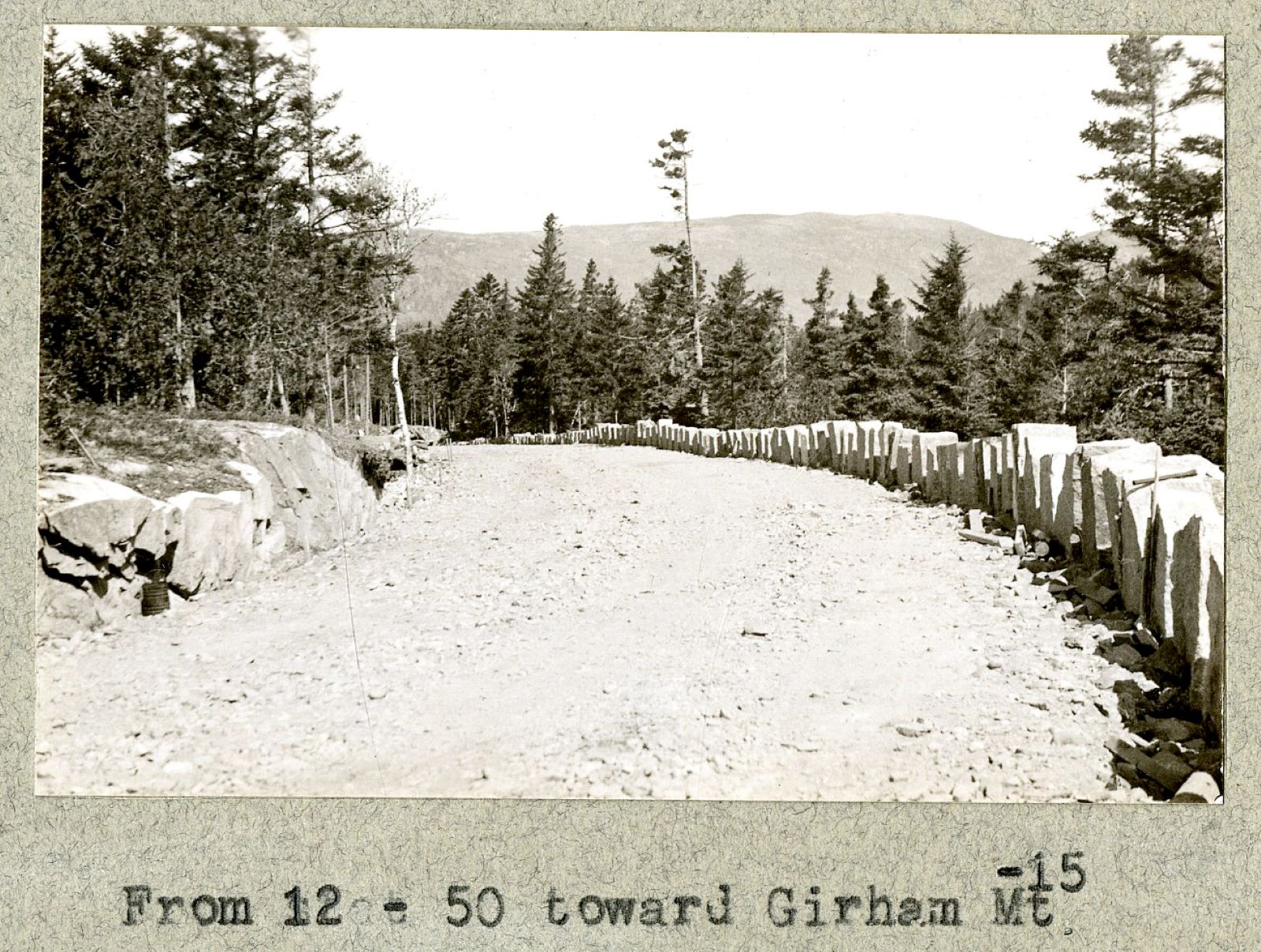
Acadia National Park: Carriage Roads, Cadillac Mountain & 2026 Guide
Discover carriage roads, Cadillac Mountain, and rugged Maine coast. Complete 2026 guide to Acadia National Park — trails, fees, lodging, permits, and what rangers recommend.
Grand Canyon Hiking Trails: Day Hikes, Water Sources & Rim to Rim
Compare Grand Canyon hiking trails: Bright Angel, South Kaibab, Hermit, Grandview, and rim to rim, with distances, elevation, water stops, and trailhead access for each.
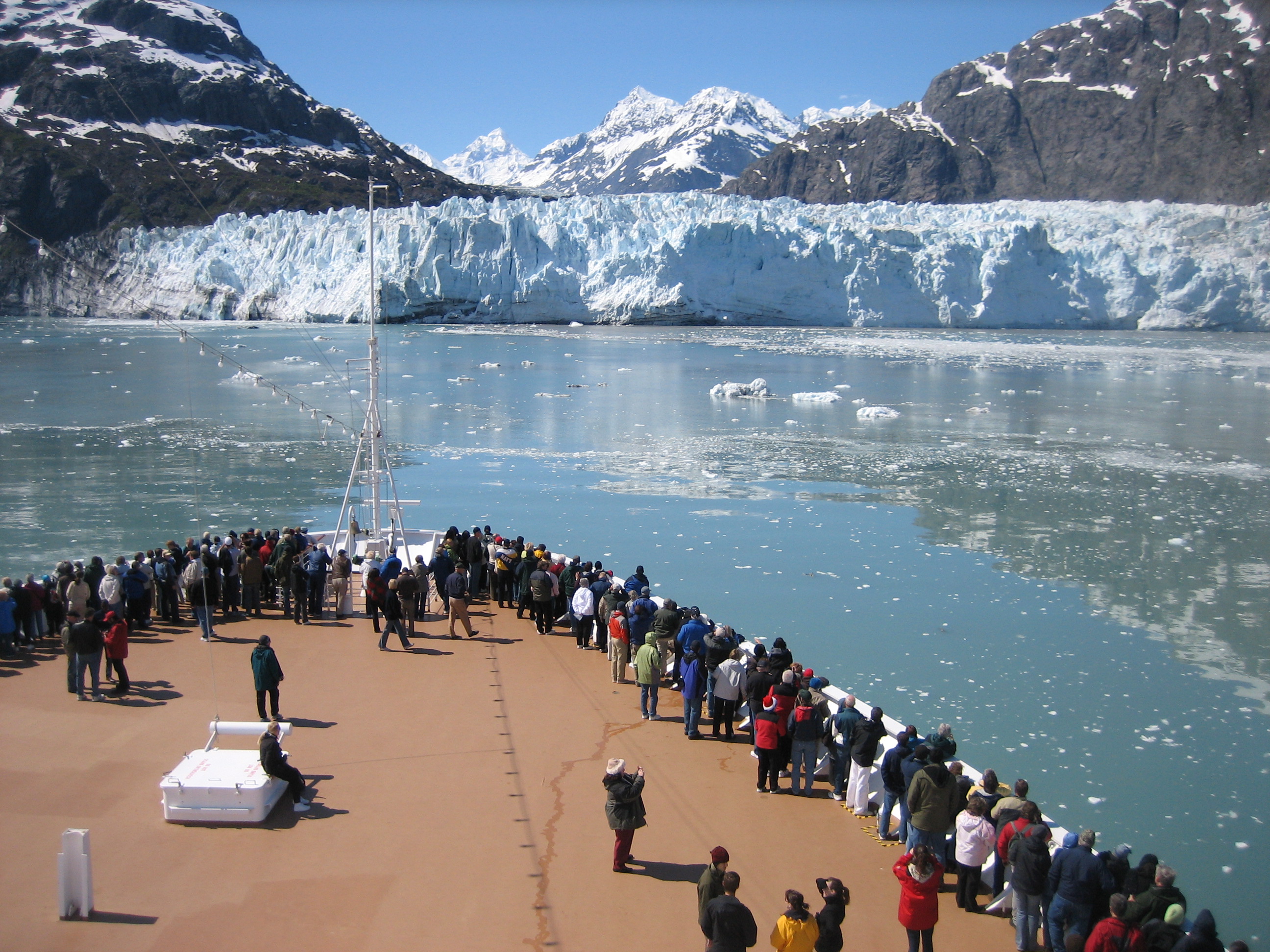
Best of Glacier Bay National Park
The best of Glacier Bay is reached by boat: ranger-led day tours up the bay to the tidewater glaciers. What's worth it, how to book, and when to go (2026).
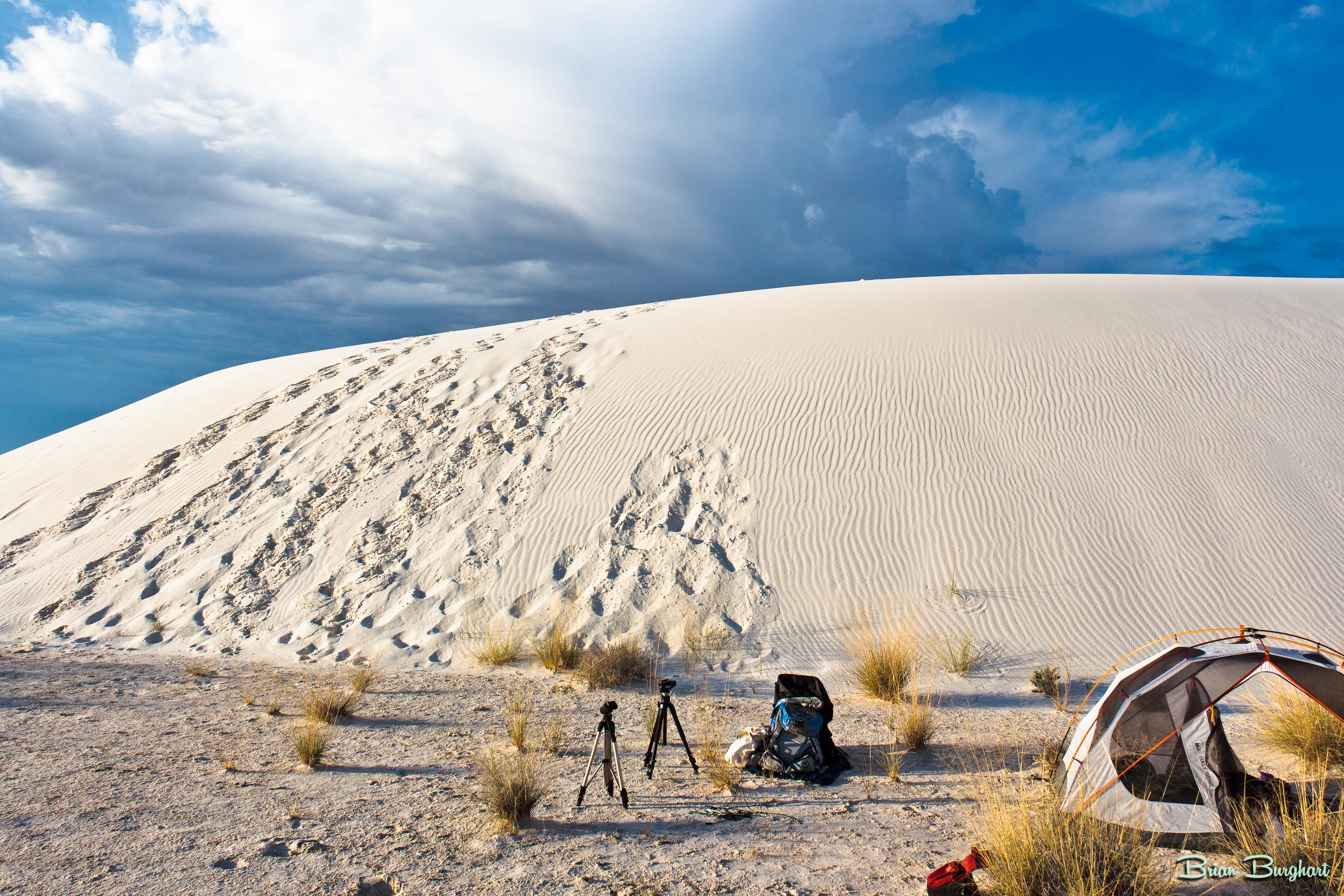
White Sands Backcountry Camping: Closed for 2026 — What to Know
As of 2026, backcountry camping at White Sands National Park is closed for site rehabilitation. What that means, and where to camp nearby instead.
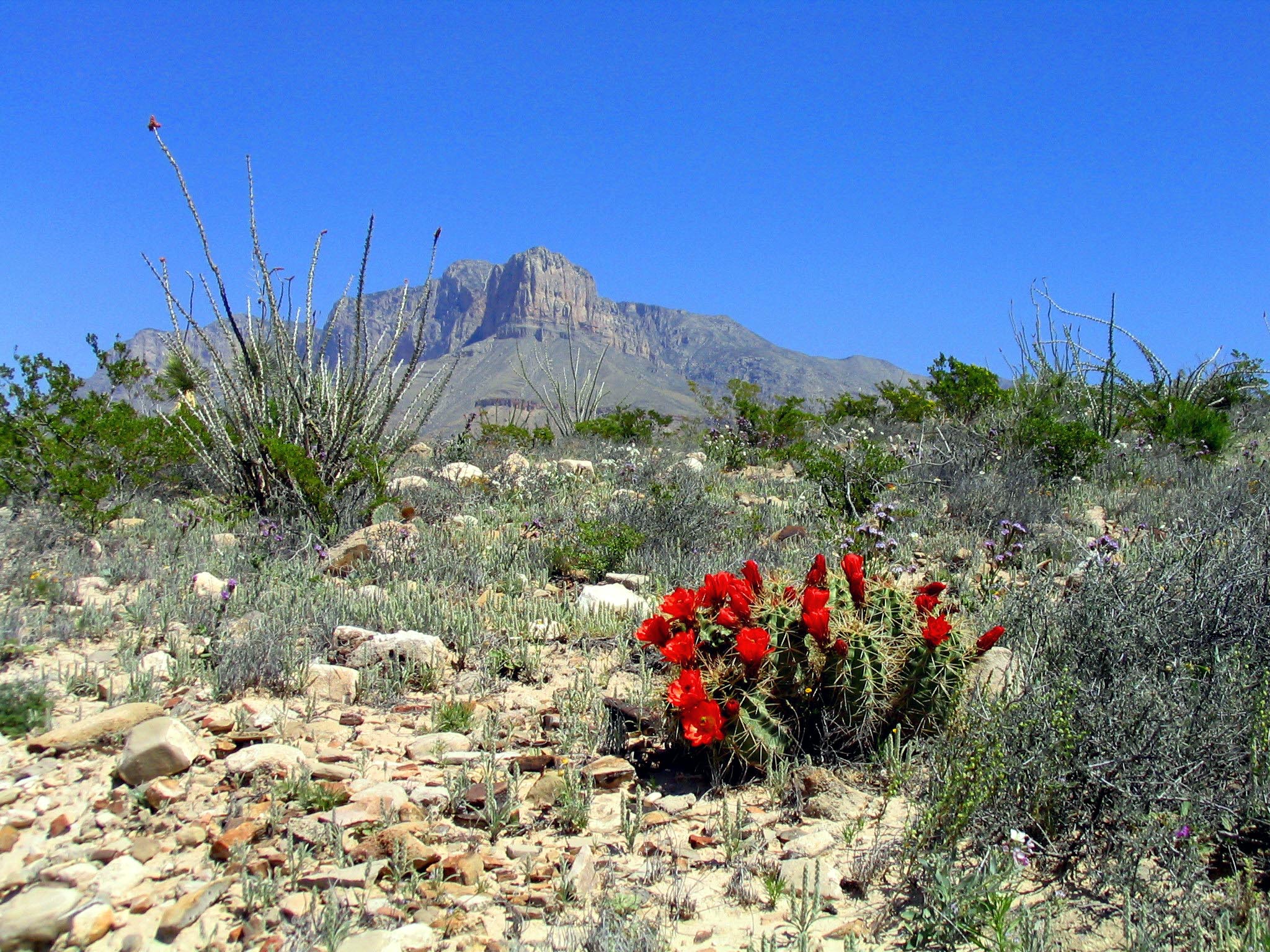
Guadalupe Mountains National Park Weather: Weather
Guadalupe Mountains National Park: weather guide guide updated 2026. Practical visitor information, reservations, and seasonal tips worth bookmarking before
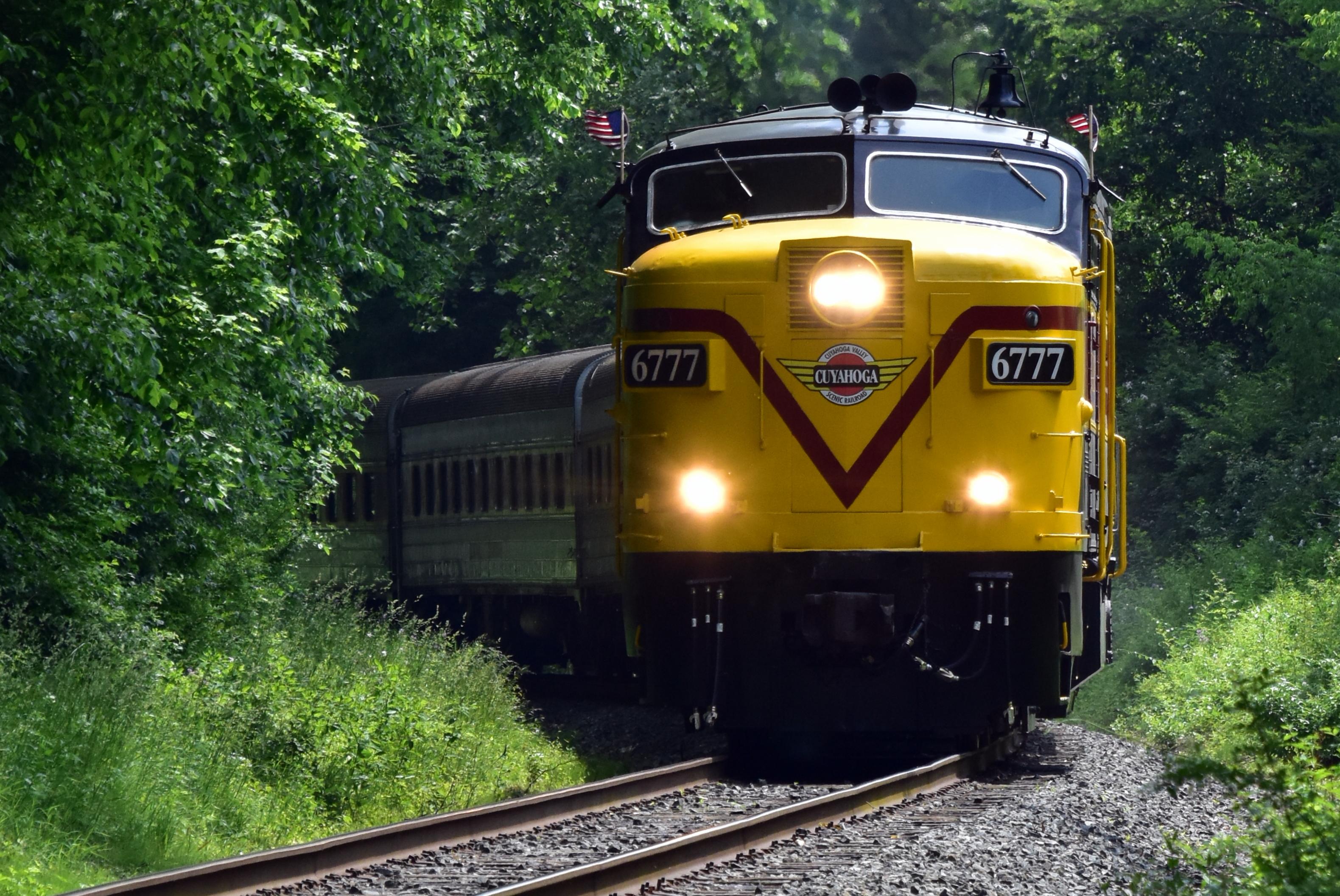
Best of Cuyahoga Valley National Park: Best Things to Do
Seeing a Cleveland Orchestra concert with the woods as your backdrop is a uniquely Cuyahoga Valley experience.
Sign in to join the conversation.
Sources & Attribution
Location data courtesy of the National Park Service (U.S. Department of the Interior). NPS data is public domain. Official NPS page.
Images: NPS; NPS; NPS; NPS; NPS.
Map data © OpenStreetMap contributors.
Park operations alerts: NPS.gov · Weather and weather hazards: National Weather Service · Live conditions.
Information may change. Always verify fees, hours, and conditions directly with the official source before visiting.
Did this guide help? Share it with a friend.