Campsites at Southwest Campground - Summer/fall (2026 Guide)
HomeCampsite GuideCampsites at Southwest Campground - Summer/fall (2026 Guide)
Your plans
Advertisement
What's the Best Strategy for Getting a Site at Southwest Campground in Summer or Fall?
If you've ever arrived at a national park campground only to see every "Campground Full" sign light up, you know the frustration. Southwest Campground in Lassen Volcanic National Park operates entirely on a first-come, first-served basis - no reservations, no backup plan if you're late. In summer and fall, when demand peaks and the elevation sits at 6,700 feet, knowing how this campground works matters more than most visitors realize. This guide covers what you need to know about the southwest campground - summer/fall experience, from securing a spot to navigating its quirks. For a broader look at the park, check the complete visitor guide.
Advertisement
Getting a Site - First Come, First Serve at 6,700 Feet
The Numbers You Need to Know
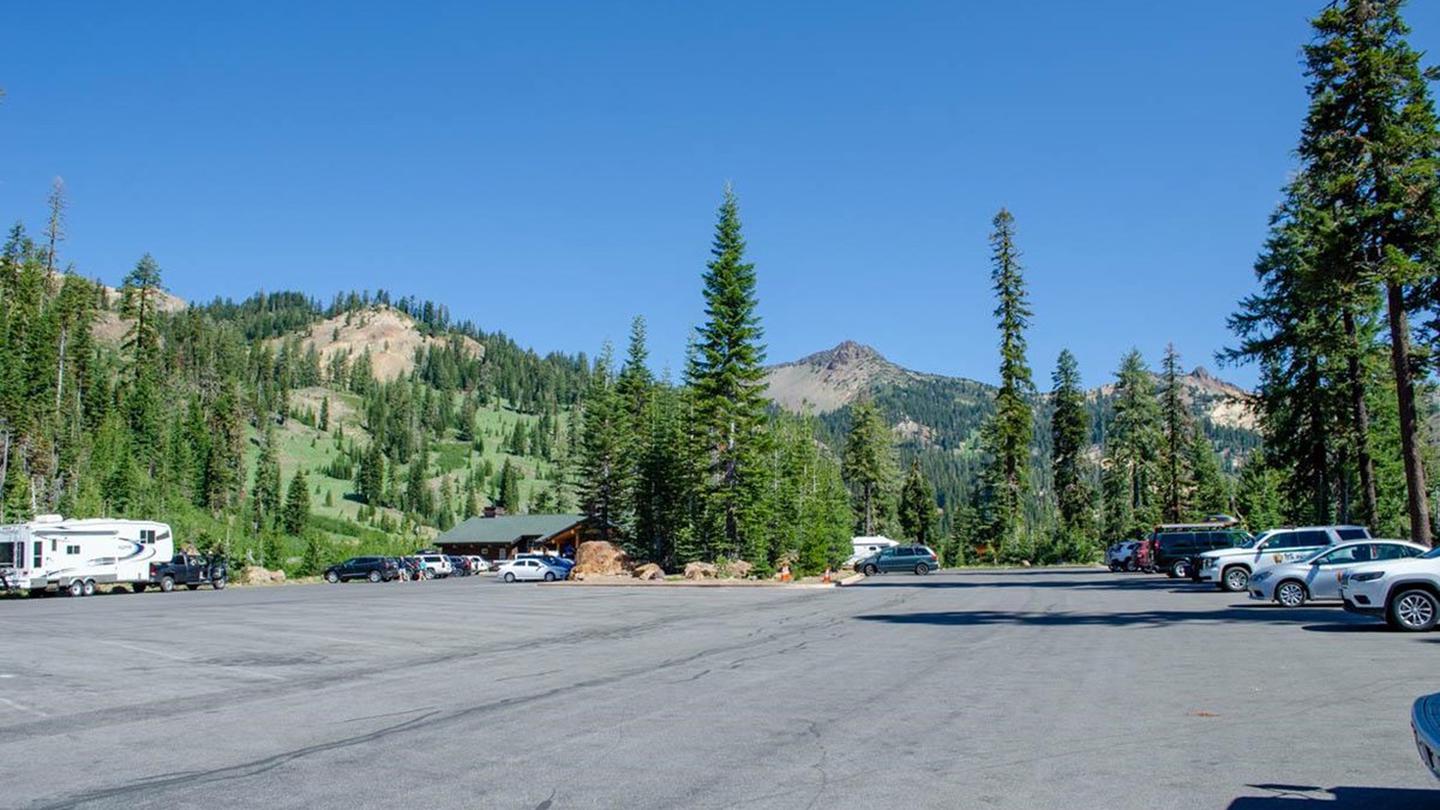
Southwest Campground has 20 walk-in tent sites and 5 RV sites located in the parking lot adjacent to the campground. That's it. Twenty-five total spots for a park that sees over 500,000 annual visitors. The math is not in your favor if you arrive casually.
Experienced visitors know the drill: Early morning is your best bet to claim a site. Between late June and September, the campground fills by 9 or 10 AM most days. Some people arrive the night before and sleep in their car in the parking lot, waiting for daylight check-in. It's a common practice - and it works.
Walk-in Tent Sites vs. RV Sites
The 20 tent sites require carrying your gear maybe 50 to 200 feet from the parking area. No drive-up camping here, which keeps things quiet. The RV sites, on the other hand, are literally in the parking lot. Not glamorous, but functional. If you're in a van or small trailer, you'll be fine. Larger RVs may struggle with the parking lot layout - check dimensions before committing.
Rangers will tell you that the tent sites offer more privacy and better proximity to trails. The RV sites are convenient for those with mobility concerns, but they lack any separation from the parking area.
What Happens When It's Full?
There is no overflow. The nearest alternative is Manzanita Lake Campground, which does take reservations but is 30 miles north. That dump station you might need? Also 30 miles north at Manzanita Lake, with additional fees. Plan accordingly.
Facilities: What's Actually Available and What Isn't
Restrooms and Water
Restrooms with running water and flush toilets are available 24/7 in the Kohm Yah-mah-nee Visitor Center vestibule. This is a serious advantage over many remote campgrounds. The visitor center is within walking distance from the campground, so you're not hauling water jugs. However, there are no restrooms in the campground itself - you walk to the visitor center every time.
Public WiFi is available around the Visitor Center. Cell service drops out at the campground itself, so don't count on streaming anything. Plan to download maps and content before arriving.
What the Park Website Doesn't Mention
The visitor center has a small store with basic supplies. The gift shop sells water for $4 a bottle. Bring your own.
Also, the dump station situation is a real pain for RV users. Thirty miles north for a dump station adds an hour round trip to your departure. Most visitors underestimate this logistical headache. If you're in a self-contained vehicle, consider skipping the dump until you leave the area entirely.
Photo: NPS via NPS.gov (Public Domain)
Trails and Attractions from Your Tent Door
You don't need to drive anywhere for good hiking. Several trailheads lie within a short walk or less-than-five-minute drive.
Mill Creek Falls Trail
This trail starts near the campground and drops into a canyon with a seasonal waterfall. Early summer is best for flow; by late August, expect a trickle. The trail is about 2.5 miles round trip with 400 feet of elevation loss and gain on the way back. The elevation gain is worth it for the view of Lassen Peak from the canyon rim.
Brokeoff Mountain Trail
Located half a mile south on Highway 89, this is one of the park's standout day hikes. It climbs 2,600 feet over 7 miles round trip to the summit of an ancient stratovolcano. Pack extra water for this stretch - there's no reliable source after the first mile. Rangers will tell you this is the most underrated summit hike in the park because it offers views of Lassen Peak without the crowds of Lassen Peak Trail itself.
Sulphur Works
One mile north on Highway 89, you'll find Sulphur Works, the most accessible hydrothermal area in the park. Mud pots bubble and steam vents hiss - it's a small but vivid introduction to Lassen's volcanic nature. The trail narrows here near some of the hotter vents, so keep children close and stay on the boardwalk.
Beyond the Immediate Area
The park over 150 miles of hiking trails total. From the campground, you can access several longer routes into the backcountry. The park's volcanic history is on full display: 300 active volcanic domes (Lassen Peak is the biggest and southernmost active volcano in the Cascades), plus hydrothermal features like mud pots and steam vents scattered throughout. Lassen Peak was the second most recent volcano to erupt in the lower 48 before Mount St. Helens - the landscape is still shaping itself.
Wildlife and Plants at the Junction of Three Mountain Ranges
Lassen sits at the intersection of the Cascade Mountains, the Sierra Nevada, and the Great Basin. That mix creates a biological crossroads.
You'll find over 700 species of flowering plants here. In late June and July, lupine and Indian paintbrush crowd the trail edges in waves of purple and red - enough to make you stop mid-stride. The park also hosts 250 species of birds, mammals, reptiles, and fish. Keep an eye out for Clark's nutcrackers at higher elevations, mule deer in the meadows, and perhaps a black bear crossing Highway 89 at dawn.
From this overlook you can see the contrast between the volcanic peak and the surrounding forest - lodgepole pine and red fir dominate lower elevations, giving way to bare rock and scattered whitebark pine above tree line.
Practical Takeaways for Southwest Campground - Summer/Fall 2026
Arrive before 8 AM between June and September. Have your camping gear ready to claim a site quickly. Late arrivals often mean finding lodging outside the park (30 minutes or more away).
Bring all water you need for the first night unless you want to walk to the visitor center. The visitor center water is fine, but the faucet location is in the vestibule - not always the most convenient at midnight.
Know where the dump station is before you arrive. It's 30 miles north at Manzanita Lake. Additional fees apply. If you can hold waste until you leave the park, do that instead.
Download offline maps beforehand. Cell service is nonexistent in the campground. Public WiFi at the visitor center works, but it's not reliable for streaming or large downloads.
The RV sites are not like typical RV spots. They are parking lot spaces. If you need hookups, go to Manzanita Lake Campground. Southwest Campground is better suited for tent campers and small self-contained rigs.
Check the current fire danger and campfire restrictions at the visitor center upon arrival. Lassen's dry summers mean frequent bans. Stick to camp stoves if fires are prohibited.
Pack layers, even in August. At 6,700 feet, temperatures can drop into the 40s at night. Afternoon thunderstorms are common in July and August - have rain gear ready.
For information on other camping options within the park, visit the all campgrounds page.
Photo: NPS via NPS.gov (Public Domain)
Final Thoughts
Southwest Campground is not the easiest site to snag in Lassen Volcanic National Park, and it's not the most amenity-packed. No showers, no dump station nearby, no guaranteed spot. But for those who plan ahead and arrive early, it offers something the reservation-only campgrounds lack: spontaneity and a central location near the park's best day hikes. You trade convenience for proximity. For many, that trade is worth it. Just don't show up at noon on a Saturday in July expecting a vacancy. That plan rarely works out.