What's the quickest way to get from an airport to a landscape where steam vents hiss through volcanic rock and you can stand on the flanks of an active volcano before noon? That's the practical question for anyone planning a trip to Lassen Volcanic National Park, and the answer drives every other decision about your visit.
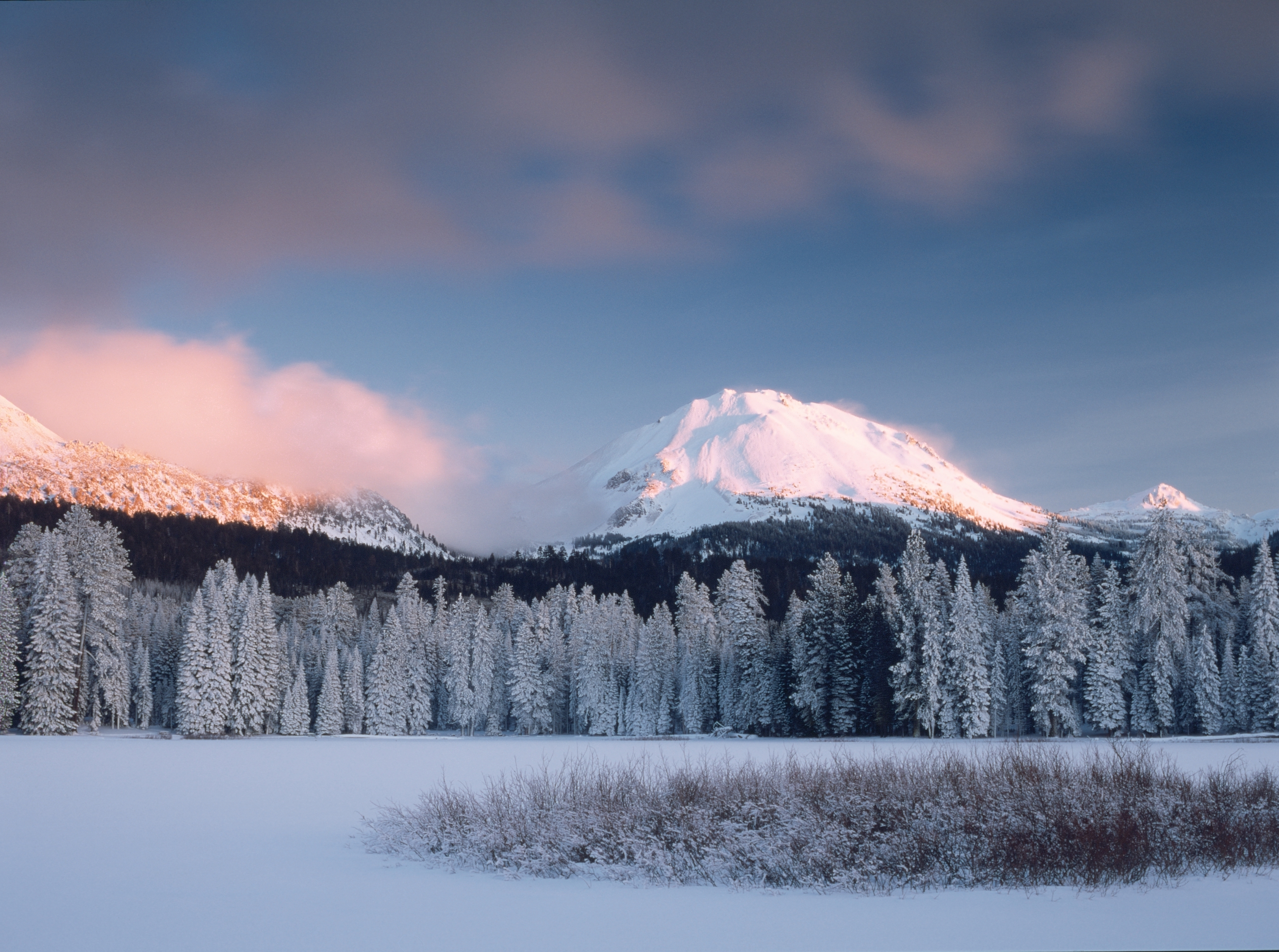
NPS via NPS.gov (Public Domain)
Best of Lassen Volcanic National Park: Best Airport for (2026)
10 min read
Best Of
Redding Regional (RDD) is about 50 miles and an hour from Lassen's northwest entrance—the closest commercial airport. Park road typically June-September.
This article contains affiliate links — we may earn a small commission at no extra cost to you.
The best airport for Lassen Volcanic National Park is Redding Regional Airport (RDD), located about 50 miles west of the park's northwest entrance. It's not a major hub, but it's the closest commercial option by a significant margin - roughly an hour's drive versus three-plus hours from Sacramento or Reno. For a park that's open fully only from June through September (the main park road stays under snow most of the year), every hour saved matters.
Before you book flights, check the park's current conditions. As of 2026, the Lassen National Park Highway remains under seasonal closure for winter snow, with access limited to the Kohm Yah-mah-nee Visitor Center from the southwest entrance and the Devastated Area from the northwest entrance at Manzanita Lake. Spring road clearing is active, but full through-access typically doesn't open until late May or June. The best airport for Lassen Volcanic National Park gets you there faster, but you still need to time your visit correctly.
For a complete rundown of everything you need to plan your trip, see the complete visitor guide.
If You Only Have One Day
Arrive at the northwest entrance (Manzanita Lake) by 8 AM. The parking lot at the Loomis Museum area fills by 9:30 during peak season, and you want to be ahead of that.
Your first stop: the Manzanita Lake loop. It's flat, it's easy, and it gives you the park's signature reflection view of Lassen Peak without any elevation gain. Take the 1.5-mile loop counterclockwise - the light hits the peak better from the far side in the morning.
From there, drive the main park road south toward the Kohm Yah-mah-nee Visitor Center. The road is the park's spine, roughly 30 miles end to end, and every mile brings different geology. You'll pass through areas still showing the effects of the 2021 Dixie Fire - some facilities remain closed, and hazards like fallen trees and undefined trails exist in reopened areas. Rangers will tell you to stay on designated paths, and they mean it.
By late morning, you should be at the Bumpass Hell trailhead. There's a catch: as of 2026, the Bumpass Hell Trail is under seasonal closure due to accumulated winter snow, typically reopening by mid-July. If it's open, this is your priority - a 3-mile round trip to the park's largest hydrothermal area, with boardwalks winding past boiling pools and steam vents. If it's closed (and it often is through early summer), head to Sulphur Works instead, right off the road near the visitor center. It's not as extensive, but you can see active fumaroles steps from your car.
Afternoon is for Lassen Peak itself. The trail is 5 miles round trip with 2,000 feet of elevation gain. Most visitors underestimate the difficulty - the trail starts above 8,000 feet, and the air is thin. Pack extra water for this stretch. The summit views of the Cascade Range are the payoff, but only attempt this if you arrived by 8 AM and have solid weather. Afternoon thunderstorms roll in regularly in July and August.
End the day at the visitor center exhibits or the park film before heading out. Cell service drops out at multiple points along the park road, so download maps and directions before you arrive.

The Top Experiences, Ranked
#1 - Lassen Peak Summit Trail: The Defining Hike
Why it makes this list: Standing on the rim of an active volcano that last erupted in 1917 gives you a perspective no other viewpoint in the park can match. From the summit, you can see the entire Cascade arc - Mount Shasta to the north, Mount Whitney to the south on clear days.
- What it requires: 5 miles round trip, 2,000 feet elevation gain, 4-6 hours. Start before 9 AM.
- The single best tip: Acclimate at the trailhead for 10 minutes before starting. Drink water at every switchback whether you're thirsty or not.
- What most visitors do wrong: They underestimate the wind at the summit. It's often 20 mph colder than the trailhead temperature. Bring a shell layer even on 80-degree days.
Don't attempt this if the Bumpass Hell Trail is your main goal and you arrive after 10 AM. You won't have time for both.
#2 - Bumpass Hell: The Hydrothermal Core
Why it makes this list: It's the most accessible large hydrothermal area in the park, with boardwalks that take you directly past boiling pools, steam vents, and mud pots. The smell of sulfur is strong - expect it.
- What it requires: 3 miles round trip, moderate grade, 2-3 hours. Trail typically opens mid-July.
- The single best tip: Go early in the morning when steam is most visible against the cool air. By noon, the contrast flattens.
- What most visitors do wrong: They walk past the interpretive signs without reading them. The geology here is complex, and the signs explain what you're actually seeing - acidic water boiling at 200°F, not volcanic magma.
If Bumpass Hell is closed (check the NPS alerts before you go - the phone line is intermittent as of 2026, so email lavo_information@nps.gov), the Sulphur Works roadside stop is your backup.
#3 - Manzanita Lake: The Easy Classic
Why it makes this list: It's the most photographed spot in the park for good reason - Lassen Peak reflects perfectly in the lake on calm mornings. But it's also a genuinely good short hike that requires almost no effort.
- What it requires: 1.5-mile loop, completely flat, 45 minutes. Accessible to nearly everyone.
- The single best tip: Come at sunrise. The reflection is gone by 9 AM when the breeze picks up.
- What most visitors do wrong: They drive past it to "get deeper into the park." Don't. This is the best easy experience Lassen offers.
#4 - Kings Creek Falls: The Best Waterfall
Why it makes this list: A 2.3-mile round trip to a 75-foot waterfall that cascades through a lush canyon. It's the kind of trail that makes you forget you're in a volcanic landscape.
- What it requires: 2.3 miles, moderate with some steep sections, 1.5-2 hours.
- The single best tip: The trail continues past the falls viewpoint to a lower meadow - add 0.5 miles for a different perspective.
- What most visitors do wrong: They stop at the first overlook and turn around. The lower viewpoint is worth the extra steps.
#5 - Cinder Cone: The Lunar Hike
Why it makes this list: This is the most unusual landscape in the park - a 700-foot cinder cone surrounded by the Painted Dunes, where oxidized volcanic cinders create red, orange, and black hillsides. It looks like another planet.
- What it requires: 4 miles round trip, steep loose sand on the final ascent, 2-3 hours. Located in the remote northeast corner of the park.
- The single best tip: The road to Cinder Cone (Butte Lake area) is open, but the Juniper Lake and Warner Valley roads are closed for repairs as of 2026 with no ETA. Plan your route accordingly.
- What most visitors do wrong: They underestimate the sand. Walking up a cinder cone is like walking up a dune - every step slides back. Take your time.
#6 - Devastated Area Interpretive Trail: The History Lesson
Why it makes this list: This short 0.5-mile loop tells the story of the 1915 Lassen Peak eruption through a self-guided walk past volcanic debris. It's educational without being boring.
- What it requires: 0.5 miles, flat, 30 minutes. Accessible from the northwest entrance.
- The single best tip: The trail has numbered stops keyed to a pamphlet available at the trailhead. Don't skip the pamphlet - the story makes the rocks meaningful.
- What most visitors do wrong: They treat it as a quick photo stop and miss the context. Spend 20 minutes actually reading.
#7 - Stargazing at Manzanita Lake
Why it makes this list: Lassen is one of the darkest night sky parks in California. The Milky Way is visible to the naked eye on moonless nights, and the lake reflection adds a bonus element.
- What it requires: Drive to Manzanita Lake after dark. Bring a chair, blankets, and a red flashlight.
- The single best tip: Check the moon phase before you go. New moon weekends are prime.
- What most visitors do wrong: They expect to see this from their campground. Walk away from any light sources for the real experience.
#8 - The Park Road Drive: The Scenic Through-Route
Why it makes this list: When fully open (typically June through October), the 30-mile park road crosses multiple climate zones - from pine forest to alpine tundra to volcanic wasteland.
- What it requires: 1.5 hours without stops, 3-4 hours with photo stops and short walks.
- The single best tip: Drive south to north (entering at the southwest entrance) for the best light on Lassen Peak.
- What most visitors do wrong: They speed through. The road has multiple pullouts for a reason - use them.
For detailed trail information, see the hiking trails guide.

What Most People Miss
Hat Creek Valley Overlook. Most visitors drive right past this pullout on the park road. The view south across Hat Creek Valley toward Lassen Peak is one of the broadest in the park, and it's completely empty compared to the summit trail. Stop here for 5 minutes on your way to the visitor center.
The Chaos Crags. These lava domes near Manzanita Lake are visible from the road but most people don't walk the short trail to the base. The 0.5-mile path gives you a close look at the sharp, jumbled rock formations created by a 1650 eruption. It's geology you can touch.
The Loomis Museum. It's small, it's old, and it doesn't have flashy exhibits. But the historic photos of the 1914-1917 eruptions are irreplaceable - they show Lassen Peak actively erupting, something no other Cascade volcano has documented in the modern era.
Warner Valley. The road is closed for repairs as of 2026, but when it's open, this area offers the park's best backcountry solitude. The trail to Boiling Springs Lake (3 miles round trip) passes through old-growth forest to a geothermal area that sees a fraction of Bumpass Hell's crowds.
The park's night sky program. Rangers offer occasional evening programs at Manzanita Lake during summer. They set up telescopes and point out features specific to Lassen's dark sky. Check the schedule at the visitor center.

What's Overrated (and Better Alternatives)
The Kohm Yah-mah-nee Visitor Center itself. It's the only visitor center in the park that's open year-round, and it's a useful resource for information and restrooms. But the exhibits are standard NPS fare. The real value is the ranger-led programs and the park film - don't go just for the building.
Bumpass Hell when it's crowded. The boardwalks are narrow, and when 80 people are on them at once, the experience degrades fast. Better to skip it and do the Sulphur Works roadside stop if the parking lot at Bumpass Hell is full (it often is by 10 AM). Sulphur Works is less impressive but completely uncrowded.
Cinder Cone for anyone with limited fitness. The loose sand ascent is genuinely exhausting. If you only have one day and moderate fitness, skip Cinder Cone and do Lassen Peak instead. The summit view is better, and the trail is firm underfoot.

Practical Takeaways
- The best airport for Lassen Volcanic National Park is Redding Regional Airport (RDD) - 50 miles west, roughly 1 hour drive. Sacramento (SMF) is 3 hours south. Reno (RNO) is 3.5 hours east.
- Book your trip for mid-July through September. Before July, Bumpass Hell and Lassen Peak trails may be snow-covered. After September, the park road can close with the first significant snow (often October).
- As of 2026, the Bumpass Hell Trail is closed under seasonal snow. Check NPS alerts before you go. The visitor phone line works intermittently - email lavo_information@nps.gov instead.
- Roads to Juniper Lake and Warner Valley are closed for repairs with no ETA for completion. Plan your trip around the main park road and the Manzanita Lake area.
- The 2021 Dixie Fire affected parts of the park. Some facilities remain closed. In reopened areas, watch for fallen trees, loose rock, and undefined trails. Stay on designated paths.
- For lodging, Manzanita Lake Campground is the most convenient, but it fills early. For options outside the park, see camping options and hotels near lassen volcanic national park.
- The best time to visit runs from late June through early September. July averages 88°F at lower elevations, but the summit of Lassen Peak can be 30 degrees cooler with wind. Pack for both. See the best time to visit guide for seasonal details.
- Cell service drops out at multiple points along the park road. Download maps, directions, and the NPS app before you arrive. The park's wifi at the visitor center is limited.
- Bring cash or a credit card for the $30 entrance fee (private vehicle). Digital passes can be purchased at recreation.gov when the entrance station is unstaffed.
- Leave no trace applies double here - the hydrothermal areas are fragile and dangerous. Stay on boardwalks, don't throw rocks into fumaroles, and pack out everything you bring in.
Recommended Gear
What experienced visitors bring to Best of Lassen Volcanic National Park: Best Airport for (2026)
Links may earn us a commission at no extra cost to you. We only recommend gear we believe in.
Hiking Essentials
Hydration Pack (3L)
Hands-free water for long trail days
Trekking Poles (Pair)
Save your knees on steep descents
Hiking Boots (Ankle Support)
Sturdy footwear for rocky, uneven trails
Sun & Heat Protection
Wide-Brim Sun Hat
Full coverage UPF 50+ protection at altitude
Insulated Water Bottle (32oz)
Keeps water cold in desert heat all day
Winter Gear
Microspikes / Traction Devices
Essential for icy rim trails in winter months
Packable Down Jacket
Lightweight warmth that stuffs into a pocket
Sources
- Official source: NPS — Lassen Volcanic National Park nps.gov/lavo/index.htm
Photo Gallery
More to Explore
Park Guide
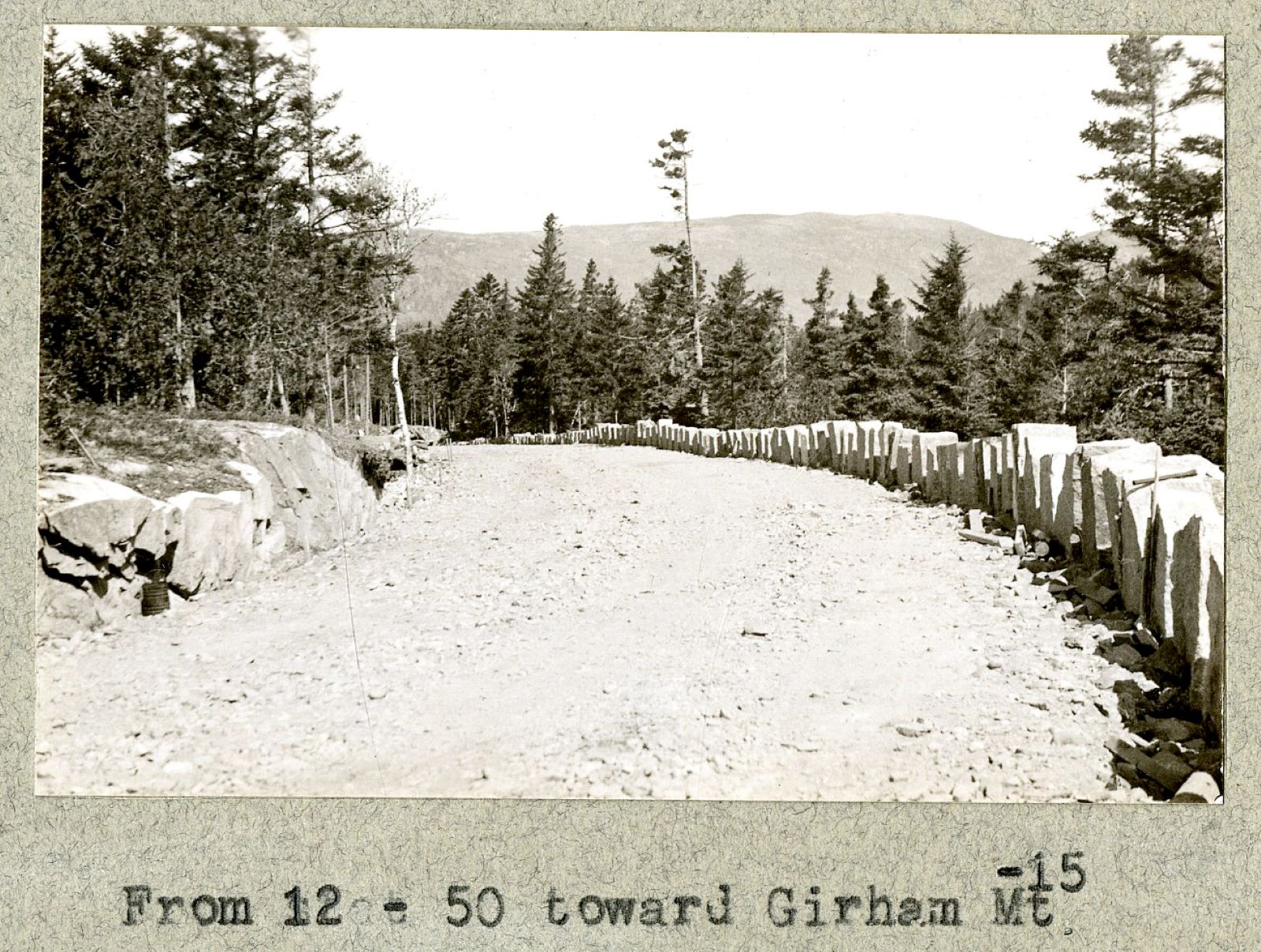
Acadia National Park: Carriage Roads, Cadillac Mountain & 2026 Guide
Discover carriage roads, Cadillac Mountain, and rugged Maine coast. Complete 2026 guide to Acadia National Park — trails, fees, lodging, permits, and what rangers recommend.
Hiking Guide
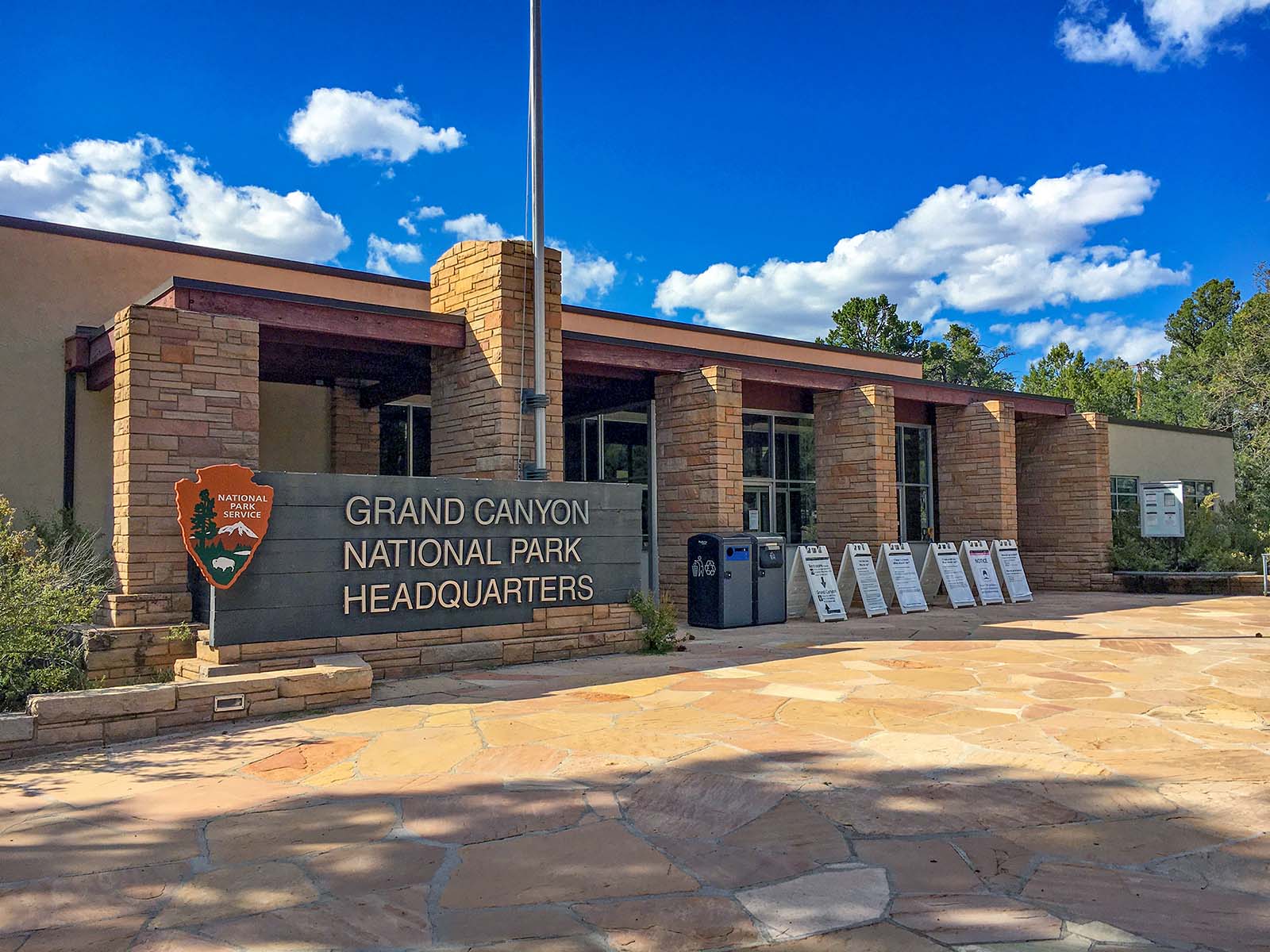
Grand Canyon Hiking Trails: Day Hikes, Water Sources & Rim to Rim
Compare Grand Canyon hiking trails: Bright Angel, South Kaibab, Hermit, Grandview, and rim to rim, with distances, elevation, water stops, and trailhead access for each.
Best Of
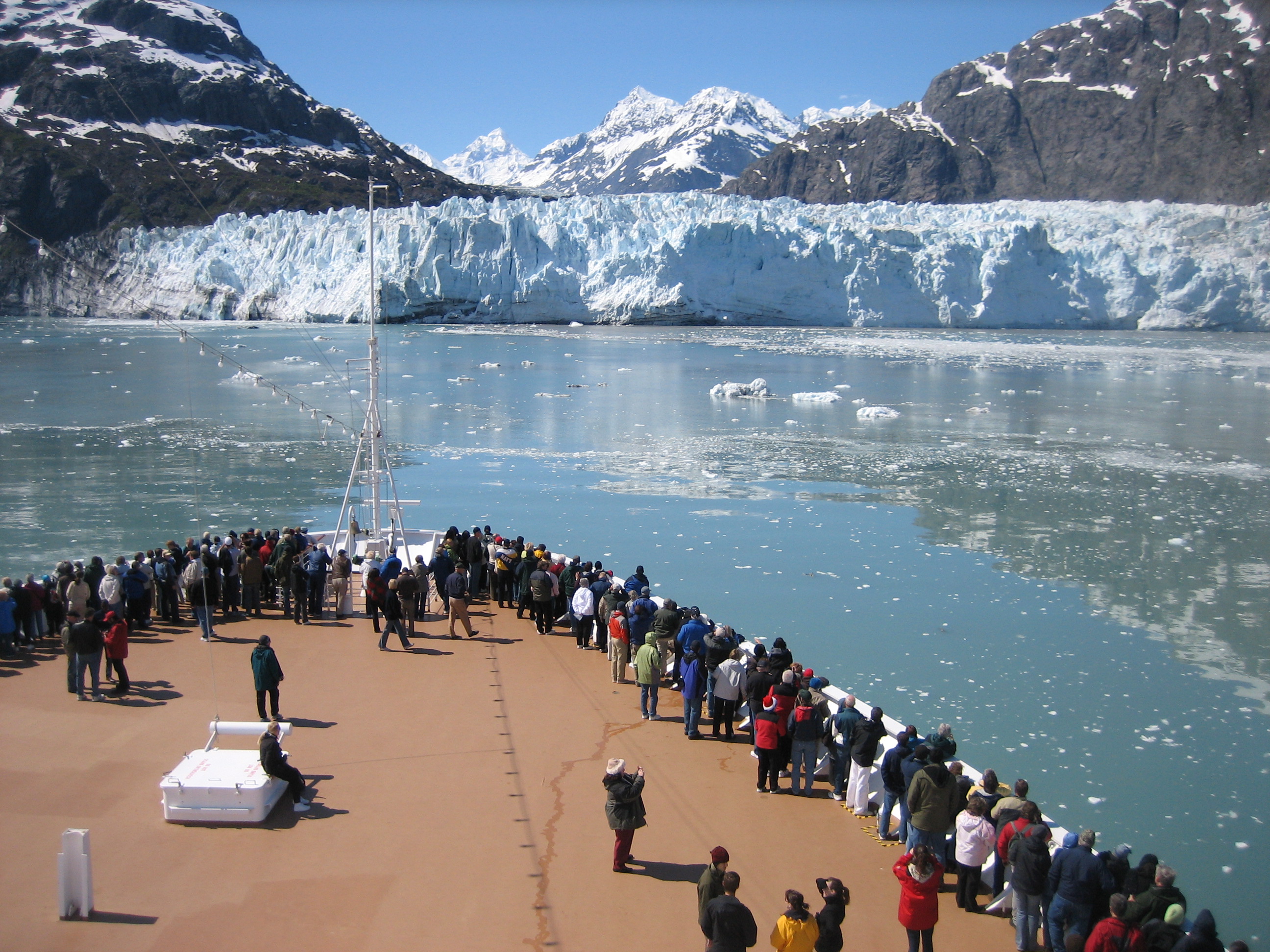
Best of Glacier Bay National Park
The best of Glacier Bay is reached by boat: ranger-led day tours up the bay to the tidewater glaciers. What's worth it, how to book, and when to go (2026).
Campsite Guide
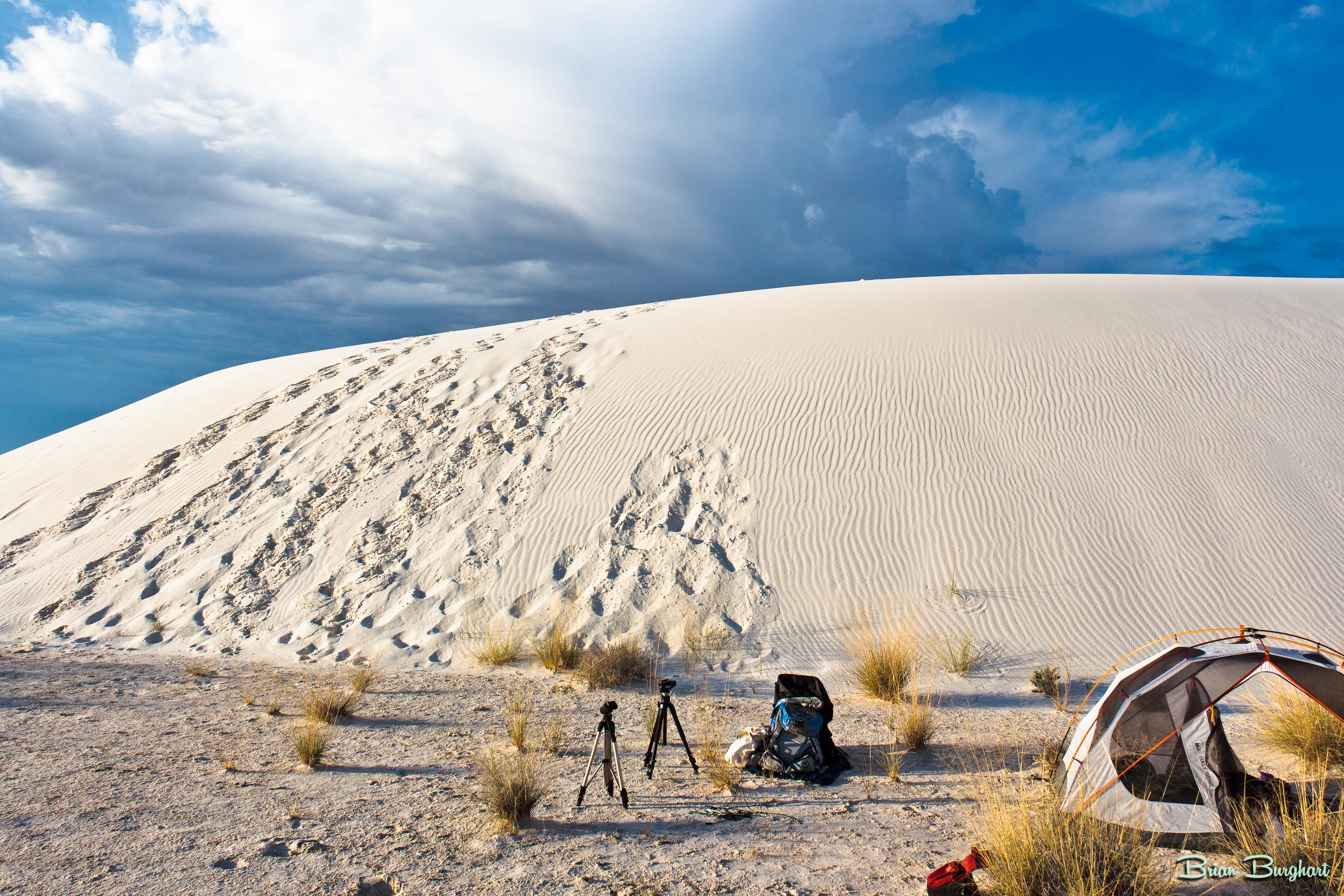
White Sands Backcountry Camping: Closed for 2026 — What to Know
As of 2026, backcountry camping at White Sands National Park is closed for site rehabilitation. What that means, and where to camp nearby instead.
Weather Guide
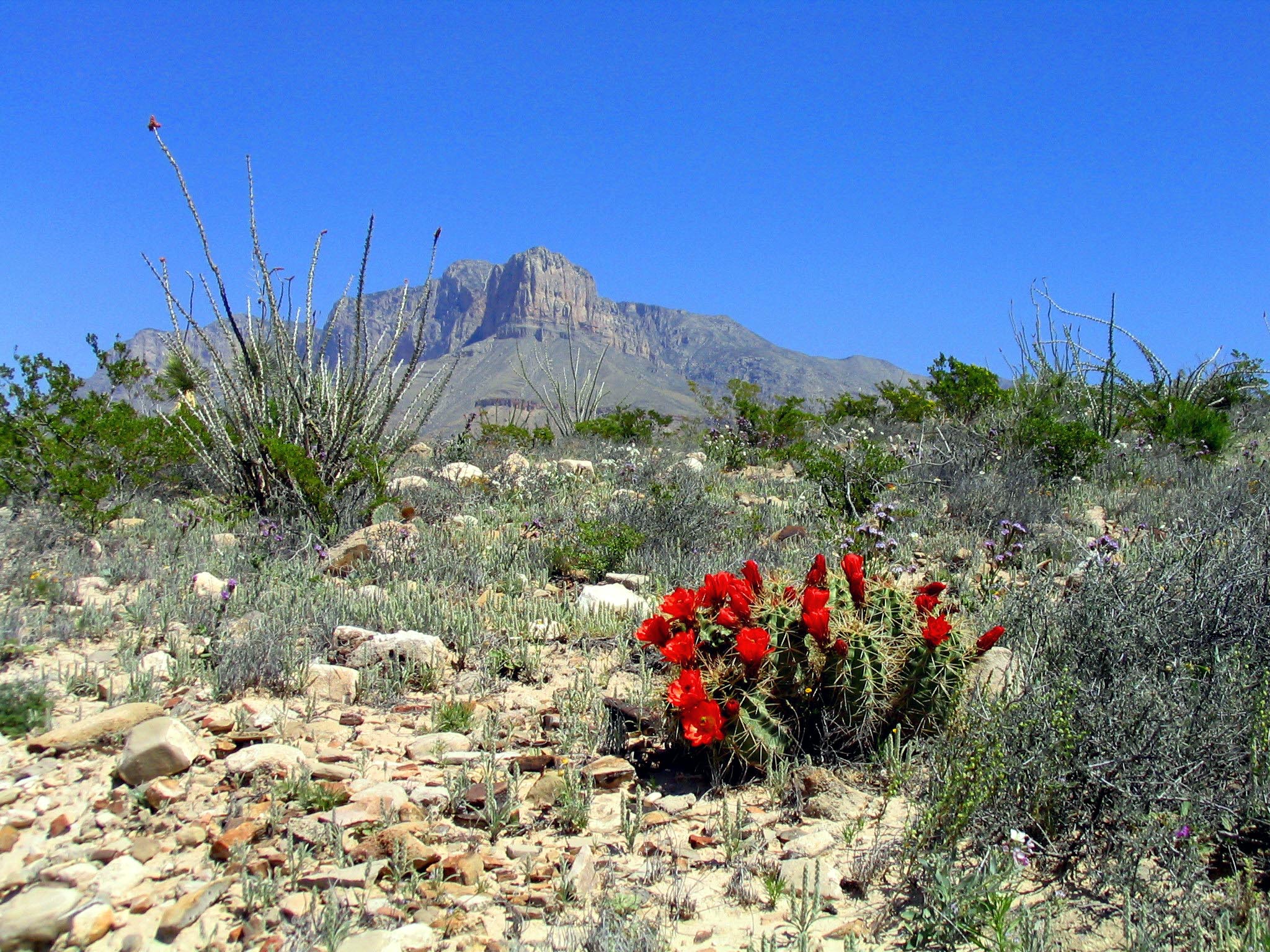
Guadalupe Mountains National Park Weather: Weather
Guadalupe Mountains National Park: weather guide guide updated 2026. Practical visitor information, reservations, and seasonal tips worth bookmarking before

Best Of
Best of Cuyahoga Valley National Park: Best Things to Do
Seeing a Cleveland Orchestra concert with the woods as your backdrop is a uniquely Cuyahoga Valley experience.
Sign in to join the conversation.
Sources & Attribution
Location data courtesy of the National Park Service (U.S. Department of the Interior). NPS data is public domain. Official NPS page.
Images: NPS; NPS; NPS; NPS; NPS.
Map data © OpenStreetMap contributors.
Park operations alerts: NPS.gov · Weather and weather hazards: National Weather Service · Live conditions.
Information may change. Always verify fees, hours, and conditions directly with the official source before visiting.
Did this guide help? Share it with a friend.