The electric fence around Brooks Camp Campground hums low and constant, a sound you learn to sleep through after the first night. It's not a detail most campgrounds in the National Park System require, but then again, most campgrounds aren't positioned in the middle of the world's densest concentration of brown bears. This is the only developed campground in Katmai National Park and Preserve, and booking a site here means accepting that you're a guest in country where something larger and faster calls the shots.
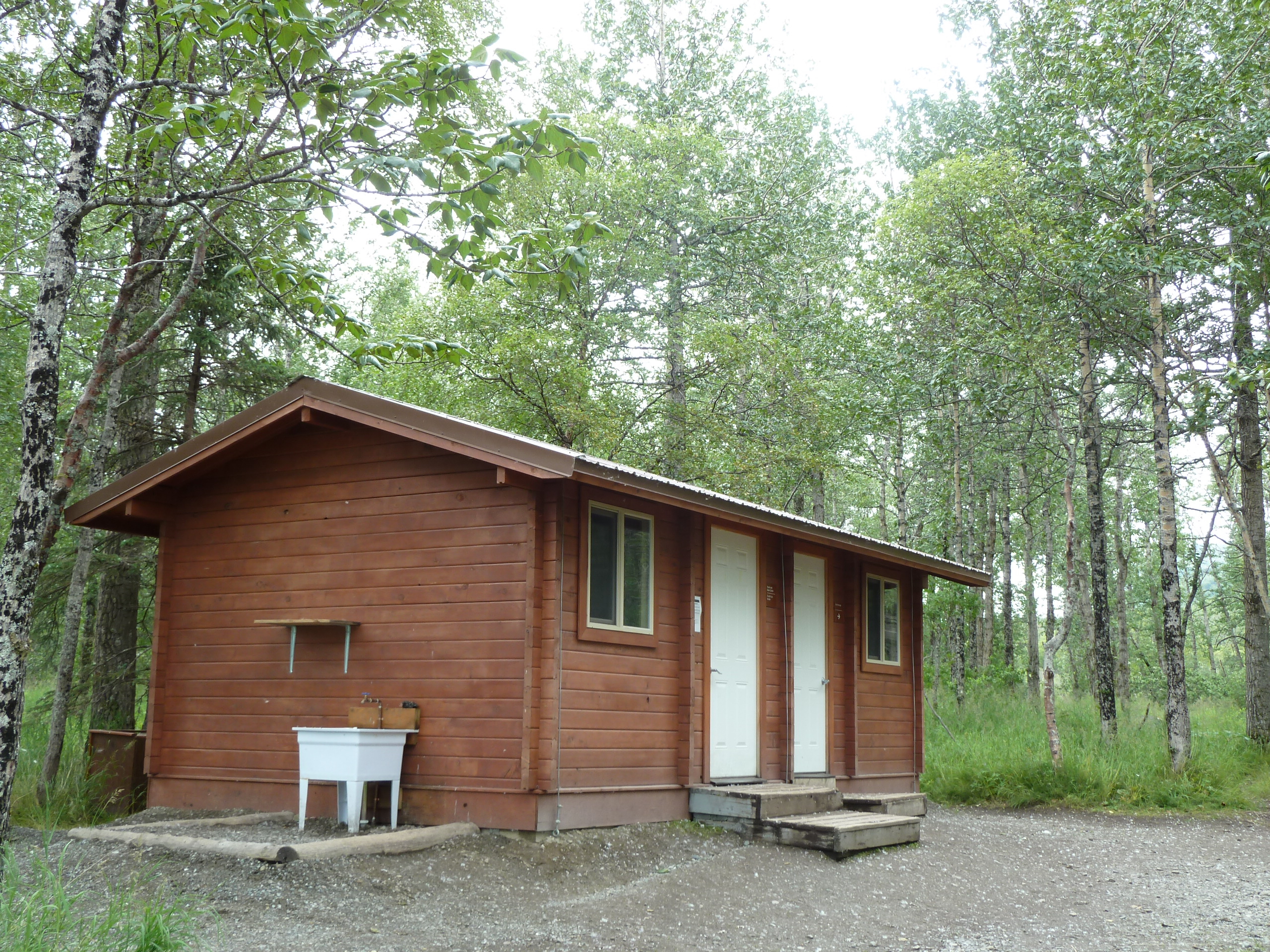
NPS via NPS.gov (Public Domain)
Brooks Camp: 60 Sites, Free
6 min read
Campsite Guide
May 1 through May 31 and September 18 through October 31 drop to $10 per person per night. From November 1 through April 30, there is no fee at all.
Your plans
For more, see Katmai National Park Weather and Katmai Guided Bear Tour.
If you're looking at the brooks camp campground, you've already figured out that getting to Katmai is not a casual weekend decision. What follows is what you actually need to know before committing to a reservation.
Reservation System and Fees
When to Book and What It Costs
Reservations are required at this campground - no walk-up sites, no showing up and hoping for a cancellation. The window opens early, and peak summer dates fill fast. Keep an eye on Recreation.gov starting in early January for June through September availability.
Fees shift with the season. From June 1 through September 17, the rate is $18 per person per night. May 1 through May 31 and September 18 through October 31 drop to $10 per person per night. From November 1 through April 30, there is no fee at all.
Important distinction here: the fee is per person, not per site. A group of four pays $72 per night in peak season. America the Beautiful Access and Senior pass holders get 50% off, but the discount applies to the cardholder only - not the whole group.
The Shoulder Season Reality
The free winter camping period sounds appealing until you read the fine print. No potable water is available from November through April, and the electric fence is not maintained during those months. Without that fence, you are camping in active brown bear habitat with no barrier. Rangers will tell you that winter camping at Brooks Camp is for experienced backcountry travelers only, not for anyone treating it as a cheap off-season option.

Campground Layout and Facilities
The 60 Sites
All 60 sites are tent-only. There are no RV pads, no hookups, and no vehicle access - you arrive by float plane or boat, so everything you bring comes in a pack or a dry bag. The sites sit on the shore of Naknek Lake, roughly 0.3 miles (about half a kilometer) from the Brooks Camp Visitor Center.
The ground is uneven in spots. Some sites have better drainage than others. Returning visitors tend to aim for sites slightly elevated from the lakeshore, where morning condensation is less of a problem.
What's Actually Here
The facility list is honest and functional:
- Food cache - Mandatory use. Every edible item, toothpaste, and scented product goes here at night. Rangers check.
- Gear cache - For non-food items you don't want in your tent.
- Fuel storage locker - Cooking fuel lives here, not in your tent.
- Potable water - Available during the maintained season (typically May through September). Treat it as reliable during those months.
- Cooking shelters - Covered areas with prep space. Useful when it's raining, which is often.
- Fire rings - Available but check current fire restrictions before assuming you can use one.
- Vault toilets - Standard backcountry vault toilets. Not glamorous, but maintained regularly during peak season.
The electric fence surrounds the entire campground. Gates are clearly marked. Keep them closed.

Getting to Brooks Camp
No Road Access
Driving directions for Brooks Camp are short: there are none. Brooks Camp is roughly 30 air miles from King Salmon, accessible only by small float plane or boat. Katmailand Inc. operates scheduled flights from King Salmon during the summer season, and charter operators serve the route from several Alaska towns and villages.
The flight from King Salmon takes about 20 minutes in good weather. In bad weather - which happens frequently - you wait on the dock in King Salmon until it clears.
Most visitors underestimate the logistics of getting here. You need to book your flight separately from your campground reservation, coordinate timing, and account for weather delays built into your itinerary. The park service recommends giving yourself at least one buffer day on each end of your trip.
What You Carry In, You Carry Out
There is no pack service, no luggage transport, no shuttle from the airstrip to the campground. The float plane drops you at the Brooks Camp dock, and you walk the roughly 0.3 miles to the campground with your gear. Pack accordingly.

What the Official Website Doesn't Mention
The Bear Discipline
The electric fence works. You'll hear stories from other campers about bears testing the fence at night - a low growl, a zap, heavy footsteps retreating. It's common enough that the experienced visitors barely react. New campers tend to sit up in their tents, heart pounding, wondering if the fence will hold.
It holds. But the fence only works if you use it correctly. Close every gate behind you. Do not prop gates open. Do not leave food in your tent "just for a minute." The campground has specific rules about food storage, and the rangers at the visitor center emphasize them for good reason - violations get people and bears into dangerous situations.
The Weather Reality
Katmai gets rain. A lot of it. The Brooks Camp area averages over 60 inches of precipitation annually. Fog rolls in off Naknek Lake without warning, and wind can pick up fast enough to make cooking in the shelters difficult. Bring a tent that can handle sustained rain and wind, not a fair-weather three-season model.
Cell service drops out at the King Salmon airport terminal and does not return until you're back in King Salmon. There is no WiFi at Brooks Camp. The visitor center has a satellite phone for emergencies.
The Mosquito Situation
Late June through mid-July is prime mosquito season. The combination of standing water, warm temperatures, and long daylight hours produces conditions that locals describe with dark humor. Bring a head net and permethrin-treated clothing. DEET works. The cooking shelters help, but they're not sealed.

Practical Takeaways
- Book your reservation early. Peak season sites (June-August) sell out within weeks of opening. Have your dates locked in before the booking window opens.
- Coordinate your flight before you book camping. There's no point holding a campsite if you can't get a seat on the float plane. Katmailand and charter operators should be your first call.
- Pack for wet weather without exception. Assume rain every day. A quality rain jacket, waterproof pants, and a dry bag system for your gear are non-negotiable.
- Bring a head net and insect repellent. The mosquitoes in June and July are the worst you've experienced unless you've spent time in the Arctic during breakup.
- Understand the per-person pricing. A solo traveler pays $18 a night in peak season. A family of four pays $72. Factor that into your budget. Senior and Access pass discounts apply to the cardholder only.
- Read the Brooks Camp regulations before you arrive. The park website has a detailed list of requirements. Ignorance of the rules does not go over well with rangers or with the bears.
- Build a weather buffer into your schedule. One extra day on each end of your trip is the standard recommendation. flights get delayed, and missing your connection out of King Salmon means a very expensive unscheduled night.
Final Thoughts
Brooks Camp Campground is not a place you go for convenience or comfort. It's a place you go because you want to stand on the falls platform at Brooks River and watch brown bears fish within arm's reach, then walk back to your tent through electric fence gates and fall asleep to the sound of Naknek Lake lapping at the shore. The campground serves that purpose directly and without pretense.
If you're planning a trip for 2026, start the logistics now. The flight availability, the reservation window, the gear decisions - none of it is difficult, but all of it requires forethought. The complete visitor guide covers the broader park experience, while this campground page is part of a series on all campgrounds in the area.
Pack your tent. Bring your patience with weather. Pay attention to the fence. You'll remember this trip longer than most.
Sources
- Official source: NPS — Katmai National Park nps.gov/katm/index.htm
- Official source: National Park Service nps.gov/katm/planyourvisit/plyovicamp.htm
Photo Gallery
More to Explore
Park Guide
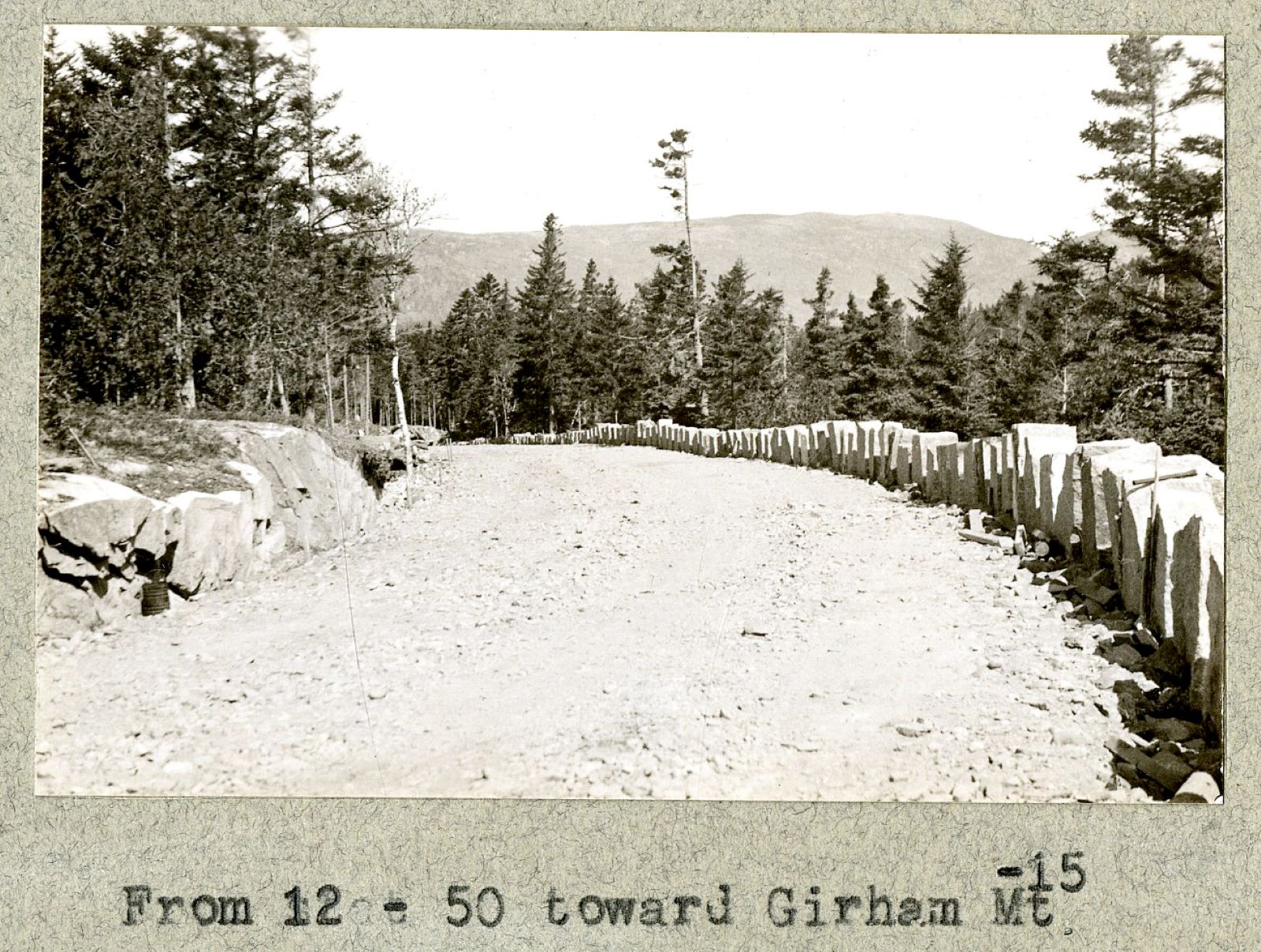
Acadia National Park: Carriage Roads, Cadillac Mountain & 2026 Guide
Discover carriage roads, Cadillac Mountain, and rugged Maine coast. Complete 2026 guide to Acadia National Park — trails, fees, lodging, permits, and what rangers recommend.
Hiking Guide
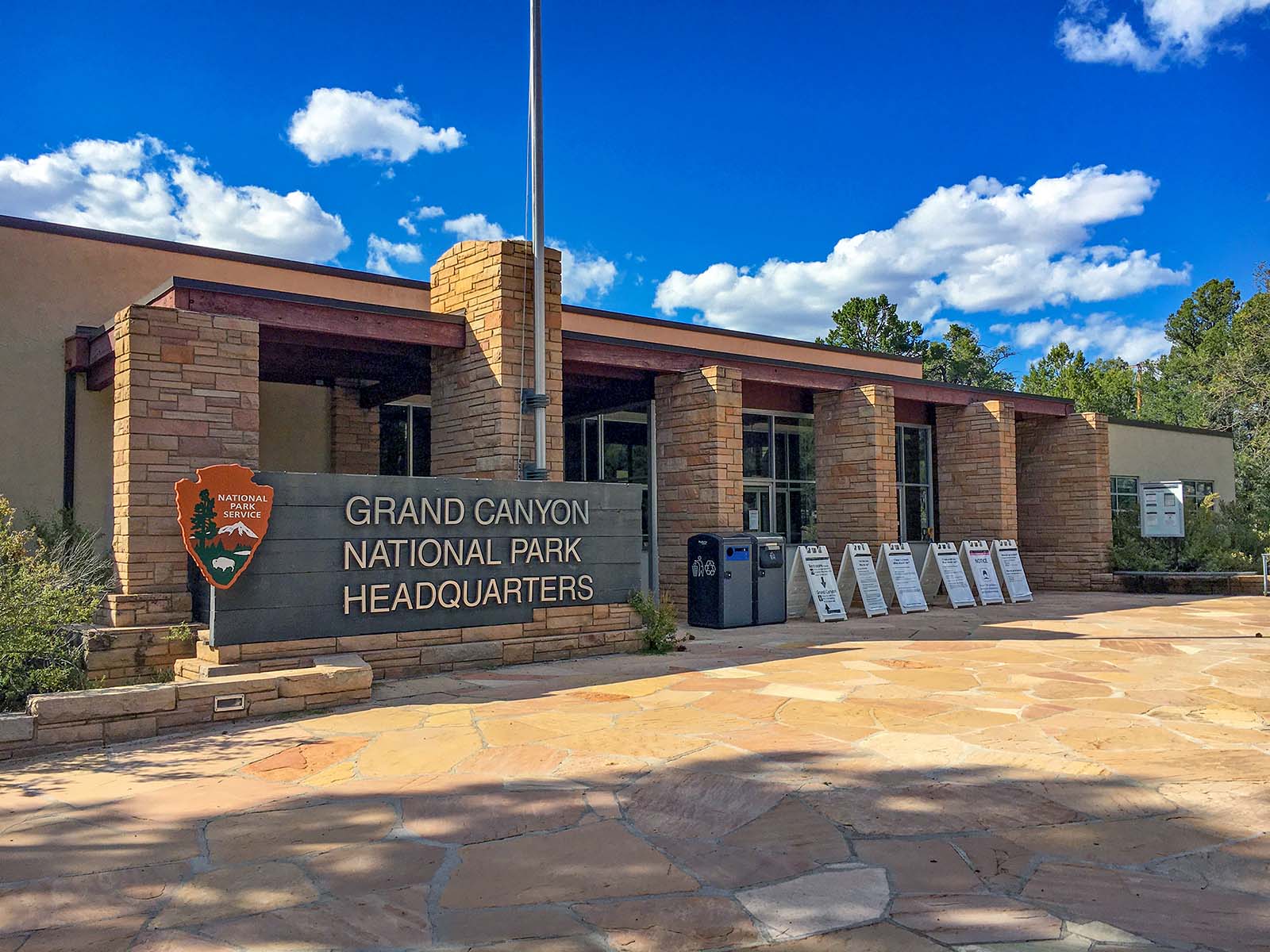
Grand Canyon Hiking Trails: Day Hikes, Water Sources & Rim to Rim
Compare Grand Canyon hiking trails: Bright Angel, South Kaibab, Hermit, Grandview, and rim to rim, with distances, elevation, water stops, and trailhead access for each.
Best Of
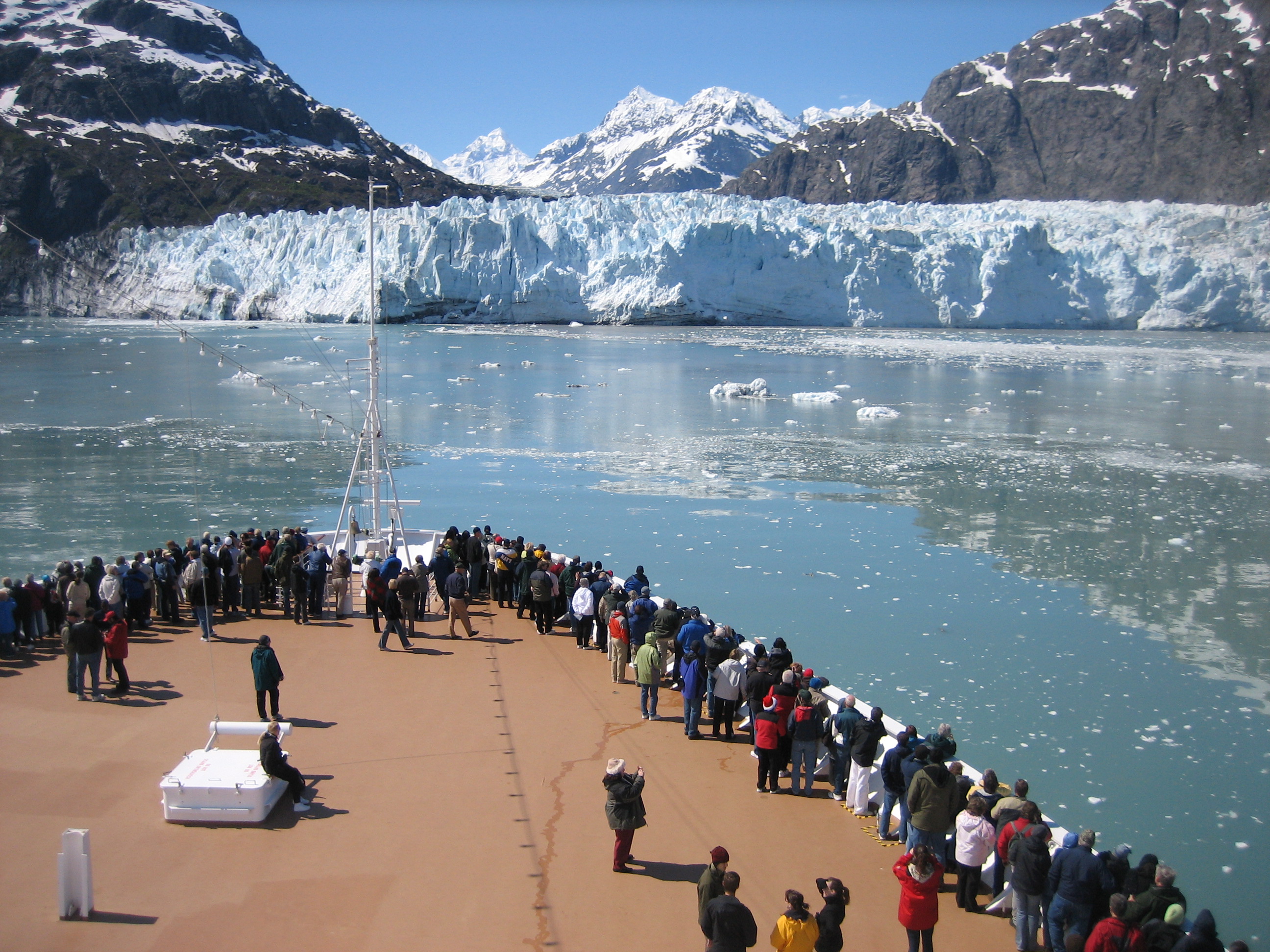
Best of Glacier Bay National Park
The best of Glacier Bay is reached by boat: ranger-led day tours up the bay to the tidewater glaciers. What's worth it, how to book, and when to go (2026).
Campsite Guide
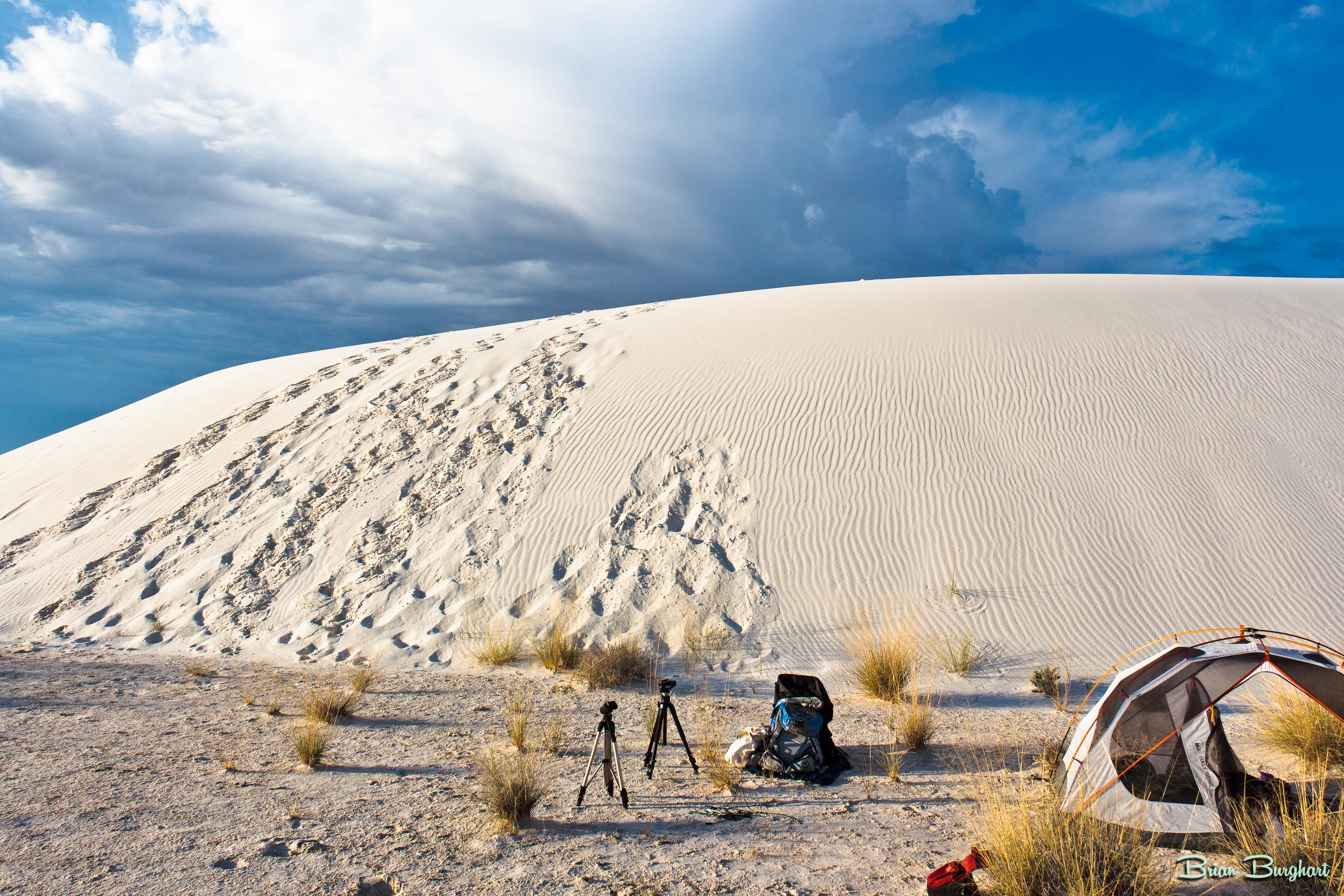
White Sands Backcountry Camping: Closed for 2026 — What to Know
As of 2026, backcountry camping at White Sands National Park is closed for site rehabilitation. What that means, and where to camp nearby instead.
Weather Guide
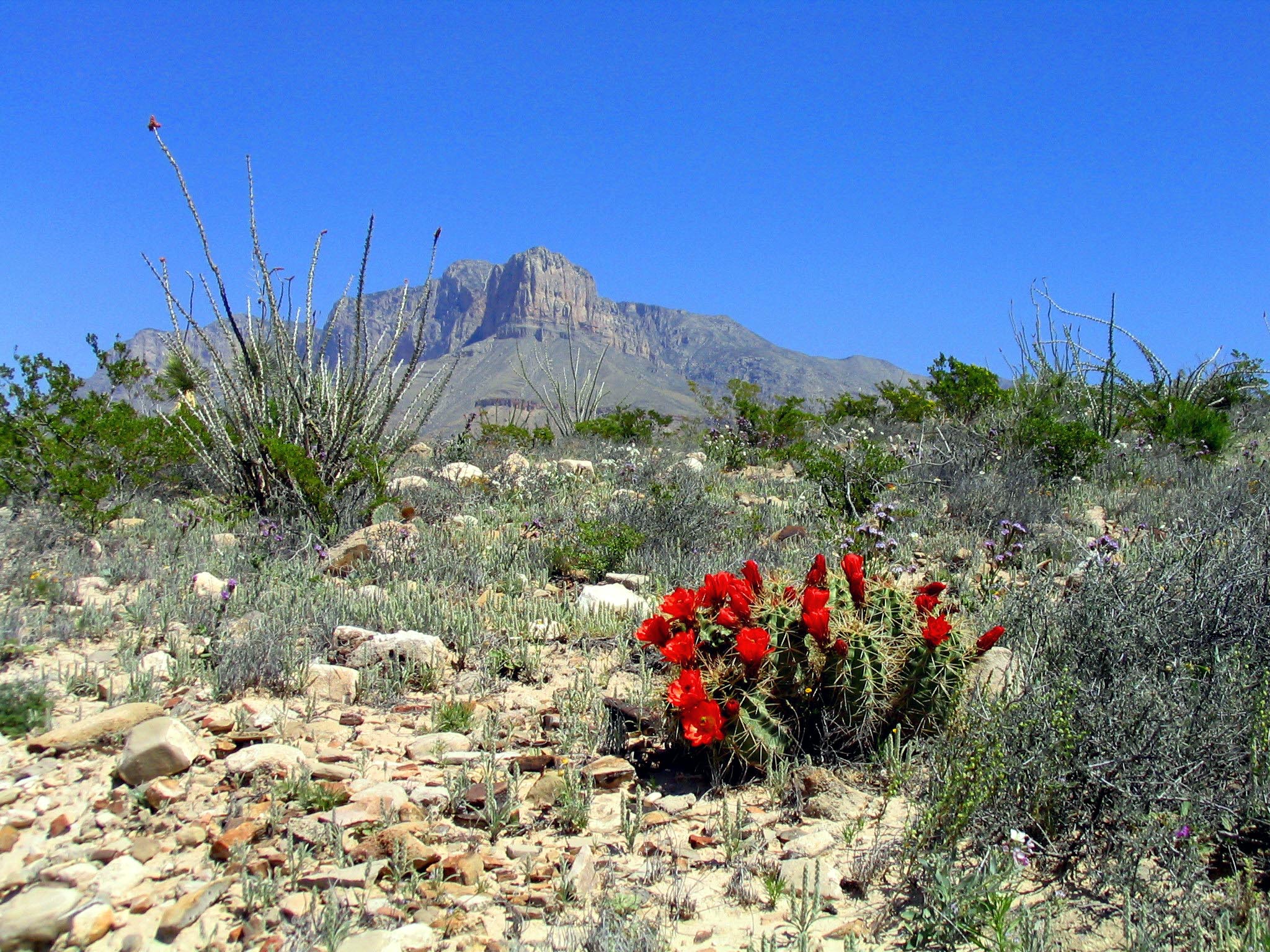
Guadalupe Mountains National Park Weather: Weather
Guadalupe Mountains National Park: weather guide guide updated 2026. Practical visitor information, reservations, and seasonal tips worth bookmarking before
Best Of
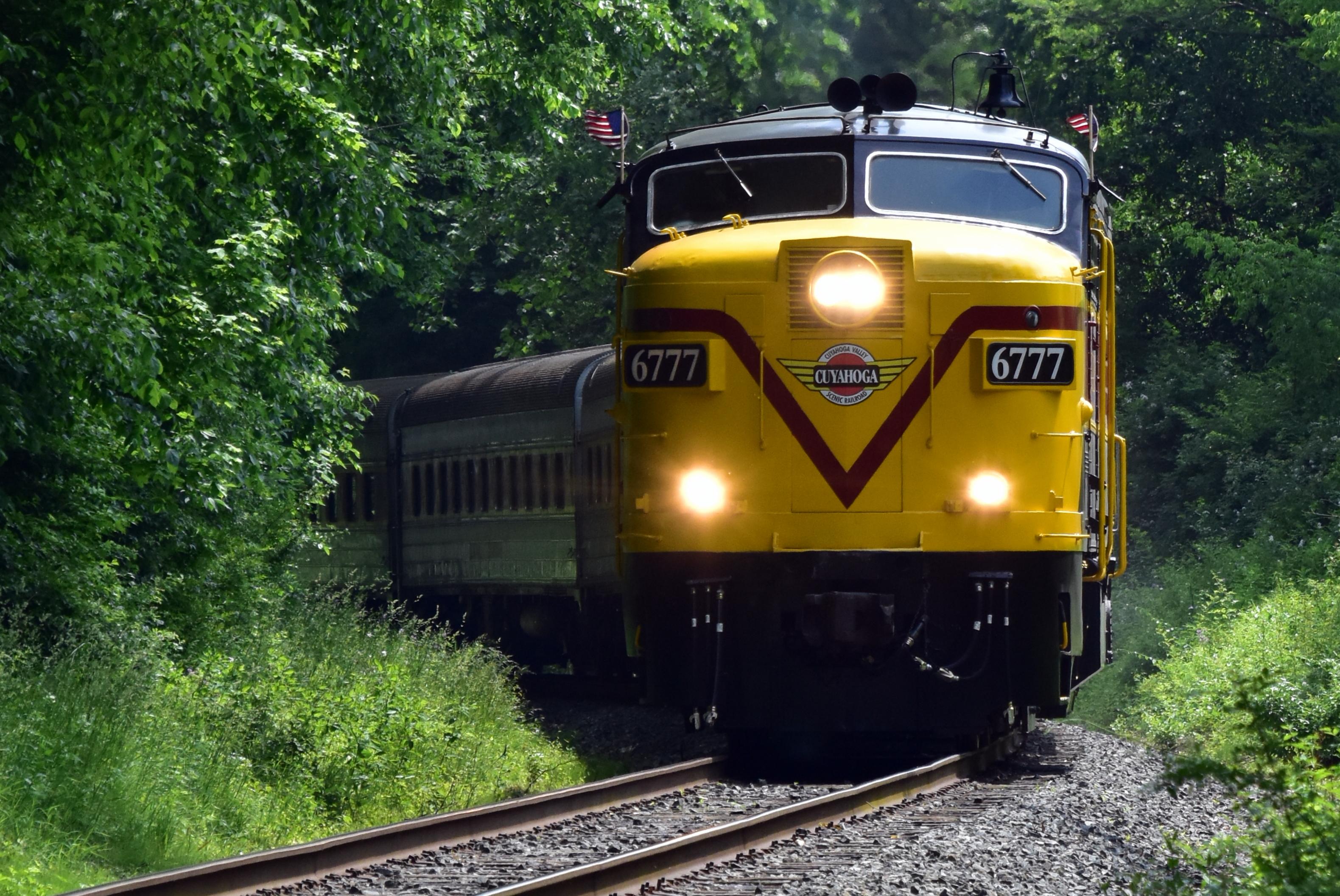
Best of Cuyahoga Valley National Park: Best Things to Do
Seeing a Cleveland Orchestra concert with the woods as your backdrop is a uniquely Cuyahoga Valley experience.
Sign in to join the conversation.
Sources & Attribution
Location data courtesy of the National Park Service (U.S. Department of the Interior). NPS data is public domain. Official NPS page.
Images: NPS; NPS; NPS; NPS; NPS.
Map data © OpenStreetMap contributors.
Park operations alerts: NPS.gov · Weather and weather hazards: National Weather Service · Live conditions.
Information may change. Always verify fees, hours, and conditions directly with the official source before visiting.
Did this guide help? Share it with a friend.