Book your campsite at Black Rock Campground at least six months out if you want a weekend spot between October and May. This 99-site campground fills fast - and for good reason. It's the largest campground in Joshua Tree National Park, sits in the cooler northwest corner near Yucca Valley, and offers something no other campground in the park does: dedicated equestrian sites.
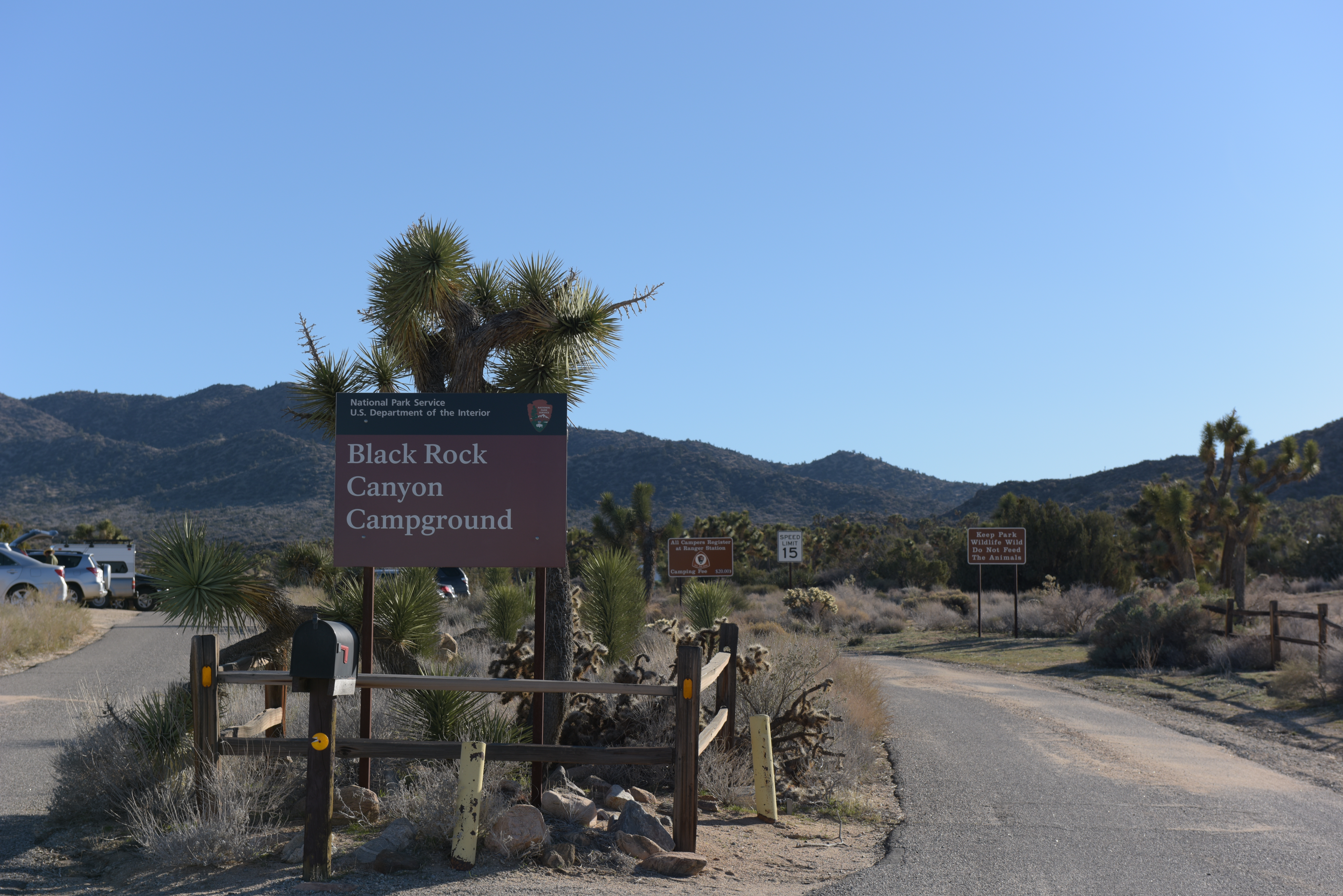
NPS via NPS.gov (Public Domain)
Campsites at Black Rock Campground (2026 Guide) — Planning Tips
7 min read
Campsite Guide
Book your campsite at Black Rock Campground at least six months out if you want a weekend spot between October and May. Updated for 2026 with 5 Black Rock
Your plans
Plan your visit with complete visitor guide, all campgrounds, and hiking trails.
If you are planning a trip to Joshua Tree and want a basecamp with modern amenities (flush toilets, potable water, a dump station) plus quick access to town, this is your spot. This guide covers everything you need to know - rates, reservations, site types, nearby activities, and the quirks that catch first-time visitors off guard.
For a broader look at the park, check out the complete visitor guide. And if you want to compare all camping options, see the all campgrounds page.
What Black Rock Campground Offers
Black Rock Campground occupies a stretch of pinyon-juniper woodland on the park's western edge, just south of Yucca Valley. Unlike the bare granite expanses of the central park, this area gets more shade and slightly cooler temperatures - a meaningful difference when summer hits.
Sites and capacity. The campground has 99 individual sites, plus a separate 20-site equestrian camping area with corrals. Each individual site fits a maximum of six people, three tents, and two vehicles. Some sites have parking for only one car, so check the site details when you book. Every site has a picnic table and a fire ring.
Amenities you actually get. Restrooms with flush toilets are scattered through the campground. Potable water spigots are nearby - you won't need to haul your own water here, which is a real convenience compared to most other Joshua Tree campgrounds. There is also a dump station for RVs, located near the entrance.
The equestrian setup. If you are bringing horses, the Black Rock horse camp is the only dedicated horse camping in the park. Twenty sites with corrals, available year-round by reservation. The park maintains 253 miles of equestrian trails, many accessible directly from this area.
Why Location Matters
Black Rock Campground sits in the northwest corner of the park, at 9800 Black Rock Canyon Road, Yucca Valley. The town of Yucca Valley is five miles north - a short drive for groceries, gas, restaurant meals, and gear resupply. Most visitors don't realize how convenient this is until they've spent a week cooking over a camp stove and desperately want a hot meal.
From the campground, you are about a 20-minute drive to the main Park Boulevard, where most of the park's iconic trailheads and viewpoints are. The closest popular hike is the Hi-View Trail, a 1.3-mile loop with 400 feet of elevation gain that starts right from the Black Rock area. The Boy Scout Trailhead is also nearby - that 8-mile one-way route through the Wonderland of Rocks.
Rangers at the visitor center will tell you that the Black Rock area is the best place for winter camping because it's slightly lower in elevation than the central park, but still cool enough for comfortable sleeping. Summer is another story.

Seasonal Reality Check
Most visitors underestimate how much the season affects this campground.
Winter (November-February). Prime season. Daytime highs in the 50s and 60s, cold nights dropping below freezing. The campground is full most nights. Book early. Hiking conditions are excellent - Skull Rock, Barker Dam, and Fortynine Palms Oasis are all accessible without heat concerns.
Spring (March-May). Still busy. Temperatures climb into the 70s and 80s by late April. Wildflowers peak in March and April, but the crowds peak too. If you want a site in March, book the day reservations open (six months ahead).
Summer (June-August). Brutal. Daytime temperatures routinely exceed 100°F. The park service closes some Black Rock sites from June 1 through August 28 each year - check the current schedule because the exact closure dates vary. The remaining open sites are still hot, with little shade. Pack extra water for any hiking you attempt. Cell service drops out at the trailhead, so download maps beforehand.
Fall (September-October). The sweet spot. Crowds thin, temperatures drop back into the 70s. October is particularly good for stargazing - more on that below.
Fees and Reservations (2026 Rates)
The nightly fee for a standard campsite (tent, RV, or equestrian) is $35.00. The equestrian site fee is also $35.00. If you have a Senior or Access pass, your nightly rate drops to $17.50. This applies to both standard and horse sites.
Reservations are required. You can book through Recreation.gov or by calling 1-877-444-6777. The reservation window opens six months in advance. Sites go fast for weekends in peak season.
Check-in and check-out are both at noon. Quiet hours run from 10:00 PM to 6:00 AM. The campground is open 24 hours a day - you can arrive late, but the gate on Black Rock Canyon Road is ungated. Just drive in.

Activities Right from the Campground
You don't have to drive far to find things to do. Black Rock has its own trail network.
Hi-View Trail. A 1.3-mile loop with 400 feet of elevation gain. The trailhead is at the back of the campground. From the high point, you get sweeping views of the Coachella Valley and, on clear days, the San Jacinto Mountains. It's a moderate hike - your calves will feel the climb on the return.
West Side Loop. Another moderate loop in the Black Rock area. Connects to the California Riding and Hiking Trail, which stretches 36.6 miles to the park's north entrance.
Equestrian trails. If you brought horses, you can ride directly from the camp onto miles of designated trails. The park's horse camping area is built for this.
Stargazing. Joshua Tree is an International Dark Sky Park. Black Rock Campground, being away from the main Park Boulevard lights, offers some of the darker skies in the park. Rangers lead evening astronomy programs at the campground amphitheater during peak season. Bring a red flashlight and a chair.
Ranger programs. Evening ranger programs (45 minutes) and ranger strolls (30-45 minutes, 0.4-mile walk) are offered regularly. Topics vary - plants, wildlife, cultural history, geology. Check the park newspaper for the schedule.
What the Website Doesn't Mention
A few things first-time visitors discover the hard way:
- The drive to the main park sights is longer than you think. Park Boulevard is about 10 miles east. It takes 20 minutes to reach Jumbo Rocks or Skull Rock. If you plan to hit the popular sunrise spots, add that travel time.
- The campground can be windy. Afternoon winds pick up in spring and fall. Stake your tent securely.
- The dump station is at the entrance. If you're in an RV, drain your tanks before you settle in - the station is one-way and not convenient to circle back to.
- Yucca Valley is five miles north. That means a 10-minute drive to grocery stores, hardware stores, and restaurants. But the closest gas station is about the same distance. Fill up before you arrive.
- The equestrian camp has its own check-in process. If you are bringing horses, call ahead to confirm corral availability and parking. The horse sites book separately from the standard sites.

Practical Takeaways
- Reserve early. Six months ahead for October-May weekends. The campground fills completely.
- Bring cash or card for the entrance fee. Black Rock is inside the park, so you'll pay the $30 per vehicle park entrance fee (valid 7 days) or use your annual pass.
- Pack layers. Nighttime temps can be 40 degrees cooler than daytime highs. A 20°F sleeping bag is standard.
- Water is available. You don't need to haul your own, but carry a gallon per person per day for hiking.
- Respect quiet hours. Rangers patrol and enforce them. Music and generators are not welcome after 10 PM.
- Check for summer closures. If visiting June-August, verify that your preferred loop is open. The park may close sections due to heat.
- Store food properly. Rodents and ravens are persistent. Use the bear-proof lockers provided.
- Fire restrictions. During dry periods, campfires may be banned. Propane stoves are usually allowed. Check the NPS alerts page before you go.
Final Thoughts
Black Rock Campground is the most practical basecamp for a Joshua Tree trip if you want running water, flush toilets, and proximity to civilization. It's not the most dramatic setting - that honor goes to Jumbo Rocks or Ryan Campground, where you sleep among the giant monzogranite boulders. But those campgrounds lack water and have pit toilets. Black Rock trades raw beauty for comfort and convenience.
If you are new to desert camping, start here. If you are bringing horses, this is your only option. And if you are visiting in summer, the few open sites at Black Rock are among the only places in the park where you can camp without melting - though "cool" is relative when it's 100°F at 8 PM.
Check the official website for current rates and any fire or closure alerts before you pack. And book that site - the calendar fills up fast.
Sources
- Official source: NPS — Joshua Tree National Park nps.gov/jotr/index.htm
- Official source: National Park Service nps.gov/jotr/planyourvisit/black-rock-campground.htm
Photo Gallery
More to Explore
Park Guide
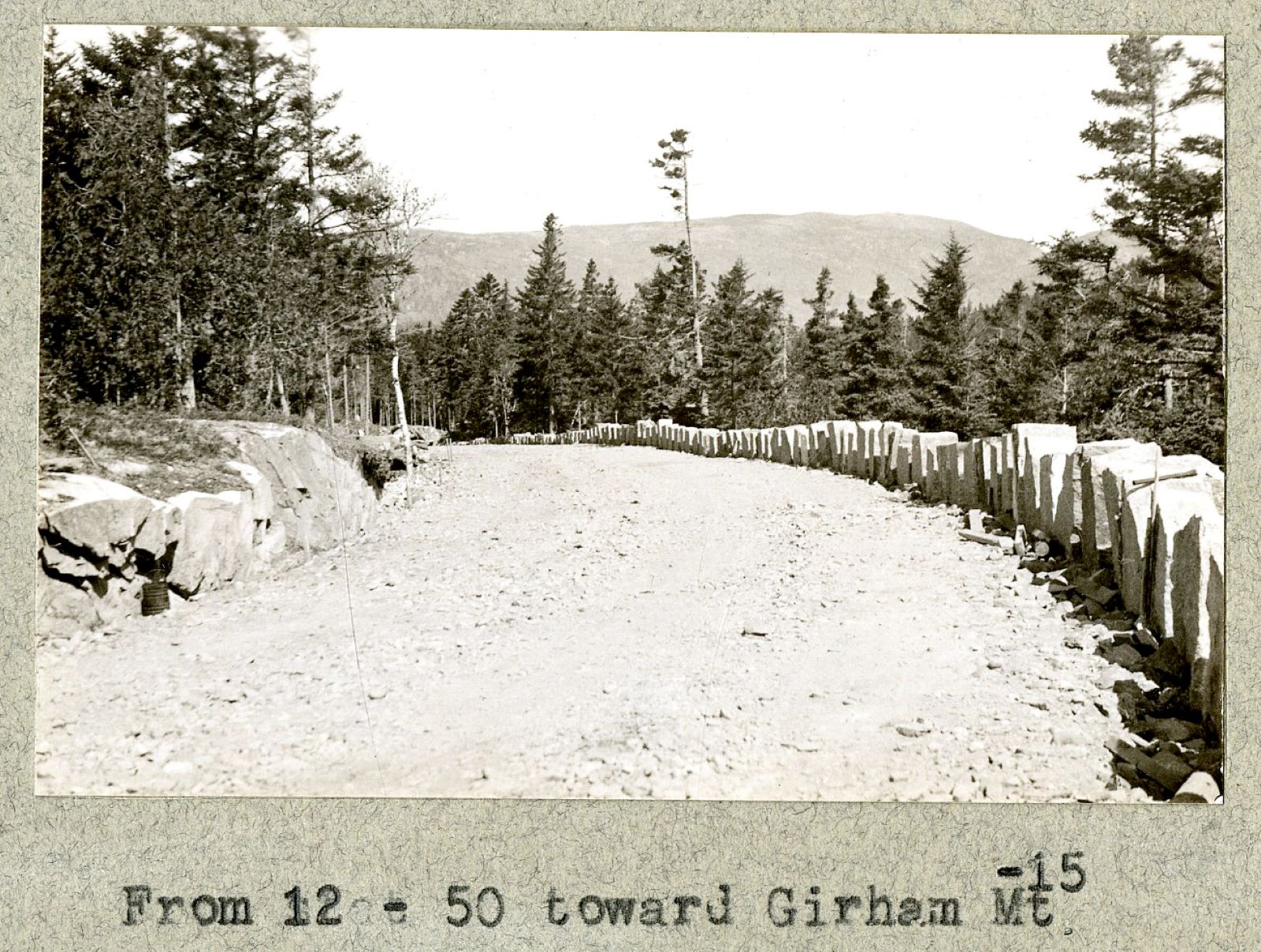
Acadia National Park: Carriage Roads, Cadillac Mountain & 2026 Guide
Discover carriage roads, Cadillac Mountain, and rugged Maine coast. Complete 2026 guide to Acadia National Park — trails, fees, lodging, permits, and what rangers recommend.
Hiking Guide
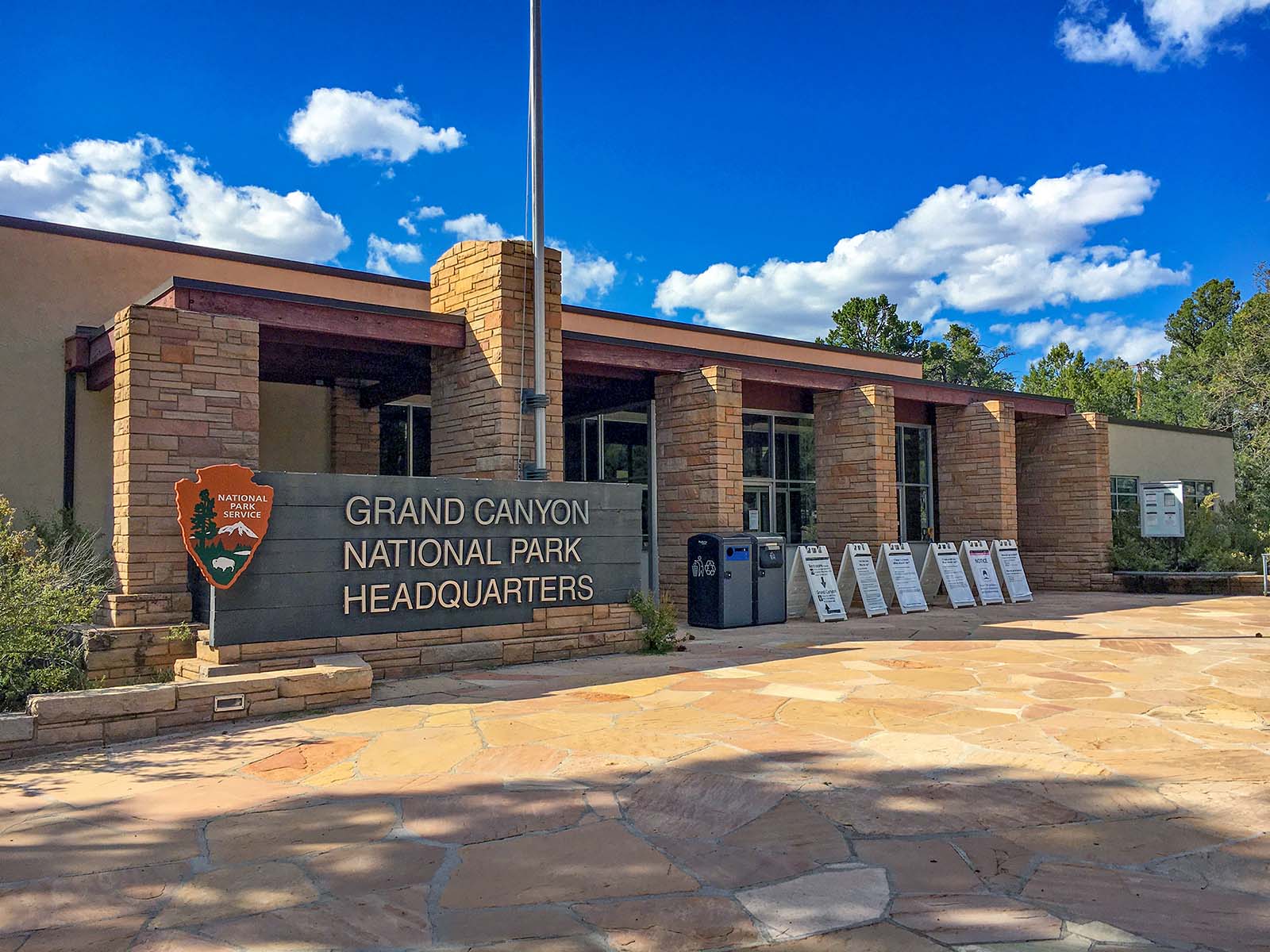
Grand Canyon Hiking Trails: Day Hikes, Water Sources & Rim to Rim
Compare Grand Canyon hiking trails: Bright Angel, South Kaibab, Hermit, Grandview, and rim to rim, with distances, elevation, water stops, and trailhead access for each.
Best Of
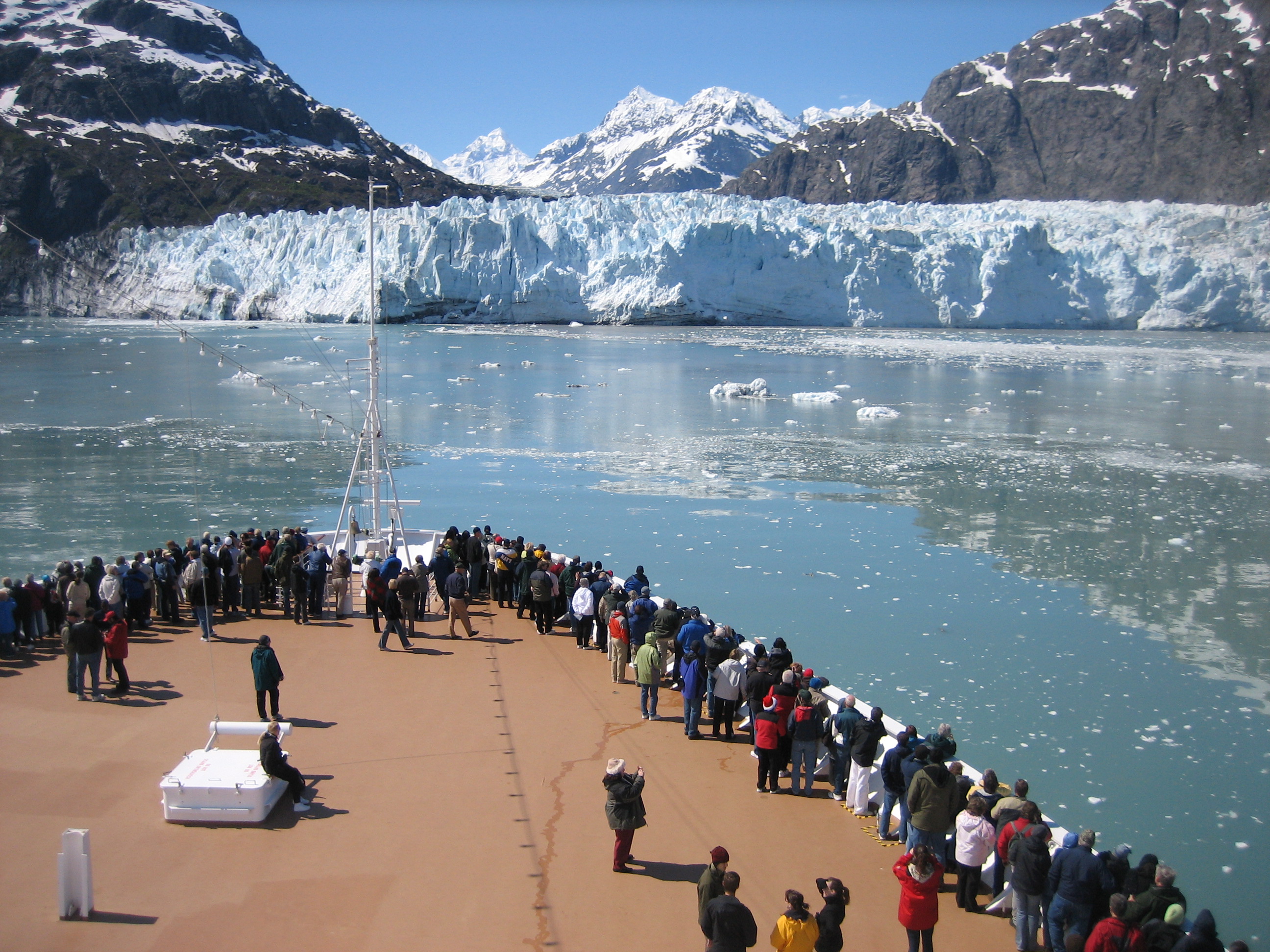
Best of Glacier Bay National Park
The best of Glacier Bay is reached by boat: ranger-led day tours up the bay to the tidewater glaciers. What's worth it, how to book, and when to go (2026).
Campsite Guide
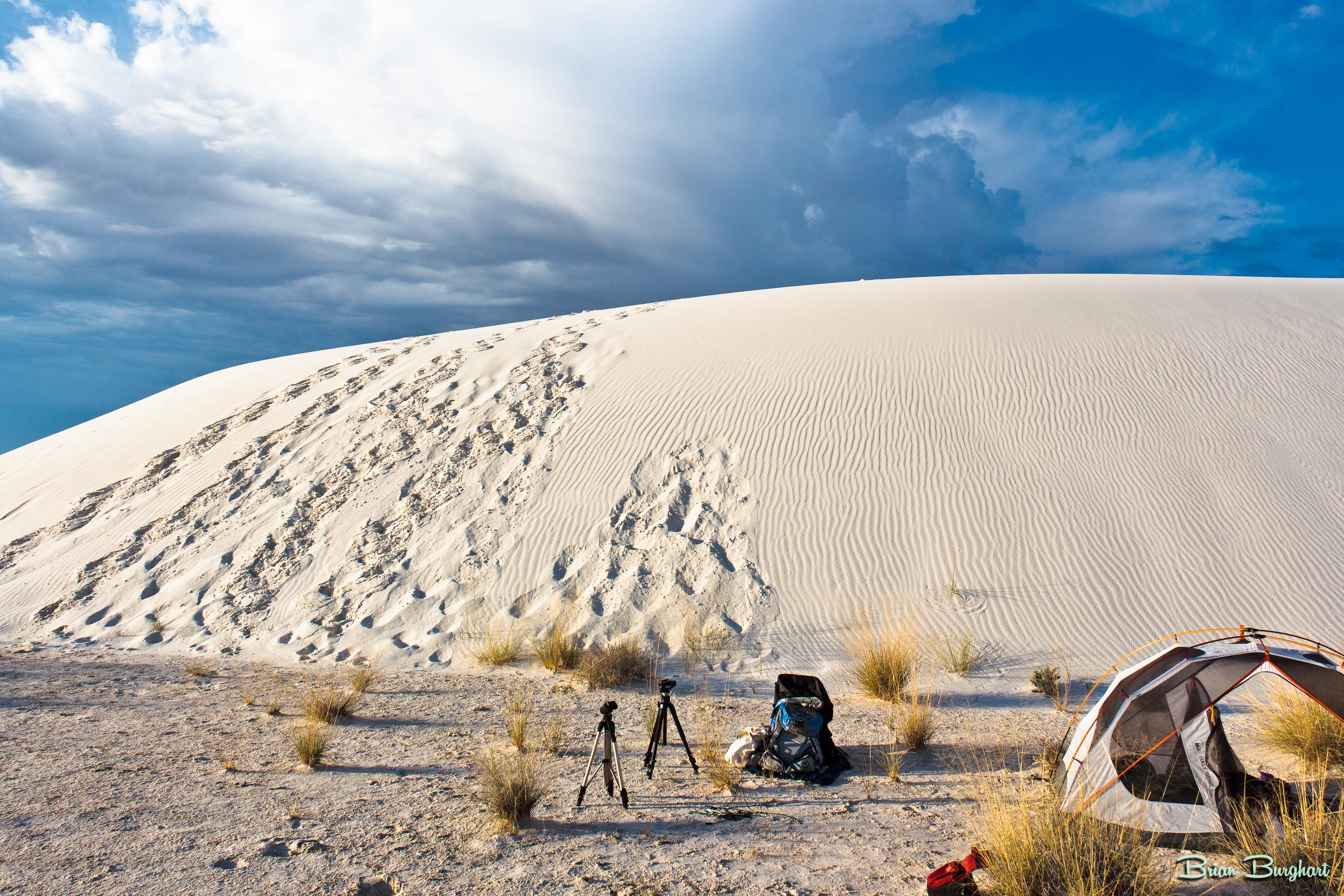
White Sands Backcountry Camping: Closed for 2026 — What to Know
As of 2026, backcountry camping at White Sands National Park is closed for site rehabilitation. What that means, and where to camp nearby instead.
Weather Guide
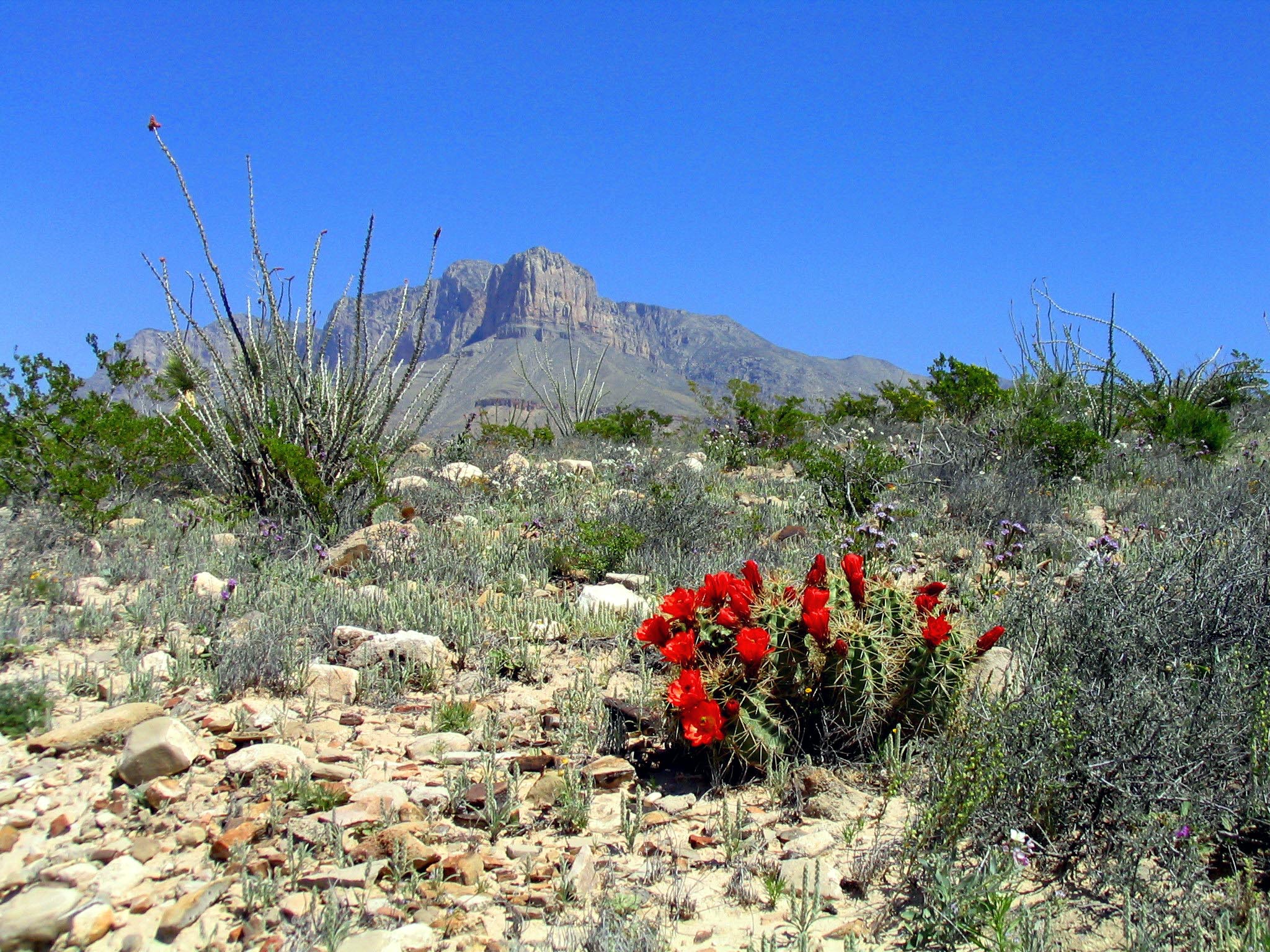
Guadalupe Mountains National Park Weather: Weather
Guadalupe Mountains National Park: weather guide guide updated 2026. Practical visitor information, reservations, and seasonal tips worth bookmarking before
Best Of
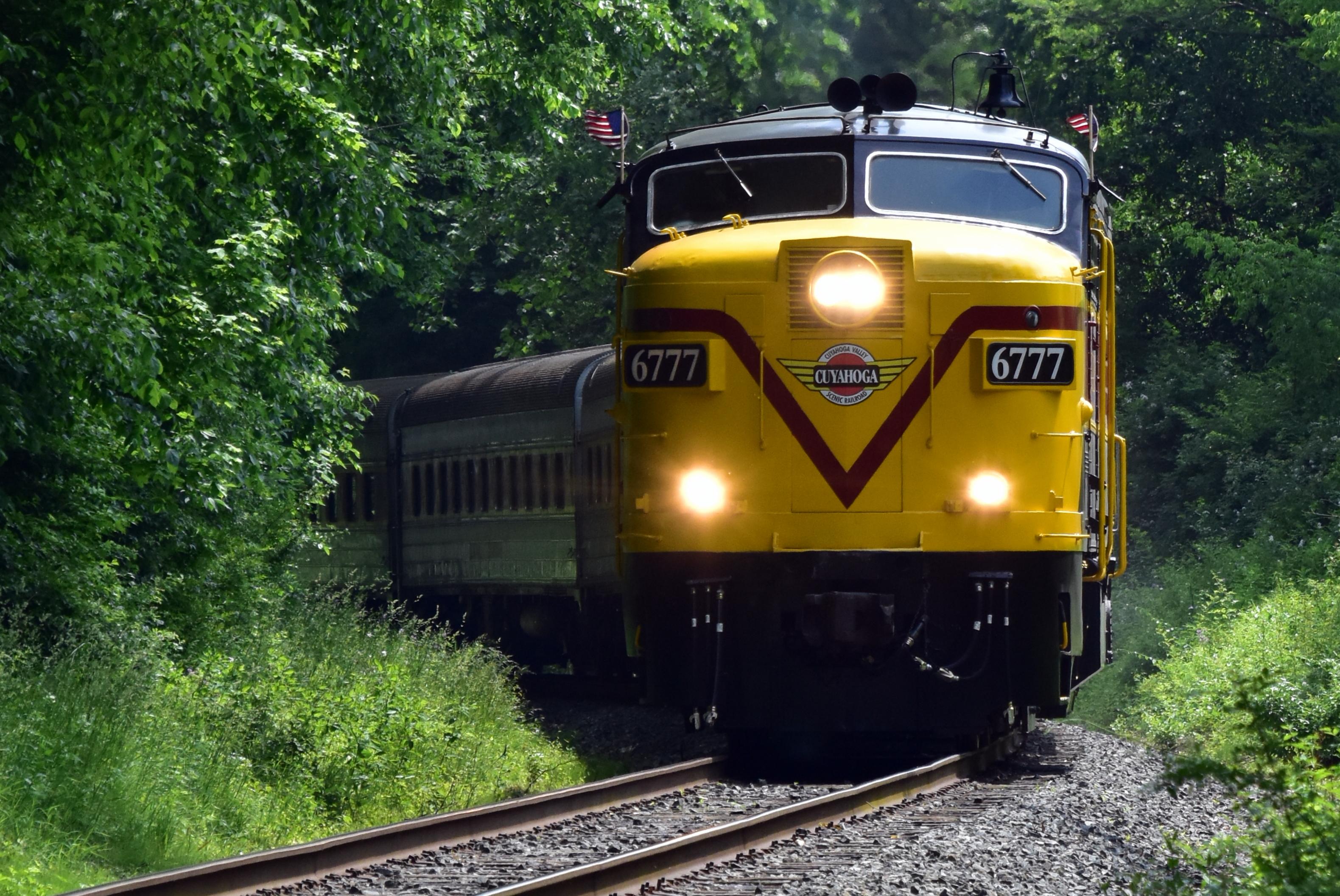
Best of Cuyahoga Valley National Park: Best Things to Do
Seeing a Cleveland Orchestra concert with the woods as your backdrop is a uniquely Cuyahoga Valley experience.
Sign in to join the conversation.
Sources & Attribution
Location data courtesy of the National Park Service (U.S. Department of the Interior). NPS data is public domain. Official NPS page.
Images: NPS; NPS; NPS; NPS; NPS.
Map data © OpenStreetMap contributors.
Park operations alerts: NPS.gov · Weather and weather hazards: National Weather Service · Live conditions.
Information may change. Always verify fees, hours, and conditions directly with the official source before visiting.
Did this guide help? Share it with a friend.