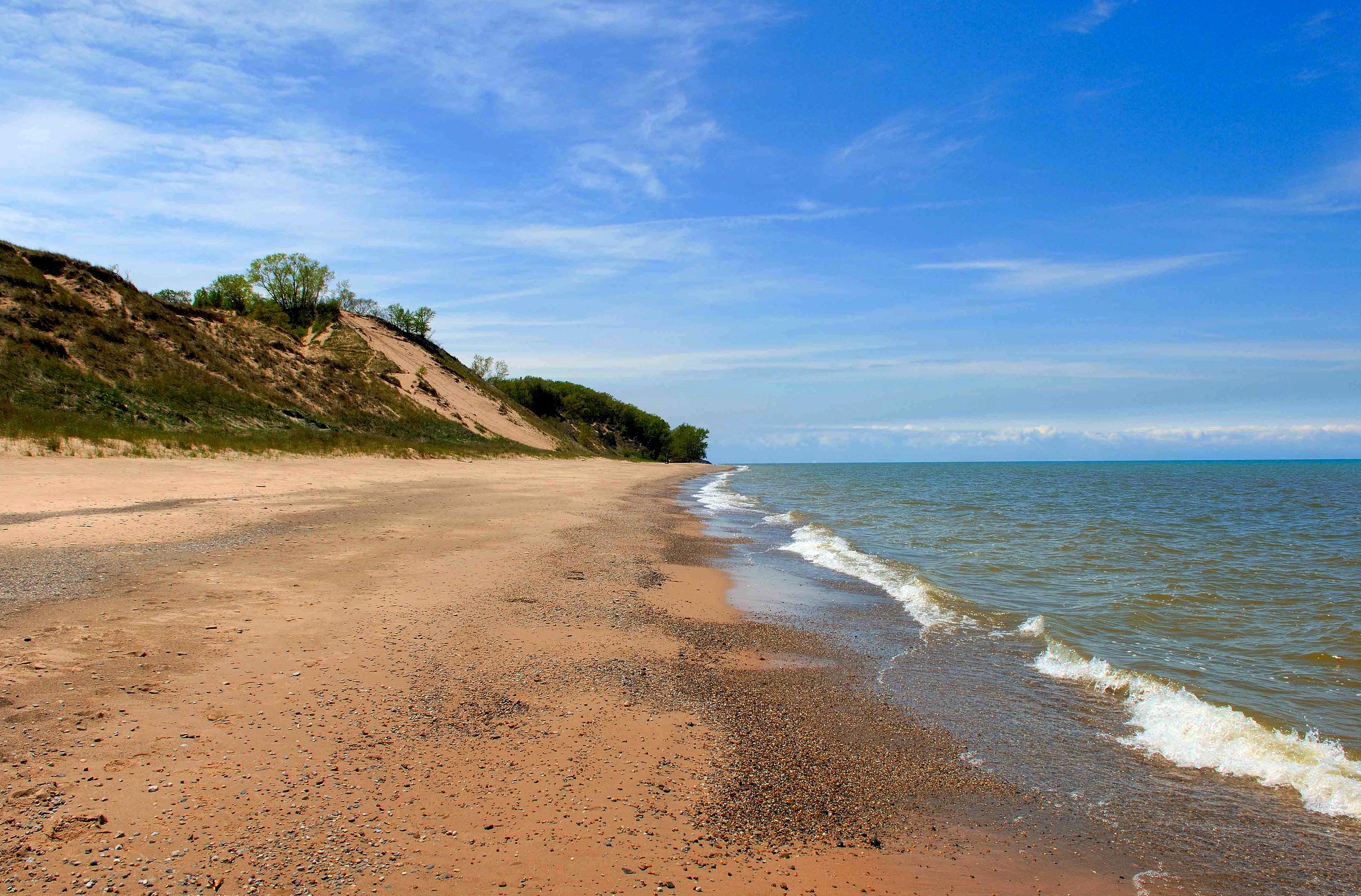
Indiana Dunes National Park spans 16,000 acres with 15 miles of Lake Michigan shoreline, yet it's not a single gated preserve—it's a patchwork of units and trailheads. Start at the Indiana Dunes Visitor Center on State Road 49; the $25 vehicle entrance fee covers seven days as of 2026.
NPS via NPS.gov (Public Domain)
Indiana Dunes National Park: Lake Michigan Dunes & Diverse Ecosystems - 2026 Guide
7 min read
Park Guide
Explore 15 miles of Lake Michigan shoreline and 16,000 acres of dunes, wetlands, and forests. Learn the $25 entrance fee, parking tips, and top trails in this (2026) guide to Indiana Dunes National Park.
Your plans
This article contains affiliate links — we may earn a small commission at no extra cost to you.
At a glance
Entrance Fee
Motorcycle $20 · Private vehicle $25 · Per person $15Full fee schedule
Hours
The general areas of the park are open year-round. Please check individual areas for specific hours
Best Time
June-September (summer), September-October (fall colors)
Address
1215 IN-49, Porter, IN, 46304
Website
41.6377, -87.0965
Google MapsNavigating the Park: A Practical Primer

The first thing to understand about Indiana Dunes is its layout. The park isn't a single, gated preserve you drive into. It's a patchwork of separate units, beaches, and trailheads strung along the southern shore of Lake Michigan, interspersed with towns, industry, and a state park. This fragmented nature is its defining logistical feature.
Your trip should start at the Indiana Dunes Visitor Center on State Road 49. Rangers there will hand you a map and emphasize one point: you cannot drive from one end of the park to the other on park roads. You'll be using local highways. The $25 private vehicle entrance fee, valid for seven days as of 2026, is paid at specific fee stations like the one at West Beach or the Dorothy Buell Memorial Visitor Center. If you're on foot or bike, the per-person fee is $15. Keep your receipt.
Parking is the daily choke point. The lot at West Beach, home to the most dramatic dune climb, fills by 10 AM on summer weekends. The smaller lots at Cowles Bog or the Portage Lakefront area can be full by mid-morning. Experienced visitors know to have a backup plan - often the less-congested Kemil Beach or Porter Beach access points. Cell service is reliable near the towns but drops out in the wooded trail networks, so downloading maps beforehand is non-negotiable.
Two alerts are in effect as of 2026. A portion of the Portage Lakefront and Riverwalk Trail is closed due to erosion damage, though the pier remains accessible. Also, expect intermittent closures on the Calumet Bike Trail through the fall for reconstruction. Check the official park website for the latest before you plan a long ride.
The Dunes Themselves: More Than Just Sand

Stand atop the 250-foot Mount Baldy at West Beach, and the entire story unfolds before you. To the north, Lake Michigan's expanse meets the sky. At your feet lies the active "foredune" ridge of loose, shifting sand. Just inland, older dunes are stabilized by marram grass and cottonwood trees. Farther back, the "black oak savanna" shows where centuries of accumulated soil now support a full forest. This progression from beach to forest is what you've come to walk through.
The Dune Succession Trail at West Beach is the textbook example, a 1-mile loop that feels longer thanks to the soft sand. Your calves will have strong opinions about the climb. The surface changes from packed boardwalk to loose sugar-sand about halfway up. Early morning is your best bet for manageable temperatures and firmer sand. From the top, on a clear day, you can pick out the Chicago skyline as a faint gray line to the northwest.
But the park's signature hike is the 3.4-mile loop at Cowles Bog. It's misnamed - it's actually a fen, a rare type of wetland fed by mineral-rich groundwater. The trail takes you through all the habitats: a sandy oak forest, a sun-baked swale, the boardwalk across the buzzing wetland itself (listen for the chorus of frogs in late spring), and finally to a secluded beach on the lake. The park website doesn't mention that the final descent to that beach is a steep, sandy scramble. It's worth it for the solitude.
Most visitors underestimate the sun and wind. The sand reflects heat, and the lake breeze can dehydrate you quickly. Pack extra water for any dune hike, even a short one. The gift shops sell it for $4 a bottle. Bring your own.
Beyond the Beach: Forests, Wetlands & Wildlife
To think of Indiana Dunes as only a beach is to miss 90% of its purpose. The inland trails are where the park's famous biodiversity becomes visible. Over 50 miles of trails weave through these secondary landscapes.
The Heron Rookery trail, following the Little Calumet River, is a flat, easy path that transforms in late April. Great blue herons nest in the towering sycamores across the river, their prehistoric squawks echoing through the floodplain. Farther east, the Mnoké Prairie trails at the Paul H. Douglas Center cut through restored grassland. In July, the air hums with insects and the prairie is a mosaic of purple bergamot and yellow coneflowers.
This variety makes the park a birding hotspot of national significance. Warblers flood the woodlands during spring migration. Ospreys fish the lakefront. Northern harriers cruise low over the prairies. You don't need to be an expert; just bring binoculars and pause where the tree canopy opens up. The wildlife viewing opportunities here are consistent and accessible.
Winter reshapes the park entirely. The summer crowds vanish. The dunes, dusted with snow and sculpted by wind, become a stark, beautiful landscape for cross-country skiing or snowshoeing. The cold is serious - the record low is -25°F - but on a still day with sunshine, a hike along a frozen beach is an experience few ever claim.
Planning Your Visit: Seasons, Stays & Strategies

The park's general areas are open year-round from 6 AM to 11 PM, but specific sites like West Beach close at 9 PM. The best time to visit depends entirely on your goal. Summer (June-September) is for swimming and full access, but it's also hot, humid, and crowded. July is the warmest month, and June is the wettest. September and October offer cooler temperatures, fall color in the hardwood forests, and far fewer people.
Your choice of base camp matters. There are no drive-in campgrounds within the national park itself. The camping options are at the adjacent Indiana Dunes State Park (which requires a separate fee) or at private campgrounds nearby. For roof-over-your-head comfort, the towns of Porter, Chesterton, and Michigan City offer a range of lodging and accommodations.
Build your days around the light and the crowd flow. Mornings are for the major dune climbs before the heat sets in. Late afternoons are for the inland forest trails or a quieter beach like Kemil. Always have a backup hiking trail in mind if your first-choice parking lot is full.
Don't try to see everything in one day. The park's sprawl makes that a frustrating exercise in driving. Pick a section - the western unit around West Beach and Cowles Bog, or the eastern unit around the Bailly Homestead and Chellberg Farm - and explore it deeply. Rangers will tell you that a focused visit always beats a frantic dash.
Practical Takeaways

- Start at the Main Visitor Center. Go to the address at 1215 IN-49, Porter, IN. Get the physical map and the latest trail advice from the rangers. Your phone's map app will not be sufficient.
- Arrive Early or Have a Plan B. Key parking lots at West Beach and popular trailheads fill by mid-morning on weekends and summer weekdays. Know your second-choice destination.
- Footwear is Functional. Wear closed-toe shoes with good traction for sandy trails. Sandals are for the beach only; the dune sand gets painfully hot and the forest trails have roots and uneven surfaces.
- Hydrate Like It's Your Job. The combination of sun, reflected heat from sand, and steady wind dehydrates people faster than they realize. Carry more water than you think you need for any hike.
- Respect the Lake. Lake Michigan is not a placid pond. It has strong currents, sudden drop-offs, and cold water even in summer. Swim only at designated lifeguarded beaches when available, and never alone.
- Check for Alerts. Before you go, visit the official NPS website for Indiana Dunes. Verify the status of the Portage Lakefront trail closure and the Calumet Bike Trail work, as these can affect your plans.
- Buy the Pass. If you're visiting in a personal vehicle, the $25, 7-day pass is the clear value. If you have an America the Beautiful Annual Pass, it covers the entrance fee.
Final Thoughts
Indiana Dunes National Park challenges the classic wilderness image. Its beauty is woven with railroad tracks and power lines, a reminder that nature persists in the most human-altered landscapes. The reward for accepting that complexity is a surprisingly profound experience. You can stand on a dune ridge formed by ancient glaciers, watch a heron hunt in a river that once fueled steel mills, and then walk a beach with a view of a modern skyline. It's a park that teaches you to look closer, to see the prairie in the vacant lot and the ancient shoreline in a suburban hill. That perspective might be its greatest gift.
Recommended Gear
What experienced visitors bring to Indiana Dunes National Park: Lake Michigan Dunes & Diverse Ecosystems - 2026 Guide
Links may earn us a commission at no extra cost to you. We only recommend gear we believe in.
Hiking Essentials
Hydration Pack (3L)
Hands-free water for long trail days
Trekking Poles (Pair)
Save your knees on steep descents
Hiking Boots (Ankle Support)
Sturdy footwear for rocky, uneven trails
Sun & Heat Protection
Wide-Brim Sun Hat
Full coverage UPF 50+ protection at altitude
Insulated Water Bottle (32oz)
Keeps water cold in desert heat all day
Electrolyte Mix Packets
Replace what water alone cannot during intense heat
Winter Gear
Microspikes / Traction Devices
Essential for icy rim trails in winter months
Packable Down Jacket
Lightweight warmth that stuffs into a pocket
Sources
- Official source: NPS — Indiana Dunes National Park nps.gov/indu/index.htm
Explore More National Parks

Gateway Arch National Park: Gateway to the West & America's Arch - 2026 Guide
Discover Gateway Arch National Park national park guide with our comprehensive guide. Expert tips, p...

Cuyahoga Valley National Park: Ohio's River Valley Escape - Complete 2026 Guide
Cuyahoga Valley National Park: Ohio's River Valley Escape - Complete 2026 Guide Overview Why does th...

Mammoth Cave National Park: The World's Longest Known Cave - 2026 Guide
Discover the world's longest known cave system — 400+ mapped miles. Complete 2026 guide to Mammoth C...

Where to See New River Gorge Bridge
Discover whitewater rapids, elite rock climbing routes, and wild West Virginia gorge. Complete 2026...
Photo Gallery
More to Explore
Park Guide
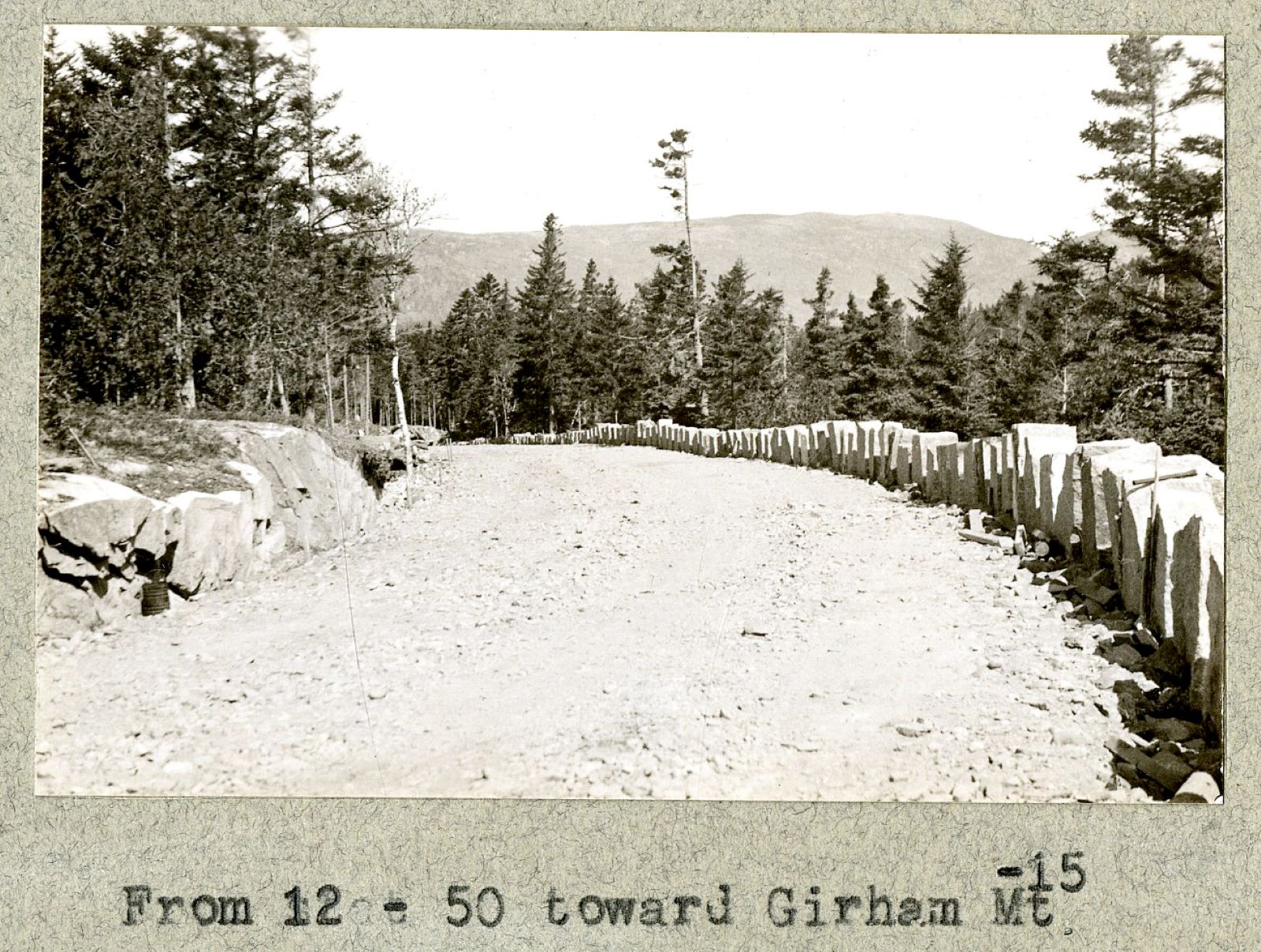
Acadia National Park: Carriage Roads, Cadillac Mountain & 2026 Guide
Discover carriage roads, Cadillac Mountain, and rugged Maine coast. Complete 2026 guide to Acadia National Park — trails, fees, lodging, permits, and what rangers recommend.
Hiking Guide
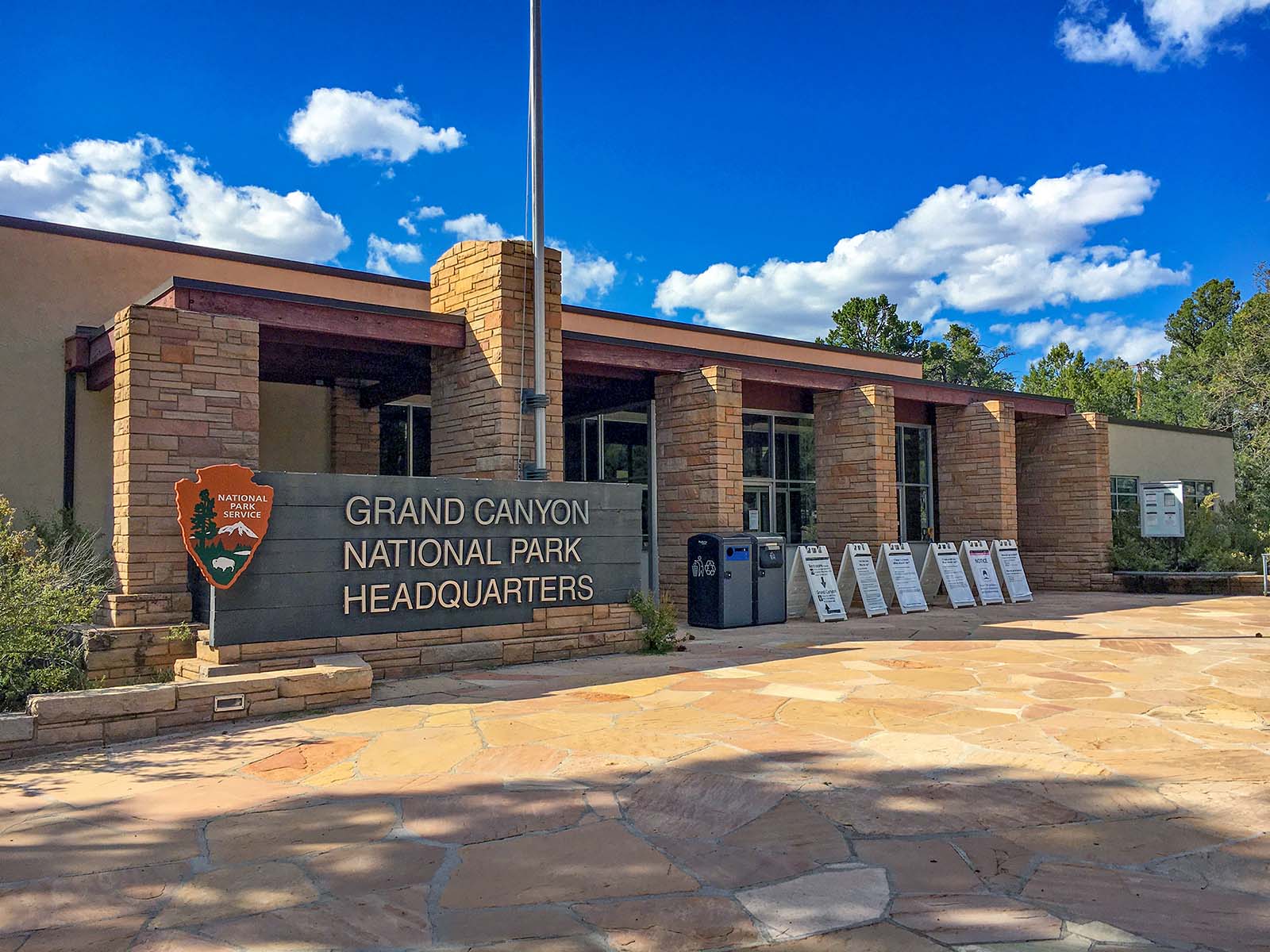
Grand Canyon Hiking Trails: Day Hikes, Water Sources & Rim to Rim
Compare Grand Canyon hiking trails: Bright Angel, South Kaibab, Hermit, Grandview, and rim to rim, with distances, elevation, water stops, and trailhead access for each.
Best Of
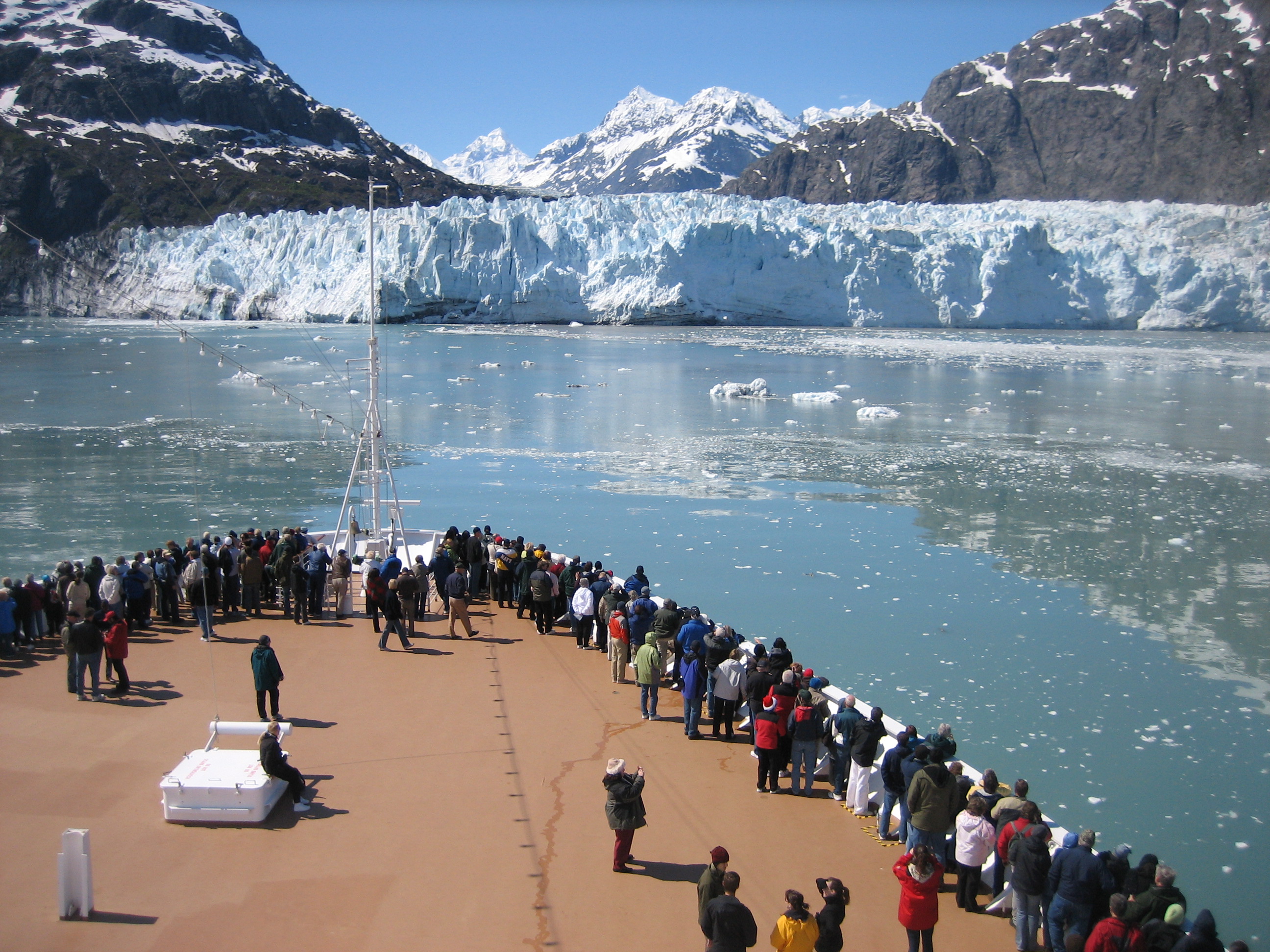
Best of Glacier Bay National Park
The best of Glacier Bay is reached by boat: ranger-led day tours up the bay to the tidewater glaciers. What's worth it, how to book, and when to go (2026).
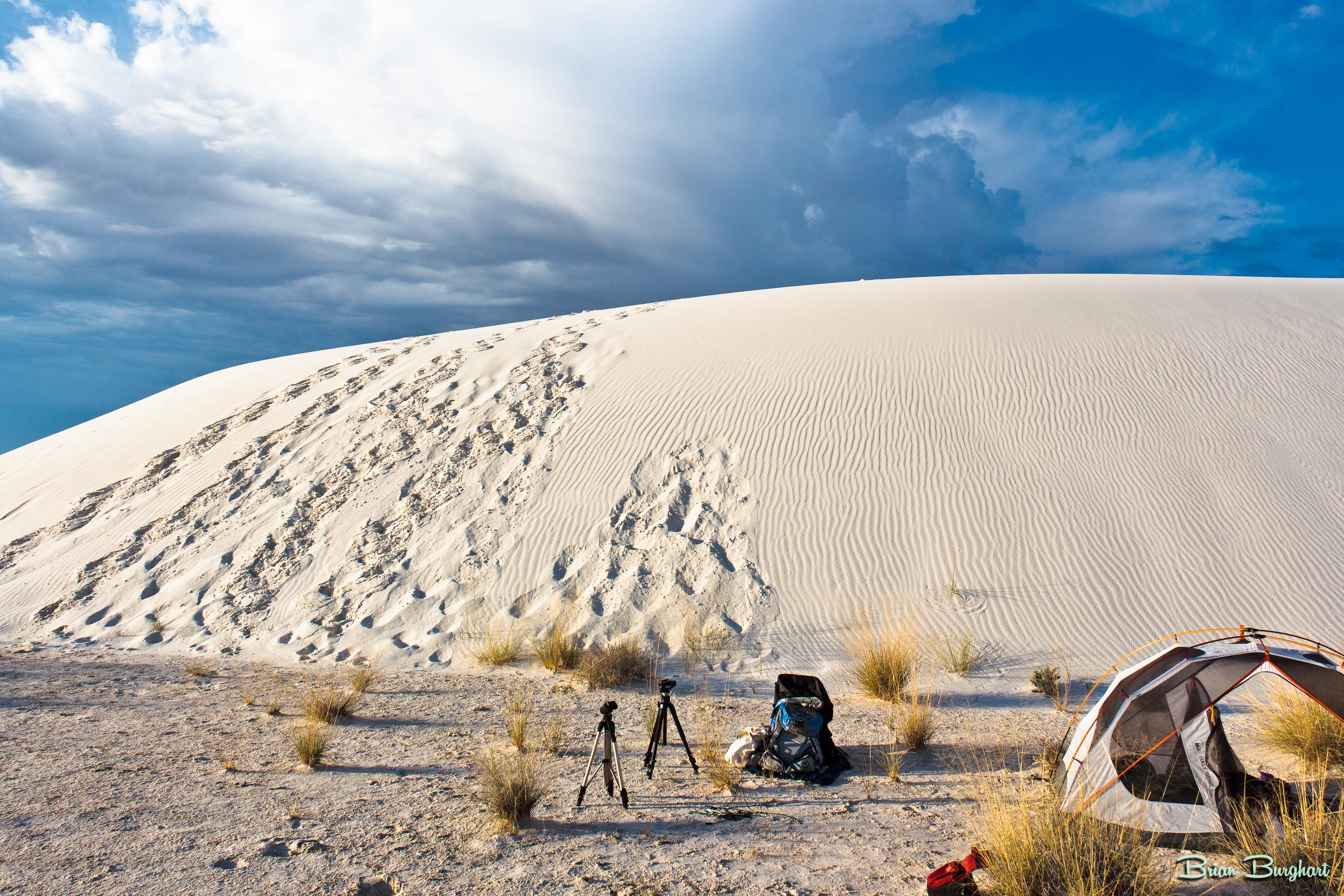
Campsite Guide
White Sands Backcountry Camping: Closed for 2026 — What to Know
As of 2026, backcountry camping at White Sands National Park is closed for site rehabilitation. What that means, and where to camp nearby instead.
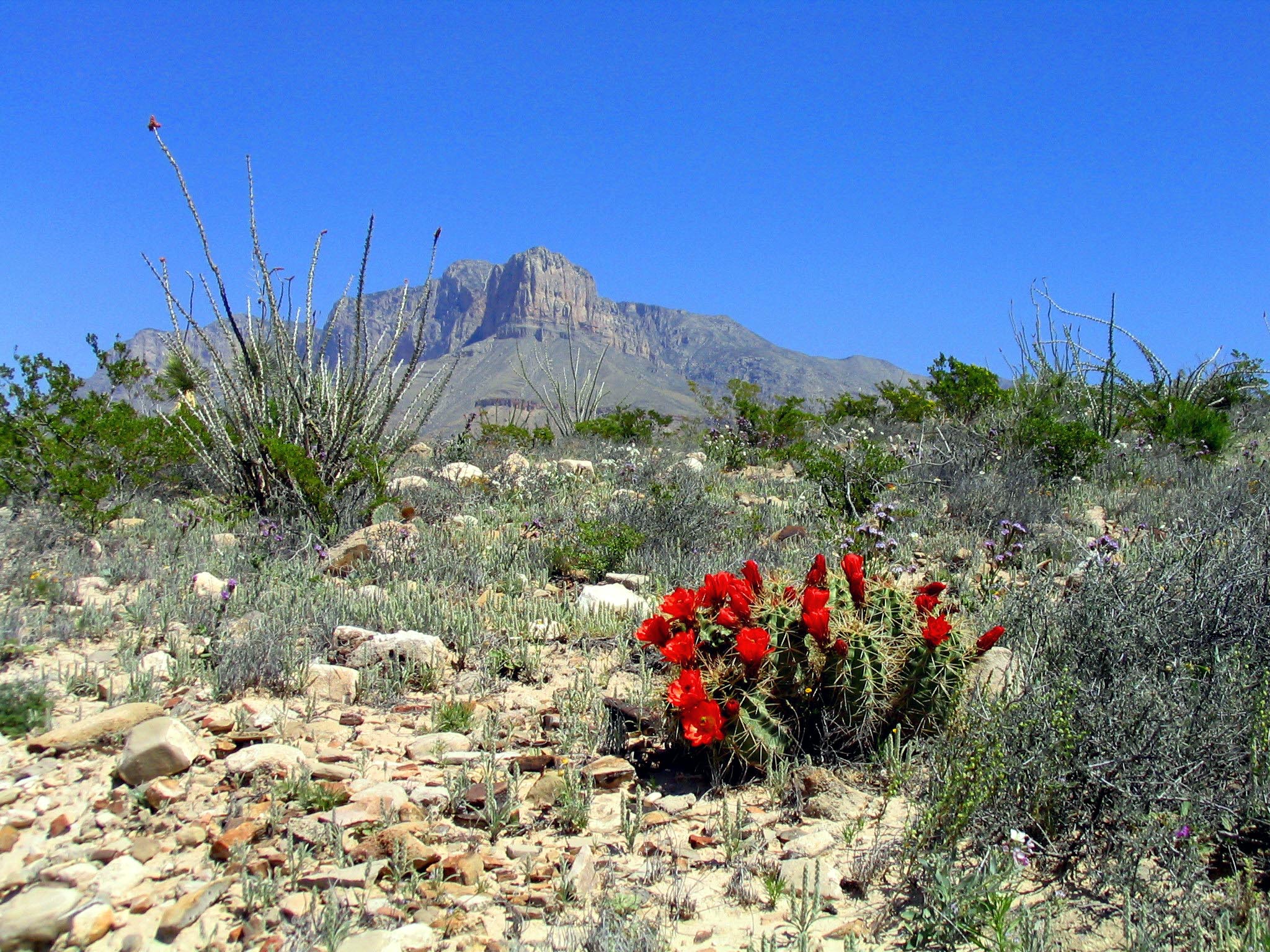
Weather Guide
Guadalupe Mountains National Park Weather: Weather
Guadalupe Mountains National Park: weather guide guide updated 2026. Practical visitor information, reservations, and seasonal tips worth bookmarking before

Best Of
Best of Cuyahoga Valley National Park: Best Things to Do
Seeing a Cleveland Orchestra concert with the woods as your backdrop is a uniquely Cuyahoga Valley experience.
Sign in to join the conversation.
Sources & Attribution
Location data courtesy of the National Park Service (U.S. Department of the Interior). NPS data is public domain. Official NPS page.
Images: NPS; NPS; NPS; NPS; NPS; NPS.
Map data © OpenStreetMap contributors.
Park operations alerts: NPS.gov · Weather and weather hazards: National Weather Service · Live conditions.
Information may change. Always verify fees, hours, and conditions directly with the official source before visiting.
Did this guide help? Share it with a friend.