Secure your cave tour ticket online well before your visit. Since 2026, a Recreation.gov reservation is the only reliable way to enter Mammoth Cave National Park's 400-mile labyrinth. Walk-up tickets are a long shot. This isn't a simple hole; it's a documented network of passages revealing geology, human history, and exploration. The Kentucky surface—with its river valleys, forests, and ridges—deserves attention, but the defining story lies beneath. This guide provides the essentials for navigating both realms.
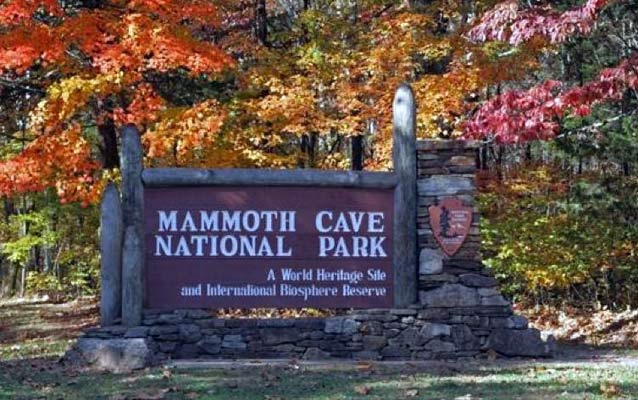
NPS via NPS.gov (Public Domain)
Mammoth Cave National Park: The World's Longest Known Cave - 2026 Guide
8 min read
Park Guide
Book a Recreation.gov cave tour ticket before visiting Mammoth Cave National Park; walk-up tickets are a long shot.
Your plans
This article contains affiliate links — we may earn a small commission at no extra cost to you.
At a glance
Location
KY
Website
37.1874, -86.1004
Google MapsNavigating the Cave: Tours, Tickets, and Tactics
Start at the visitor center. Rangers consistently note that arriving without a tour ticket is the most frequent visitor error. The park operates more than a dozen ranger-led tours, from one to six hours. Select based on your group's endurance, interest, and comfort with confined passages.
Choosing Your Tour
Tours split into a few clear categories. The "Historic Tour" is the two-hour classic, covering 2 miles and including tight squeezes like Fat Man's Misery - a winding keyhole passage about as wide as your hips. The "Extended Historic Tour" adds another mile and more history. For families with young kids or anyone with mobility concerns, the "Accessible Tour" uses an elevator to access well-lit, paved passages. The "Domes & Dripstones Tour" is the one for classic cave formations, featuring stalactites and stalagmites in the Frozen Niagara section. The six-hour "Wild Cave Tour" is the full commitment, requiring crawling, climbing, and squeezing through undeveloped passages.
No single tour shows you everything. Rangers emphasize that each one is a chapter in a very long book. If you only do one, make it the Historic Tour. It starts at the massive, gaping Historic Entrance - a collapsed sinkhole that has welcomed people for two centuries - and walks you through the early human story, from Indigenous explorers to 19th-century tourists.
Below the Surface: What to Expect
Temperatures in the cave hold steady at about 54°F (12°C) year-round. A light jacket is a good idea. The air smells of damp earth and ancient rock, a clean, mineral scent. You'll hear the constant, distant plink-plonk of water dripping from the ceiling, a sound the guides call the "water clock." On the Historic Tour, you'll pass beneath the Giant's Coffin, a boulder 40 feet long and 20 feet high that looks exactly like its name. You'll also see Booth's Amphitheatre, a natural rock stage where a famous Shakespearean actor once performed.
The trails underground are a mix of paved walkways, gravel, and, in some sections, the smooth, worn bedrock of the cave itself. Handrails are present in steeper areas. Lighting is strategic and minimal, designed to show features without washing out the profound darkness just beyond the path. When the ranger turns the lights off to demonstrate true darkness, you'll feel the weight of the stone overhead. It's a silence so complete you can hear your own heartbeat.

The World Above Ground: Rivers, Ridges, and Trails
Many visitors overlook the surface of Mammoth Cave National Park. Focused on the cave, they miss the Green River Valley, dense hardwood forests, and historical traces in old churches and cemeteries. The park safeguards over 50,000 acres of Kentucky hills; allocate at least a day to explore them.
Hiking and Overlooks
A network of hiking trails crisscrosses the park, from short walks to longer treks. The 1.3-mile Green River Bluffs Trail is a staff favorite for a reason. It leads to the Green River Bluffs Overlook, where you get a clear view northeast along the river valley - the water a muddy green ribbon hundreds of feet below, framed by steep, forested slopes. For a quick, rewarding view, take the ridge-top walk to Sunset Point. It's a five-minute stroll from the visitor center and offers a westward panorama over the Green River Valley, a popular spot for evening light.
The Cedar Sink trail is a 1-mile loop that descends into a massive sinkhole. In spring and summer, it's one of the best places in the park to see wildflowers due to the unique microclimate. The trail closure alert as of 2026 includes the Old Guides Trail, Heritage Trail, Sunset Point Trail, and parts of the Sinkhole Trail for rehabilitation. Always check the visitor center for the latest trail status.
On the Water: Rivers and Ferries
Over 30 miles of the Green and Nolin Rivers flow through the park. This isn't whitewater; it's slow, meandering paddling through a shaded corridor of trees. The most popular trip is the 7.6-mile paddle from Dennison Ferry to Green River Ferry, taking 2.5 to 4 hours. The put-in at Dennison Ferry is a concrete ramp, and the take-out is just upstream from a working cable ferry.
The Green River Ferry is one of the last active river ferries in the park system. It's a small, flat-deck barge that shuttles cars, hikers, and bikers across the river every few minutes. It's free, operates on demand, and is a fun, two-minute novelty ride that saves a 30-minute drive. If you're on a bike or want to explore the north side of the park, take the ferry. The ferry doesn't run during high water, so check conditions.
Safety on the river is non-negotiable. Rangers will tell you that wearing a life jacket is required, not a suggestion. The water is colder than you think, and the current is deceptively strong.

Planning Your Visit: Logistics from Parking to Sleeping
The Mammoth Cave Visitor Center is the operational heart of the park. All cave tours start here. The parking lot is large, with dedicated areas for cars, RVs, and buses, but it can fill by mid-morning on summer weekends and holidays. Overflow parking is available but adds a walk.
Where to Stay
Your lodging and accommodations options break down into inside-the-park and nearby towns. Inside the park, the Historic Cottages offer a rustic, updated 1930s-style stay. For camping options, you have three choices.
The Mammoth Cave Campground, with 111 sites, is the main one. It's a quarter-mile from the visitor center, offers a mix of shade and sun, and has modern restrooms. Sites are $25 per night as of 2026. It's ideal for visitors who want to be close to the action. The Houchin Ferry Campground has 12 sites right on the Green River for $20 a night. It's quieter, more remote, and operates year-round. The Maple Springs Group Campground has 7 large sites for $50 each, designed for scouts or family reunions.
Nearby towns like Cave City and Park City offer motels, chain hotels, and restaurants. They're a 10-20 minute drive from the visitor center.
Fees, Permits, and Timing
There is no entrance fee for Mammoth Cave National Park. You pay only for camping and for cave tours. Tour prices vary by length and type, from around $15 to $60 per adult. This is where the reservation system is critical.
The best time to visit depends on your tolerance for crowds and humidity. Summer (June-August) is busiest, with full tours, humid air, and temperatures in the 80s and 90s above ground. Spring and fall are milder and less crowded. Winter is quiet, with fewer tours offered, but you'll have the surface trails largely to yourself. The cave is the same temperature every day of the year.
Cell service is notoriously spotty in the park, especially in the river valleys and on the north side. Download your tour reservation barcode and any maps before you arrive.

Beyond the Main Tour: History and Hidden Details
The human history here is as deep as the cave. It's not just geology. At the Old Guide's Cemetery, you can find the grave of Stephen Bishop, an enslaved man who became one of the cave's most famous explorers and guides in the 1840s. He discovered and mapped miles of passageway, naming many of the features you'll see on tour.
Above ground, the Floyd Collins Homestead tells a darker 20th-century story of cave exploration and media sensationalism. The Good Spring Baptist Church & Cemetery and the Joppa Missionary Baptist Church & Cemetery are quiet, poignant reminders of the communities that lived on this land before it became a park.
For a unique surface activity, the Mammoth Cave Railroad Bike and Hike Trail is a 9-mile, gravel path following the old railroad bed that once brought tourists to the cave. It's flat, shaded, and perfect for a easy bike ride or long walk. The Big Hollow Trail offers over 10 miles of single-track mountain biking through dense woodlands.
Don't rush out after your cave tour. Evening ranger programs at the amphitheater cover topics from cave ecology to local folklore. And once the sun sets, the park's remote location makes for excellent stargazing. The overlook at Sunset Point is a good, accessible spot to look up.

Practical Takeaways
- Reserve Your Cave Tour First. Go to Recreation.gov and book your tour well in advance, especially for summer weekends. This is your single most important task.
- Pack for Two Climates. The cave is a constant 54°F. Bring a light jacket or fleece. Wear sturdy, closed-toe shoes with good traction - the paths can be damp and slick.
- Arrive Early for Parking. The main visitor center lot fills by mid-morning on busy days. Plan to arrive at least 30 minutes before your tour time to park, check in, and use the restroom.
- Explore the Surface. Allocate a half-day or more for hiking, visiting the Green River Bluffs Overlook, and taking a short ride on the Green River Ferry.
- Check for Trail Closures. As of 2026, several trails are closed for rehabilitation. Verify current conditions at the visitor center or the park website before you head out.
- Prepare for Spotty Connectivity. Assume you will have no cell service for large portions of the park. Download maps, your tour reservation, and driving directions beforehand.
Final Thoughts
Mammoth Cave National Park challenges the typical national park visit. The premier attraction isn't a mountain vista you drive to; it's a hidden world you walk down into. The history isn't just on placards; it's in the names of passages discovered by an enslaved guide, on the walls of churches built by early settlers, and in the cool, still air of the cave itself. Success here is about preparation - securing that tour ticket - and then a willingness to slow down. Listen to the water clock in the dark. Watch the river from the bluffs. Feel the temperature drop as you walk into the Historic Entrance. It's a park that rewards patience and a bit of planning with a genuinely unique perspective on what lies beneath.
Recommended Gear
What experienced visitors bring to Mammoth Cave National Park: The World's Longest Known Cave - 2026 Guide
Links may earn us a commission at no extra cost to you. We only recommend gear we believe in.
Hiking Essentials
Hydration Pack (3L)
Hands-free water for long trail days
Trekking Poles (Pair)
Save your knees on steep descents
Hiking Boots (Ankle Support)
Sturdy footwear for rocky, uneven trails
Sun & Heat Protection
Wide-Brim Sun Hat
Full coverage UPF 50+ protection at altitude
Insulated Water Bottle (32oz)
Keeps water cold in desert heat all day
Winter Gear
Microspikes / Traction Devices
Essential for icy rim trails in winter months
Packable Down Jacket
Lightweight warmth that stuffs into a pocket
Sources
- Official source: NPS — Mammoth Cave National Park nps.gov/maca/index.htm
- Official source: National Park Service nps.gov/places/mammoth-cave-national-park.htm
Explore More National Parks

Great Smoky Mountains National Park: Complete Guide (2026)
Great Smoky Mountains National Park, America's most visited park, has no entrance gates but requires...

Gateway Arch National Park: Gateway to the West & America's Arch - 2026 Guide
Discover Gateway Arch National Park national park guide with our comprehensive guide. Expert tips, p...

Where to See New River Gorge Bridge
Discover whitewater rapids, elite rock climbing routes, and wild West Virginia gorge. Complete 2026...

Indiana Dunes National Park: Lake Michigan Dunes & Diverse Ecosystems - 2026 Guide
Discover Indiana Dunes National Park national park guide with our comprehensive guide. Expert tips,...
Photo Gallery
More to Explore
Park Guide
Acadia National Park: Carriage Roads, Cadillac Mountain & 2026 Guide
Discover carriage roads, Cadillac Mountain, and rugged Maine coast. Complete 2026 guide to Acadia National Park — trails, fees, lodging, permits, and what rangers recommend.
Hiking Guide
Grand Canyon Hiking Trails: Day Hikes, Water Sources & Rim to Rim
Compare Grand Canyon hiking trails: Bright Angel, South Kaibab, Hermit, Grandview, and rim to rim, with distances, elevation, water stops, and trailhead access for each.
Best Of
Best of Glacier Bay National Park
The best of Glacier Bay is reached by boat: ranger-led day tours up the bay to the tidewater glaciers. What's worth it, how to book, and when to go (2026).
Campsite Guide
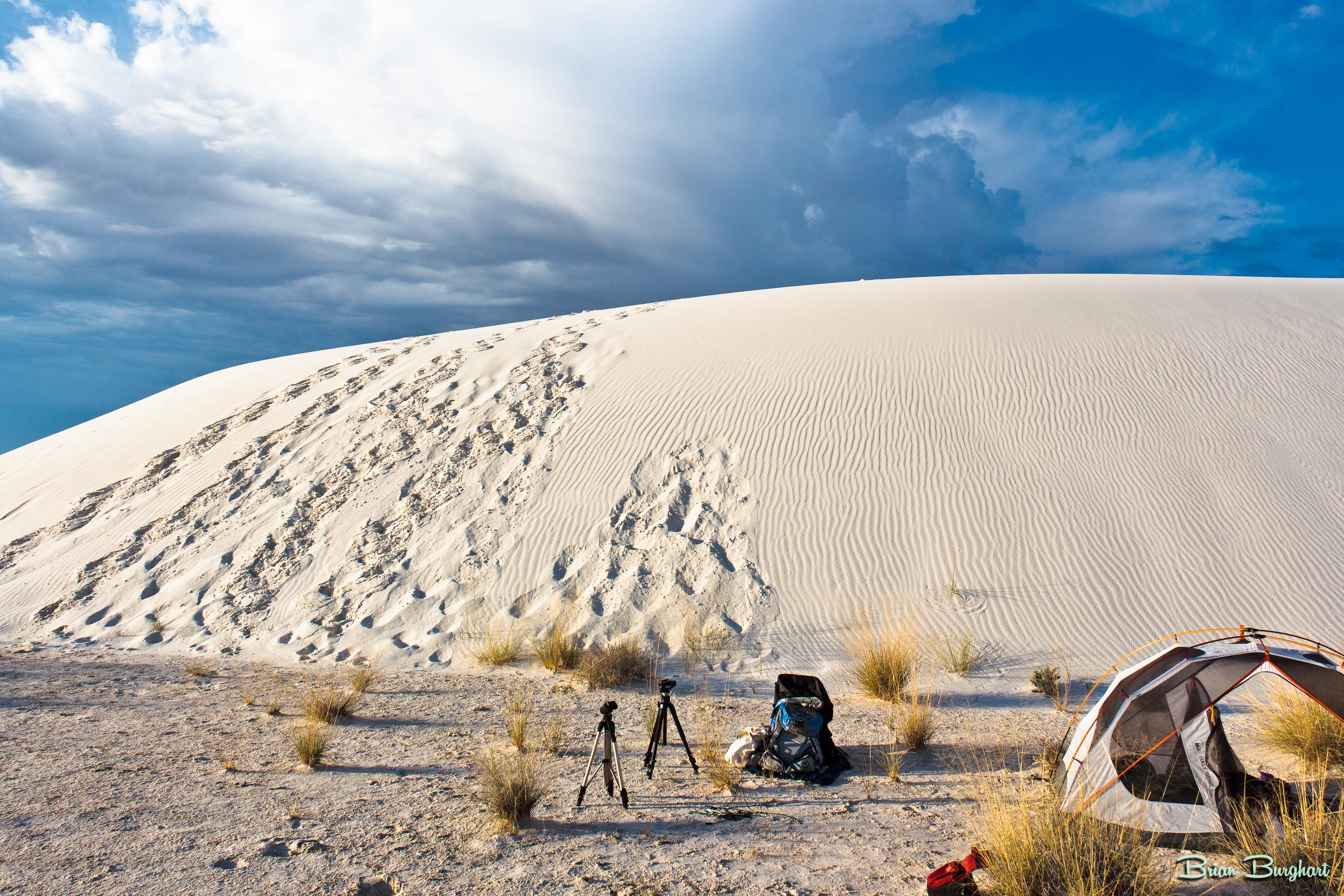
White Sands Backcountry Camping: Closed for 2026 — What to Know
As of 2026, backcountry camping at White Sands National Park is closed for site rehabilitation. What that means, and where to camp nearby instead.
Weather Guide
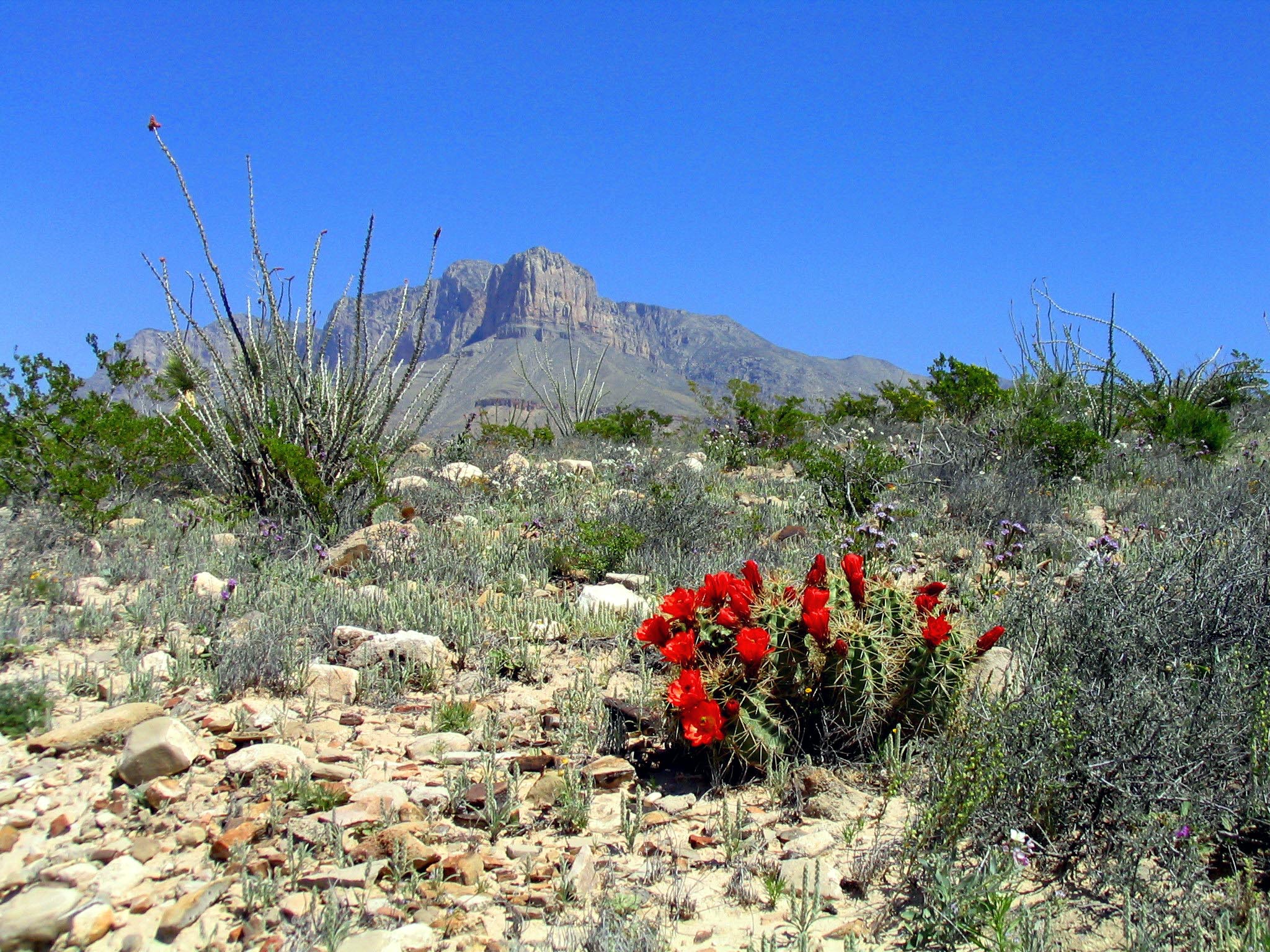
Guadalupe Mountains National Park Weather: Weather
Guadalupe Mountains National Park: weather guide guide updated 2026. Practical visitor information, reservations, and seasonal tips worth bookmarking before
Best Of
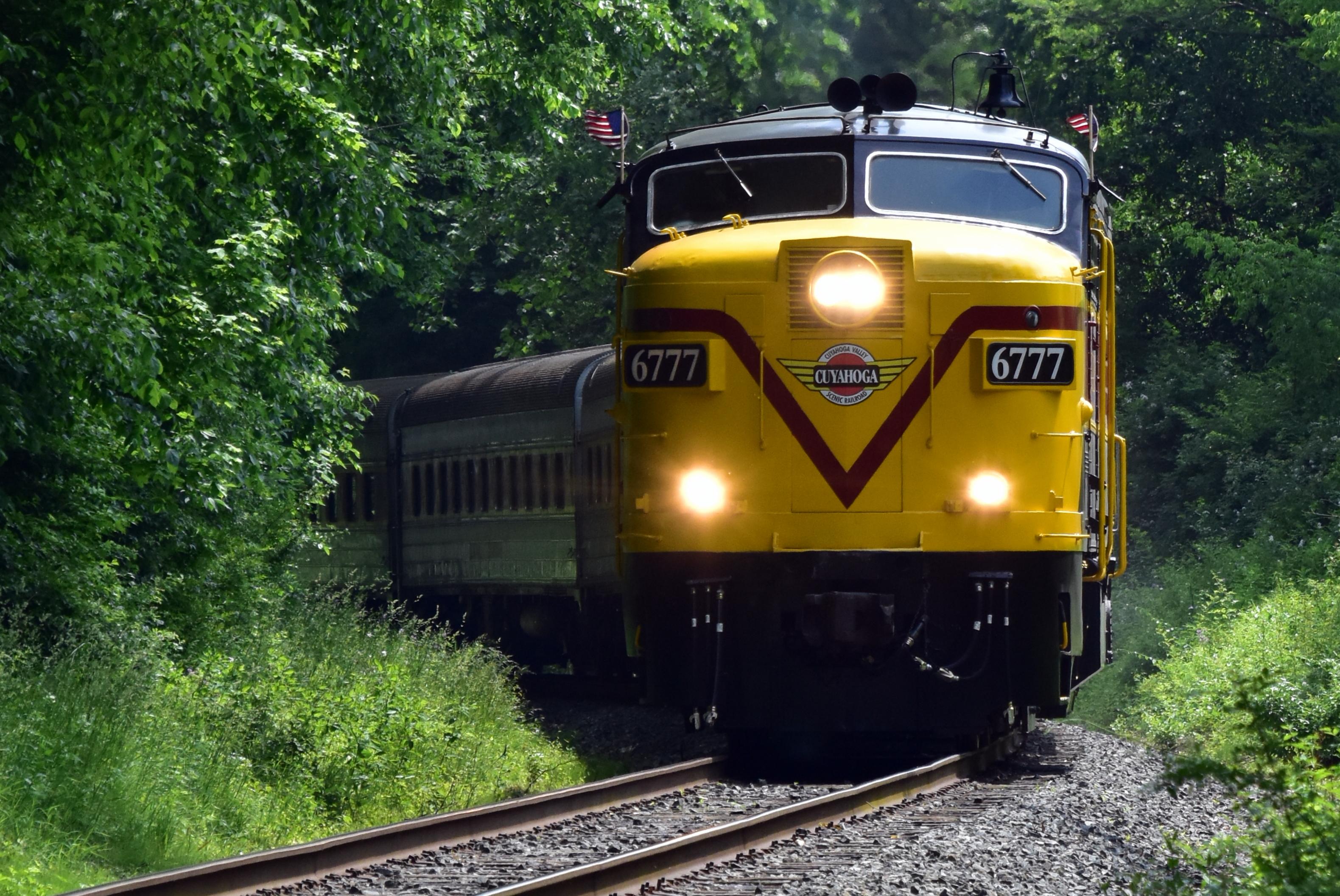
Best of Cuyahoga Valley National Park: Best Things to Do
Seeing a Cleveland Orchestra concert with the woods as your backdrop is a uniquely Cuyahoga Valley experience.
Sign in to join the conversation.
Sources & Attribution
Location data courtesy of the National Park Service (U.S. Department of the Interior). NPS data is public domain. Official NPS page.
Images: NPS; NPS; NPS; NPS; NPS.
Map data © OpenStreetMap contributors.
Park operations alerts: NPS.gov · Weather and weather hazards: National Weather Service · Live conditions.
Information may change. Always verify fees, hours, and conditions directly with the official source before visiting.
Did this guide help? Share it with a friend.